Choosing toys for your toddler shouldn’t feel like dodging landmines. Every parent wants safer, healthier play - and eco-friendly toys are often marketed as the answer. Here’s the twist: not all “green” claims mean the toy is safe for little hands (or mouths). Some eco toys are just clever marketing wrapped around plastics and undisclosed chemicals.
It’s time to get picky. You deserve to know exactly which materials stand up to toddler teething, rough play, and endless curiosity - without risking toxins, splinters, or environmental guilt. This guide reveals the 7 proven best materials for eco-friendly toddler toys, each chosen for safety, sustainability, and age-perfect fun.
You'll discover tangible criteria to spot truly non-toxic, planet-friendly options. Prefer plush, teethers, puzzles, or creative crafts? We’ll break down the strengths (and red flags) for every material. It’s like having a cheat sheet for your next toy aisle visit - or frantic late-night online search.
Why Eco-Friendly Toy Materials Matter for Toddlers
Picture your toddler plopping down, grabbing a favorite toy, and - let’s be real - shoving it straight into their mouth. That’s not a phase - it’s science. Toddlers explore the world through touch, taste, and plenty of chewing. So, what’s inside that squeaky giraffe or cuddly bear matters as much as its cuteness.
Here’s a number that’ll jolt you awake: 78% of toys tested contained PVC in at least one component (Ecology Center, 2025). PVC can leach phthalates, which are linked to health risks for young children. Many “eco” toys are plastic in disguise, with a dash of recycled content or a recycled cardboard box. That’s not enough.
Toddlers need toys that check three boxes:
- Non-toxic: Certified free from lead, phthalates, BPA, and other nasties.
- Durable: Survive being chewed, thrown, or washed repeatedly.
- Sustainable: Made from renewable, recycled, or biodegradable materials.
We’re focusing on toy materials that meet all three criteria - and we’ll highlight what to avoid.
Curious about more eco-friendly tips for little ones? Check out our guide to sustainable baby gear for ideas beyond toys.
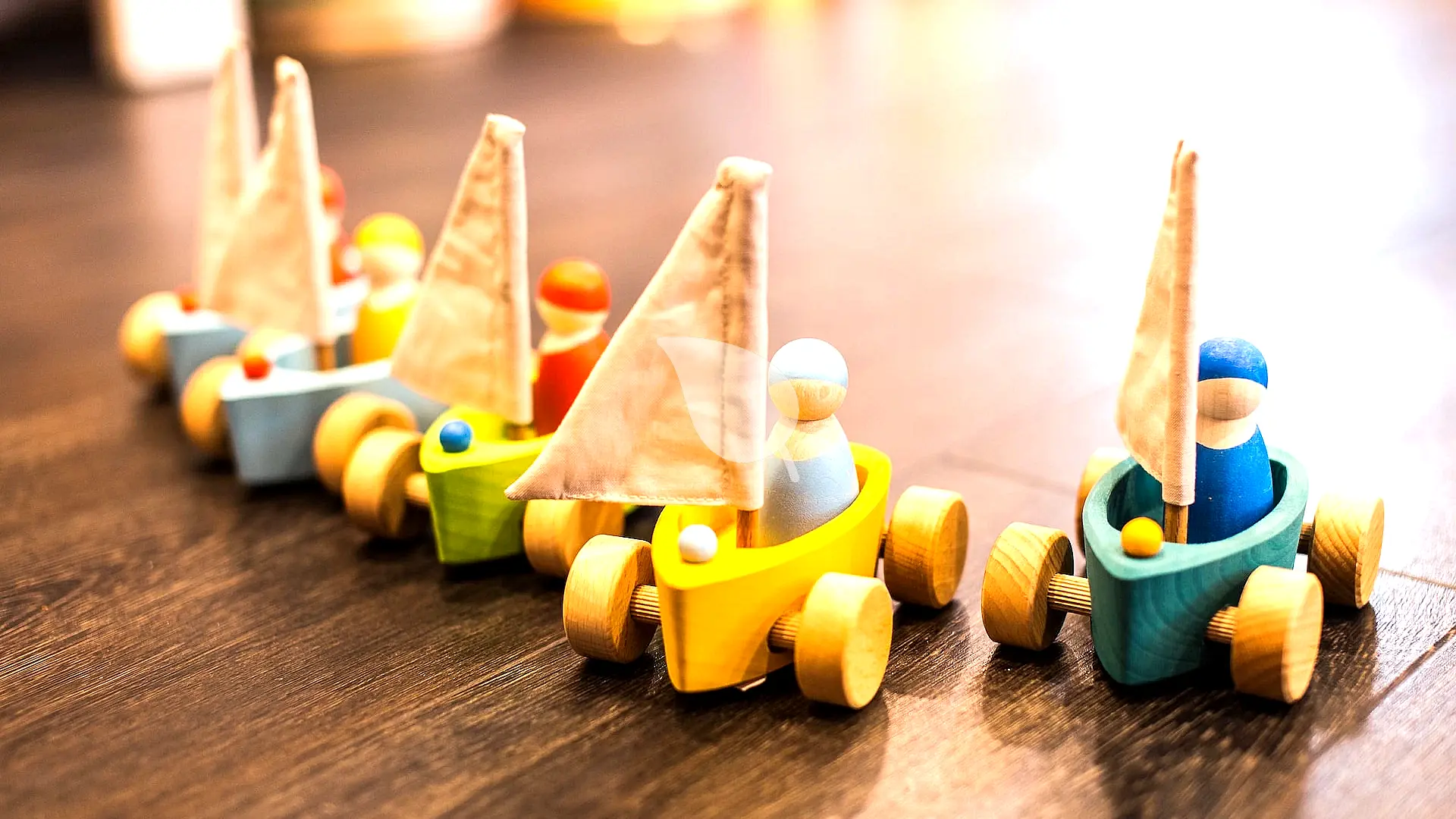
1. FSC-Certified Wood: Durable and Trusted for Toddler Toys
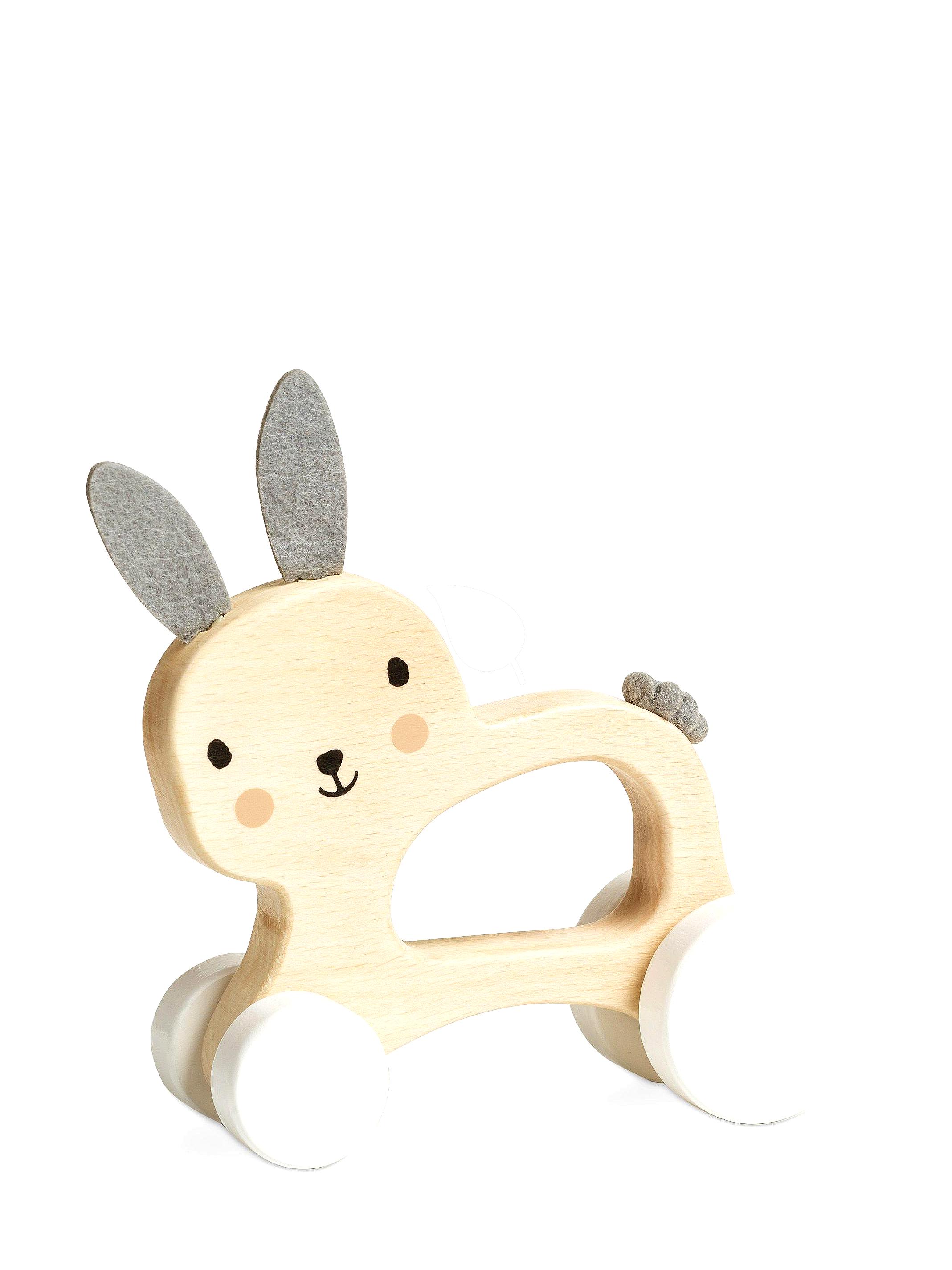
Wooden toys are a classic for a reason - they’re sturdy, timeless, and can last through generations if well-made. But not all wooden toys are equal. Enter FSC-certified wood: your best bet for sustainable and safe play.
Why Choose FSC-Certified Wood?
- FSC (Forest Stewardship Council) certification guarantees that the wood is harvested sustainably, supporting both forests and communities.
- Wood - especially when sanded smooth and finished right - is naturally tough and resistant to splinters.
- Ideal for stacking blocks, puzzles, and open-ended play that builds creativity and motor skills.
Pro Tip: Always look for the actual FSC logo, not just “eco” language in marketing. Want examples? EarthHero’s wooden toy collection is packed with FSC-certified options.
Safety Tips for Wooden Toys
- Insist on non-toxic, water-based finishes or food-grade oils. Some wood toys sneak in varnishes or paints loaded with chemicals.
- Avoid toys with sharp edges or tiny, detachable parts. Safety isn’t just about materials - it’s about smart design.
- Check age guidelines. Even the best wooden blocks aren’t chew-proof in the wrong age group. Always supervise rowdy play.
Expert Insight:
“Look for toys that have eco-friendly certifications, such as FSC for wood products.”
- Basic Fun editorial team (source)
Real-World Example
Consider a set of FSC-certified wooden blocks. They’re designed for epic tower-building sessions and can withstand being tossed across a room (or three). With water-based paint, they’re safe for teething. Best of all, you can wipe them down after a sticky snack - no problem.
Stat: “FSC certification is recommended for wood products.” (Basic Fun, 2025)
Transition: Prefer plush and snuggly toys? Next up: organic cotton.
2. Organic Cotton: The Soft, Safe Choice for Plush Toys
There’s nothing sweeter than a toddler snuggling a beloved plushie - except, perhaps, knowing that toy is as clean as it is cute. Organic cotton steps up as the go-to for plush toys, dolls, and soft books.
Benefits of Organic Cotton for Toddlers
- Grown without pesticides or harsh chemicals, reducing exposure risks for kids and farmworkers alike.
- Supremely soft and hypoallergenic, making it perfect for sensitive toddler skin.
- Washable and resilient: Designed for the realities of sticky hands, drool, and frequent laundering.
Pro Tip: Look for the GOTS (Global Organic Textile Standard) label. It covers not just the cotton, but the processing, dyes, and even ethical labor standards.
Buying Tips for Organic Cotton Toys
- Check stitching quality - toddlers tug, chew, and squeeze with gusto. A well-made toy won’t burst at the seams.
- Avoid synthetic dyes or chemical treatments, which can undo the benefits of organic cotton.
- Prioritize machine washability. Plush toys get dirty. Fast.
Real-World Example
Imagine an organic cotton teddy that goes everywhere: car seat, park swing, and - inevitably - the washing machine. Its GOTS label means you’re dodging hidden toxins. Even after countless cycles, it stays soft and huggable.
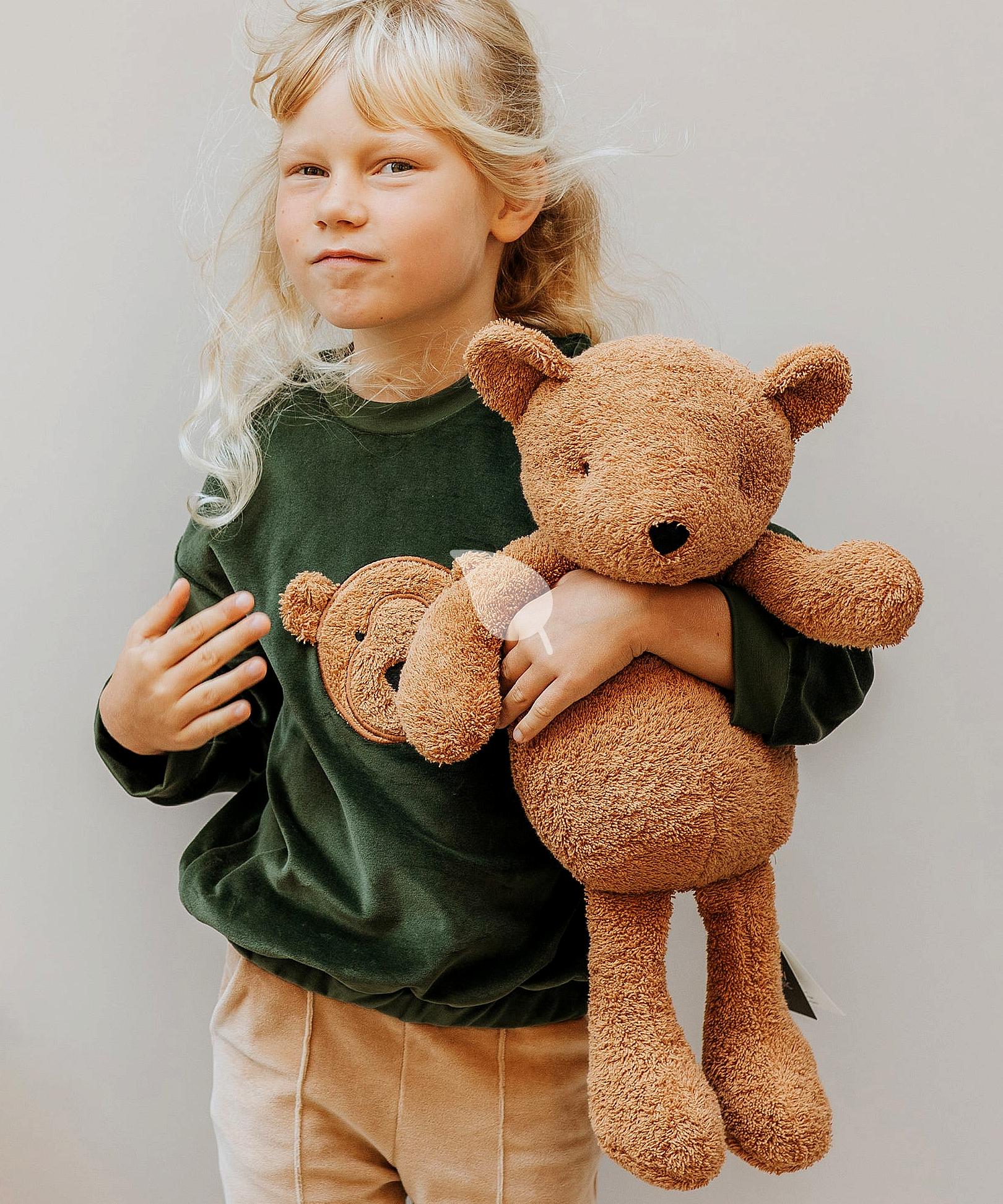
Stat: “Organic cotton is grown without harmful pesticides and chemicals.” (Basic Fun, 2025)
Curious for more? Modern Nursery features the latest in certified organic cotton toys.
Transition: Next up: a superstar for teething and sensory play - natural rubber.
3. Natural Rubber: Teething-Friendly and Sensory-Safe
Teething is its own saga. When your toddler is chewing everything in sight, you want a material that’s gentle, flexible, and - above all - non-toxic. Natural rubber is a game changer.
Why Natural Rubber Is Ideal for Teething Toys
- Naturally elastic and soft, soothing sore gums without risk of sharp edges or shattering.
- Biodegradable and renewable. Harvested from rubber trees, it’s an eco win.
- Free from phthalates, BPA, and other plasticizers - as long as you buy the right stuff.
Warning: Some toys labeled “natural rubber” actually mix in synthetic fillers. Always read the label and look for transparency on sourcing.
What to Check When Buying Natural Rubber Toys
- 100% natural rubber only. Skip anything with “blends” or “synthetic rubber.”
- Zero BPA, PVC, or phthalates. These additives are common in cheap teethers - avoid them.
- Easy to clean. Mold loves warm, damp places, so opt for simple shapes and rinse often.
Expert Insight:
“Choose toys made from natural materials like wood, organic cotton, or natural rubber.”
- Monty Toy Store editorial team (source)
Real-World Example
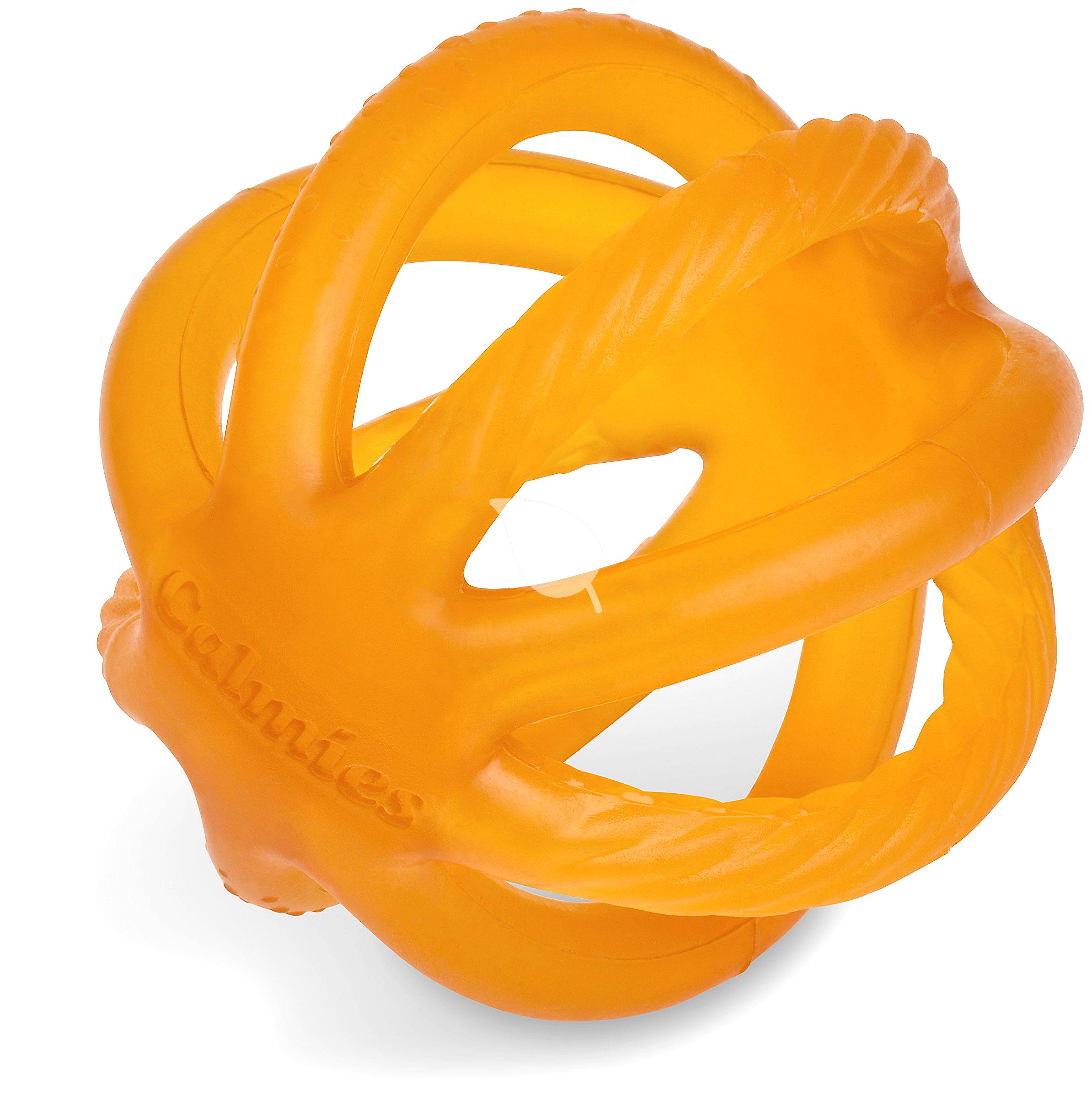
Think of a natural rubber teething ring - no dyes, no added plastic - just pure, elastic comfort. It bounces back after every bite, and a quick rinse keeps it fresh. Brands like Gimme the Good Stuff recommend natural rubber as a top non-toxic teether choice.
Transition: What about wooden alternatives that grow even faster? Enter bamboo.
4. Bamboo: Lightweight, Renewable, and Stylish
Maybe you’ve seen those sleek bamboo stacking toys or rattles and wondered: is bamboo really eco-friendly? The answer is a resounding yes - when done right.
Sustainability and Feel of Bamboo Toys
- Bamboo grows like wildfire - some species shoot up three feet a day - making it one of the most renewable resources on the planet.
- Lightweight but durable: Perfect for toddlers learning to grip, stack, and shake.
- Finished with natural oils, not harsh lacquers or paints.
Tip: Always check that finishes are food-safe or water-based. Bamboo splinters are rare with quality toys but possible with poor manufacturing.
Ideal Bamboo Toy Types for Toddlers
- Stacking blocks and puzzles are favorites for fine motor skills.
- Bamboo rattles: smooth, easy to grip, and gentle when (not if) tossed.
- Sensory exploration: Temperature and texture changes make bamboo a tactile delight.
Real-World Example
You hand your toddler a set of bamboo nesting cups. They’re featherlight, tough, and after a spill in the sandbox, a quick rinse makes them as good as new. Modern Nursery stocks several stylish bamboo-based collections.
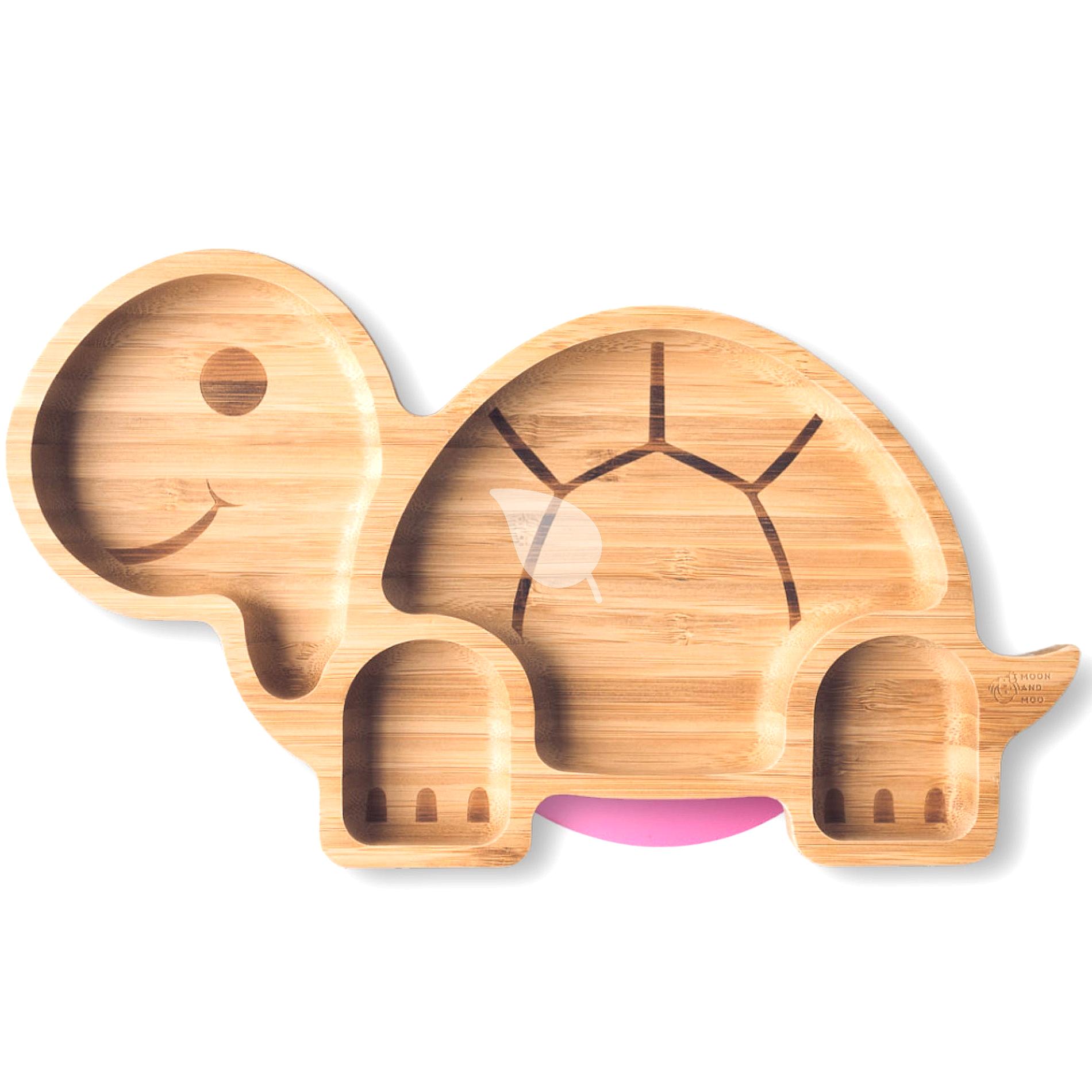
Stat: “Bamboo grows rapidly and is renewable.” (Basic Fun, 2025)
Transition: But what about plastic? Can it ever be eco-friendly or safe for toddlers?
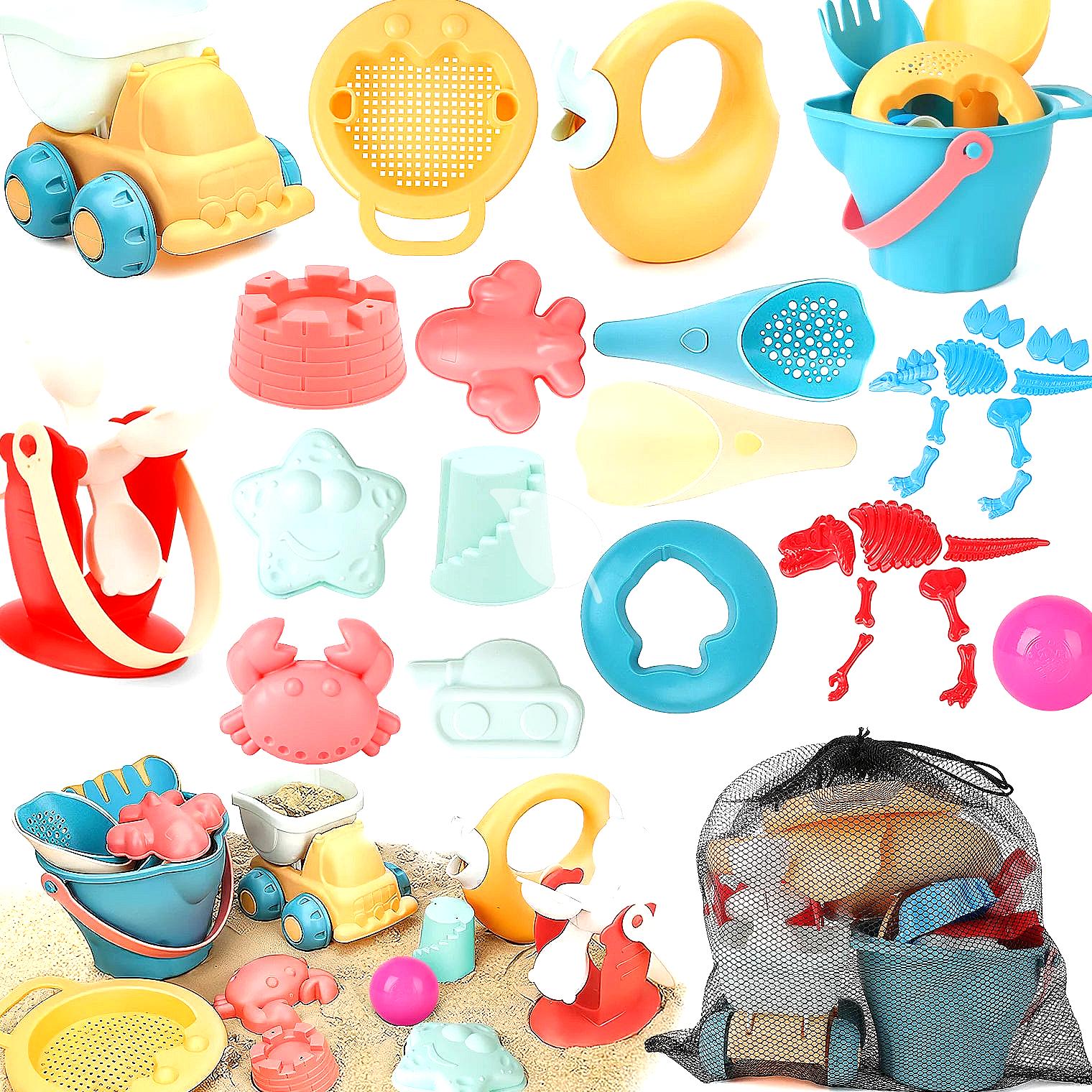
5. Recycled Plastic: Balancing Eco Benefits and Safety
Let’s not kid ourselves - plastic is everywhere. But recycled plastic, wisely chosen, can help reduce waste without sacrificing safety. Still, it’s a mixed bag for toddler toys.
Understanding Recycled Plastic in Toys
- Post-consumer recycled plastics divert waste from landfills and lower demand for new resources.
- Safety hinges on rigorous sourcing and testing. Some recycled plastics contain residues or additives that don’t belong near small children.
- Not all recycled plastics are created equal. Look for toys with transparent safety certifications.
Caution: Be wary of vague marketing (“eco plastic!”). Transparency is key: look for third-party testing and labeling.
When to Choose Recycled Plastic Toys
- Only buy those with strict safety certifications (like EN71 or US ASTM F963 for toy safety).
- Best for bath toys, ride-ons, or toys that aren’t mouthed daily. For teethers and plush, other materials win.
- Check for absence of BPA, phthalates, and PVC. These can hide in poorly processed recycled plastics.
Expert Insight:
“Post-consumer recycled plastic reduces waste and new plastic demand.”
- Mountain Kids Toys
Real-World Example
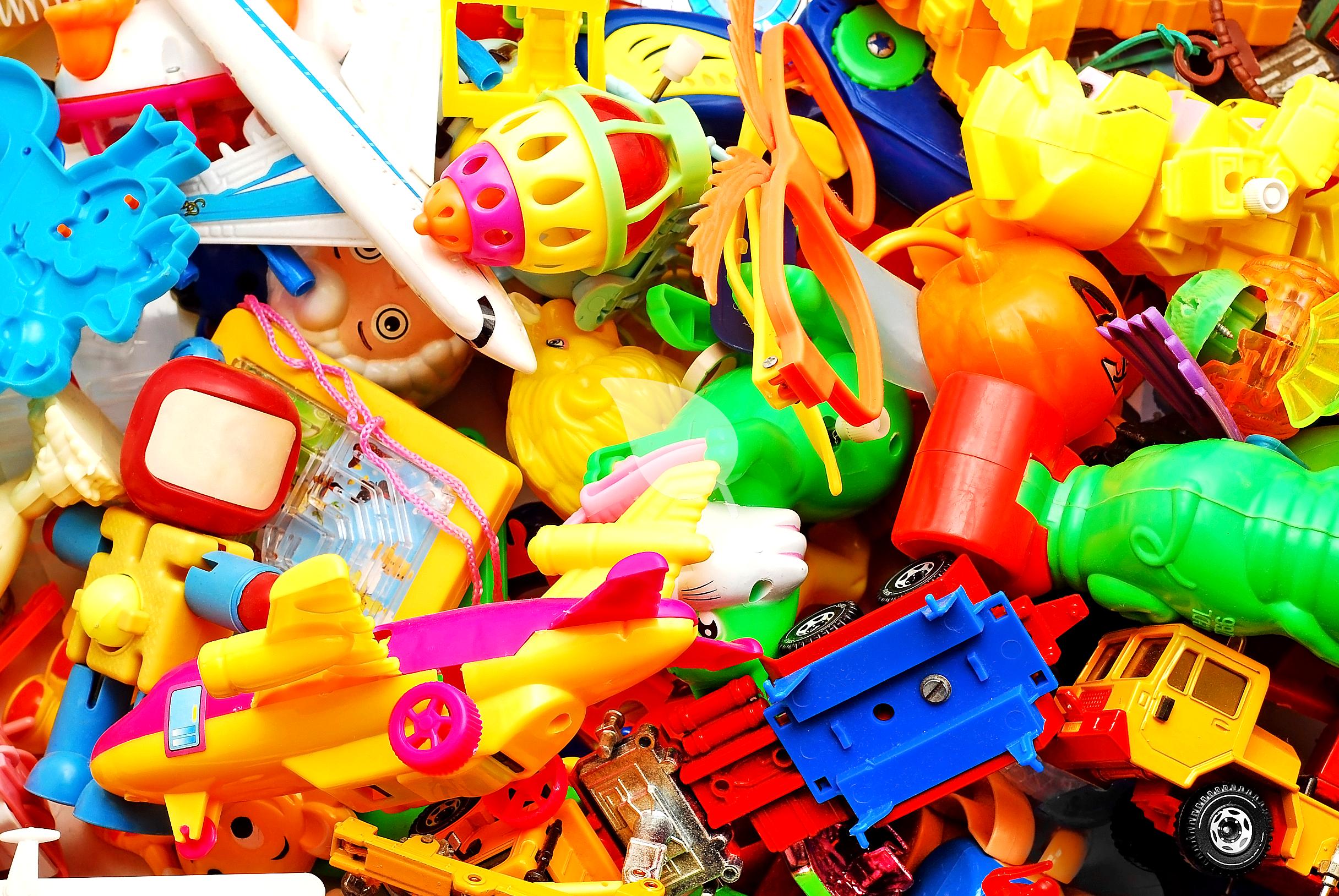
Picture a set of bath boats made from recycled milk jugs. They float, stack, and rinse clean - plus, the brand publishes third-party safety test results right on their website. That’s the level of transparency you want.
Transition: Looking for a creative, ultra-low waste option? Meet cardboard and paper-based toys.
6. Cardboard and Paper-Based Materials: Creative and Low-Waste
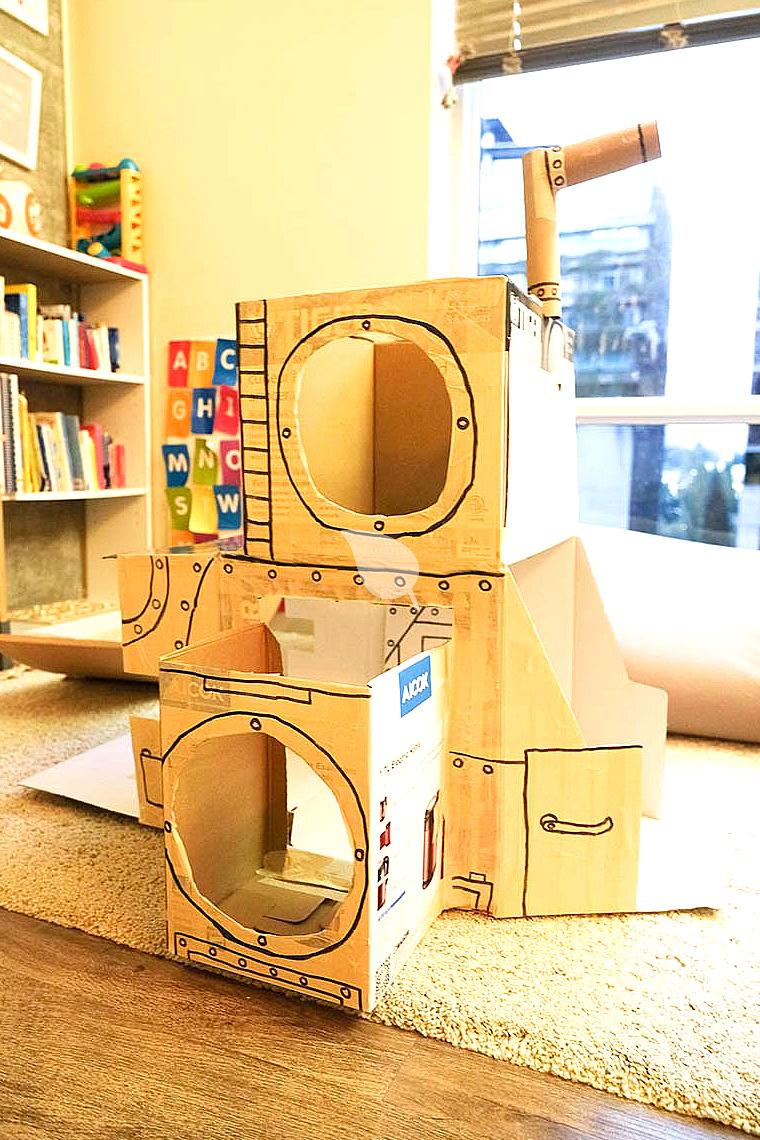
Cardboard isn’t just for packaging - it’s a surprisingly versatile material for toddler toys and crafts. Sure, it won’t last forever, but it shines for creative, low-waste play.
Advantages for Toddler Play
- Encourages big imagination: Cardboard playhouses, tunnels, and puzzles spark creativity with every session.
- Easily recyclable and compostable - when the toy’s done, it goes back to the earth.
- Great for crafts and temporary setups: Think make-your-own crowns or stacking blocks.
Limitations and Care
- Shorter lifespan: Cardboard toys are vulnerable to moisture, biting, and, well, general toddler chaos.
- Supervise closely: Watch for tearing and choking hazards.
- Check for non-toxic inks and adhesives. Not all cardboard toys are created equal - avoid glossy, heavily printed, or laminated ones.
Tip: Look for handmade craft kits using recycled paper and water-based inks.
Real-World Example
A cardboard puzzle shaped like jungle animals invites open-ended play. It stands up to dozens of playdates, then gracefully degrades after it’s outgrown. For more creative inspiration, many small makers sell handmade cardboard craft kits online.
Transition: Want sensory, tactile, and all-natural? Wool and felt round out our list.
7. Wool and Felt: Natural, Soft, and Sensory-Rich
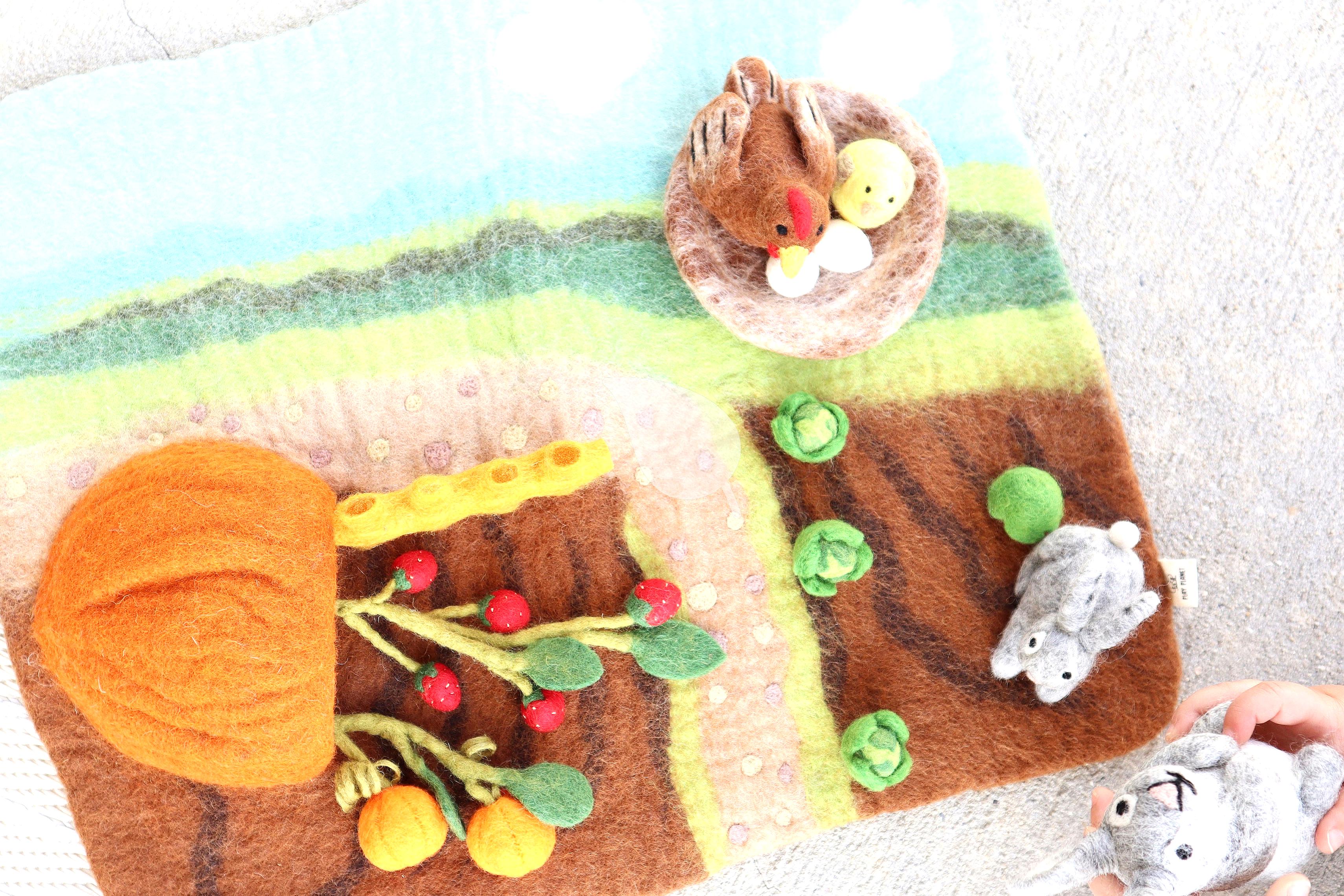
Wool isn’t just for sweaters - it makes for delightful, tactile toddler toys. Ethically sourced wool and natural felt deliver softness, sensory exploration, and a break from plastics.
Why Choose Wool and Felt?
- Sensory goodness: Felted toys invite touch, squeezing, and imaginative play.
- Biodegradable and renewable: Wool breaks down harmlessly, and sheep grow more each year.
- Perfect for soft blocks, finger puppets, and “quiet” play sets.
Buying and Care Tips
- Insist on untreated, ethically sourced wool. Some wool is treated with chemicals - you don’t want those.
- Check for hypoallergenic claims - especially for children with sensitivities.
- Hand wash gently to keep the fibers soft and resilient for years.
Tip: Seek out brands that share their sourcing and care instructions up front.
Real-World Example
Imagine a set of hand-felted finger puppets - each a different animal, with soft details and no plastic anywhere. They become instant characters in bedtime stories, fostering language and imagination. Sustainable brands like Papoose Toys offer beautiful wool playsets.
How to Tell If a Toy Is Truly Safe and Sustainable
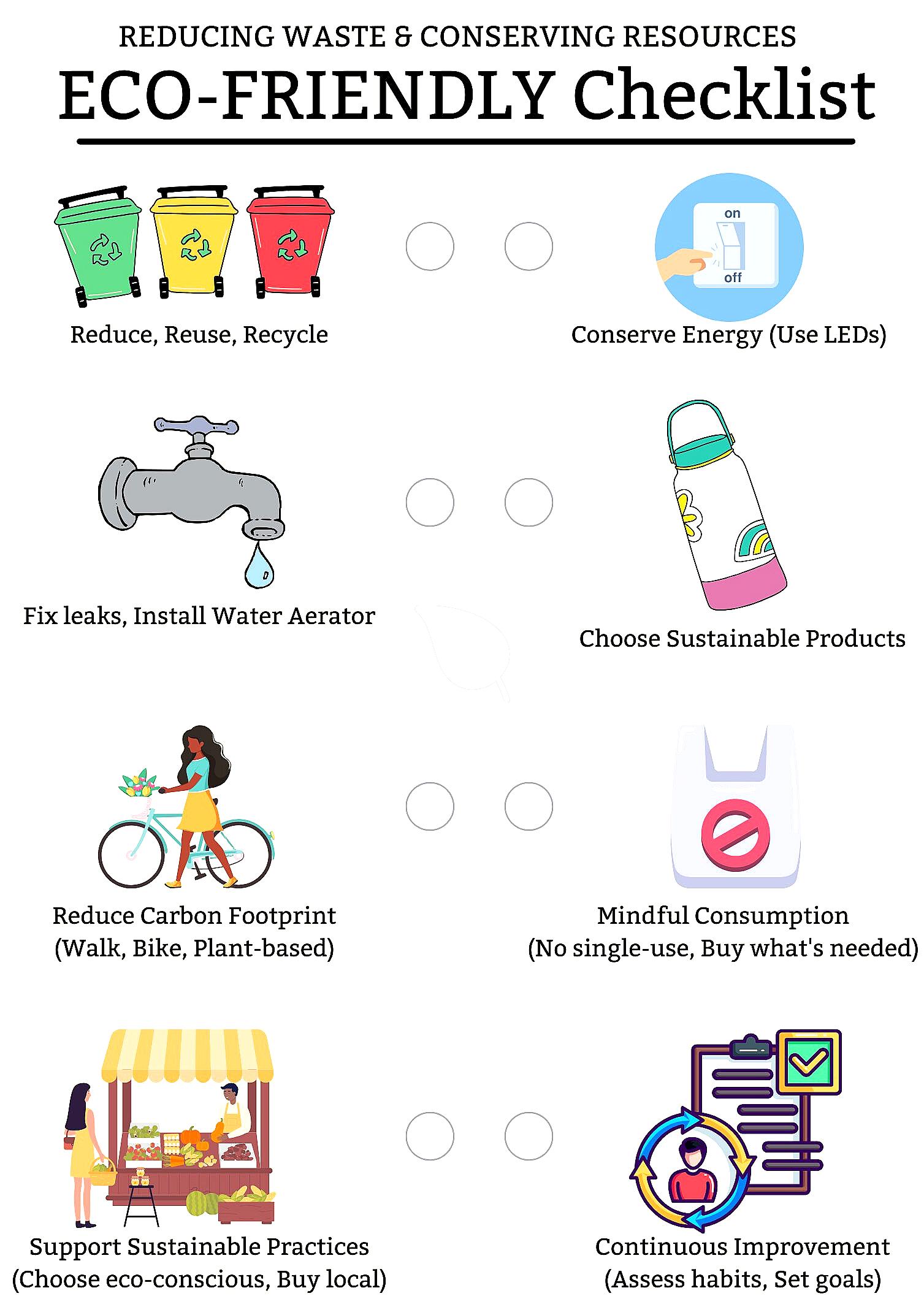
Buying toys for toddlers shouldn’t feel like a pop quiz, but here’s a cheat sheet to get it right every time:
1. Check Certifications
- Look for FSC (wood), GOTS (textiles), and clear third-party safety labels.
- No certificate? Ask brands for transparency or skip.
- Example: The FSC logo on a wooden block set; GOTS label sewn into a plush bunny.
2. Evaluate Material Finishes and Treatments
- Avoid anything with PVC, phthalates, lead paint, or synthetic fragrances.
- Prefer water-based paints, food-grade oils, and minimal processing.
- Example: A natural oil-finished teether over a brightly painted, plastic one.
3. Consider Age Appropriateness and Durability
- Choose toys made for toddler mouthing, chewing, and tossing.
- Durable = lower waste and better value.
- Example: Solid wooden blocks versus thin cardboard puzzles.
Mistakes to Avoid When Buying Eco-Friendly Toddler Toys
Don’t fall into these common traps - your toddler (and the planet) will thank you.
-
Mistake: Thinking “eco-friendly” means “non-toxic.”
- Why it matters: Some green materials are still finished with toxic chemicals.
- Fix: Check for both sustainability marks and explicit safety certifications.
-
Mistake: Buying toys unsuited for mouthing or rough play.
- Why it matters: Toddlers chew, drop, and tug. Hard woods can splinter; plush toys can harbor germs if not washable.
- Fix: Pick chew-safe, washable, and sturdy materials.
-
Mistake: Ignoring durability.
- Why it matters: If toys break quickly, you’re just creating more waste.
- Fix: Prioritize materials (like FSC wood and organic cotton) that last through years and hand-me-downs.
Helpful Tools and Resources for Parents
- GOTS Directory: Check what’s really certified organic. Great for double-checking that plush bunny or cotton doll blanket.
- FSC Product Finder: Find toys (and other products) with genuine FSC certification.
- Non-Toxic Toy Guides by Gimme the Good Stuff: Deep dives into safe brands, materials, and what to avoid - perfect for parents who want to get nerdy about toy safety.
Frequently Asked Questions
What materials are best for toddler toys?
The top materials for eco-friendly toddler toys are wood (FSC-certified), organic cotton, natural rubber, bamboo, recycled plastic (with certifications), cardboard/paper, and wool. Each excels in safety and eco-friendliness when matched with the right play style. Always check for age-appropriateness and certifications.
Are wooden toys safer than plastic toys?
Generally, yes. Wooden toys - especially those made from FSC-certified wood with non-toxic finishes - are naturally durable and less likely to harbor harmful chemicals. Plastic toys can contain phthalates, BPA, or PVC. Some recycled plastics are safe, but always look for transparency and third-party testing. Safety comes down to material, finish, and brand honesty.
Is natural rubber better than plastic for toddler toys?
Absolutely. Natural rubber is biodegradable, gentle for teething, and generally free from the harmful additives often found in plastic. Plastic teethers may contain phthalates, BPA, or other toxins, while 100% natural rubber products are safer for chewing. Always confirm it’s pure rubber - no synthetic blends.
What should I avoid in non-toxic toys?
Stay away from toys containing PVC (vinyl), phthalates, lead paint, BPA, and synthetic dyes. These chemicals can be found in some plastic toys, cheap paints, or poorly labeled imports. Look for certifications and avoid vague “natural” or “eco” claims without documentation.
How do I know if a toy is truly sustainable?
Start by checking for certifications - FSC for wood, GOTS for fabric. Brand transparency is critical: do they disclose sourcing and third-party testing? Also, consider how durable and recyclable the toy is. A sustainable toy lasts, avoids toxic components, and minimizes waste.
Are recycled plastic toys safe for toddlers?
It depends. If the manufacturer uses post-consumer plastics and has third-party safety certifications (showing the absence of BPA, phthalates, and heavy metals), recycled plastic toys can be a responsible choice - especially for non-mouthed toys like bath boats or blocks. Avoid brands that are vague about sourcing or testing.
Conclusion: Choose the Best Eco-Friendly Toys for Your Toddler
We covered the 7 best materials for eco-friendly toddler toys: FSC-certified wood, organic cotton, natural rubber, bamboo, recycled plastic, cardboard/paper, and wool/felt. Each brings a unique mix of safety, sustainability, and fun tailored for real toddler behavior - chewing, throwing, snuggling, or crafting.
If you remember nothing else, remember this: certifications and transparency beat greenwashed claims every time. FSC wood, GOTS cotton, and pure natural rubber are your MVPs for chew-safe, durable, and truly eco-friendly play.
Use our checklist to screen every purchase - does the toy have real certifications, safe finishes, and age-appropriate design? If yes, you’re giving your child a safer, happier playtime and shrinking your environmental footprint in one smart move.
By insisting on non-toxic, sustainable toys, you’re nurturing both your little one and the planet they’ll inherit. That’s a legacy worth every extra minute spent on research.
Ready for more real-world parent guides on non-toxic play, upgrades for sustainable baby gear, and practical eco-swaps? Subscribe to our newsletter below!
[NEWSLETTER SIGNUP: "Get more parent-friendly guides on non-toxic play, sustainable baby gear, and simple eco-swaps."]
Tags
Join Our Mission
Support our conservation efforts and make a difference today.