What if Your Toddler Could Be Your Neighborhood's Next Eco-Hero?
Just picture this: a tiny pair of hands holding a recycled bucket, picking up litter or planting seeds with a proud, determined grin. It's not a fantasy. Your young child could kick off the next community green team right where you live. Sound ambitious? Maybe. But it's totally possible - and, dare I say, wildly fun.
Meanwhile, a lot of parents face a tough challenge: how do you actually get toddlers involved in community projects? Kids are squirmy, unpredictable, and sometimes more interested in mud pies than planet-saving. But that's the secret sauce - eco-friendly activities that fit their quirky energy come naturally. This guide gives you the proven blueprints for starting environmental projects your little ones will love, complete with step-by-step checklists and real-life stories. Get inspired and see how bite-sized green change can start with the youngest hands in your neighborhood.
Why Start a Community Green Team with Young Kids?
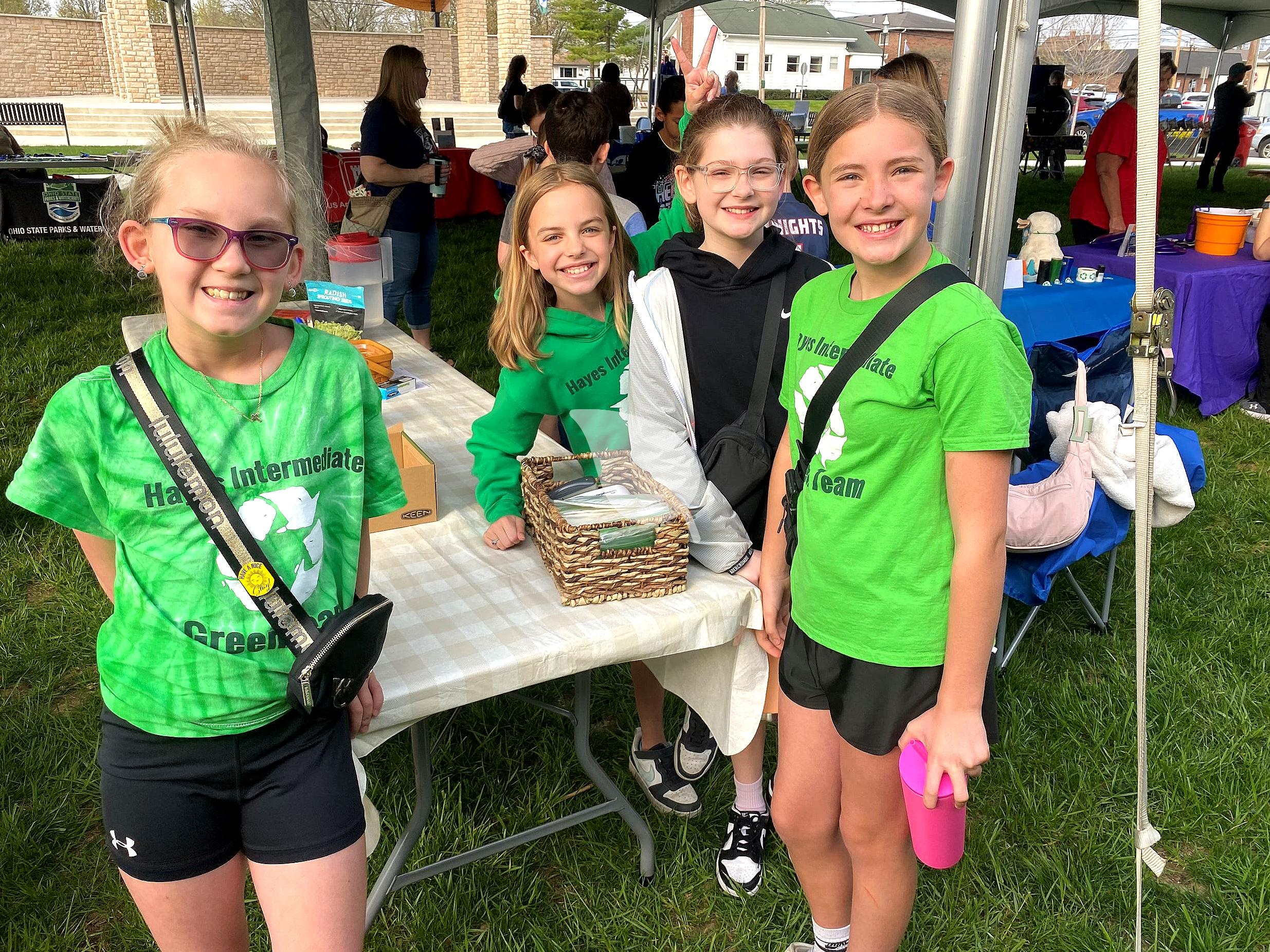
Imagine stepping outside to see a cluster of toddlers with their parents, gleefully picking up wrappers and giggling as they spot a ladybug on a leaf. That’s not just adorable - it's the heartbeat of a thriving, sustainable neighborhood. In communities where families and young children join forces for cleanups, tree planting, or simple garden care, the sense of pride and togetherness skyrockets.
According to the 2024 EPA Youth and Environment Study, children who get involved in environmental action early are up to 50% more likely to continue those planet-friendly habits as adults. The earlier they start, the more second-nature "green living" becomes. Toddlers, believe it or not, can lead the charge with projects designed on their scale: picking up litter with tiny gloves, planting seeds in colorful pots, or marching in a parade to celebrate a new tree.
But there’s more to it than just keeping kids busy. These community green teams create strong social ties, encourage youth leadership, and spark lifelong curiosity about nature. Your child’s snack-sized attention span? Perfect for eco-activities that are quick, hands-on, and loaded with sensory discovery.
In this guide, you'll discover:
- The essential benefits of youth-led green teams
- A step-by-step starter plan you can use today
- Fun project ideas that blend play with purpose
- Simple safety and engagement strategies
- Easy ways to celebrate and share your team’s victories
Ready to turn curiosity into action? Dive in below - or explore kid-friendly gardening projects for more ideas on family sustainability.
Empowering Youth Leadership in Community Green Teams
Benefits of Early Eco-Leadership
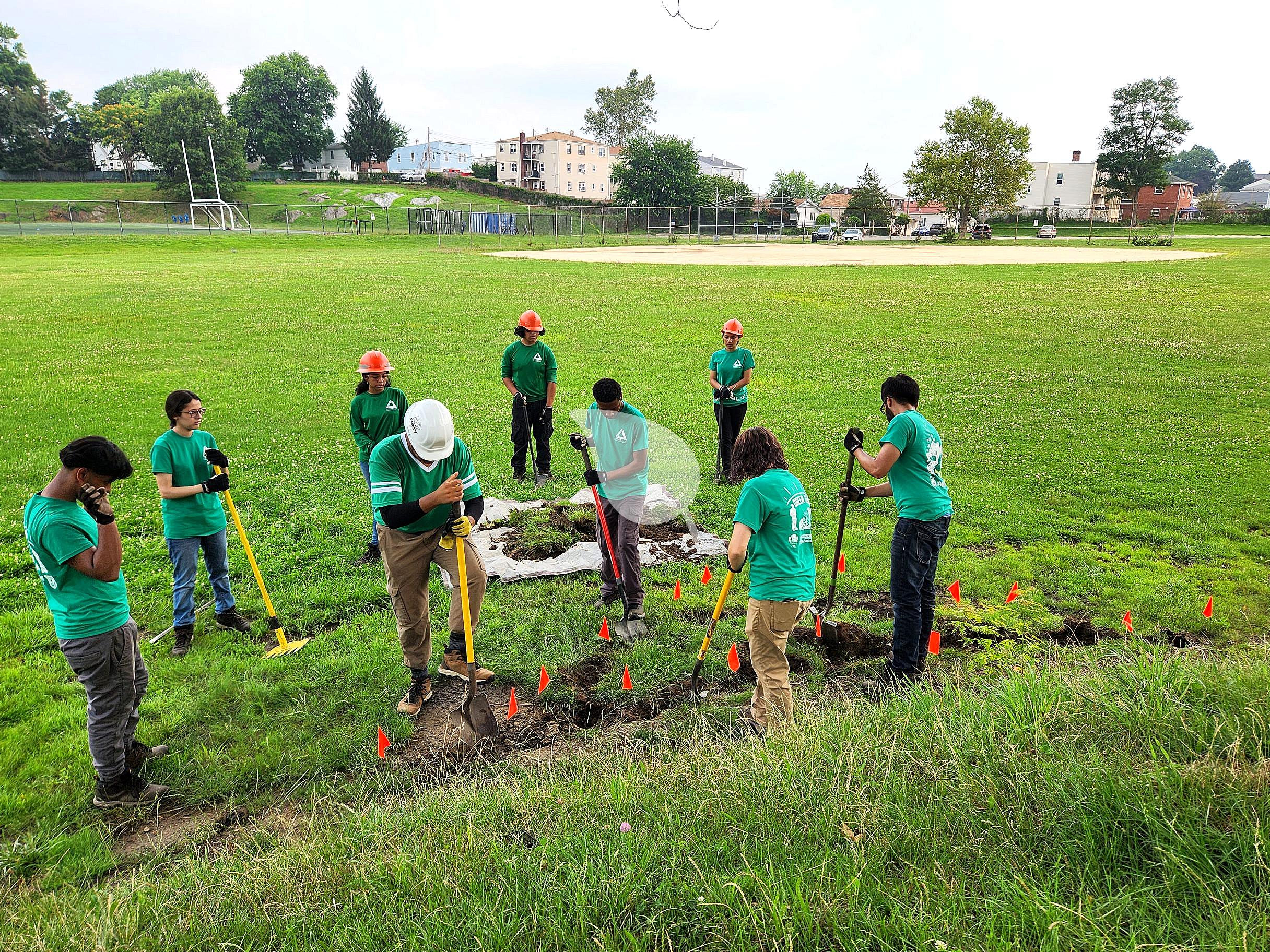
Starting a community green team when your child is small isn't just cute - it's transformational. Young children who step into eco-leadership roles develop a deep sense of pride and belonging. They start to see themselves as helpers, teammates, and even heroes in their own tiny way.
Studies reinforce this: children involved in environmental projects early are 50% more likely to carry sustainable habits into adulthood (EPA Youth and Environment Study, 2024). Why? Because repeated, positive team activities make green routines as normal as brushing teeth. When kids join cleanups, recycling games, or planting parties, they're doing much more than picking up trash. They're building a lifelong toolkit of teamwork, responsibility, and environmental care.
For instance, Brooklyn’s PS169 Green Team saw double the participation simply by making tasks fun and manageable. Activities like “nature treasure hunts” and “seed bomb making” turned eco-action into a game. The kids started looking forward to their green team meetups as much as any birthday party.
But it's not just about the environment. Youth leadership within a community green team builds social bonds and confidence. As Dr. Lisa Green, an environmental education specialist, puts it:
"Empowering even the youngest in our communities is key to building lifelong planet-friendly habits." (THE GREEN TEAM GUIDE, 2024)
When toddlers help organize even the tiniest part of a project, they feel invested. For example, a group of preschoolers in Maplewood, NJ, organized their own micro-cleanup (with grown-up help). The result? Stronger friendships, proud parents, and a noticeably cleaner park.
Pro Tip: Use playful themes - superhero days, bug explorer hats, or “nature detectives” - to keep toddlers excited and involved. The sillier, the better.
Empowered youth leadership in action
Callout
Tip: Playful themes and simple, silly games spark the most enthusiasm - Brooklyn’s PS169 Green Team doubled their turnout with these approaches.
If you’re curious about more structured ways to plan, check out the detailed green team planning guide. Next, let’s break down how to form your green team, even if you’ve never led one before.
Getting Started: Step-by-Step Guide to Forming Your Community Green Team
Forming a community green team with toddlers doesn't have to be intimidating. In fact, with a few simple steps, you’ll have a mini-army of eco-helpers ready to tackle neighborhood cleanups, even if they've just learned to tie their shoes.
Planning and Recruiting
Start by rallying your allies: reach out to friends, neighbors, and family members who have young children. Keep invitations friendly and low-pressure - nobody wants another obligation on their already busy schedule. Send a cheerful, illustrated invitation (we’ve got printable templates!) that explains the mission: quick, fun, safe green activities for toddlers and families.
Once you’ve got a few interested families, keep the first meeting light. Avoid endless discussions - toddlers thrive on action, not long explanations. Share a simple, visual checklist of what you’ll be doing, when, and what to bring (think snacks, water, gloves, sun hats).
Starter Tasks for Toddlers
The best jobs for little helpers are easy, safe, and tactile. Picking up litter with tongs or child-sized gloves, planting seeds, or gathering leaves for compost all make excellent starter roles. Lean into their love for sensory play: nature walks become treasure hunts, and seed planting turns into a dig-and-discover adventure.
Each activity should last under 30 minutes. Kids under five will lose steam if a task drags on. Quick sessions keep them engaged and eager for next time. Try alternating between calm (planting) and active (cleanup race) projects for balance.
Step-by-Step Starter Plan
- Prepare a checklist: Print a step-by-step plan - invite, gather materials, assign roles. This helps everyone know what’s next.
- Send invitations: Use bright, illustrated cards to excite kids and parents. Hand-deliver or post in your neighborhood app.
- Assign roles: Pick age-appropriate jobs. Toddlers can sort recyclables, water plants, or hand out snacks. Older kids might supervise tools or take photos.
- Keep it short: Plan for 20-30 minute main activities, with a snack or story time at the end for wind-down.
- Celebrate: Even tiny successes deserve a cheer (or maybe a sticker!).
For instance, one neighborhood in Seattle handed out invitations shaped like leaves. The turnout? Nearly every family on the block showed up for their first eco-playdate.
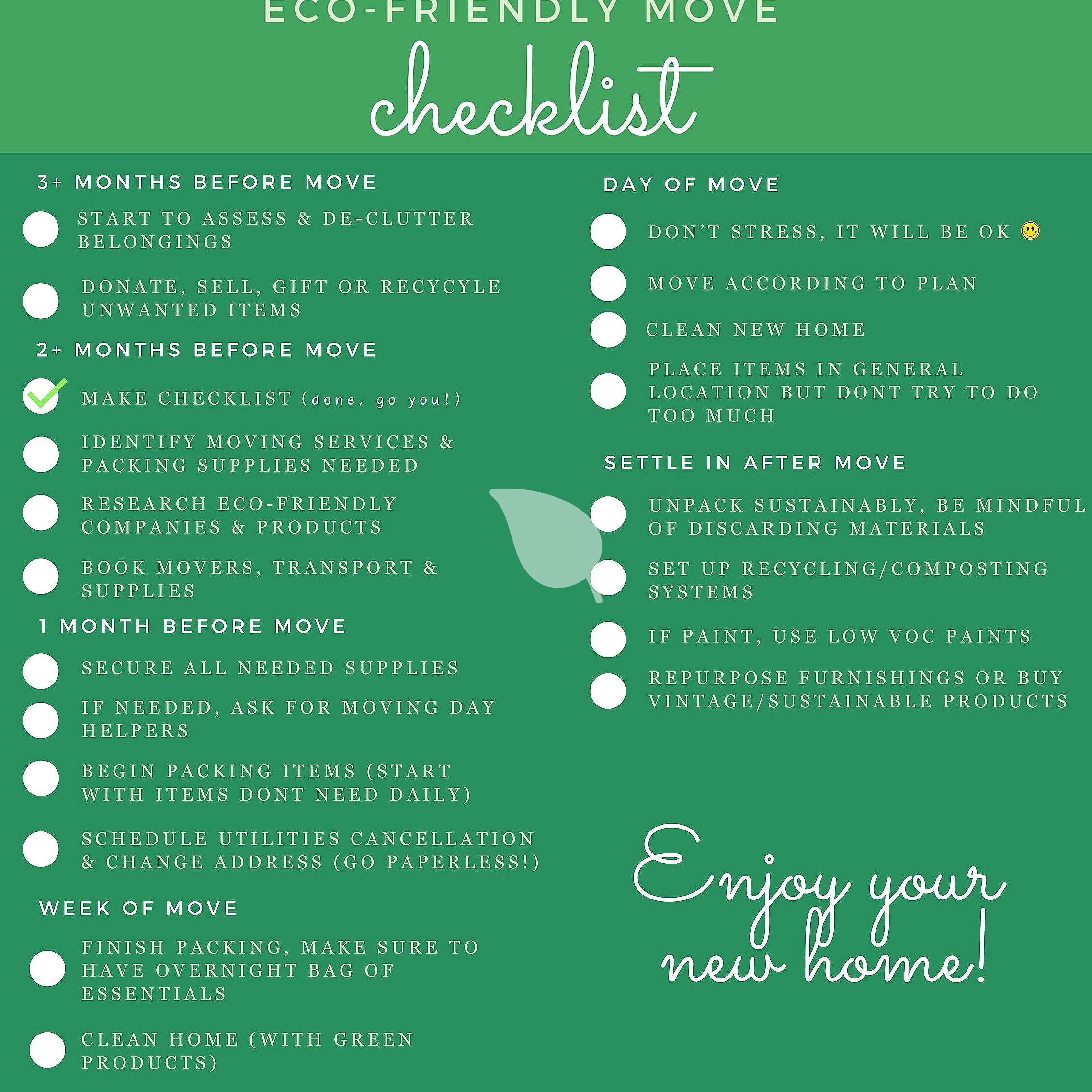
Pro Tip: Download our free Green Team Starter Checklist! This one-page guide makes organizing your community green team fast and stress-free. Use it to save time and give everyone a clear roadmap.
Callout
Tip: Templates for invitations and checklists make it easy to get busy families on board - and kids love seeing their names on the list!
Curious about more team activities? Explore the templates for event organization for inspiration. Once you’ve assembled your green squad, it’s time to plan some actual projects.
Fun and Simple Environmental Projects for Toddlers and Families
You don’t need a degree in ecology to launch creative, hands-on environmental projects. The best ideas are often the simplest - and the ones that fit little hands and short attention spans. These projects are designed to cultivate nature appreciation, family sustainability, and community teamwork, all while making a real impact.
Nature Walks and Observation
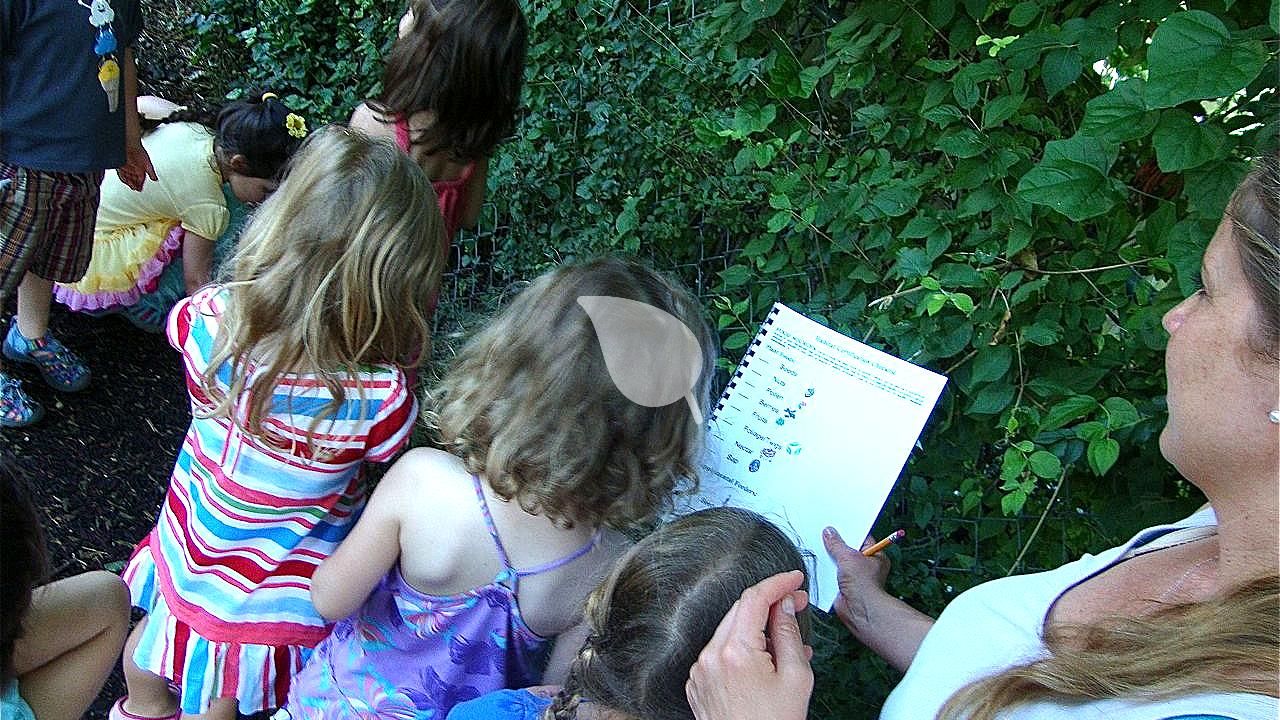
Head to a local park or green space for a scavenger hunt. Create a colorful checklist of things to spot: a yellow flower, a feather, a smooth stone, or a friendly squirrel. As kids find each item, encourage them to observe, touch, and talk about what they see. You can even bring along a journal or sketchpad and let them draw their discoveries.
These nature walks aren’t just walks - they’re explorations that spark curiosity. The best part? They can be spontaneous, require almost no prep, and are free. For instance, the "Maplewood Explorers" group hosted weekly bug-hunt walks, helping children learn which insects are pollinators and which are just, well, ticklish surprises.
Neighborhood Cleanups and Tree Planting
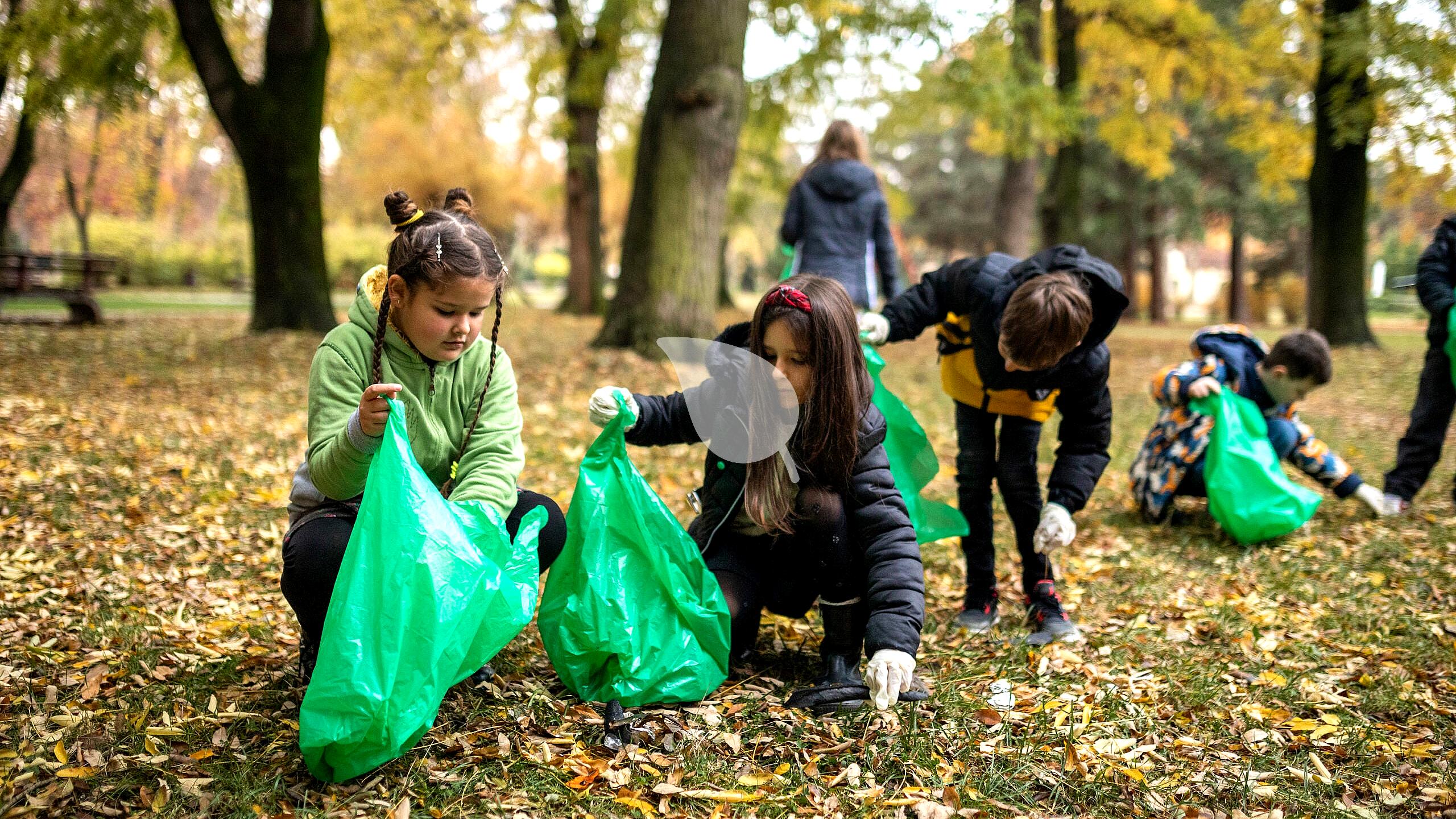
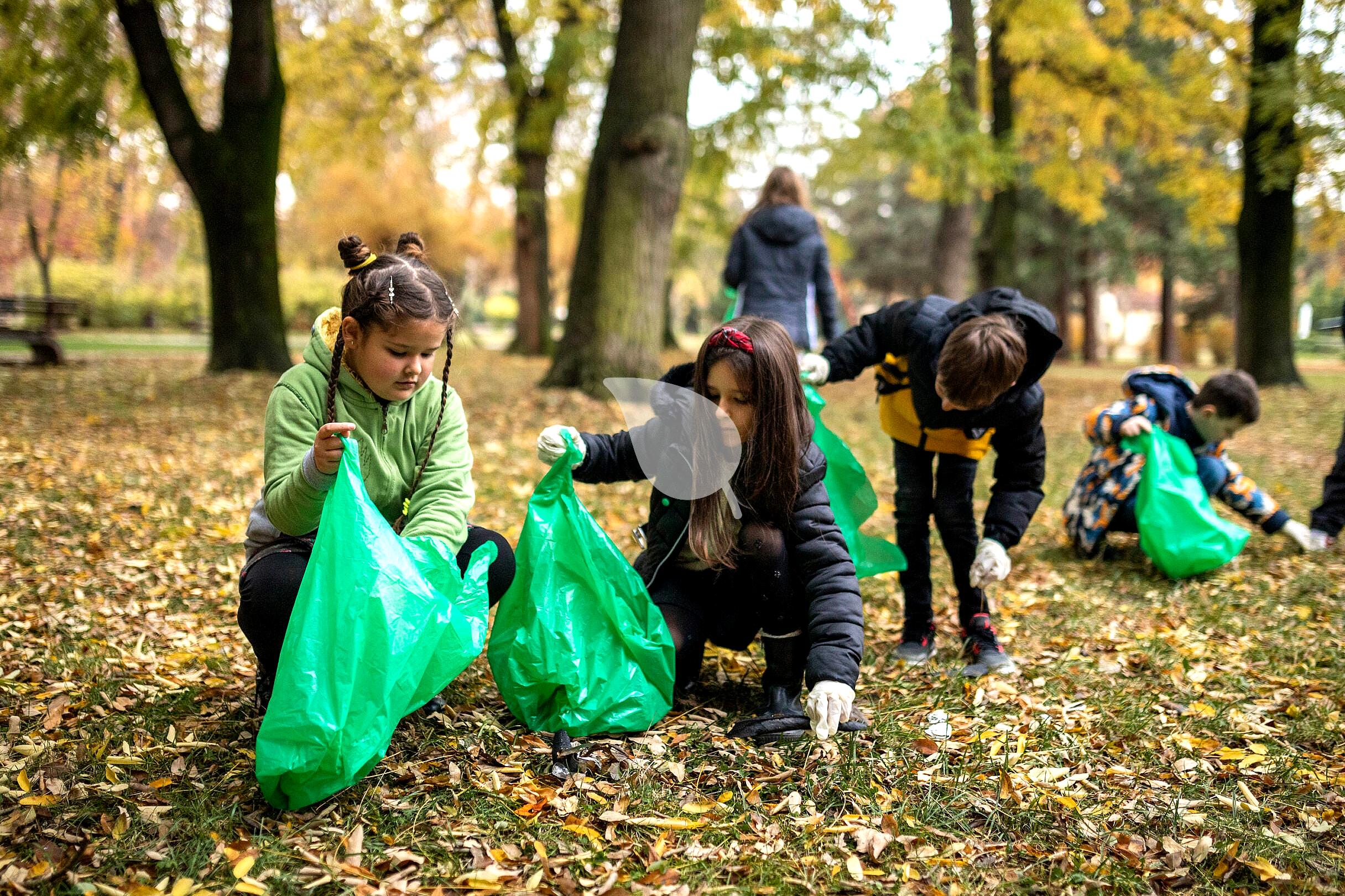
Organize small, manageable cleanup events. Hand out mini-buckets, tongs, and child-safe gloves, and set a timer for 20 minutes. Make it a game: who can find the most colorful piece of trash (and toss it safely)? Add music or team cheers for extra fun.
Tree planting parties are another crowd-pleaser. Ask local nurseries for donations or discounts, and let families decorate recycled containers. After planting, have a family picnic or story circle under the new trees.
Over 60% of green teams report higher participation when the activities are hands-on and involve families (National Environmental Education Foundation, 2024). Kids love helping, especially when their efforts are visible - like a row of new saplings or a freshly cleaned playground.
If you’re feeling crafty, try upcycled art: turning old water bottles into planters or creating "wind chimes" from recycled caps and spoons. These projects teach natural resourcefulness and reinforce that "trash" can become treasure.

Fun and safe neighborhood cleanup for toddlers
Safety first: Always keep an eye on toddlers during cleanups; use a buddy system and limit each session to half an hour for best results.Real-world Example: The Maplewood spring tree planting party included a craft table for decorating pots and a scavenger hunt - the event was so popular, it’s now an annual tradition.
Looking for even more sustainable activities for kids? You’ll find a treasure trove of ideas for every season.
Tips for Keeping Kids Engaged and Safe During Team Activities
Let’s be honest - wrangling a group of toddlers is no small feat. But with the right safety measures and engagement tactics, you’ll turn chaos into creative, meaningful fun. Keeping children safe and motivated is the backbone of any successful community green team.
Safety Measures
First, choose child-friendly tools: small tongs, soft gloves, and lightweight buckets are essentials. Keep group sizes manageable - four to six toddlers per adult is a good ratio. Always have a first aid kit on hand and, if you’re outdoors, pack hats, sunscreen, water, and a snack.
Make a simple safety checklist for every event. Include reminders like “watch for cars,” “no running with sharp tools,” and “wash hands after activities.” Assign adults as “buddies” to keep a close watch and offer encouragement.
For example, the PS169 Green Team prepped for each cleanup with a safety huddle and passed out bright vests so kids were easy to spot. The result? Zero accidents and a lot of smiles.
Safety gear makes every green team event safer and more fun
Pro Tip: Always bring a first aid kit and set clear boundaries for where kids can go - chalk lines or cones work wonders.
Engagement Strategies
Now, let’s talk about fun. Toddlers love games and rewards. Incorporate playful challenges (“Who can spot five different leaves?”), stickers, or a mini-prize draw at the end. Switch up activities: mix planting with story time, or alternate cleanups with nature-inspired crafts.
Themes like "team up for nature" or "super seed squad" get kids excited and give each event a fresh feel. For example, a “Can you plant 5 trees this weekend?” challenge transformed a routine planting day into a spirited quest - and yes, the kids completed it with gusto.
Short, varied activities keep attention high and energy positive. Remember, success comes from progress, not perfection. Celebrate small wins and let kids know their help truly matters.
Expert Insight: “Short games and silly challenges kept our toddlers focused - and safe - all season long,” reports a Brooklyn PS169 Green Team organizer.
For more on setting up community-safe outdoor events, see our complete parent’s guide.
Show and Share: How to Celebrate and Inspire Your Community Green Team
Let’s be real: nothing lights up a child’s face like seeing their hard work recognized. Sharing your green team’s achievements not only boosts motivation but also inspires others to join. Plus, you’ll be amazed how quickly your community’s pride grows when everyone sees young eco-leaders in action.
Sharing Success Stories
Document every activity. Snap photos, jot down funny quotes, and encourage kids to share drawings or stories about their favorite project moments. Create a simple newsletter (printed or emailed), an online photo album, or a social media post showcasing your team’s adventures.
For example, Brooklyn’s PS169 Green Team posted highlights online after each event. Participation doubled in less than a year because families saw their children featured - smiling, muddy, and proud. Visual proof is powerful.
Community Recognition
Host thank-you celebrations. Whether it’s a pizza party, a neighborhood picnic, or an awards day with handmade certificates, public recognition matters. Send appreciation cards to helpers, especially older children who serve as "junior leaders." Reach out to local media - many papers love feel-good stories, especially when cute kids and green spaces are involved.
Neighborhood parties don’t need to be elaborate. Last spring in Maplewood, families brought snacks to share and spent an hour playing games in the park after planting new trees. That small gesture created lasting memories and a sense of belonging that stuck around long after the event.

Celebrating community and environmental success
Tip: Use hashtags and tag your city or school so your story reaches more families - one inspiring post can spark a movement.
Check out our next guide on local eco-events for kids for inspiration.
Action Steps to Start Your Community Green Team Today
Ready to roll up your sleeves? Here’s your ultimate, no-fuss starter plan:
- Gather Your Team
- Reach out to families and neighbors who might be interested in eco-friendly activities. Explain what’s involved - short, simple tasks perfect for toddlers.
- Keep it light: avoid long meetings or detailed agendas. Focus on fun.
- Example: Use our printable invitation cards to make your invite stand out!
- Plan Your First Project
- Choose a short, engaging activity - think a 20-minute litter pickup or a seed planting party.
- Prep everything in advance: snacks, tools, hats, sunscreen, and clear instructions.
- Example: Host a seed planting event using recycled yogurt cups as planters.
- Engage and Motivate
- Add games and little rewards to keep toddlers enthusiastic. Pair kids up with older buddies if possible.
- Avoid long, repetitive activities - quick wins work best.
- Example: Launch a “Team Up for Nature” sticker challenge.
- Celebrate and Share
- Take photos, collect stories, and create a keepsake album or post online.
- Host a mini event - like a picnic or popsicle party - to thank everyone.
- Example: Organize a neighborhood picnic and hand out “Green Hero” badges for milestones hit.
Mistakes to Avoid When Starting a Community Green Team
- Overcomplicating tasks for toddlers: Trying to do too much too soon leads to frustration and disengagement. Keep things simple, playful, and short.
- Not having enough adult supervision: Safety and engagement drop fast if kids are free-ranging. Assign adults as buddies and keep groups small for better outcomes.
- Neglecting to celebrate progress: Without recognition, motivation wanes over time. Regularly share successes, no matter how small, and thank every participant.
Helpful Tools and Resources for Your Green Team
- Printable Green Team Starter Checklist: A step-by-step planning sheet designed just for families with toddlers. Makes organizing your first event a breeze and keeps everyone on track.
- Community Green Team Invitation Cards: Illustrated, fun templates to invite neighbors and friends. Boosts participation and sets the tone for a friendly, inclusive group.
- Parent’s Quick-Start Guide PDF: Packed with tips for safety, engagement, and easy project ideas. Gives caregivers confidence and keeps kids safe and happy.
Inspiring Examples of Community Green Teams with Young Kids
Brooklyn’s PS169 Green Team
Setup: Focused on playful games and simple cleanups with even the youngest members.
Result: Participation in school and neighborhood projects doubled. Kids started asking when the next event would be!
Spring Tree Planting in Maplewood
Setup: Hosted family-friendly planting parties, complete with crafts and a nature scavenger hunt.
Result: Boosted community pride and established new wildlife habitats. The tradition now brings families together every spring.
FAQ: Starting and Leading a Community Green Team
Q: How do I start a green team with young kids? A: Begin by connecting with other interested families and explaining that activities will be short and simple, perfect for toddlers. Assign age-appropriate tasks and maintain close adult supervision during every event. Always end with a celebration or small reward to keep motivation high.
Q: What projects are safe and fun for toddlers? A: The best projects combine sensory exploration and short, active bursts - nature walks with scavenger hunts, supervised litter pickups, and easy seed planting all fit the bill. Always use child-safe materials and avoid anything too lengthy or risky.
Q: How can we organize a successful neighborhood cleanup? A: Start by checking with local authorities for permission and any needed supplies. Recruit families, assign defined (and simple) roles, and set a short time limit. Ensure every group has enough adult supervision and child-safe equipment for a smooth, enjoyable cleanup.
Conclusion: Empower Your Community Green Team Today
Look, starting a community green team with toddlers isn’t just a nice idea - it’s a proven way to build eco-friendly habits that last a lifetime. When you give even the littlest children a chance to lead, you grow a movement that transforms neighborhoods and families alike.
Grab our step-by-step checklist and dive into one of the fun project ideas above. Remember: keep it safe, keep it short, and cheer every success (even if it’s just picking up two wrappers or watering one plant).
Want a happier, greener, prouder community? It all starts right here, right now - one tiny eco-hero at a time.
Tags
Join Our Mission
Support our conservation efforts and make a difference today.