Young Environmental Scientists: Fun Experiments to Understand Climate Change
Have you ever wondered why the ice at the North Pole melts, or why it sometimes rains even when the sky looks clear? These aren't just questions for grown-ups or scientists in faraway labs. In fact, climate science experiments for kids bring big ideas down to size, making them fun, memorable, and - best of all - easy to try at home.
Understanding climate can seem tricky, especially for young minds. But when you add hands-on experiments, suddenly the world makes more sense. Instead of just reading about greenhouse gases, why not see them in action using a simple jar and a bit of sunshine?
Through this guide, you’ll discover simple, safe experiments that reveal how our planet works. We'll show you activities that explain weather, the greenhouse effect, and even what you can do to help protect the Earth. These experiments are designed for little hands, curious minds, and families who believe science should feel like play.
Ready to become a real-life scientist? Grab your lab coat (or apron), gather some household items, and prepare to unlock the secrets of our amazing planet - one experiment at a time.

Welcome, Young Scientists!
Imagine your child’s eyes lighting up as they explore how Earth’s most powerful forces work - using just a few household supplies. That’s the magic of climate science experiments for kids. You don’t need a fancy laboratory; you just need a sense of wonder and a willingness to get a little creative.
Here’s a fun fact: children who experience hands-on science show 34% better comprehension and retention compared to those who only read or watch. (Education Weekly, 2024) That means every experiment is a chance to build both knowledge and confidence.
This guide focuses on mess-free, toddler-safe environmental experiments. Each activity is designed to boost curiosity, ignite excitement, and help your child feel like an actual scientist. We’ll cover the greenhouse effect, melting ice caps, weather patterns, and - maybe most importantly - how to take care of our planet with simple daily actions.
Curious about the difference between weather and climate, or how to discuss these big ideas with little learners? Don’t miss our resource on weather vs. climate basics for children.
By the time you finish this guide, you’ll have a toolkit of fun experiments, concrete science skills, and a new perspective on how even the smallest scientists can make a difference. Let’s get started!
Experiment 1: Mini Greenhouse Effect for Toddlers
Discovering the Greenhouse Effect: A Toddler-Friendly Experiment
Let’s kick things off with one of the most essential climate science experiments for kids - the mini greenhouse effect. This activity uses ordinary materials to explain a big idea: how our planet stays warm, and why extra heat can be a problem.
Materials and Setup
For this experiment, you’ll need:
- One clear glass or plastic jar
- Plastic wrap
- A rubber band
- A thermometer (get a colored one if you can - kids love bright colors!)
- Sunlight (try a sunny windowsill)
- Optional: a second jar for comparison
With adult supervision, show your child each item and explain what it does. For example, "The jar is like Earth, and the plastic wrap is our sky." Make sure everything is safe and within easy reach - no sharp objects, no breakables, and only a little mess (if any!).
- Place the thermometer inside the jar.
- Cover the top tightly with plastic wrap, securing it with the rubber band.
- Place the jar in sunlight, along with a second, uncovered jar as a control.
- Wait 20-30 minutes, then check the temperature in each jar.
- Talk about what you see: Is it warmer inside the jar? Why?
What Happens and Why
As sunlight pours into the jar, it heats the air inside. The plastic wrap traps much of that heat, so the temperature rises - just like Earth’s atmosphere traps the sun’s warmth. This simple demonstration is a mini version of the greenhouse effect.
Here’s the science: greenhouse gases (like carbon dioxide) in our atmosphere act like the plastic wrap, holding heat close to the planet. Without them, Earth would be freezing. But with too many, it gets too warm. Your child will see this right in front of their eyes - the covered jar gets hotter than the uncovered one.
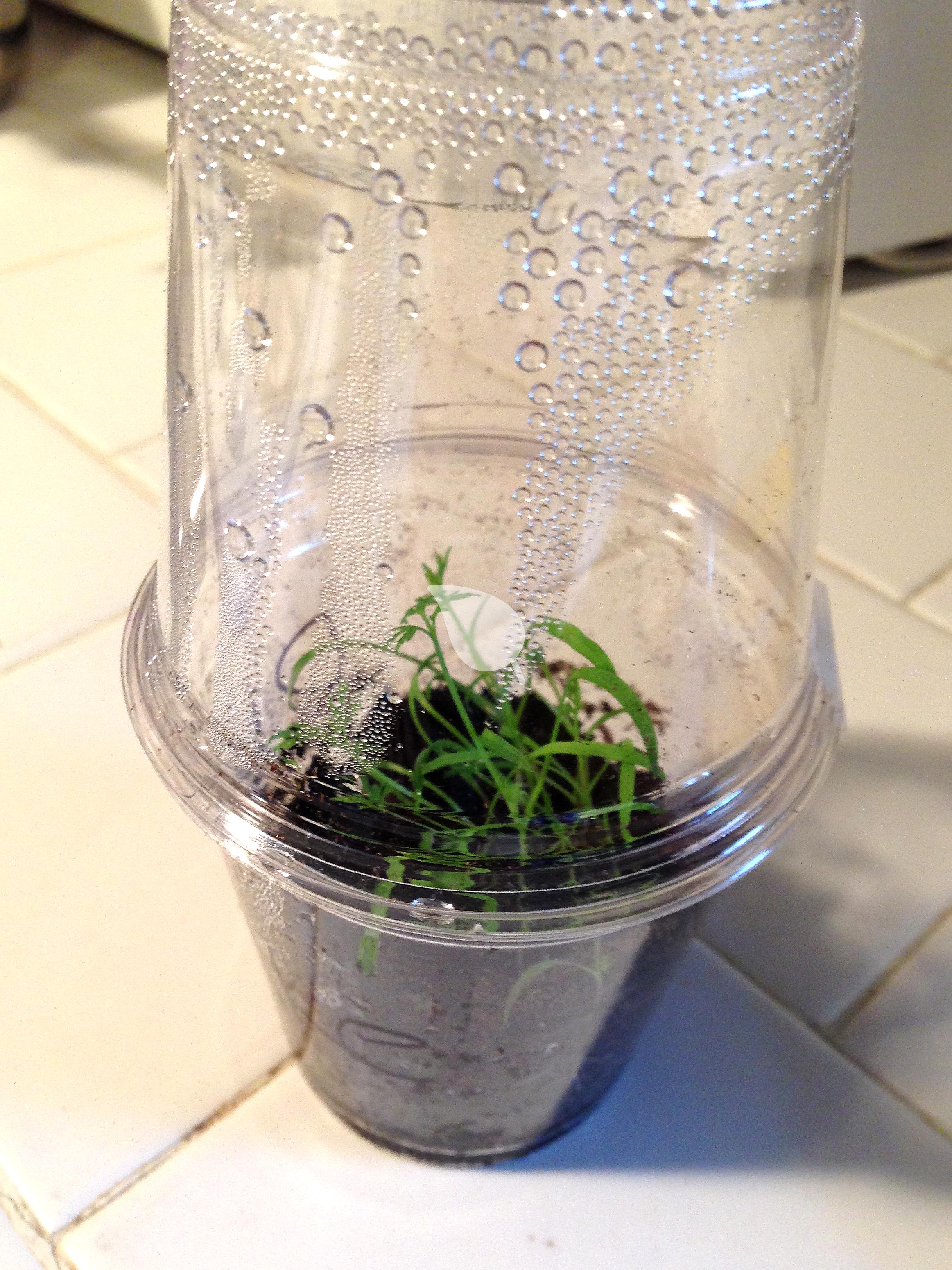
See how a simple jar and plastic wrap explain Earth's greenhouse effect
Pro Tip: Use a colored thermometer for extra fun. Kids love seeing the red (or blue, or green!) liquid climb higher - it turns temperature reading into a game.
Real Example: In Ms. Patel’s kindergarten class, kids watched this experiment and immediately started guessing what would happen if there were "more plastic wrap" or "less sun." Their faces lit up when they saw the temperature difference - suddenly, those big climate words made sense.
Expert Insight: “97% of climate scientists agree that climate-warming trends over the past century are extremely likely due to human activities.”
Learning about the greenhouse effect can feel overwhelming, but this experiment proves even the youngest learners can grasp big scientific concepts. Want to dive even deeper? Check out a greenhouse effect experiment you can do at home for more ideas.
Next up: Let’s see what happens when the ice at the poles starts to melt.
Experiment 2: Melting Ice Caps and Rising Sea Levels
Hands-On Activity: Visualizing Melting Ice and Rising Seas
This experiment puts climate change right in your child’s hands. Why should they care about melting ice far away? Because what happens at the North and South Poles affects all of us! When ice melts into the ocean, sea levels rise - and this simple experiment shows exactly how.
Materials and Steps
Gather these items:
- A shallow, clear container (plastic or glass)
- Cold water (enough to cover the bottom)
- Ice cubes (enough to float on the water)
- A washable marker
- Optional: a tray to catch spills
- Fill the container with a couple of inches of cold water.
- Place several ice cubes on the water’s surface.
- Use a marker to draw a line showing the current water level.
- Set the container in a spot where it won’t be bumped. Wait and watch as the ice melts (this can take 15-30 minutes).
- Once melted, check and mark the new water level. Has it changed?
Observation and Explanation
The melting ice cubes are like the polar ice caps. As they melt, the water level rises. This is a powerful, visual way to show how melting glaciers and ice sheets add water to our oceans, causing real-world consequences like flooding and habitat loss.
Kids will notice the water rises a bit, and you can ask: "What happens if even more ice melts?" This opens the door to bigger questions about climate and the future of our planet.

Safety Warning: Always place the experiment on a tray or towel to catch surprise spills - especially with younger children who might bump the container.
Real Example: At Little Sprouts Preschool, the kids gasped as the water "magically" rose. Teachers used toy animals to show which critters might lose their homes if the oceans rise - making the lesson stick long after clean-up time.
Expert Quote: “Young children are natural scientists: let them lead with their questions and you'll build a lifelong science learner.”
- Dr. Maya Chandler, Early Childhood Science Education Specialist, Harvard
Want to see more ways to connect these lessons to daily life? Explore meaningful climate change activities for toddlers (external, rel="nofollow") for inspiration.
Next, let’s explore the wonders of weather - right inside a simple glass jar.
Experiment 3: Weather in a Jar – Understanding Weather Patterns
Simulating Clouds and Rain: An Engaging Jar Experiment
Curious about where clouds come from, or why it rains? This experiment brings weather patterns to life with just a few simple supplies. It’s a sensory-rich, visual way to introduce weather basics and spark curiosity about the world outside.
Materials and Directions
You’ll need:
- A large, clear glass jar
- Hot water (enough to fill about a third of the jar)
- Shaving cream
- Ice cubes
- Pour hot (but not boiling) water into the jar. Adult help required!
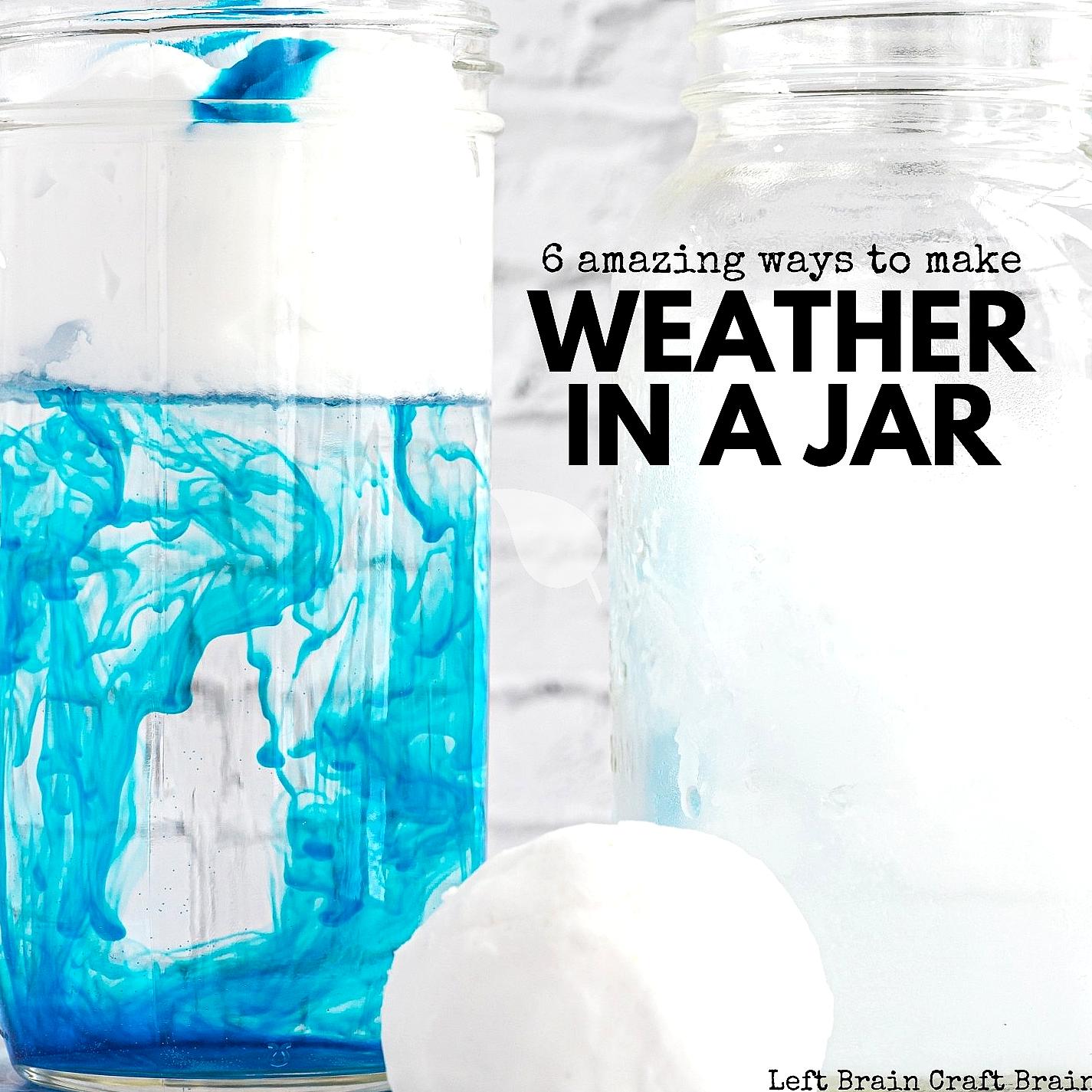
- Squirt a layer of shaving cream on top of the water. This is your "cloud."
- Gently place 1-2 ice cubes on top of the shaving cream.
- Watch as foggy vapor forms under the "cloud." (Optional: Add a drop of blue food coloring for a rain effect.)
Connecting to Real Weather
What’s going on here? The hot water creates vapor (like warm air rising from the ground), which rises and gets trapped by the cold shaving cream "cloud." Eventually, the vapor condenses and forms drops, just like real clouds do before it rains.
This is a safe, indoor way to help kids grasp the basics of weather patterns. You can ask, “What happens if we use more ice? What about less shaving cream?” These simple changes lead to real discoveries.
Pro Tip: Turn this into a sensory experience! Encourage your child to describe what they see, feel, and even hear. Teachers often report that letting kids narrate their observations keeps them engaged and thinking like scientists.
Real Example: In Mrs. Lee’s kindergarten, students shouted "It’s raining!" when drops started falling from the shaving cream. The classroom buzzed with weather talk for days, as kids connected what they saw in the jar to rainy days outside.
Statistic: Kids exposed to hands-on science activities retain 34% more information than those who only listen or read (Education Weekly, 2024).
Want more ways for young people to protect the planet? Get inspired by stories of kids leading environmental change in their own neighborhoods.
Be a Planet Protector! Simple Eco Actions for Kids
It’s not just about learning - every young scientist can take action! Here are three proven ways kids can help the planet, starting right now:

- Reduce Plastic Use
- Use reusable bottles and bags whenever you can. This cuts down on pollution and keeps wildlife safe from stray plastics.
- Avoid single-use plastics, such as straws and snack wrappers. The less plastic you use, the cleaner our oceans stay!
- Example: Carry your own water bottle instead of buying a new one every time - you’ll save money, too.
- Save Energy at Home
- Turn off lights when you leave a room. Saving energy helps lower your family’s carbon footprint and keeps Earth cooler.
- Don’t leave devices plugged in if you’re not using them. Power vampires drain energy even when you’re not watching.
- Example: Make a game out of switching off lights. See who in the family remembers the most!
- Recycle and Compost
- Sort your trash - keep recyclables out of the landfill. This simple habit keeps the environment cleaner and supports earth-friendly habits for everyone.
- Try composting food scraps. It’s a great way to turn leftovers into healthy soil for your plants or garden.
- Example: Set up a recycling station at home or school. Use colorful bins and fun labels so everyone knows where things go. For more tips, check out our easy recycling experiments.
Mistakes to Avoid When Doing Climate Experiments with Kids
Even the best science adventures can go off track. Here’s how to avoid the most common pitfalls:
- Using complex materials not safe for toddlers
Sometimes we want to try the "coolest" experiment, but it calls for tiny parts or messy chemicals. Stick to simple, household supplies and always supervise. Safety first! - Explaining concepts with jargon
Kids’ eyes glaze over if you start talking about "carbon sequestration." Make it real by using analogies - like "the Earth’s blanket" for greenhouse gases. Tell stories about how these things matter in their world, not just "out there." - Focusing only on problems, causing eco-anxiety
It’s easy to fall into doom-and-gloom, but too much bad news can scare kids or shut them down. Always end with hope, highlighting steps kids can take to make a difference. Empowerment beats worry every time.
Helpful Tools and Resources for Parents and Educators
Give your child or classroom an extra boost with these proven resources:
- Printable Experiment Journals
Let kids draw or write what they observe. Journaling turns experiments into lasting memories and helps develop science skills. - Video Demonstrations
Sometimes you need to see things in action. Short, step-by-step videos make experiments clearer and more engaging - especially for visual learners. - Eco-Badge Sticker Sets
Reward each completed activity with a sticker. Kids love collecting badges, and it helps build pride and motivation to keep going.
Examples of Successful Climate Learning in Young Kids
Let’s look at real results:
Kindergarteners Adapt Classic Experiments
At Sunshine Elementary, teachers used the mini greenhouse and ice melt experiments with their five-year-olds. The children asked questions, made predictions, and even designed their own "weather machines" out of cardboard. Not only did their science understanding improve, but their excitement about helping the planet soared. The principal reported more students talking about recycling at lunch - and even teaching their parents what they learned!
Frequently Asked Questions
What is a simple experiment to teach kids about climate change?
A super-easy way to introduce climate change is by illustrating how a greenhouse works. Place a thermometer in a clear jar, cover it with plastic wrap, and set it in the sun. Watch how the temperature rises inside, just like our atmosphere traps heat. Talk to your child about what they observe; kids love making guesses and seeing science "happen."
How does the greenhouse effect work for children?
Think of Earth’s atmosphere like a giant, invisible blanket. Sunlight passes through, warming the ground. Some of that heat bounces back up, but gases in the air trap it - keeping Earth cozy. Without these gases, we’d freeze. But if there are too many, we get too hot. The mini greenhouse experiment reveals this process in a fun, visual way.
How do you explain weather vs. climate to kids?
Weather is what’s happening outside right now - is it sunny, rainy, or windy? It changes every day. Climate is what the weather is usually like over many years - think of it like how you expect summers to be hot and winters to be cold. Want to learn more? Read our weather vs. climate basics.
Conclusion
Climate science experiments for kids aren’t just fun - they’re the ultimate way to help children understand and care about our world. When you roll up your sleeves and try these hands-on activities, you build curiosity, confidence, and a sense of wonder that lasts a lifetime.
We explored how the greenhouse effect works, why melting ice caps matter, and how weather patterns shape our days. Along the way, we discovered that young scientists can do more than just observe - they can take action, too.
Encourage your child to ask big questions, make bold guesses, and look for answers in every corner of the world. Remember, every eco-friendly habit starts with a single, simple step. Whether it’s turning off the lights, reusing a water bottle, or starting a recycling project at home, small actions create big change.
Ready for even more fun? Sign up for our Kid Scientist newsletter and get new climate science experiments for kids delivered straight to your inbox.
Together, let’s inspire the next generation of environmental stewards - one experiment at a time.
Tags
Join Our Mission
Support our conservation efforts and make a difference today.