The Role of Outdoor Play in Toddler Development
Did you know your toddler should have at least 60 minutes of active outdoor play every single day? (CDC, 2024) That’s not just a suggestion - it’s a proven foundation for healthy childhood development. Yet, let’s be honest, juggling work, life, and tiny humans glued to tablets isn’t easy. Screens are seductive and sometimes it feels impossible to pry your child away from them. But here’s the essential truth: outdoor play is the most natural, effective, and transformative way to support your child’s growth, health, and happiness.
Why does this matter so much? Because outdoor play benefits go far beyond burning energy. Nature’s playground is where bodies strengthen, minds spark, and lifelong habits form. This guide uncovers the key physical, cognitive, and emotional benefits of outdoor play while serving up practical, eco-friendly tips you can use now - even if you live in the heart of the city.
Why Outdoor Play Matters for Toddlers
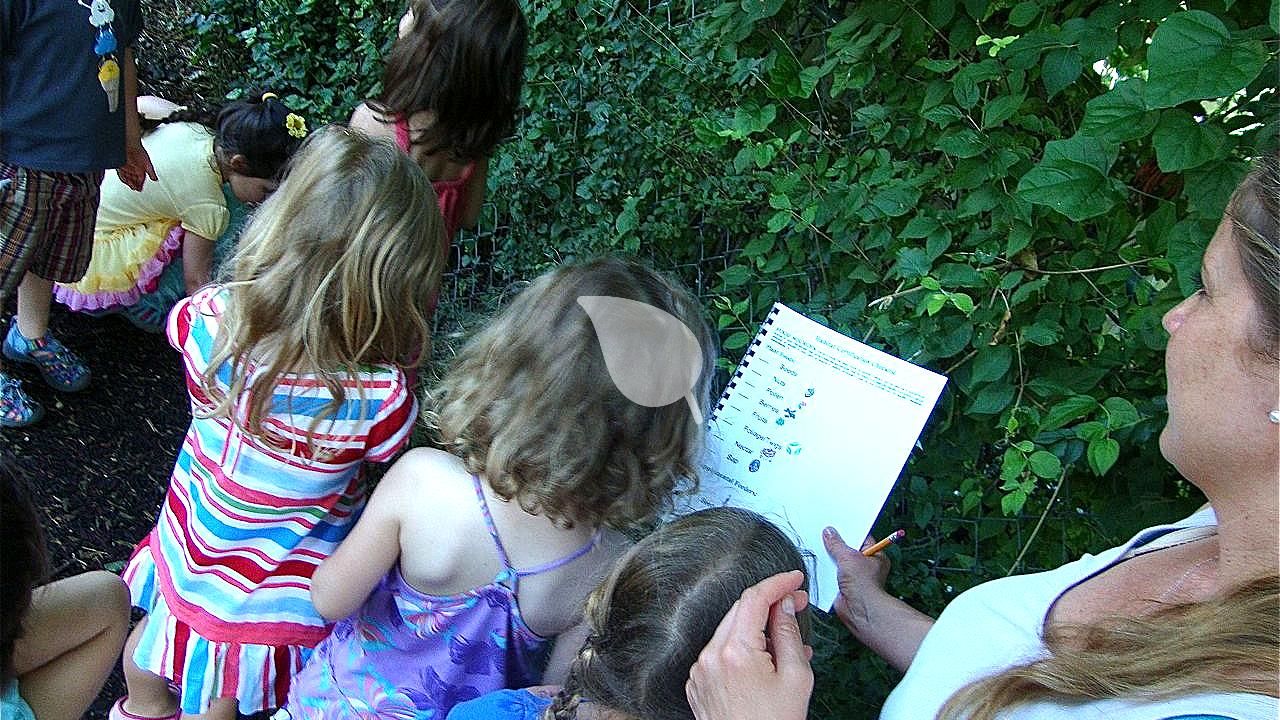
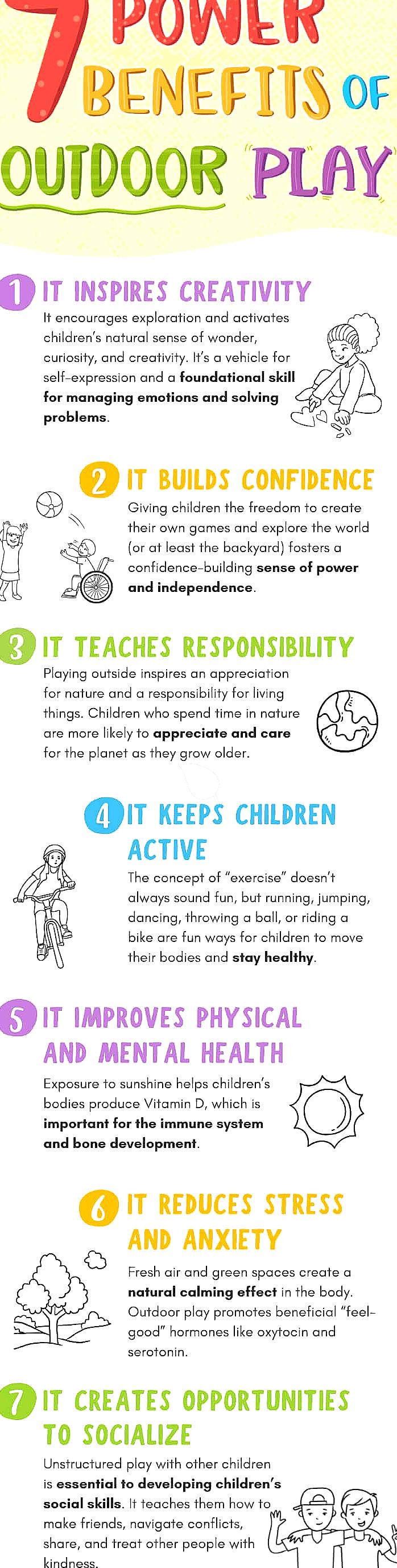
Picture your toddler toddling through a patch of grass, hands buried in cool dirt, every sense on high alert. There’s no scripted app or flashing toy - just the unpredictable magic of the outdoors. Every leaf, stick, and bug is a lesson. Every climb or tumble is a building block for confidence.
The CDC recommends at least 60 minutes of active outdoor play daily for toddlers - yes, every day! (CDC, 2024) Why? Because childhood development outdoors is unique: it supports movement, problem-solving, language, and emotional resilience in ways screen time never could.
Outdoor play benefits toddler development in ways that are both profound and subtle. As you focus on eco-friendly, nature-based approaches - think climbing logs, smelling flowers, and watching ants - you’re fostering not just health, but a deep sense of curiosity and stewardship for the natural world.
Throughout this guide, you’ll discover:
- How outdoor play powers physical, cognitive, and social development
- The best ways to encourage safe, sustainable play - no matter your space
- Practical, eco-friendly tips and activities (even for city dwellers)
- Inspiring real-world examples and tools to help you get started
Ready for even more ideas? Check out our guide to more screen-free activities that nurture healthy childhood habits.
Physical and Cognitive Benefits of Nature Play
Exploring how outdoor play supports core developmental areas essential for toddlers isn’t just about big motor movements - though, yes, running and jumping matter. It’s also about how the wild, unpredictable outdoors hones attention, creativity, and social skills. Let’s break down why nature play is irreplaceable.
Boosting Physical Health and Motor Skills
First, let’s talk about bodies in motion. Regular, unstructured outdoor play is like a multivitamin for your toddler’s physical health. According to the CDC (2024), children who participate in daily active play outdoors have lower risks of chronic diseases, healthier immune systems, and stronger bones and muscles.
But the benefits aren’t just about strength. Nature environments - uneven ground, rocks, logs, grassy hills - demand diverse movement. That means balance, coordination, and flexibility grow with every climb and tumble. For example, a preschooler scaling a low tree branch is developing grip strength, body awareness, and risk assessment all at once - no expensive gym equipment needed.
Want a simple activity? Create a natural obstacle course in your backyard or local park using sticks, stones, and stumps. Guide your toddler to crawl under branches, jump over small logs, and balance on stepping stones. You’ll see gross and fine motor skill development in action.
Enhancing Cognitive and Executive Functions
Nature doesn’t come with instructions. That’s why outdoor play is a powerhouse for brain development. When children play outside, they face novel challenges - maybe figuring out how to stack rocks, build a fort from sticks, or follow an ant trail. These moments boost attention, memory, and emotional regulation, all essential executive functions.
“The open-ended nature of outdoor play stimulates creativity and imagination,” explains Alexander Ng, PMHNP-BC, Kidsville Pediatrics (Kidsville Pediatrics). When toddlers create games with leaves or invent stories about clouds, they’re flexing creative muscles screens simply can’t reach.
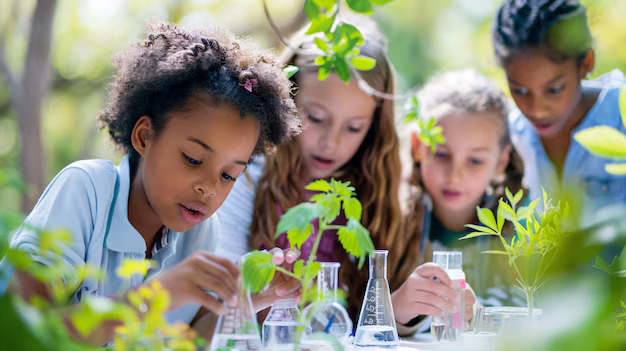
Try sensory-rich activities: let your toddler touch different barks, listen to birds, or dig in garden soil. These experiences light up neural pathways, fueling curiosity and cognitive growth. In one case, a group of toddlers who solved simple “nature puzzles” - like arranging pinecones by size - showed improved problem-solving and focus after just a few weeks.

Pro Tip: Use nature’s own materials for learning - pinecones, shells, mud. They make the best open-ended toys for sensory and cognitive exploration.
Case Study: Children in natural settings show greater creative play and sustained attention, while indoor, synthetic spaces often lead to repetitive, less imaginative games.
Ready to support your child’s emotional growth as well? Dive deeper in our guide to support your child's emotional growth.
Next up, let’s look at how outdoor play can shape your child’s eco-conscious mindset from the very start.
Outdoor Play and Eco-Friendly Living for Toddlers
We all want to raise children who care for the planet - but how do you actually start? Outdoor play is the first, most natural way to build lifelong environmental awareness. Here’s how nature-based play can foster sustainability and responsibility in even the littlest adventurers.
Benefits of Nature-Based Play
Nature play doesn’t just help your child - it helps the world. When toddlers spend time in green spaces, they develop respect and empathy for living things. Picking up leaves, watching butterflies, or helping pull weeds can connect them to the rhythms of nature.
Natural play spaces - free from plastic, synthetic turf, or chemical treatments - keep your child’s environment cleaner and less toxic. According to research from ERIC (2024), children who experience regular outdoor play in naturalized areas are more likely to develop eco-conscious habits as they grow.
Think about it: a toddler who helps water a garden or feeds backyard birds isn’t just having fun - they’re learning that their actions matter. Families who transform their yards into wildlife sanctuaries find that their children ask more questions about animals, plants, and weather, building a foundation for lifelong stewardship.
Simple Eco-Friendly Activities and Materials
Eco-friendly play doesn’t require expensive toys or landscaping. You can create DIY playgrounds using recycled wood, upcycled tires, and local stones. Build a simple balance beam from a sturdy branch or set up a sand and water play zone with buckets and natural stones.
Try planting a sensory garden full of herbs and native flowers - invite your toddler to smell, touch, and taste (with supervision!). Even apartment dwellers can grow small pots of mint or basil on a windowsill. Encourage your child to journal or draw their nature discoveries, turning every outing into an adventure.
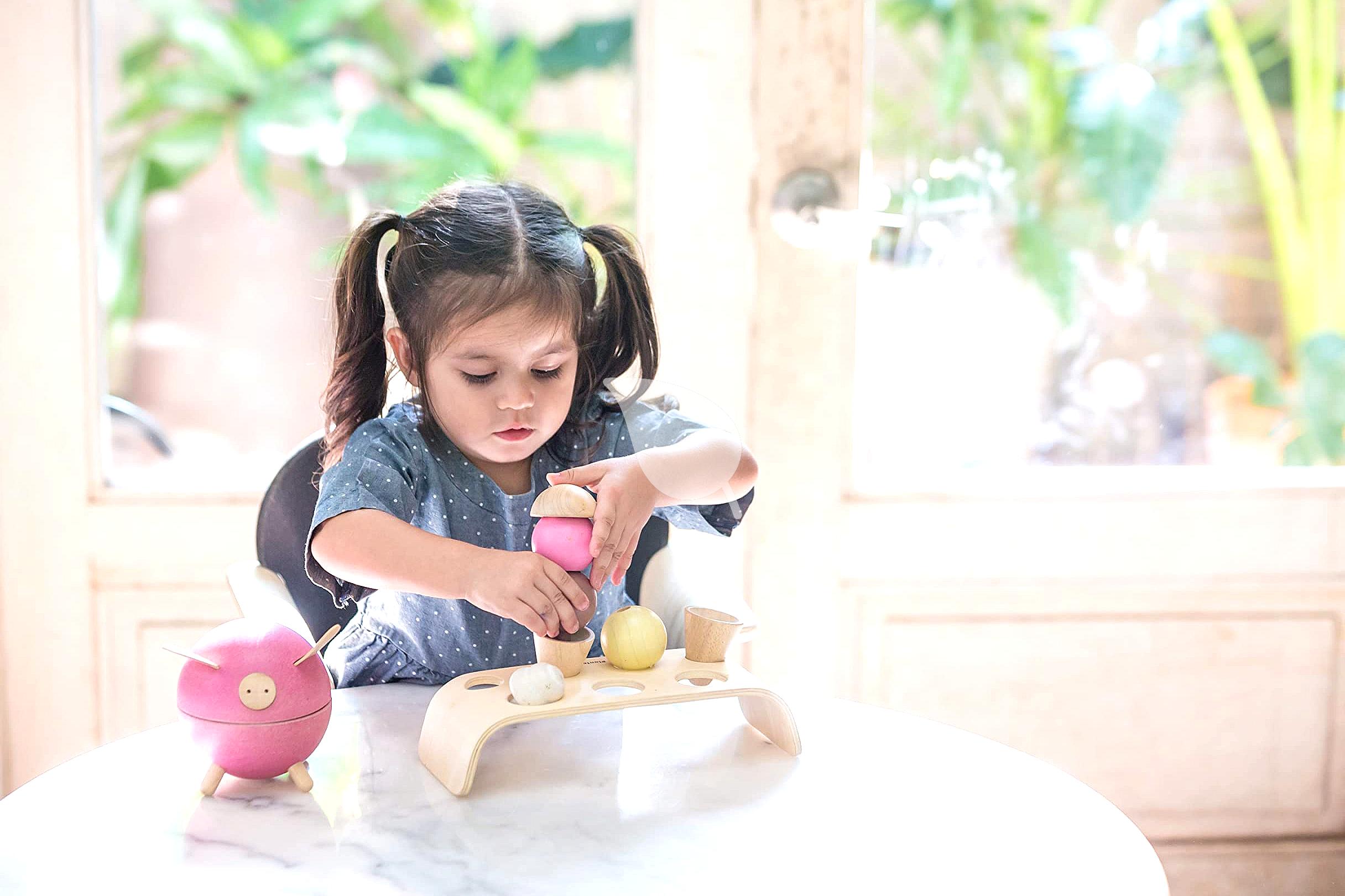
Tip: Use native plants to create safe, sustainable play areas - no pesticides needed, just pure sensory joy!
Mini-guide: Backyard Wildlife Sanctuary for Kids
- Leave a patch of grass unmowed for bees and butterflies
- Add a shallow dish with water for birds (refresh daily)
- Arrange rocks and logs for toads and insects
- Involve your toddler in observing and caring for the space
Want more inspiration? Explore our backyard wildlife sanctuary for kids guide for step-by-step ideas.
Now, let’s dig into the most practical tips for making outdoor play safe, engaging, and doable - wherever you live.
Practical Tips for Safe and Engaging Outdoor Play
Every parent wants to maximize outdoor play benefits but sometimes it feels fraught: Is this space safe? Is it enough? What about rain, pollution, or tiny balconies? Here’s how to make it work - with confidence and creativity.
Age-Appropriate Play Ideas
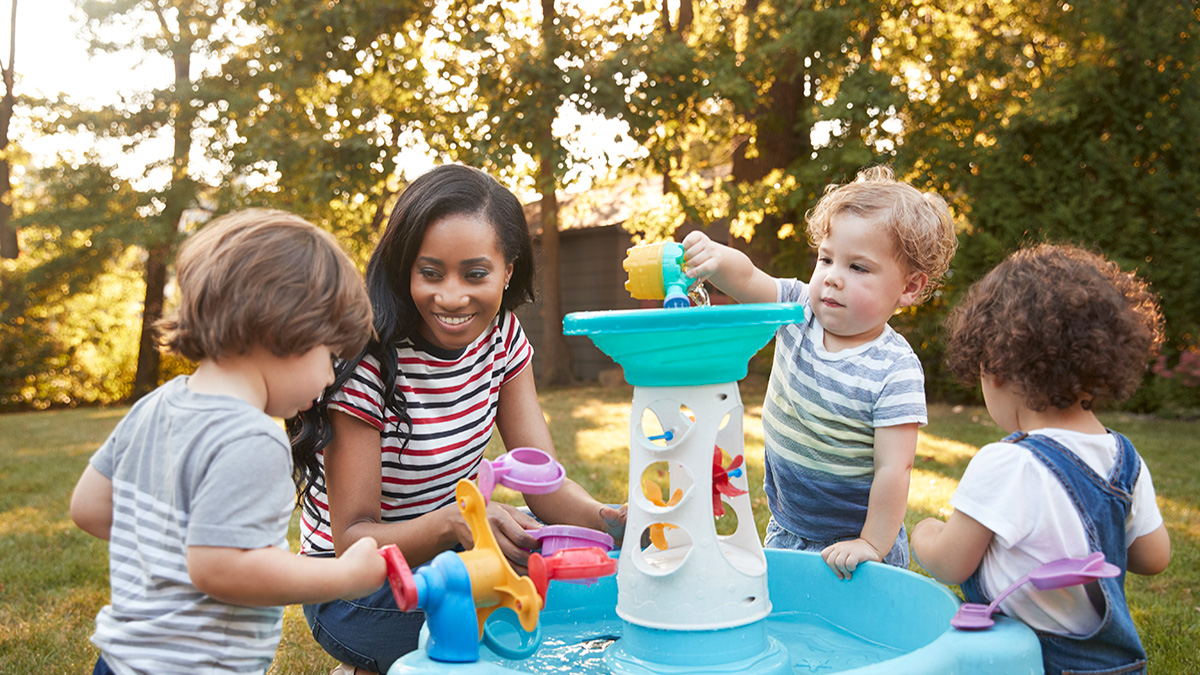
The golden rule: match activities to your toddler’s abilities. For the youngest explorers (12–24 months), try simple nature scavenger hunts - collect five different leaves or spot a red flower together. For older toddlers, add water play with buckets, natural sponges, or mud pies in a shaded corner of the yard or park. Sandboxes filled with shells, pebbles, and sticks offer hours of open-ended, sensory-rich engagement.
Storytelling transforms even the most basic activity. As you dig in the garden, make up tales about earthworms and fairies or narrate the journey of a butterfly. This keeps your toddler engaged and reinforces language development alongside physical activity.
Overcoming Space and Weather Challenges
No backyard? No problem. Adapt play for balconies, rooftops, or even indoor corners using potted plants, buckets of pebbles, or a portable sensory bin filled with sand, water, or leaves. Small-space urban families have created thriving “nature corners” with just a few jars of soil, seeds, and rocks.
Dress toddlers in layers and rain boots for outdoor time in any weather. A little drizzle is no reason to stay in! Just avoid extreme conditions and check for hazards like slippery surfaces. Bring the outdoors inside on stormy days: gather pinecones or acorns for sorting games or set up a pretend “beach” with towels, seashells, and blue scarves.
Safety and Supervision Best Practices
Safety isn’t about removing all risks - but about managing them thoughtfully. Inspect play areas for broken glass, toxic plants, or sharp objects before every session. Teach toddlers basic nature safety - don’t touch mushrooms, always ask before picking up bugs, and stay where you can see each other.
Maintain close supervision, especially near water or unfamiliar terrain. Dr. Lockwood, Pediatrician at CHOP, says: “Outdoor play helps children grow socially, develop healthy friendships, and gain a respect for nature.” Safe, supervised exploration builds confidence and independence together.
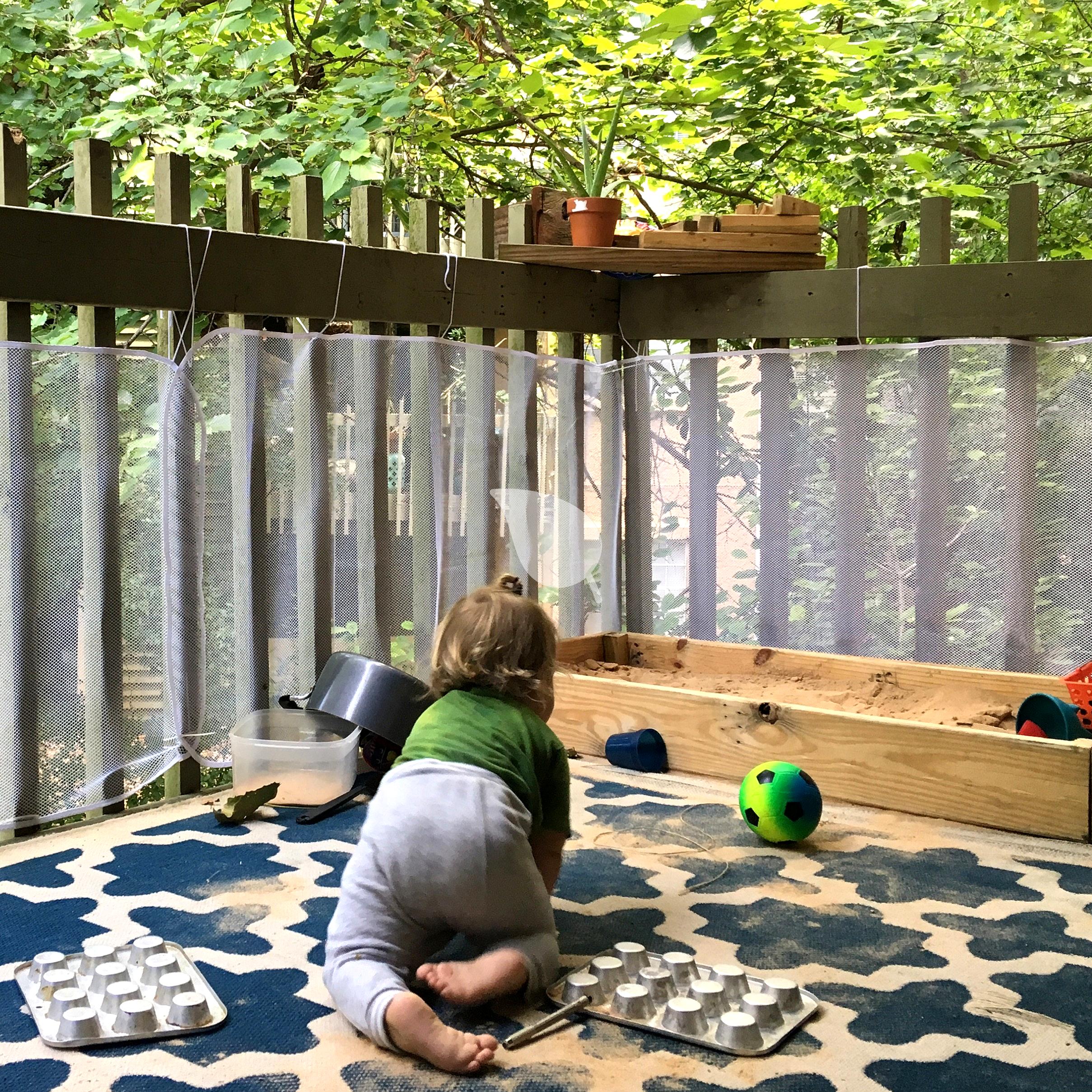
Warning: Always avoid areas with toxic plants (like poison ivy) and sharp debris. Do a quick sweep before playtime - every time.
Case Study: Urban toddlers thriving with creative small space play
One New York family turned a tiny balcony into a mini-nature haven with pots of grass, a tub of soil, and weekly “nature hunts” for city leaves and flowers. The result? Their toddler showed improved attention span, curiosity, and less screen time - even in the heart of the city.
For more fresh ideas, see our list of more screen-free activities for curious toddlers.
Action Steps to Promote Outdoor Play Benefits
Ready to put everything into practice? Here are three essential steps - each proven to maximize outdoor play benefits, build healthy routines, and foster eco-friendly habits.
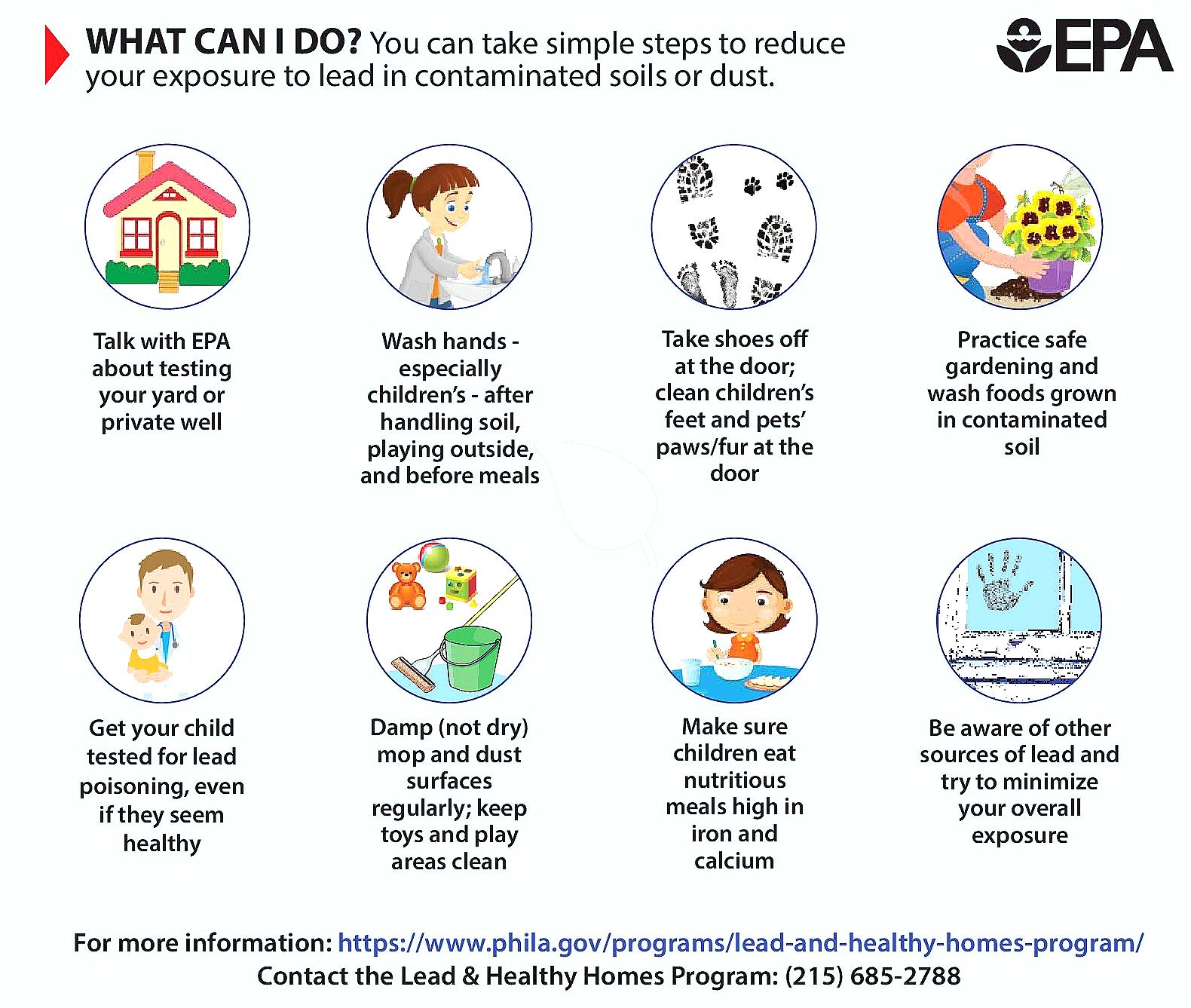
1. Establish Daily Outdoor Time
- Set a consistent schedule for at least 60 minutes of outdoor play.
- Make it part of your daily rhythm, like morning walks or afternoon backyard sessions.
- Don’t let screens crowd out this precious time.
Example: The Parker family starts every day with a 20-minute nature walk before breakfast, then adds two short outdoor sessions after lunch and dinner.
2. Create an Eco-Friendly Play Space
- Use natural, recycled, or local materials to build play areas - logs for climbing, stumps for sitting, sand pits for digging.
- Involve your toddler in planting seeds, watering, and caring for plants.
- Avoid plastic toys when possible; choose wood, metal, or organic fibers instead.
Example: DIY nature playground with balance beams made from branches, a small herbal garden, and a digging corner filled with pebbles.
3. Engage with Nature Together
- Be an active participant - explore, ask questions, and notice details alongside your child.
- Ask open-ended questions: “What do you think lives under this rock?” or “How does this flower smell?”
- Monitor safety but let your child take small, age-appropriate risks.
Example: Parent and toddler spend Saturday mornings exploring their backyard wildlife sanctuary, counting birds and sketching bugs.
Mistakes to Avoid When Encouraging Outdoor Play
Let’s face it - sometimes even the most well-intentioned parents stumble. Here are common missteps and how to get back on the path to healthy childhood development outdoors:
- Over-scheduling structured activities: Packing playtime with lessons or games can stifle creativity. Fix: Allow for plenty of unstructured, open-ended outdoor time every day.
- Ignoring safety in natural environments: Forgetting to check for hazards can lead to accidents or make your child fearful. Fix: Always inspect the area and teach your toddler simple safety rules.
- Using synthetic toys exclusively: Relying on plastic toys reduces both sensory richness and opportunities for eco-learning. Fix: Mix in natural items - sticks, rocks, leaves, water, sand - for richer, more sustainable play.
Recommended Tools and Resources for Parents
Here’s how you can take the guesswork out of outdoor play benefits and routines:
- Eco-Friendly Outdoor Play Checklist: Download this practical guide to creating safe, sustainable play spaces. Plan activities and materials that nurture healthy development and eco-values.
- Weekly Nature Play Activity Planner: Get a simple planner packed with fresh, age-appropriate nature play ideas every week. Keep playtime consistent, varied, and engaging for your toddler.
Success Stories: Outdoor Play Impact
Natural Outdoor Environments and Preschooler Fitness
Children who played regularly in nature-rich settings showed higher physical fitness, stronger motor skills, and better overall health (ERIC, 2024).
Backyard Wildlife Sanctuary for Toddler Exploration
One family transformed their backyard into a safe, wild habitat - rocks, logs, and native plants. Their toddler displayed increased curiosity, environmental awareness, and stronger family bonds through shared exploration.
Frequently Asked Questions About Outdoor Play Benefits
What are the developmental benefits of outdoor play for toddlers?
Outdoor play benefits toddlers by promoting physical, cognitive, social, and emotional growth. Nature play, in particular, supports motor skills, problem-solving abilities, and healthy social interactions. Making outdoor play a daily habit encourages lifelong well-being, curiosity, and confidence.
How much outdoor time do toddlers need each day?
The CDC recommends at least 60 minutes of active outdoor play for toddlers each day. This supports muscular and bone development, reduces the risk of chronic disease, and limits sedentary time.
Does outdoor play improve social skills in toddlers?
Absolutely. Outdoor play regularly involves peer and adult interaction, which builds communication and cooperation skills. Group play outdoors also nurtures emotional regulation and early friendships.
Are there eco-friendly and safe ways to encourage outdoor play?
Yes! Use natural or recycled materials to build play spaces, choose native plants for landscaping, and always avoid harsh chemicals. Supervise young children closely and teach them safe interactions with plants and wildlife.
Conclusion: Embrace Outdoor Play for Thriving Toddlers
Let’s be real. The outdoor play benefits your toddler receives - stronger bodies, sharper minds, lasting eco-values - can’t be matched by any screen or toy. Every mudpie, every dandelion wish, every bug hunt is an investment in their happiness and health.
Nature-based activities foster creativity, build social skills, and plant seeds of lifelong stewardship. You hold the key to transforming your child’s development and worldview - one daily adventure at a time. Set routines, create eco-friendly spaces, and let your own curiosity lead the way.
Ready to begin? Download our Eco-Friendly Outdoor Play Checklist to inspire new habits and empower your family. Prioritize outdoor play benefits. Give your toddler what they truly need: space to move, wonder, and grow.
References:
- CDC: Outdoor Play and Safety for Children in ECE (2024)
- ERIC: The Benefits of Children's Outdoor Play (2024)
- Kidsville Pediatrics: The Science Behind Outdoor Play
- CHOP: The Benefits of Outdoor Play (2024)
Want more tips, real-life examples, and activity ideas? Subscribe to our newsletter and join a community of parents raising healthy, eco-minded kids - one outdoor adventure at a time.
Tags
Join Our Mission
Support our conservation efforts and make a difference today.