Imagine your toddler gnawing on a plastic giraffe with a suspicious chemical smell. Now picture the toy box: overflowing, cracked plastic bits everywhere, and you’re left wondering, “Are these even safe?” If you’re tired of worrying about what’s hiding in plastic toys or just sick of the chaos they bring, there’s a better way. Organic toys offer a simpler, safer, and honestly way more peaceful playtime for both you and your child. By the time you finish reading, you’ll have five solid reasons to switch - and you’ll know exactly how to start, stress-free.
Why Parents Are Rethinking Toddler Toys
Step into any playroom these days and it can feel more like a landfill than a learning space - plastic gadgets chirping, lights flashing, and random pieces buried under the couch. The reality is, nearly 78% of tested toys contain PVC, often softened with phthalates, both of which are linked to potential health risks for little ones. (Source: Gimme the Good Stuff)
But it’s not just about what’s in the toys. It’s about the avalanche of stuff, the microplastics, the environmental toll, and - let’s be honest - the endless clutter. That’s why more and more parents are ditching the cheap plastic in favor of organic toys. They’re safer, better for the planet, and actually help your toddler learn and grow without all the gimmicks. This article breaks down the essential reasons to consider organic toys: safety, sustainability, durability, development, and ethics - each focused on what really matters for the toddler years.
Curious about which materials are the safest? Check out our deep dive on safe play materials for toddlers for more details.
Reason #1: Organic Toys Skip a Lot of the Sneaky Chemicals
Understanding Toxic Materials in Conventional Toys
Let’s get real. Most plastic toys are loaded with chemicals that sound like sci-fi villains: PVC, phthalates, BPA, and the occasional splash of heavy metals in the paint. What’s worse? These toxins are often hidden in toys your toddler chews, drags to bed, or buries face-first in their next snack. Pediatricians actually say to steer clear - especially for kids under three - because those plastics can mess with development. According to the Ecology Center, 78% of toys tested had PVC. Even some painted wood toys can sneak in lead or cadmium.
How Organic Materials Reduce Risks
Here’s where organic toys shine. Solid wood and GOTS-certified organic cotton naturally avoid those hazardous chemicals. No need for BPA, phthalates, or yucky plasticizers. Non-toxic paints and natural finishes mean fewer worries if your toddler decides to lick, bite, or nap with their favorite toy. Want proof? Dr. Sheela Sathyanarayana from Seattle Children’s Hospital says, “Wood toys would be a better choice for young toddlers and babies. We’ve found those toys generally do not contain chemicals that raise concerns.”
Certification labels are your best friend. Look for GOTS on cotton plush, FSC on wood, and explicit non-toxic finish certifications - those aren’t just buzzwords; they mean independent checks.
Practical Tips for Safer Toy Shopping
- Always check for age-appropriate designs and choking hazard warnings. Even the most natural toy must be safe for your toddler’s stage.
- Don’t trust ‘organic’ or ‘natural’ claims on packaging alone. Without third-party certification (GOTS, FSC), there’s no guarantee.
- Prioritize teethers, plushies, and anything that goes near your kid’s mouth for strict standards. This is where organic really matters.
For more on what to avoid, read which materials to avoid in toddler toys for a handy cheat sheet.
Pro Tip: Don’t be fooled by green labels. “The terms ‘organic’ and ‘natural’ don’t hold much weight in determining the safety of toys right now,” says Dr. Sathyanarayana. Always check for certifications and solid construction.
Real-Life Example: Jessica, a mom of two, switched to GOTS-certified cotton teethers and FSC wooden puzzles. After a few months, she noticed fewer allergic rashes and - bonus! - no weird chemical smells in the playroom.
Reason #2: Better for the Planet = Better Example for Your Kid
What Makes a Toy Eco-Friendly and Sustainable?
Not all toys are created equal. Eco-friendly toddler toys use renewable or recycled materials like FSC-certified wood, bamboo, or organic cotton. Ethical manufacturing means fair labor and a smaller carbon footprint. Even the packaging matters - think recycled cardboard over layers of plastic.
Organic Toys Help Reduce Plastic Waste and Microplastics
Plastic toys are notorious landfill fodder. They break, shed microplastics, and pretty much never biodegrade. Organic toys, on the other hand, are built from materials that break down naturally or can be recycled. That means less waste, less pollution, and a cleaner planet overall. Choosing wooden blocks or cotton plush over plastic gizmos means your family isn’t contributing to the 91% of plastic that never gets recycled.
Modeling Eco-Conscious Values from Toddlerhood
Here’s the kicker - kids notice everything. When you reach for a wooden puzzle or hand-carved car, you’re quietly teaching them to care for the Earth. They learn from your choices. Sustainable play isn’t just about toys; it’s about values, habits, and the kind of world you want your child to inherit.
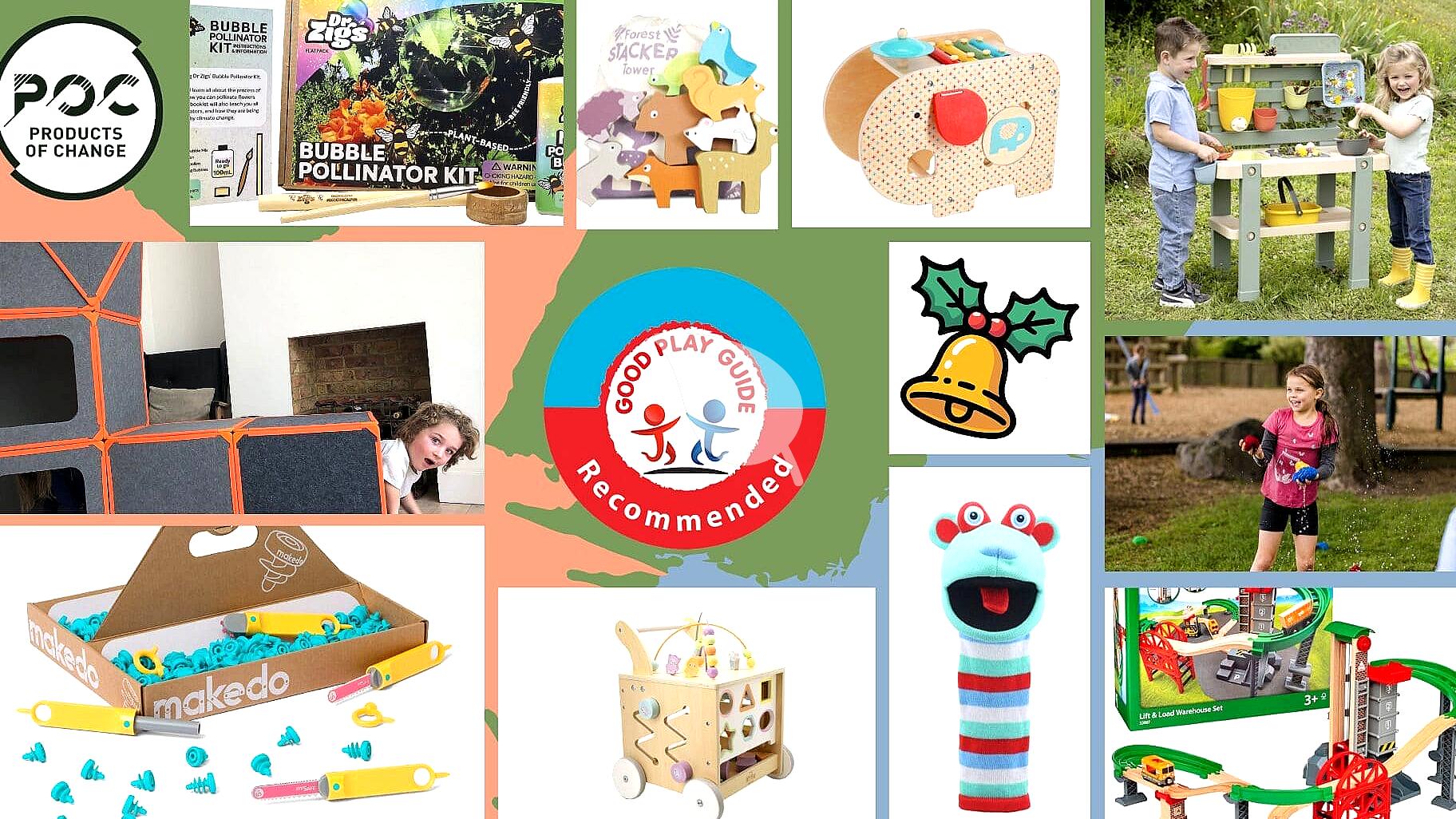
- Natural toys last longer and create less waste. That train set can stick around for years - or even generations.
- Biodegradable or recyclable materials make toy disposal guilt-free.
- Every choice is a vote for the planet. Even small swaps matter.
Expert Insight: “Natural wooden toys made from sustainably sourced wood and finished with non-toxic coatings are described as a non-toxic and environmentally friendly option,” says the Blue Brontide editorial team.
Real-Life Example: The Patel family swapped out plastic stacking cups for bamboo and wooden alternatives. Not only did they see less breakage, but their toddler started talking about recycling and “helping the Earth.”
For more eco-friendly lifestyle ideas, check out our guide to eco-friendly swaps.
Reason #3: Organic Toys Are Built to Survive Toddler Life
Durability of Natural Materials
Toddlers are rough on their stuff - chewing, tossing, dragging toys through every room. Cheap plastic toys often crack, snap, or just stop working, leaving you with a trash bin full of broken bits. Organic toys made from solid wood or tough organic cotton fabrics are a different breed. They’re built to last, shrugging off drops and bites, and they rarely break.
- Wooden toys handle abuse better than plastic.
- Organic fabrics resist tearing and keep their shape.
- Fewer replacements mean less landfill waste and lower long-term costs.
Introducing the Capsule Toy Box Concept
Ever heard of a “capsule wardrobe” for clothes? Same logic, less clutter: build a small, thoughtful collection of versatile toys - blocks, puzzles, a couple of plushies. Organic toys are perfect for this because they’re open-ended and sturdy. Rotate a few toys at a time, keep the rest tucked away, and you instantly create more space and calmer play.
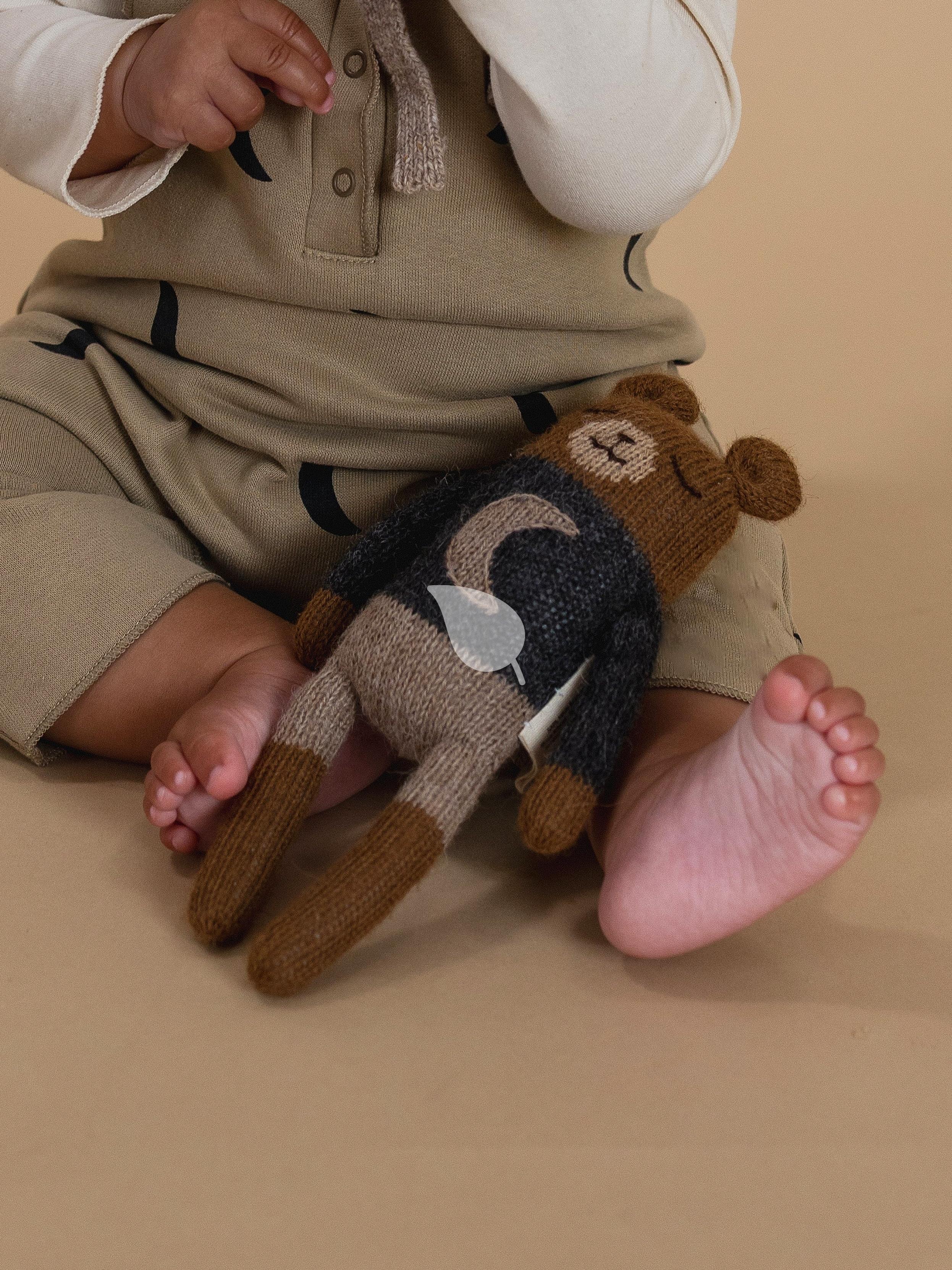
- Capsule collections mean less decision fatigue for kids (and less mess for you).
- Fewer, better toys foster deeper engagement and creativity.
- Heirloom quality means passing toys down to siblings - or even saving for grandkids.
Real-Life Example: The Nguyen family invested in a single set of organic wooden blocks, a cotton lovey, and a wooden train. Three years later, every piece is still going strong, and their toy shelf actually has room to breathe.
Tip: Focus on a handful of multitasking toys - blocks, stacking sets, plush animals. You’ll have less clutter and a happier kid. See our advice on how to keep your toy box simple and clutter-free.
Reason #4: They Support Calmer, More Imaginative Play
Open-Ended Play Encouraged by Simple Toys
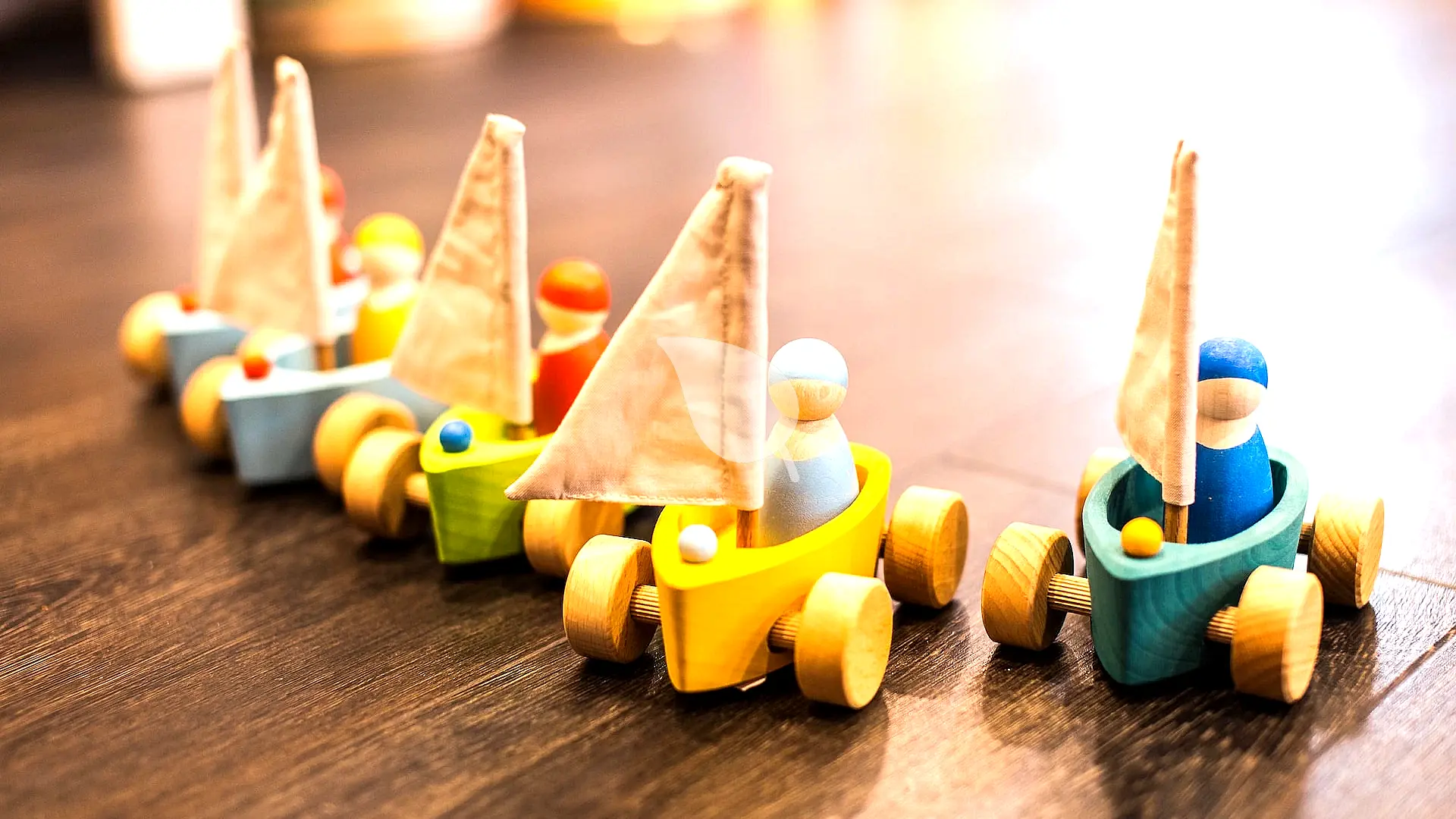
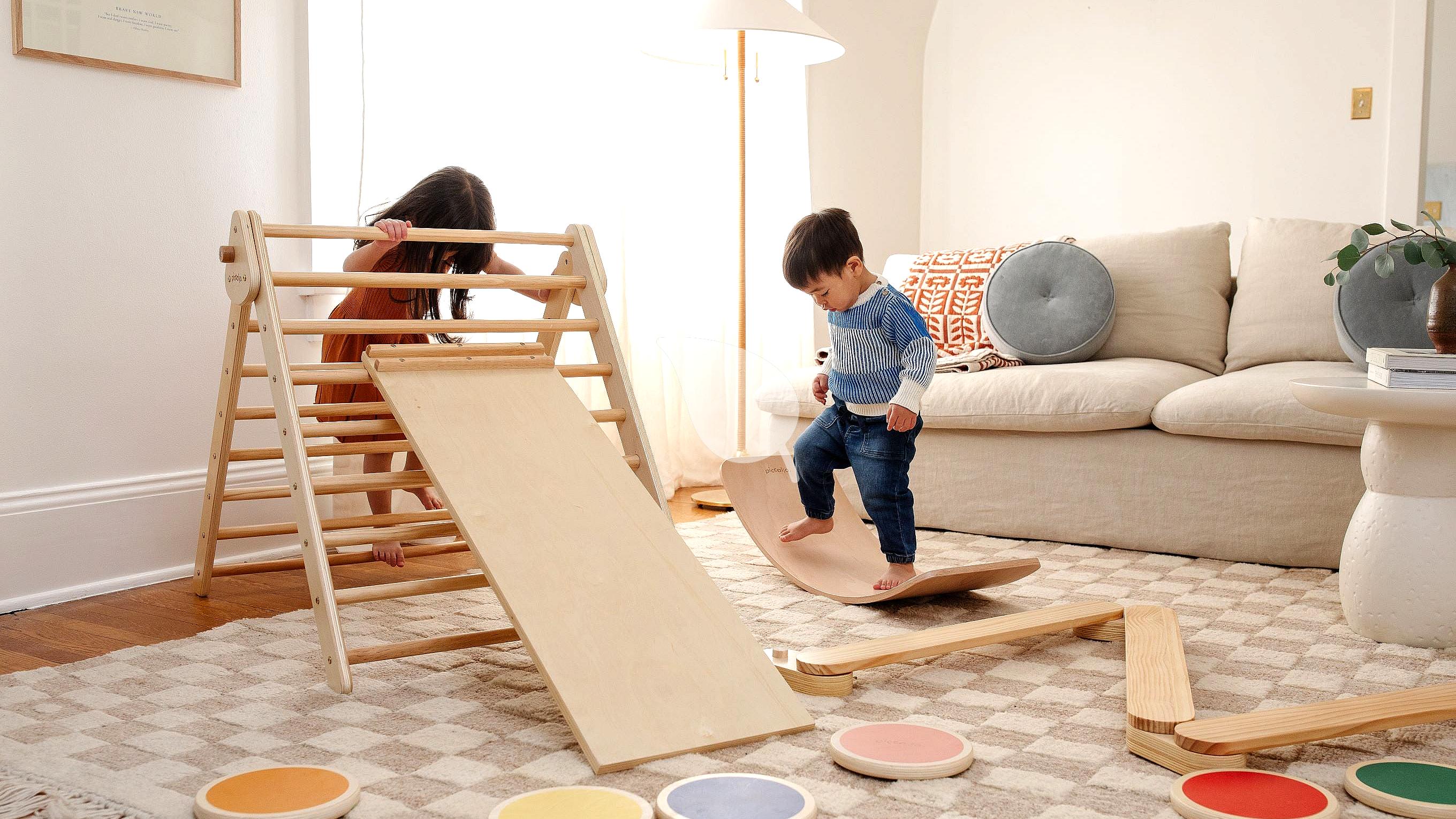
Ever notice how a basic wooden block can become a car, a phone, or a loaf of bread in a toddler’s hands? The less a toy does, the more your child’s imagination takes over. Organic toys - wooden animals, soft dolls, stacking shapes - don’t beep or light up. Instead, they invite your child to invent worlds and stories, which powers up their cognitive and emotional development.
Sensory and Motor Benefits of Natural Materials
Natural textures do wonders for sensory play. Wood is smooth or grainy, cotton plush is soft, sometimes weighty. These sensations help toddlers refine their tactile awareness and build fine motor skills. Think stacking blocks for balance or hugging a heavy cotton lovey for comfort.
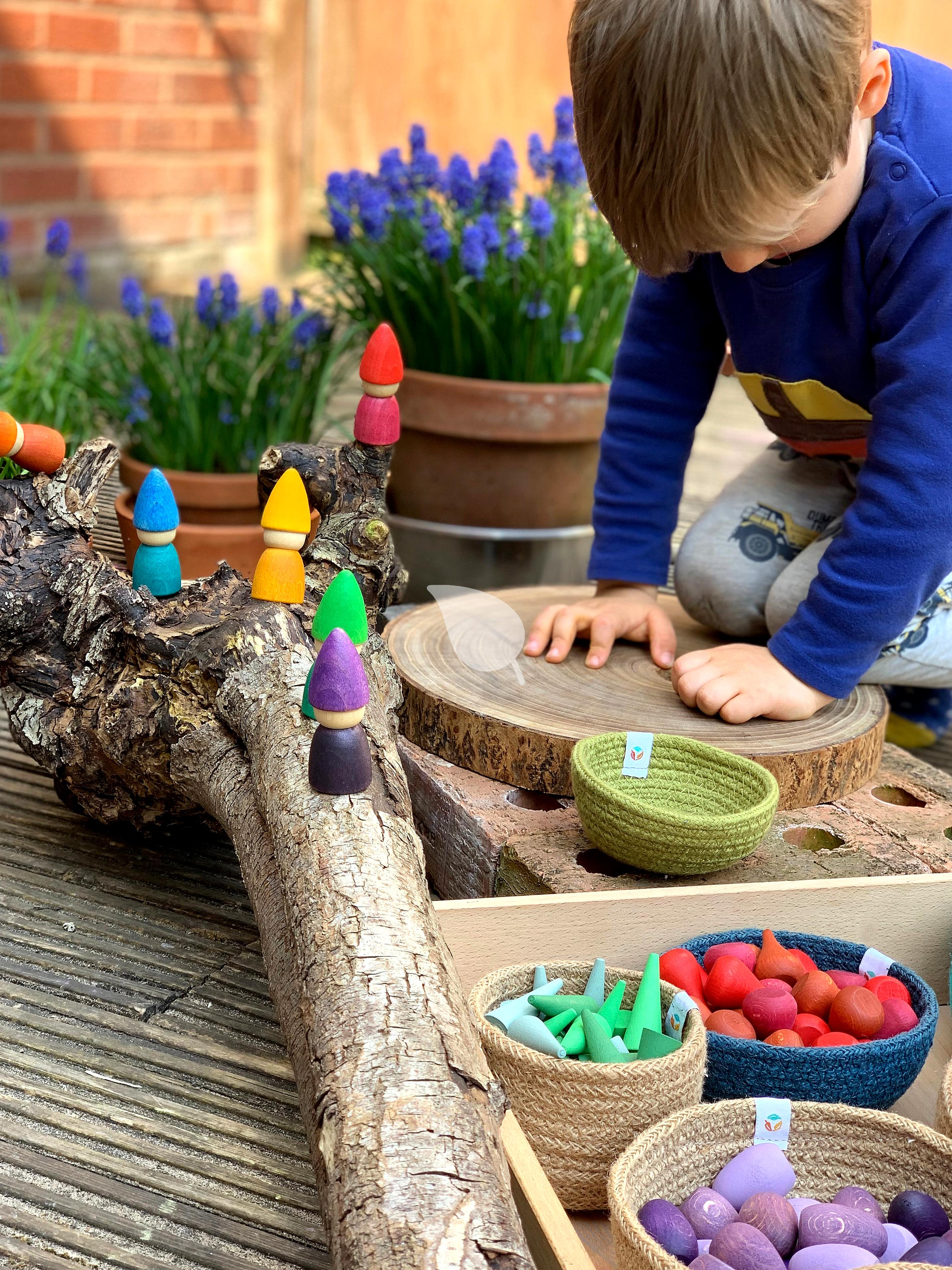
Contrasting Overstimulating Plastic Toys
Noisy, flashing plastic toys can actually overwhelm toddlers, leading to short attention spans or even meltdowns. Organic toys create a calmer vibe - less sensory overload, more focused play. Swapping electronic gadgets for wooden cars or fabric animals can instantly change the mood of your playroom.
- Simple toys = more creativity + less chaos.
- Organic toys support Montessori and Waldorf-inspired play.
- Weighted or textured toys help with self-soothing and sensory learning.
Example: Parents who swapped out battery-powered cars for wooden ones noticed their child played longer, invented stories, and - miracle of miracles - seemed calmer at bedtime.
Tip: Pair organic toys with Montessori play prompts. For ideas, see turn simple wooden toys into hours of open-ended play.
Reason #5: You’re Often Supporting Ethical, Small, or Local Makers
Fair Labor and Ethical Manufacturing
Many organic toy brands actually walk the walk. They pay fair wages, uphold strong labor standards, and take pride in their craft. Small workshops and artisan makers put extra care into every piece, often producing toys in small batches. This means you’re not just buying a thing - you’re supporting people and communities.
Why Handmade and Local Matter
Handmade toys aren’t just charming. Local artisans cut down on shipping emissions and build toys with love (and often, better materials). Superior craftsmanship means fewer recalls or safety issues. Plus, your purchases help real families and small businesses thrive, not just distant corporations.
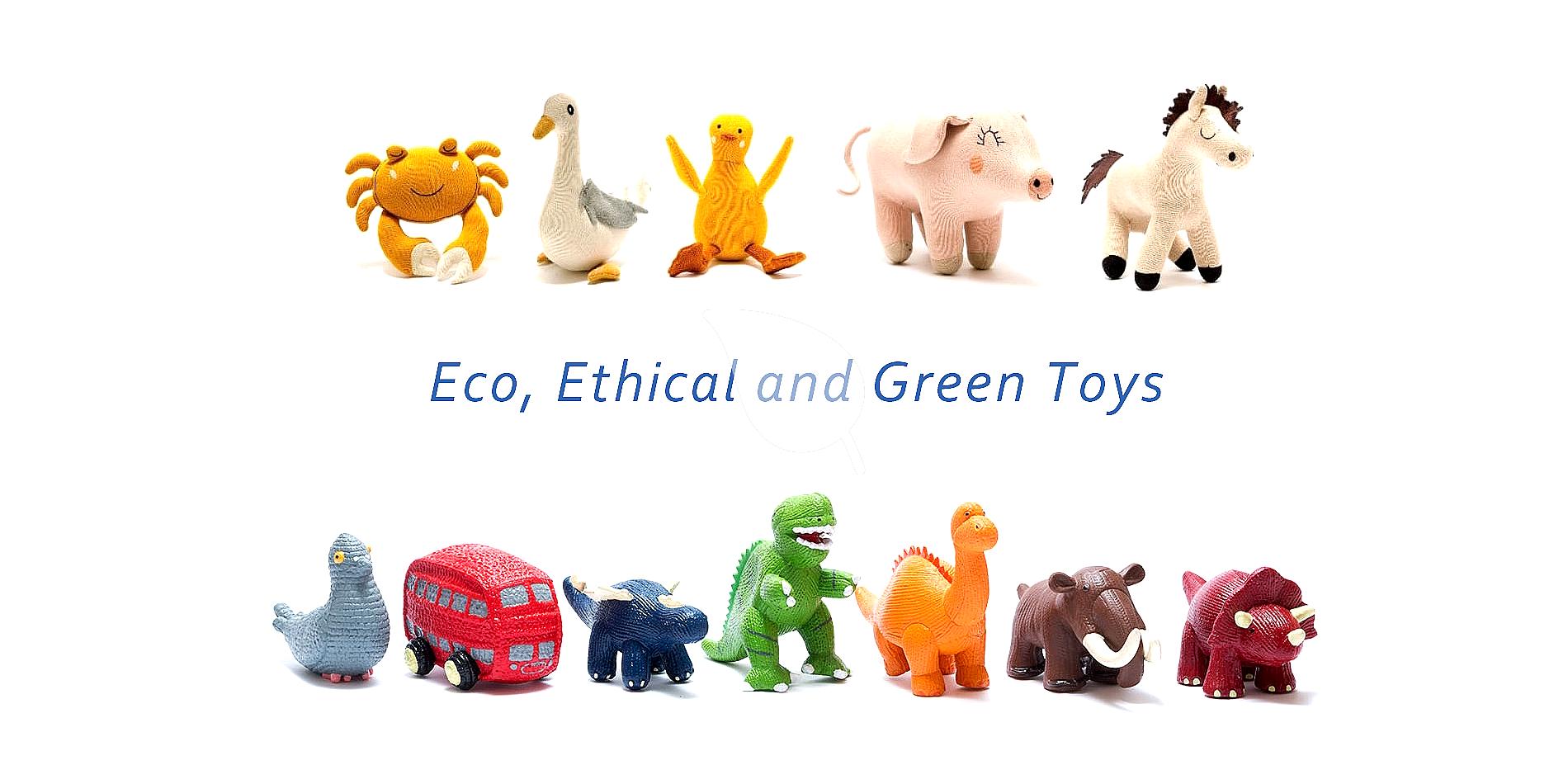
Teaching Mindful Buying to Kids
Every time you tell your toddler, “This doll was made by someone in our town,” you connect them to the people behind their things. It plants the seeds for gratitude, respect, and a more responsible approach to consumption. That’s a lesson as lasting as any toy.
- Ethical brands invest in their workers and the planet.
- Handmade toys have a story - kids love learning how things are made.
- Supporting local means investing in your own community.
Example: The Rodriguez family found a small workshop making heirloom-quality wooden puzzles. Their daughter treasures every piece - and the family loves knowing exactly where it came from.
Tip: Before you buy, research a brand’s ethics. Look for stories about their makers, not just “fair trade” buzzwords. For inspiration, explore our gallery of unique handmade toys.
Quick Reality Check: ‘Organic’ Isn’t a Magic Word
Here’s the thing - just because a toy says “organic” or “natural” doesn’t mean it’s perfectly safe. Those words aren’t heavily regulated for toys, so brands can slap them on almost anything. Real talk: Always check for proper certifications and age-appropriate design, no matter how “green” the packaging looks.
What should you look for?
- GOTS certification for cotton toys (Global Organic Textile Standard)
- FSC certification for wooden toys (Forest Stewardship Council)
- Non-toxic finishes and no loose parts
- Choking hazard warnings for anything with small pieces
- Secure seams and strong stitching on soft toys
Where does organic matter most?
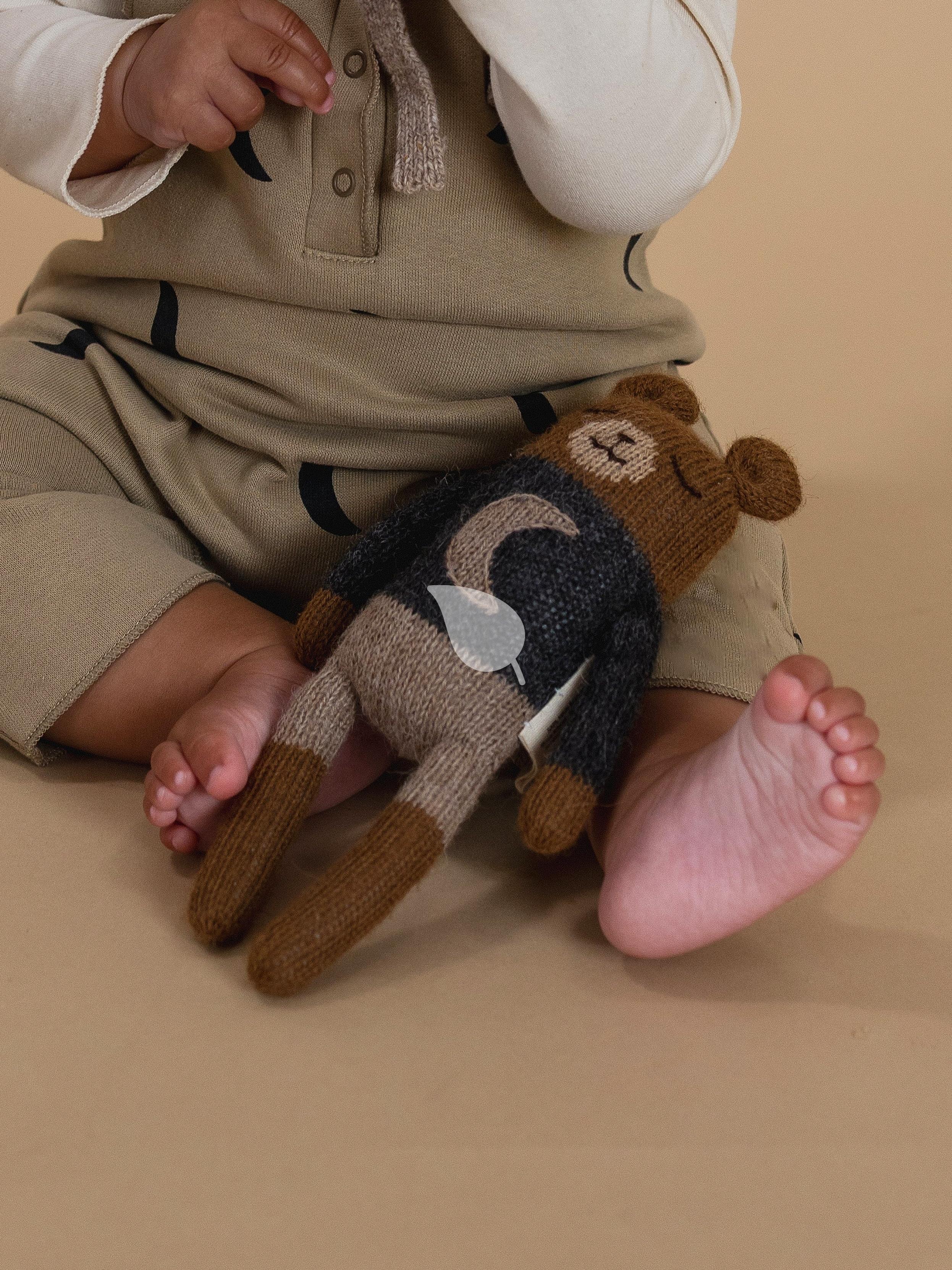
- Anything your toddler is likely to mouth, hug, or sleep with (think teethers, loveys, plushies)
- Toys used in bed or for comfort
- Playthings for kids with allergies or sensitive skin
If you want to learn how to decode those labels without overthinking it, check our upcoming guide on eco labels for kids’ products.
How to Start Switching to Organic Toys (Without Tossing Everything)
Ready to make the shift but not sure where to start? You don’t need to dump your whole toy box overnight. Here’s how to go organic in four smart, realistic steps:
-
Prioritize Toys Your Toddler Mouths or Sleeps With First
- These are the highest risk for chemical exposure. Start by replacing plastic teethers, plush, or comfort objects with GOTS-certified organic cotton options.
- Example: Swap that mystery plastic teether for a soft, certified organic cotton one. Your child will barely notice - but you’ll worry less.
-
Gradually Introduce Organic Toys into Playtime
- Mix in wooden blocks, simple puzzles, or vehicles. Rotate toys for variety, and slowly weed out the plastics. Donate or pass on what you no longer need.
- Example: Over a few months, add a set of wooden stacking rings and a cloth doll. Your toddler gets new favorites, clutter shrinks, and you save money.
-
Consider Budget-Friendly Approaches
- Organic toys can be pricier, but secondhand options or sales make them accessible. Focus on buying fewer, higher-quality toys rather than a mountain of cheap ones.
- Example: Grab a lightly-used wooden train from a trusted resale site - often half the price, still built to last.
-
Use a Mini Checklist When Shopping
- Look for GOTS, FSC, and non-toxic finish certifications. Avoid vague “natural” claims. Always double-check for age safety.
- Example: Keep our downloadable Organic Toy Shopping Checklist handy when you’re out or online. It’ll save you time and guesswork.
Expert Insight: “Eco-friendly toys made from natural materials pose a significantly lower health risk and can still support physical, cognitive, and emotional development,” from Luke’s Toy Factory.
Mistakes to Avoid When Choosing Organic Toys
- Assuming ‘organic’ always means safe. Labels don’t guarantee non-toxicity or age appropriateness - always check certifications and construction.
- Buying too many toys. Even organic toys can overwhelm and clutter your space. A capsule collection is best.
- Ignoring developmental appropriateness. Toys not suited to your toddler’s age or needs can frustrate or even pose hazards. Choose for mouthing, motor skills, and imagination.
Helpful Tools and Resources
- Organic Toy Shopping Checklist: A printable guide you can take to the store to decode labels and certifications - simplifies choosing safer toys.
- Capsule Toy Box Planner: Helps you build a minimal, versatile toy collection that reduces clutter and hones in on quality play.
- Toxic Toy Materials Guide Card: A quick-reference card for the chemicals and materials to avoid - easy to save to your phone.
Real-Life Examples
- Family reduces plastic toys and shifts to organic: After following a simple checklist, one parent replaced all the major plastic toys with certified organic products. The result? Noticeably less clutter and peace of mind about chemical exposure.
- Non-toxic toy buyers minimize risks and support ethics: By choosing solid wood and organic cotton, parents cut down on risky plastics and felt good knowing their purchases supported ethical brands.
FAQ: Your Organic Toys Questions Answered
Q: Are wooden toys better than plastic for toddlers?
Absolutely. Pediatricians recommend wooden toys for babies and toddlers because they contain fewer harmful chemicals - no PVC, phthalates, or BPA. Wooden toys also support sensory development and are usually much sturdier than their plastic counterparts.
Q: What makes a toy eco-friendly or sustainable?
Eco-friendly toddler toys use materials like FSC-certified wood, organic cotton, or recycled packaging. They’re made with ethical labor, designed for durability, and create less environmental impact compared to plastic options.
Q: How do I know if a toy is non-toxic?
Look for certifications like GOTS (for cotton), FSC (for wood), and non-toxic finish seals. Steer clear of toys that only say ‘natural’ or ‘organic’ without proof. Always check for age-appropriateness and possible choking hazards.
Q: Are organic toys worth the money?
Usually, yes. Organic toys often last longer, meaning you replace them less frequently. They support ethical brands and sustainability, while promoting healthier, more meaningful play. Over time, you’ll likely spend less by choosing a few great toys that endure.
Conclusion: Make the Safer, Smarter Choice with Organic Toys
Let’s recap. Choosing organic toys for your toddler isn’t just a trend - it’s a proven, practical way to protect their health, support sustainable play, cut down on clutter, and encourage better development. You’re also voting for ethical brands and a greener planet every time you buy.
The five key reasons? Less exposure to sneaky chemicals, less waste for the planet, more durable toys that outlast toddler drama, calmer and more creative play, and the chance to support real people making real things.
Look, you don’t have to transform your toy box overnight. Start with the toys your child mouths or sleeps with, then work your way out - one swap at a time. Before you know it, you’ll have a safer, simpler, and more meaningful play space. Ready to try?
If you’re into safer, simpler playtime, pop your email below and we’ll send you easy tips for building a low-tox toy box.
Tags
Join Our Mission
Support our conservation efforts and make a difference today.