Ever notice how your child calms down the minute you step outside? That sudden shift - from wild eyes glued to a screen, to deep breaths and a softening of shoulders - feels almost magical. Many kids today are honestly restless, wound up, or anxious, and it’s no wonder. Screens are everywhere, and indoor stress piles up fast. Here’s the good news: nature therapy for kids offers simple, playful ways to support their mental health outdoors, with science - and a lot of smiles - behind it.
This post? It’s packed with 8 easy, research-backed activities you can actually try this week. No mystical forests or Pinterest-perfect setups required. Just a bit of fresh air, a sprinkle of curiosity, and maybe a muddy shoe or two. Ready to help your child feel calmer, happier, and more focused? Let’s get outdoors.
Why Nature Therapy Activities Help Kids Feel Better
Picture this: Your child, screen-tired and cranky after a long afternoon, steps outside for just 15 minutes of mindful play. Suddenly, the world feels lighter - they’re humming, hopping, maybe even laughing. It’s not magic, it’s nature therapy for kids, and it’s more than a trendy buzzword.
A growing body of science agrees: nature-based activities like gardening, green exercise, and listening walks can genuinely improve kids’ moods and reduce stress. Kids who spend time outdoors - touching soil, noticing birds, making art from leaves - consistently show lower anxiety and brighter moods than those who stick to screens or indoor spaces. It turns out, just being in green or blue spaces (think grass, trees, water) can lower cortisol, the stress hormone, and boost emotional resilience.
Nature therapy isn’t about forcing still meditation on a wiggly kid. It’s about blending gentle science, sensory play, and childlike curiosity - tailored for different ages, energy levels, and needs. Whether you have a toddler obsessed with mud or a 10-year-old who’d rather build leaf mandalas than talk about feelings, these activities nurture calm, focus, and wild imagination.
Curious about making your entire home a haven for outdoor adventure? Check out our tips to create a nature-loving environment for toddlers next.
Quick List: 8 Proven Nature Therapy Activities for Kids
Get a quick snapshot of all eight activities below. Each one offers a powerful benefit and a playful, easy way to get started.
- The Listening Walk
Slow your pace and listen deeply to nature’s soundtrack - birds, leaves, wind. Builds focus and instant calm. For example, stroll quietly in your neighborhood, asking kids what they hear - maybe a crow calling, maybe wind through the fence. (“Simple practices like listening closely to outdoor sounds…can deepen nature connection and support wellbeing.” – Healing Forest facilitators) - Nature Treasure Hunt
Turn a walk into a game - look for something rough, something fragrant, a tiny pinecone. Gets bodies moving and minds noticing. This mindful scavenger hunt sparks curiosity and movement. (A systematic review found nature-based activities consistently improved kids’ mood and stress - see full citation below.) - Tree Friend
Meet a tree up close. Touch bark, notice textures, imagine its ‘story’. Grounding and empathy grow naturally. For instance, your child can feel the deep grooves of bark and wonder: what has this tree seen? (“Nature-based mindful activities can help children experience more calm and peace by engaging their bodies and senses…” – NAEYC) - Nature Sit Spot and Sky Stories
Quiet observation meets wild imagination. Sit and watch clouds, invent sky stories, and notice feelings drift by. Try a bench, balcony, or grass patch - wherever you can glimpse the sky. (“Listening closely to outdoor sounds, paying attention…can deepen nature connection and support wellbeing.” – Healing Forest) - Gratitude Walk or Family Gratitude Tree
Notice and name things you appreciate in nature. Collect leaves, write thankful notes, or make a gratitude tree at home. Builds positive emotions, together. (“Nature-based mindful activities can help children experience more calm and peace…” – NAEYC) - Nature Art and Mandalas
Make mandalas or art from sticks, leaves, and stones. Creative, sensory-rich, and calming for busy hands. Photograph for memory-keeping, then let nature take it back. (Systematic review: green exercise and nature-based art activities boost mood and lower stress.) - Nature Journaling for Feelings and Observations
Draw, scribble, or write about what you notice and feel outside. Builds emotional awareness, literacy, and reflection. Sketch how the sun felt or how a flower looked. (“Nature-based mindful activities can help children experience more calm and peace…” – NAEYC) - Garden, Mud, and Water Play
Plant seeds, splash in water trays, or dig in safe mud. Tactile play soothes big feelings and grounds anxious kids. (Systematic review: gardening and green/blue exercise improve mood and physical wellbeing.)
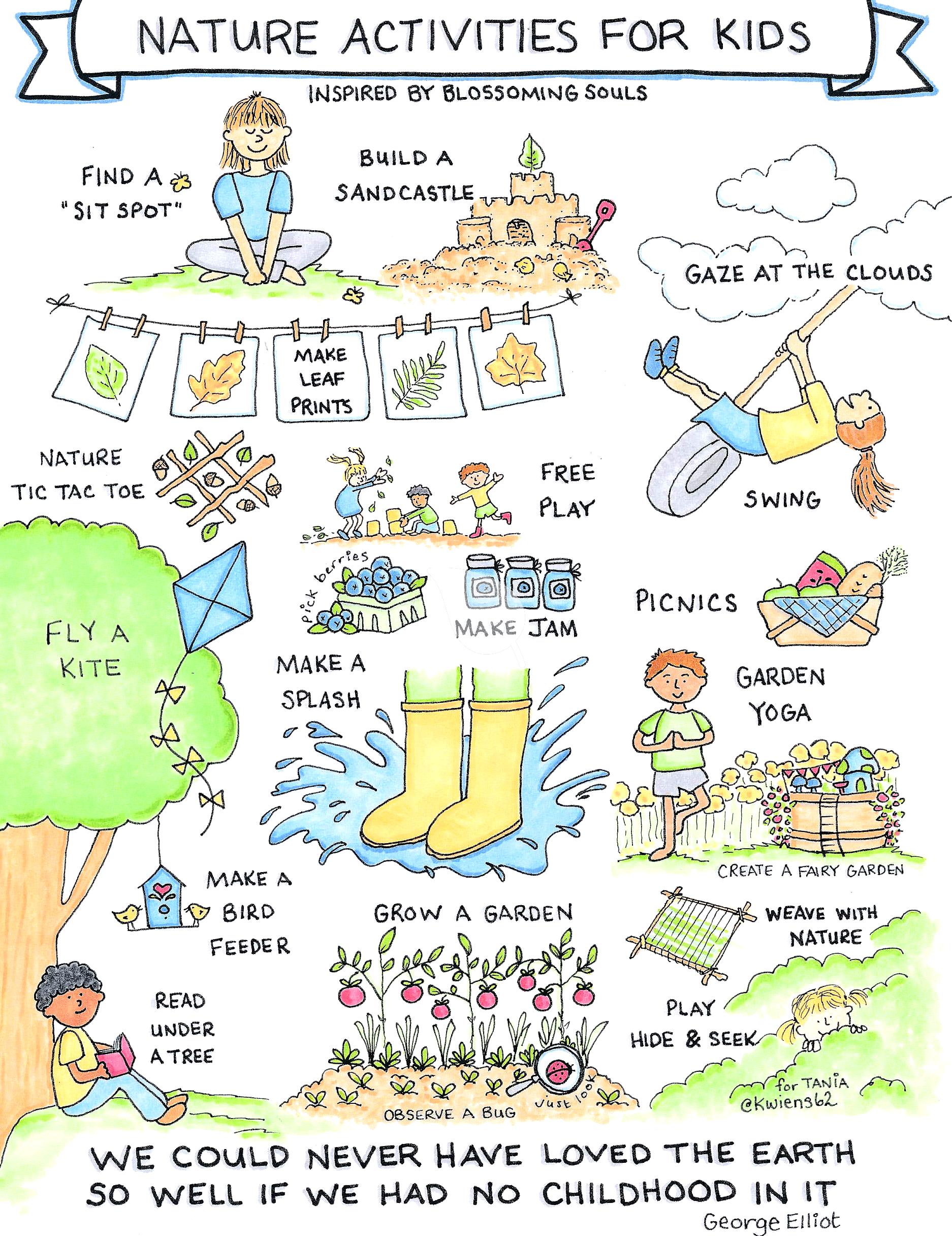
Tip: Adjust activities based on your child’s age and sensory needs to maximize benefits. For example, use a treasure hunt with large, colorful items for toddlers, while older kids might dive into detailed nature art or journaling.
Explore how to create a nature-loving environment for toddlers for even more ideas!
The Benefits of Nature Therapy for Kids’ Mental Health
Understanding why these activities matter helps you see them as more than just play - they’re a proven way to support your child’s emotional wellbeing.
How Nature Supports Emotional Wellbeing
- Reduces stress and boosts mood: Exposure to green and blue spaces helps lower stress hormones, like cortisol, and increases feelings of calm and happiness in kids. Research shows that activities like gardening or walking near water can make a noticeable difference in children’s anxiety and ability to sleep well .
- Improves focus and attention: Physical activity outdoors acts as a natural brain booster, helping kids concentrate better and reducing symptoms of attention challenges. Mindful nature activities - like listening walks - teach kids to tune in and block out distractions, building attention skills that carry over to school.
- Sensory regulation and physical health: Activities like gardening, mud play, or water exploration provide tactile input. This sensory play helps anxious or overwhelmed kids feel grounded and safe, supporting both physical development and emotional regulation.
"Nature-based mindful activities can help children experience more calm and peace by engaging their bodies and senses in gentle, imaginative ways."
- NAEYC, National Association for the Education of Young Children
Nature therapy can help kids:
- Bounce back from stress faster and sleep better
- Build emotional resilience and a positive mindset
- Improve focus, creativity, and self-confidence
- Express emotions in healthy, playful ways
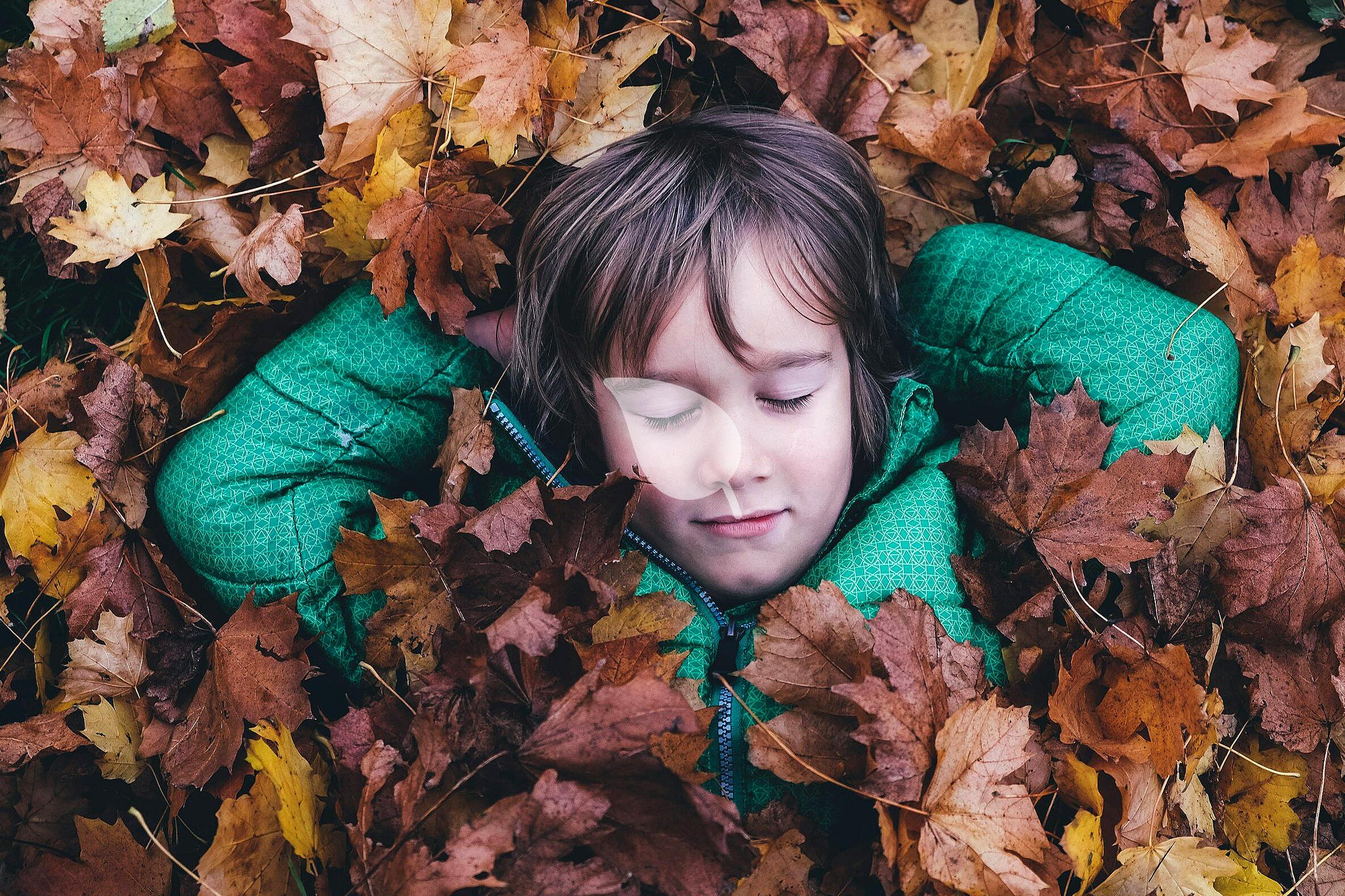
Research-backed tip: Regular exposure to nature - just 10–20 minutes a day - can lead to long-term improvements in kids’ mood and emotional resilience. For instance, gardening and ‘green exercise’ have been shown to reduce the stress hormone cortisol and boost positive feelings .
Activity 1: The Listening Walk
A listening walk is a gentle, mindfulness-based activity that invites kids to slow down and connect with nature’s sounds. You don’t need a wild forest - just a patch of green or a tree-lined street will do.
What You’ll Need and Where to Go
- Pick any safe outdoor space: local park, tree-lined street, community garden, or even a schoolyard after hours
- No equipment required - just bring a sense of curiosity and a willingness to pause
How to Do It
- Walk slowly and silently for 5 to 15 minutes. Ask your child to notice every sound - close by and far away.
- Encourage them to point or whisper when they hear something new: maybe a dog barking, leaves rustling, a distant car, or the beat of their own footsteps.
- Try the prompt: “Can you hear something that’s alive? Something that’s moving? Something only you can notice?”
Why It Helps
- Builds focus and mindful awareness without requiring kids to sit still
- Calms the nervous system by engaging auditory senses and shifting attention away from worries
- Works for all ages - from toddlers to teens - and adapts to almost any energy level
Pro Tip: Some kids love to mimic the sounds they hear - let them! For those sensitive to urban noise, keep walks brief or bring soft earplugs for comfort.
Age and Sensory Adaptations
- Toddlers: Point to sounds, clap, or march in rhythm
- Older kids: Guess what’s making each sound, or try drawing what they hear afterwards
- Sensory-sensitive: Keep durations short, allow breaks, offer a comfort item if needed
“Simple practices like listening closely to outdoor sounds…can deepen nature connection and support wellbeing.” - Healing Forest facilitators
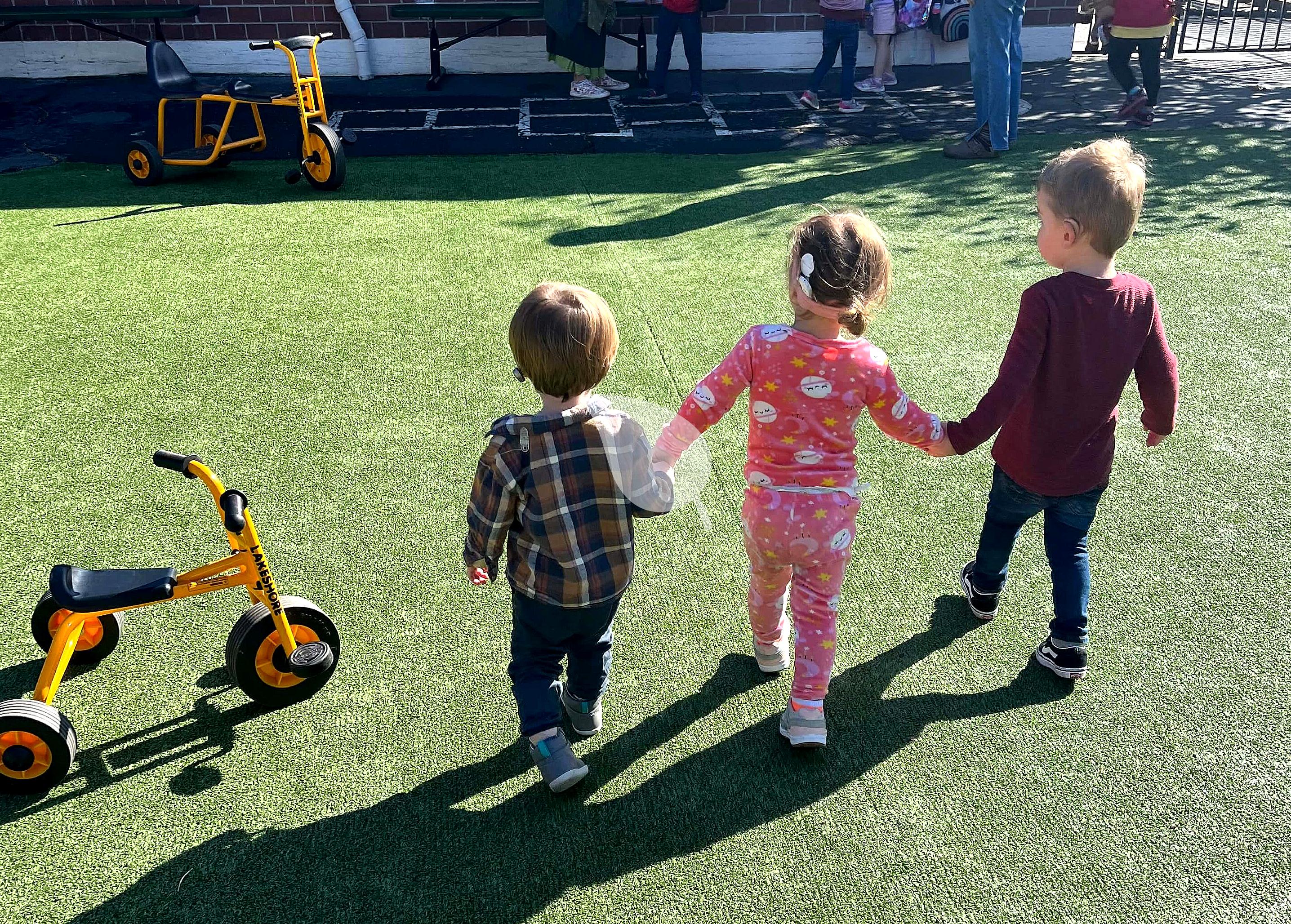
Tip: If your neighborhood is noisy, find a quieter pocket or choose early morning hours. A quick listening walk can transform a stressful afternoon into a peaceful reset.
Activity 2: Nature Treasure Hunt or Scavenger Hunt
Turn a routine walk into a thrilling adventure by searching for nature’s treasures. A treasure hunt weaves mindfulness into movement and keeps even the most energetic kids engaged.
Getting Started
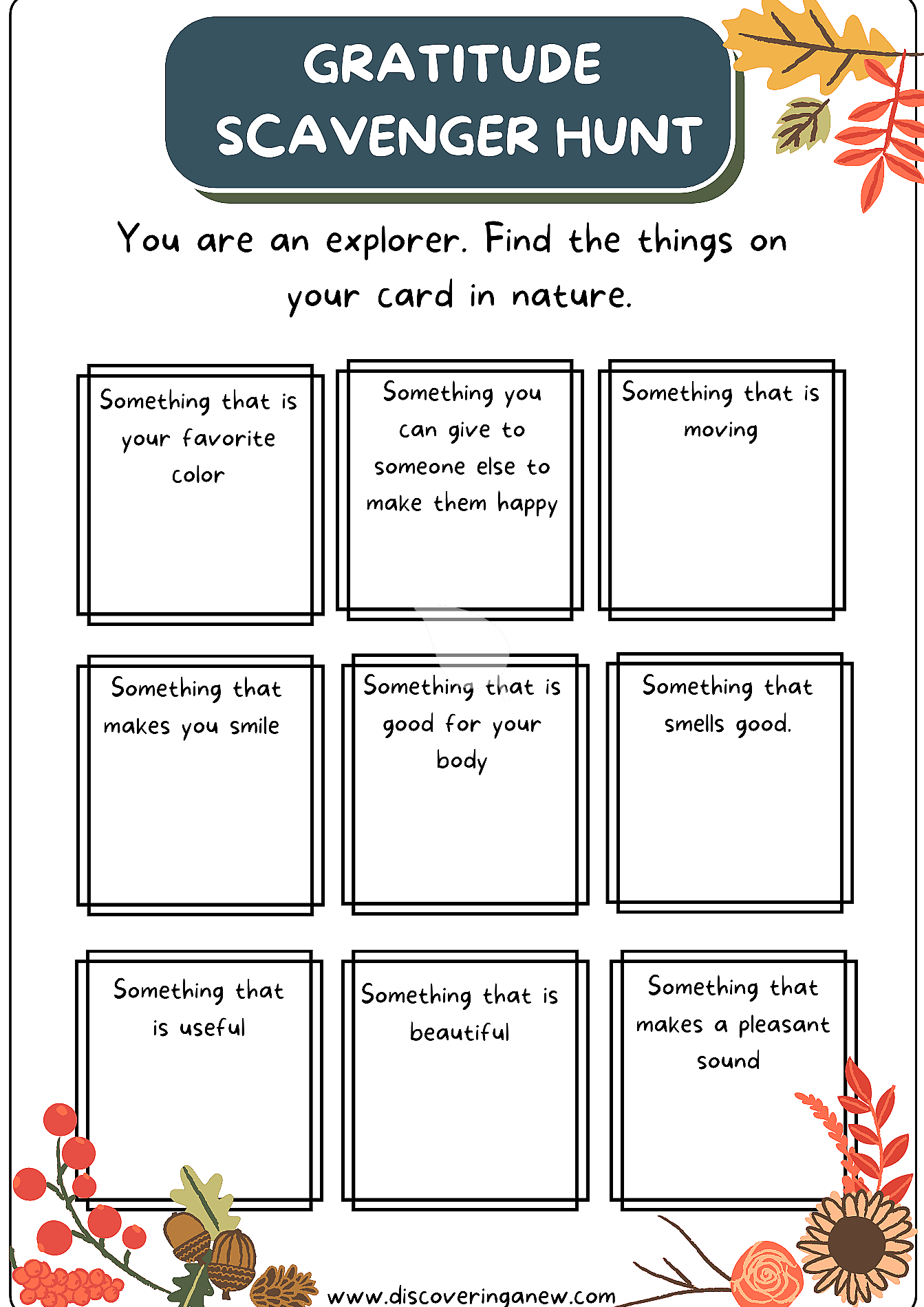
- Make a simple list: “Find something rough, a flower petal, something fragrant, a feather, a rock that fits in your palm.”
- For older kids, add a creative twist: “Find something that reminds you of happiness.”
- Emphasize safety: Only collect fallen items, avoid protected plants, and respect wildlife habitats.
How to Play
- Set a timer for 15–20 minutes, or just play until interest fades.
- Encourage mindful observation - what does the moss feel like? How does the bark smell? Invite kids to use all their senses.
- Celebrate discoveries together - share stories or make up imaginative uses for each treasure.
Reminder: Teach children to respect nature: “Take only what’s fallen. Leave wildflowers and living plants for others to enjoy.”
Adaptations for Age and Sensory Needs
- Toddlers: Pick big, colorful items that are easy to spot
- Older kids: Increase challenge with detailed search lists or scavenger hunt bingo cards
- Sensory-sensitive: Skip items with strong smells or sticky textures; use printed/drawn scavenger sheets for motivation
Why It Works: Nature treasure hunts keep kids moving and noticing, fostering calm awareness without sitting still. A child might marvel at the scent of pine needles or the cool feel of smooth stones - grounding them in the moment and easing anxiety. Evidence shows that even short outdoor activities like these can improve mood and reduce stress
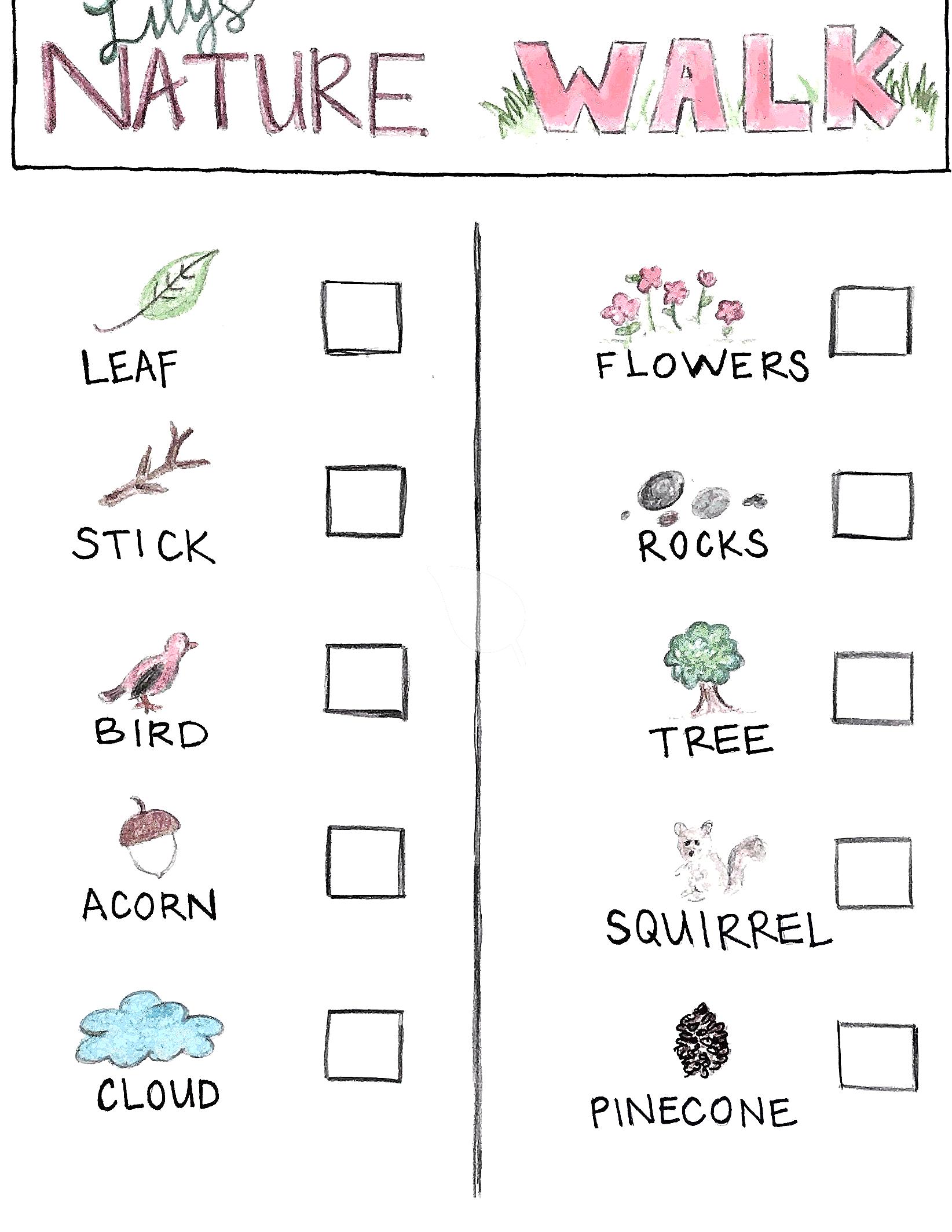
Example: A family uses a printable scavenger hunt card in a city park. Each child finds something rough, something round, and something that makes a sound - sparking laughter and calm focus.
Activity 3: Tree Friend (Make Friends With a Tree)
A tree friend moment is a surprisingly powerful way to ground anxious kids and build empathy - for nature and themselves.
Steps to Connect
- Find a tree that draws your child’s attention - big, small, gnarly, or smooth.
- Encourage them to touch the bark gently. What does it feel like - rough, cold, bumpy, soft?
- Smell the leaves, notice the shapes and colors, and imagine the tree’s story: “How old do you think it is? What has it seen?”
- For a soothing ritual, lean against the trunk together and breathe slowly - see if you can feel your heartbeat settle.
Benefits for Kids
- Grounds anxious or overwhelmed children through touch and sensory input
- Builds empathy and helps slow racing thoughts
- Fosters a sense of belonging in the natural world
Age and Sensory Tips
- Younger children: Focus on feeling the textures or counting the branches
- Older children: Invite storytelling or drawing a ‘tree portrait’
- Sensory-sensitive: Use gloves or a soft cloth for touch, or explore visually if tactile contact is uncomfortable
Why It Helps: Physical contact with trees provides instant grounding - like a living security blanket. Children who try this often find their racing thoughts slow as they focus on the tree’s details. On a breezy afternoon, a child hugging a sturdy oak may find their anxiety melting away.
“Nature-based mindful activities can help children experience more calm and peace by engaging their bodies and senses…” - NAEYC
Tip: Always supervise young children during these activities. In your own backyard, a tree-friend ritual can become a cherished family reset.
Activity 4: Nature Sit Spot and Sky/Cloud Stories
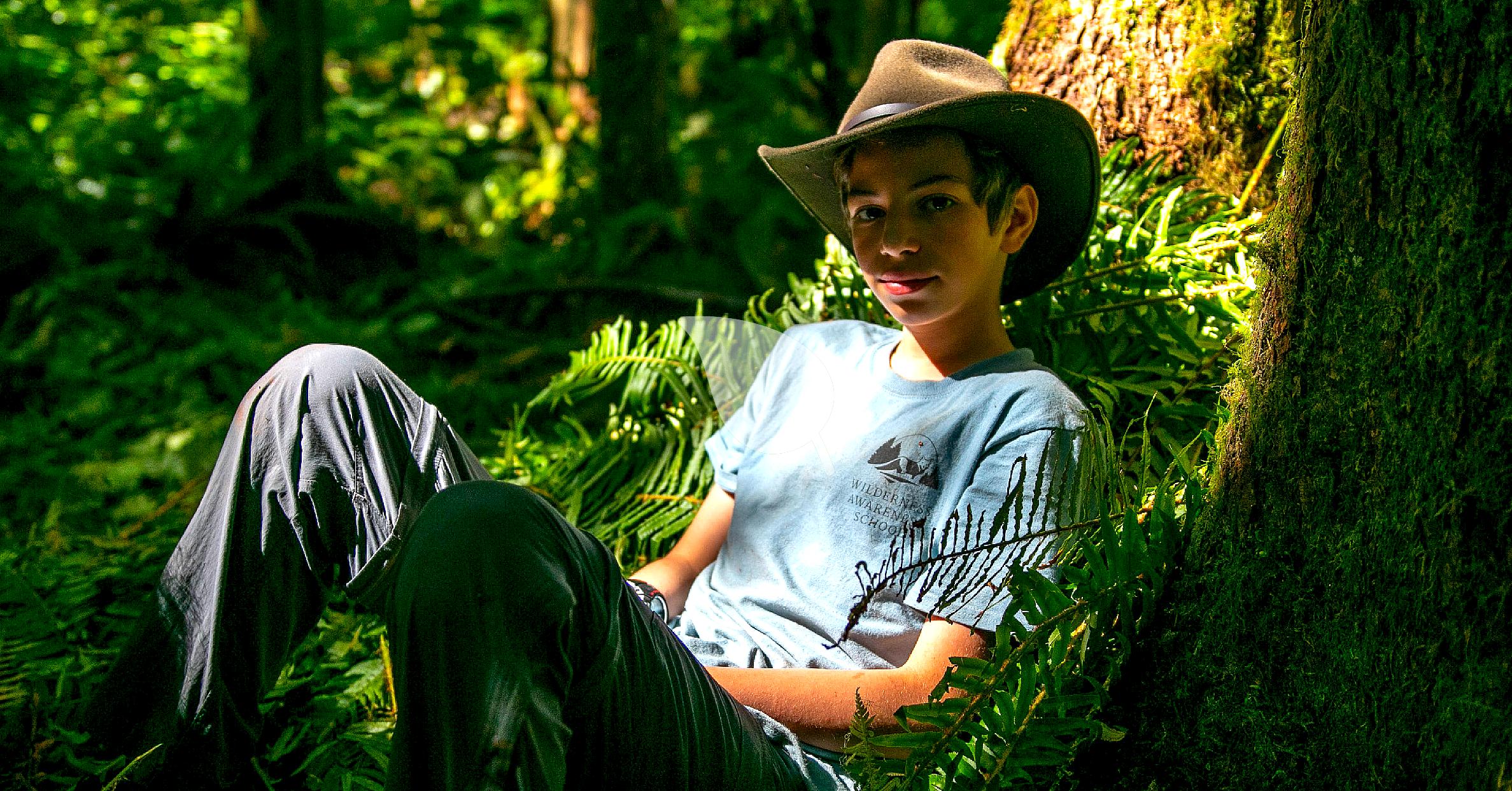
Sometimes, the most vivid adventures happen while sitting quietly. A nature sit spot, paired with imaginative sky stories, invites calm focus and creative fun - even in a city.
Setting Up a Sit Spot
- Choose a safe outdoor spot where you can supervise: backyard, local park bench, balcony, or even a sunny doorstep
- Start with 3–5 minutes and increase as your child’s comfort grows
- Use a blanket, seat, or mat - comfort matters
Cloud and Sky Stories
- Lie back (or sit) and watch clouds drift by. What shapes do you see - a dragon, a rabbit, a slice of pizza?
- Encourage your child to invent stories about the shapes, or spot animals and characters in the clouds
- Check in with feelings before and after: “How does your body feel now?”
Adapting for Urban Spaces
- Use balconies or stoops to catch a patch of sky
- Street corners with trees or a window view of the clouds work in a pinch
- Park benches offer a safe city option - just focus on what you can see
Why It Works: Sit spots blend quiet observation with creative imagination - balancing stillness with playful thinking. For a child who’s had a rough day at school, inventing cloud creatures or sharing sky stories helps them unwind and regulate big emotions.
“Listening closely to outdoor sounds, paying attention…can deepen nature connection and support wellbeing.” - Healing Forest
Tip: For squirmy or restless kids, keep sessions short and reward with a favorite nature snack or a silly story afterward.
Need ideas for after-school transitions? Learn to create a calming after-school routine with more outdoor mindfulness.
Activity 5: Gratitude Walk or Family Gratitude Tree
Kids aren’t born grateful - it’s a skill you can nurture through simple, joyful rituals outdoors.
Doing a Gratitude Walk
- Head outside and notice the gifts of nature - bright flowers, singing birds, warm sunshine, even puddles
- At intervals, pause and share one thing you’re thankful for: “I’m grateful for this giant leaf!”
- Encourage your child to express what they appreciate - the sillier, the better
Family Gratitude Tree
- Collect fallen leaves, or cut paper leaves if you’re indoors
- Write or draw things each family member is grateful for, using colorful markers
- Tape or tie the leaves to a branch or a wall to create your ‘family gratitude tree’ - a visual reminder of positivity
Emotional Benefits
- Shifts focus from worries to appreciation, naturally lifting mood
- Builds family connection and a shared positive mindset
- Children who practice gratitude regularly show more resilience and joy
Why It Helps: Gratitude walks and trees nurture emotional resilience and help kids move away from negative spirals. Walking together, sharing small joys, you’ll notice moods brighten - sometimes instantly. Research shows gratitude practices consistently improve mood and emotional wellbeing in children.
Tip: Use bright markers to make leaves fun and inviting. Toddlers can draw “happy faces” while older kids write or decorate with glitter.
Activity 6: Nature Art and Mandalas
Making art from natural materials is both playful and deeply soothing - a way for kids to express feelings without words.
Gathering Materials
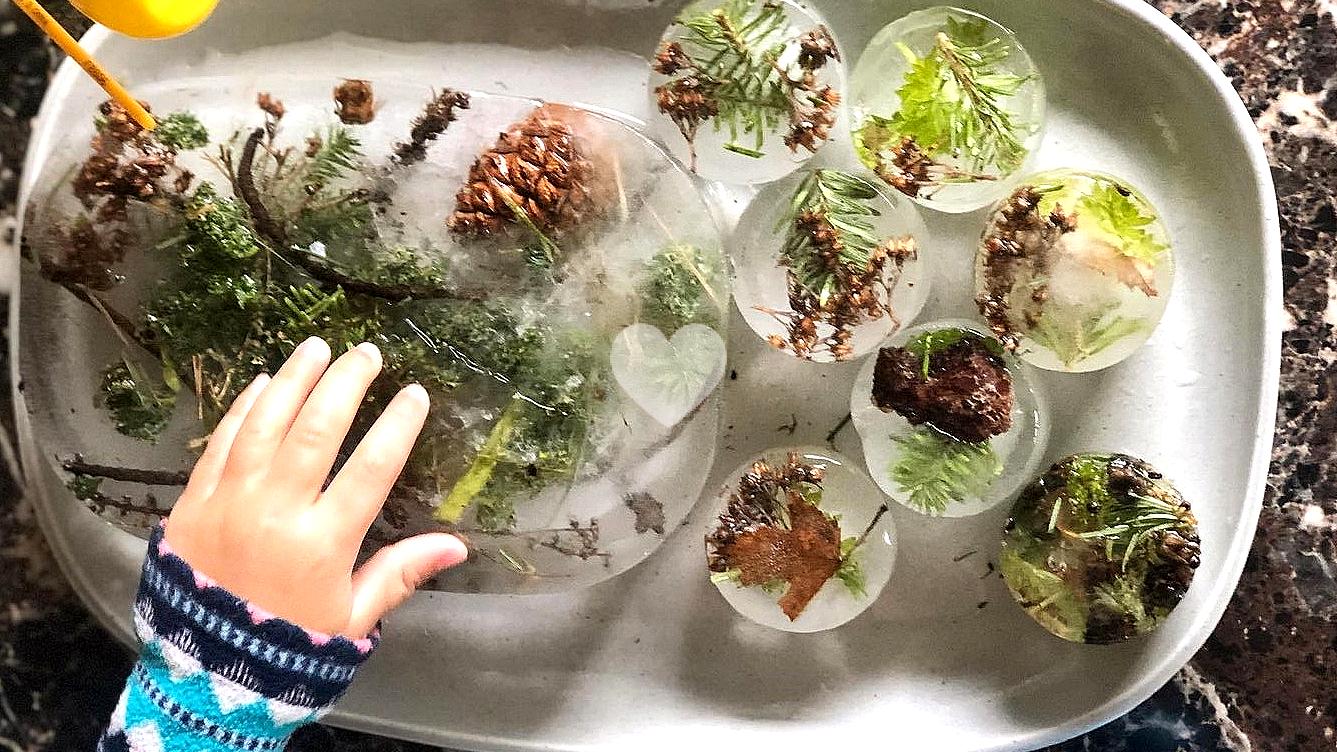
- Collect only fallen items: leaves, stones, sticks, cones, and flower petals
- Never pick living plants - teach children to be gentle guests in nature
Creating Art
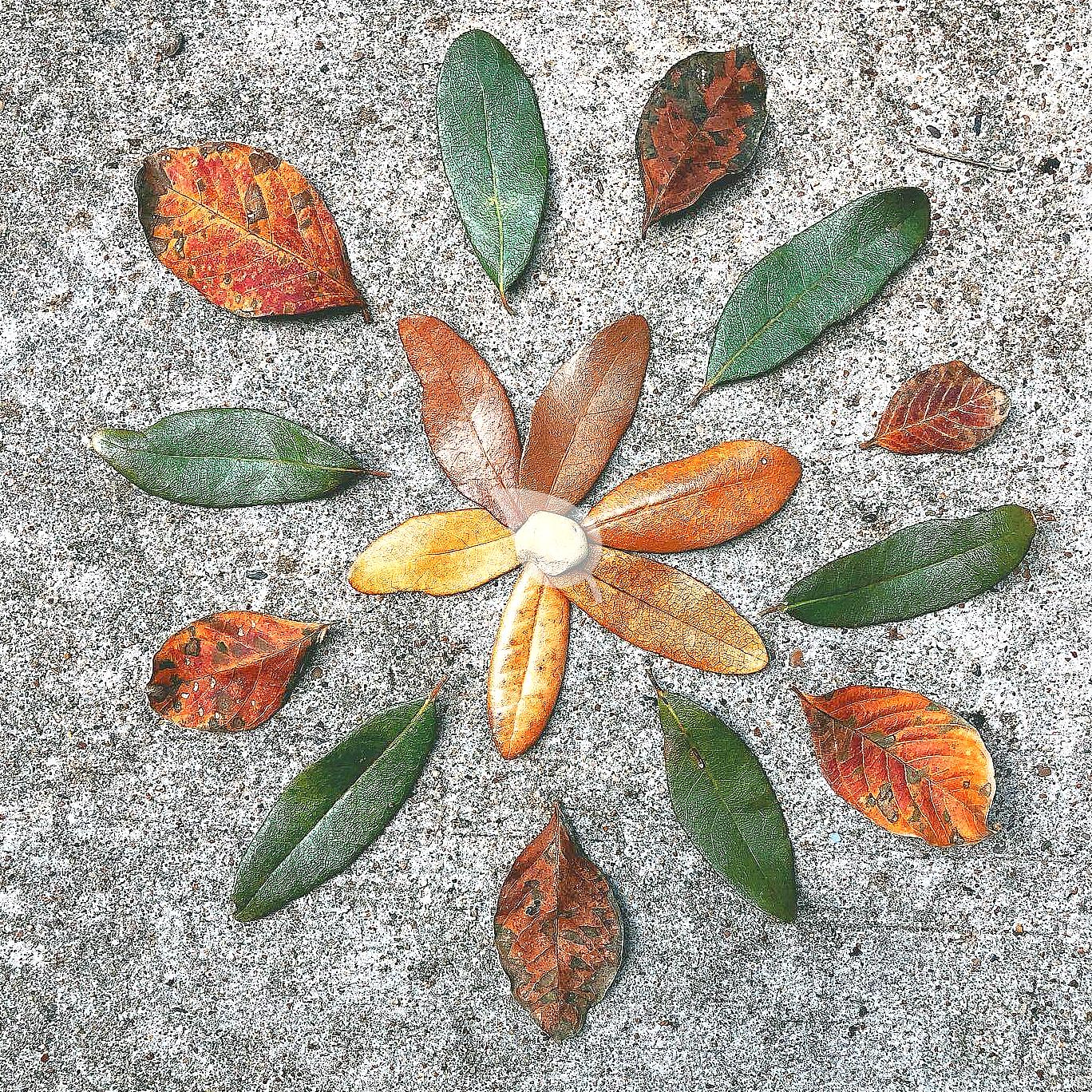
- Arrange materials into patterns (mandalas), faces, animals, or abstract shapes
- Ask kids to explain or name their creations - what feelings or ideas does their mandala reflect?
- Snap a photo before leaving the art behind for the wind to reclaim
Sensory and Emotional Benefits
- Engages tactile senses and creativity, providing a calming outlet for big emotions
- Helps kids process feelings through hands-on play and visual storytelling
Why It Works: Nature art combines sensory play, emotional expression, and mindfulness in one delightful package. A child making a mandala from red and yellow leaves after a walk may feel their worries dissipate with each careful placement. Research highlights these activities as mood boosters, reducing stress and enhancing creativity.
Tip: Only use natural, found materials, and teach kids to leave no trace. Photograph art to preserve memories and celebrate their creativity.
Activity 7: Nature Journaling for Feelings and Observations
Nature journaling helps kids connect their inner world with the outer one - building emotional literacy and mindfulness, one doodle at a time.
Getting Started
- Provide a simple journal or sketchbook, plus crayons, pencils, or stickers
- Prompt your child: “Today I noticed…” or “Today I felt…” Encourage drawing, writing, or even collage
- Use emotion faces for young children or word bubbles for older kids
Making It Inviting
- Keep sessions short and zero-pressure - journals are for expression, not perfection
- Add stickers, colorful pens, or let your child personalize the cover
- Share journal pages together to reinforce connection and understanding
Benefits
- Supports reflection, emotional awareness, and mindfulness
- Encourages language development and observation skills
- Builds a habit of noticing small joys and feelings, making tough days easier to talk about
Why It Helps: Journaling outdoors fosters calm, reflection, and creativity. An older child who draws a smiling sun and writes, “I felt peaceful during our walk,” is learning not just to observe nature, but to name and process emotions too.
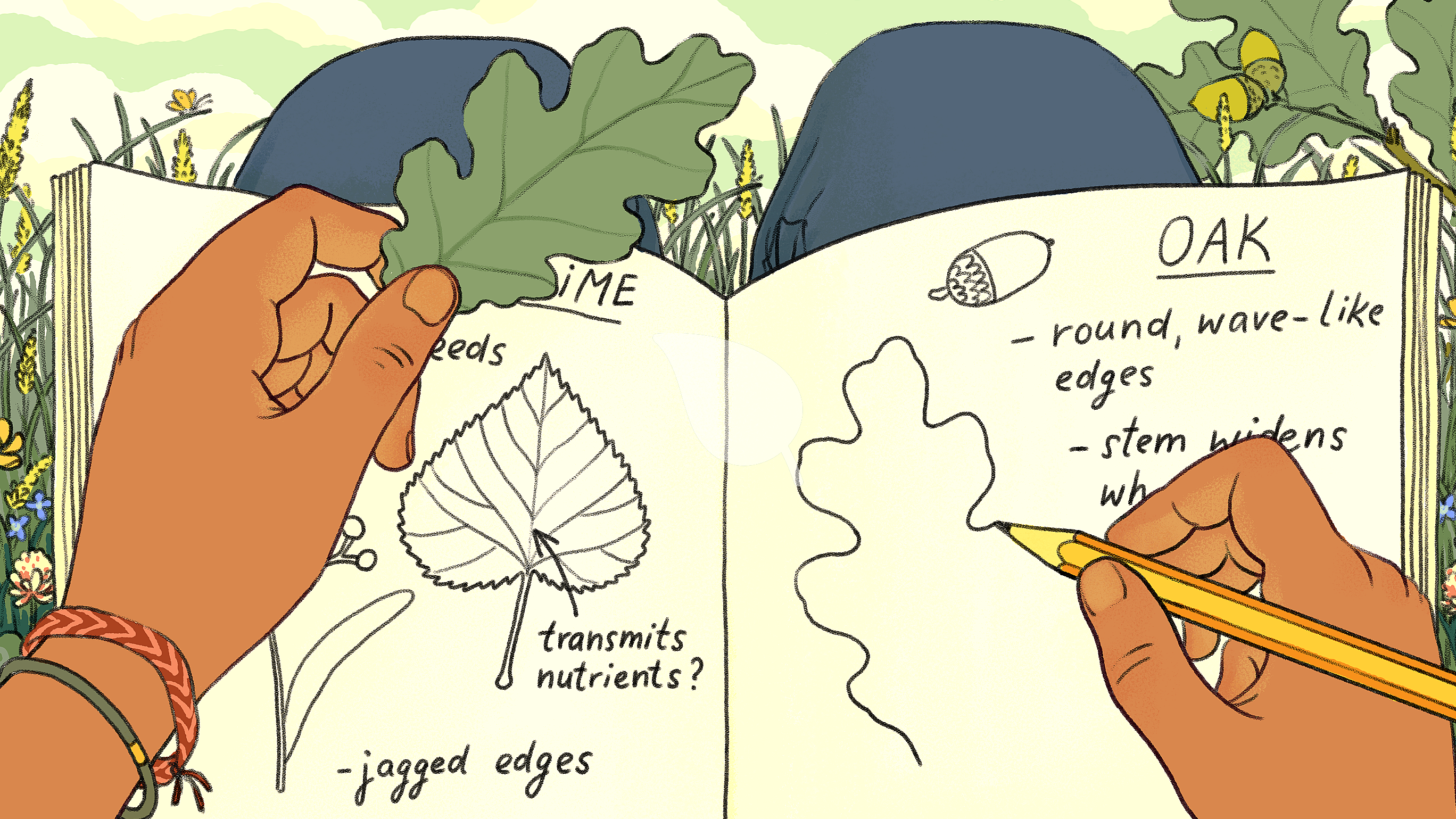
Tip: Print fill-in-the-blank journal pages for younger kids. Our printable nature journal pages are a great place to start!
Activity 8: Garden, Mud, and Water Play for Sensory Calm
It’s hard to find anything more grounding than digging in dirt, splashing in water, or planting seeds. These tactile, outdoor activities offer essential sensory input and support emotional regulation.
Getting Started with Gardening
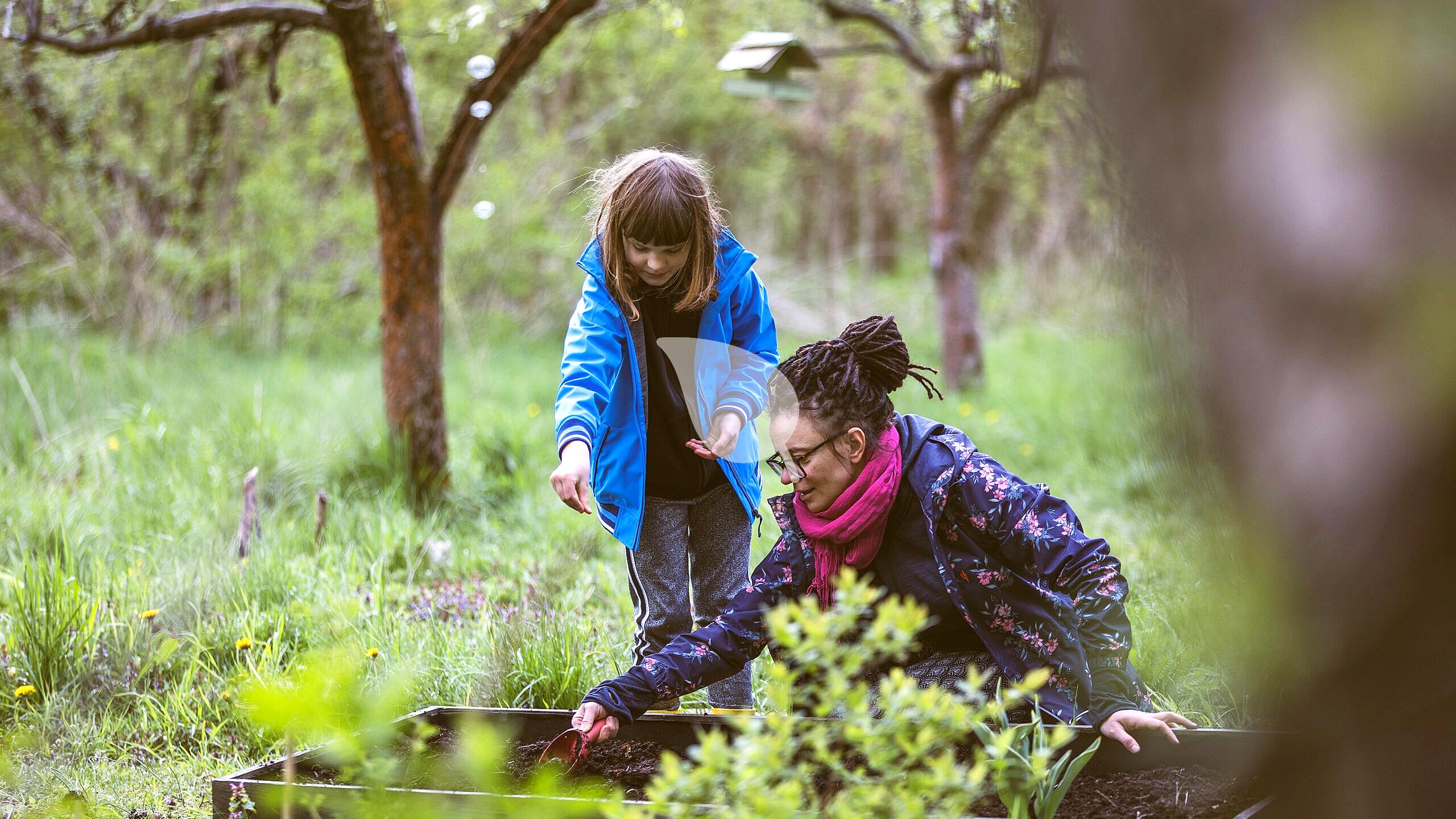
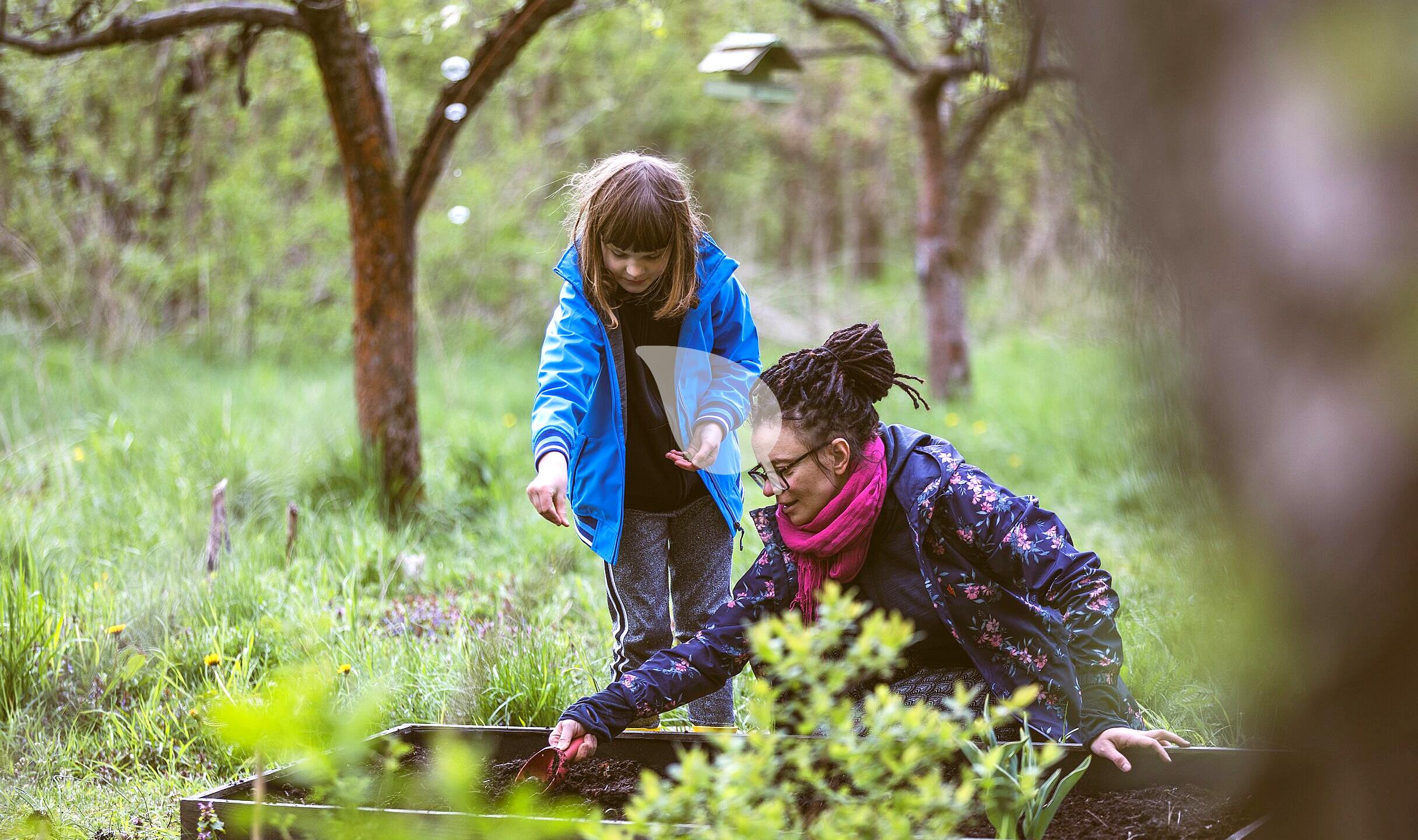
- Plant easy seeds or flowers together - in a yard, on a balcony, or even in a window box
- Talk about how plants grow, what they need, and celebrate every new sprout
Mud Kitchen and Water Play
- Set up a safe mud kitchen spot or water tray in your yard or on a balcony
- Use clean soil or sand, add water, and let kids dig, build, or splash
- Offer gloves or tools if your child dislikes certain textures
Benefits
- Tactile play helps regulate sensory needs and calms anxious or energetic children
- Physical activity outdoors improves mood, focus, and sleep
- Green and blue spaces (gardens, water) are especially soothing and boost emotional wellbeing
Research Support: Studies consistently show that gardening and water play reduce stress and improve mood in children. A child who spends an afternoon tending a small garden or creating mud pies often feels calmer, more focused, and proud of their creations.
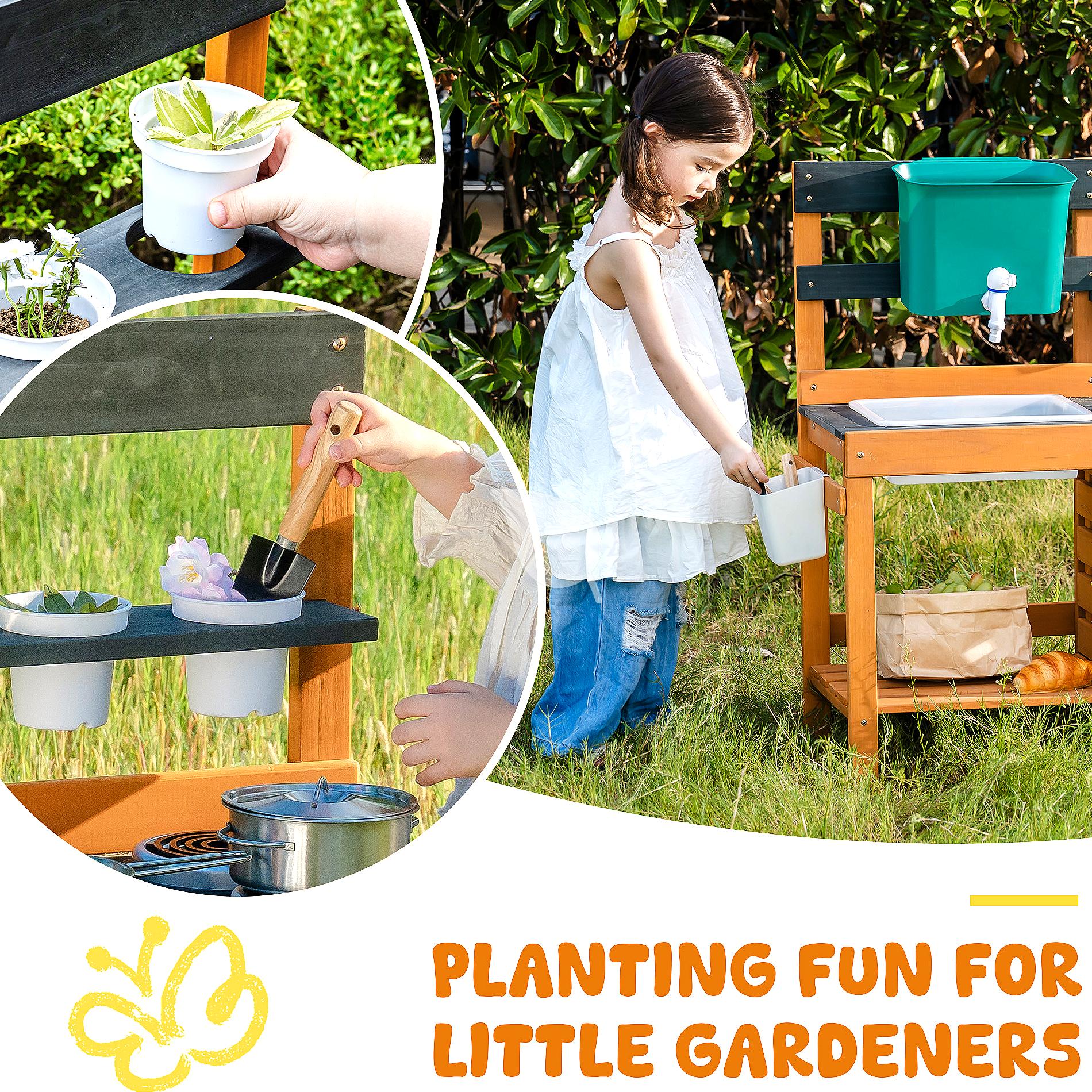
Tip: Use gloves or small tools for kids sensitive to textures. Urban families can create a mini container garden on a balcony or windowsill.
Want more ideas for all ages? Check out our outdoor sensory play ideas for every season!
No Forest? No Problem: Urban and Small-Space Nature Therapy
Think nature therapy is just for folks with big yards or access to forests? Think again. A patch of green, a balcony, or even a windowsill can provide the same essential benefits.
Making the Most of Small Spaces
- Use balconies, courtyards, or window boxes to grow plants or observe insects
- Explore local parks, street trees, or even the grassy edges of sports fields
- Bring nature indoors with potted plants, shells, or stones collected from walks
Adapting Activities
- Modify treasure hunts for balconies (find ‘something green’, ‘something smooth’)
- Use sit spots on porches, benches, or even near windows with a view of the sky
- Practice tree friendship with street trees or tall potted plants - nature connection works in small doses
Key Message: Small pockets of nature can provide all the therapeutic benefits of wilder spaces. A family in the city might do a listening walk around the block, noticing bird calls and breeze through the street trees. Every bit of nature counts for your child’s wellbeing.
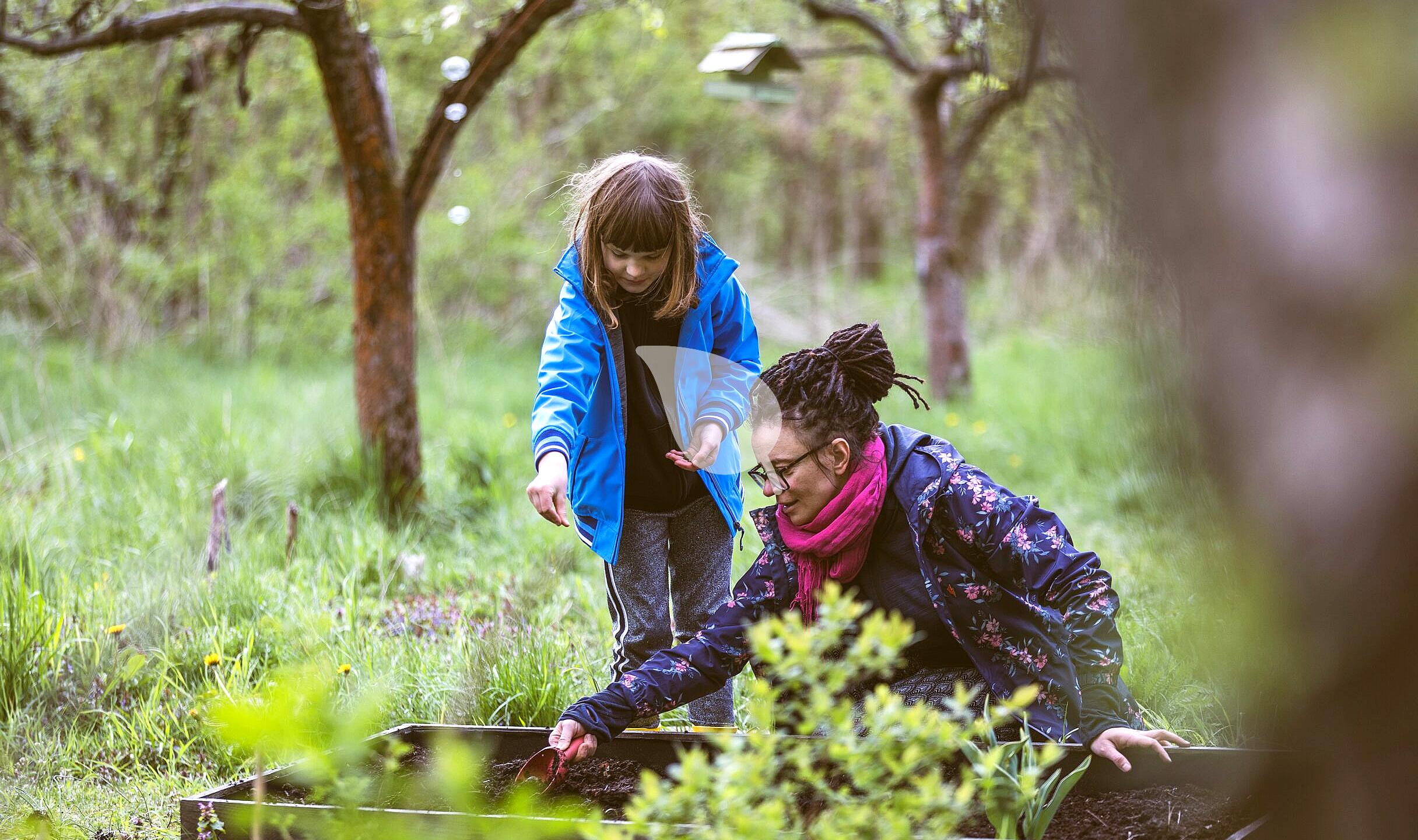
Encouragement: Don’t let space (or lack of it) hold you back. Parents have created nature corners in apartments that spark just as much calm and wonder as any forest.
Want more guidance? Read our tips on creating a nature-loving environment for toddlers anywhere.
How to Pick the Right Activity for Your Child’s Mood
Nature therapy for kids works best when you match the activity to your child’s mood, energy, and needs.
Matching Activities to Feelings
- Anxious or overwhelmed: Go for listening walks, tree friendship, or gentle water play
- Low energy or sad: Gratitude walks and gardening build positivity and a sense of accomplishment
- Angry or wired: Treasure hunts and animal-movement yoga channel energy in playful, mindful ways
Starting Small and Following Your Child’s Lead
- Watch what activities your child naturally enjoys - then adapt and repeat those
- Keep sessions short, especially for sensory-sensitive kids
- Celebrate any level of engagement - five minutes counts as progress
When to Seek Professional Help
- If your child’s anxiety or big emotions persist or worsen despite your efforts, consult a healthcare provider
- Nature therapy is a wonderful support, but it’s not a replacement for professional intervention if needed
Encouragement: Every small step outdoors supports your child’s mental health journey - even if today’s adventure is just a quick listening walk around the block. As a parent, your flexibility and willingness to experiment are the real game changers.
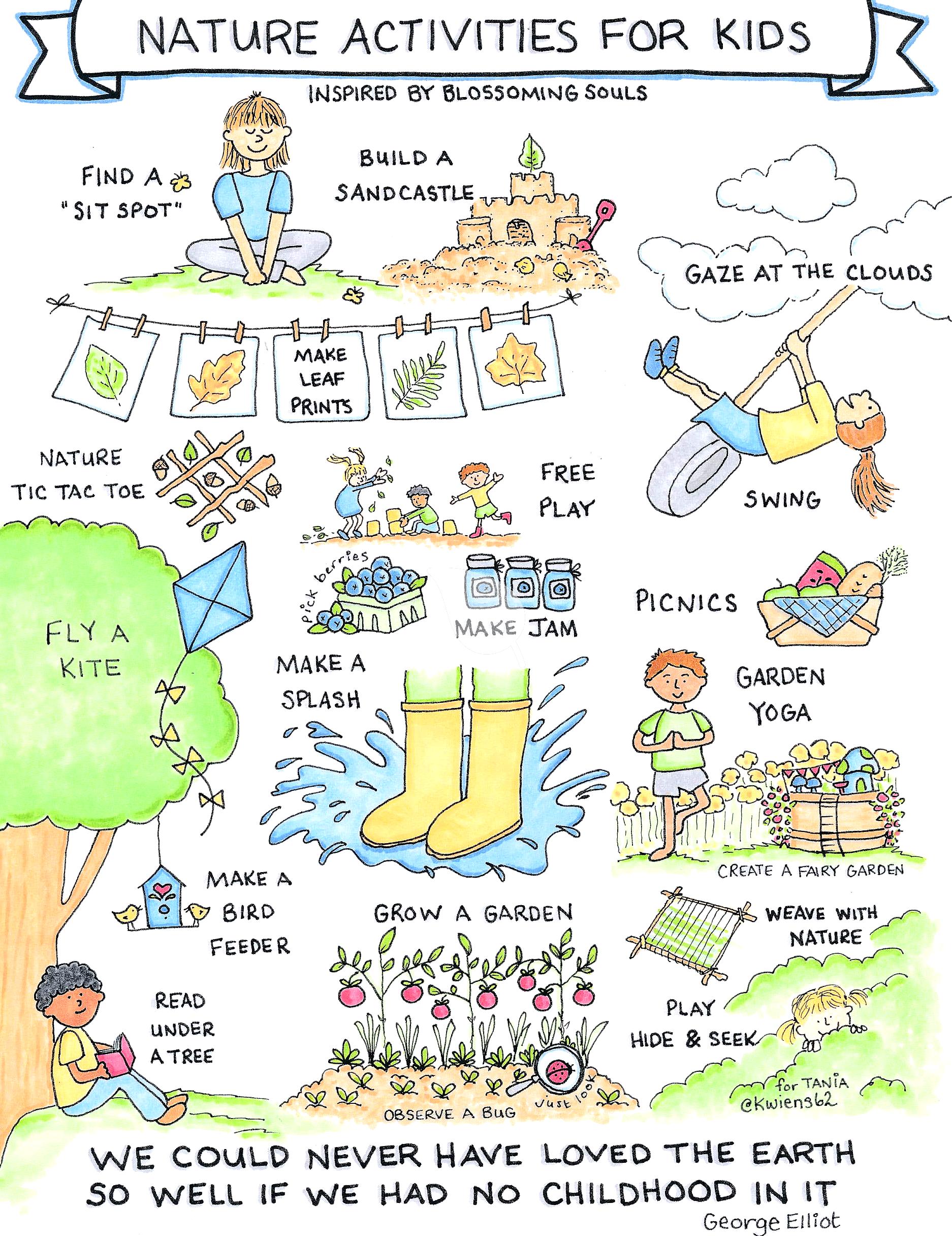
Tip: Stay flexible and enjoy nature together. Sometimes, the best activities are the ones you invent on the fly - like a rain dance in puddles or a sidewalk chalk mandala.
Nature therapy works best as part of a holistic approach to children's well-being. Alongside outdoor activities, parents can support emotional growth by regularly checking in on their child's mental health, stress levels, and coping skills. At Calm at Home, families can access mental health assessments, educational resources, and therapist directories designed to help children and parents better understand emotional challenges and build healthier coping strategies over time
Action Steps: Start Nature Therapy with Your Child Today
Ready to make nature therapy a part of your family’s routine? Here are five practical, research-backed steps to get started - no overwhelm, just small wins.
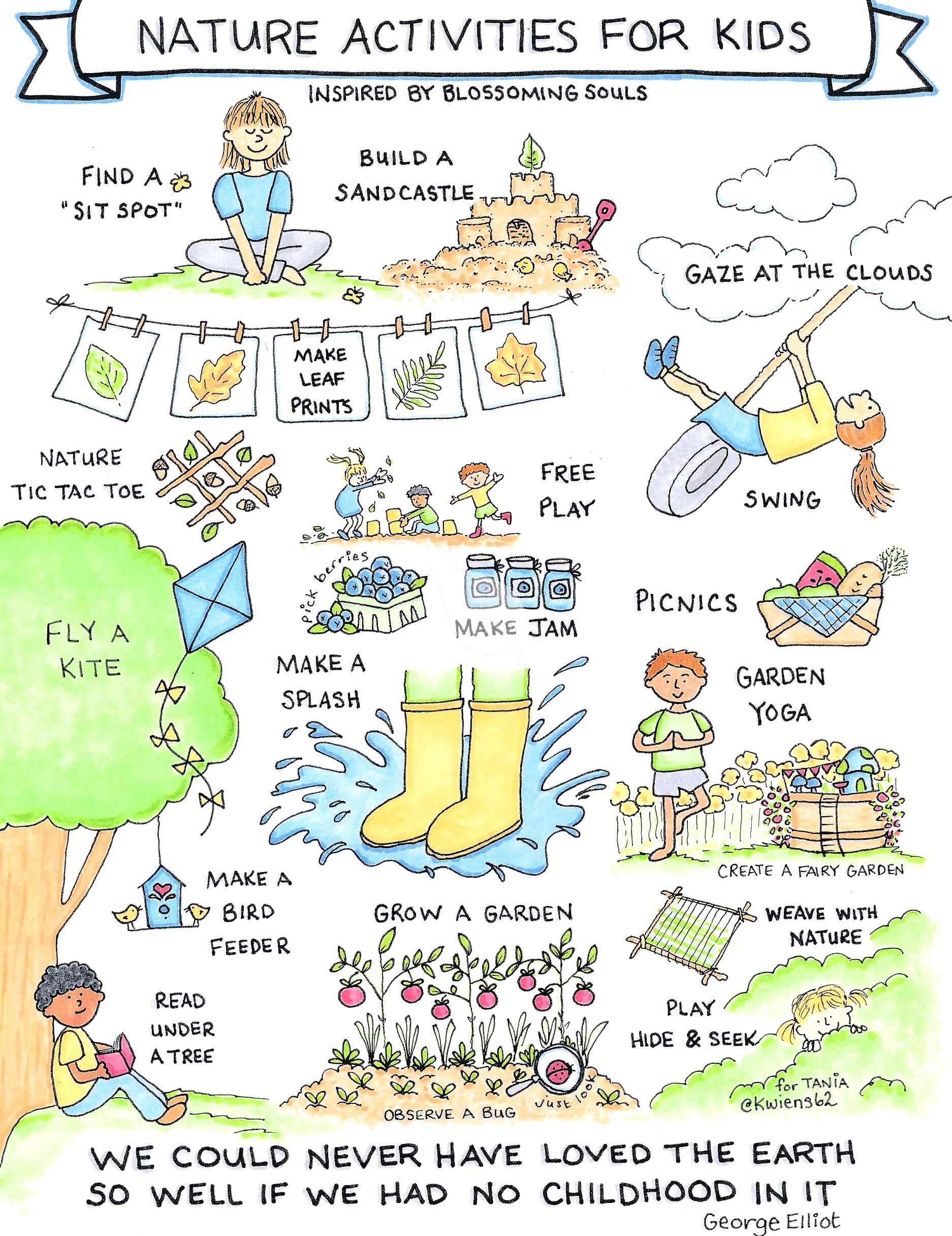
- Set Aside Short Outdoor Time
- Aim for 10–15 minutes daily, close to home if needed
- Small, regular sessions build a lifelong habit
- Don’t sweat the length - consistency is key
- Example: Take a 10-minute listening walk around the block after school
- Choose One Activity to Try
- Match the activity to your child’s mood and energy that day
- Introduce it as play, not a chore
- Observe your child’s response and adapt as needed
- Example: Start with a nature treasure hunt on a weekend park trip
- Prepare Simple Materials
- Gather essentials: crayons, paper, printable scavenger hunt cards
- Stick to found, safe materials; skip complex prep
- Example: Keep a folder with scavenger hunt sheets for spontaneous adventures
- Create a Safe, Comfortable Setting
- Supervise, set clear boundaries
- Adjust for sensory needs with gloves, headphones, or quiet corners
- Example: Use your balcony as a sit spot on busy days
- Reflect and Celebrate
- Gently ask your child what they liked best
- Share your own observations and gratitude out loud
- Example: Notice your child smiling after making nature art - reinforce that positive memory
Mistakes to Avoid
Nature therapy for kids is simple, but a few common missteps can trip you up. Watch out for:
- Forcing quiet sitting or long sessions: This can frustrate active kids. Instead, try active mindfulness - listening walks, treasure hunts - and keep sessions brief.
- Ignoring age or sensory needs: Activities that are too hard or too simple may bore or overwhelm. Adapt each idea for your child’s developmental level and preferences.
- Assuming you need a forest or big yard: Urban families can use balconies, local parks, or window boxes - nature is everywhere.
- Missing safety and supervision: Always keep kids in sight and set clear boundaries, especially with young children near water or in public spaces.
- Overloading activities with too many steps or materials: Complexity creates barriers. Stick to simple, low-prep activities using what you find outdoors.
Helpful Tools and Resources
- Printable Nature Therapy Checklist: One-page summary of all 8 activities, with age tips - stick it on your fridge for instant inspiration
- Scavenger Hunt Bingo Card: Printable game to make treasure hunts extra fun - keeps kids motivated and focused
- Nature Journal Pages: Fill-in-the-blank printables for kids to jot feelings and observations - great for reluctant writers
- 7-Day Outdoor Calm Kids Email Challenge: Daily prompts and support to build new habits - perfect for busy families
- Mini Card Deck PDF: Cards with steps and little mantras for each activity - handy for parents, educators, or therapists on the go
Examples of Nature Therapy in Action
Urban Family Finds Calm on Balcony
A city-dwelling family creates a sit spot and treasure hunt on their small apartment balcony. Within a week, the kids are less restless after school and more willing to chat about their days. The parents notice bedtime battles shrinking too.
School Playground Listening Walks
A teacher leads short listening walks during recess for anxious students. Kids focus better during afternoon lessons, with fewer meltdowns and more smiles in class.
Weekend Gardening Builds Connection
A family plants a tiny garden together. The kids water, weed, and inspect their plants daily. Over time, they develop patience, pride in small successes, and noticeably calmer behavior at home.
FAQ
What is nature therapy for kids and how does it help their mental health?
Nature therapy for kids uses outdoor activities - like walks, gardening, or art - to support emotional and physical wellbeing. These activities reduce stress, boost mood, and improve focus by engaging children’s senses and bodies in gentle, playful ways. Try short, regular sessions for best results.
What are some simple nature therapy activities I can do with my child?
Try listening walks, nature treasure hunts, tree friendship, gratitude walks, nature art, journaling, or gardening. These activities are low-prep, work for most ages, and easily adapt to small spaces or school routines.
How do I practice mindfulness outdoors with kids who don’t like sitting still?
Opt for active mindfulness activities - like listening walks or treasure hunts - rather than sitting meditation. Movement keeps kids engaged, while short, playful prompts help focus their attention without frustration.
How much time do kids need in nature to see mental health benefits?
As little as 10–15 minutes of outdoor activity each day can improve mood and reduce stress. Regular, consistent time outdoors tends to have more impact than occasional long nature trips. Adjust timing to fit your family’s routine.
Are nature therapy activities safe and appropriate for kids with anxiety or sensory issues?
Yes - with adaptations. Offer choices, keep sessions short, and provide sensory-friendly materials (like gloves or ear defenders). Always supervise and respect your child’s comfort levels. If big emotions persist, consult a professional.
What outdoor activities help kids relax before bedtime or after school?
Calm options like listening walks, sit spots watching the sky, gratitude walks, and simple gardening are especially good for winding down after a busy day. Keep these activities gentle and focus on sensory experiences.
Can nature therapy activities be done at school or in small urban spaces?
Absolutely! Adapt activities for whatever green space is available - a playground, balcony, or even a classroom window garden. Use simple materials and weave nature therapy into daily school life or urban routines.
Conclusion
Nature therapy for kids is not a magic cure - it’s something better: a set of joyful, research-backed habits that help children bounce back from stress, build resilience, and rediscover imagination. These 8 proven activities offer more than screen-free fun. They’re powerful tools for calming big feelings, building focus, and deepening family connection.
You don’t need acres of wilderness or hours of free time. With just 10–15 minutes a day - on a balcony, at the park, or in your own backyard - you can transform your child’s mood and sense of wellbeing. Every little step counts. Each leaf collected, cloud imagined, or garden seed planted is a building block of lifelong emotional health.
So, which activity will you try first? Download our printable checklist for easy reminders, and watch your child’s confidence, calm, and creativity bloom. Want more gentle, science-backed ideas to support your child’s wellbeing? Join our newsletter for weekly calm-kid activities you can do in minutes.
Tags
Join Our Mission
Support our conservation efforts and make a difference today.