How to Create a Nature-Loving Environment for Your Toddler
Did you know that children exposed to natural settings show a whopping 21% higher concentration and cognitive function? (Children & Nature Network, 2024) Now imagine your toddler soaking up those benefits - every single day, right at home. But if you’re like most parents, you’ve probably wondered how to integrate nature safely and stylishly into your living space. Safety, style, and sustainability don’t have to clash. This ultimate guide gives you actionable steps to nurture your toddler’s love of nature indoors, blending eco-friendly design and fun activities, no matter your home’s size or style.
Why a Nature-Friendly Home Matters for Toddlers
Imagine walking into a home where your toddler is greeted not just by toys, but by sunlight filtering through leaves, the scent of fresh earth, and the soft touch of wool underfoot. Now, hold onto that image. According to the Children & Nature Network (2024), kids who interact daily with natural environments experience improved mood, sharper focus, and even fewer behavioral challenges. Nature isn’t just a backdrop - it’s a catalyst for healthy development.
But let’s be real: modern life rarely makes it simple to bring nature indoors. Concerns about mess, safety, and cost can feel daunting. That’s why this guide brings together the essentials - eco-friendly design, safe materials, and easy daily activities - so you can create a nurturing space and build lifelong green parenting habits.
You’ll discover:
- Core principles of nature-friendly homes for toddlers
- How to choose safe, eco-friendly materials
- Room-by-room transformation tips
- Daily routines and sensory activities that foster curiosity
- Real-world examples and actionable downloads
If you’re searching for more sustainable play ideas, check out our companion post on the best eco toys for toddlers. But first, let’s dig into why nature-friendly homes are so essential for your little one’s growth.
Core Principles of Nature-Friendly Homes for Toddlers
Understanding the foundation of a nature-loving environment for toddlers is key to building a safe, nurturing home. The two pillars? Natural light and biophilic design, plus a laser-focus on safe, eco-friendly materials.
Natural Light and Biophilic Design
Natural light is more than just a mood booster - it’s biologically essential. Sunlight helps regulate your child’s circadian rhythms and supports healthy vitamin D production. This means better sleep, stronger bones, and sharper moods. One family in Portland, for instance, swapped blackout drapes for sheer curtains and rearranged the playroom so their toddler could bask in afternoon sun - resulting in noticeably calmer nap times.
Biophilic design, meanwhile, is about blurring the lines between indoors and outdoors. Think of it as bringing the forest or garden right into your home - no shoes required. Incorporate organic shapes: round wool rugs, leafy wall decals, playful wooden mobiles. Add natural elements like river stones, small indoor plants, and earthy textures. Research by Dr. Linda Samuels shows that these touches don’t just look good - they help toddlers feel calmer, more creative, and deeply connected to their environment.
"Integrating nature into daily routines fosters not just curiosity, but a lifelong respect for the environment."
- Dr. Linda Samuels, Child Development Expert, Children & Nature Network
Choosing Safe and Eco-Friendly Materials
Creating a nature-loving environment for toddlers means choosing what goes into your home with care. Select non-toxic, durable furnishings - think solid wood instead of MDF, natural-fiber rugs over synthetic ones. Look for certifications like GREENGUARD (for low emissions) or FSC (responsibly sourced wood).
Avoid materials with formaldehyde, phthalates, or synthetic fire retardants. These chemicals can impact air quality and health. A family in Austin transformed their nursery using natural wood cribs, organic cotton linens, and low-VOC paint. The result? Fewer allergy flare-ups - and a room that feels as fresh as a morning walk in the park.
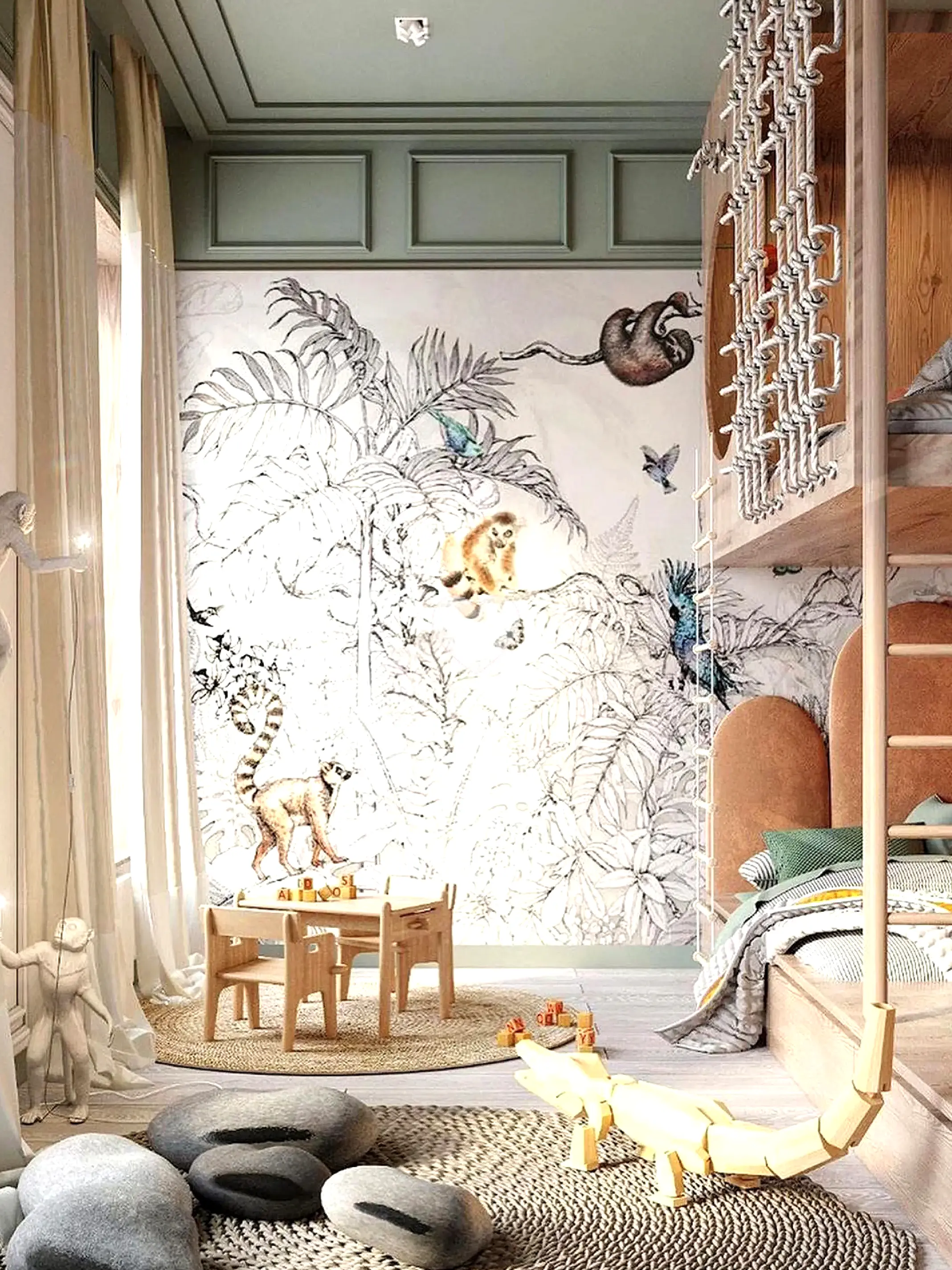
Pro Tip: Choose toddler-safe plants like spider plants or Boston ferns. These not only clean the air but are non-toxic if little hands get curious.
Expert Example: The Johnson family revamped their playroom with FSC-certified wooden furniture and plush wool carpets, noticing a big difference in their child’s comfort and overall health.
Next up: how to select eco-friendly materials with safety top of mind.
Eco-Friendly Materials and Safety for Toddler Spaces
Choosing each item for your toddler’s space can feel overwhelming, but it’s possible to balance sustainability and safety. Let’s break down the essentials so you can make smart, confident choices for your nature-loving environment for toddlers.
Material Selection Checklists
- Look for Certifications: Products with labels like FSC (Forest Stewardship Council), OEKO-TEX, or GREENGUARD are verified for low emissions, responsible sourcing, and non-toxicity. For instance, GREENGUARD-certified cribs ensure the air your toddler breathes is clean.
- Choose Renewable or Recycled Resources: Bamboo, organic cotton, and recycled plastics are both durable and eco-conscious. Bamboo utensils and recycled-wood toy bins combine sustainability with long life spans.
- Prioritize Durability: Buying well-made furniture or toys means less waste and fewer replacements. One parent swapped out wobbly plastic shelves for solid wood versions - years later, they look brand new.
Safety Considerations in Green Design
- Avoid Small Parts: For children under three, choking hazards are a real concern. Choose toys and decor with securely attached components and avoid items with removable, small pieces.
- Check for VOCs and Harmful Chemicals: Volatile Organic Compounds (VOCs) are found in many paints, carpets, and adhesives. Opt for low- or zero-VOC options to protect your family’s indoor air.
- Use Washable, Hypoallergenic Fabrics: Organic cotton, hemp, and wool don’t just feel great - they’re easy to keep clean, reducing allergens and dust mites.
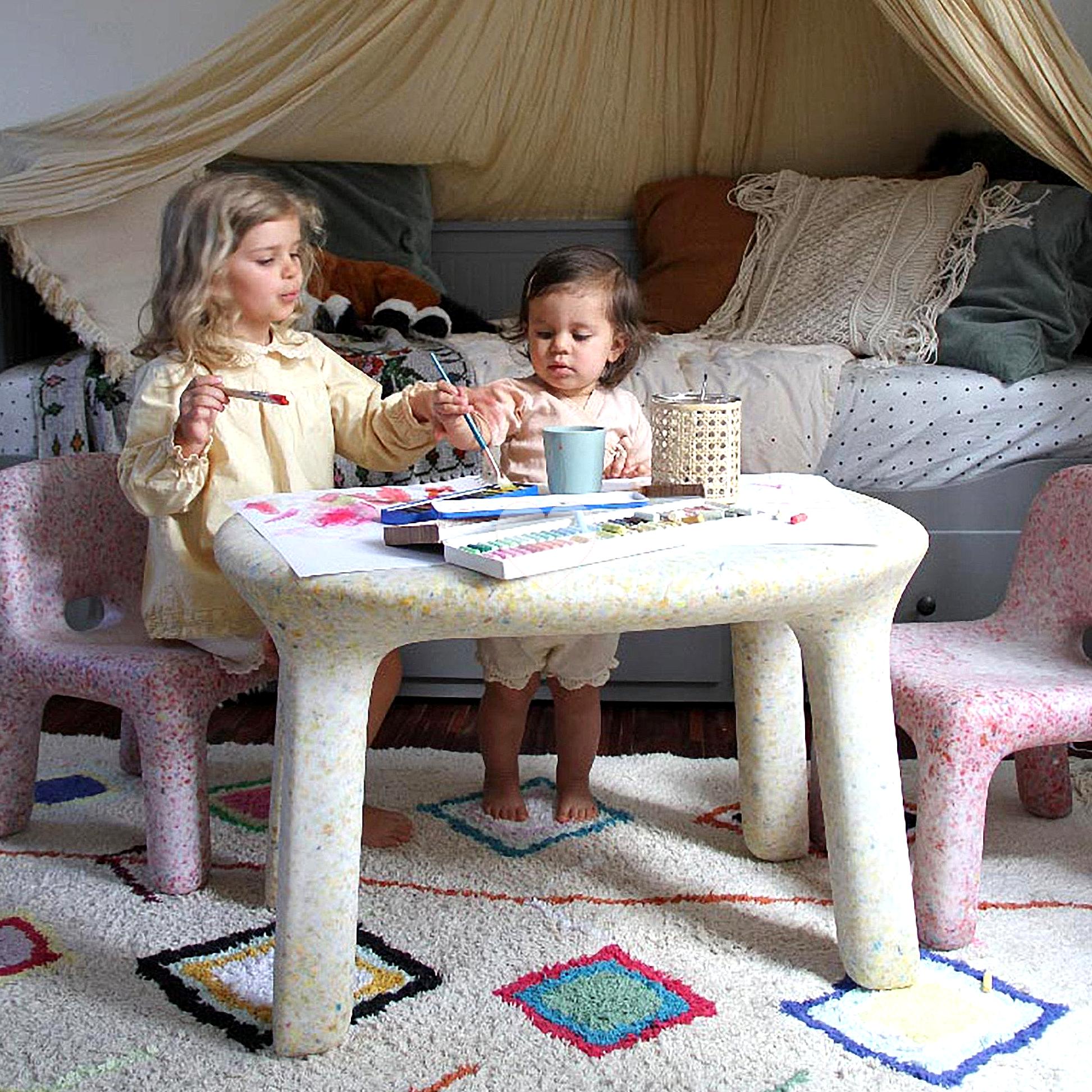
Warning: Steer clear of uncertified plastic products, especially those containing phthalates - these chemicals have been linked to developmental issues in young children.
Real Example: After learning about the risks of conventional bedding, the Martins switched to organic cotton sheets and pillows in their toddler’s room. Their child’s eczema and nighttime coughing decreased noticeably.
For detailed, science-backed suggestions, visit Sustainable interior design tips for the children's room - Norrgavel on Norrgavel, and see our list of safe natural materials.
Now, let’s dive into how these principles transform every corner of your home.
Transforming Spaces: Room-by-Room Tips
Bringing a nature-loving environment for toddlers to life doesn’t mean a total home renovation. You can introduce small changes that make a world of difference - one room at a time. Here’s how:
Living Room as a Nature Zone
Make the living room a dynamic play-and-learn space. Lay down a plush, natural-fiber rug (wool or jute) for crawling and sensory play. Add a few oversized, organic cotton cushions in earthy tones. Place a cluster of easy-care indoor plants - like peace lilies or pothos - on a low shelf (out of reach, but visible). Soft, filtered light and nature-inspired art complete the look.
For example, the Lee family dedicated a corner of their living room to a "nature nook." With a leafy mural, a basket of wooden blocks, and two potted plants, their toddler spends quiet mornings building and watching butterflies outside the window.
Bedroom and Nursery Ideas
Your toddler’s bedroom should feel like a sanctuary. Use organic cotton sheets and hypoallergenic wool blankets. Choose wall paints labeled as low- or zero-VOC, in calming, natural colors - think sage green or sky blue. Add biodegradable, nature-themed toys: wooden animals, felted mushrooms, or cotton leaf pillows. Incorporate plant life on a high shelf, and ensure the space is well-ventilated.
One parent duo replaced all synthetic fabrics in their nursery with organic ones, noticing their child woke up less congested and slept more soundly. Natural textures like wool rugs and wooden mobiles complete this restful environment.
Kitchen and Dining Considerations
The kitchen is where many sensory lessons begin. Use bamboo or FSC-certified wooden utensils for toddler meals - they’re gentle on little mouths and far more sustainable than plastic. Place a few small pots of herbs - basil, mint, or parsley - on a sunny windowsill for easy plant watering and sniffing sessions. Stick to chemical-free cleaning agents, especially on food surfaces.
A family in Chicago started involving their toddler in daily herb watering. Not only did it become a bonding ritual, but their child grew curious about new flavors at dinner.
Outdoor and Indoor Overlap
Sometimes, even city apartments offer a view of trees or a patch of sky. Install a simple window bird feeder, or hang a wind chime that catches the breeze. Use portable planters for balcony gardens or small patios. Encourage outdoor play in nearby parks and green zones as often as possible.
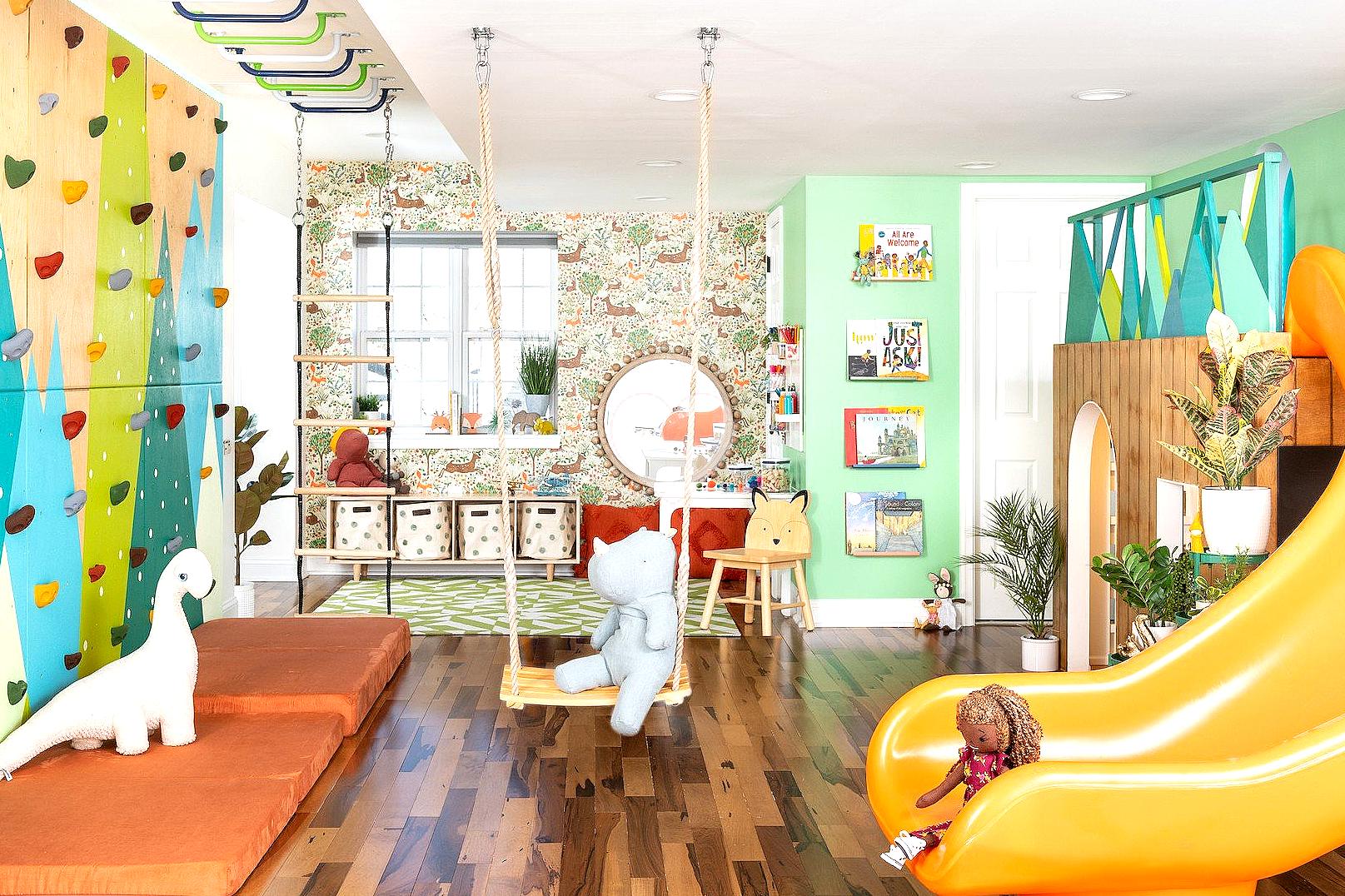
Pro Tip: Use washable slipcovers and mats for high-traffic play areas - nature play can get messy, but cleanup doesn’t have to be a chore.
Parent Example: The Wilsons created a mini indoor herb garden for sensory play. Their toddler loved touching and sniffing different leaves, and the whole family enjoyed fresher, more fragrant meals.
For more hands-on inspiration, see how to create a sensory garden.
Next, we’ll build daily routines that bring these spaces to life.
Daily Nature Routines and Indoor Activities for Toddlers
It’s not just about what fills your home - it’s how you use it. Establishing daily routines and activities can transform your nature-loving environment for toddlers from pretty to powerful.
Sample Daily Routine
Start the morning by opening curtains wide, letting in sunlight, and inviting your toddler to help water the plants. Midday is perfect for nature crafts - try leaf rubbings or storytelling using stones and sticks gathered during outside walks. As evening winds down, play calming nature sounds - rain, birdsong, or gentle wind - to establish a peaceful bedtime ritual.
For example, one family set a routine: after breakfast, their toddler sprinkles water on the herb pots; after lunch, they create nature collages; before bed, they listen to a "cricket lullaby." These simple, repeated moments foster curiosity and calm.
Indoor Plant Care Together
Choose easy-care, non-toxic plants like spider plants, Boston ferns, or pothos. Let your toddler help water, dust leaves, and notice new growth. Use plant care as a learning tool: "Look, this fern has a new leaf today! Can you find it?" Over time, these moments build both responsibility and wonder.
A parent in Seattle said, "After we started our plant watering ritual, my daughter began pointing out every flower and tree we passed outdoors."
Nature Crafts and Sensory Play
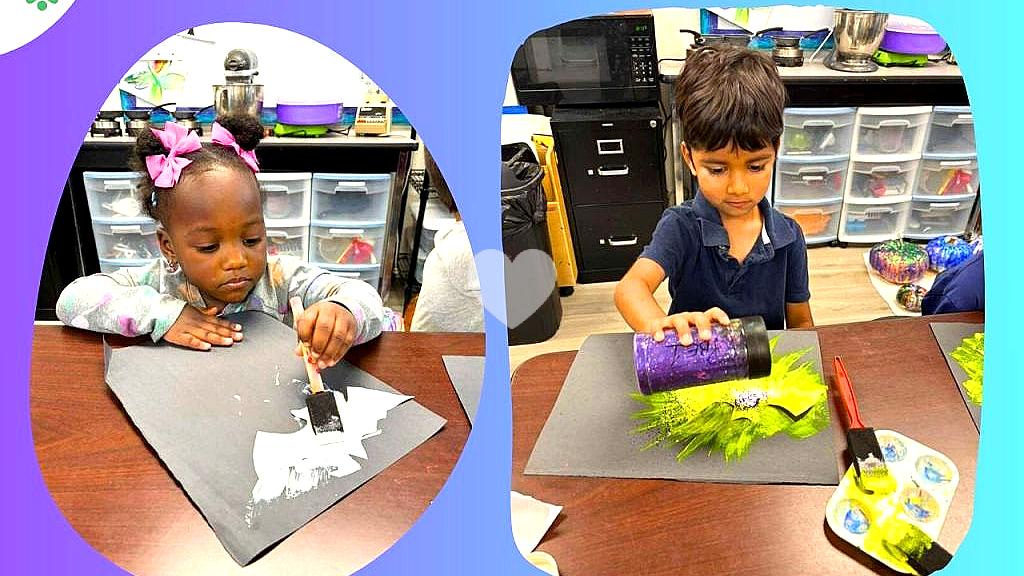
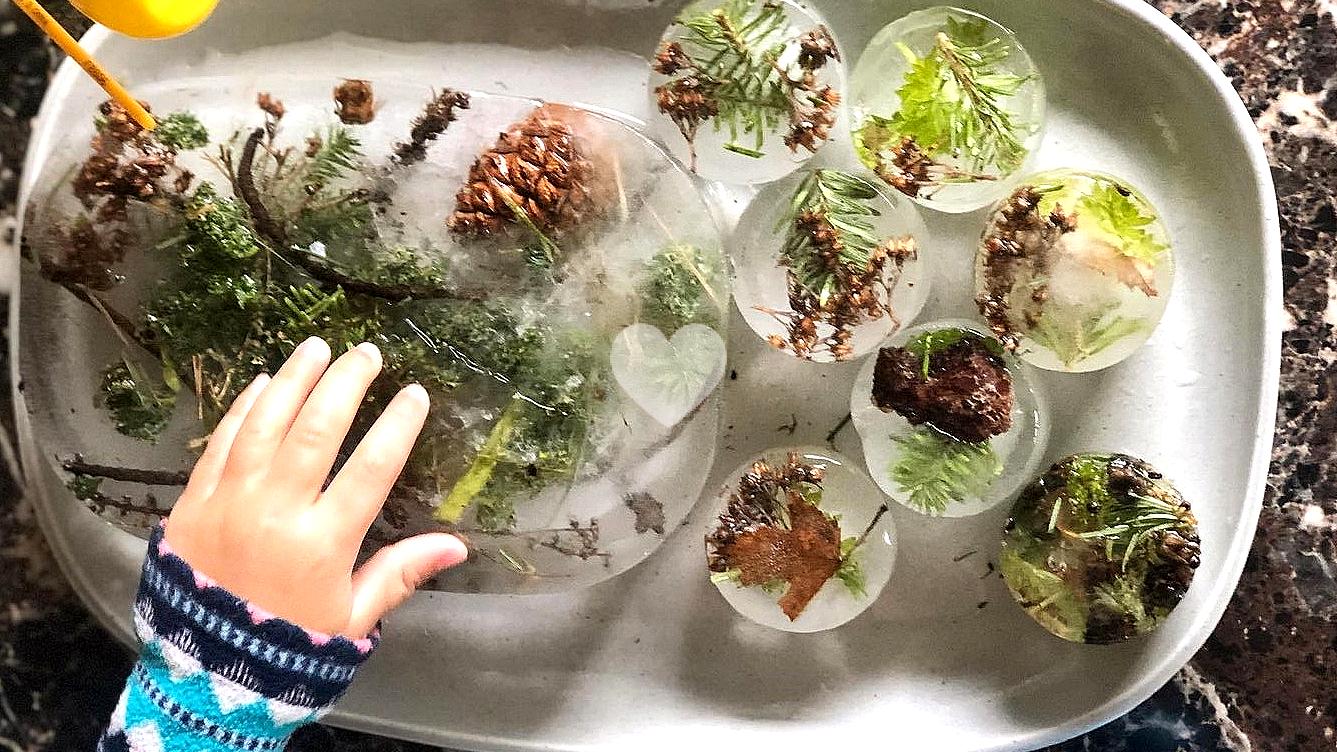
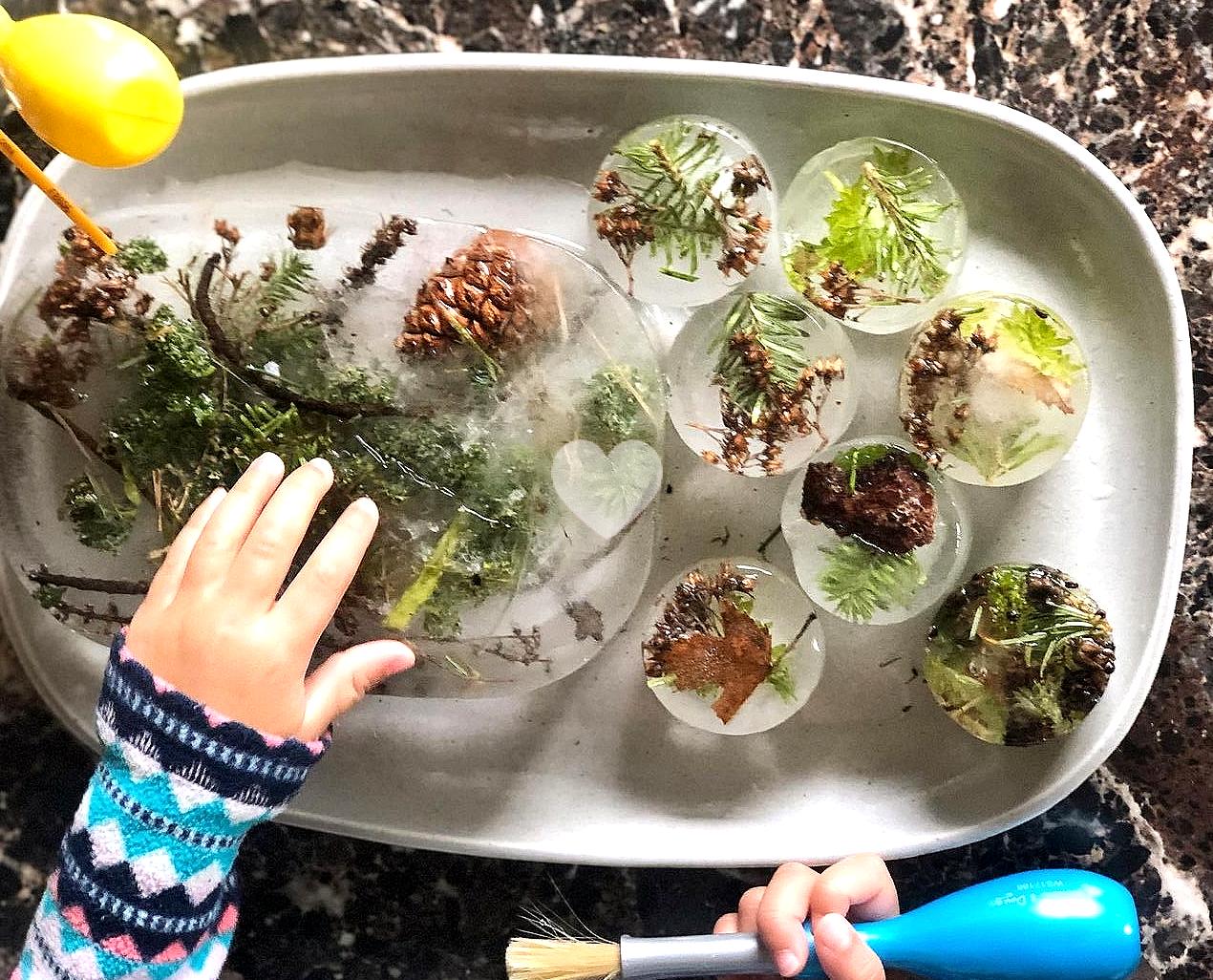
Nature crafts don’t require a craft store haul. Head outside (or to your window box) for leaves, stones, pinecones, and twigs. Use them for sorting, matching, or making simple art - like leaf rubbings, stone towers, or stick mobiles. Choose safe, eco-friendly supplies (natural dyes, beeswax crayons), and encourage your toddler to touch, smell, and explore every texture.
Hands-on activities like sorting stones by size or making “mud paint” (soil mixed with water) boost sensory development and deepen nature appreciation. These are small, everyday adventures any family can weave into their routine.
"Integrating nature into daily routines fosters not just curiosity, but a lifelong respect for the environment."
- Dr. Linda Samuels, Children & Nature Network
Tip: Always supervise toddlers when using small natural items - what looks like a pebble to you may look like a snack to them.
Real Example: The Grant family noticed their toddler’s interest in nature blossom after introducing a daily plant-watering responsibility. Their child’s vocabulary expanded to include “sprout,” “stem,” and “petal” - all before age three.
Curious which nature-themed toys are safest? Explore our list of best eco toys for toddlers.
Sustainable Parenting: Habits That Grow With Your Child
Creating a nature-loving environment for toddlers isn’t a one-time project - it’s a lifestyle that grows with your child. Sustainable parenting means modeling, practicing, and sustaining eco-friendly habits together.
Role Modeling Green Behavior
Children are always watching. When you compost, recycle, or choose reusable over disposable, your toddler learns those values firsthand. Make these moments visible and celebratory. For instance, one family set up a compost bin in their kitchen and involved their toddler in emptying fruit peels into it each morning. According to the EcoParent Survey (2024), over 63% of parents believe sustainable habits at home influence their child’s long-term environmental behaviors.
Resource Conservation Practices
Reduce, reuse, recycle - yes, even with toddlers. Let your child help sort recyclables or turn off lights when not in use. Give them a small basket to collect food scraps for composting. These chores, though simple, build a sense of responsibility. Plus, they make "being green" feel like a normal part of daily life, not a lecture.
Switching to energy-saving appliances or non-toxic cleaners may seem like background details, but they reinforce an eco-friendly environment for kids every day. One couple replaced their harsh cleaning sprays with vinegar and essential oils, inviting their toddler to help squirt and wipe. The result? A spotless kitchen, fewer sneezes, and a little one who loves “helping.”
Community and Connection
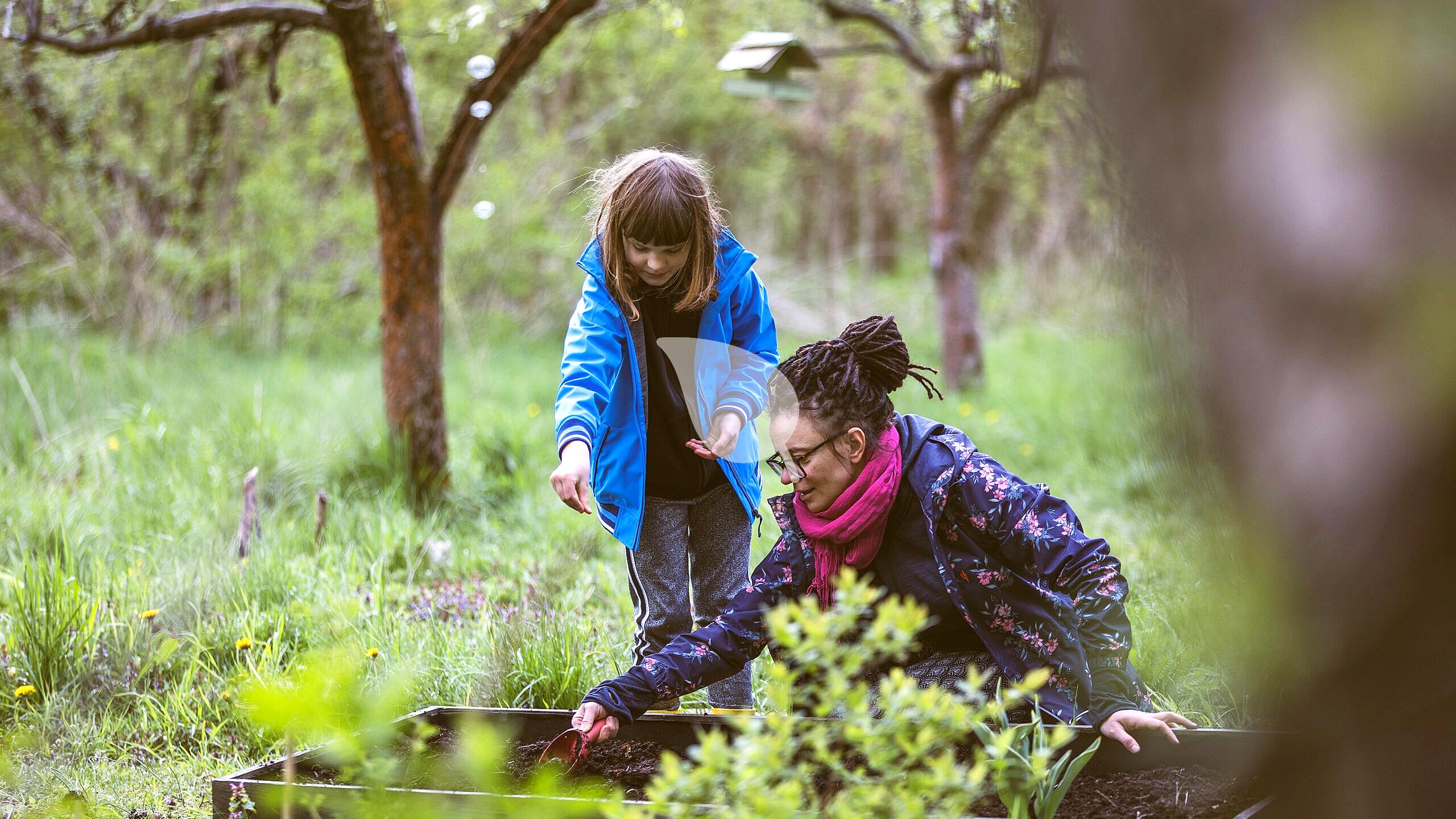
Parenting green doesn’t have to be lonely. Join local groups or online forums to share tips, arrange nature outings, and troubleshoot challenges. Community hikes, garden playdates, or park cleanups offer both social connection and new experiences for your child.
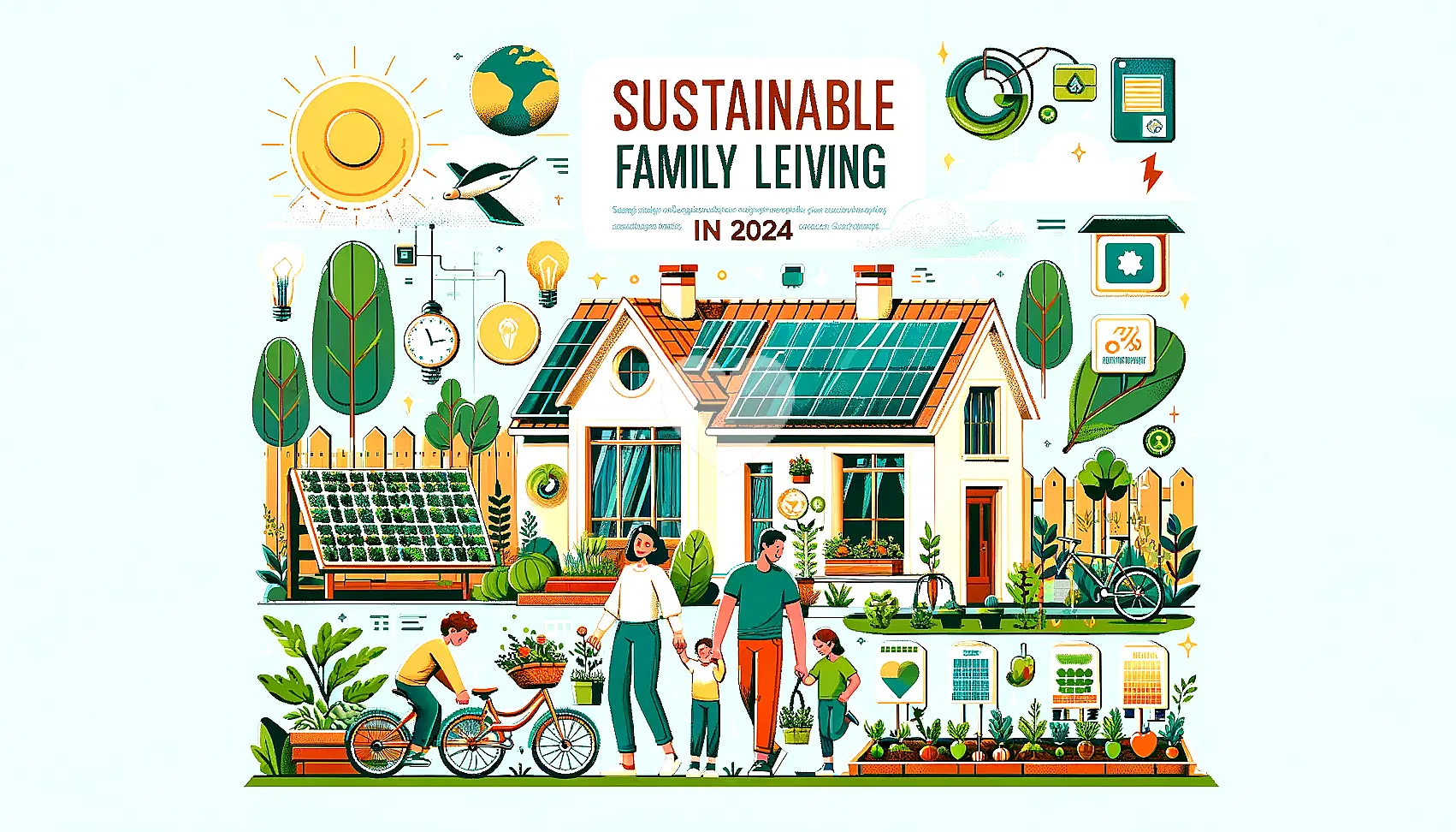
Pro Tip: Start with one small change each month - like switching to bulk snacks or organizing a park clean-up - so habits stick for the long run.
Parent Example: The Simons family began a weekly “nature walk” in their local park, picking up litter and observing bugs. Over time, their toddler grew invested in keeping the environment clean - and started reminding mom to bring the reusable tote.
Curious about cleaning routines? Get the scoop on safe home cleaning for toddlers.
Action Steps: Building Your Nature-Loving Home
Ready to transform your space into the ultimate nature-loving environment for toddlers? Follow these five essential steps:
-
Assess Your Space and Sunlight
- Identify the brightest spots and consider where you can add plants or create cozy play areas.
- Watch your toddler’s routines - where do they gravitate? Use these areas for nature integration.
- Keep it clutter-free for safety and clarity.
- Example: Map out a sunny corner near a window for a mini plant station or reading nook.
-
Choose Safe, Eco-Friendly Materials
- Use checklists to select only certified furniture, toys, and decor.
- Prioritize products labeled non-toxic and durable.
- Avoid synthetic chemicals and plastics whenever possible.
- Example: Choose FSC-certified wooden shelves for toys and books.
-
Design Nature-Inspired Zones
- Create inviting nooks for play, crafts, and sensory activities.
- Use natural textures - wool rugs, woven baskets, wood blocks, and stone collections.
- Layer in soft, earthy hues for a calming vibe.
- Example: Place a play rug with leaf patterns and a basket of wooden blocks in the living room.
-
Incorporate Daily Nature Activities
- Start rituals like morning plant watering or afternoon leaf collages.
- Encourage your toddler to notice new leaves, name colors, or mimic animal sounds.
- Adapt activities as your child’s interests grow.
- Example: Establish a morning routine to water herbs and observe their growth together.
-
Adopt Sustainable Parenting Habits
- Model eco-friendly choices: recycling, reusing, turning off lights.
- Involve your toddler in simple chores and energy-saving tasks.
- Seek support from green parenting communities.
- Example: Plan family nature walks and garden cleanups on weekends.
Mistakes to Avoid When Creating Nature-Friendly Toddler Spaces
-
Using toxic or uncertified materials:
- Harmful chemicals can undermine both your eco goals and your child’s health.
- Fix: Always select certified, non-toxic products - check for recognized labels like GREENGUARD or FSC.
-
Overcrowding spaces with plants or decor:
- Too much of a good thing creates clutter, safety risks, and overstimulation for toddlers.
- Fix: Curate a few, well-placed plants and clear zones for play and movement.
-
Neglecting supervision with natural items:
- Rocks, leaves, or small sticks can be choking hazards.
- Fix: Supervise closely and stick to toddler-safe plants and large, non-swallowable objects.
Tools and Resources for Green Parenting
-
Sustainable Materials Checklist:
- Download our guide to evaluating eco-friendly products. It includes tips on certifications, durability checks, and safe materials - making shopping easier and safer.
-
Printable Daily Nature Routine Chart:
- A fun, visual schedule to help you establish and keep nature activities consistent - even on busy days.
-
Community Forums and Parenting Groups:
- Find online forums or local meetups to swap tips, celebrate wins, and get support when you hit a snag.
Real-Life Examples of Nature-Loving Toddler Homes
Small Apartment Green Transformation
In a downtown apartment, the Meyers family added rolling planters and a pint-sized nature play zone in their living room. Despite limited space, their toddler thrived - spending more time in independent play and exhibiting a sunnier mood.
Eco-Friendly Nursery Makeover
When the Nguyens welcomed their first child, they used only organic fabrics, solid wood furniture, and non-toxic, clay-based paint. Their reward? A serene nursery, better sleep quality, and fewer allergic reactions.
FAQ: Creating a Nature-Loving Environment for Toddlers
Q: How do I make my home more nature-friendly for kids?
A: Bring in easy-care indoor plants, maximize natural light, and use non-toxic, eco-friendly materials for furniture and play zones. Add nature-inspired activities to your daily routine, such as plant watering or leaf crafts. These steps build a safe, stimulating environment for kids to learn and grow.
Q: What are some nature activities for toddlers indoors?
A: Try leaf rubbings, stone sorting, or making simple stick mobiles. Set up a daily ritual to water houseplants or herbs together. Use natural textures - wool, wood, cotton - for sensory play. Play nature sounds to encourage relaxation or mimic bird calls for fun learning.
Q: Which eco-friendly materials are safest for kids' rooms?
A: Look for FSC-certified wood, organic cotton for bedding, and GREENGUARD paints. Avoid VOCs, synthetic chemicals, and uncertified plastics for maximum safety and sustainability.
Conclusion: Nurturing Your Toddler’s Love for Nature
We’ve explored the essential principles behind nature-friendly homes, revealed how to pick safe, eco materials, and shown you how to transform each room for your nature-loving environment for toddlers. By establishing daily rituals, choosing sustainable products, and modeling green parenting tips, you create a foundation that supports curiosity, health, and lifelong respect for the earth.
Every small step - swapping fabrics, adding a plant, or starting a mindful watering routine - makes a real difference. The result is not just a beautiful home, but a haven that nourishes your toddler’s growth and bonds your family through shared values.
Don’t forget to download our Sustainable Materials Checklist and Daily Nature Routine Chart to kickstart your journey. Small changes add up to big results.
Ready to raise a confident, curious, eco-conscious child? Embrace a nature-loving environment for toddlers - and watch your little one (and your home) flourish.
Subscribe for monthly green parenting insights and tips.
Tags
Join Our Mission
Support our conservation efforts and make a difference today.