Did you know that your smallest daily choices can ripple out and make a real difference for our planet? Have you ever felt totally overwhelmed by complex eco advice, wondering where on earth to even start? You’re not alone - most of us crave practical, enjoyable changes that fit into real life. That’s why I’m sharing 10 simple, fun green habits guaranteed to brighten your day and help the planet at the same time. Ready to discover practical, feel-good ways to make sustainable living second nature? Let’s dive in - you’ll be amazed how easy it is to make every day feel like Earth Day!
Why Green Habits Matter Every Day
Imagine waking up genuinely excited to make a positive impact on the environment, just by sticking to easy daily habits. Doesn’t that sound uplifting? The truth is, collective small actions, when added up, can transform our communities and even shift global trends.
Let’s bust the myth that sustainable living requires dramatic sacrifices. In fact, studies show that even a single shift - like eating a vegan diet - can reduce climate-heating emissions by 75% compared to diets with animal products. That’s not just a number; it’s a vote for a healthier planet every single meal (Going Zero Waste, 2024).
This guide isn’t about shaming or guilt. It’s about infusing your daily routines with green habits that are genuinely enjoyable and easy to stick with. From simple plastic swaps to growing food on a windowsill, each tip blends sustainable living with a sense of community and fun.
Throughout this post, you’ll discover not only 10 essential green habits, but also actionable tips for consistency, common mistakes to avoid, and even real-life examples to spark your journey. If you’re looking for ways to make your holidays greener, don’t miss our green habits for sustainable holidays guide as well!
1. Reduce Plastic Waste with Simple Swaps
Why Reducing Plastic Matters
Plastic pollution is one of the most urgent environmental challenges of our time. You’ve seen the pictures: wildlife caught in plastic rings, beaches littered with bottles, entire islands of trash floating in our oceans. It’s not just unsightly - it’s catastrophic for ecosystems worldwide.
Single-use plastics are a major culprit. They end up clogging landfills, polluting waterways, and harming animals that mistake them for food. Worse yet, the production and disposal of plastic generate significant carbon emissions, driving climate change further.
How to Make Easy Swaps
Here’s the good news: you don’t have to overhaul your entire life to make a dent in the problem. Start by bringing reusable bags, bottles, and containers with you every day. Toss a stainless steel water bottle into your backpack or purse - suddenly, dozens of single-use bottles stay out of the landfill (and out of your wallet).
Refuse plastic straws and utensils at restaurants. They’re usually handed out automatically, but a simple, “No thanks, I brought my own,” works wonders. Seek out products with less packaging or packaged in compostable materials.
Plastic waste reduction is consistently ranked as a top eco-friendly practice. Keeping a few reusable items within arm’s reach - whether in your car, purse, or at your desk - makes it easier to remember them before you head out.
Pro Tip: Keep a "grab-and-go" kit by your door with your reusable bags, bottle, and cutlery. You’ll never be caught off-guard at checkout or lunchtime again!
For example, joining a community clothing swap doesn’t just refresh your wardrobe. It also cuts down on plastic packaging from new clothes and keeps good garments out of the landfill. Little by little, these choices become second nature.
Next, let’s explore how what you eat can make an even bigger impact on sustainable living.
2. Embrace Plant-Based Eating for Sustainability
Benefits of Plant-Based Diets
Did you know what you eat can have an even bigger impact on the environment than how you travel? Shifting to a plant-based diet is not just a health trend - it’s a proven powerhouse for sustainability. Producing plant foods requires far less water, land, and energy than raising animals. Plus, it helps slow deforestation - over 80% of Amazon deforestation is due to livestock farming expansion (Going Zero Waste, 2024).
Plant-based diets also support biodiversity, because fewer resources are needed for crops than for animal feed. Bonus: eating more plants means more fiber, vitamins, and antioxidants, translating to lower disease risk and higher energy.
Easy Ways to Add Plants
You don’t need to go vegan overnight! Try Meatless Mondays or dedicate one dinner a week to plant-based meals. It’s a playful challenge - experiment with new veggies and grains, try out a sizzling lentil stew or a vibrant veggie stir-fry. If you’re feeling social, share dishes at a community potluck. You’ll be amazed at the variety and flavors you discover.
Expert Insight: “Switching to a plant-based diet is one of the most impactful steps individuals can take to reduce their carbon footprint.” - Dr. Jane Goodall, environmentalist (Going Zero Waste, 2024)
If you use seasonal and local produce, your meals will be even more eco-friendly. Community gardens are goldmines for fresh ingredients and recipe swapping.
Curious about growing your own food next? It’s easier (and more rewarding) than you think.
3. Grow Your Own Food, Even in Small Spaces
Why Gardening Helps the Planet
You might think you need a giant backyard to grow your own food, but even a sliver of sunlight on a windowsill can yield an impressive harvest. Gardening isn’t just a relaxing hobby - it’s a direct way to reduce your carbon footprint.
When you grow herbs or veggies at home, you cut down on food transport emissions and packaging waste. You also encourage pollinators and biodiversity, especially if you plant native species. Choosing water-wise plants helps conserve precious resources, which is especially crucial in drought-prone areas.
Starting Tips for Beginners
Don’t have a yard? No problem. Use windowsills, balconies, or even shared rooftop spaces for container gardening. Start with hardy, easy-to-love plants like basil, mint, or cherry tomatoes. They grow fast, smell fantastic, and add delicious flavor to every meal.
Composting kitchen scraps isn’t just eco-friendly; it’s downright satisfying. Those banana peels and coffee grounds turn into rich fertilizer that helps your plants thrive naturally.
Stat: Community gardens have been shown to cut grocery trips by 50%, dramatically reducing emissions from food transport (Good Energy, 2024).
Even something as simple as a windowsill basil plant connects you with nature’s cycles and adds a little green to your daily routine. For renters or small-space dwellers, this is a powerful way to join the sustainable living movement.

Pro Tip: Use recycled containers - old yogurt cups or coffee cans - as plant pots to further reduce waste.
Many communities foster neighborhood gardens, sharing resources, harvests, and gardening wisdom. It’s a great way to build friendships and increase your food security. Check out how to create a nature-loving environment for more inspiration on bringing green habits home.
Ready to tackle another crucial resource? Let’s talk about water!
4. Conserve Water with Smart Everyday Habits
Water Conservation Importance
Freshwater is one of the world’s most precious resources, yet it’s shockingly easy to waste. Lawn watering, leaky faucets, and long showers all add up. What’s wild is that US lawns alone gulp down 3 trillion gallons of water each year (Conservation International, 2024). Meanwhile, saving water also means saving the energy used to treat and deliver it - so your habits pack a double punch.
Easy Ways to Save Water
Start by turning off the tap while you brush your teeth or scrub dishes. Small? Yes. Effective? Absolutely. Collect rainwater in buckets to water your garden or houseplants.
If you have a yard, opt for native or no-mow landscaping that thrives without constant watering. These plants are adapted to local conditions and encourage wildlife, too.
Be mindful of water use throughout your day. For example, keep a bucket in your shower to catch the initial cold water - use it for your plants. These small tweaks can add up to hundreds of gallons saved per month.
Pro Tip: Fix leaks as soon as you notice them. Even a slow drip can waste gallons per day.
Homes that adopt water-saving practices see real results - lower bills and a lighter footprint. Smart habits like these are the backbone of sustainable, eco-friendly practices.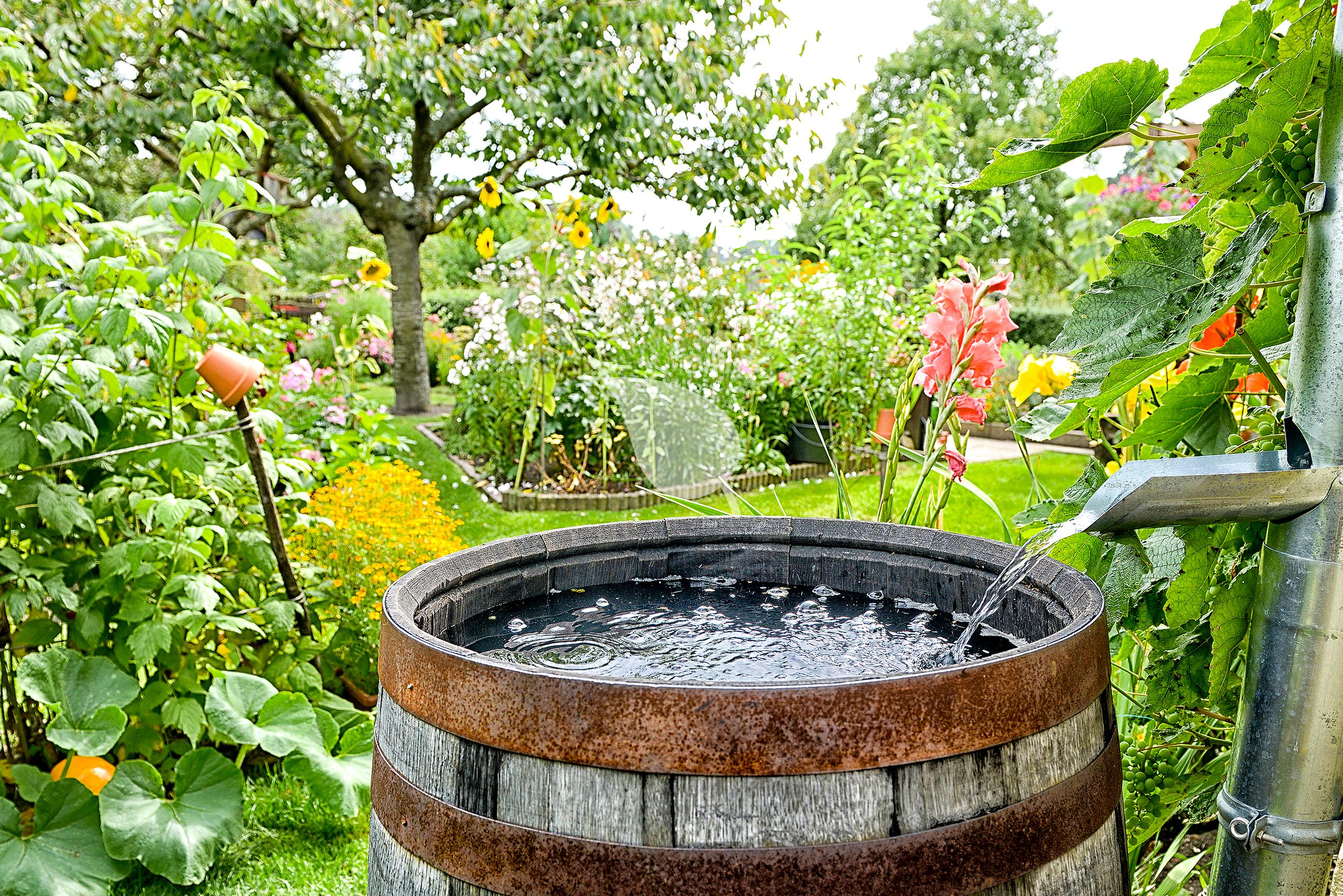
Now, let’s complete the sustainability loop by reducing food waste.
5. Reduce Food Waste and Compost
Why Reducing Food Waste Matters
Every piece of food you toss in the trash represents wasted land, water, and energy. It’s not just about the food - it’s the entire journey from farm to fork. Once food hits a landfill, it breaks down and releases methane, a greenhouse gas about 25 times more potent than carbon dioxide.
Composting is a secret weapon. Instead of rotting in a landfill, your kitchen scraps become soil-nourishing compost, closing the loop and feeding your garden.
How to Cut Food Waste Easily
Start by planning your meals for the week and shopping with a list. This simple act helps you buy only what you’ll use, preventing forgotten veggies from turning into science experiments in your fridge.
Get creative with leftovers - think frittatas, stir-fries, or even freezing them for a future meal. Instead of chucking out carrot tops or wilting greens, turn them into stocks or pestos.
Stat: Composting reduces methane emissions from landfills and builds healthier, more resilient soil (Conservation International, 2024).
Starting a compost bin is easier than you think. Even if you don’t have space at home, many communities offer curbside compost programs or shared bins. Sharing excess food with neighbors or local food banks is a great way to prevent waste and build community spirit.
Let’s see how your travel choices can make your lifestyle even greener.
6. Choose Sustainable Transportation Options
Impact of Transportation on Environment
Cars and trucks are major contributors to carbon emissions and air pollution. Every mile driven releases greenhouse gases that fuel climate change. But here’s the twist: you have more sustainable, fun options than you might realize.
Walking or biking for short trips not only lowers your carbon footprint, it boosts your health and saves money. Public transit and carpooling are also effective - combining errands or sharing rides can cut your individual emissions drastically.
Getting Started with Green Travel
Swap just one car trip a week for biking or walking - it adds up! Not only do you get fresh air and exercise, but you also avoid parking headaches. If you live in a city, use transit apps to plan your routes and make public transport a breeze.
Combine errands into one trip to maximize fuel efficiency and minimize environmental impact. Joining a neighborhood bike-share program or setting up a carpool with coworkers makes commuting more social and sustainable.
Pro Tip: Use carpool apps or transit schedules to find the most eco-friendly route. It’s easier than ever to coordinate rides.
Communities with active transportation programs often see reduced congestion, cleaner air, and stronger neighborhood bonds. For more tips on eco-friendly gatherings, check out our eco-friendly events guide.

Sustainable transportation is just the start - next, let’s look at your shopping habits.
7. Support Eco-Friendly Products and Brands
Why Choose Green Products
Every dollar you spend is a vote for the kind of world you want to live in. Supporting brands with proven sustainable practices encourages more companies to innovate and reduce their impact. Eco-friendly products often avoid harsh chemicals, last longer, and use less packaging - meaning less waste in our landfills.
By choosing green products, you’re backing companies that invest in fair labor, ethical sourcing, and renewable resources. These choices can transform entire industries over time.
Finding Fun and Practical Eco Products
Here’s how to spot the real deal: look for certifications like USDA Organic, Fair Trade, or B Corp. Seek out reusable, biodegradable, or recyclable items. Sometimes, the most motivating products are the ones with fun, eye-catching packaging - make sustainability feel rewarding!
Switching to a bamboo toothbrush or refillable cosmetics is a small but powerful move. You’ll find plenty of options in local markets or online community marketplaces dedicated to sustainable goods.
Pro Tip: Share your favorite eco product discoveries with friends and family - it’s a great conversation starter and can inspire others to switch.
Community-driven marketplaces are popping up everywhere, so you can shop local and sustainable at the same time. If you’re hosting an event, consider using eco-conscious suppliers for added impact.
Let’s see how community activities turbocharge your green habits.
8. Engage in Community Green Activities
Benefits of Community Involvement
Going green is more fun - and more effective - with friends. Community support can make all the difference in maintaining habits long-term. Sharing resources, tools, and advice reduces waste and multiplies your impact.
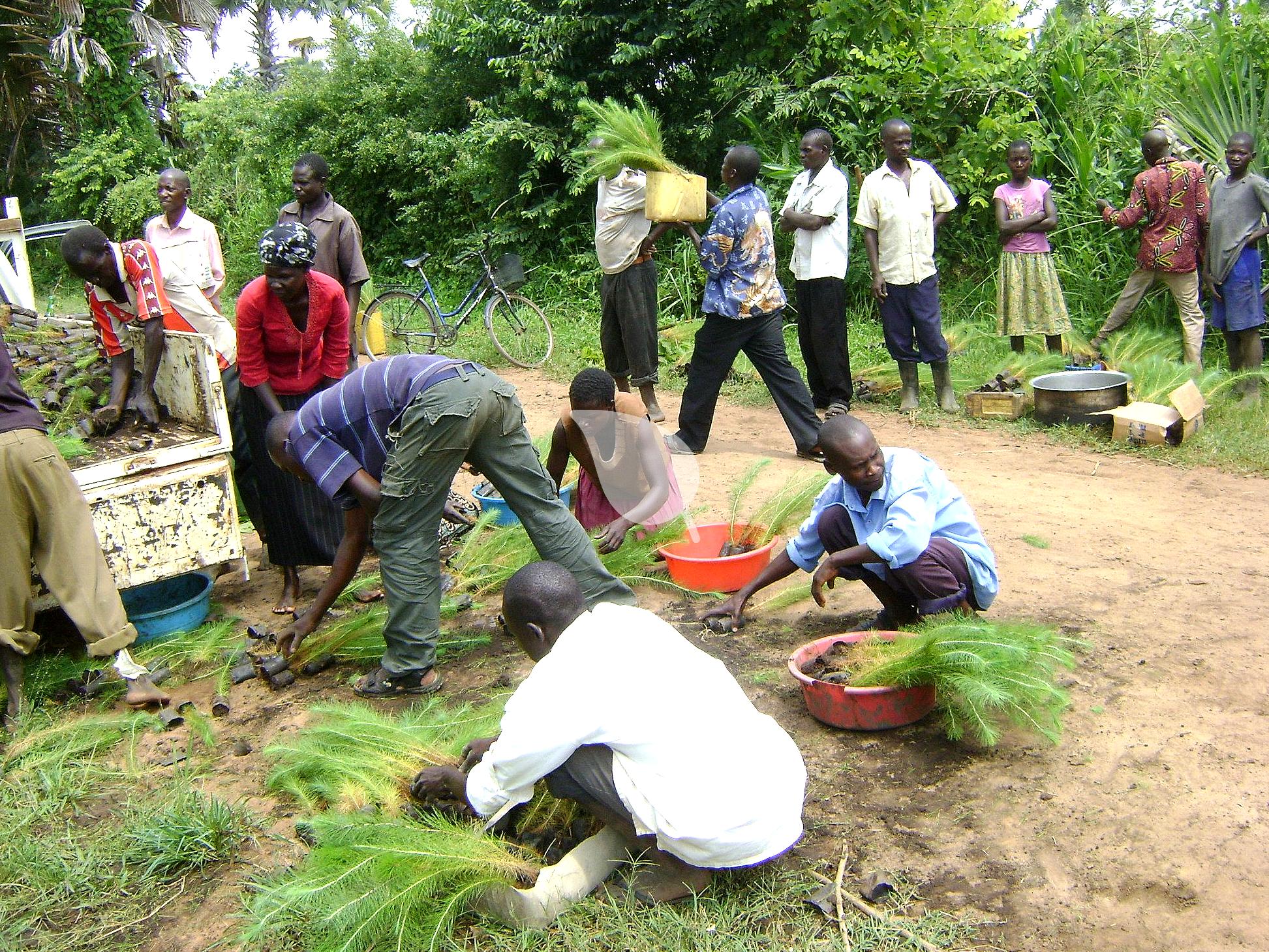
Socially, green activities bring people together, fostering a sense of purpose and camaraderie. Plus, group efforts like park cleanups or repair cafes create visible, positive change you can all celebrate.
Fun Ways to Get Involved
Join a local park or beach cleanup - nothing like teamwork to tackle litter and see instant results. Repair cafes are a blast: learn to fix broken items, swap skills, and keep stuff out of the landfill.
Participate in clothing swaps or seed exchanges to refresh your closet and garden without creating more waste. Or, get your hands dirty in a community garden. Eco clubs and online green challenges build connections and keep eco-friendly practices top of mind.
Stat: Community gardening slashes food transport emissions by 50% - that’s a huge win for you and the planet (Good Energy, 2024).
Use social media to organize meetups or join existing groups - it’s an unbeatable way to stay motivated and inspired.
9. Use Technology to Track and Gamify Your Green Habits
How Tech Supports Sustainability
Can your phone help you live greener? Absolutely! Today’s eco-friendly apps make building and sticking to green habits easier and more engaging. Technology helps you monitor your water and energy use, reduce waste, and even connect with like-minded folks worldwide.
Gamifying your green habits - turning them into challenges or competitions - keeps you motivated. Digital communities offer encouragement, accountability, and creative ideas to keep things fresh.
Popular Eco-Friendly Apps
Try apps that track water use, remind you to turn off lights, or offer zero waste guides. Carbon footprint calculators help you set goals and measure your progress. Many apps feature streaks or point systems, so you can challenge friends or compete with yourself.
For instance, using a carbon footprint tracker can reveal your biggest emissions sources - and point you toward the most impactful changes. Communities often run app-based green challenges to keep everyone engaged.
Pro Tip: Set achievable goals in your habit-tracking app - start small to avoid overwhelm and celebrate every milestone.
Tech is your sidekick as you celebrate Earth Day every day - let’s see how you can make sustainability a joyful, lasting part of your lifestyle.
10. Celebrate Earth Day Every Day Through Lifestyle Changes
Making Sustainability a Daily Joy
The secret to sustainable living? Make it a source of joy, not a chore. Incorporate green habits into your daily routines - think morning walks, mindful shopping, or family dinners featuring local produce. Find delight in small rituals, like watering your plants or composting coffee grounds.
Share your passion! When others see you enjoying eco-friendly practices, they’re more likely to join you. Try hosting eco-themed parties or inviting friends to a park cleanup.
Fun Celebrations and Reminders
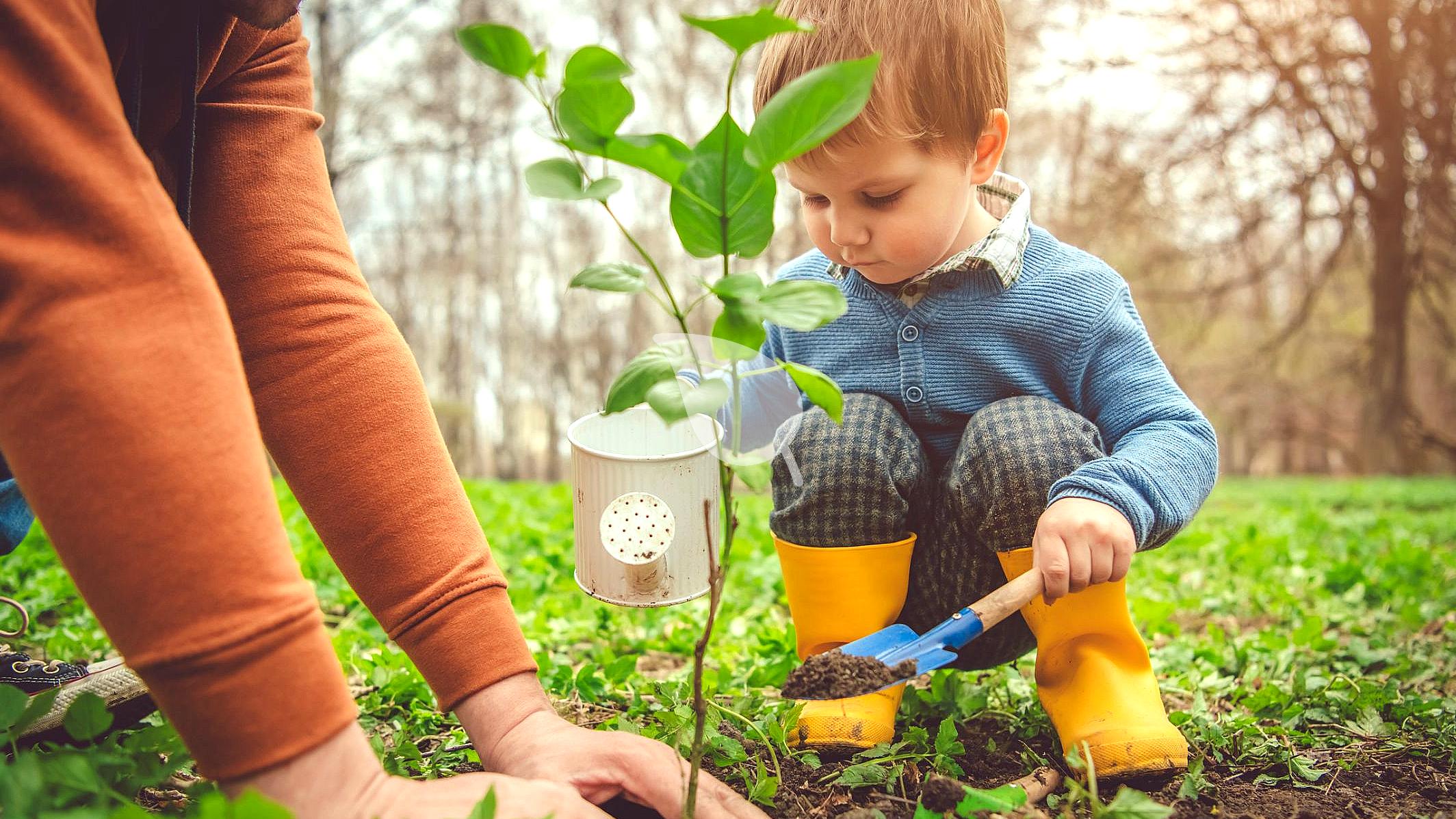
Create traditions around your favorite green habits. Plant a tree every Earth Day anniversary, or organize a seasonal clothing swap with neighbors. Use visual reminders - like a habit tracker or cheerful calendar stickers - to keep progress front and center.
Pro Tip: Mark your achievements on a habit tracker, and reward yourself (and your community) for milestones reached.
Neighborhood Earth Day festivals and challenges create lasting memories and keep the momentum going all year.
Now, let’s get even more practical - here are step-by-step actions to build those green habits for good.
Actionable Steps to Build Your Green Habits
- Start Small and Be Consistent
- Pick one green habit to focus on this week. Consistency is your secret weapon - mastering one habit is better than half-heartedly attempting ten.
- Set realistic, bite-sized goals. Trying to change too much at once leads to quick burnout.
- Example: Begin by carrying reusable bags for every shopping trip, until it becomes automatic.
- Join or Create a Supportive Community
- Find local groups, online forums, or social media communities that share your eco goals. Encouragement and shared progress keep you inspired.
- Participate in community events to make green living enjoyable and social.
- Example: Get involved with a monthly neighborhood cleanup - it’s both rewarding and a great way to meet new people.
- Use Technology to Track Progress
- Download an eco-friendly habit-tracking app. Set reminders, celebrate milestones, and use gamified features for extra motivation.
- Example: Track your daily water-saving efforts with a smartphone app, and challenge a friend to join you.
Mistakes to Avoid When Adopting Green Habits
- Trying to change too many habits at once: You’ll quickly get overwhelmed and might abandon all your efforts. Focus on one new habit, build momentum, then add another when you’re ready.
- Ignoring social support: If you go it alone, motivation can fizzle fast. Partner up with friends, family, or local groups for encouragement and ideas.
- Expecting immediate perfection: Sustainable living is a journey, not a sprint. Setbacks happen. Celebrate progress, learn from mistakes, and keep moving forward.
Tools and Resources to Support Your Green Journey
- JouleBug App: Turns sustainable habits into a game, awarding points and challenges for daily green actions. Makes eco-living fun, measurable, and social.
- Oroeco Carbon Footprint Tracker: Calculates your climate impact and suggests personalized ways to reduce emissions. Helps you focus on the most impactful lifestyle changes.
- Local Community Garden Networks: Connects you with fellow gardeners, resources, and events. Perfect for learning new skills, sharing harvests, and staying motivated.
Real-Life Examples of Green Habits in Action
- Neighborhood Gardening Program: Residents team up to transform vacant lots into vibrant gardens. The result? Fresher produce with fewer food miles, plus stronger neighborhood bonds and a lively community hub.
- Plastic-Free Challenge Group: Friends commit to skipping single-use plastic for an entire month. They swap tips, share wins and fails, and discover lasting alternatives. Afterward, most stick with the new habits - proving social accountability really works.
Frequently Asked Questions About Green Habits
What are easy green habits to start today?
Some easy green habits you can begin right away include using reusable bags and bottles, eating one plant-based meal daily, and turning off lights when not in use. These simple changes are powerful first steps for anyone.
How can I celebrate Earth Day every day?
You can celebrate Earth Day daily by weaving small sustainable actions into your regular routine - like walking or biking instead of driving, composting food scraps, or choosing eco-friendly products. Participating in community events or sharing your progress with friends and family will keep you motivated and help inspire others to join you.
Why is reducing plastic waste important?
Reducing plastic waste is crucial because plastic harms wildlife and pollutes oceans. Single-use plastics are a major contributor to the waste crisis. By cutting down your use, you help lower your environmental footprint and protect ecosystems.
Conclusion: Embrace Green Habits for a Better Future
We’ve explored 10 fun, practical green habits you can start today - no complicated jargon, no guilt trips, just real ways to help the planet and enjoy the process. Every habit, no matter how small, adds up. These routines don’t just benefit the Earth; they connect you with others, boost your wellbeing, and add joy to your daily life.
Start with one change, focus on consistency, and invite friends or neighbors along for the journey. Remember, you’re not alone - thousands are making small shifts every day, and together, we can make every day feel like Earth Day.
Tags
Join Our Mission
Support our conservation efforts and make a difference today.