Ultimate Guide to Eco-Friendly Events: Planning Tips for a Greener Future
Did you know that the average event attendee generates a jaw-dropping 1.89 kilograms (that’s over 4 pounds!) of waste every single day? It’s true. A bustling conference or music festival doesn’t just leave memories - it leaves mounds of plastic cups, flyers, leftover food, and more. The impact of event waste on our planet’s health is massive, and often, it’s preventable.
But what if your next event could be different? What if every decision - venue, food, transportation, swag - became an opportunity for sustainability? This isn’t just wishful thinking. With the right strategies, you can design eco-friendly events that not only reduce environmental harm but actually inspire positive change.
In this ultimate guide, you’ll find actionable steps, key checklists, and real-world examples to transform your event into a model of sustainability. Ready to minimize your event’s environmental footprint and boost attendee satisfaction? Let’s dive in.
Understanding the Importance of Eco-Friendly Events
Imagine orchestrating an event that not only delights every guest but also quietly works to heal the planet. It’s possible - and more urgent than ever. Recent data shows that event attendees produce nearly 1.89 kg of waste each day. What’s more staggering? Up to 80% of that waste could be diverted with proven sustainable event planning methods. That’s not just trivia; it’s a call to action.
Why does this matter so much? Sustainable events aren’t just trendy - they’re essential. With environmental regulations tightening and public expectations rising, events that ignore sustainability risk not only hefty waste bills but also their reputation. But the rewards? Lower costs, happier attendees, positive press, and a genuine contribution to global well-being.
This guide draws from expert insights and practical tools to give you everything you need, from setting clear eco goals to choosing green venues, reducing waste, and engaging attendees. You’ll also discover how to measure your success post-event - because what gets measured, gets improved.
If you’re nurturing eco-conscious habits at home as well, don’t miss our guide to creating a nature-loving environment for toddlers.
1. Setting Clear Sustainability Goals for Your Event
Setting clear, actionable sustainability goals is the backbone of any successful eco-friendly event. Without direction, even the best intentions falter. So how do you ensure your green ambitions are more than just talk?
Defining SMART Goals
Let’s break it down. The SMART framework - Specific, Measurable, Achievable, Relevant, Time-bound - is your ticket to clarity:
- Specific: Instead of a vague goal like “reduce waste,” choose “cut plastic bottle use by 80%.”
- Measurable: Set quantifiable targets so you can clearly see your progress - think “divert 500kg of waste from landfill.”
- Achievable: Don’t aim for perfection overnight; pick goals you can reasonably attain with your resources.
- Relevant: Align every goal with your event’s mission - if you’re a tech conference, maybe focus on reducing e-waste.
- Time-bound: Attach deadlines and milestones to keep things moving forward.
For example, you might set a goal to reduce overall waste by 50% compared to your last event. Why does this matter? According to Lisa Carter, Head of Sustainability at Event Industry News, “Sustainable planning not only benefits the environment but also enhances brand reputation and attendee satisfaction.” (Event Industry News )
Tracking Progress and Benchmarks
Once your goals are in place, measure them! Use sustainability metrics throughout the planning process. Digital dashboards, spreadsheets, and apps can help log recycling rates, energy usage, and attendee participation. Monitoring tools allow you to evaluate real-time impact and make adjustments as needed.
For example, Company X set a bold target to slash event waste by 40%. Midway through planning, they noticed recycling rates lagging. By revisiting their SMART goals and doubling down on communication, they not only caught up - they exceeded their target.
Tip: Revisit your sustainability goals during every major planning meeting. Flexibility allows for course corrections - and greater impact.
Now that you know where you’re headed, let’s talk about finding the right partners to help you get there.
2. Green Venue and Supplier Selection
Choosing the right venue and suppliers is where your sustainability goals meet reality. This is one of the most crucial steps in sustainable event planning, yet it’s also where greenwashing can creep in. Don’t be fooled by slick marketing - demand evidence.
Understanding Venue Certifications
Not all venues are created equal. Look for third-party certifications as proof of sustainable practices:
- LEED (Leadership in Energy and Environmental Design): Recognizes green building strategies and energy efficiency.
- Green Key: Focuses on environmental management in hotels and venues.
- ISO 20121: An international standard for sustainable event management.
Request detailed sustainability reports from venues. Ask about their energy sources, waste procedures, and local sourcing. For example, a LEED-certified venue doesn’t just have efficient lighting - it’s designed to minimize water usage, maximize natural light, and encourage recycling at every touchpoint.
Statistic: Events contribute up to 10% of the entire travel sector’s carbon emissions. (Event Industry News )
Choosing Eco-Friendly Suppliers
Suppliers can make or break your event’s environmental impact. Here’s how to pick the right ones:
- Local First: Prioritize vendors within your region - this slashes transport emissions and supports local economies.
- Eco Clauses: Ensure contracts include requirements for sustainable practices - like zero-waste packaging or energy-efficient equipment.
- Vetting: Use a supplier checklist (download below) to verify certifications, waste policies, and green track records.
Case in Point: Venue Y teamed up with local suppliers, implementing compostable materials and reusable decor. Together, they cut event waste by 30% while supporting the community.

Tip: Download our venue checklist to compare options efficiently and spot greenwashing before it costs you.
If you want to immerse the next generation in nature, check out our guide on creating a nature-loving environment for toddlers.
Waste reduction is the next battleground - let’s see how you can slash it to the bone.
3. Waste Reduction and Material Choices
Events can produce mountains of waste - but with the right choices, much of that can disappear. Effective waste reduction isn’t just about swapping plastic for paper. It’s about rethinking every touchpoint.
Implementing Digital Alternatives
Digital tools are game-changers:
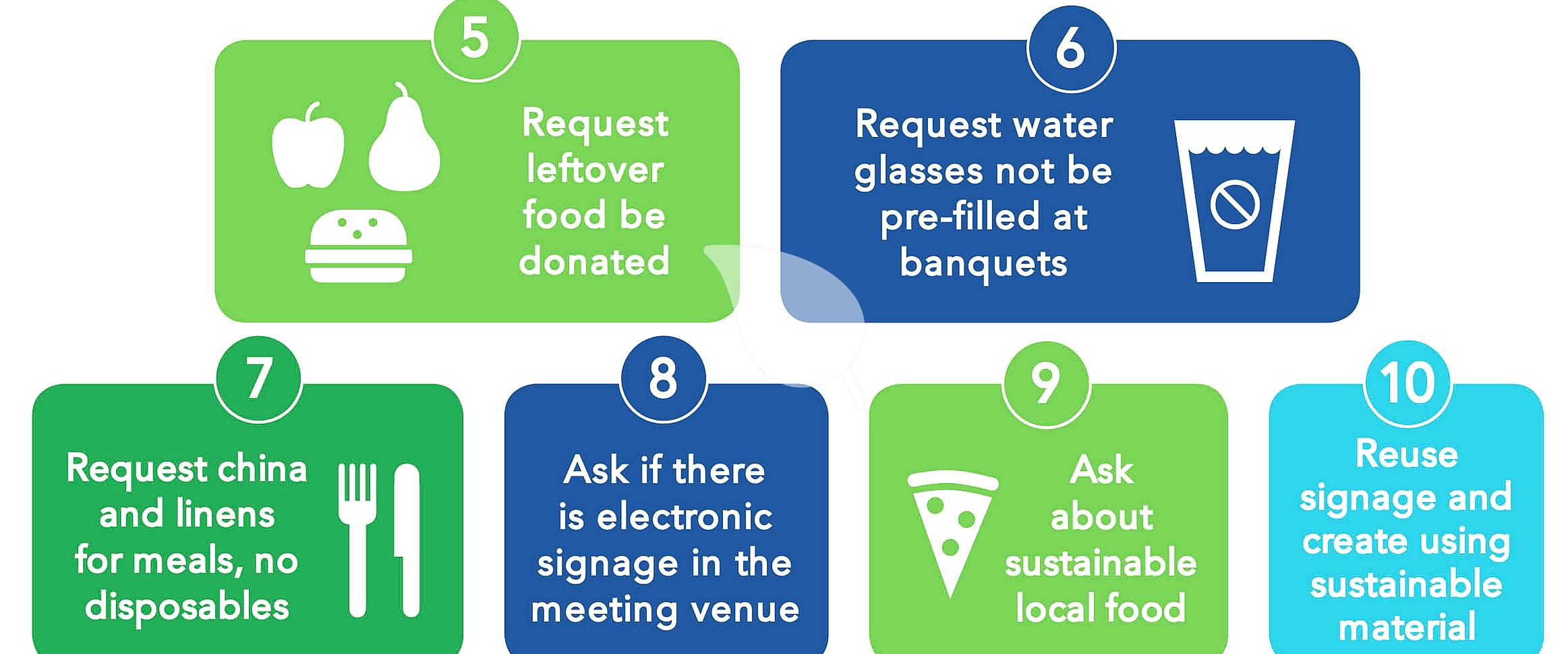
- Registration & Tickets: Ditch paper in favor of digital tickets and QR code check-ins. Studies show that switching to digital tickets slashes paper waste by 60%.
- Signage & Programs: Use digital screens and event apps for schedules, maps, and messages. It’s not just about saving trees - it makes updates instant and seamless.
- Virtual Participation: Encourage online attendance for remote guests. This reduces not just printed materials, but also travel emissions and on-site resource use.
A recent tech conference replaced printed programs with a sleek mobile app, reducing paper waste to almost zero and boosting sponsor visibility through in-app banners.
Composting and Recycling Practices
Physical waste isn’t always avoidable, but you can minimize its impact:
- Recycling & Compost Stations: Place clearly marked bins throughout the venue. Make recycling effortless.
- Training: Educate event staff and volunteers in proper waste sorting. Consider brief pre-event training sessions.
- Local Partnerships: Collaborate with municipal waste services or green nonprofits to ensure proper processing.
Case Study: A corporate conference achieved an astonishing 85% waste diversion rate by deploying visible recycling and compost stations, using compostable utensils, and rewarding attendees who participated.
Waste sorting stations at events
Tip: Incentivize proper waste sorting - offer raffle entries, digital badges, or even free coffee for people caught recycling right.
Want more inspiration on building green habits from the ground up? Read about fostering a nature-loving environment for toddlers.
Ready to tackle the catering table? Let’s feast sustainably.
4. Sustainable Food & Beverage Planning
Food is often the star of the show - but it’s also a sustainability minefield. From transportation to packaging, every choice matters.
Local and Seasonal Menus
- Source Locally: Partner with nearby farms and food producers. This reduces transportation emissions and supports the community.
- Choose Seasonal: Seasonal menus mean fresher, tastier food and less reliance on energy-guzzling greenhouses or long-haul shipping.
- Experienced Caterers: Work with catering partners who have green credentials - ask for evidence and case studies.
One event sourced 75% of its menu from within 50 miles, delighting attendees with hyper-local flavors and cutting food transport emissions dramatically.
Plant-Based and Ethical Options
- Plant-Based Menus: Offering vegan or vegetarian options isn’t just trendy - it’s essential. Plant-based meals have a lower carbon footprint and appeal to a growing eco-conscious audience.
- Plastic-Free Service: Say no to single-use plastics. Opt for compostable or reusable dishware and encourage guests to bring their own water bottles.
- Transparent Communication: Let guests know about your sustainable choices. Menu cards, signs, and pre-event emails can highlight your green efforts and inspire participation.
Event Z reduced its carbon footprint by 40% just by partnering with local caterers and featuring a plant-based menu for half the meals.

Locally sourced food at eco-friendly event
Tip: Clearly label plant-based and local dishes. This sparks curiosity, supports dietary needs, and wins eco-cred.
Curious how these strategies fit with family life? Dive into our advice on a nature-loving environment for toddlers.
Onward to transportation - the silent sustainability killer.
5. Eco-Friendly Transportation and Logistics
It’s easy to overlook transit and logistics, but they’re often your biggest carbon offenders. A typical in-person event’s travel emissions can dwarf all other impact areas.
Encouraging Low-Impact Travel
- Carpool & Transit: Incentivize carpooling, cycling, or public transportation. Offer discounted tickets, reserved parking, or bike valet services.
- Hybrid & Virtual Options: Not everyone needs to show up in person. Providing virtual attendance cuts travel emissions and opens your event to a global audience.
- Reward Green Choices: Give perks - like free coffee - to attendees who arrive by low-impact means. Make it fun, not preachy.
A university recently moved to a hybrid event model, reducing participant travel emissions by an eye-popping 66%. This shift didn’t just help the planet - it boosted attendance by accommodating those who couldn’t travel.
Optimizing Logistics for Sustainability
- Efficient Routing: Plan delivery and setup routes to minimize fuel use. Ask vendors about combining cargo loads and using local warehouses.
- Green Vehicles: Hire electric or hybrid vehicles for shuttles and on-site transport. This small change can make a big dent in emissions.
- Reduce Packaging: Request minimal, recyclable, or reusable packaging for all deliveries. Work with suppliers willing to take packaging back for reuse.
Sustainable transport at eco-friendly events
Tip: Communicate your green transportation plan early, with maps and options in pre-event emails.
Event A boosted eco-friendly arrivals by offering a free, secure bike valet - guests raved, and parking congestion plummeted.
Ready to get your attendees actively involved? Engagement is everything.
6. Attendee Engagement and Green Communication
Your sustainability efforts will fall flat if they’re invisible. Attendee engagement can transform your eco-friendly event from a nice idea into a movement.
Creative Incentives and Gamification
- Reward Systems: Use apps or stickers to reward guests who recycle, use reusable cups, or complete sustainability challenges.
- Sustainability Games: Organize quizzes or scavenger hunts focused on green practices, with eco-friendly prizes like reusable bottles or tree-planting donations.
- Recognition: Give shout-outs or special badges to participants and vendors who go above and beyond.
One event launched a recycling game - attendees logged recycling actions and climbed a digital leaderboard. The result? Waste diversion rates increased by 15%.
Effective Visual Signage and Messaging
- Clear Signage: Use bold, friendly signs at recycling stations, food lines, and entrances to guide behavior.
- Digital Displays: Show real-time stats on waste diverted, emissions saved, or trees planted. Nothing motivates like seeing the impact live.
- Social & Apps: Engage participants on social media and through event apps. Push notifications can prompt green actions and share quick tips.
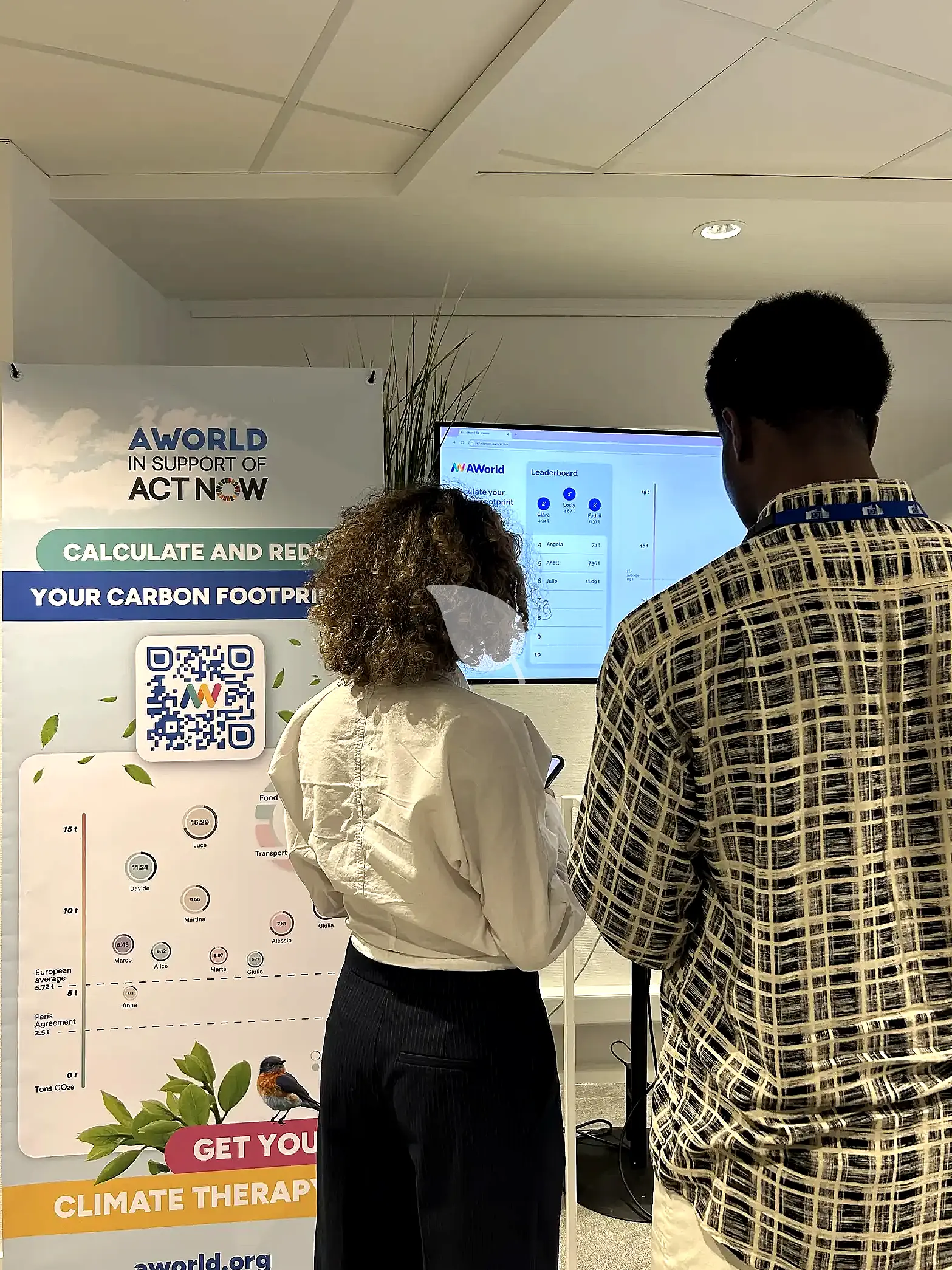
Tip: Gather feedback during the event with quick polls - adjust activities on the fly to keep energy high.
Get inspired by how kids naturally engage with the planet in our nature-loving environment for toddlers resource.
Now, let’s close the sustainability loop with solid post-event assessment.
7. Post-Event Assessment & Reporting
Sustainability doesn’t end when the lights go out. Auditing and reporting your event’s impact is the only way to ensure real progress and share your wins (and lessons) with the world.
Auditing Sustainability Performance
Start with data. After your event, collect key numbers:
- Waste Metrics: Track total waste generated, recycled, composted, and sent to landfill.
- Energy & Water Use: Where possible, log utility consumption before, during, and after the event.
- Attendee Feedback: Survey guests on their experience and sustainability perceptions.
Free tools and templates can streamline this process (download below). For example, after implementing post-event audits, Company B improved its sustainability score by 20% year over year. They used simple digital forms to collect staff and attendee feedback, then translated insights into actionable goals for future events.
Transparent Reporting and Improvement
Don’t just keep these results to yourself:
- Share Results: Publish your impact data on your website, social media, or even event swag.
- Engage Stakeholders: Tell stories - highlight top-performing teams or vendors.
- Future Goals: Set new ambitions based on your outcomes, turning every event into a stepping stone for greater sustainability.
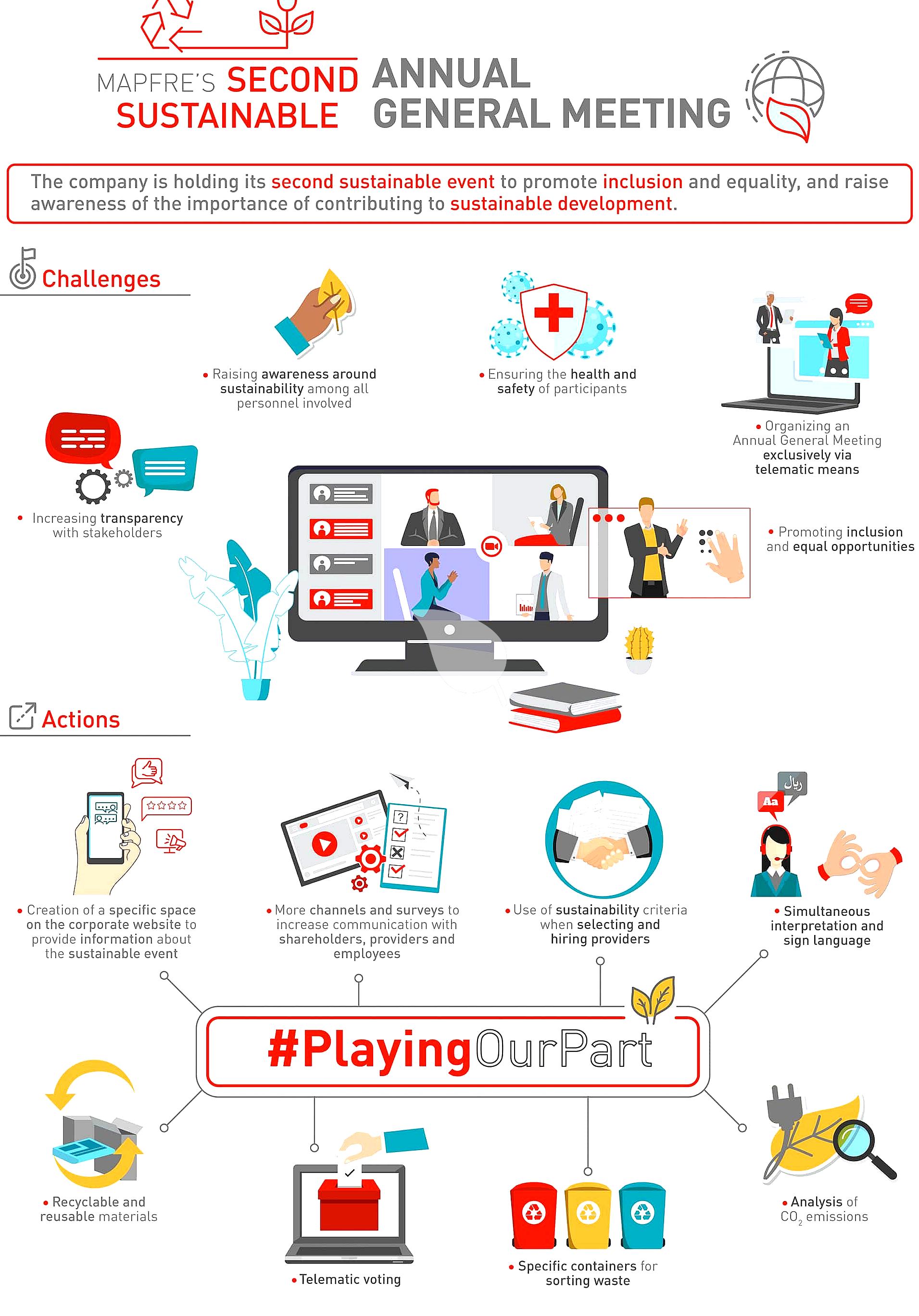
Tip: Download our free post-event assessment templates to make auditing painless and effective.
Want to see real-world audits in action? Check out case studies in our resources section or read about sustainable behaviors in our nature-loving environment for toddlers.
Action Steps to Plan Your Eco-Friendly Event
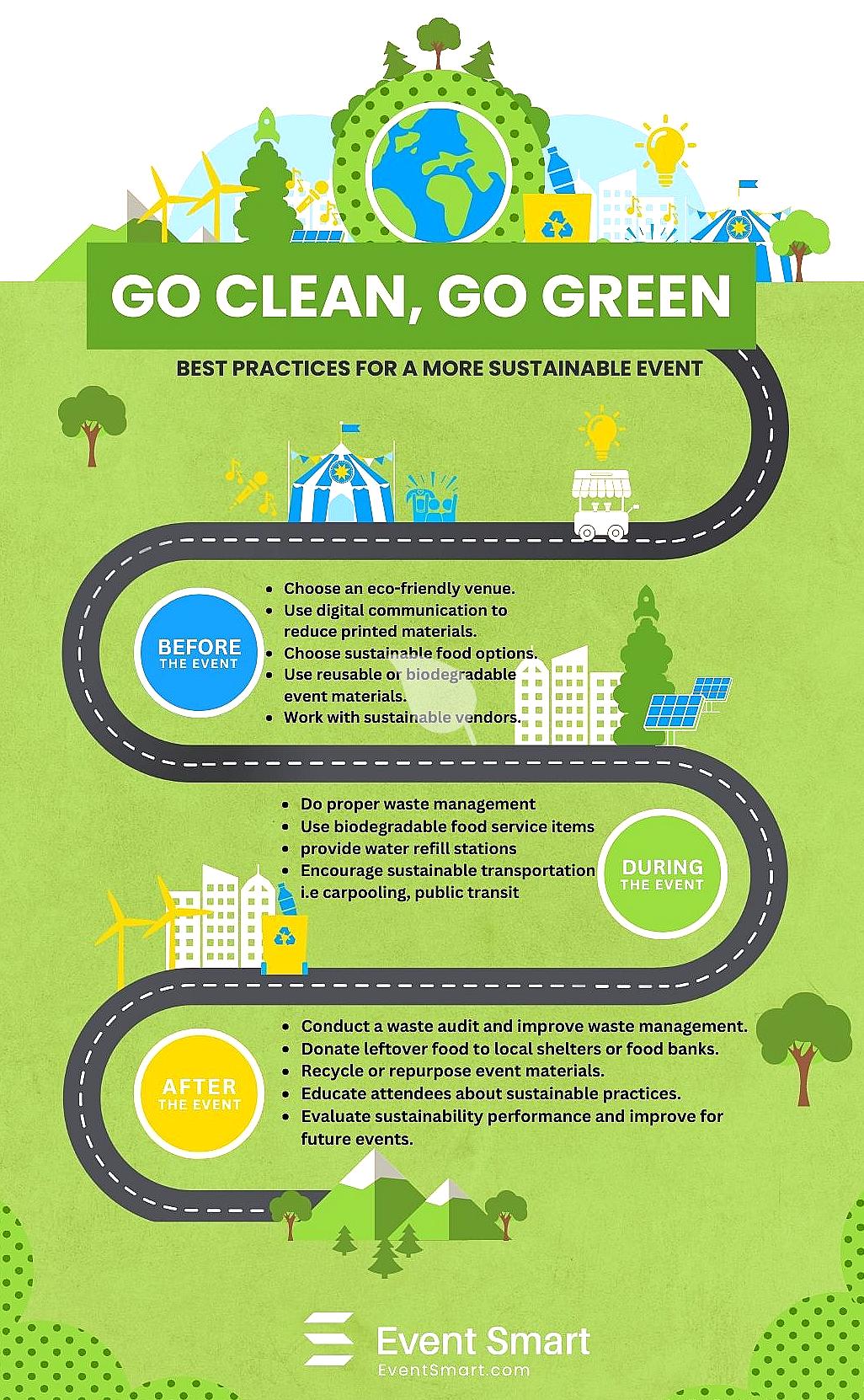
Ready to put all this into practice? Here’s your action-packed roadmap:

- Set Clear Sustainability Goals
- Define measurable, realistic objectives using the SMART framework.
- This sharpens your focus and allows real progress tracking.
- Avoid vague or unmeasurable aims.
- Example: Reduce waste by 50% versus last year’s event.
- Choose Certified Green Venues and Suppliers
- Apply certification checklists to vet each candidate.
- Guarantees authenticity - don’t rely on marketing claims alone.
- Example: Pick venues with LEED or Green Key certification.
- Implement Waste Reduction Strategies
- Go digital where possible and set up compost stations.
- Minimizes landfill waste and supports circular economy practices.
- Avoid single-use items.
- Example: Switch to e-tickets and provide compost bins throughout the venue.
- Plan Sustainable Food & Beverage Options
- Source locally and favor plant-based choices.
- Cuts carbon and boosts community ties.
- Example: Partner with local farms for fresh, seasonal menus.
- Engage Attendees in Green Initiatives
- Use gamification and clear signage for behavioral nudges.
- Participation and awareness skyrocket with good communication.
- Example: Reward guests for proper waste sorting with digital badges or perks.
- Conduct Post-Event Sustainability Assessment
- Gather data and analyze the results.
- Transparency and improvement rely on this final step.
- Example: Use our free templates to report and celebrate your impact.
Mistakes to Avoid in Eco-Friendly Event Planning
Don’t fall into these common traps:
- Skipping Certification Proof: Choosing venues without verifying sustainability credentials leads to greenwashing and wasted money. Always use a checklist and ask for documentation.
- Overlooking Attendee Engagement: Failing to involve guests in your green efforts means wasted opportunities and more landfill waste. Build in fun incentives and communicate consistently.
- Neglecting Post-Event Assessment: If you skip measuring outcomes, you’ll never know what worked - or didn’t. Use free tools and templates to make auditing quick and actionable.
Helpful Tools & Resources for Sustainable Event Planning
- Green Event Certification Checklists: Use these to vet venues and suppliers with confidence. Authenticity matters.
- Waste Reduction Tracking Apps: Monitor real-time waste diversion data during your event and adjust tactics as needed.
- Post-Event Sustainability Reporting Templates: Simplify your impact assessment and share clear results with stakeholders.
Real-World Examples of Eco-Friendly Events
- Zero-Waste Corporate Conference: By using local sourcing and green logistics, this event hit an 85% waste diversion rate and cut carbon emissions by 40%. Every food container, badge, and banner was compostable or reusable.
- Hybrid University Event: Embracing virtual participation reduced travel emissions by 66% compared to previous all-in-person events. Attendance also increased, proving that sustainability and growth can go hand in hand.
Frequently Asked Questions about Eco-Friendly Events
Q: How do you make an event eco-friendly?
A: Start by choosing sustainable venues and local suppliers, utilize digital tools to cut waste, and engage attendees with clear green communication and incentives. Implement recycling, composting, and post-event assessment to track your impact. These steps empower you to minimize your environmental footprint while maximizing attendee satisfaction.
Q: What are some green alternatives for event materials?
A: Swap paper tickets for digital options, use recyclable or compostable materials for signage and catering, and avoid single-use plastics at every turn. Consider bamboo, recycled PET, or organic cotton for swag - these choices make a real difference.
Q: Why is sustainability important in event planning?
A: Sustainability reduces your event’s environmental impact, enhances your brand’s reputation, and meets the increasing expectations of both attendees and regulators. It’s a win-win for the planet and your business.
Q: What sustainability certifications should I look for?
A: Top certifications include LEED, Green Key, and ISO 20121. Always request documented proof from venues and suppliers - certification is your best assurance of real environmental standards.
Conclusion: Commit to Sustainable Event Success
Hosting eco-friendly events isn’t just about ticking boxes - it’s about making a lasting impact. By setting clear sustainability goals, selecting certified green venues and suppliers, and implementing smart waste reduction strategies, you’re building a blueprint for genuinely sustainable event planning.
Engaging attendees and running post-event assessments isn’t extra credit - it’s essential. These steps multiply your impact, create a culture of accountability, and move the entire industry forward.
Ultimately, every decision you make - from catering to transportation - writes a new chapter in your event’s story. When done right, eco-friendly events aren’t just memorable - they’re transformative, inspiring others to reimagine what’s possible.
Ready to make your next event greener, smarter, and more impactful? Download our free zero-waste checklist below and take your first step towards true sustainability.
Tags
Join Our Mission
Support our conservation efforts and make a difference today.