Ever wondered if tiny tweaks around your house could make your days brighter - and lighter on the planet? Maybe you're overwhelmed trying to live an eco-friendly lifestyle, not sure where to begin. The truth? By embracing a few easy green habits, you can seriously upgrade your happiness at home while lowering your environmental footprint. Ready to see how simple it is to double down on joy and sustainability? Here are 7 proven habits that both nurture your wellbeing and protect the earth.

Why Green Habits Matter for Your Happiness at Home
Picture this: You wake up in a home that feels fresh, comforting, and alive - a space that cares for your health and the planet. Sounds dreamy, but it’s absolutely doable. Conservation International reports that simply adjusting your thermostat can save you up to 10% on energy every year. That’s less waste, more savings, and - let’s be honest - a little more breathing room in your budget.
Unlike those dry eco-guides loaded with guilt and jargon, this post connects the dots between adopting green habits and feeling genuinely happier at home. You’ll find actionable steps for everything from cutting energy bills to eating mindfully, all designed to boost your mood as much as your environmental impact. Plus, you’ll see how each habit fits right into your daily life - no compost bins or solar panels required (unless you want those!).
We’ll dig into 7 green habits anyone can master: energy conservation, water savings, sustainable eating, waste reduction, indoor plants and natural cleaning, engaging the whole family, and mindful eco-wellness. If you want even more ideas, check out 10 fun green habits to celebrate Earth Day every day for extra inspiration.
Let’s jump into the first habit and see just how easy - and rewarding - being a little greener at home can be.
1. Energy Conservation: Save Money and Boost Comfort
Adjust Your Thermostat
Here’s a little secret: Your thermostat is a happiness lever. Lowering (or raising, depending on the season) your thermostat by just 7-10 degrees when you’re away or asleep doesn’t just shrink your energy bill - it also makes your home more comfortable. According to Conservation International, a small adjustment can slice up to 10% off your yearly utility costs - money you could put toward something fun or meaningful. Automating your thermostat with a simple schedule makes it even easier to keep things balanced without the daily hassle.
Switch to LED Lighting
Now, let’s talk mood lighting. Old-school bulbs are energy vampires, sucking up power and giving off sad, yellow vibes. Swapping in LED bulbs not only lowers your energy use (and bills!), they last way longer than traditional options. But here’s the kicker: LED lighting tends to be brighter and more natural, instantly improving the ambiance and comfort of your space. Don’t stress the upfront cost - replace bulbs gradually, room by room, and watch your home transform.
Energy use at home isn’t just about numbers - it’s about your daily experience. Tiny thermostat tweaks and better lighting add up, both in dollars and mood boosts. For example, a family in Minnesota lowered their winter heating by 7 degrees after reading a blog post, and they ended up saving 10% on their annual energy bill. They noticed their living room felt cozier, and the kids even started wearing those fuzzy sweaters they never used to touch. That’s a win for comfort, your wallet, and the planet.
Did you know LEDs can change the whole feel of a room? One homeowner switched their house to LED bulbs over six months. He found he used the living room more in the evenings, thanks to the brighter, more cheerful light. Plus, his energy bill dropped by $20 per month - a tangible incentive to keep going.
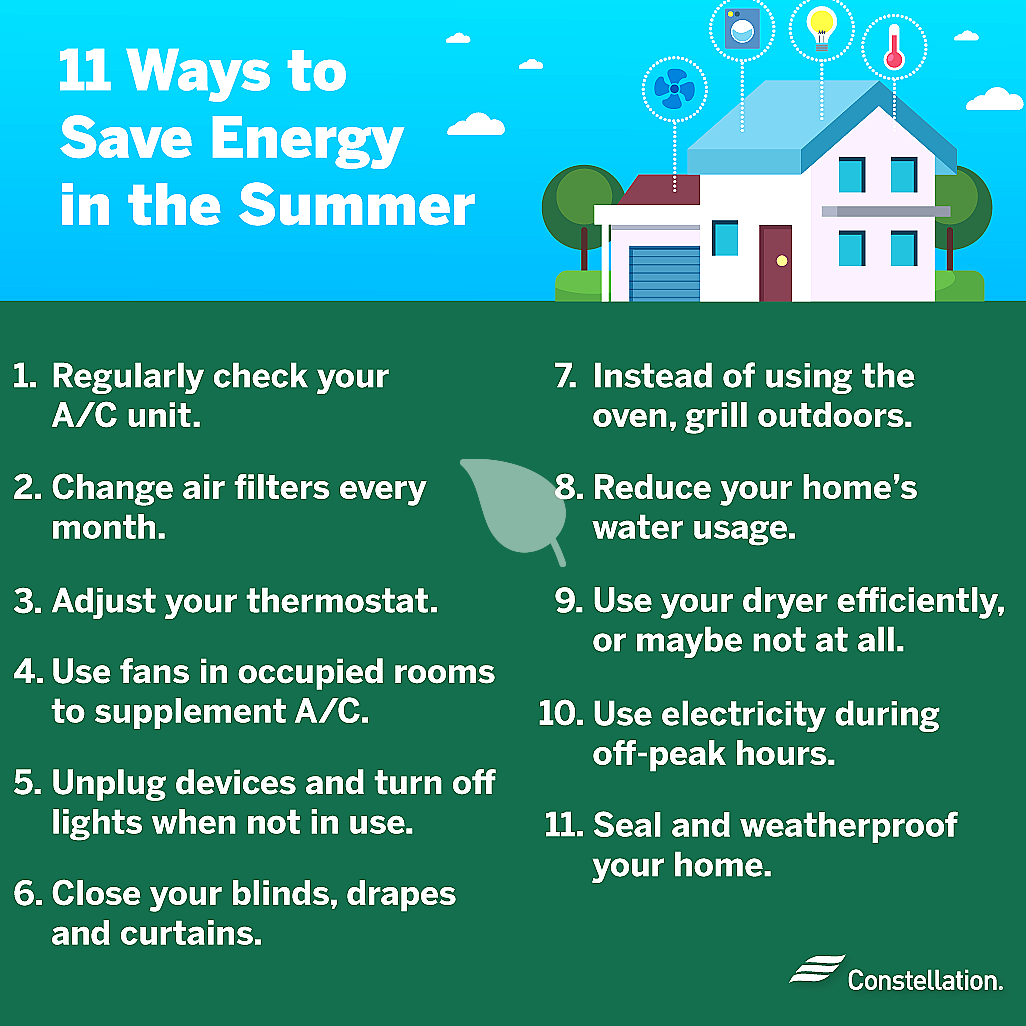
Tip: Use a smart thermostat to effortlessly control your home’s temperature - even from your phone!
Case Study: Remodelista’s Low Impact Home saved a whopping 30% on their energy bills after making simple changes like these. Learn more from their story here.
Want more seasonal eco-tips? Check out green habits for sustainable holidays for ways to keep your home cozy and green all year.
Next up: Water conservation - the unsung hero of sustainable living.
2. Water Conservation: Simple Steps for Sustainable Living
Install Low-Flow Fixtures
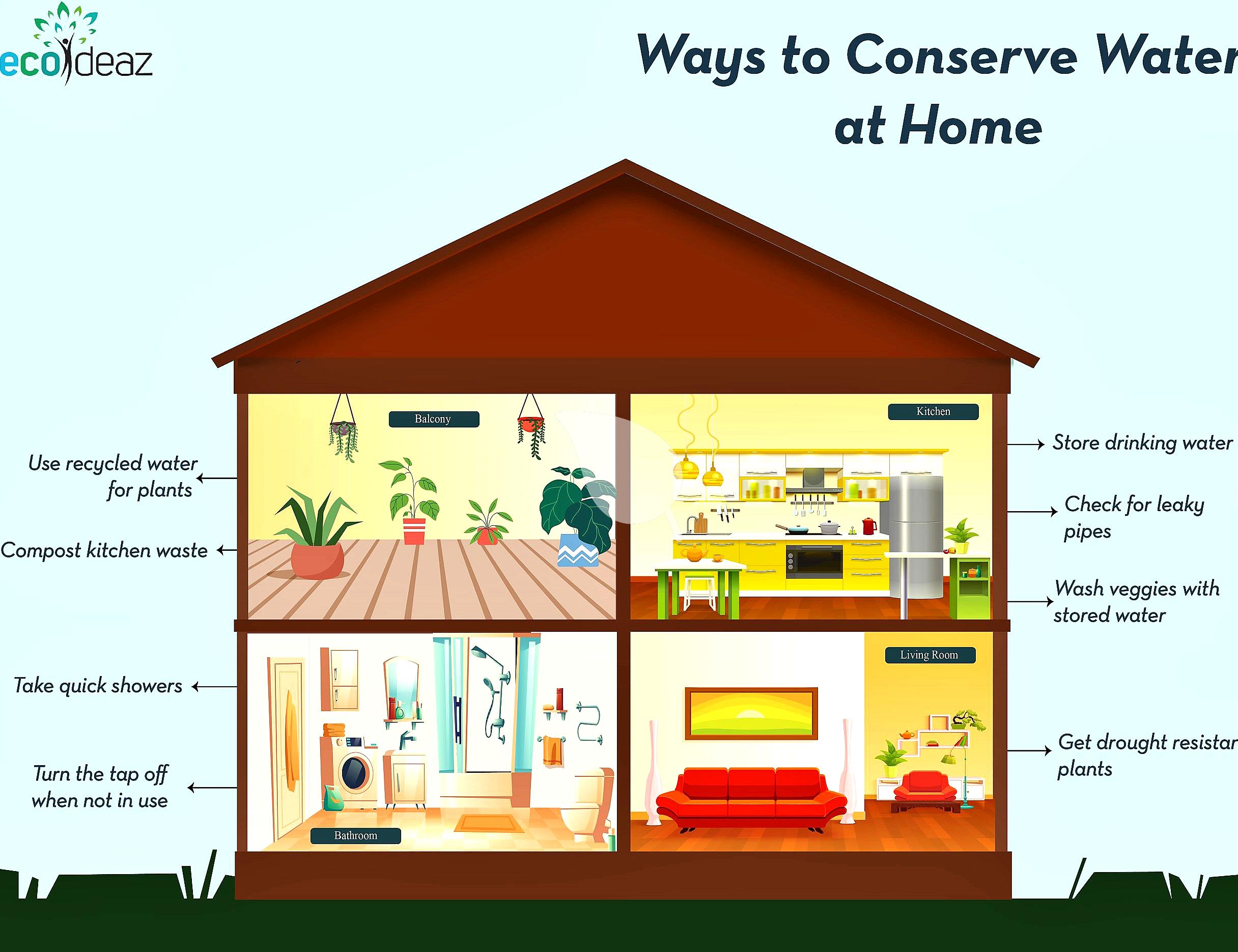
Water is life - so why let it slip literally down the drain? Low-flow showerheads and faucets conserve water without sacrificing your hot, relaxing showers. They’re easy to install and keep water pressure strong while using up to 40% less H2O. Over the course of a year, that simple swap can save hundreds of gallons (and dollars!) for your family and ease stress on local water sources. Many households discover payback within months just from reduced water bills. One family installed low-flow showerheads and noticed savings of $180 by the end of the year. Plus, their showers still felt just as satisfying.
Mindful Water Usage
How often do you leave the tap running while brushing your teeth? Or rinse dishes under a constant stream? Those little moments add up. Turning off the tap while scrubbing, catching rainwater for your garden, and teaching everyone in the house to be a little more mindful can cut waste by 20% or more - no fancy gadgets required. A family in Oregon set up rain barrels and monitored water use together - they slashed their consumption by a fifth, just by being aware.
Tip: Fix drips and leaks right away. One leaky faucet can waste more than 3,000 gallons per year!
Community efforts also make a difference. In one neighborhood, local volunteers ran a water-saving campaign - putting up signs and handing out low-flow aerators. After six months, water usage dropped 15% community-wide. Imagine the impact if every block did that!
By taking just a few minutes to make these changes, you’ll not only enjoy a more sustainable home, but also feel good knowing you’re protecting a resource we all depend on. Next, let’s talk about food - the tasty path to greener living and better wellness.
3. Sustainable Eating: Greener Meals for Better Health
Incorporate Meatless Days
You might be surprised how much good skipping meat one day a week can do. Really. Reducing your meat intake even a little slashes your carbon footprint, supports animal welfare, and can improve your heart health. The Monday Campaign found that one meatless day per week equals the same emissions savings as driving 348 fewer miles every year .
Plant-based meals don’t have to mean bland tofu or rabbit food, either. A couple in Seattle started with “Meatless Mondays,” exploring simple recipes like lentil soup, veggie tacos, and pasta primavera. They found they felt lighter and more energized - and saved on groceries, too.
Reduce Food Waste
Now, let’s face it: We all end up with limp veggies or leftovers that never get eaten. But planning meals, shopping with a list, and getting creative with what’s on hand can shrink your waste dramatically. Composting isn’t just for farmers - urban households can turn food scraps into garden gold with a simple countertop bin. Composting 25% of food scraps diverted pounds of waste for a family in Austin, and their backyard tomatoes flourished.
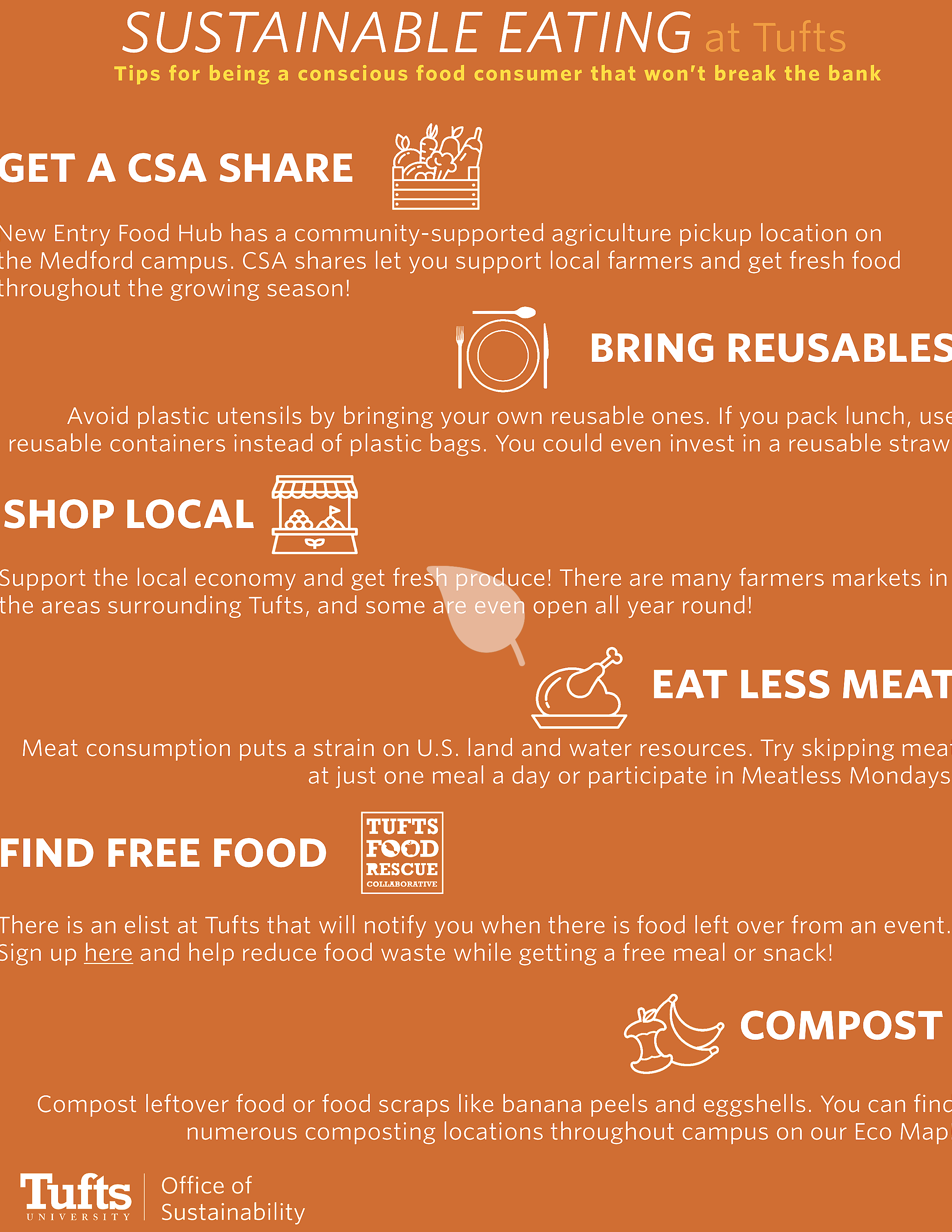
Tip: Challenge yourself to use up leftovers in new ways - soups, casseroles, or even breakfast scrambles.
Real Example: A local family started meal planning and composting, trimming their monthly grocery bill by 15%. They said it was like giving themselves a little raise, just for being smarter with food.
Next, let’s see how trimming waste in other areas can supercharge your eco-friendly lifestyle.
4. Waste Reduction: Simple Habits for an Eco-Friendly Lifestyle
Practice Recycling Properly
We’ve all seen those overflowing recycling bins - bottles, boxes, and sometimes, oops, pizza boxes with cheese still stuck on. But did you know contamination (like greasy food) can ruin a whole batch? Learning your local recycling guidelines, rinsing containers, and sorting items carefully can make recycling way more effective. In one neighborhood, recycling rates improved after a volunteer group placed clear labels on every bin and held a sorting demo. Landfill waste dropped by 15% in six months.
Use Reusable Products
Swapping single-use plastics for reusable options is a game-changer. Cloth grocery bags, stainless steel water bottles, glass containers - each one you use means less trash piling up. And yes, these swaps save money over time. A family in Chicago replaced plastic sandwich bags with reusable silicone pouches and saved over $50 in one year. Their kids even started reminding them to bring bags when shopping - talk about new habits catching on!
Reducing waste gives you a sense of control and satisfaction that spills over into other areas of life. It feels good to see your trash can less full. Plus, choosing products with minimal packaging or supporting zero-waste brands means you’re voting for a better future every time you shop.
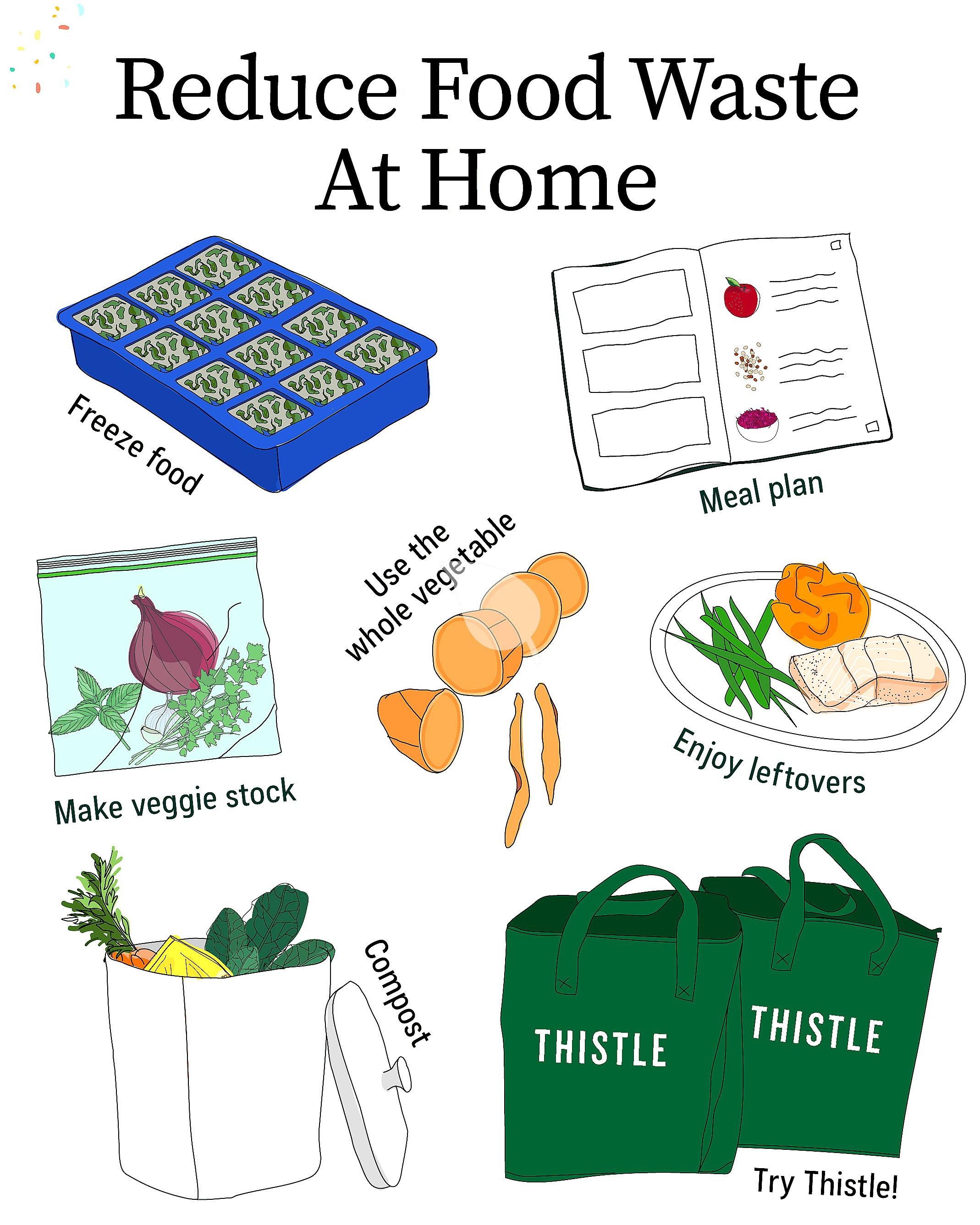
Tip: Label your recycling and compost bins to keep everyone on the same page (and avoid mystery piles).
Community Spotlight: A local green group started a zero-waste challenge online - neighbors tracked their trash for a month, swapped tips, and celebrated wins. The result? Several families halved their landfill waste, and a few even started backyard compost heaps.
Now, let’s bring some greenery inside and clean up our act - naturally.
5. Indoor Plants and Natural Cleaning: Wellness Tips for Your Home
Grow Indoor Plants
What’s greener than plants? Bringing a bit of nature into your home transforms the vibe instantly. Indoor plants clean the air, reduce toxins, and - believe it or not - boost your mood and lower stress. Dr. Emily Greenthumb, an environmental psychologist, says, “Sustainable habits at home not only protect the environment but also significantly enhance daily wellbeing and happiness.”
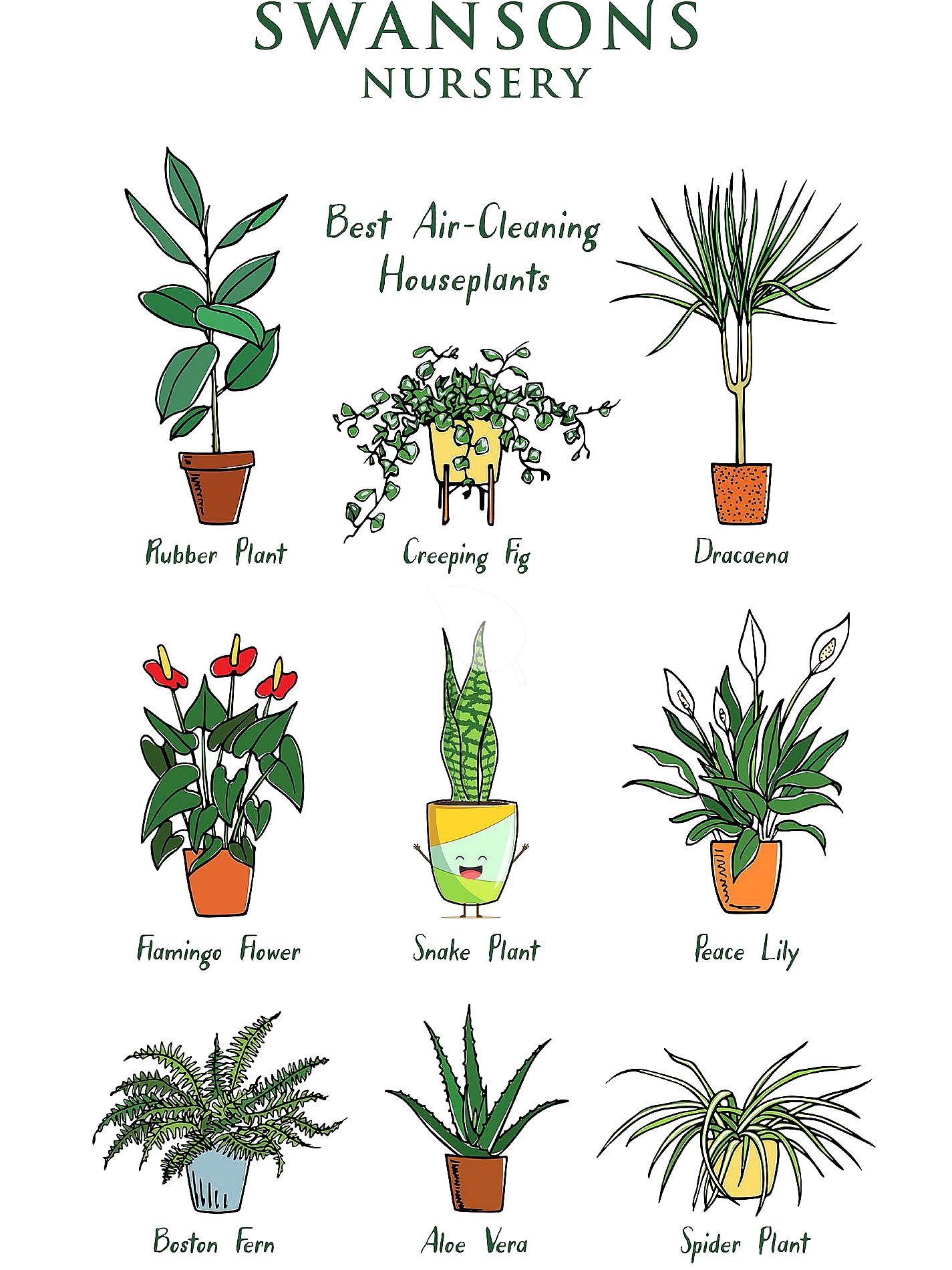
You don’t need a green thumb to start. Try easy varieties like spider plants, pothos, or succulents. A family in Denver filled their living room with a handful of low-maintenance plants and noticed less dust and stuffiness. Even better, their daughter started sleeping better, and homework time became less of a battle.
Use Plant-Based Cleaners
Tired of harsh chemicals? Plant-based, natural cleaners keep your home sparkling - without the headaches or allergy flare-ups. Simple concoctions using vinegar, lemon, and baking soda work wonders on everything from kitchen counters to bathroom tiles. For instance, a homeowner switched to vinegar-based sprays and saw her son’s allergies improve almost overnight.
Tip: Start small. Pick one easy plant (like a snake plant) and swap your regular cleaner for a DIY mix to see quick results.
Case Study: Homeowners who made these changes reported better sleep and less household tension - no surprise, considering how much environment affects our wellness.
Curious how to make your home even more nature-loving? Find ideas for a nature-loving environment for toddlers.
So, how do you keep everyone on board with these habits? Time to get the family involved.
6. Family Engagement: Making Green Habits Fun and Sustainable
Involve Kids in Green Routines
Getting your family on board turns green habits from chores into genuine fun. Kids learn best by doing, not just by listening to lectures. Turn recycling or turning off lights into a game - who can remember to unplug the most devices wins a small weekly prize? One parent turned recycling into a scavenger hunt, and their children soon became the household’s top eco-champions.
Create Household Challenges
Keep things interesting by launching a family challenge. Maybe track how much energy you save in a month or who can create the most creative upcycled craft. Celebrate every milestone, big or small. One family set up a “Green Habit Tracker” on the fridge - if everyone remembered their reusable water bottles for a week, it was movie night. After a month, they reduced their energy use by 10% and, more importantly, felt closer as a unit.
Family involvement keeps momentum high and prevents you from feeling like you’re carrying the weight of the world (and environment) on your shoulders. Plus, it’s a great way to teach kids responsibility and teamwork - skills that’ll help them far beyond eco-habits.

Tip: Celebrate small wins - think homemade treats, stickers, or a night of board games. Positive reinforcement works wonders!
Community Example: Some neighborhoods host green challenges - everyone saves water or energy and shares results online. The feeling of friendly competition and shared goals? Priceless.
Ready for the next level? Explore more green parenting tips for your eco-friendly lifestyle.
Almost there! Let’s round things off with a habit that’s good for your mind, too.
7. Mindfulness and Mental Wellness: Boost Happiness with Green Habits
Practice Eco-Meditation
Green habits aren’t just about saving resources - they’re about saving your sanity, too. Ever try eco-meditation? It’s as simple as sitting quietly near a plant, listening to birdsong, or stepping outside with your bare feet on grass. Nature connection is proven to reduce stress and lift mood. Dr. Emily Greenthumb notes, “Simply bringing mindful awareness to your surroundings can transform everyday routines into moments of peace and happiness.”
Reflect on Your Impact
Take a moment each week to journal your progress. Celebrate your eco-wins - maybe you remembered your reusable coffee cup or got your family recycling religiously. Reflecting like this keeps motivation high and helps you see real change, which is a natural buffer against eco-anxiety.
One reader started a simple “green journal” - jotting down her successes and slips. She found herself making better choices without even thinking about it. Another tried five minutes of daily nature meditation and noticed her stress levels dropping. It’s not magic, just mindfulness meeting sustainable living.
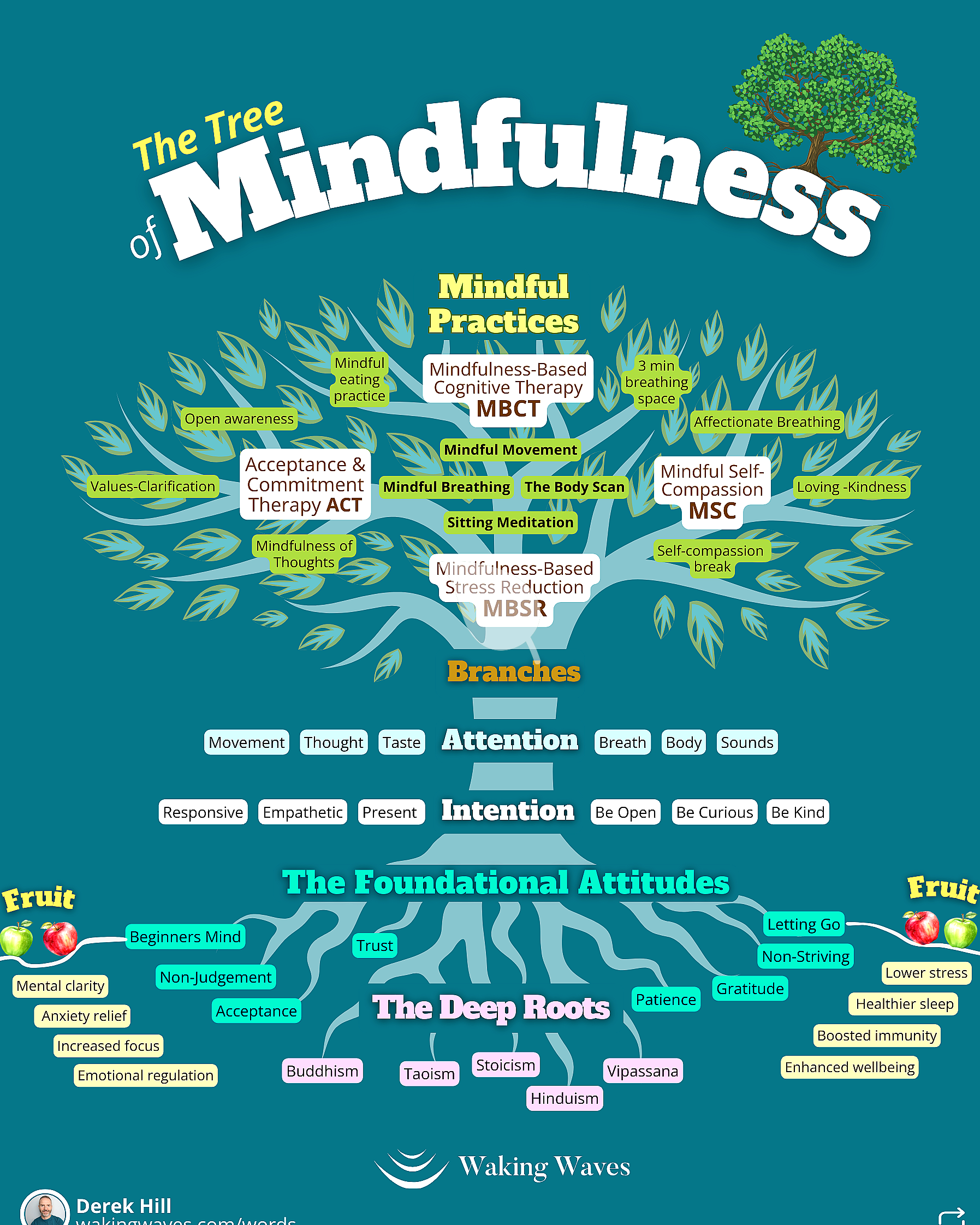
Tip: If you’re new to meditation, start with just five minutes a day. Focus on the sounds, smells, and feel of your environment - no fancy cushions required.
Study Insight: A recent study showed that people who practiced mindfulness were much more likely to stick with new eco-friendly routines. Mind + planet = win-win.
Action Steps: Start Your Green Habit Journey Today
-
Choose One Habit to Start
- Pick one green habit that feels achievable right now. Starting small ramps up your chances of sticking with it. Don’t pressure yourself to do it all at once - progress, not perfection.
- Example: Adjust your thermostat by a few degrees for instant savings.
-
Track Your Progress
- Use a checklist, planner, or app to mark off each day’s green actions. Visual tracking is surprisingly motivating and keeps you accountable, even when life gets busy.
- Example: Download your free checklist of 7 green habits and keep it on the fridge.
-
Involve Your Household
- Make your journey a team effort! Share your goals, brainstorm together, and celebrate when you hit milestones. Support and camaraderie make new habits stick.
- Example: Set up a recycling challenge and reward the family with a fun outing when you meet your goal.
-
Reflect and Adjust
- Check in weekly or monthly. What’s working? What needs tweaking? Adapt your approach to fit your lifestyle and keep your own happiness at the center.
- Example: Journal your experiences - what habits feel rewarding? Which need a new strategy?
Mistakes to Avoid When Building Green Habits
- Trying to change everything at once:
- It’s tempting to overhaul your life in a weekend, but this often leads to stress and burnout. Instead, add one new habit at a time.
- Ignoring family involvement:
- If you go solo, you’ll struggle to keep everyone on the same page. Bring your household into the conversation early for better consistency.
- Focusing only on environmental impact:
- When you ignore personal motivation and joy, your efforts fizzle out. Remember, happiness is a huge part of why these changes work - celebrate the little wins and how they make you feel.
Tools and Resources to Support Your Green Lifestyle
- Habit Tracking Apps:
- Use free or paid apps to monitor daily green actions, set reminders, and see your progress over time. These keep you motivated - and honest!
- Printable Checklists:
- Print or download checklists to keep your goals front and center. Stick them on the fridge or family bulletin board.
- Eco-Friendly Product Guides:
- Find curated lists of the best sustainable products - reusable bags, green cleaners, energy-saving gadgets - to simplify your shopping and reduce decision fatigue.
Real-Life Examples of Green Habit Success
Low Impact Home Transformation
A family of four decided to tackle both energy and waste in their home. They set their thermostat 8 degrees lower during winter nights, replaced all lightbulbs with LEDs, and began composting kitchen scraps. Within 10 months, they’d knocked 30% off their energy bill, spent less time taking out the trash, and found their home felt more comfortable year-round.
Meatless Monday Challenge
A couple with two kids introduced “Meatless Mondays” to their weekly routine. They experimented with hearty veggie stews and plant-based burgers to keep things interesting. Over the course of a year, their carbon footprint shrank significantly - and to their surprise, dinners became a favorite family gathering. The kids even started suggesting recipes for the next meatless meal.
Frequently Asked Questions About Green Habits
Q: How do green habits improve happiness?
Green habits strengthen your connection to nature and ease daily stress. Simple shifts - like growing plants or cutting clutter - create a sense of purpose and pride. When you loop in mindfulness and family, the happiness you feel at home multiplies.
Q: What are easy sustainable living tips?
Start with energy and water savings. Use reusable products, cut waste, and try plant-based meals. Growing a few indoor plants can also lift your mood and air quality.
Q: Can eco-friendly lifestyle reduce stress?
Absolutely. Living more sustainably often means streamlining, decluttering, and reconnecting with nature - all proven to lower anxiety. Plus, knowing you’re helping the planet fosters a more positive outlook.
Conclusion: Embrace Green Habits for a Happier Home
Let’s do a quick recap. Simple green habits - like adjusting your thermostat, saving water, trying meatless meals, reducing waste, and adding nature to your home - can boost happiness at home while shrinking your footprint.
You don’t have to tackle everything at once. Every small change you make is a step toward a more joyful, sustainable, and eco-friendly lifestyle. The benefits? Lower bills, better moods, a sense of accomplishment, and a home that truly feels good.
So, are you ready to start? Choose one habit today, involve your loved ones, and watch your home (and wellbeing) flourish. You’ve got this - one step, one green habit at a time.
Tags
Join Our Mission
Support our conservation efforts and make a difference today.