Do your students freeze up or argue when group work happens inside? You’re not alone. Many kids today stumble through teamwork and struggle to communicate face-to-face - especially when most social practice happens through screens or in rigid classroom setups. But what if you could step outside and change everything?
Nature lessons for kids offer a potent, research-backed way to build real-world social skills. Outdoors, children don’t just breathe fresh air - they discover cooperation, empathy, and conflict resolution in living color. In this article, you’ll uncover how outdoor education transforms social dynamics, which skills grow best in nature, and exactly how to design lessons and events that ignite teamwork. Ready to help your kids thrive beyond the classroom?
Why Nature Lessons Matter for Kids' Social Development
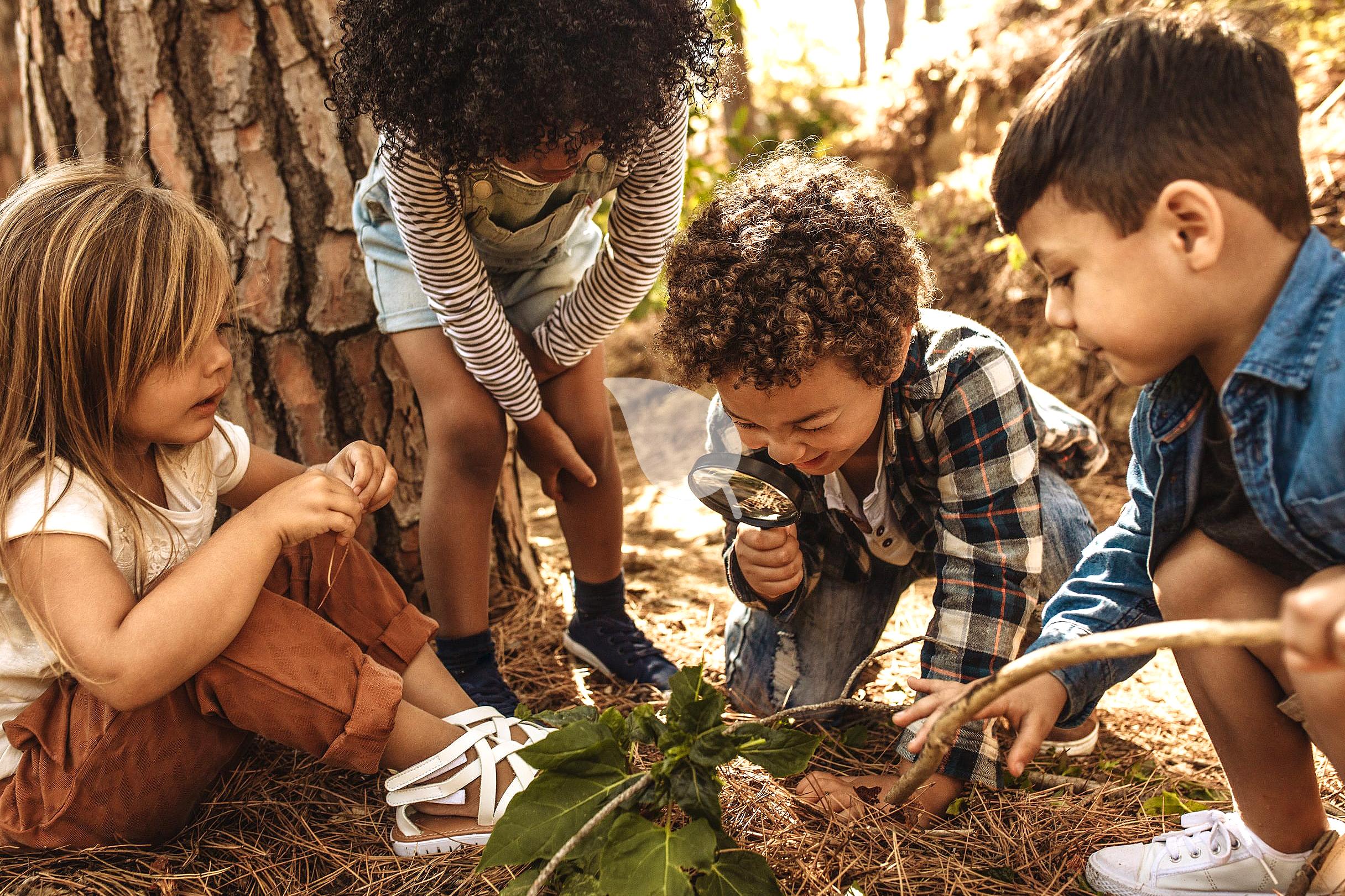
Picture this: a roomful of kids working on a group project indoors. Tension thickens, tempers flare over who gets the last marker, and the task limps along. Now move that scene outside. Fresh air, more space, and a shared task - suddenly, the same group is buzzing with energy, sharing tools, and solving problems side by side. What changed? The environment.
A 2023 synthesis from Green Schoolyards America found that green spaces directly improve prosocial behaviors - cooperation, sharing, comforting - among children. These aren’t accidental side effects. Structured nature lessons - unlike just letting kids loose outside - deliberately target social and emotional growth in real-world settings. Kids get to practice teamwork, empathy, and negotiation in ways that stick.
Why does this matter so much now? Kids’ screen time is skyrocketing, while real-world, face-to-face social opportunities are shrinking. That’s a recipe for growing up awkward in group settings, fumbling with sharing, or backing down from conflict. Structured nature lessons flip the script, giving children a playground for collaboration where the stakes are real - but safe enough to try again.
In this post, you’ll get the mechanics behind nature’s social power, the exact skills that blossom outdoors, evidence from schools worldwide, design principles for social-rich lessons, and ready-to-run event ideas. If you want to dive deeper into early childhood, check out our guide to creating a nature-loving environment for toddlers.
How Outdoor Education Enhances Social Skills
Understanding why nature lessons for kids boost social skills starts with how the environment changes everything. Indoors, you’ll find fixed desks, artificial boundaries, and a long list of “don’ts.” In contrast, outdoors, boundaries blur. There’s more space to move, more freedom to choose, and more shared challenges that invite cooperation instead of competition.
Mechanisms Behind Nature's Impact on Interaction
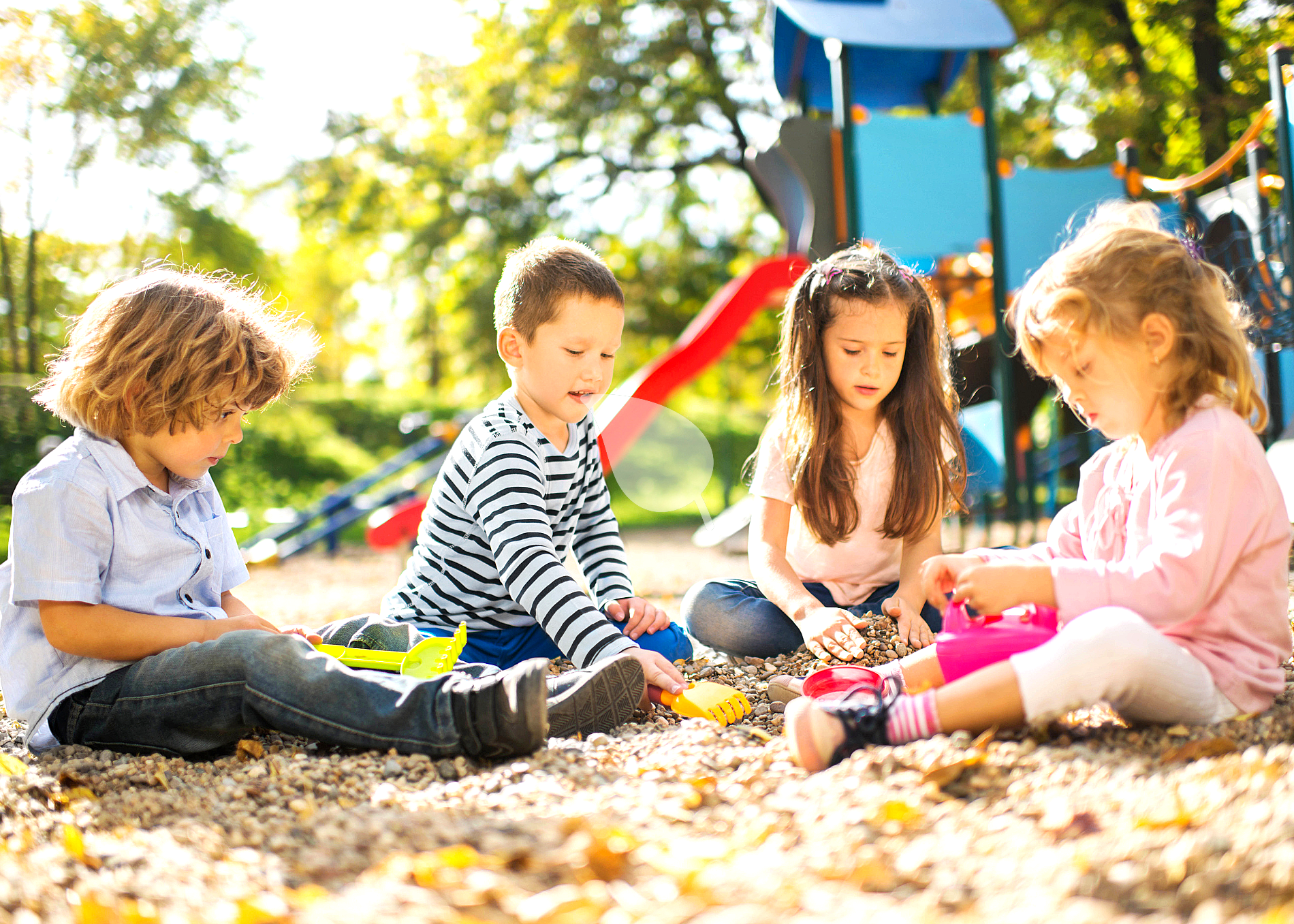
- More open space encourages physical and social engagement. Kids aren’t boxed in. Open green areas mean children can form groups naturally, move around, and adapt their social play without bumping elbows every five minutes.
- Fewer artificial rules allow natural negotiation and cooperation. In nature-based lessons, rules adapt to the environment. Who decides where the fort goes? The group discusses, debates, and - maybe for the first time - negotiates face-to-face.
- Shared challenges in nature promote teamwork and problem-solving. Whether it’s building a shelter, navigating a scavenger hunt, or solving how to cross a log, the outdoors presents problems that no single child can tackle alone.
Open settings like fields or woodlands reduce artificial competition. Instead of scrambling for the teacher’s approval, kids must work together to achieve a common goal. The 2023 Green Schoolyards America report underscores this: students are more likely to share and cooperate in greened spaces, showing less conflict and more inclusive play.
For example, picture a group tasked with building a lean-to shelter. Indoors, group projects often mean loud voices and jostling for control. But outside, the task demands many hands - someone finds sticks, another weaves branches, someone else spots weaknesses. The group naturally falls into roles based on strength, interest, or creativity. Everyone’s contribution matters.
Tip: Use natural obstacles like rocks, uneven ground, or weather as built-in teamwork challenges. They force groups to communicate, plan, and adjust together.
Pulling from educator experience, outdoor settings mix up peer groups in surprising ways. Kids who might never talk in class suddenly pair up when the task demands a new set of skills. As one recent study put it: “Educators report better peer mixing and empathy outdoors” (Educational researchers, 2022).
Next, let’s dig into the specific social skills that nature lessons bring to life.
Key Social Skills Developed Through Nature Lessons
Mapping core social skills to outdoor experiences is like pairing the perfect shoes to a hike - each element of nature lessons for kids’ social skills serves a unique purpose. Let’s break down the most essential areas.
Cooperation and Teamwork
- Children learn to share roles in tasks like scavenger hunts. Instead of one leader barking orders, group activities in nature require everyone to play a part. One child might read clues, another keeps track of the map, another gathers items.
- Team challenges foster communication and joint problem-solving. When the answer isn’t obvious, kids must talk, listen, and combine ideas. Success depends on blending strengths.
Communication and Listening
- Nature’s quiet moments promote attentive listening. A forest’s hush is the perfect backdrop for kids to really tune in to each other. Even hesitant talkers are more likely to speak up.
- Group reflection circles improve verbal expression and empathy. After an activity, children are encouraged to share what worked, what was tough, and how they felt in the group.
Empathy and Perspective-Taking
- Exposure to nature encourages caring for others and the environment. Kids learn that their actions - like stepping on a plant or ignoring a teammate - have consequences.
- Peer interactions in diverse groups build understanding and kindness. Mixing children from different backgrounds or abilities fosters patience and inclusion.
Conflict Resolution and Negotiation
- Unstructured play teaches turn-taking and compromise. When the rules aren’t spelled out, kids must figure out how to share, switch roles, and solve disputes.
- Guided reflection helps children resolve disputes constructively. With a gentle nudge from educators, disagreements become opportunities to practice “I feel” statements and solution-finding.
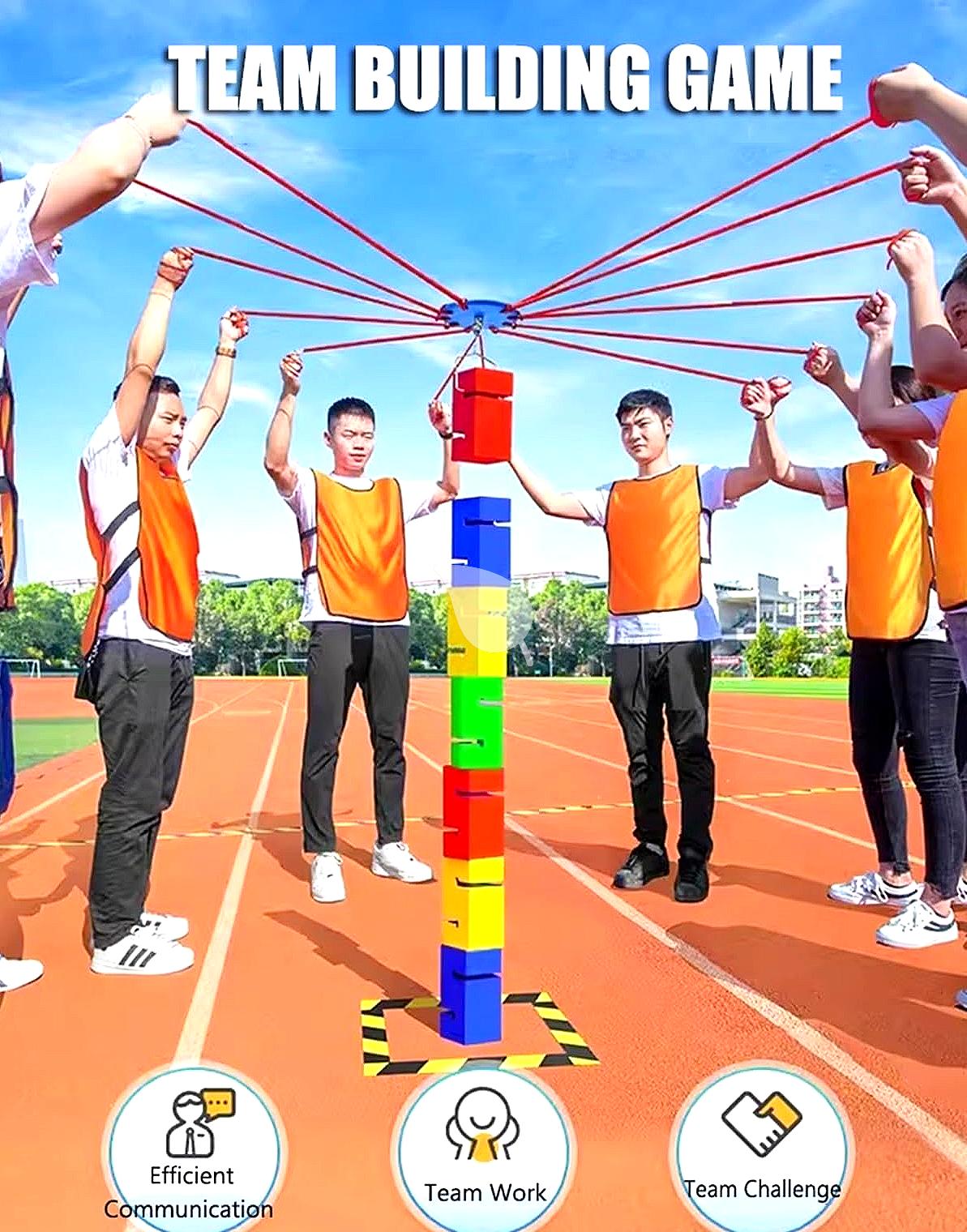
Mapping these skills to activities isn’t just theory - it’s proven practice. Take a team-based scavenger hunt, for example. Kids can’t just race off alone; they have to plan, share findings, solve riddles, and move as a group. A ‘Team Trail Quest’ becomes a playground for cooperation and communication. Pathway2Success (2023) found that such group activities measurably boost children’s ability to work together and talk problems out.
Tip: Rotate leadership roles during group tasks so every child has a turn guiding and listening. This prevents dominance by outspoken kids - and builds confidence in quieter ones.
A ‘Nature Builders’ challenge - where children construct a shelter together - reinforces these skills further. Watch as they assign roles, debate the best structure, and celebrate every milestone together. The learning comes as much from the process as the product.
We’ve covered which social muscles get the best workout outdoors. Now, let’s see what the latest research says about these benefits.
Research Snapshot: Nature Boosts Prosocial Behavior
You don’t have to take this on faith - there’s compelling research confirming that nature lessons for kids’ social skills really work. Let’s highlight key findings that show why outdoor education is worth your time.
- Greened schoolyards increase social connectivity and reduce conflicts. When schools add green spaces, students report stronger friendships and fewer arguments. According to Green Schoolyards America (2023), environmental redesigns lead to more inclusive, cooperative play.
- Longitudinal studies link green space access to better adolescent mental health via prosocial behavior. One Australian study tracked almost 5,000 children and found that consistent exposure to nature not only boosted quality of life but also improved emotional regulation and social skills over time (Longitudinal Study of Australian Children, 2022).
- Outdoor learning expands peer networks and fosters empathy. Educators describe how outdoor lessons “encourage perspective-taking and inclusion” and mix up friend groups in ways rarely seen inside (PMC Educational Researchers, 2022).
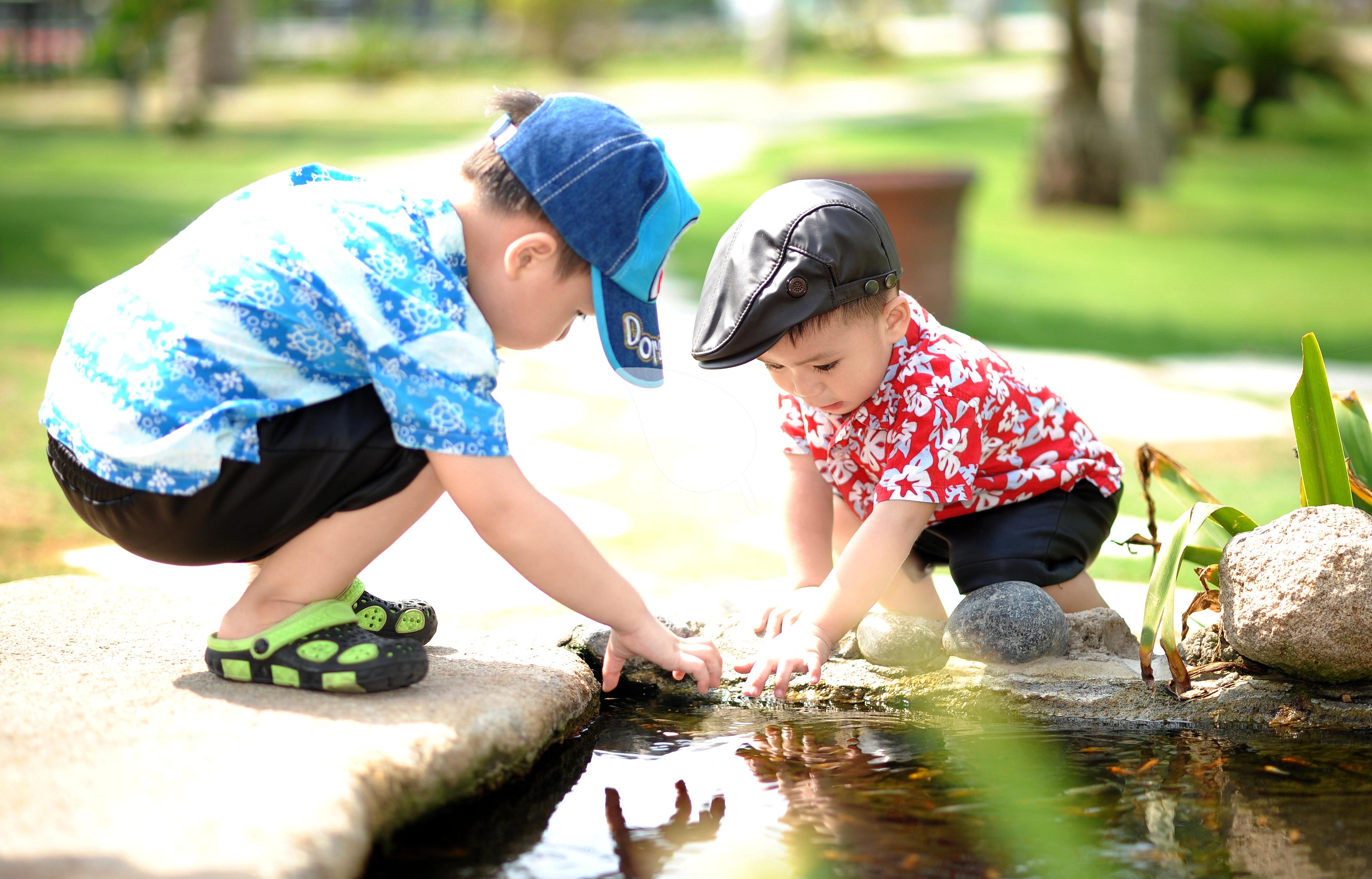
Expert Insight: “Outdoor learning provides a rich context for students to develop positive relationships with their peers, often expanding friendship networks beyond typical groupings.” - Educational researchers, 2022
Think of the Play&Grow program, which ran a 10-week nature curriculum for young children. The results? Noticeably less anger, better emotional regulation, and more inclusive social participation. In greened schoolyards, kids played more cooperatively and welcomed new friends into their circles. These aren’t isolated anecdotes - they’re consistent findings worldwide.
Research-backed benefits reinforce lesson planning.
Real-World Example: The Play&Grow program slashed behavioral issues and boosted positive interactions among participants. If your school worries about social challenges, nature lessons deserve a spot on your calendar.
Next, let’s turn these insights into action - how do you design nature lessons that truly build teamwork?
Designing Nature Lessons That Build Teamwork
Knowing that nature lessons for kids’ social skills work is just the start. To maximize growth, you need intentional lesson design. Here’s how to convert theory into engaging, effective practice.
- Set clear group objectives and define roles to promote responsibility. Don’t leave teamwork to chance. Before starting a ‘Team Trail Quest,’ assign roles - navigator, clue-reader, collector, communicator. This ensures every child feels ownership.
- Incorporate shared challenges requiring cooperation and negotiation. Choose tasks that simply can’t be completed solo. Building a group shelter with limited materials? Kids must debate ideas, delegate jobs, and resolve disagreements.
- Include reflection time to discuss social experiences and emotions. After activities, gather everyone in a circle. What worked well? What felt hard? This reflection cements lessons into long-term habits.
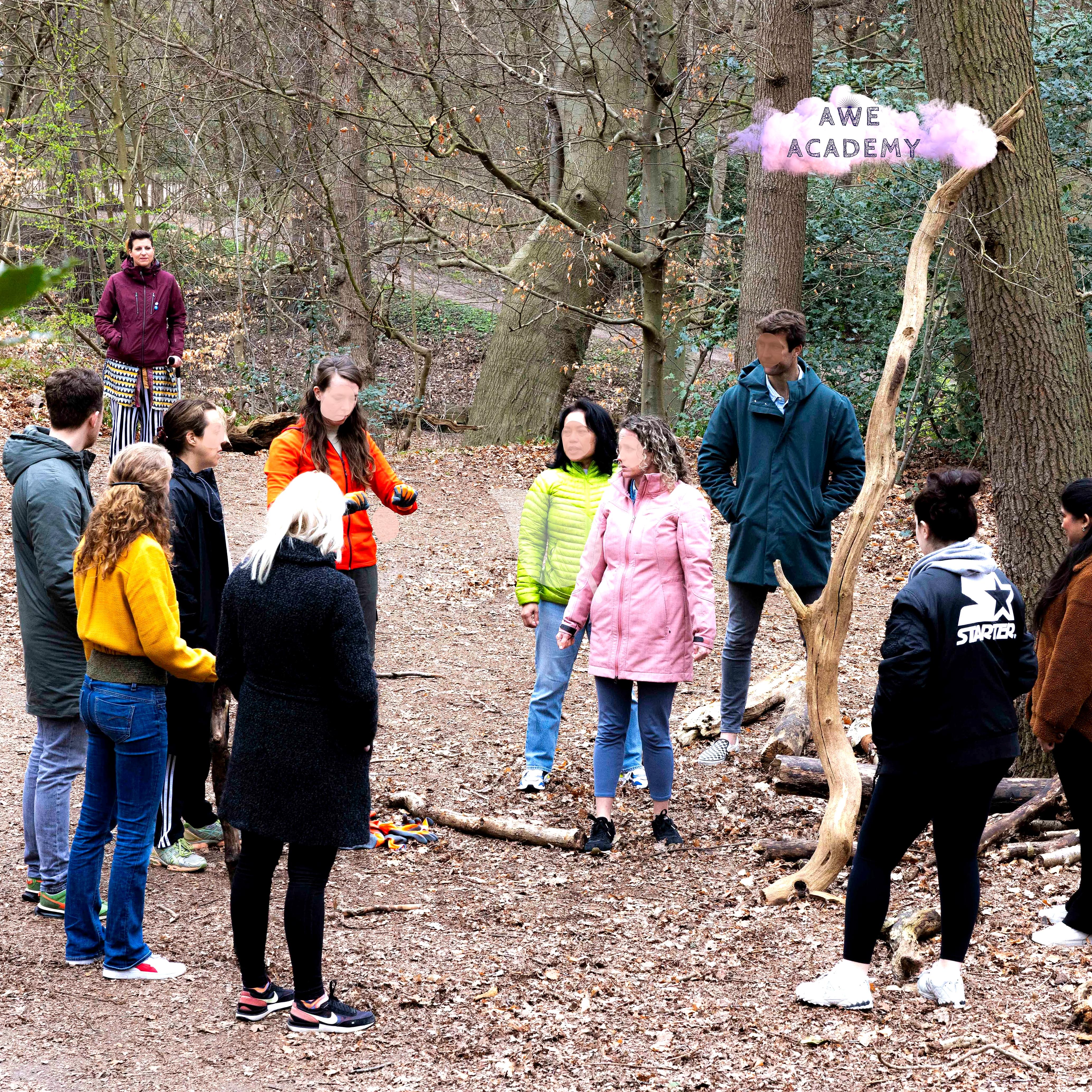
Pro Tip: Use mixed-ability groups for balanced participation. Pair outgoing kids with quieter ones and alternate who leads. This builds empathy and helps every child shine.
Practical Example: In a ‘Team Trail Quest,’ groups might include a rule that everyone must sign off before moving to the next clue. This simple tweak forces the team to pause, check in, and ensure everyone’s voice is heard. For shelter-building, rotate who’s “team leader” every 10 minutes, so no one dominates.
Debriefing circles at the end - sometimes overlooked in the rush to pack up - are essential. Ask questions like, “Who had a new idea today?” or “How did our team solve a disagreement?” Over time, kids learn that talking about challenges is just as important as finishing the task.
Up next: let’s talk about making whole events and programs rich in social skills practice.
Making Events and Programs Social-Skills-Rich
Taking nature lessons for kids’ social skills beyond a single session supercharges their impact. Well-designed events or programs embed cooperation and communication into every station - making social growth unavoidable (in a good way).
- Use structured schedules with diverse stations targeting different skills. Rotating through mini-activities - like listening circles, problem-solving challenges, and collaborative art - prevents boredom and ensures every social muscle gets used.
- Train volunteers and staff to model and coach social behaviors. Kids learn as much from adults as from each other. Staff should prompt sharing, encourage quieter voices, and gently mediate disputes during group tasks.
For example, a half-day ‘Nature & Teamwork’ event might open with a listening circle where kids share nature memories, move to a scavenger hunt in mixed groups, then collaborate on a giant mural using sticks and leaves. Each station is a purposeful practice ground for specific social skills.
Tip: End every event with a debrief. Gather kids, ask what went well, what was tough, and celebrate cooperation. This reflection reinforces learning and boosts self-awareness.
Example: Staff spot a conflict brewing during a group task. Instead of stepping in immediately, they first prompt, “How might we solve this together?” If needed, they help the group brainstorm solutions - teaching conflict resolution in real time.
Now, how do you make sure every child, in every setting, can benefit - even in cities or with limited space?
Inclusion, Safety, and Urban Constraints
It’s easy to assume nature lessons for kids’ social skills require vast forests and perfect weather. Not true. Even tiny green spaces or schoolyards unlock major benefits - especially for children who struggle socially.
- Nature lessons support children with social or behavioral challenges via low-stress settings. Outdoor lessons lower the social temperature, making it less intimidating for shy or neurodiverse children to join in. In small groups, with visual supports and clear roles, participation soars.
- Manage risk with clear boundaries and behavior expectations outdoors. Before venturing out, lay out “safe zones” and group rules. This keeps kids safe without stifling their sense of adventure. For more on group management, see our guide to safely manage outdoor learning.
- Adapt lessons for urban or small spaces using schoolyards, containers, or parks. You don’t need a national park. A concrete courtyard with planters works. Try team gardening, container plant challenges, or micro-nature scavenger hunts.
Tip: Use visual schedules and assign roles with picture cards to support inclusion. Small group scavenger hunts or container planting contests work wonders, even in tight spaces.
Example: In a city schoolyard, a small group scavenger hunt uses clues hidden in planters, trees, and playground corners. Each child gets a role - clue reader, timekeeper, item finder - making participation manageable and enjoyable for everyone. This micro-nature approach delivers all the social benefits, minus the logistics of a field trip.
Action Steps to Boost Kids' Social Skills with Nature Lessons
Ready to put theory into practice? Follow these numbered steps to launch nature lessons that build real-world social skills.
-
Plan Your First Teamwork-Focused Nature Lesson
- Select a simple cooperative outdoor activity, such as a scavenger hunt or shelter-building challenge.
- Set clear group goals and define specific roles to encourage every child’s participation.
- Avoid overcrowding groups - smaller teams give everyone a voice.
- Example: A ‘Team Trail Quest’ where kids find nature items while communicating and sharing decisions.
-
Incorporate Reflection and Social Skill Coaching
- Hold a group sharing circle after the activity to discuss teamwork and individual feelings.
- Model positive communication and walk through real conflict resolution strategies as issues arise.
- Don’t skip reflection - it locks in social growth.
- Example: Kids share what made cooperating easier or what was hardest about working as a team.
-
Adapt Activities for Inclusion and Urban Settings
- Use smaller groups and visual supports for children with social or behavioral needs.
- Tap into whatever green space is available - school gardens, local parks, even container planters.
- Ditch the myth that you need a forest; creativity and intentional design matter more.
- Example: Container garden planting where pairs work together, each with a defined role, builds both confidence and connection.
-
Track Progress with Simple Observation Tools
- Use checklists to note prosocial behaviors - sharing, helping, taking turns - during lessons.
- Ask kids pre/post questions about their social experience that day.
- Go beyond stories; document growth to refine future lessons.
- Example: An observation form noting cooperation and turn-taking during a group planting project.
Common Mistakes to Avoid
Every educator or parent hits bumps when starting nature lessons for kids’ social skills. Here are three classic errors - and how to dodge them:
- Overly structured activities that limit child-led interaction. Rigid lessons squash negotiation and authentic teamwork. Fix: Allow some flexibility and room for kid-driven decisions.
- Ignoring inclusion needs of children with behavioral challenges. When lessons aren’t adapted, those who need social practice most are left out. Fix: Use smaller groups, clear routines, and visual cues.
- Skipping reflection time after activities. Without reflection, social learning fades fast. Fix: Build in short group discussions or journaling at the end of every session.
Helpful Tools and Resources
Arm yourself with these powerful tools to make your lessons even more effective:
- Observation Checklist for Prosocial Behavior: A simple form for tracking sharing, helping, and turn-taking. Value: Helps you monitor progress over weeks or months.
- Nature Teamwork Lesson Pack (Download): Pre-built activity plans with objectives and reflection prompts. Value: Saves you planning time and keeps activities focused.
- Event Planning Template for Nature & Teamwork Day: A step-by-step guide for stations, schedules, and role assignments. Value: Ensures your event runs smoothly and stays on target.
Illustrative Examples
Let’s bring all this to life with real-world case studies:
Greened Schoolyards Enhance Peer Play
After a schoolyard was redesigned with more greenery, teachers saw more cooperative play and fewer conflicts. Students formed new friendships and played in more inclusive groups.
Play&Grow Nature Program
A 10-week curriculum for young children emphasized outdoor teamwork. Kids improved their emotional regulation and joined in more social play, building confidence along the way.
Forest School Peer Network Expansion
Outdoor learning in a forest-like setting mixed up usual friend groups. Children became more empathetic, forming new connections and caring for peers they’d barely spoken to indoors.
Frequently Asked Questions
How do nature lessons specifically improve children’s social skills and teamwork?
Nature lessons create cooperative challenges and shared experiences, putting kids in real scenarios where teamwork is essential. These activities foster communication, empathy, and conflict resolution as children interact face-to-face - think team scavenger hunts or reflection circles that cement new skills. Over time, repeated practice outdoors makes positive social behaviors second nature.
What are some simple outdoor activities that help kids practice cooperation and communication?
Start with team scavenger hunts, shelter-building projects, or group nature art. Even listening circles and sharing games outdoors prompt children to talk, listen, and work as a team. Activities that require role assignment and joint problem-solving work best for growing social skills.
Is there research showing that outdoor or nature-based learning improves prosocial behaviour in children?
Absolutely. Multiple studies confirm that outdoor learning increases sharing, cooperation, and reduces peer conflict. Greened schoolyards and forest school models show increases in inclusive play and empathy. Longitudinal research links regular green space access to better mental health and more prosocial behavior in adolescence.
How often do kids need outdoor nature lessons to see social skills benefits?
Consistency is key. Weekly sessions, like those used in the Play&Grow program, yield notable improvements. The more often kids revisit social-rich outdoor lessons, the more these behaviors become part of their toolkit. Short bursts are good, but regular practice is best.
How can teachers and event organizers manage group behavior and safety during outdoor social skills activities?
Begin with clear group rules and boundaries. Use a risk-benefit approach to let kids explore safely. Train staff to model positive social behaviors, step in constructively during conflicts, and always circle back for reflection.
Conclusion: Unlocking Social Potential Through Nature Lessons
Nature lessons for kids’ social skills do what few classroom programs can: they nurture teamwork, communication, empathy, and conflict resolution in every child. The evidence is overwhelming - outdoor education truly transforms how kids relate to one another, from the playground to the classroom and beyond.
Practical lesson designs, ready-to-use event templates, and simple observation tools make these benefits accessible for every educator or parent. It’s not just wishful thinking; research and real-world examples show measurable gains in cooperation, inclusion, and emotional well-being.
Just as importantly, nature lessons break down barriers for children with social or behavioral challenges. With thoughtful adaptations, even city schools with little green space can foster rich, positive peer interactions. Inclusion isn’t an afterthought; it’s built right in.
Don’t wait for another group meltdown or a lost opportunity for friendship - start integrating nature lessons today. Your kids’ social skills, and their future teamwork abilities, will blossom for life.
Tags
Join Our Mission
Support our conservation efforts and make a difference today.