Did you know that creative gardening for kids can reduce stress by up to 20% and significantly build self-esteem? According to a 2024 study by Connections Academy, the simple act of digging in the dirt and watching a seed sprout can transform a child’s mood and confidence. Yet, for many parents, sustaining that spark of interest in daily routines feels like an uphill battle - especially with endless digital distractions nipping at your heels.
Here’s the good news: this guide is packed with 5 creative gardening projects for kids designed to captivate, educate, and inspire. Each activity uses common household supplies, encourages hands-on learning, and - most importantly - is proven to keep children truly engaged (just ask our chorus of eager kid testers!). We’ve included step-by-step instructions, real-life success stories, and safety tips, so you can kickstart your family’s green adventure with confidence.
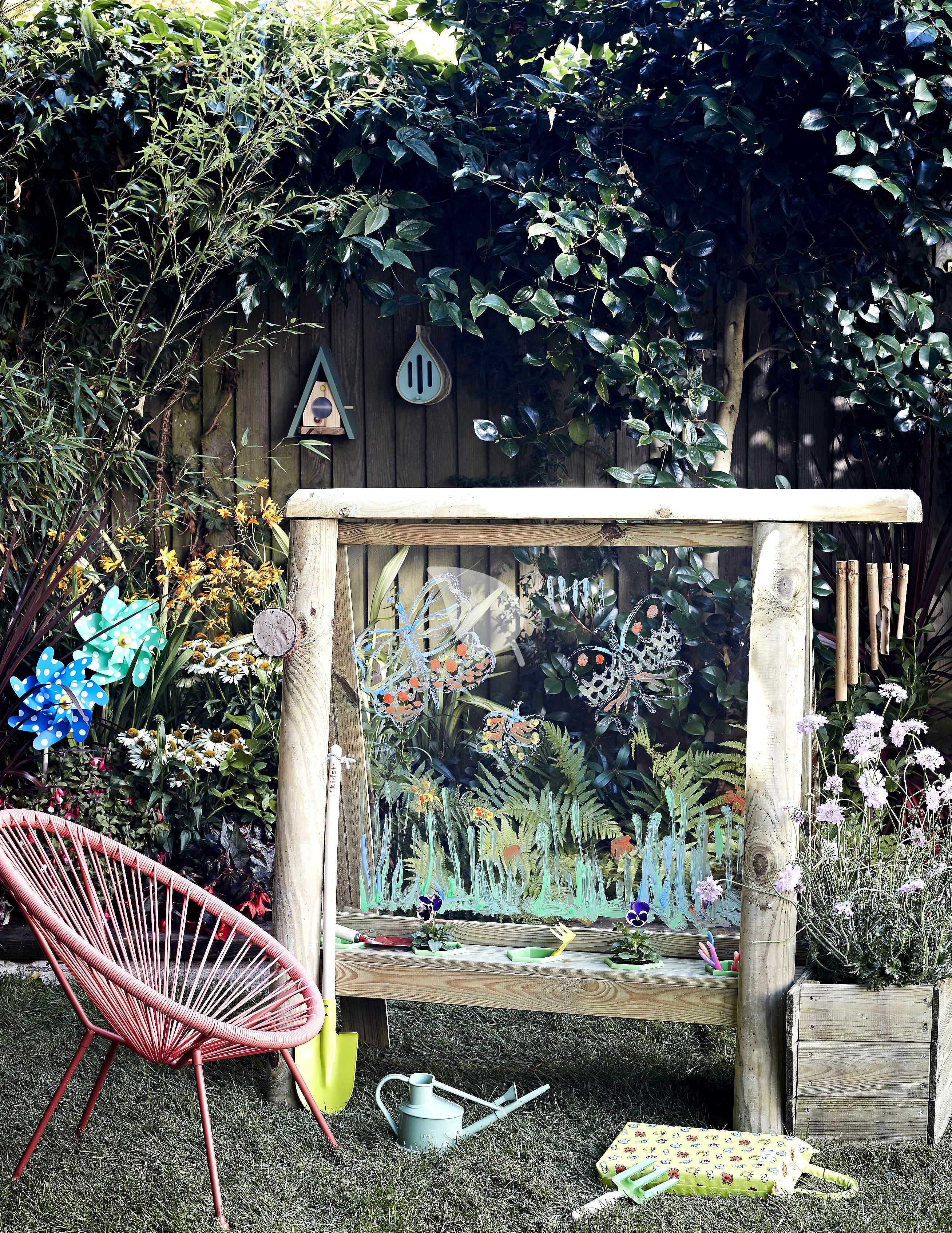
Why Gardening Sparks Joy and Learning in Kids
Imagine the excitement in your child’s eyes as they plunge their hands into soil, planting tiny seeds and watching them magically transform day after day. That wonder isn’t just precious - it's scientifically backed. Gardening reduces child stress by 20% and builds self-esteem, helping young minds develop resilience and curiosity (Source: Connections Academy, 2024).
Beyond mood-boosting magic, creative gardening for kids is a proven springboard for essential life skills. Kids learn patience waiting for sprouts, responsibility as they water plants, and even teamwork when projects are shared with siblings or friends. These activities combine fun, education, and sustainability - giving children a sense of accomplishment that grows as surely as the plants themselves.
Worried about space or mess? Don’t be. The five projects ahead are perfect for small spaces, work great indoors or out, and use upcycled materials found right at home. Plus, you’ll find tips for keeping motivation high and safety risks low.
Pro Tip: Want to supercharge your child’s nature connection? Check out our nature-loving environment for toddlers guide for more inspiration.
Project 1: Toolbox Fairy Garden – A Creative Gardening Project for Kids
The Toolbox Fairy Garden is more than a craft - it's a miniature world where creativity and eco-consciousness collide. Kids from ages 3 to 12 light up when they see their old toolbox reborn as a magical fairy village. Let’s dive into the details.
Supplies and Setup
- Old toolbox: Clean and repurpose one you already own
- Potting soil: Enough to fill the toolbox
- Small, kid-safe plants: Think moss, succulents, or mini ferns
- Fairy-themed decorations: Mini doors, colorful pebbles, and homemade fairy houses
- Kid-safe tools and gloves: Essential for little hands
Using household items not only slashes cost but also sparks creative thinking - kids love hunting around for pebbles, buttons, or tiny toys to add personalized flair. Repurposing teaches sustainability in action, showing children there’s magic in making old things new again.
Step-by-Step Instructions
- Prepare the Toolbox: Drill 3-5 small drainage holes in the bottom (adults only) to prevent soggy roots.
- Add Soil and Plants: Fill with potting mix, then let kids gently plant their chosen greenery.
- Decorate: Encourage little ones to create a fairy scene using miniature accessories, painted stones, or even handmade clay figures.
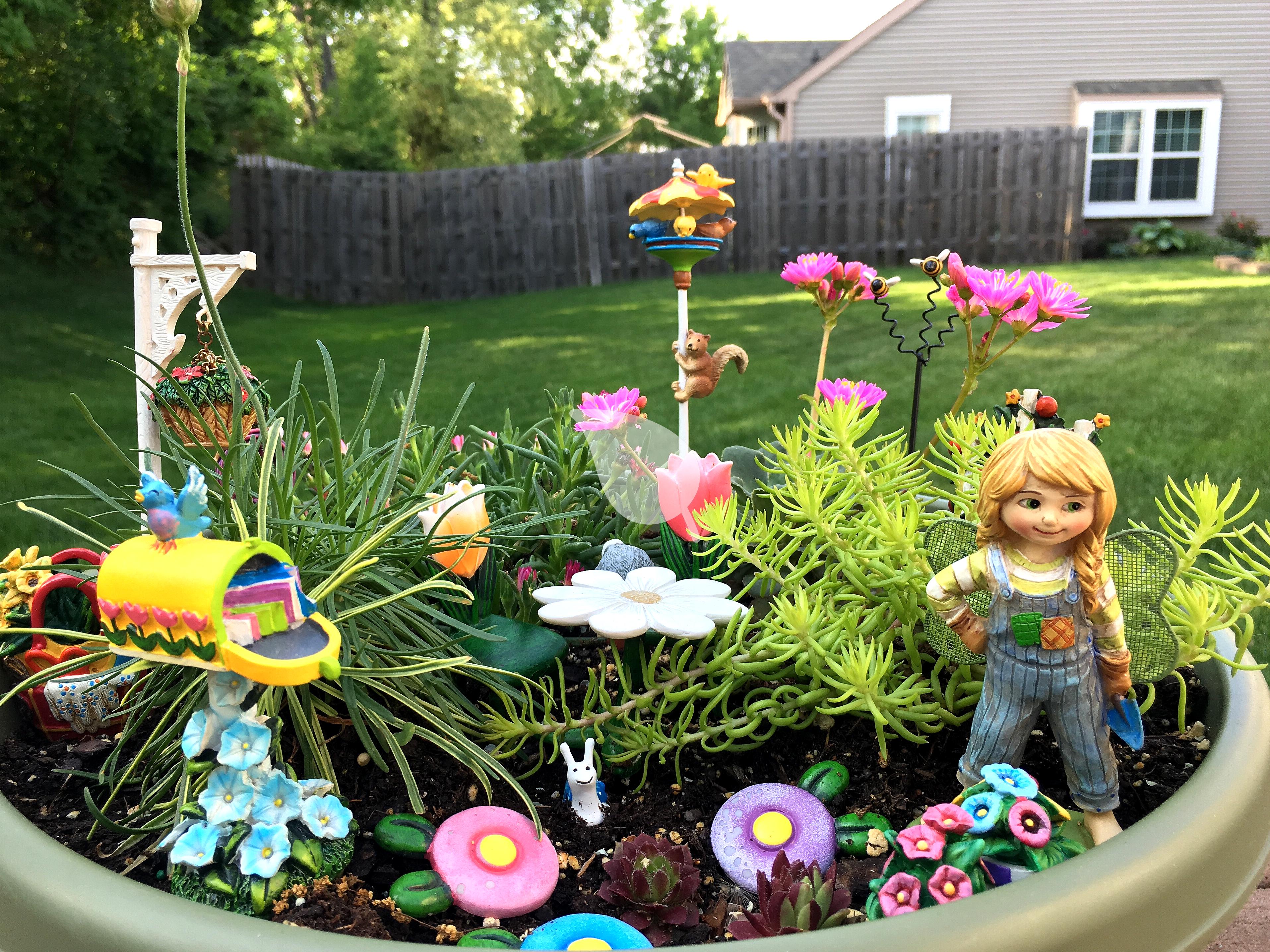
Educational Tie-In and Kid Customization
Gardening with recycled items teaches about resourcefulness and sustainability. As Connections Academy Educators put it, "Gardening is a science lesson using all senses, bringing curriculum to life." Kids personalize their fairy garden, boosting engagement and ownership. Ask questions about how plants grow or what a fairy might need to thrive - sneaking in lessons about ecosystems along the way.
- Example: Sarah and her daughter turned an old red toolbox into a lush fairy hideaway, reusing buttons for stepping stones. Sarah noted, "My daughter stuck with this project for weeks, adding new details every day!"
- Statistic: 75% of children over age 3 can handle basic gardening tasks, making this truly inclusive.
Callout: Always use non-toxic paints and decorations. Supervise tool use, and encourage regular handwashing after gardening.
Want to extend nature learning? Explore our nature-loving environment for toddlers article for more upcycled ideas.
Project 2: Eggshell Countertop Garden – Fun Garden Ideas for Small Spaces
For families with no backyard, the Eggshell Countertop Garden offers a brilliant, eco-friendly solution. Even a sunny windowsill becomes a thriving, pint-sized farm - no green thumb (or yard) required.
Materials Needed
- Eggshell halves: Saved from breakfast, rinsed and dried
- Potting soil: Just a spoonful per shell
- Herb seeds: Basil, parsley, or chives are easy and fast-growing
- Small tray: Holds the eggshells upright
- Spray bottle: For gentle watering
Eggshells act as natural, calcium-rich planters, giving seedlings a nutritional boost. Kids can label each shell with the herb’s name - teaching early plant identification and language skills.
Instructions
- Prepare Shells: Carefully crack eggs in half, wash out residue, and let dry. Place shells in the tray.
- Add Soil and Seeds: Fill each shell with potting mix. Drop a few seeds in each, cover lightly, and mist until damp.
- Care and Observe: Set the tray on a sunny windowsill. Kids can gently mist the soil daily and watch for sprouts.
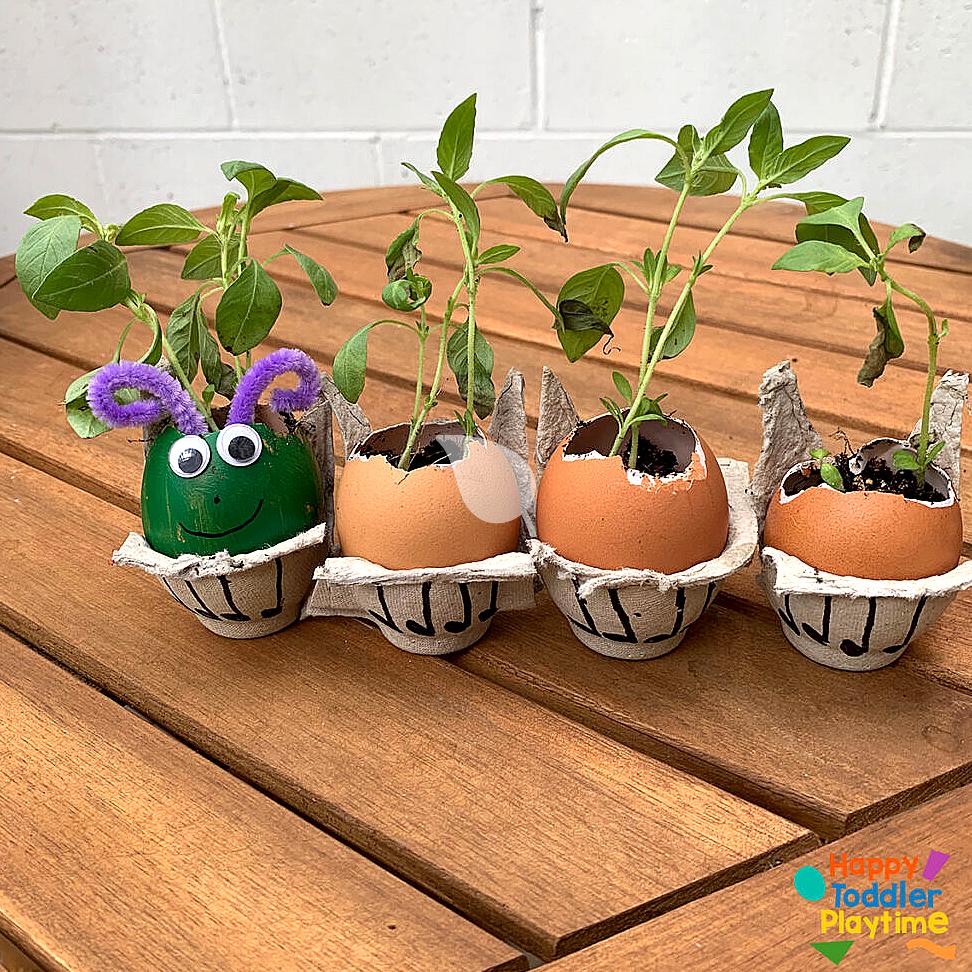
Benefits and Educational Aspects
This project is tailor-made for urban apartments, winter months, or any tight space. Kids discover the basics of seed starting, plant care, and the thrill of nurturing life from nothing more than a kitchen scrap. One teacher shared, “Using eggshells for seed starters made our plant life cycle lesson come to life in class.”
- Example: Lucas, age 6, watched his basil seedlings sprout on the kitchen counter, proudly trimming leaves for his homemade pizza.
- Expert Tip: BBC Gardeners World recommends terrariums and eggshell gardens for their accessibility and learning value.
Callout: Labeling each eggshell encourages curiosity - kids love showing off whose plant grows the fastest!
Learn more about growing edible plants indoors with our easy herbs for kids resource.
Project 3: Dinosaur Herb Garden – Educational Gardening Projects
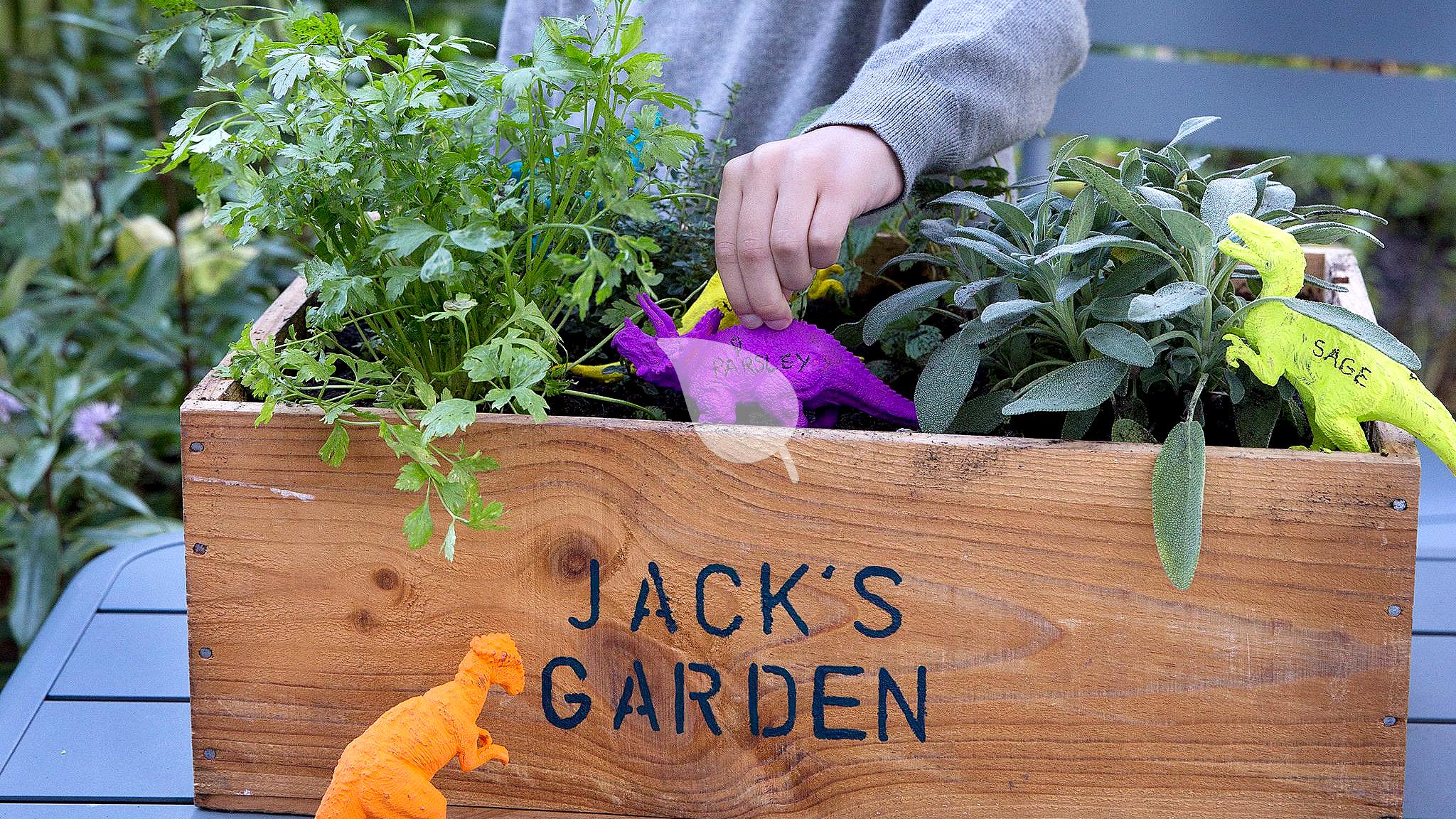
When you blend dinosaurs with herbs, you get a prehistoric garden adventure - perfect for kids with wild imaginations and restless hands. The Dinosaur Herb Garden transforms routine plant care into storytelling and sensory discovery.
Getting Started
- Hardy herbs: Choose mint, thyme, or oregano for fast, safe growth
- Shallow container or outdoor patch: Reused baking dish, old drawer, or garden bed
- Small dinosaur toys: For thematic play and decoration
Themed gardens boost engagement by linking familiar interests with scientific learning. As Connections Academy Educators say, “Gardening is a science lesson using all senses.”
Planting and Maintenance
- Select and Prepare Container: Add drainage holes (if needed), fill with soil.
- Plant Herbs: Kids can poke holes, add seedlings or seeds, and pat the soil gently.
- Decorate and Care: Place dinosaur figurines among the herbs. Water regularly, and encourage storytelling (“Where do the dinosaurs hide? What do they eat?”).
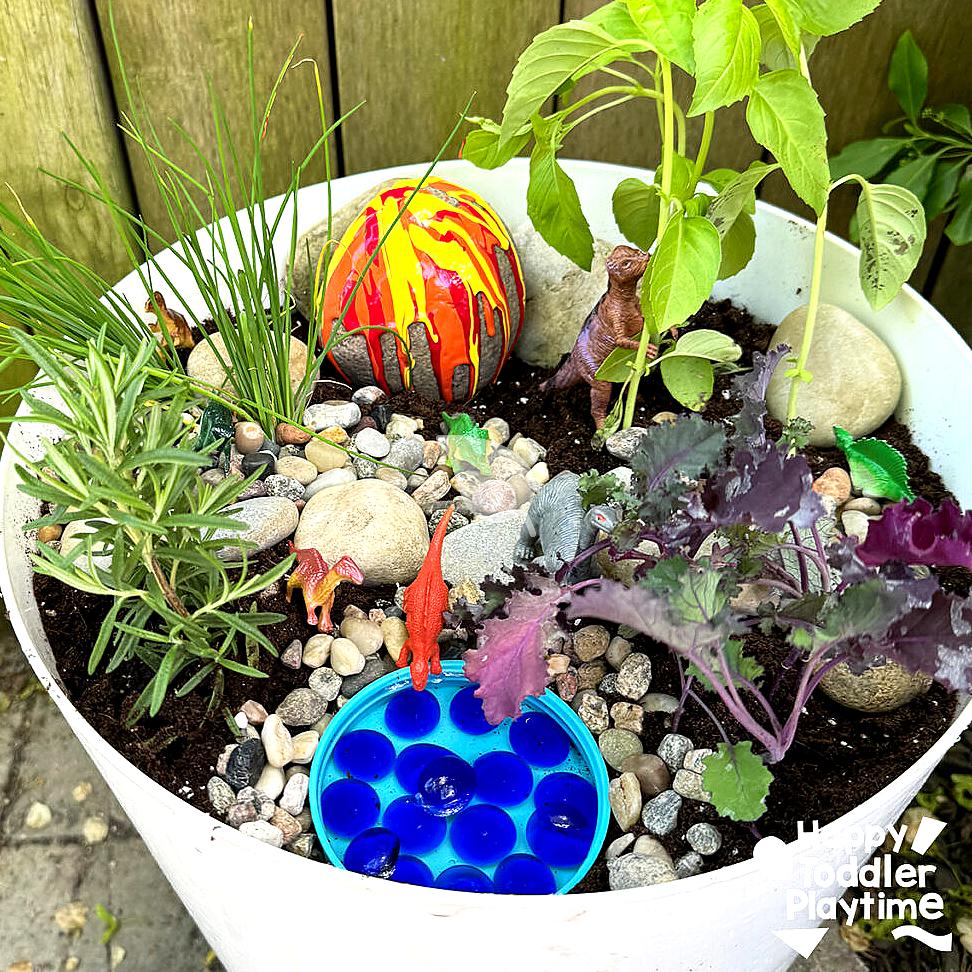
Learning Opportunities
This project introduces plant biology and basic ecosystems in a playful context. Imaginative play - like making up dinosaur stories - keeps kids coming back to check on their garden’s progress.
- Example: At a local summer camp, counselors reported that tying the herb garden to a "lost world" dino theme kept campers focused and enthusiastic throughout the week.
- Safety Note: Only use non-toxic, edible herbs. KidsGardening.org offers trusted lists of safe plants for children
Callout: Always double-check plant safety and supervise play, especially with tiny toys in outdoor settings.
Project 4: Mud Play Space – Engaging Gardening Activities for Children
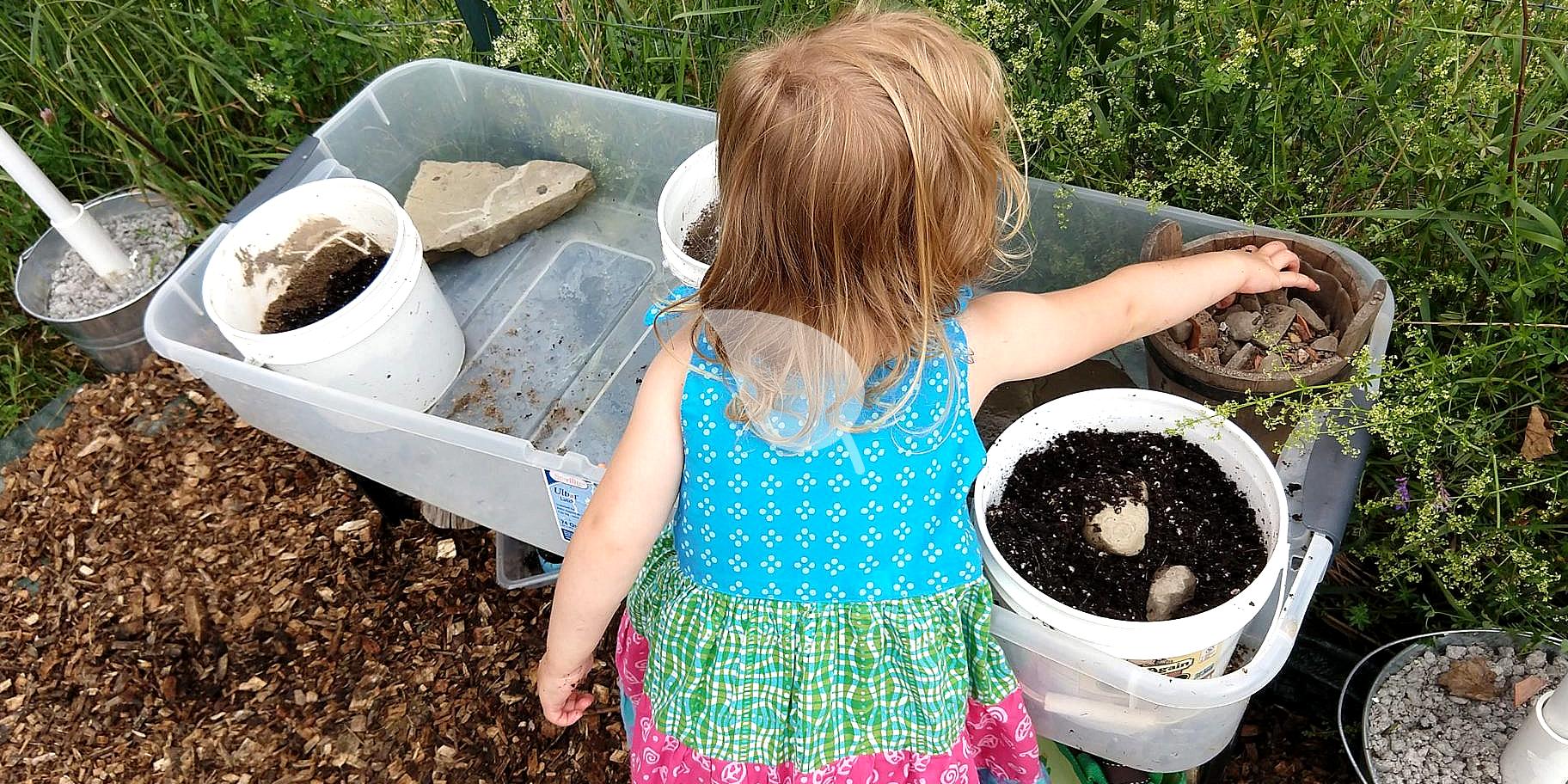
Sometimes, the best creative gardening for kids is pure, unfiltered mud play. This activity is messy, captivating, and - according to real parents - longer-lasting than almost any structured craft.
What You Need
- Safe outdoor spot: Patch of soil, shaded if possible
- Water access: Hose or watering can
- Buckets, spades, old containers: For building and mixing
- Old clothes: Embrace the mess
Free play with mud invites open-ended exploration. Kids build, sculpt, and invent, collaborating with siblings or neighbors and developing social skills.
How to Encourage Play
- Set Up the Area: Choose a space where kids can get muddy without worry. Lay out tools and containers.
- Let Kids Lead: Resist the urge to micromanage - let them mix, pour, and sculpt as they wish.
- Add Story Elements: Suggest scavenger hunts (“Find the biggest rock!”) or rotate themes (“Today, it’s a pirate island!”) to keep things fresh.
Benefits and Considerations
Mud play promotes sensory development, creativity, and teamwork. A case study from Our Days Outside found kids spent more time playing in their mud space than any other outdoor activity. “Mud play occupied my three for hours, even on chilly days,” one mom marvels.
- Pro Tip: Always supervise young children during muddy play and set a routine for washing hands and cleaning up afterward.
- Health Note: Mud play is proven to foster calmness, reduce anxiety, and even improve immune function - so don’t stress over a little dirt!
Want to know how nature boosts social skills? Check our guide on nature lessons for kids social skills.
Project 5: Terrarium Mini-World – Educational and Fun Garden Activities for Children
Tiny hands deserve tiny gardens. The Terrarium Mini-World project is a compact, low-maintenance “ecosystem-in-a-jar” that dazzles kids year-round.
Materials
- Glass jar or clear container: Washed and repurposed
- Small plants: Succulents, moss, or tiny ferns
- Decorative stones or figurines: Personalize the scene
- Planting tools: Chopsticks, spoons, or tweezers
Terrariums are praised by BBC Gardeners World as "perfect for little hands with low maintenance,” making them ideal for busy families or young gardeners.
Step-by-Step Guide
- Clean Container: Remove labels and rinse thoroughly.
- Drainage Layer: Add pebbles or gravel to the bottom.
- Soil and Planting: Scoop in potting mix, then help kids arrange small plants.
- Decorate: Let imaginations run wild - add animals, stones, or shells.
- Care: Place in indirect sunlight and water sparingly - moist, not soggy, is key.
Learning Elements
Building a terrarium teaches about the water cycle, closed environments, and the basics of plant care. Kids see firsthand how moisture recycles inside the jar and how plants thrive with minimal interference.
- Example: In one STEM classroom, terrariums became a semester-long experiment - students tracked humidity and plant growth, even naming their miniature "worlds."
- Safety Reminder: Avoid sharp objects and always use non-toxic plants.
Tips for Success and Event Ideas
-
Personalize Each Project
- Encourage kids to add their own decorations or unique themes. This builds ownership and excitement - one child made fairy garden figures out of homemade clay!
- Let creativity guide the process rather than rigidly following steps.
-
Adapt Projects to Your Space
- Use containers or a sunny windowsill if your outdoor space is limited. Select compact plants suited to these environments.
- Avoid bulky setups in apartments - try eggshell gardens or terrariums instead.
- Example: The Patel family grew chives and basil on their kitchen counter using a simple eggshell setup.
-
Incorporate Seasonal Events
- Tie projects to occasions like Earth Day, summer camps, or school events. This adds relevance and fun.
- Organize group gardening events for social connection - kids motivate each other!
- Example: Parents paired a dinosaur herb garden with a dino-themed summer birthday party for extra excitement.
-
Ensure Safety and Supervision
- Always use non-toxic supplies. Provide child-sized gloves and tools.
- Keep an eye on little ones, especially during mud play or when using sharp objects.
- Example: Families followed KidsGardening.org guidelines to choose safe plants and avoid allergic reactions.
-
Celebrate Progress Together
- Track progress with photos, journals, or growth charts. Cheer on your child’s efforts.
- Use printable project cards as rewards or reminders.
- Example: The Johnsons created a weekly photo album of their children’s gardening achievements, sharing their success with family and friends.
Mistakes to Avoid in Kids Gardening Projects
-
Using toxic plants or unsafe materials
- Some common houseplants can be harmful. Always double-check for kid-safe plants and use non-toxic decorations. If in doubt, consult KidsGardening.org.
-
Overcomplicating instructions
- Kids lose interest quickly if steps are too hard. Keep each project simple and age-appropriate - focus on fun, not perfection.
-
Ignoring space limitations
- Projects too large for your space can create frustration. Choose container gardens or windowsill options for small homes.
-
Forgetting safety gear
- Messes and minor scrapes are part of gardening, but gloves, child-sized tools, and supervision go a long way toward keeping things safe and enjoyable.
Recommended Tools and Resources
- KidsGardening.org: Expert tips and safe plant lists for all ages. Ensures your projects are both educational and risk-free.
- Printable Project Cards: Visual step-by-step guides for kids help build independence and confidence.
- Printable 5-Project PDF Checklist: Organize your supplies and track progress with this downloadable resource.
- Kid-Friendly Gardening Supply Kit: Purchase or put together an affordable toolkit - gloves, hand trowel, spray bottle, and non-toxic seeds - for the perfect beginner’s starter pack.
Real-Life Success Stories
-
Mud Play Space Keeps Kids Occupied for Hours
- Setup: A backyard mud kitchen, basic tools, and zero boundaries.
- Result: "My twins spent an entire afternoon making mud pies, building dams, and inventing stories. It’s better than any screen time!" - Jackie, mom of 3
-
Eggshell Gardens for Young Gardeners
- Setup: Eggshells lined up on the kitchen windowsill, a spray bottle, and a mix of herb seeds.
- Result: "Watching my preschooler beam with pride as his basil grew - he even shared sprigs with neighbors!"
-
Dinosaur Herb Garden at Summer Camp
- Setup: A camp-wide herb planting session with dinosaur figurines, followed by daily plant check-ins and stories.
- Result: "Campers looked forward to 'dino time' and even wanted to take their plants home at the end of the week."
FAQ
Q: What age is best for gardening with kids?
Gardening is suitable for children as young as 3 years old. Younger kids will enjoy sensory projects like mud play and simple seed planting, while older kids can help with more detailed tasks like creating themed gardens or tracking plant growth. Always match the project complexity to your child’s developmental stage for best results.
Q: What are safe plants for children?
Choose non-toxic herbs and flowers such as basil, mint, parsley, and marigolds. Avoid plants known to be poisonous or allergenic. For comprehensive, expert-reviewed lists
Q: How to start a kids garden with no space?
Small space? No problem! Use containers, recycled jars, or eggshells to start plants indoors. Projects like the eggshell countertop garden or terrarium mini-world are perfect for windowsills or tabletops. Vertical gardening and compact planters can transform even the tiniest area into a thriving garden. Just be sure to choose plants that do well in limited sunlight and space.
Conclusion
Creative gardening for kids is more than a pastime - it’s a journey that blends joy, education, and sustainability. The five projects we've explored - Toolbox Fairy Garden, Eggshell Countertop Garden, Dinosaur Herb Garden, Mud Play Space, and Terrarium Mini-World - offer easy, affordable ways to jump-start your child's love for growing and exploring.
Personalizing each project helps kids build pride and a sense of accomplishment, while adapting activities to fit your unique space keeps things stress-free. By focusing on safety and celebrating every tiny sprout or muddy masterpiece, you nurture a lifelong passion for nature and creativity.
So, why wait? Start your child’s gardening adventure today. You’ll be amazed at the stories, learning, and laughter that blossom along the way.
Tags
Join Our Mission
Support our conservation efforts and make a difference today.