Did you know that some vegetables actually taste sweeter after a hard frost? It sounds unbelievable, but it’s true - certain winter vegetables for kids reach their peak flavor under cold conditions. If you’re like most parents, you might worry that a kids’ garden will just wither away during the winter months. But the reality? With the right choices, your child’s garden can thrive all season, providing both vibrant greens and loads of learning opportunities.
This guide will show you exactly which frost-tolerant veggies are perfect for young gardeners. We’ll dive into clever cold weather gardening tips and share hands-on activities to keep your children engaged, curious, and proud all winter long. Get ready to transform your backyard - or even a windowsill - into a winter wonderland of growth, resilience, and surprise harvests.
Why Choose Winter Vegetables for Kids?
Imagine your kids bundled up in cozy hats, their cheeks rosy as they pluck fresh greens from the garden - even with snowflakes drifting down. Gardening in winter isn’t just possible; it’s an adventure. The magic lies in choosing the right winter vegetables for kids - plants that laugh in the face of frost and keep growing when everything else sleeps.
Here’s an incredible fact: Kale flavor actually improves after a frost exposure, according to Savvy Gardening (2024). That makes winter the best season for introducing children to new tastes and textures. Instead of garden beds lying empty, you’ll have a vibrant patch filled with sweet carrots and crisp lettuce.
This isn’t just about food - it’s about learning resilience, observation, and patience. Kids see firsthand how nature adapts. Plus, with the help of this guide, you’ll be equipped with proven frost-tolerant crops, easy protection methods, fun harvest activities, and even a planting calendar tailored to your climate zone.
Ready to take it further? Check out these creative gardening projects for kids to boost year-round curiosity.
Top 8 Frost-Tolerant Veggies for Kids
Discover the best winter vegetables for kids - these plants don’t just survive the cold; they thrive, keeping children invested with rapid growth, quirky shapes, and surprise flavors.
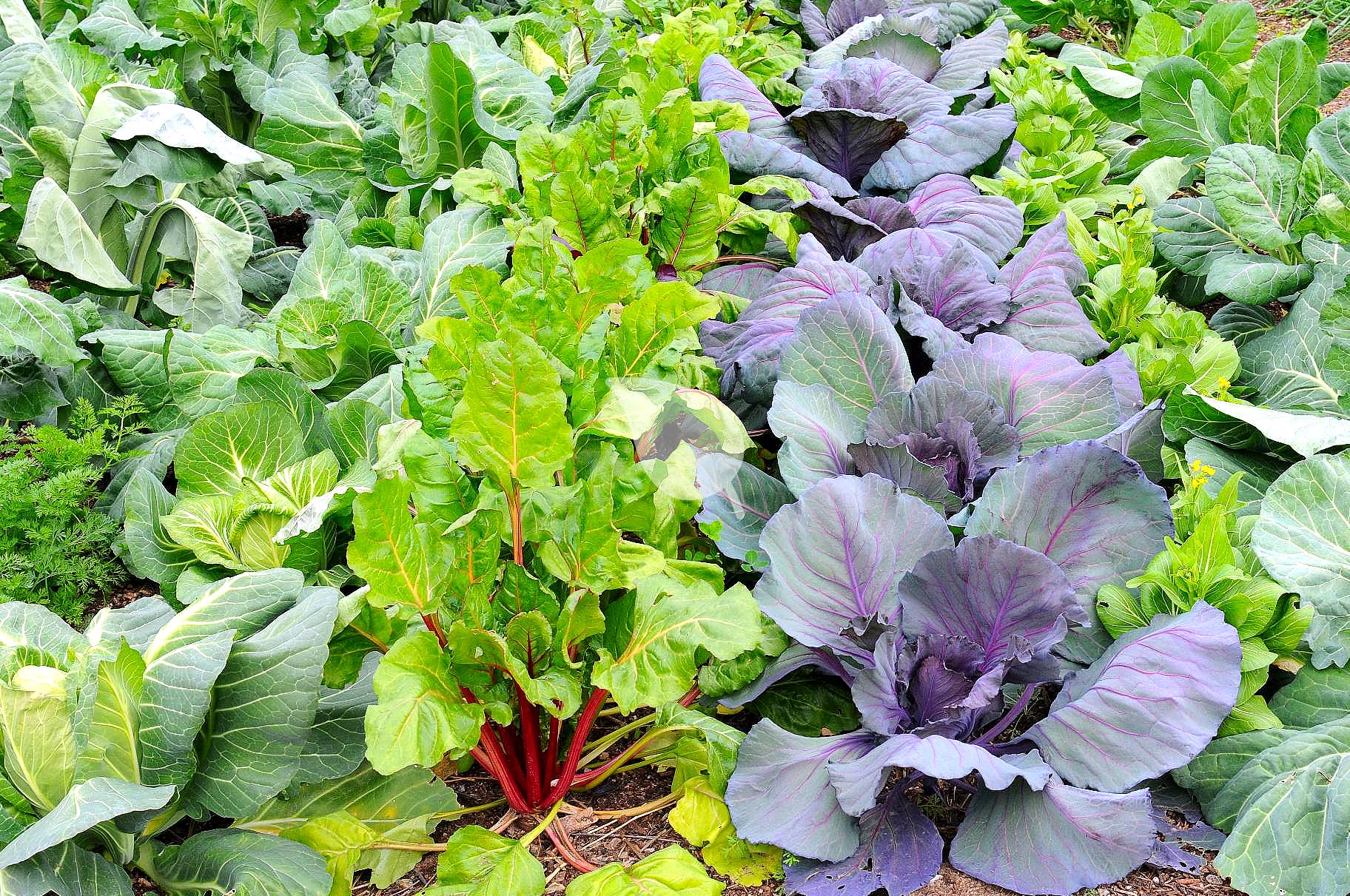
Lettuce and Spinach: Quick-Growing Leafy Greens
- Varieties like Winter Density lettuce and Salanova Lettuce are proven champions in chilly conditions. They sprout quickly, giving impatient kids instant gratification.
- Frequent harvesting is encouraged. Kids get to pick leaves regularly, which means more hands-on fun and less waiting.
- A simple hoop tunnel, basically a plastic-covered arch, can stretch the harvest deep into the cold months. It’s easy to build and fun for young helpers.
"Lettuce is definitely one of the very best vegetables to grow in winter with hardy varieties like Winter Density."
- Ashley, Gardening Expert (Savvy Gardening)
Kale and Arugula: Hardy and Flavorful
- Kale grows tougher as the weather turns colder, and here’s the kicker: after frost, the leaves actually turn sweeter! This sweet twist can convince even picky eaters to give greens another try.
- Arugula is a fast grower with a peppery zing, exciting taste buds and encouraging taste-test games.
- Try a leaf stamping activity - press kale leaves onto paper with paint. It’s a craft and garden lesson in one!
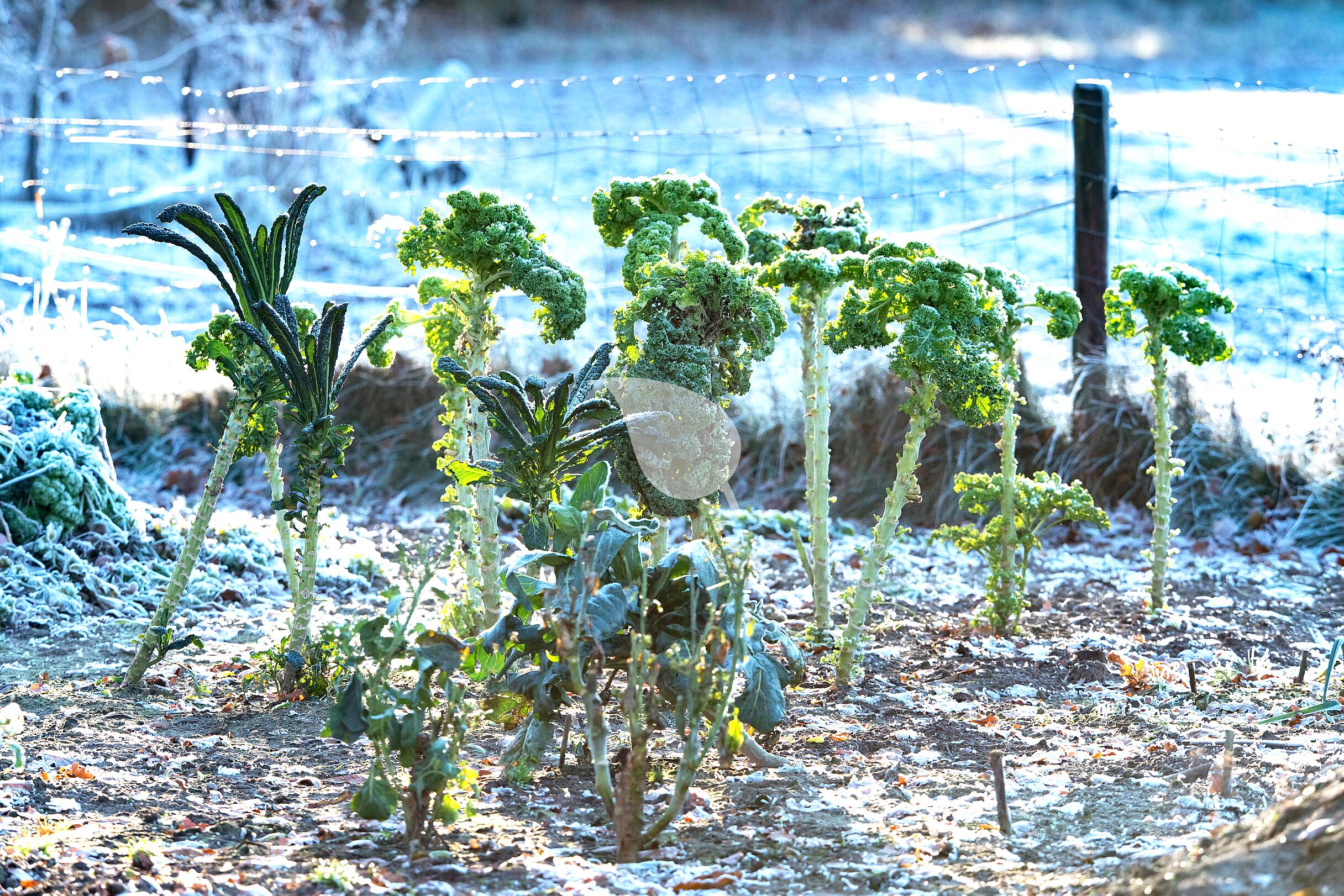
Expert Insight: According to Savvy Gardening (2024), kale’s flavor improves after frosty nights, making it a top pick for winter family gardens.
Root Crops: Carrots and Parsnips
- Carrots become surprisingly sweet after a frost - the cold turns starches into sugars, making each harvest a sugary surprise. Kids love pulling up the first root, never knowing its size or shape.
- Parsnips are the lesson in patience. These roots store well underground, teaching kids about overwintering and delayed rewards.
- Select varieties labeled “cold-hardy” for the best success. Look for Nantes or Danvers carrots and Gladiator parsnips.
"Picking the first carrot is always so much fun! It’s a total surprise and you never know what you’re going to get."
Real-World Example
Ashley from Savvy Gardening reports that their winter polytunnel filled with Salanova Lettuce provided consistent salad greens even as snow piled up outside. Meanwhile, a family featured on Run Wild My Child shared how their kids’ eyes widened with joy when pulling up a bright orange carrot after a hard freeze - "it was sweeter than any store-bought carrot!"
Tip: Use cold frames or hoop tunnels to protect tender plants and extend harvests. Even a simple plastic sheet can transform your garden into a mini greenhouse.
Transition: Next, let’s talk about how to safeguard your young garden - and your kids’ excitement - from winter’s harshest challenges.
Winter Protection Tips for Young Gardeners
Keeping winter vegetables for kids safe from harsh frosts is just as important as choosing the right crops. Proper protection ensures your child’s effort pays off - and gives you more chances to garden together, whatever the weather.
Using Hoop Tunnels and Cold Frames
- Hoop tunnels act like mini greenhouses. They shield plants from icy winds while letting in sunlight. Even young kids can help set up tunnels, decorate the frames, or help measure plastic covers.
- Building these tunnels or cold frames can turn into a fun family project. Grab some PVC pipe, bend it over your garden row, and cover it with clear plastic sheeting. Use clamps or heavy stones to hold it all down. Let your kids doodle on the plastic with markers - suddenly, plant protection is an art project!
- The result? Harvests extend for weeks (sometimes months) longer. Families who tried DIY tunnels report not only more greens, but kids who eagerly check the plants daily.
Case Study: In a recent winter polytunnel success, a family used plastic hoops and sheeting to protect lettuce. Even during sub-freezing nights, the inside temperature stayed several degrees warmer, allowing for continuous picking.
Mulching and Container Gardening
- Mulch - think straw, shredded leaves, or even pine needles - acts as a blanket. It keeps roots warm and traps precious moisture, so you water less often (bonus: less nagging your kids to water!).
- Container gardening offers unbeatable flexibility. Start seeds indoors in pots, then move them outdoors when it’s safe, or back inside if a cold snap surprises you. It’s a great fit for small spaces like patios or even sunny windowsills.
- Get your kids involved in choosing fun containers - old boots, colorful buckets, or painted pots add whimsy and ownership.
Warning: Overwatering can be a real danger under covers. Too much moisture leads to rot, so check soil before watering. In dry climates, families have successfully overwintered leeks and turnips in well-mulched beds with minimal watering - proof that sometimes, less is more.
For parents ready to try DIY protection, learn how to build simple winter protectors that really work.
Transition: Now, let’s turn those winter harvests into unforgettable memories and hands-on learning.
Fun Harvest Activities to Engage Kids in Winter Gardening
Winter gardening is more than just planting - it’s a launchpad for curiosity, creativity, and togetherness. Winter vegetables for kids become tools for learning, play, and even art.
Surprise Pulls and Taste Tests
- Root vegetables like carrots and parsnips are nature’s buried treasure. Each pull is a mystery - will it be long, short, fat, or forked? This unpredictability keeps kids engaged and always asking for “just one more pull.”
- Taste tests become a science experiment. Let your children sample kale or spinach before and after a frost. They’ll be amazed at how much sweeter the leaves taste!
- Sensory experiences build pride. When your child bites into a carrot they grew themselves, that taste memory lasts a lifetime.
"Picking the first carrot is always so much fun! It’s a total surprise and you never know what you’re going to get." - Run Wild My Child Team
Crafts Using Harvested Greens
- Kale leaf stamps are a hit. Dip leaves in non-toxic paint and press onto paper or fabric. The unique patterns spark discussions about leaf veins and plant structures.
- Create winter salads together. Use harvested lettuce, kale, and arugula. Let kids tear, mix, and taste, turning cooking into part of the gardening cycle.
- Cooking together reinforces learning. From garden to table, children see the full loop.
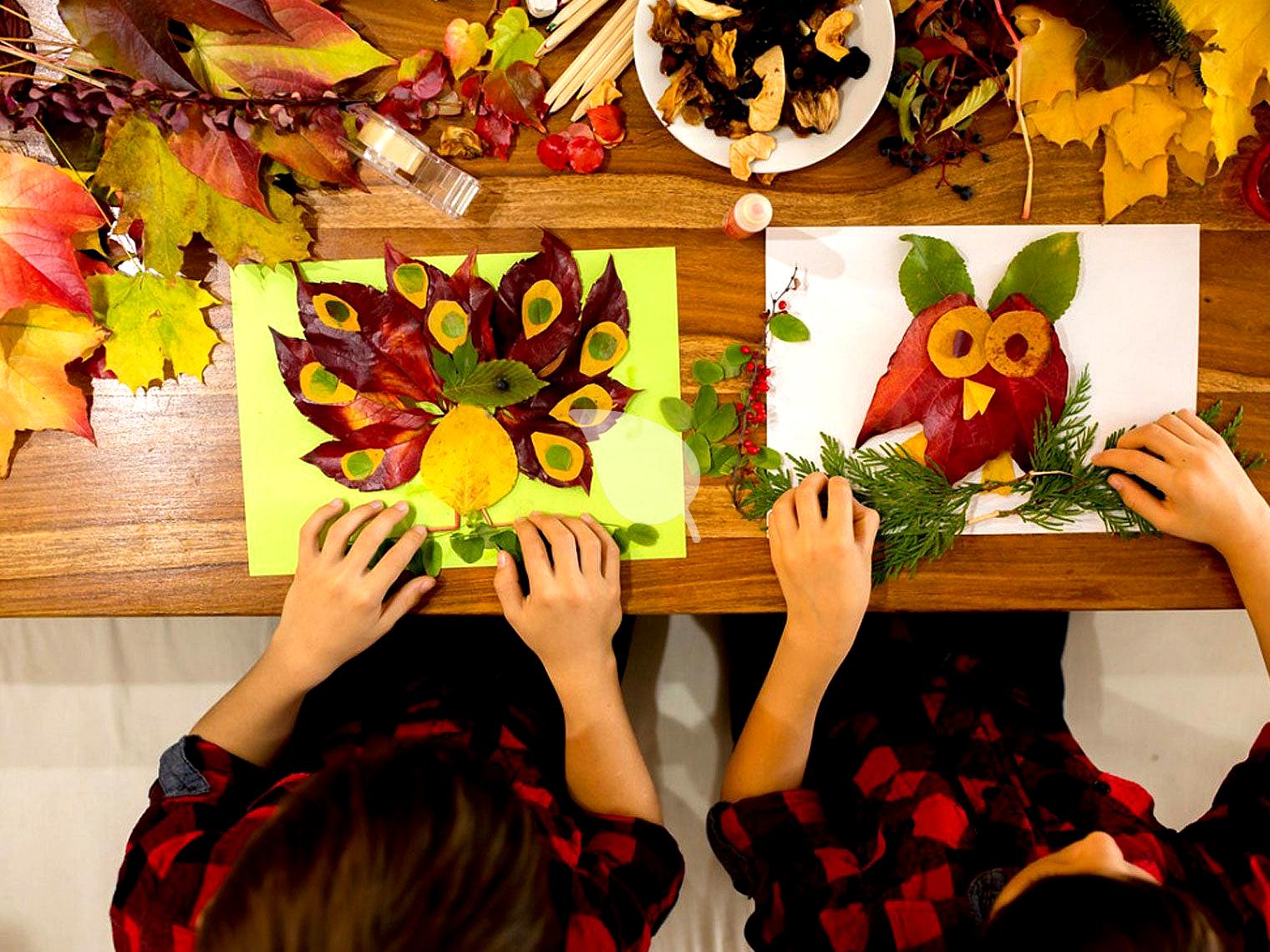
Tip: Always use non-toxic, washable paints. Make sure little hands are clean before and after garden crafts!
Transition: All set for action? Let’s zoom out and look at when to plant these veggies based on where you live.
Zone-Based Planting Calendar for Winter Vegetables
Understanding your USDA hardiness zone is essential for planning a thriving winter garden. These zones don’t just tell you when the first frost arrives; they guide every planting and harvesting decision, making your kids winter gardening guide much more effective.
Understanding USDA Zones for Winter Gardening
- Different zones call for different timing. In milder climates (Zone 7 and up), winter vegetables for kids can be sown well into autumn. Colder areas (Zones 5 and below) need earlier starts - sometimes even in late summer!
- Zone-specific advice maximizes success and keeps kids motivated. No more disappointment from crops that just won’t grow.
- For example, gardeners in Zone 5 should start spinach indoors by mid-August for a robust fall (and overwinter) harvest, giving young growers a quick win before snow falls.
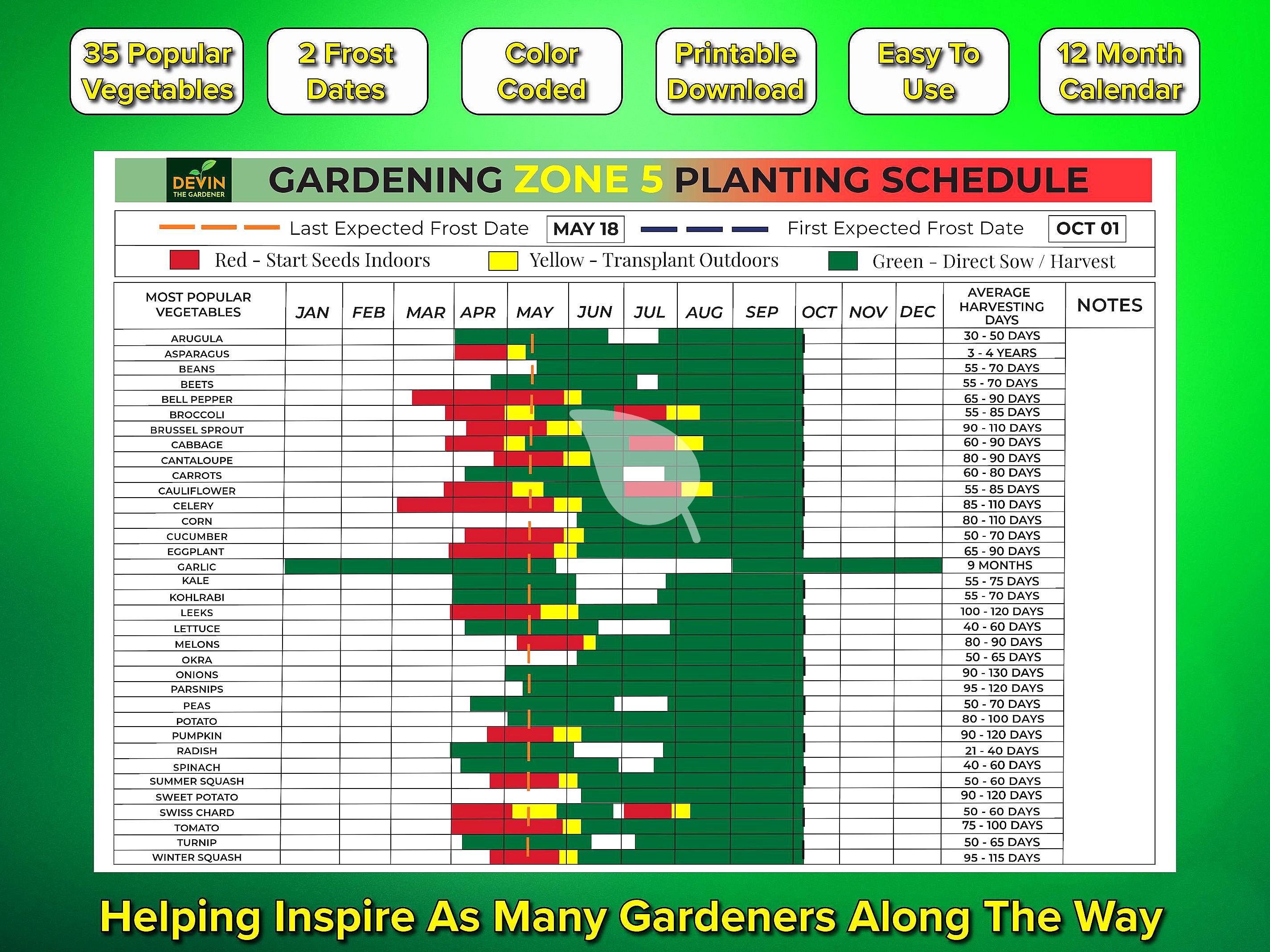
Sowing Dates and Tips by Zone
- Use the table below as a reference - modify as needed for your unique microclimate. Always opt for cold-hardy varieties and be ready to transition seedlings outdoors when conditions allow.
| USDA Zone | Sow Indoors | Transplant/Direct Sow | Harvest Window |
|---|---|---|---|
| 5 | Aug | Sept | Nov–Feb (under cover) |
| 6 | Sept | Late Sept–Oct | Dec–Mar (with protection) |
| 7–8 | Oct | Late Oct–Nov | Jan–Apr (outdoors possible) |
| 9+ | Nov | Dec | Feb–May (mild winters) |
- Always read seed packets for more precise timing, and adjust if you’re using containers or hoop tunnels.
- Start with proven winners: Winter Density lettuce, Giant Winter spinach, Nantes carrots, and Lacinato kale.
For parents eager to foster a nature-loving environment for toddlers, including a garden calendar encourages observation and responsibility.
Transition: Ready to get your hands dirty? Here’s your step-by-step action plan - perfect for starting a kids’ winter vegetable garden today.
How to Start a Kids' Winter Vegetable Garden: Step-by-Step
-
Choose Frost-Tolerant, Kid-Friendly Vegetables
- Pick varieties with proven winter resilience in your USDA zone. Focus on crops that mature quickly or offer unique textures (like curly kale or round carrots) to keep things interesting for young hands.
- Skip plants that require long, hot growing seasons. Instead, opt for Winter Density lettuce, Giant Winter spinach, Nantes carrots, and Gladiator parsnips.
- Example: A family in Zone 6 grew a mix of quick-harvest lettuce and Nantes carrots. The children loved watching the greens pop up, and pulling carrots became a weekly celebration.
-
Set Up Protection Using Hoop Tunnels or Containers
- Build a hoop tunnel with simple PVC pipes and clear plastic - a weekend project that doubles as a science lesson. Older kids can help measure, cut, and secure the frame. Let younger ones decorate the plastic for a personal touch.
- Start seeds indoors in pots. A sunny windowsill or under a grow light works wonders. Move seedlings outdoors when the weather is mild, or keep in containers for mobility.
- Encourage your kids to check soil moisture and water as needed. Routine checks foster responsibility and a sense of purpose.
- Example: One family built a mini greenhouse with hoops and plastic, letting their children personalize it with garden-themed stickers. The tunnel became a daily destination - even on frosty mornings.
-
Plan Fun Garden Activities Around Harvest
- Organize “surprise pulls” for root crops. Make a big deal out of guessing carrot sizes or parsnip shapes before harvesting.
- Create crafts with harvested leaves - kale stamps or spinach leaf rubbings. Layer in cooking fun with homegrown salads or simple soups.
- Encourage journal entries or garden photo sessions. Tracking growth helps kids see their progress and builds patience.
- Example: In late January, a group of kids made colorful kale leaf stamps and snacked on sweet carrots right after pulling them from their snowy garden.
Mistakes to Avoid When Growing Winter Vegetables with Kids
Steering clear of common pitfalls can make the difference between a thriving winter garden and a patch of disappointment. Here’s what trips up most families - and how to fix it:
- Planting frost-sensitive varieties in winter: Tomatoes, peppers, and basil just won’t make it. Watching them fail can sap your child’s excitement. Stick to proven frost-tolerant champions like kale, winter lettuce, and cold-hardy carrots.
- Neglecting plant protection from cold: Unprotected crops often suffer stunted growth or sudden loss after a hard freeze. Always use hoops, mulch, or containers. Even a cardboard box or old blanket in a pinch can save the day.
- Expecting rapid growth in cold months: Winter slows everything down. Kids may lose interest if nothing seems to happen. Offset this by including quick-harvest greens and layering in fun activities, like crafts or scavenger hunts, to bridge the wait.
Helpful Tools and Resources for Winter Kids Gardening
Having the right tools turns winter gardening into a breeze for both you and your children. Here are three essentials every family should consider:
- Winter Kids Garden Planner: A printable calendar helps families schedule sowing, protect fragile seedlings, and celebrate harvest milestones. Tracking together keeps everyone motivated.
- DIY Hoop Tunnel Guide: Simple instructions for building robust, kid-friendly tunnels. With a little creativity, your tunnel can double as a winter fort!
- Kids Garden Journal Template: Journal pages make tracking growth, weather, and harvests fun. Plus, kids love drawing their garden progress and writing about surprise carrot discoveries.
Frequently Asked Questions about Winter Vegetables for Kids
Q: What vegetables grow well in winter for kids?
Several frost-tolerant crops are perfect winter vegetables for kids: kale, lettuce, spinach, carrots, arugula, and parsnips. Kale and spinach are especially easy, with flavor actually improving after frost. Lettuce like Winter Density grows quickly, giving kids fast results. Carrots and parsnips become sweeter after cold snaps, turning each harvest into a tasty adventure. These veggies are low-maintenance, kid-friendly, and encourage sensory exploration in the garden.
Q: Can kids grow carrots in winter?
Absolutely! With cold-hardy varieties such as Nantes or Danvers, kids can plant carrots in late summer or early fall for winter harvest. The magic comes after a frost, when the carrots convert starches to sugar. This not only protects the root but makes it taste sweeter. To plant, start with loose, well-drained soil, sow seeds about ½ inch deep, and cover with a hoop tunnel or mulch as temperatures drop. Harvesting becomes a fun surprise every time.
Q: How to protect winter plants from frost?
You have several reliable options: Hoop tunnels and cold frames create a warm microclimate, shielding plants from harsh freezes while letting in light. Mulching with straw or shredded leaves insulates roots and conserves moisture. Container gardening allows you to move plants indoors during extreme cold or set up a sunny, protected spot outside. For safety, let kids help assemble tunnels or add mulch, but supervise the use of tools and covers. Always check soil moisture before watering - too much can cause rot.
Conclusion: Start Your Kids' Winter Gardening Adventure Today
Winter gardening isn’t just a stopgap until spring - it’s a chance to spark wonder, resilience, and hands-on learning in your children. With the right winter vegetables for kids, you’re opening the door to sweet carrots, crisp greens, and unforgettable family moments - even when the world outside is frosty.
Remember these essentials: Frost-tolerant crops like kale, spinach, and winter lettuce will transform your garden (and your child’s plate) through the coldest months. Protect your hard work with hoop tunnels, mulch, or creative containers, and maximize fun with crafts and taste tests. Don’t forget to use your USDA zone as a guide - timing matters, and a zone-based calendar is your best friend.
Ready to see your kids’ faces light up at a surprise winter carrot? Or watch them marvel as kale leaves sweeten after the first frost? You’re just a step away from a whole new season of discovery.
Tags
Join Our Mission
Support our conservation efforts and make a difference today.