Did you know that children who actively participate in nature-based learning consistently show improved self-regulation and attention skills? Meanwhile, more and more kids are glued to screens - missing out on irreplaceable moments for real development. Outdoor learning isn’t just a nostalgic idea from a simpler time; nature’s classroom is a proven, powerful tool for building the essential life skills every parent wants for their child.
In this article, you’ll discover how outdoor environments foster everything from creativity to teamwork, plus practical steps that make it easy to bring nature’s classroom into any home or community.
Why Nature is the Ultimate Classroom
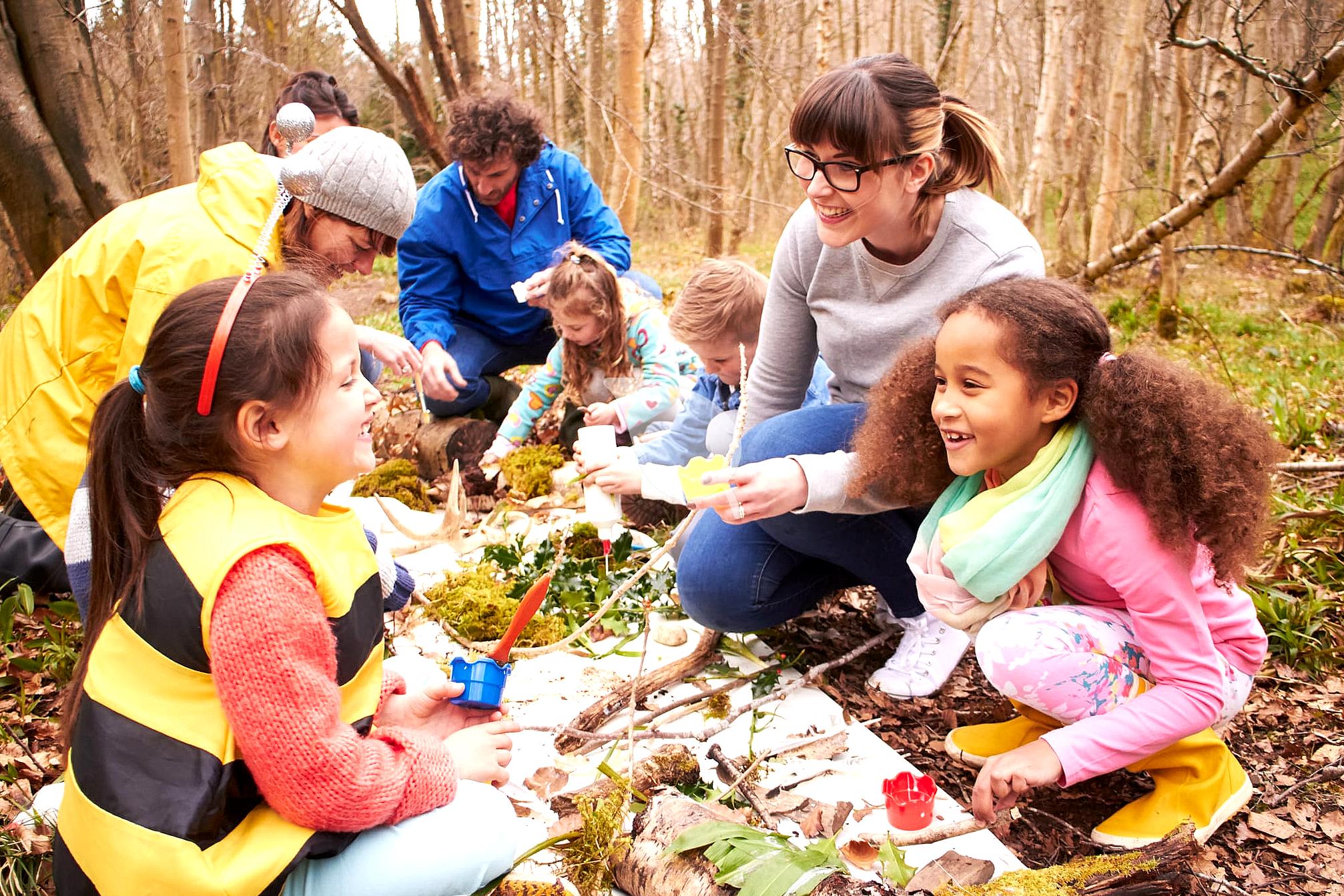
Picture this: A group of preschoolers gathered in a small garden, hands deep in the soil, sorting pebbles and leaves, occasionally pausing to watch a ladybug crawl across a stick. They aren’t just playing - they’re building the kind of focus, problem-solving, and social skills that translate directly to school and life success.
It’s not just anecdotal; a recent study found that nature-based practices improved self-regulation in 115 preschoolers, with the greatest impact seen in kids from lower socioeconomic backgrounds. That’s huge. If you’ve ever worried about the equity gap in early education, nature’s classroom offers a uniquely accessible and empowering solution.
We approach outdoor learning as the great equalizer. No one needs fancy equipment or a sprawling forest - just a patch of green, a city park, or even a few planters on a balcony. Nature’s classroom welcomes all families, regardless of zip code or background.
In the sections below, you’ll learn which essential skills kids gain outdoors, why the science is so compelling, and how to bring these benefits into your child’s daily routine - even if you live in the heart of the city. Want to create a truly nature-loving environment for toddlers?
Core Skills Kids Learn in Nature's Classroom
Nature’s classroom doesn’t hand out report cards, but it shapes kids in ways that matter most. Outdoor learning builds a range of essential skills that contribute to holistic child development. Let’s break down the core skills, backed by research and real-world examples.
Self-Regulation and Attention
Nature play dramatically enhances a child’s ability to focus and control impulses. The constant novelty and sensory variety outdoors encourage kids to slow down, observe, and react thoughtfully to their environment. This isn’t just speculation - one study tracked 115 preschool children, finding that nature-based practices significantly improved self-regulation, especially for kids from disadvantaged backgrounds.
Accessible outdoor activities - digging in dirt, watching clouds, simple scavenger hunts - allow children to practice patience, shift attention, and manage strong feelings. For parents, weaving daily nature play into routines can give preschoolers a head start on school readiness and emotional control.
Creativity and Problem-Solving
Step outside, and the world becomes a boundless laboratory. Natural settings provide open-ended materials (think sticks, stones, leaves, mud) and the luxury of time, both of which spark creative thinking. Kids invent games, engineer forts, and experiment in ways that structured classrooms rarely allow.
Research from the Dimensions Foundation identifies four factors that supercharge creativity outdoors: predictable, resource-rich spaces; ample, unhurried time; access to varied natural materials; and supportive adults who encourage exploration without micromanaging. When these elements come together, kids learn to think critically, test solutions, and see failure as a stepping stone.
Social and Emotional Skills
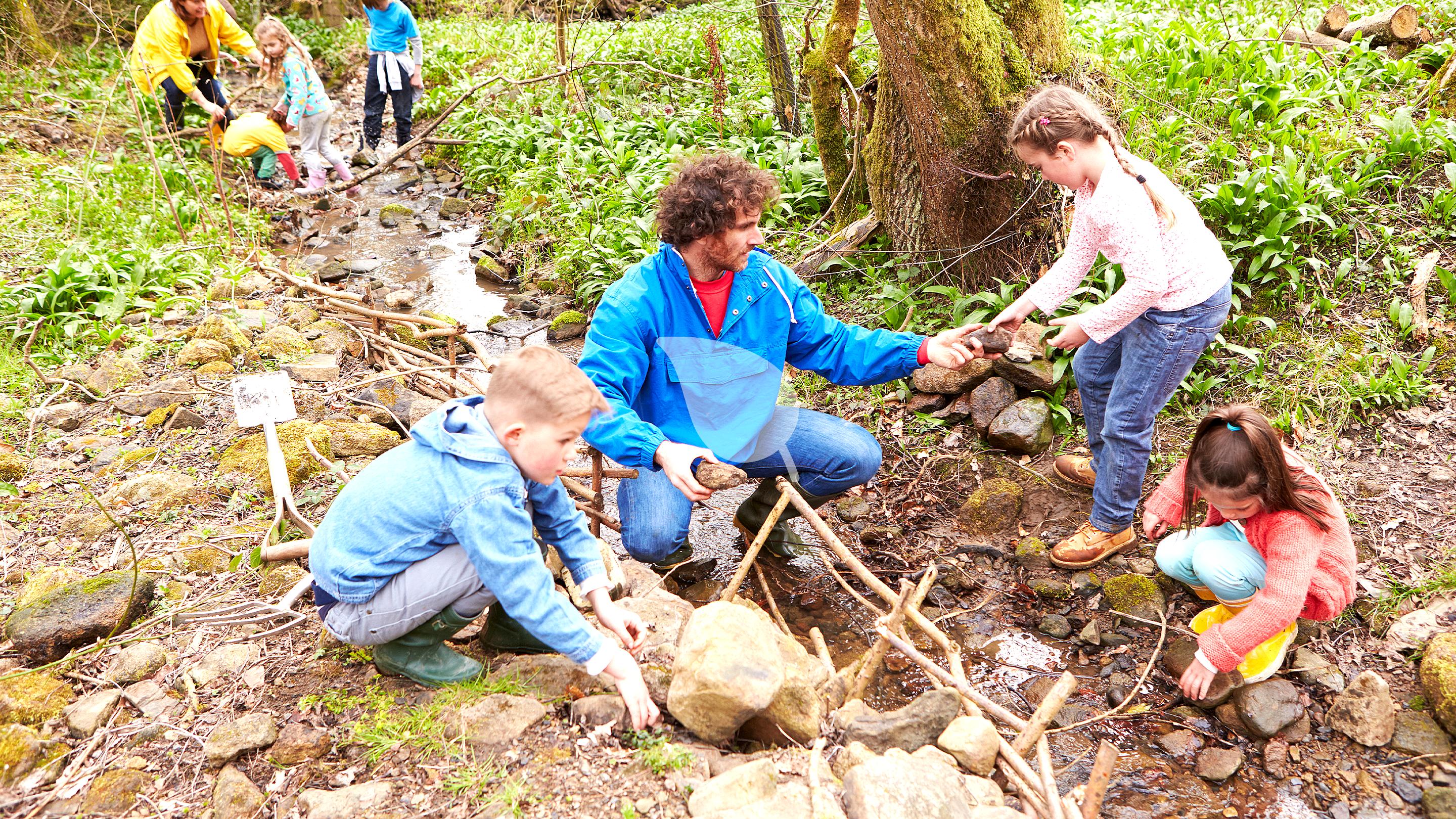
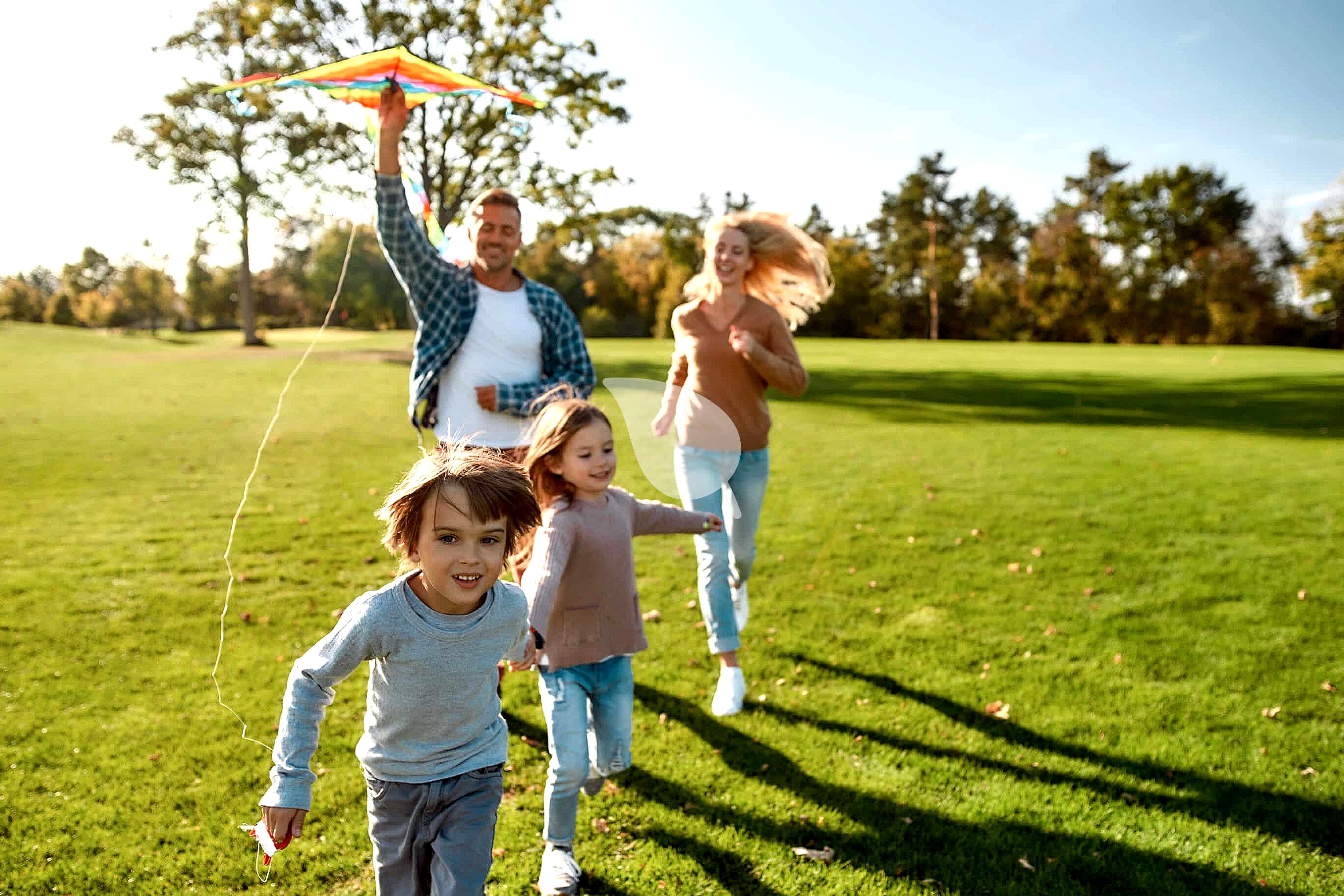
Unstructured outdoor play is the original team-building exercise. In the wild, children negotiate the rules, resolve conflicts, and develop empathy organically - no adult mediation required (though a watchful eye never hurts).
David Sobel, author of Nature Preschools and Forest Kindergartens, puts it plainly: “Children learn resiliency, confidence, and perseverance through nature involvement.” The risk-taking, group challenges, and triumphs of outdoor play foster genuine self-esteem and compassionate social interaction. Facilitating both child-initiated and group activities in natural settings accelerates social growth that sticks far beyond the playground.
Tip: Incorporate natural materials like sticks, stones, and leaves into your backyard or balcony play zone to encourage invention and creative thinking.
Case Study: At a Nature Explore Classroom in the Midwest, students who participated in daily garden activities not only improved their literacy and math skills, but also showed measurable gains in initiative and confidence - proof that nature’s classroom builds more than just IQ.
PRO TIP: Predictable, resource-rich spaces with supportive adults yield the most creativity. Rotate materials often and encourage children’s ideas for what to build or create. For more on how outdoor lessons boost social skills, check out nature lessons for kids social skills.
The Science Behind Nature's Benefits for Child Development
The benefits of nature’s classroom aren’t just a hunch - they’re scientifically validated. In fact, a systematic review published in 2022 analyzed 147 studies and overwhelmingly found that nature-based learning environments yield robust socio-emotional, wellbeing, and academic gains for children.
Evidence from Research Studies
Let’s get specific. The review on PMC synthesized findings from over a hundred international studies, revealing that outdoor learning supports:
- Improved engagement and motivation in class
- Better self-regulation (attention, impulse control)
- Enhanced social skills, cooperation, and empathy
- Academic improvements, especially in literacy and numeracy
These benefits cut across different ages and backgrounds, from preschoolers in city playgrounds to teens in forest schools. The key? Experience - children learn best by doing, especially when the doing happens outdoors.
Expert Insights
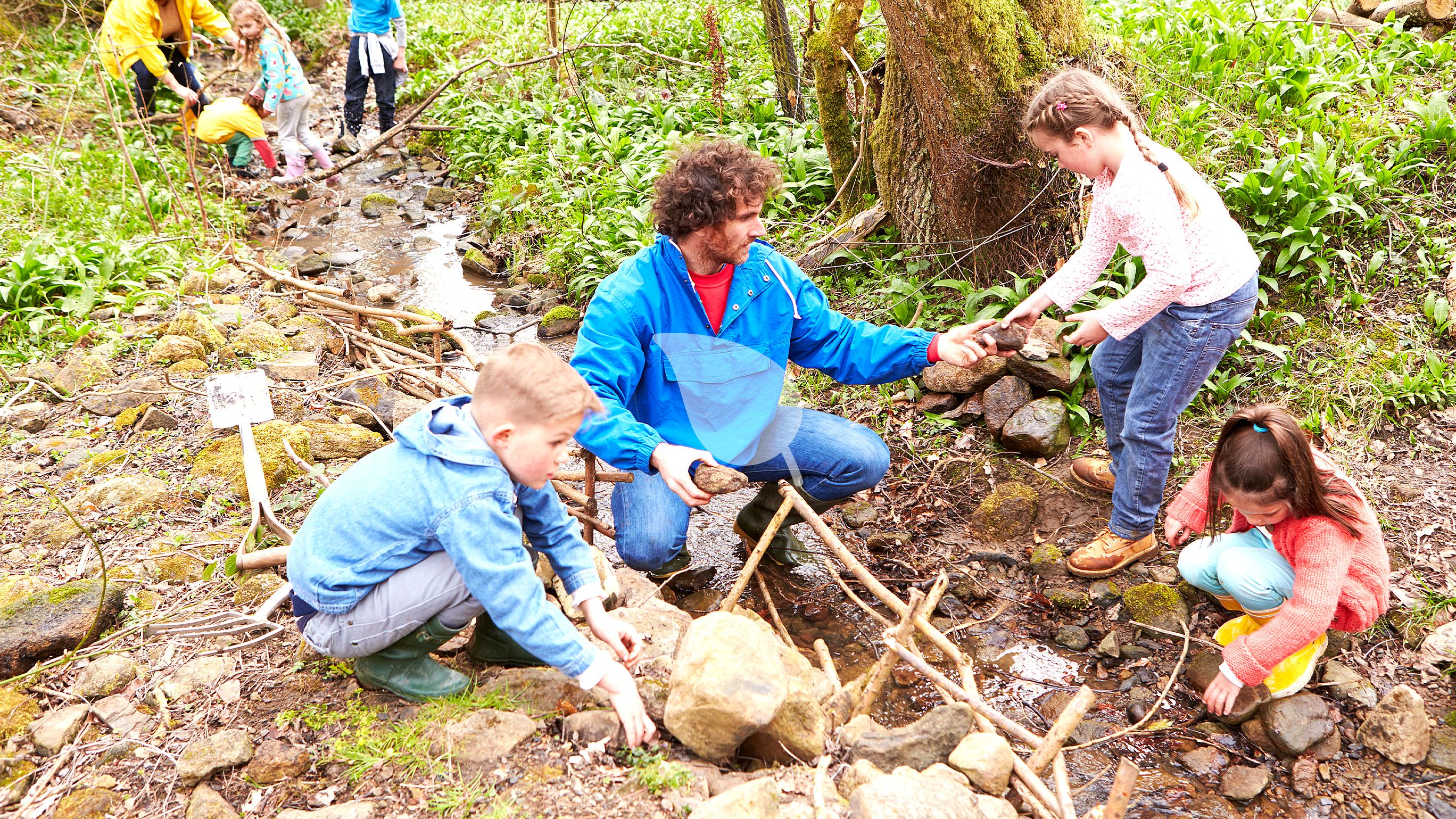
Prominent researchers echo these findings. The Dimensions Educational Research Foundation, after years spent studying outdoor classrooms nationwide, concludes: “Play is learning and intentionally designed outdoor spaces provide powerful contexts for growth.”
David Sobel goes further, highlighting nature’s unique power to build confidence, tenacity, and adaptability - qualities every adult wishes they’d mastered earlier.
These expert perspectives reinforce a simple truth: Consistent, immersive experiences in nature matter far more than the occasional family hike. Community forest kindergarten programs, for instance, show that children’s attention spans, self-regulation, and cooperative abilities increase steadily as outdoor time becomes routine.
Note: Regular exposure trumps sporadic outings. Try for shorter, more frequent nature play sessions over marathon weekends. Children thrive on consistency.
Example: In a city suburb, a group of families established a weekly pop-up forest kindergarten using local parkland. After several months, parents reported noticeable gains in their children’s focus, emotional regulation, and sense of belonging. The science - and real-life outcomes - are clear.
Practical Outdoor Activities and Events for Skill Development
You don’t need a mountain lodge or woodland acreage to harness nature’s classroom. Essential skills can flourish in backyards, city parks, or even apartment balconies. The key is simple: Make outdoor learning accessible, consistent, and joyful.
Daily Nature Play Ideas
- Scavenger Hunts: Send kids searching for colors, textures, or sounds outdoors. These playful quests sharpen observation skills, introduce new vocabulary, and spark natural curiosity.
- Mini-Garden Projects: Tending to a few potted plants or a window box teaches responsibility, patience, and environmental stewardship. Even urban balconies can become mini-ecosystems.
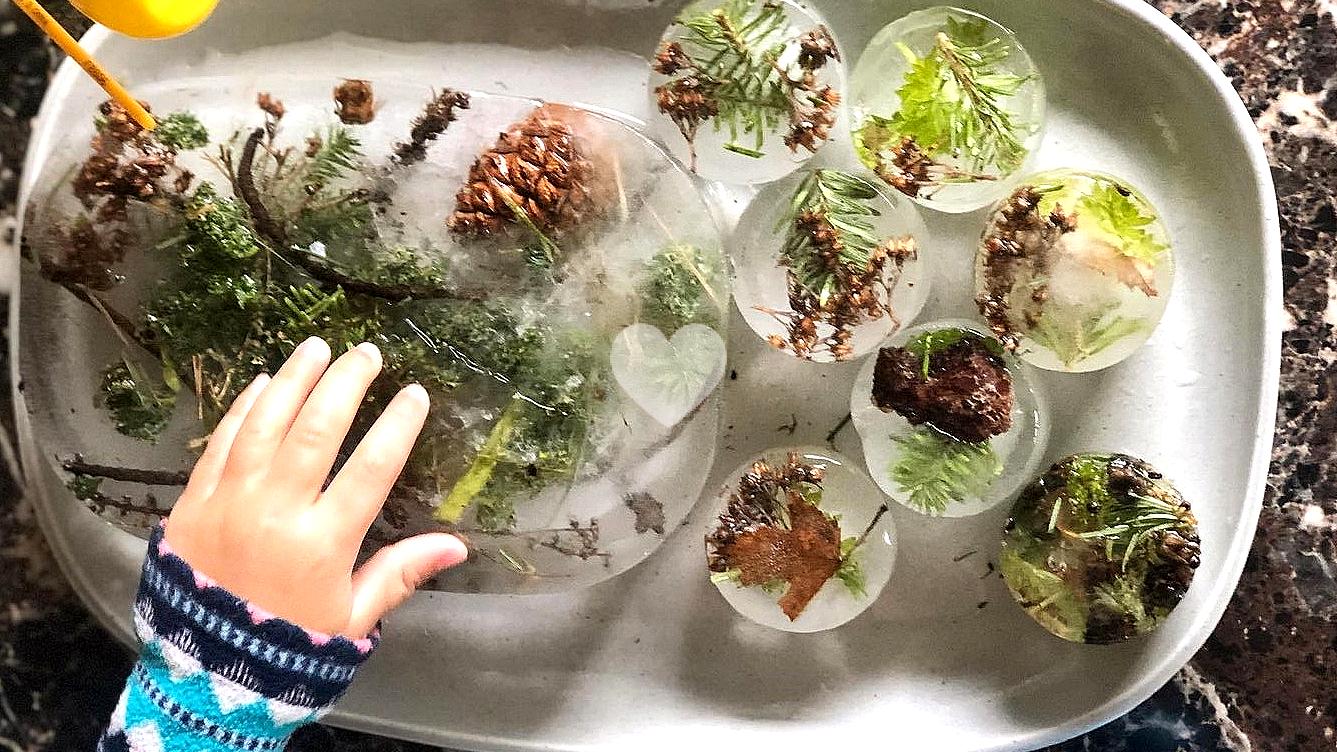
- Loose Parts Play: Provide open-ended materials - sticks, stones, pinecones, or shells - and let kids build, sort, or invent whatever they imagine. This nurtures both problem-solving and collaboration.
- Child-Led Time: Resist the urge to structure every moment. Let children lead, negotiate, and create their own games. This freedom is where true skill-building happens.
Organizing Nature Events
- Pop-Up Learning Sessions: Host spontaneous outdoor classes in community gardens, parks, or communal courtyards. Rotate locations to keep things fresh and exciting.
- Eco-Friendly Event Planning: Use ready-to-go event planning blueprints to organize group scavenger hunts, garden parties, or nature art days. Focus on sustainability and inclusivity.
- Printable Checklists: Offer children and parents simple Nature Skills Tracker worksheets to log what they’ve seen, built, and learned. Monitoring progress not only motivates kids but also builds a habit of reflection.
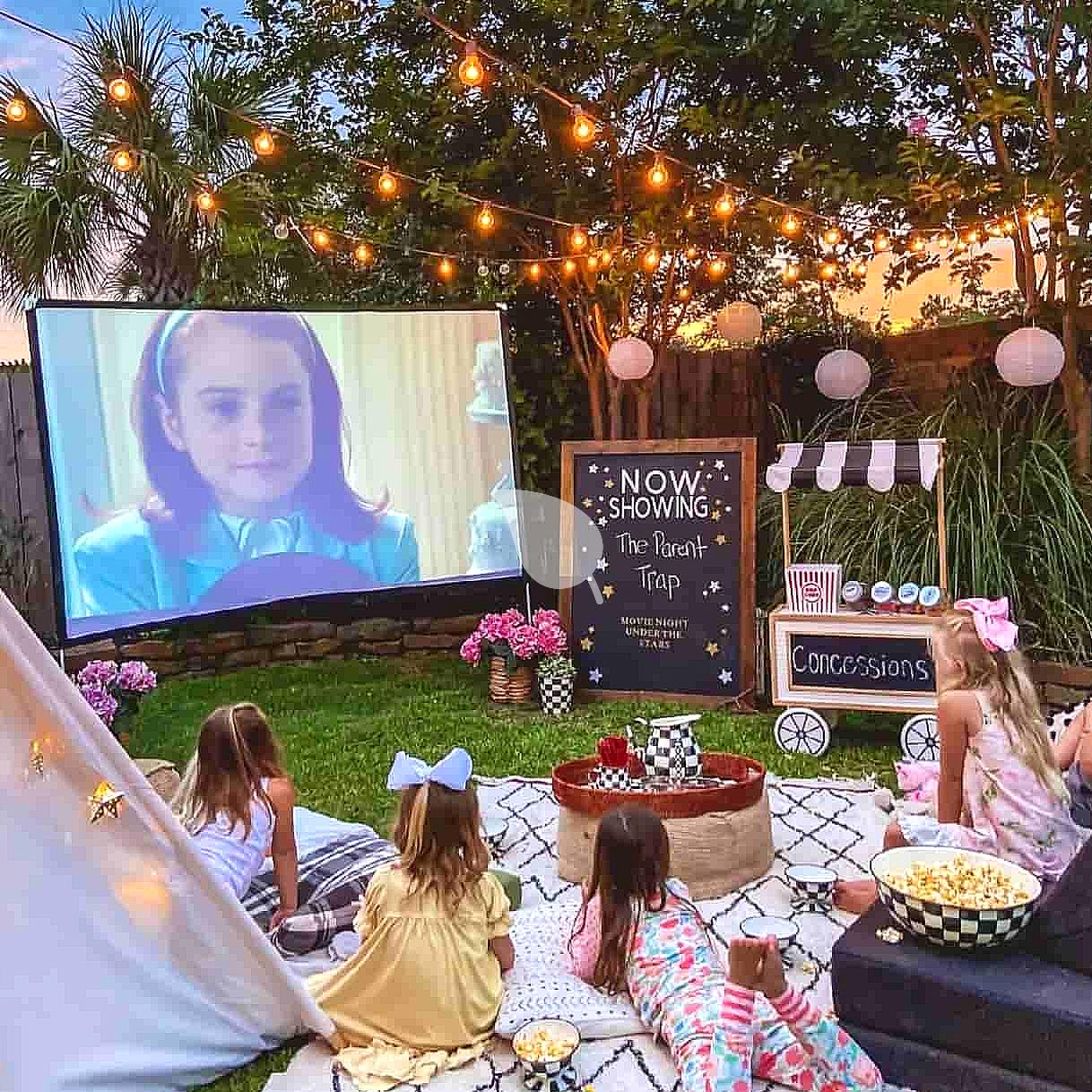
Families in dense urban neighborhoods have gotten creative. One Brooklyn mother transformed her apartment rooftop into a mini-forest using container gardens and upcycled logs. Her children now host weekly “nature club” meetups, rotating leadership roles and documenting each visit in a shared skills tracker. After six months, her kids were noticeably more independent, collaborative, and - importantly - excited about learning.
Tip: Set aside regular outdoor time each week, even if it’s just thirty minutes. Children come to anticipate these moments, making outdoor play a treasured ritual instead of an afterthought.
Example: Families using downloadable Nature Skills Tracker worksheets reported higher engagement and more meaningful conversations about nature’s impact on their children’s growth.
Action Steps to Foster Outdoor Learning Skills
Ready to jump in? Here’s a step-by-step guide to harnessing the power of nature’s classroom at home or in your community.
-
Create a Nature-Loving Environment
- Set up a designated play area with safe natural materials - sticks, leaves, stones, and soil. This space should be accessible daily, not hidden away for special occasions. Ongoing exposure is key to building focus and curiosity.
- Avoid overstructured activities that stifle imagination. Allow freedom for invention and exploration.
- Example: Arrange stones for stacking, gather fallen branches for building, or leave buckets of water and sand for creative play.
-
Incorporate Unstructured Outdoor Play
- Give children the reins. Encourage them to invent games, explore boundaries, and solve problems on their own or with friends.
- This not only strengthens problem-solving but also boosts confidence and adaptive thinking.
- Example: Plan a weekly family park trip, but let your child choose the activities - maybe it’s a bug hunt, a stick fort, or birdwatching with homemade binoculars.
-
Host or Attend Nature Events
- Bring neighbors, friends, or classmates together for regular outdoor learning events. Use eco-friendly planning tips to keep gatherings inclusive and sustainable.
- Focus on guided discovery, not lectures. Group projects - like building a garden bed or organizing a wildlife count - foster teamwork and environmental stewardship.
- Example: Use our event blueprint to organize a “Plant a Pollinator Garden” day. Ban all screens for the session and watch as kids connect, create, and lead.
Building these habits isn’t about perfection - it’s about presence. The more you welcome nature into your routines, the more your child’s essential skills will flourish.
Mistakes to Avoid When Promoting Outdoor Learning
Even the best intentions sometimes backfire. To make the most of nature’s classroom, watch out for these common missteps:
-
Over-scheduling playtime: Packing every minute with structured activities leaves little room for genuine exploration. Kids need freedom to engage and experiment. Fix: Prioritize at least one unstructured outdoor session each day, even if brief.
-
Ignoring urban constraints: It can feel daunting to replicate forest school magic in a city. Some parents assume nature learning isn’t feasible without access to “real” wilderness. Fix: Tap into local parks, community gardens, and even balconies. A single flowerpot can launch a science investigation.
-
Forgetting safety and comfort: Worries about weather, ticks, or scraped knees can cut outdoor time short. Fix: Dress for the elements, inspect play areas, and keep a basic first-aid kit handy. A little preparation goes a long way.
Tools and Resources to Support Outdoor Learning
Leverage these tools to make nature’s classroom effective, consistent, and - above all - fun:
-
Nature Skills Tracker Worksheet: Downloadable, easy-to-use tracker for recording your child’s skill development in observation, problem-solving, teamwork, and more. It’s a fantastic way to celebrate progress and spot growth areas.
-
Event Planning Blueprint: A step-by-step guide for hosting eco-friendly, educational outdoor events - from scavenger hunts to group garden builds. It streamlines logistics and maximizes learning opportunities.
-
Printable Outdoor Activity Checklists: Age-appropriate lists of nature play ideas and skill goals, perfect for pinning to the fridge or tucking into a backpack. These checklists keep experiences fresh and engaging week after week.
Real-Life Examples of Outdoor Learning Success
Nature Explore Classroom Skill Development Study
In a Nebraska preschool, educators transformed a traditional classroom into a Nature Explore outdoor classroom. Children engaged in daily gardening, construction, and collaborative play. Over the school year, teachers measured significant gains in initiative, confidence, literacy, and math abilities - directly tied to time spent outside.
Self-Regulation in Nature vs. Blended Preschools
A research group compared two preschool programs: one rooted in nature, the other blending indoor/outdoor activities. The nature-focused group - especially children from lower-income families - demonstrated marked improvements in attention spans and impulse control. Teachers noted fewer behavioral disruptions and more collaborative play.
These aren’t isolated anecdotes. They’re part of a growing body of evidence showing that nature’s classroom truly levels the playing field.
Frequently Asked Questions About Nature's Classroom
What skills do kids learn playing outside?
Children gain a wide array of essential abilities through outdoor learning. Regular nature play encourages creativity - kids invent games, build elaborate forts, and imagine new worlds with basic materials. Problem-solving thrives as children navigate challenges like building sturdy structures or negotiating group rules. Crucially, self-regulation improves as children manage excitement and learn to focus amid distractions. Social skills bloom through teamwork, conflict resolution, and empathy, all fueled by constant interaction with peers. Over time, these skills support both academic achievement and emotional wellbeing.
How does nature improve children's self-regulation?
Nature-based activities - like exploring a trail or tending to a garden - demand focus and patience. The shifting sights, sounds, and textures outdoors naturally draw attention, offering endless opportunities to practice impulse control. Natural settings also reduce stress levels, allowing children to engage calmly and thoughtfully. Over time, repeated exposure helps internalize self-discipline and emotional management.
Why is outdoor learning better than indoor classrooms?
Outdoor learning provides multisensory, hands-on experiences that simply aren’t possible in a conventional classroom. Children can touch, smell, and experiment with real-world materials, linking academic concepts to daily life. At the same time, outdoor settings foster social and emotional skills, blending cognitive and interpersonal development seamlessly. Nature’s classroom offers a healthy alternative to screen time, promoting wellbeing, curiosity, and environmental stewardship.
Conclusion: Embrace Nature's Classroom for Essential Life Skills
If you’re searching for the ultimate way to support your child’s growth, look no further than nature’s classroom. The evidence is compelling - outdoor learning fosters self-regulation, creative thinking, problem-solving, and the kind of social savvy children need to thrive.
Over a hundred research studies confirm the lasting benefits of nature-based education, from better attention spans to improved academic readiness. Experts and real-world cases echo these findings: consistent, unstructured play in nature unlocks capabilities that screens and worksheets simply can’t match.
Best of all, you don’t need wild forests or elaborate setups. Start with what you have - your backyard, local park, or even a sunny window box. Equip yourself with tools like the Nature Skills Tracker and event planning guides, then watch as your child blossoms with every outdoor adventure.
Ready to give your child the gift of essential life skills? Start creating your own nature-loving classroom - and see the difference for yourself.
Tags
Join Our Mission
Support our conservation efforts and make a difference today.