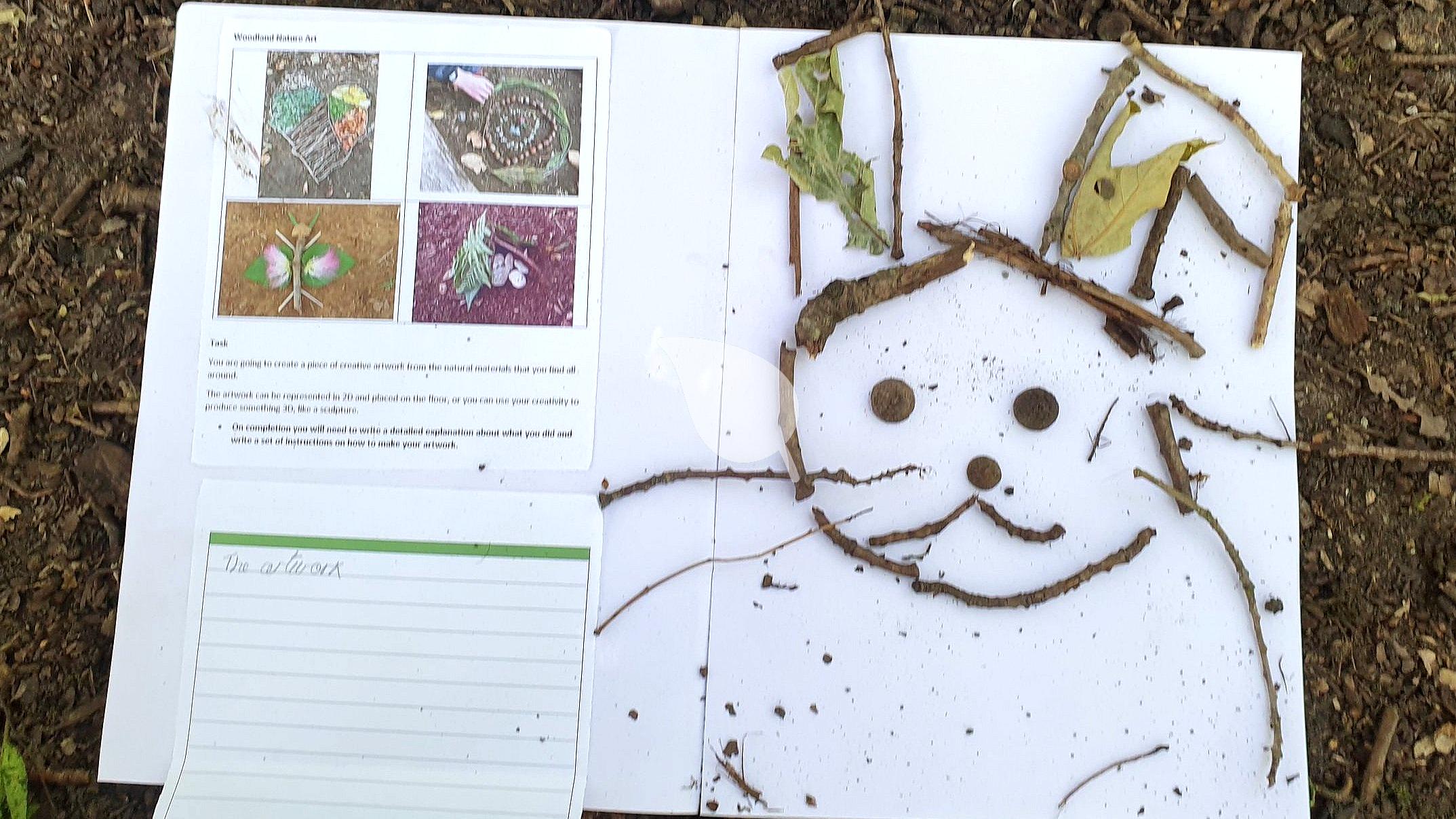
What's your kid's favorite nature discovery - the first wiggly worm after rain? That unforgettable rainbow? Or maybe a perfect pinecone plucked from a forest trail? Most children are naturally curious, but, let's be real, not every kid is motivated to keep noticing the world around them. Maybe you've tried walks, only to find interest fading fast. Or perhaps you get a few enthusiastic days, then the nature journal gathers dust.
If this sounds familiar, you’re not alone. The problem isn’t your child’s curiosity - it’s consistency and engagement. And here’s the secret weapon: a fun, seasonal nature journal for kids. When you introduce colorful prompts that change with the year, you ignite excitement and build real observation skills that last. It’s like giving your child a magnifying glass for the world (without the lost bug trails).
Ready to transform how your family explores nature? We’ve gathered proven strategies plus free templates you can download today. Create a year-round nature journal packed with engaging activities, printable checklists, and prompts that keep your child (and the whole family) motivated from spring’s first bud to winter’s quiet snow. Curious? Let’s dig in.
Why Start a Nature Journal with Your Kids?
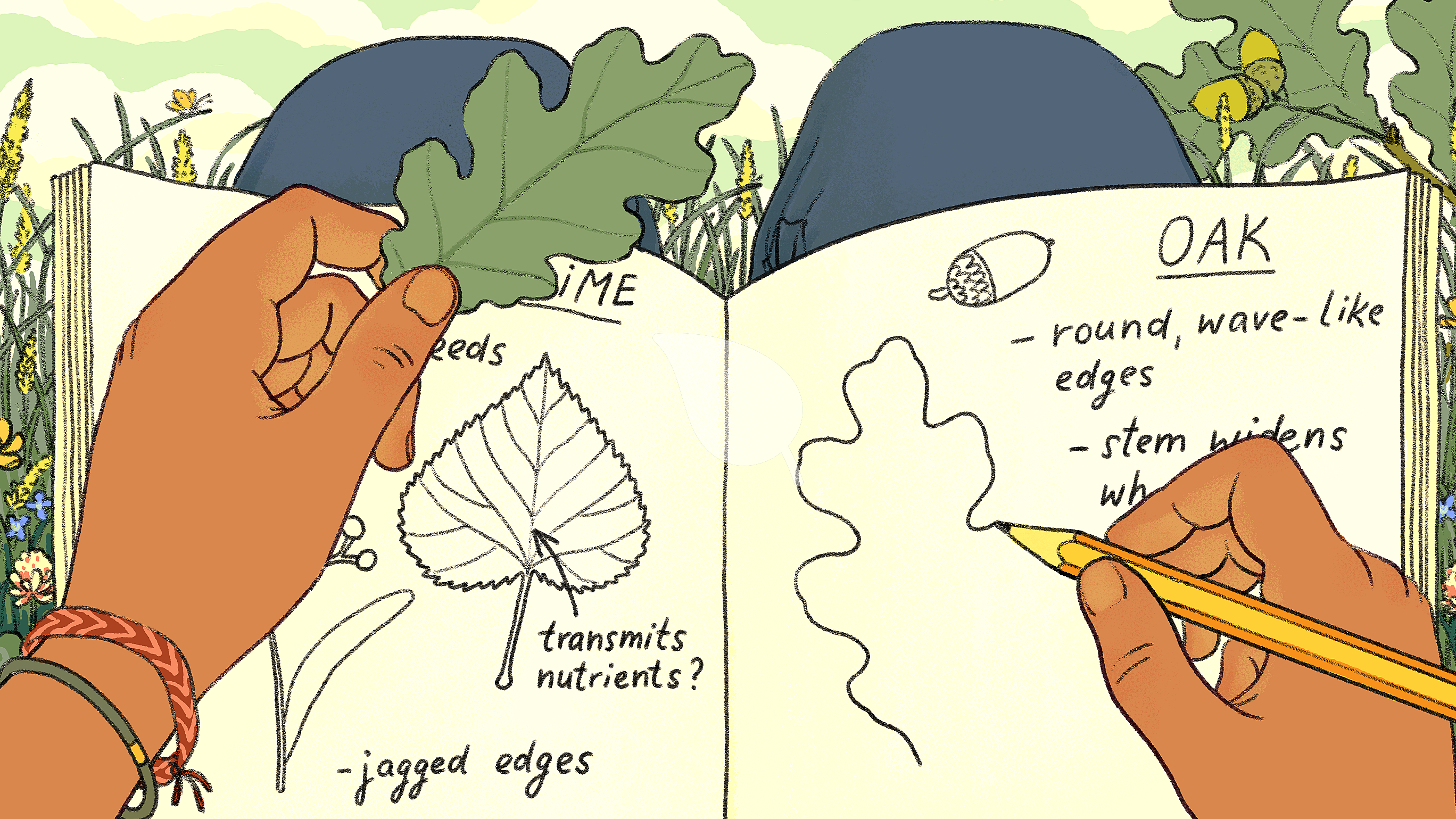
Picture this: your child spots a tiny green bud on a cold March morning, whips out their journal, and sketches it right there - excitement bubbling. Or maybe they collect a handful of fiery-orange leaves in October, eager to tape them onto a page. These moments do more than fill a scrapbook - they spark curiosity, build knowledge, and create powerful family memories.
In fact, a 2023 Prairie Wetlands Learning Center study showed nature journaling improves observational skills by a whopping 40% in children ages 5 to 12. That’s not just a number - it’s a real, lasting boost in their ability to notice, question, and learn from the world. Compared to generic activity lists or disconnected nature walks, a dedicated nature journal for kids weaves learning and discovery into everyday life.
Unlike lists that get lost in a drawer, this guide delivers more: downloadable seasonal journal templates, family challenges, and habit-building strategies. You’ll learn which supplies actually work (hint: you probably have them), how to use prompts that change with the seasons, and ways to spark conversations that stick long after you pack up your journal.
Just starting out? This guide is designed for families, educators, and anyone ready to transform simple walks into adventures. You’ll find essential supply lists, prompts for every season, tips for making journaling a habit, and free resources ready for instant use. By the end, you’ll know exactly how to set up your family for a year of meaningful exploration.
Pro Tip: For even more ideas, check out our simple backyard hunts for easy nature activities right outside your door.
Essential Supplies for Your Family Nature Journal Kit
Setting up a nature journal kit doesn’t need to be a Pinterest-perfect production or a shopping spree. The key? Keep it simple, portable, and always ready for adventure.
Minimal Supplies for Easy Outdoor Journaling
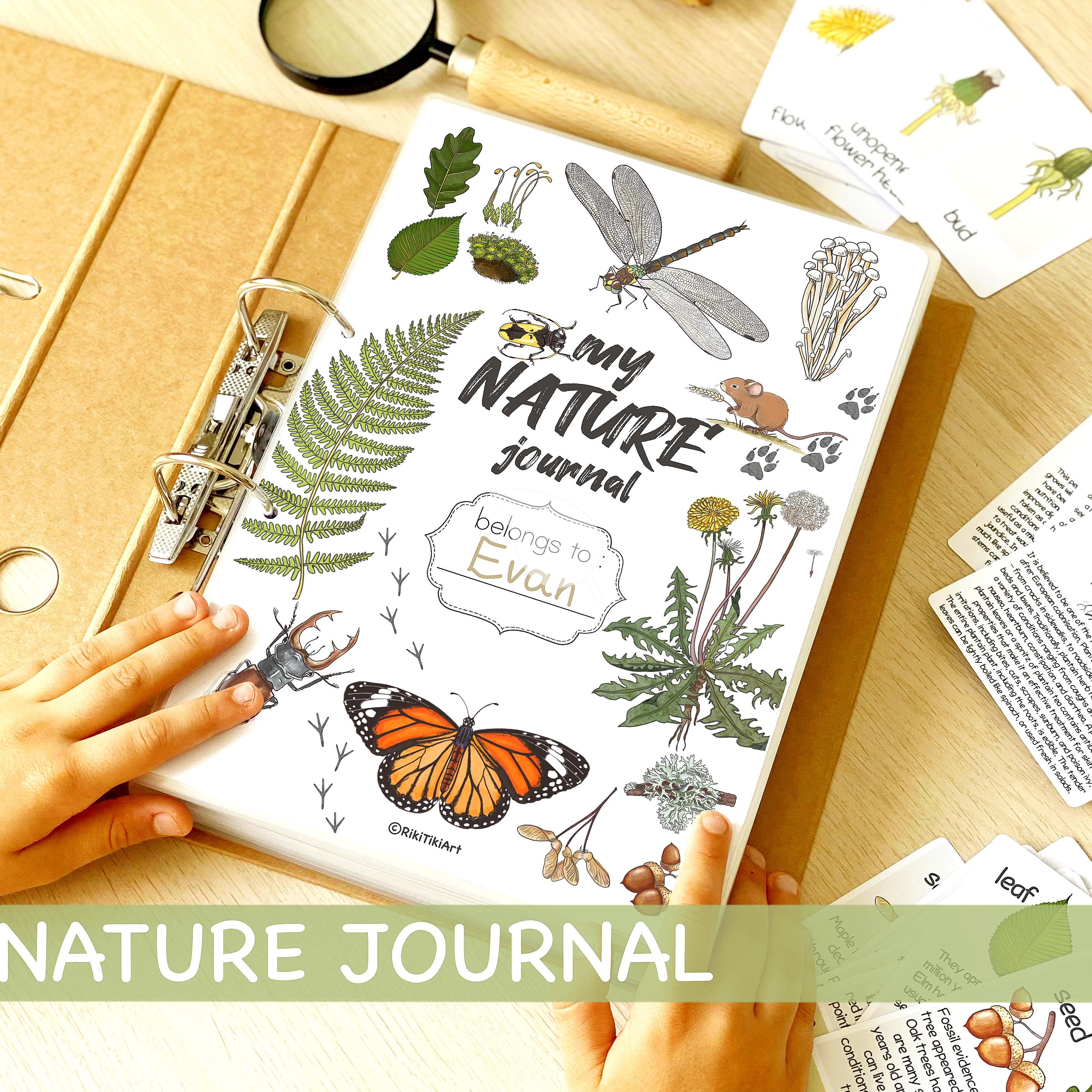
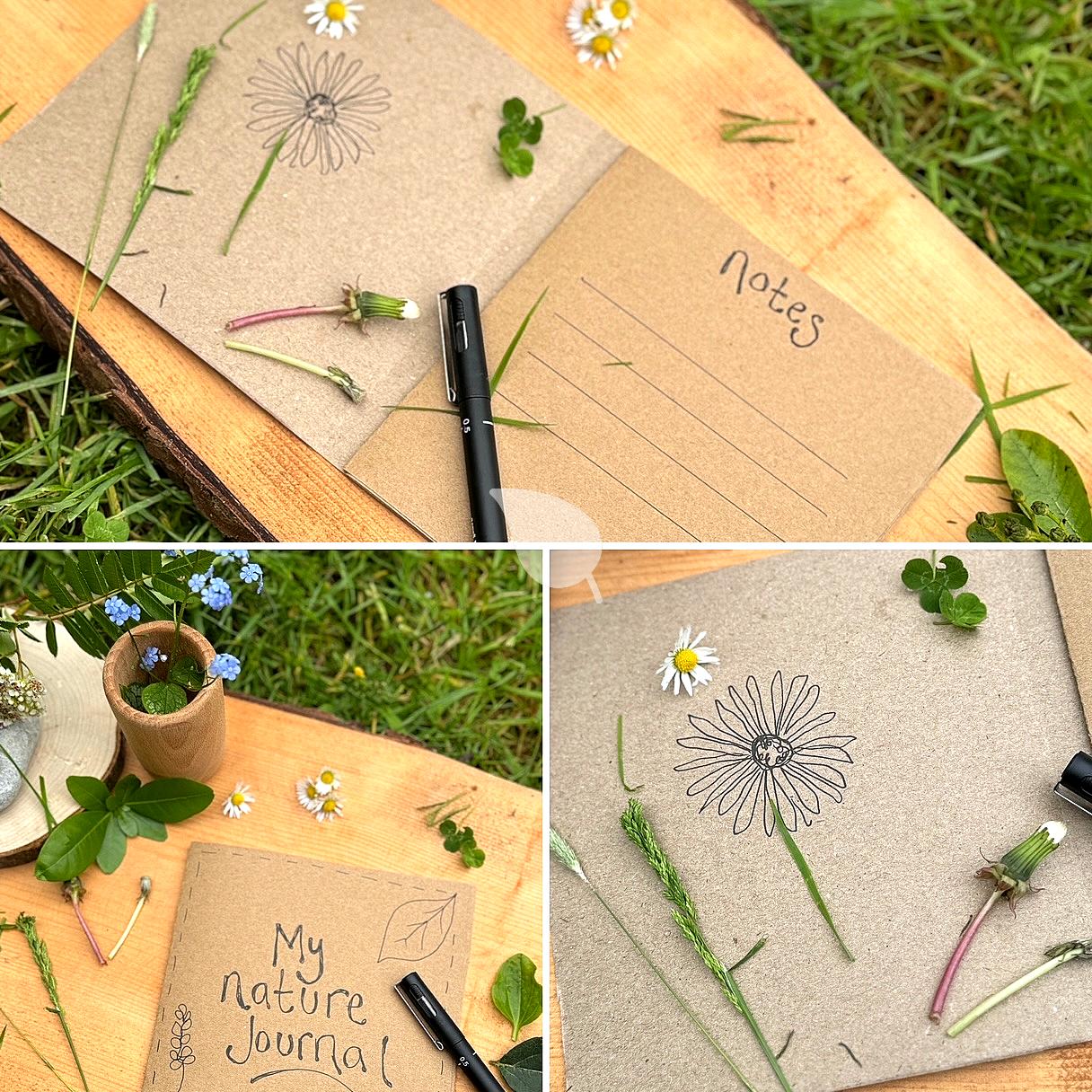
Lightweight materials are your best friend. Grab a sturdy, small journal - something that fits a child’s hands easily. Toss in a couple of sharpened pencils, a white eraser, and some crayons or colored pencils for colorful sketches.
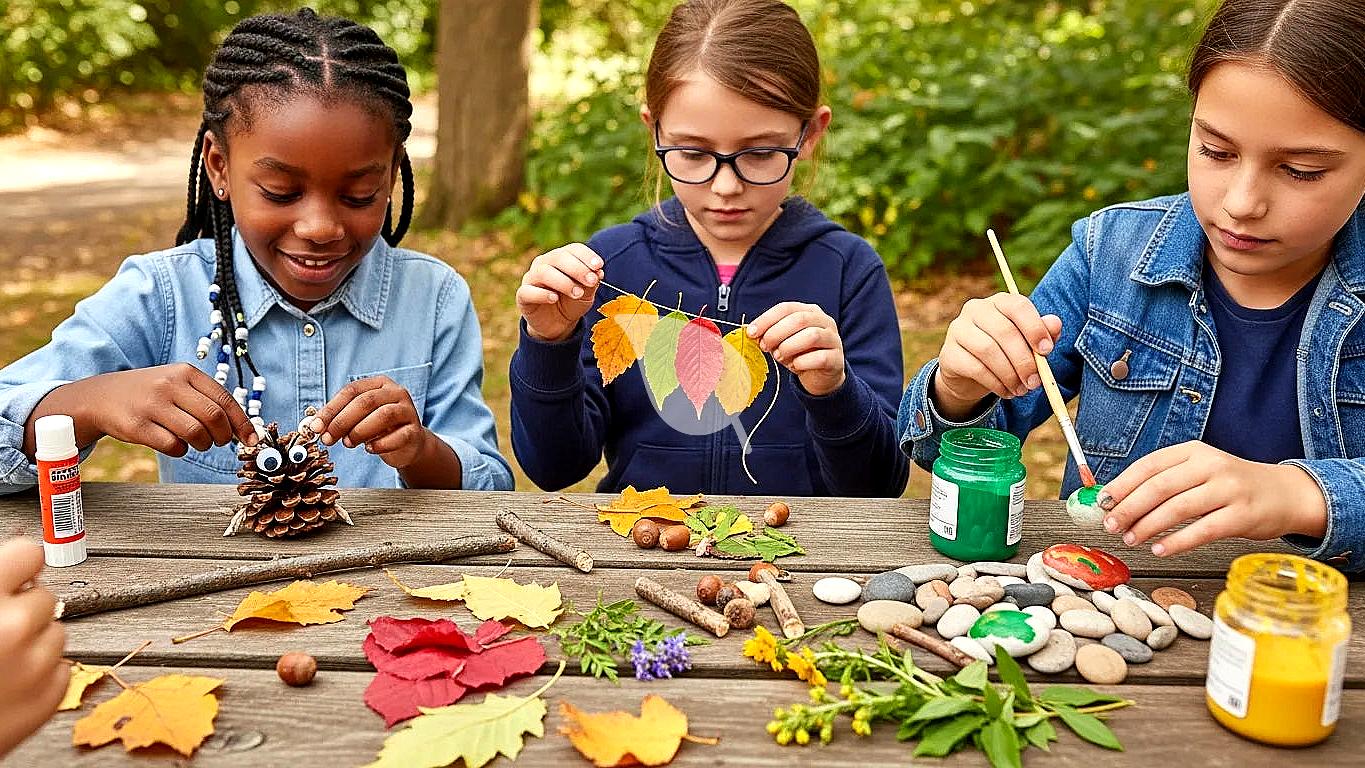
Household items can double as essential tools. Crayons (especially for leaf rubbings), zip-top plastic bags (for collecting treasures like seeds or feathers), and even an old egg carton (as a sorter) work wonders. If your family likes impromptu adventures, keep everything packed in a small backpack. That way, you’re always ready for a spontaneous forest walk or backyard exploration.
Parents often see better engagement when supplies are easy to grab and not intimidating. As Thimble and Twig’s team puts it, “Creating a Nature Journal with kids is a perfect way to encourage kids to pay closer attention to nature.”
Example: Take a spring walk with a tiny notebook, a few crayons, and a sandwich bag for treasures. Let your child sketch the first dandelion they see, rub a leaf, or save a feather. That’s it - simple, stress-free, and fun.
Printable Checklist and Templates
Want to cut out the prep work? Downloadable supply checklists take the guesswork out of what to bring. Seasonal journal templates also help keep your child motivated and provide gentle structure, so you don’t have to invent prompts every time.
Printable pages mean you can travel light. Instead of lugging a heavy book, slip a few themed pages into a folder or clipboard. Kids can use these to document observations, complete scavenger hunts, or track weather on the go. Families who use printables report more consistent journaling, because everything is ready to roll.
Callout:
Tip: Use recycled paper for journal pages to be eco-friendly and spark a conversation about caring for nature.
Example: One parent shared that the printable checklists made it easy to get outside, and their child was excited to tick off each item - leading to more frequent nature journaling sessions.
Transition: With your kit ready, let’s jump into spring and discover prompts and activities to kick off your child’s seasonal nature journal.
Spring Journal Prompts and Activities for Seasonal Nature Exploration
Spring is bursting with fresh life - a perfect time to start a nature journal for kids. The world feels new, and there’s plenty for children to spot, sketch, and wonder about.
Engaging Scavenger Hunts
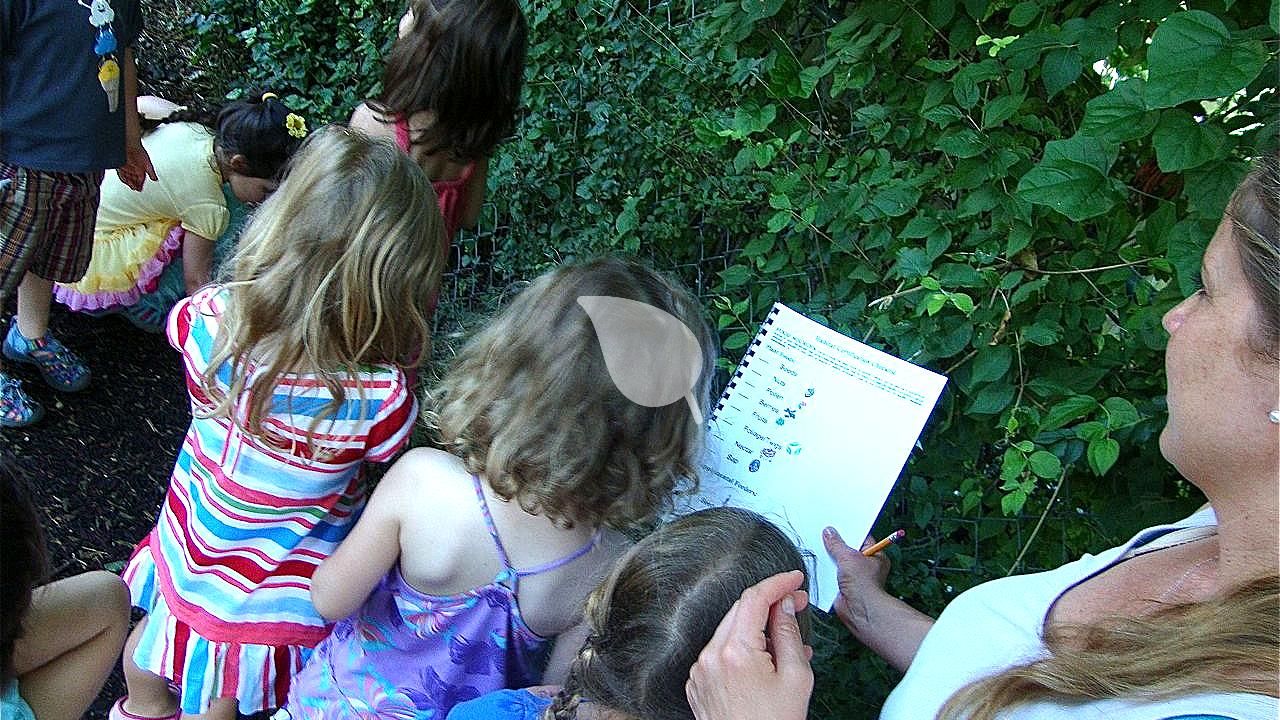
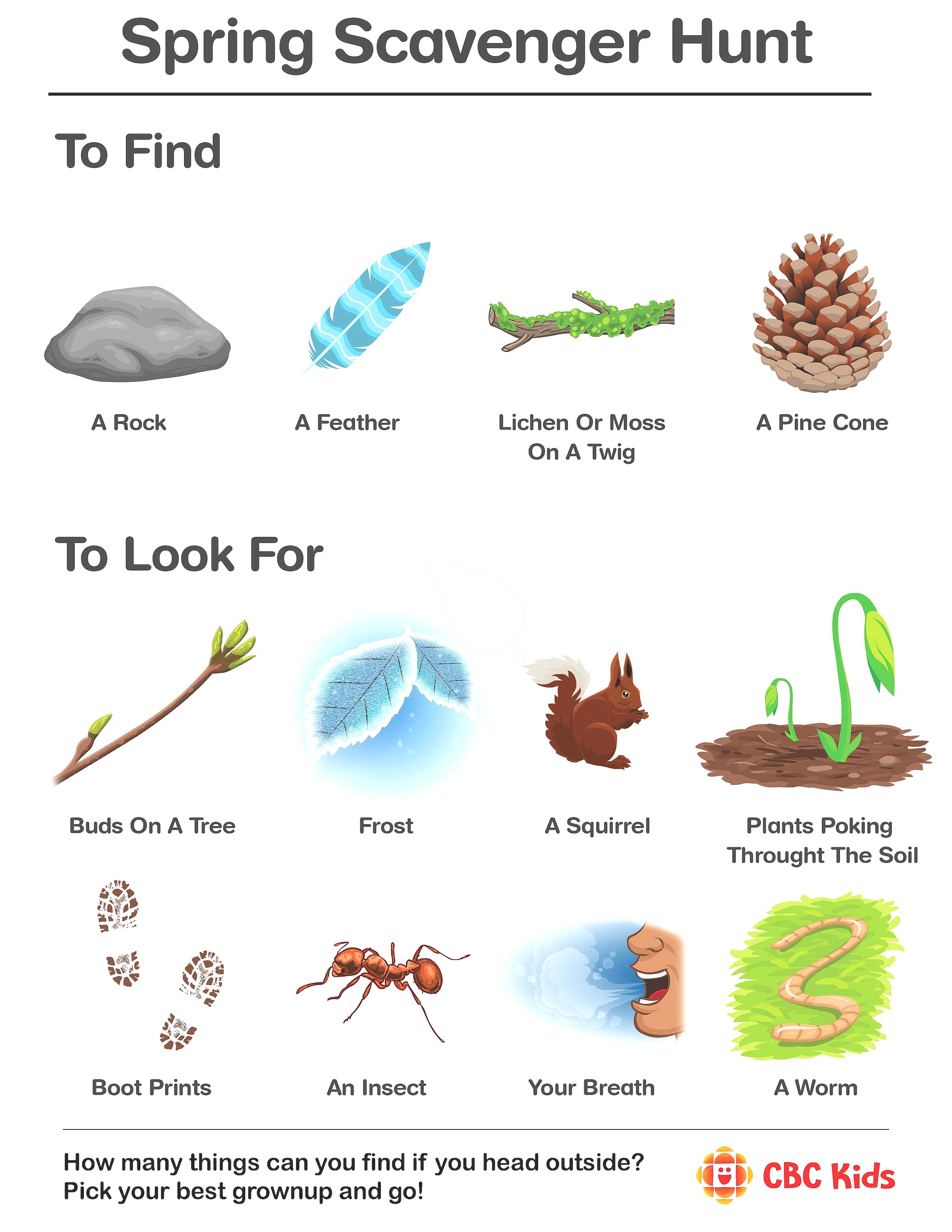
Turn every walk into an adventure with a spring scavenger hunt. Make a list of common signs of spring - new buds, busy birds, worms in the soil, or the season’s first bees. Your child can check off items as they find them. To take it further, encourage them to sketch each discovery or jot down notes about color, movement, or sound.
Scavenger hunts aren’t just lists - they’re invitations for kids to slow down and observe. Try making it a family challenge: who can spot the most items? Or, can you find and sketch something in every color of the rainbow this week?
Example: One eight-year-old spotted a ladybug crawling on a daffodil during a hunt, quickly adding a colorful sketch to her page and noting, “red with black dots - tiny legs!”
Tracking Budding Plants
Spring is the ultimate lesson in change. Pick a tree or shrub nearby and visit it each week. Have your child sketch the same bud, leaf, or branch every time. Encourage them to notice, and write down, what’s changing - new leaves, swelling buds, brighter colors, or perhaps the first flower. Talk about why plants change as spring unfolds. What’s happening inside that twig? Why does the color change?
Regular note-taking and sketching build serious observational skills. A recent study found nature journaling can improve these skills by 40% in young children - a powerful reason to get started this spring.
Example: A family visited their neighbor’s dogwood tree every Saturday, filling a page with drawings of the buds as they swelled and opened. At the end of the month, they compared all the sketches and marveled at the transformation.
Callout:
Tip: Bring a magnifying glass for your child to really see the tiny details. Even a simple hand lens can reveal surprises like fuzzy buds or tiny bugs hiding under leaves.
Spring’s sensory feast is just the beginning. Up next: how to keep your nature journal for kids thriving all summer, fall, and winter.
Summer, Fall, and Winter Prompts to Explore Year-Round Nature
Seasonal nature exploration doesn’t end when school’s out or the weather turns. In fact, every season offers unique opportunities for kids journal activities - each bringing its own sights, sounds, and stories.
Summer: Tree Follow-Along and Wildlife Sketches
Summer means long days, leafy trees, and scurrying animal life. Choose a favorite tree and observe it regularly. Encourage your child to draw the leaves, note changes, or watch for wildlife - like squirrels, caterpillars, or busy bees. For an extra challenge, keep a weather chart and see how rain or heat affects what you spot.
Kids love a sense of discovery. Suggest drawing animal tracks, sketching feathers, or noting different birdsongs. Use simple weather symbols (sun, cloud, raindrop) to connect weather and animal behavior. Seeing these patterns over time helps kids understand how life adapts to summer’s heat.
Example: One child began noting how butterflies appeared only on sunny days, adding both sketches and weather notes to the weekly journal entry. The pattern was clear: sunshine equals butterflies!
Fall: Leaf Colors and Migration Patterns
Autumn brings a riot of color - and new questions for curious minds. Have your child collect leaves in as many hues as possible, then press and tape them in their journal. Challenge them to spot differences in shape, texture, and color. Talk about why leaves change colors, and write a few observations for each.
Migration is another natural wonder. Use binoculars to watch for birds flying south. Kids can jot down which birds they see, or try to spot other signs of animals preparing for colder weather - like squirrels gathering nuts. Add a daylight chart to track how much shorter the days get week by week.
Example: A family used a printable migration chart to check off birds seen at their local park. The kids were fascinated that the same robins they’d seen in April were nowhere to be found by November.
Winter: Snowflake Observations and Evergreen Study
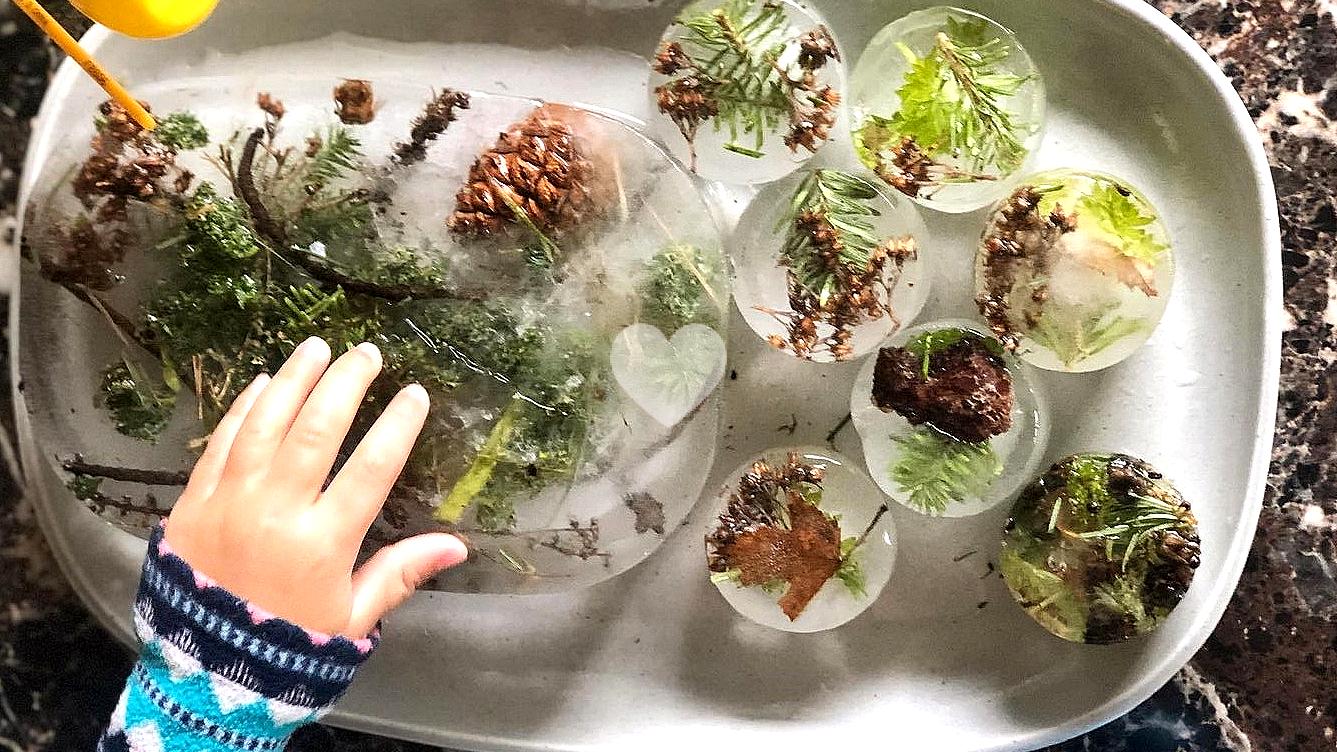
Winter’s calm is perfect for quiet observation. If it snows, challenge your child to catch snowflakes on dark paper and sketch their shapes. Each one is unique - compare a few and talk about patterns. Evergreen trees stay green all year; have your child sketch branches or needles, then note how these trees survive when others are bare.
Try weather tracking: record temperature, snowfall, or even how long it stays light each day. Simple weather charts build math and science skills. And don’t let cold stop you - journaling from a window or with quick outdoor bursts works just as well.
Example: During the Utah Outdoor Recreation Nature Challenge, families reported increased creativity and outdoor time by using winter prompts like snowflake sketching and evergreen studies.
Callout:
Tip: Store your nature journal in a visible spot - near the door or with boots and coats - so kids are reminded to use it every day.
Expert Insight:
“Following a tree through all four seasons gives kids a profound sense of nature’s cycles. They become invested in its story.” - Utah Outdoor Recreation Nature Challenge
Transition: Creating beautiful entries is one thing. But making nature journaling a habit? That’s where real transformation happens.
Tips to Make Nature Journaling a Fun Habit
Turning a nature journal for kids into a lasting family tradition takes a little creativity and a lot of encouragement. Here’s how to make it stick.
1. Set Weekly Challenges
- Create simple, achievable goals each week - like finding three new bugs, sketching a different tree, or noting each new flower in bloom.
- Challenges build momentum and keep kids engaged, especially when they’re specific and tied to the season.
- Avoid overwhelming your child with too many tasks at once. One or two is plenty.
Example: One week, challenge your child to discover three new insects on a nature walk. The next, focus on tracking changes in one plant.
2. Share and Celebrate Journal Entries
- Sharing journals as a family transforms solo scribbling into a celebration. Hold a weekly show-and-tell where everyone gets to display their favorite page or discovery.
- Positive feedback matters - praise effort and creativity rather than perfection.
- Avoid criticism or nitpicking. The goal is curiosity, not “getting it right.”
Example: Host a family journal night every Friday. Kids, parents, even grandparents can share drawings or notes - turn it into a tradition.
3. Use Progress Trackers and Rewards
- Visual trackers, like sticker charts or milestone pages, show kids how much they’ve accomplished.
- Offer small rewards when goals are met - maybe a new colored pencil, a badge, or an extra nature walk.
- Make sure rewards support the habit, not turn journaling into a chore. Keep it light and fun.
Example: Place a sticker on a chart every time your child finishes a weekly journal page. When the chart is full, surprise them with a picnic in their favorite park.
Common Mistakes to Avoid
Even the most enthusiastic families hit bumps. Here’s what to watch for - and how to keep your nature journal for kids thriving.
-
Overloading kids with complex prompts: Too many instructions or advanced concepts can overwhelm beginners. Start with simple, seasonal prompts (like "find three colors in nature") and gradually introduce more detailed challenges as confidence grows.
-
Using bulky or distracting supplies: Lugging around heavy art sets or big binders can turn journaling into a chore. Opt for a minimal, portable kit - think small notebook, pencils, and a few printables. Simple tools let kids focus on discovery, not on managing their stuff.
-
Skipping reflection and sharing: Nature journaling isn’t just about the entries - it’s about connection. When families skip regular sharing, kids lose out on motivation and the chance to learn from each other. Schedule a weekly sharing session, even just 10 minutes, to celebrate progress and swap stories.
Honestly, every family makes a few of these mistakes. The good news: adjusting is easy, and the rewards are huge.
Recommended Tools and Resources
A well-stocked toolkit keeps journaling fresh and fun all year. These resources are family-tested and loved by educators and parents alike.
-
Printable 4-Season Journal Template Pack: Fillable PDFs with prompts and simple grids, designed to guide kids’ observations through every season. These templates make it easy to start, even if you’re new to journaling. Plus, they help kids focus on what to look for in each season.
-
Magnifying Glass and Crayon Set: Sometimes, the right tools make all the difference. A sturdy hand lens lets kids spot tiny details - like the veins on a leaf or ridges on a feather. Crayons are perfect for rubbings and colorful sketches on the go.
-
Weekly Email Nature Prompts: Free subscriptions that deliver seasonal activity ideas, scavenger hunts, and journal tips right to your inbox. These keep families motivated with fresh challenges, especially during busy weeks when inspiration can run low.
Real Family Nature Journaling Stories
Utah Outdoor Recreation Challenge Impact
When the Utah Outdoor Recreation Nature Challenge released seasonal prompts, thousands of families downloaded the resources and dove into winter journaling. Families reported not just increased outdoor time, but also more creativity and excitement about exploring - even in cold, snowy months.
One family shared that snowflake sketching became their new winter tradition, and their kids now eagerly await the first snowfall to start their journals.
Homeschool Success with PreK-6th Curriculum
Homeschool families using a PreK-6th field activity curriculum found that integrating journaling into lessons led to 100% student participation. Even reluctant learners embraced the hands-on approach. Parents noticed their children’s observational skills improved dramatically, as kids tracked weather, plants, and wildlife from season to season.
“Journaling made every walk a learning adventure,” one parent reported. “It turned science into something my kids genuinely look forward to.”
FAQ
What is a nature journal for kids?
A nature journal for kids is a special notebook where children record outdoor observations using notes and sketches. It encourages curiosity and helps kids learn about nature in a hands-on way. Tip: Start with simple prompts and supplies for best results.
How do you make a nature journal?
To make a nature journal, choose a sturdy notebook or use a printable template. Bring basic supplies like pencils, crayons, and sometimes a magnifying glass. Use engaging prompts such as scavenger hunts, leaf rubbings, or drawing the weather. Tip: Keep it fun - avoid pressure or perfectionism so kids can enjoy exploring.
What do you put in a nature journal?
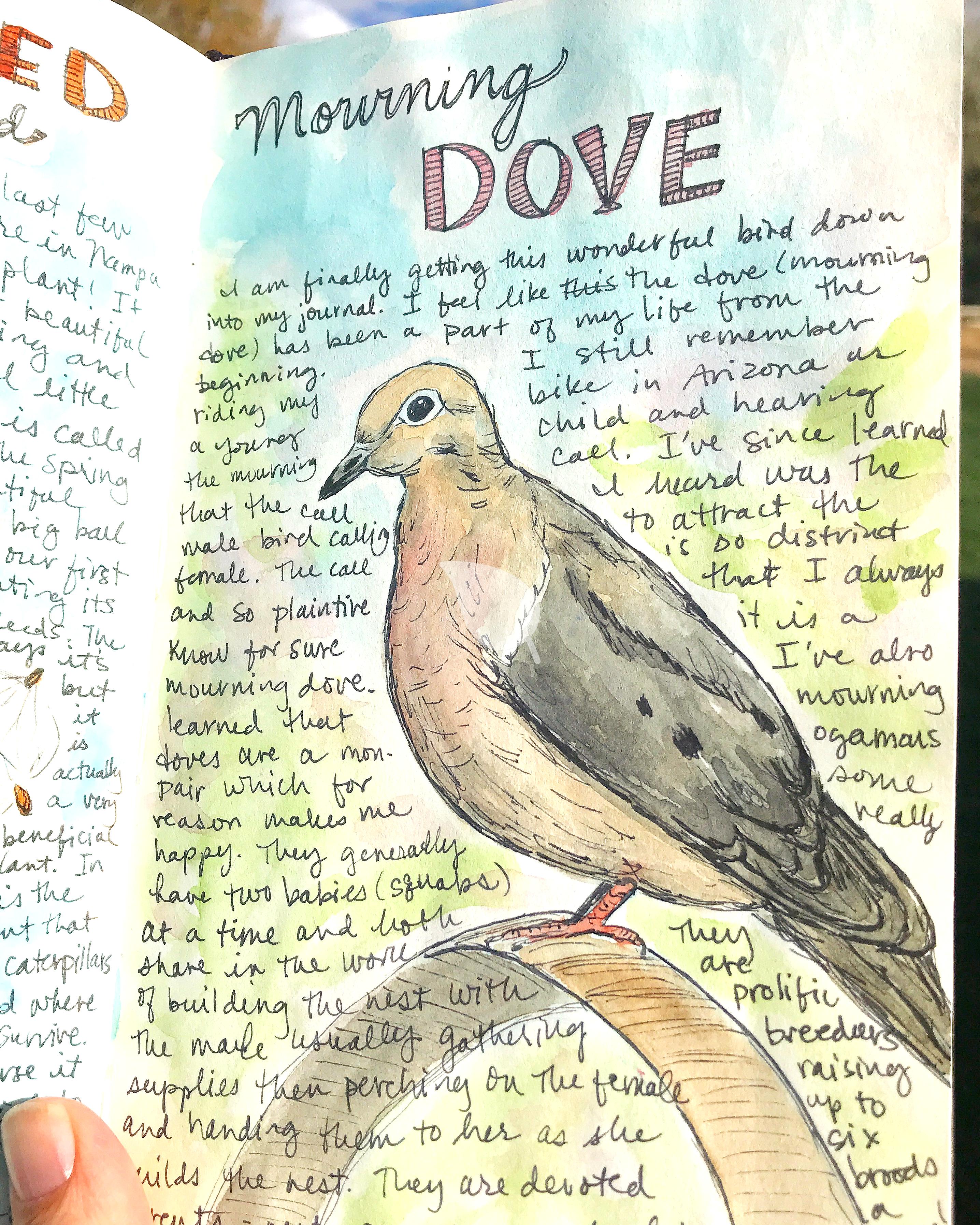
In a nature journal, kids jot down notes on observations - plants, animals, weather, colors, and sounds. Fill pages with sketches of leaves, insects, or landscapes. You can also add simple charts tracking seasonal changes, or even photos and small collected items (like pressed flowers) for variety. Tip: Mix writing, drawing, and collecting to keep journals exciting.
Conclusion
A nature journal for kids is more than a collection of sketches and scribbles - it’s a ticket to curiosity, deeper observation, and unforgettable family moments. Through seasonal prompts and simple supplies, you’ll unlock a whole new way to experience the outdoors together. The best part? There’s no right or wrong approach - just an opportunity to notice, wonder, and connect.
Start with the basics. Let your child’s interests lead the way, and use the prompts and printable templates provided to remove barriers. Whether you’re in the backyard or a mountain meadow, every page of your child’s nature journal builds confidence and lifelong learning.
Ready to begin? Download our free 4-season journal templates and see how quickly your child transforms into a nature detective. Make nature journaling a family tradition that grows with you, season after season.
Tags
Join Our Mission
Support our conservation efforts and make a difference today.