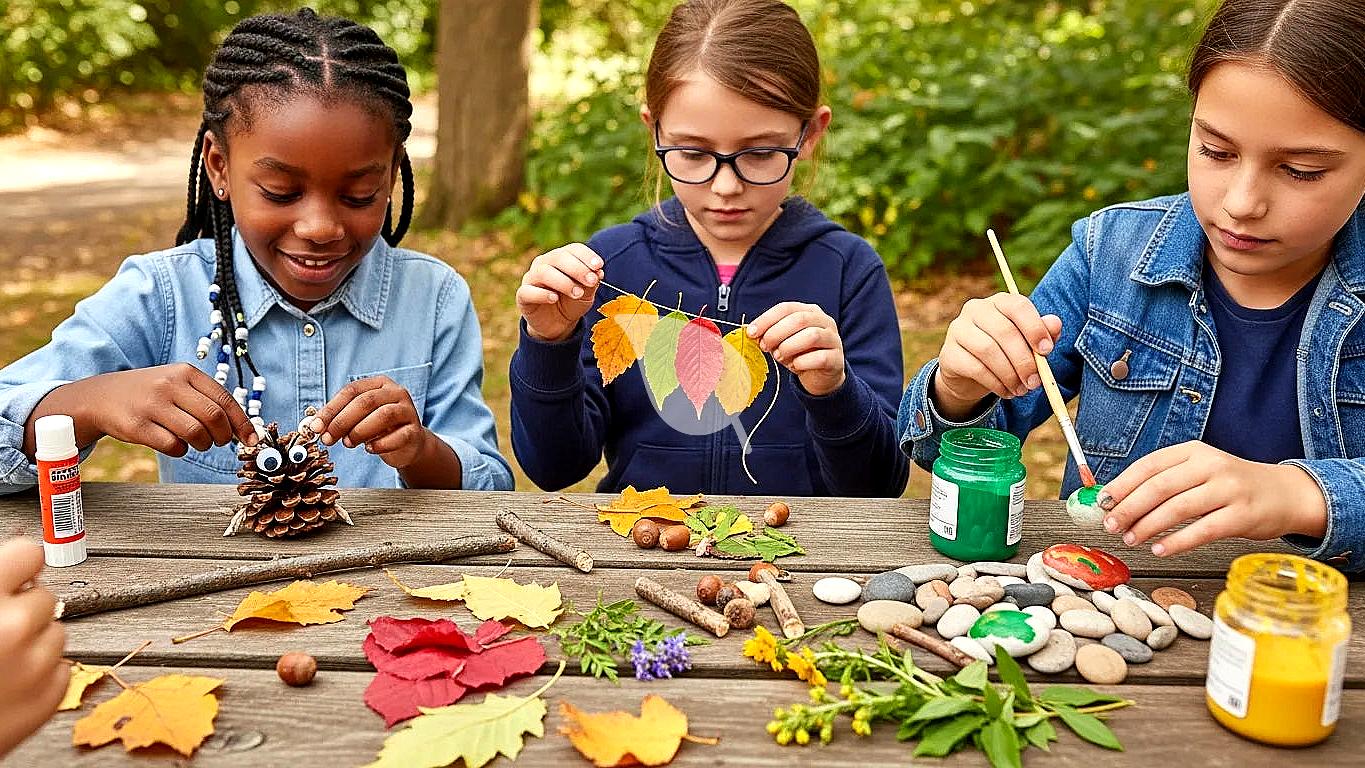
Are you tired of screen battles and the chorus of "I'm bored!" echoing through your living room? What if I told you that your kitchen junk drawer is secretly the ultimate launchpad to teach kids about nature - and you don’t need to spend a dime?
Let’s face it: getting kids into nature at home often feels overwhelming. Maybe you don’t have a sprawling backyard (or, let’s be real, the energy for fancy projects). But here’s a secret: household odds and ends can transform into powerful tools for nature learning. That’s right - your old jars, a handful of spoons, and that stack of scrap paper are ready for action.
This isn’t another Pinterest-perfect craft roundup. We’re talking about 10 real-life, no-cost activities that blend household objects and the wonders of nature. You’ll also get observation tools, age-specific tweaks, and plenty of tips that actually work (even on rainy days when the only green thing you spot is yesterday’s spinach on the floor).
Ready to ditch the endless scroll and spark everyday wonder? Let’s jump in!
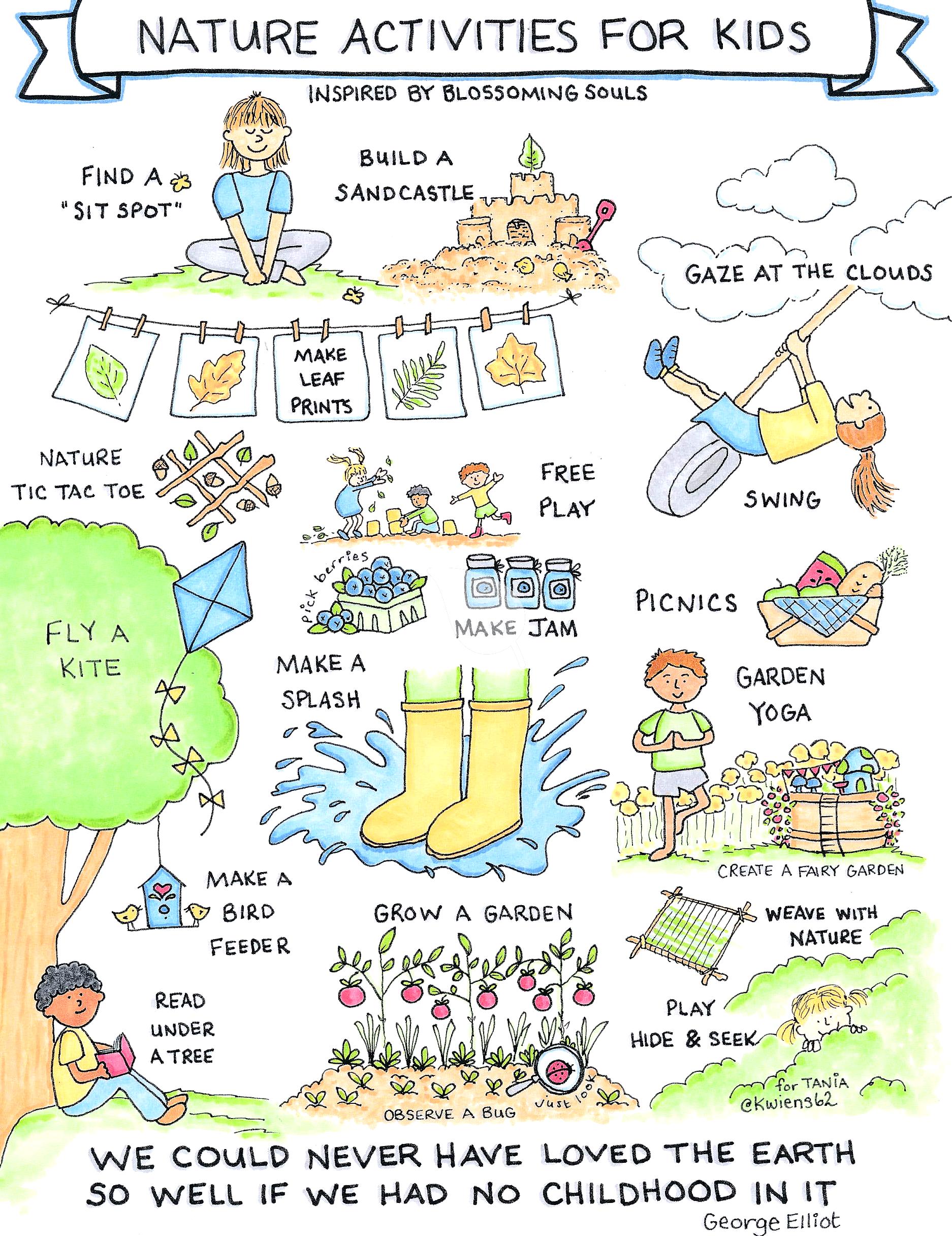
Why Teaching Nature at Home Matters
Imagine a world where your kitchen table doubles as a nature lab and those random bits in your junk drawer spark daily discoveries. Sound too good to be true? Not at all. In fact, research shows that children who spend time in nature display a 20% boost in focus and noticeably lower stress levels (Appalachian Mountain Club, 2024).
Why is this so important? Because nature learning isn’t just for the park or a sunny afternoon. When you teach kids about nature at home - using everyday stuff - they see the world in new, curious ways. It makes learning accessible, removes the pressure of “doing it right,” and, let’s be honest, gives you a reason to finally use those empty jars piling up in the cabinet.
Blending household items with nature crafts means learning is always within reach. You’ll create moments for crafting, exploring, and experimenting right at your own kitchen table. Kids love the freedom to touch, tinker, and observe up close. You’ll love the minimal prep and maximum engagement.
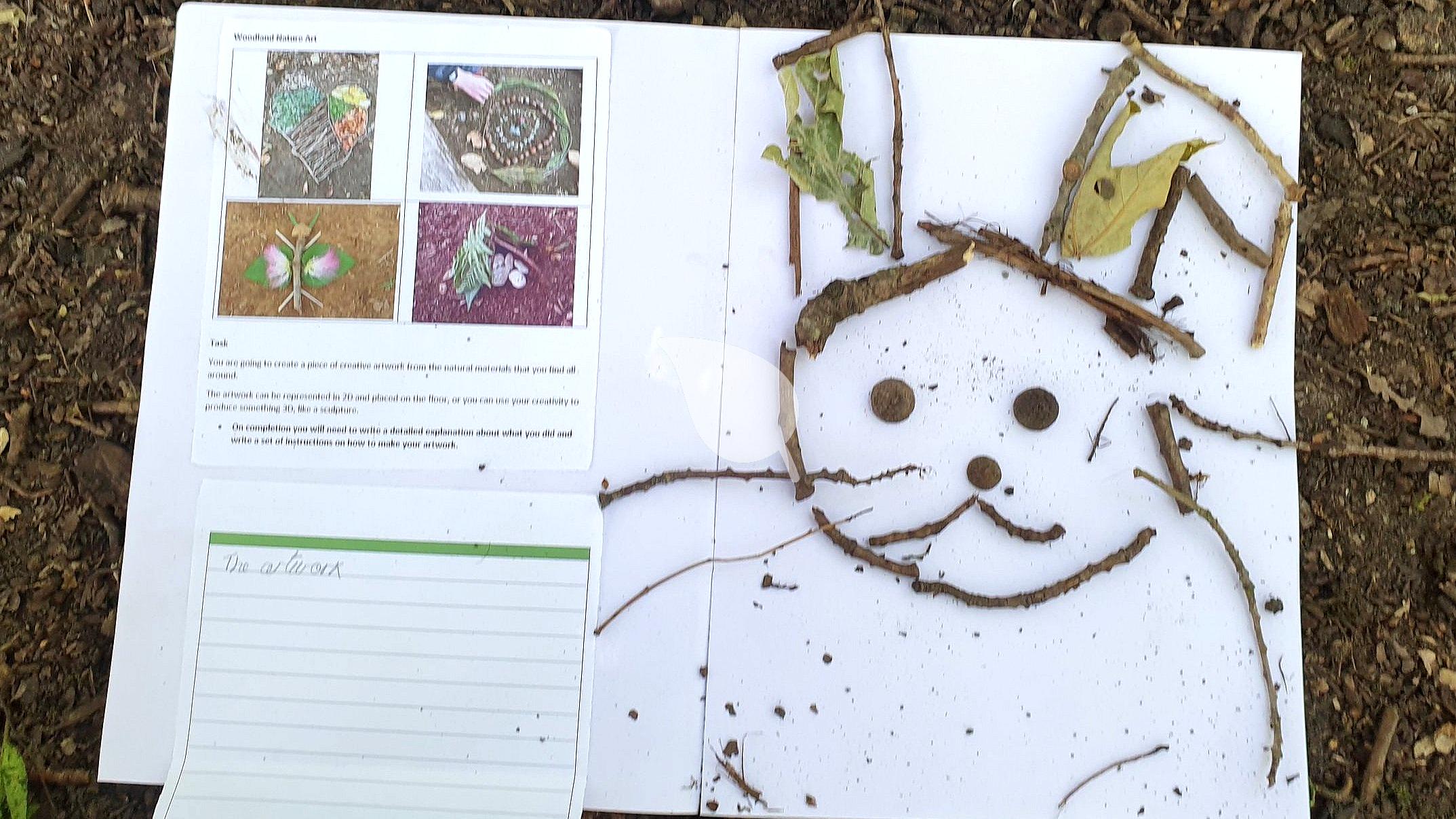
And the best part? You don’t need to be a science whiz or have acres of land. A few basic supplies (paper, crayons, leaves from a walk, maybe a pinecone or two) are all you need to start. In this guide, you’ll find:
- 10 easy, proven activities that blend household objects with nature finds
- Tools and ideas for making observation and journaling fun (and not a chore)
- Tips for adapting everything to suit any age, from toddlers to tweens
10 Everyday Item Nature Activities for Kids
Let’s get practical. Ready to turn that "miscellaneous" drawer and your backyard (or even a balcony!) into a hands-on nature classroom? Here are 10 zero-cost activities you can start right now to teach kids about nature with household items.
Color Hunt Using Household Items
Here’s a twist on the classic color hunt - use kitchen staples to connect indoor and outdoor worlds. Gather a rainbow of spoons, cups, or even socks. Ask your child to match them with nature’s colors outside: a green spoon for a leaf, a red cup for a flower, a yellow sock for dandelions.
This activity is a sneaky way to teach observation and color-matching skills. Kids love the challenge, and it encourages them to see the subtle shades hiding in your yard, balcony, or even along a city sidewalk. For a rainy-day twist, bring small potted plants or veggies inside and match them there!
DIY Bug Observation Box with Jars
Remember those empty glass jars you keep just in case? Here’s their moment. Turn them into bug observation boxes! Carefully collect a bug with a spoon or leaf (no hands needed) and pop it into a jar with air holes poked in the lid.
This isn’t just a craft - it's a lesson in empathy and respect for living things. Label each jar with the date, bug name (get creative with guesses!), and a quick drawing. Always release your new friend after a short visit. Kids learn responsibility, curiosity, and the magic of tiny life right at their fingertips.
Pressed Flower Art with Paper and Glue
Pressed flower art is a classic, and for good reason. Go on a mini hunt to gather flowers, petals, or interesting leaves. Place them between two sheets of paper inside a heavy book for a few days.
Once pressed, use clear contact paper or regular old glue to make bookmarks, cards, or even plant anatomy diagrams. This is a brilliant way to teach plant parts and celebrate the little things growing nearby. Plus, it makes gorgeous gifts for grandparents.
Nature Sensory Bins with Loose Parts
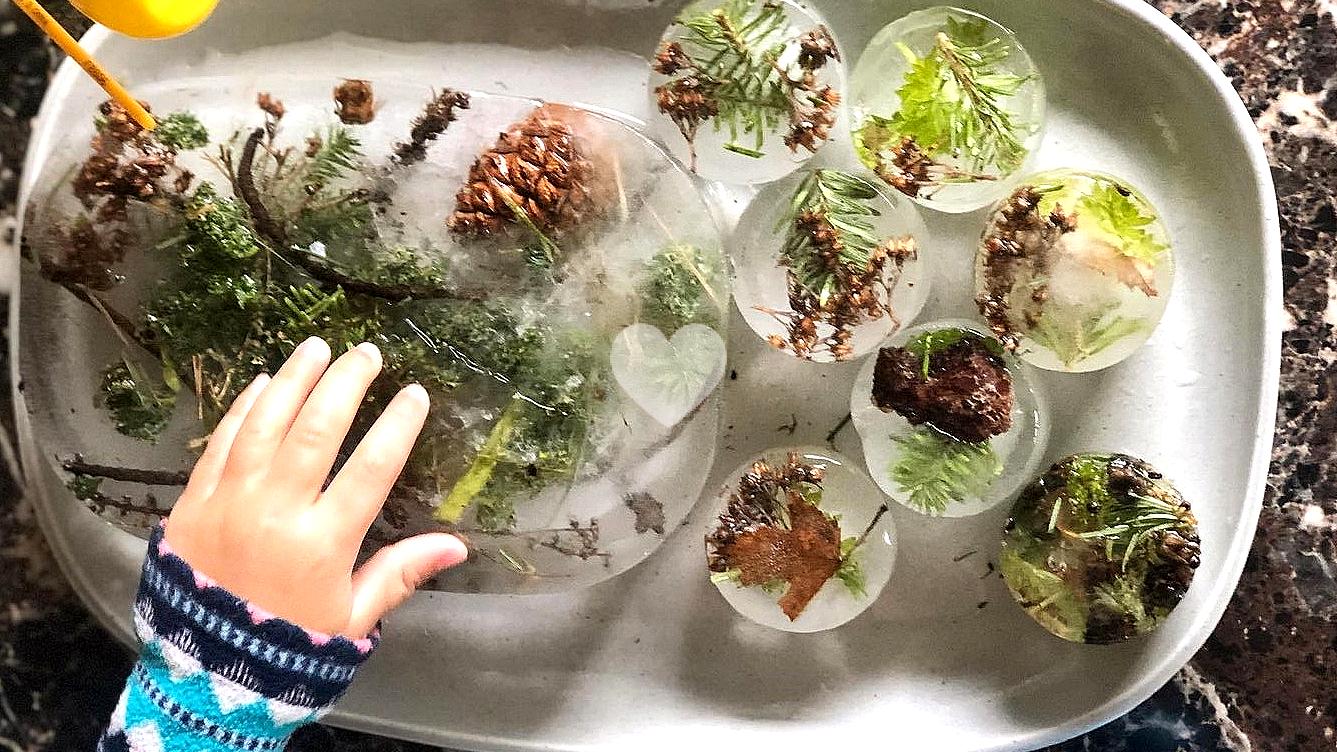
Loose parts play isn’t just trendy - it’s proven to boost creativity and sensory learning. Fill a bin or bowl with rocks, sticks, pinecones, and leaves from your last walk. Toss in some kitchen tools like spoons, tongs, or measuring cups for more fun.
This sensory bin is perfect for rainy days or city apartments. Kids can dig, sort, and even build mini habitats.
"Giving children the opportunity to simply PLAY with natural materials is a wonderful way for them to learn about nature and develop respect for the environment."
- Mary Catherine, Early Childhood Educator (Fun-A-Day)
Pro tip: Always supervise young kids, since some parts may be tempting to taste or toss!
Leaf Rubbing Using Crayons and Paper
Time to bring out those broken crayons. Place a leaf under a sheet of paper and rub with the side of a crayon. The veins and shape pop through - like magic!
This simple activity teaches observation, fine motor skills, and pattern recognition. Try it with leaves from different trees to see the variety. Challenge older kids to label the parts and compare textures for a little STEM bonus.
Explore practical, zero-cost activities combining household staples with nature items to spark kids’ curiosity. Using everyday objects to teach kids about nature removes so many barriers. It means anyone - apartment dwellers, busy working parents, or folks with no outdoor space - can provide outdoor-inspired learning at home.
For example, one mom in our community used kitchen jars and old crayons to transform a rainy day into a bug-watching and leaf-rubbing adventure. Instead of feeling stuck inside, her kids spent hours asking questions, drawing, and inventing stories about their finds. That’s the beauty of these activities: they flex to fit your life.
Recent data backs this up: 85% of parents now seek more outdoor-inspired home activities post-pandemic . This shift isn’t just about fun - it’s about building lifelong curiosity and resilience.
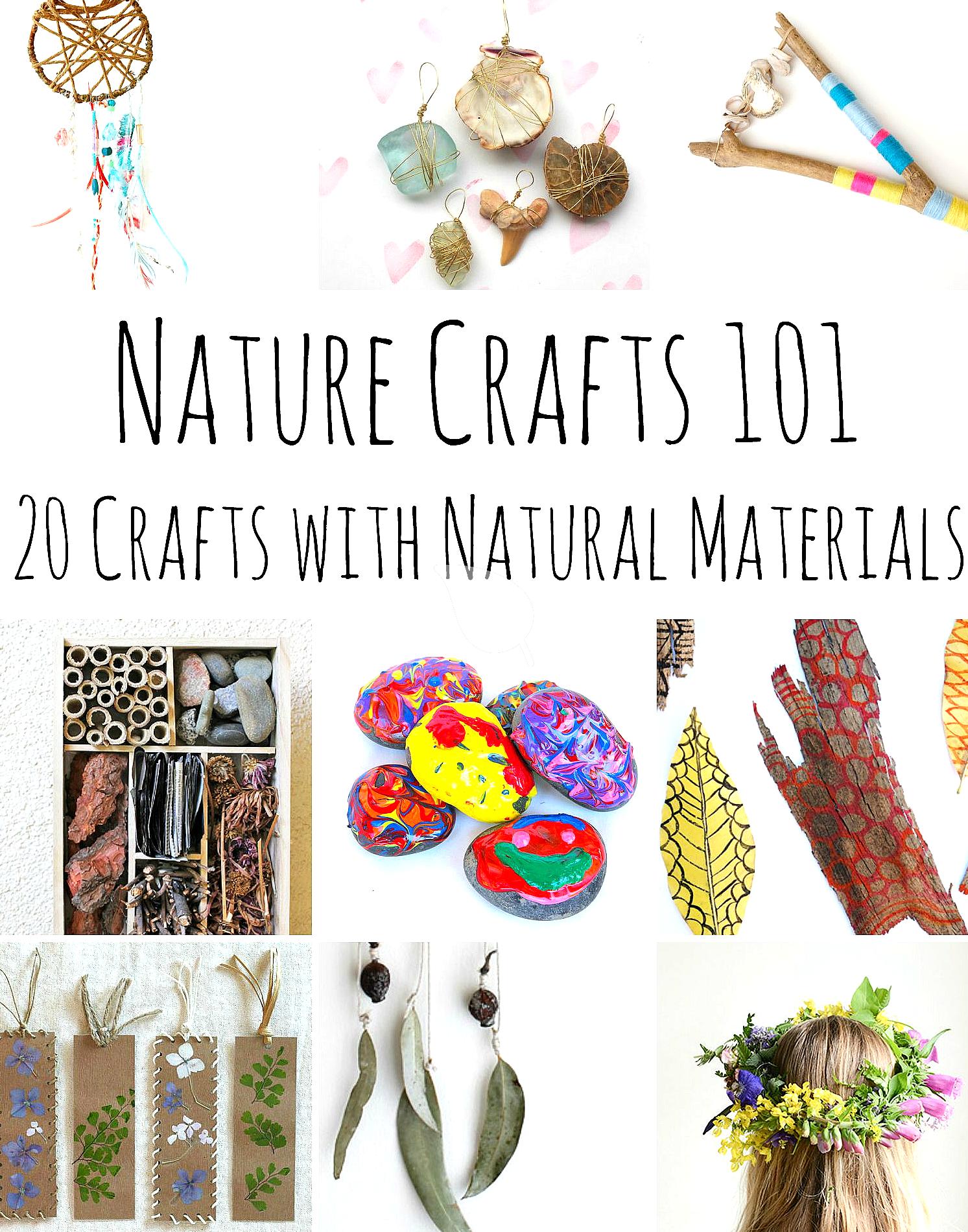
Next up, let’s look at tools that help your child observe and document their discoveries - turning wonder into lasting knowledge.
Tip: Always supervise kids with small items for safety. Even the most innocent rock can become a projectile in the hands of a curious preschooler!
Example: A neighborhood daycare used loose parts play - rocks, shells, and spoons - every day. The result? Kids became little scientists, constantly inventing new games and sharing their discoveries. Exploration skyrocketed, and cleanup? Surprisingly easy.
Action Steps: Setting Up Your Home Nature Lab
Turning your home into a nature lab sounds fancy, but really, it’s just about being ready for spontaneous play. Here are three simple steps to make it happen (and keep it stress-free):
-
Gather Everyday Items and Nature Finds
Start by collecting jars, scrap paper, crayons, and simple natural materials like leaves, rocks, or pinecones on your next walk. Keep these items handy - a basket by the door or a bin in the kitchen works wonders. This makes it easy to launch into play at a moment’s notice, rather than hunting for materials while kids lose interest. Pro tip: avoid bringing out too much at once. A handful of choices keeps things focused and prevents overwhelm.
Example: Keep a “nature basket” by your back door stocked with empty jars, paper, and a magnifying glass. When your child spots a ladybug, grab the basket and dive right in!
-
Create a Simple Observation Journal
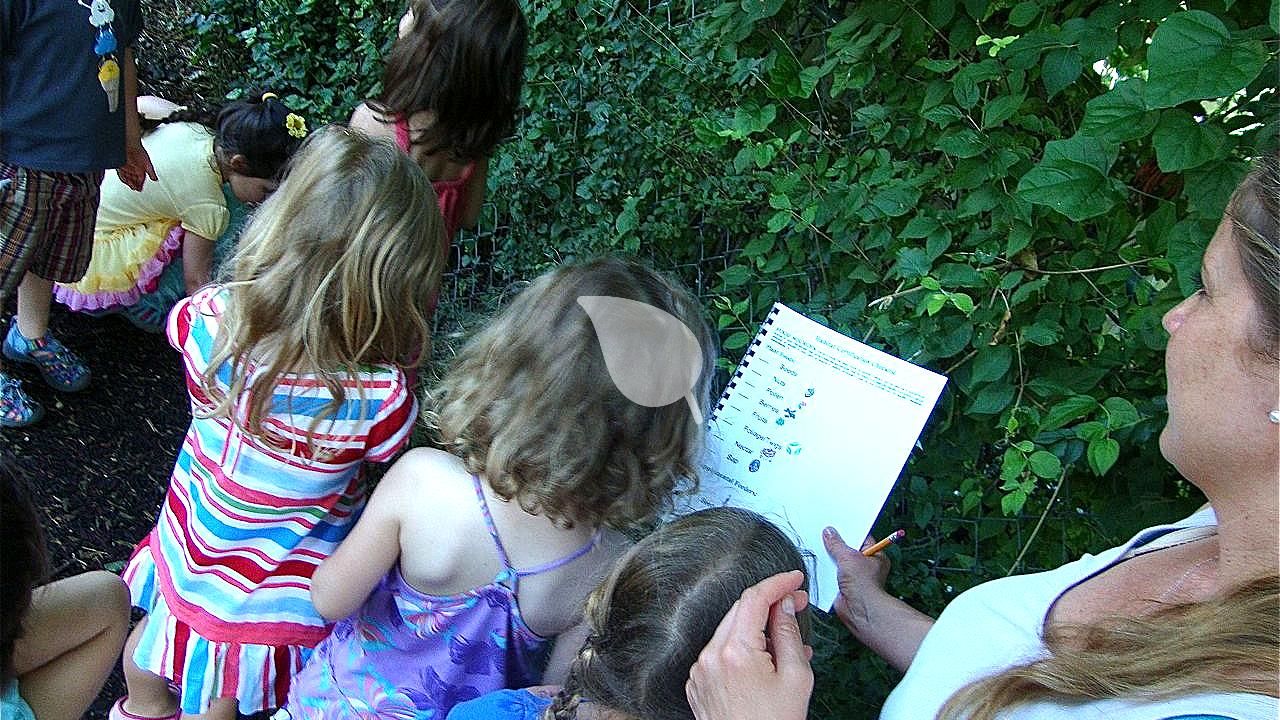
Don’t let journaling intimidate you. A blank spiral notebook or a few printable pages will do. Encourage your child to draw, jot notes, or tape in nature finds. The goal? Not perfection, but building a habit of looking, noticing, and wondering. This fosters ongoing interest (and gives you a record of tiny triumphs over time).
Example: Draw a quick picture of the weather each day or sketch the new plant you spotted on a walk. For older kids, add a few lines about what you noticed - did the leaves change shape? Was the bug fast or slow?
-
Adapt Activities by Age
Toddlers and tweens don’t need the same approach. For younger kids, simplify with big, safe materials and lots of sensory play (think large crayons, chunky leaves, and hands-on bins). Older kids? Challenge them with more complex crafts or STEM activities - like color-changing flower experiments or building a mini ecosystem in a jar.
Example: Toddlers love scooping leaves with spoons, while older kids might test if a flower changes color when its stem sits in colored water overnight.
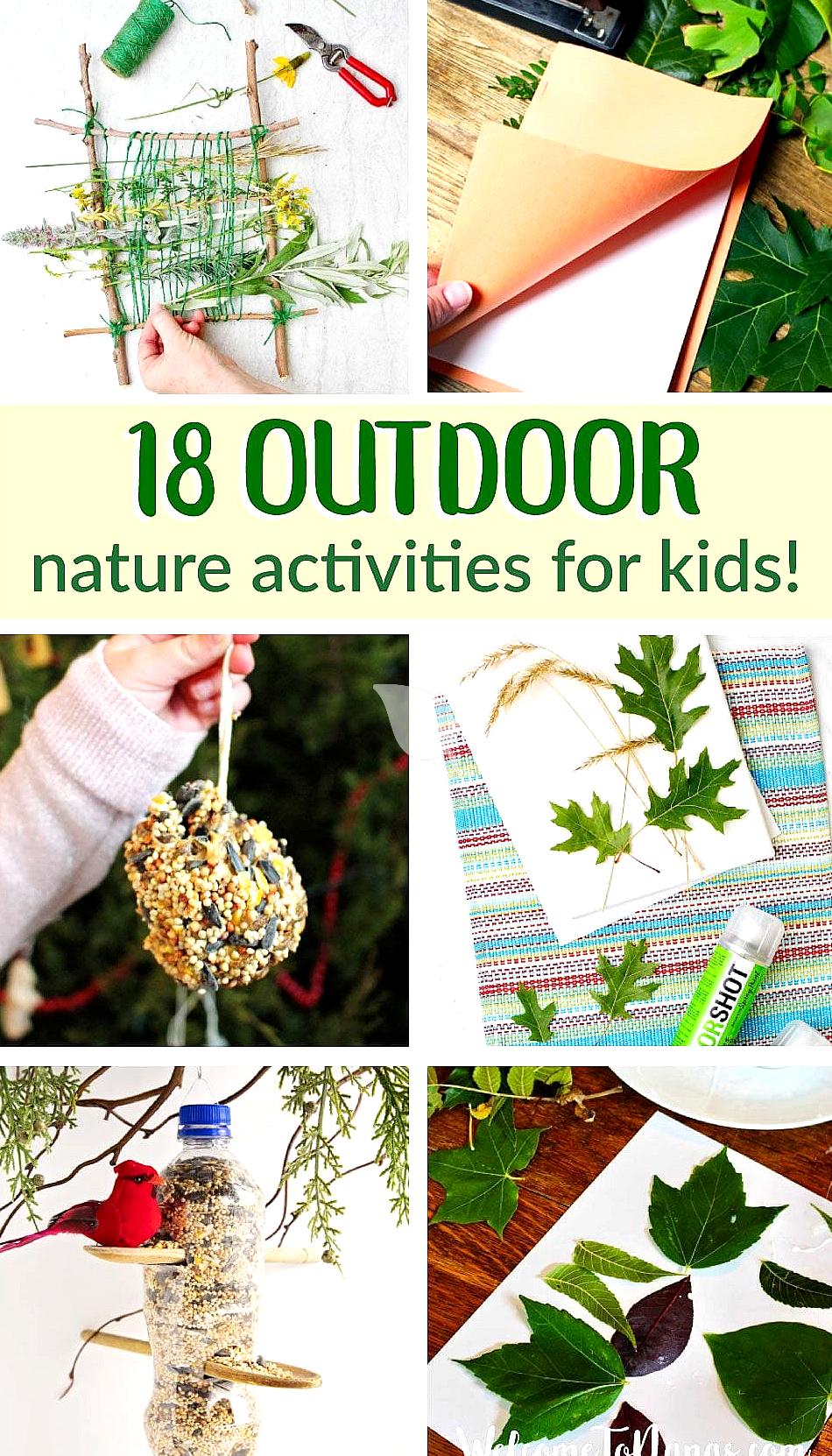
Mistakes to Avoid When Teaching Nature at Home
Even with the best intentions, it’s easy to fall into a few common traps while trying to teach kids about nature at home. Here’s what to watch out for - and how to fix it:
-
Using outdoor-only activities without indoor alternatives: If you focus only on activities that require a backyard or park, kids (and parents) in apartments or during bad weather will miss out. Instead, lean into household items that bring the outdoors inside - think bug jars, leaf rubbings, and sensory bins.
-
Skipping age-appropriate modifications: Sometimes we forget that what excites a 7-year-old may totally frustrate a 3-year-old. Crafts that are too tricky or tools that aren’t safe for little hands can zap the fun fast. Always adapt: use big, soft materials for toddlers; add challenges (and safety scissors) for big kids.
-
Neglecting to encourage repeated play and observation: Trying a new activity once is fun, but without repetition, kids don’t build lasting skills or interest. Instead, introduce journals, repeatable crafts, and seasonal variations so kids can revisit and build on their discoveries.
Helpful Tools and Resources for Nature Learning at Home
Nature learning at home is easier - and more fun - when you have the right tools. Here are a few proven resources to keep in your toolkit:
-
Printable Nature Journals: Downloadable templates help kids track what they see, hear, and touch. Journaling supports ongoing discovery, sparks questions, and gives you a keepsake to look back on.
-
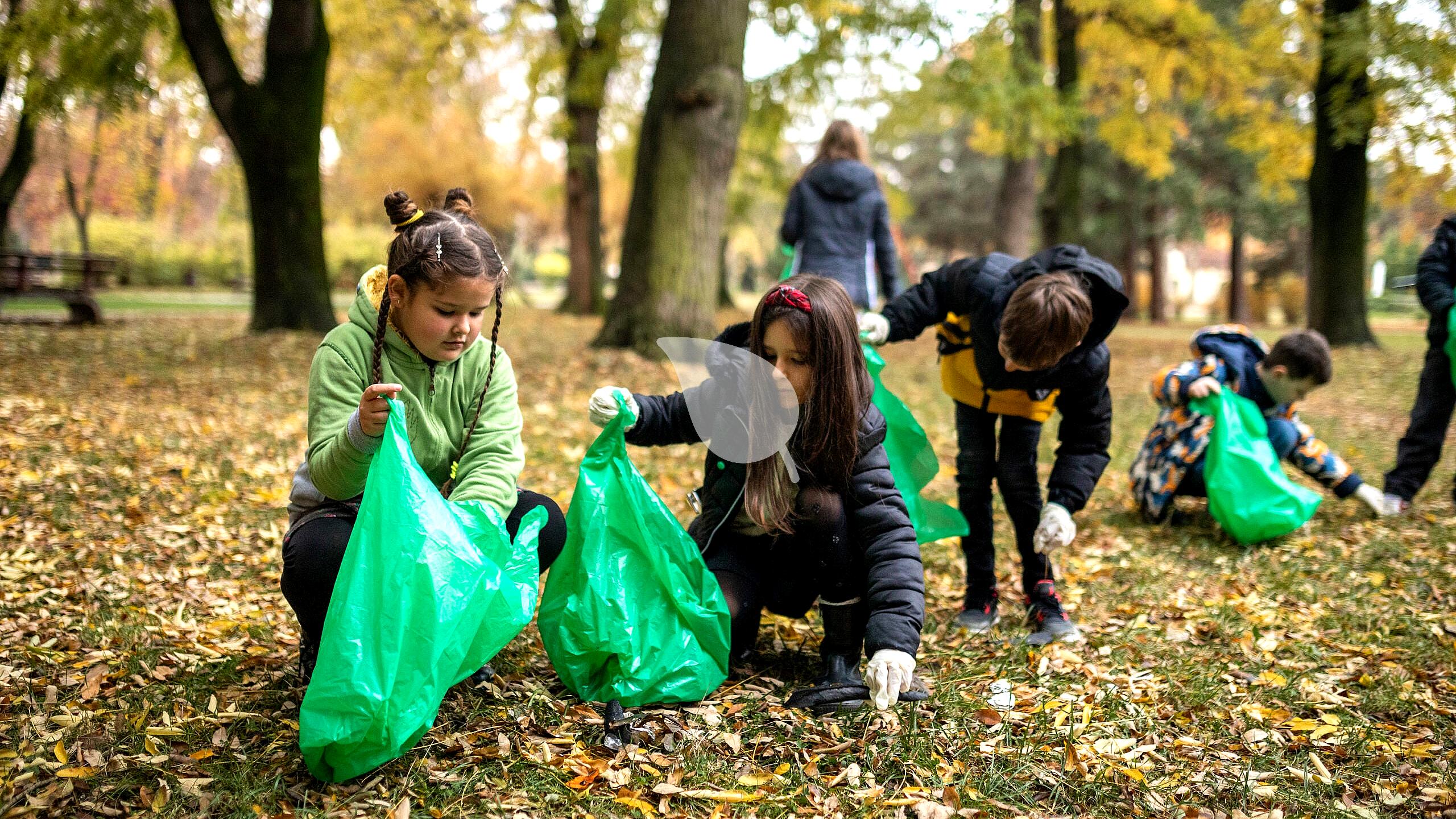
Seasonal Scavenger Hunt Checklists: Make walks and backyard play more exciting with checklists tailored to each season. Kids become natural detectives searching for colorful leaves in fall, birds in spring, or unique rocks in summer. This keeps curiosity alive year-round.
-
Household Item Craft Guides: Step-by-step guides show exactly how to turn everyday stuff - like paper plates, jars, and old fabric - into nature-inspired crafts. No fancy supplies (or craft store runs) required!
These resources are easy to find online. Bonus: many are free and printable, so you can start right now.
Real-Life Examples of Home Nature Activities
Let’s get real for a second. These aren’t just “Pinterest ideas” - they actually work in the wild (a.k.a. your home):
Loose Parts Play at a Daycare
A local daycare set out bins of collected rocks, shells, sticks, and spoons every day. Kids gravitated toward these bins, building towers, sorting by size, and inventing impromptu games. The result? Child-led exploration, more creative play, and kids who begged to "do science" each morning. Teachers found clean-up easier than expected - children took pride in returning their treasures to the right bin.
Backyard Ecosystem Observation
In another family, weekly backyard walks became mini science expeditions. Kids used an old notebook to record every new bug or plant they spotted. They tracked how leaves changed color, drew pictures of insects, and even started naming backyard birds. Over time, their awareness of the local ecosystem grew - and they began asking bigger questions about the world around them.
FAQ
What are fun nature crafts for kids?
Fun nature crafts for kids use simple materials like leaves, rocks, and flowers, combined with household items such as paper, glue, and jars. Some favorites include pressed flower bookmarks, leaf rubbings, and rock painting. Keep crafts simple for younger children by focusing on sensory experiences - like pressing flowers or sorting rocks by color and shape. Always use safe, non-toxic supplies and supervise closely, especially with small parts. For more ideas, check out our guide to easy DIY nature crafts.
How do you make a nature journal for kids?
Start with a blank notebook or print a template. Encourage your child to make daily or weekly entries - draw what they see, note the weather, or tape in pressed leaves. Prompts help: try questions like “What color was the sky today?” or "Which leaf was the biggest?” Journaling doesn’t have to be perfect. The goal is to spark curiosity and build a sense of connection. See our nature journal for kids for inspiration!
Easy STEM activities with natural materials?
There are plenty of easy STEM nature activities for kids! Try the classic color-changing flowers: place white flowers (like daisies) in water colored with food dye and observe what happens. Or build a mini ecosystem by adding soil, rocks, and a small plant to a jar - watch how the environment changes over time. Explain concepts like absorption, plant growth, or habitats in simple terms. Encourage questions and hypothesis-testing (“What do you think will happen if…?”) to make these activities both fun and educational.
Conclusion
So, what’s the real secret to teach kids about nature at home? It’s not about the perfect setup or endless supplies - it’s about inviting wonder into your daily routine using what’s already at hand. Household items like jars, paper, and spoons are just the start; it’s your curiosity and willingness to explore alongside your children that makes the magic happen.
When you embrace activities like crafts, sensory bins, and simple nature journals, you’re doing more than keeping kids busy. You’re nurturing observation, patience, and a lifelong love of the natural world. Adapting these nature lessons for different ages and repeating favorite activities only deepens engagement and learning.
Honestly, you don’t have to wait for the stars to align. Start today - grab that leftover jar, a crayon, and head outside (or just to the windowsill). You’ll be amazed at what your kids notice, create, and remember. And you might even rediscover a little wonder yourself.
Want more easy nature ideas? Get weekly inspiration and ready-to-go tips - sign up for our newsletter now!
Tags
Join Our Mission
Support our conservation efforts and make a difference today.