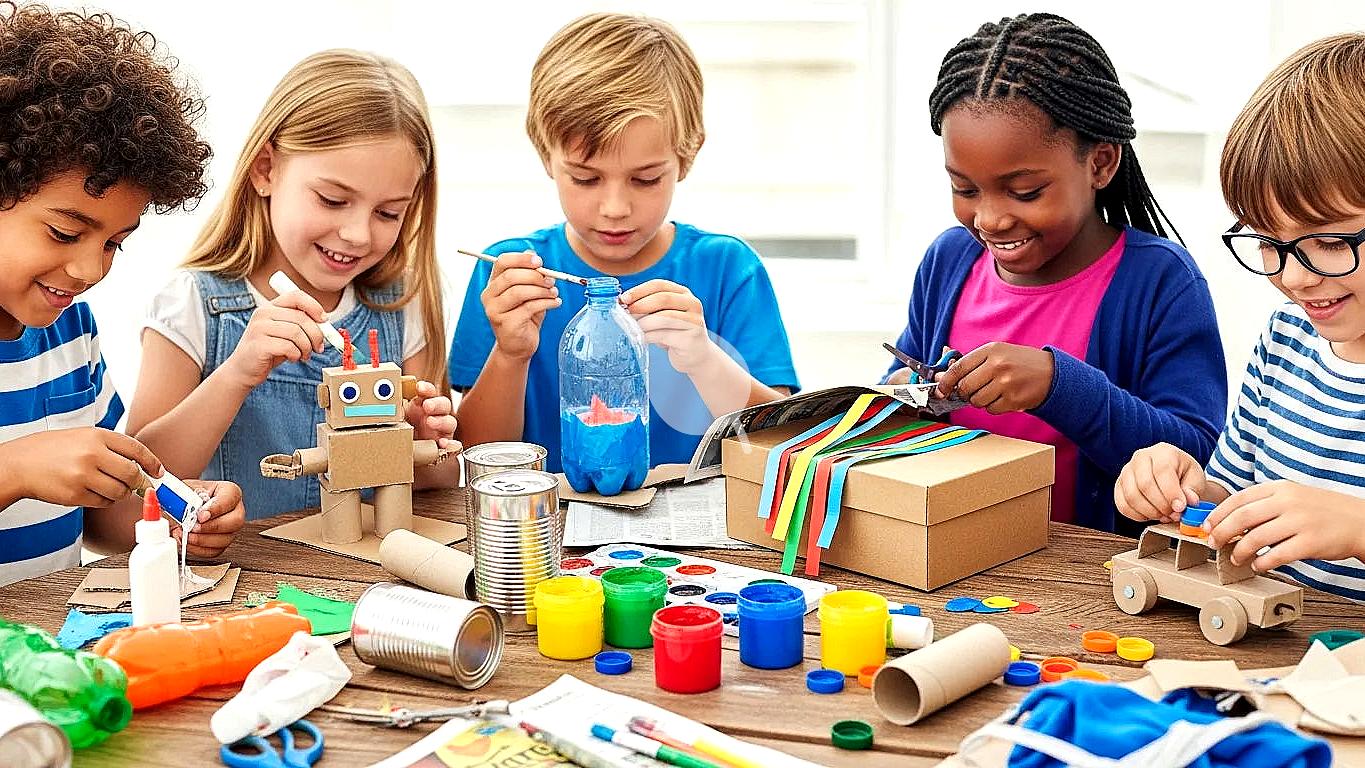
Your child can become an eco hero with nothing more than a cardboard box, a handful of bottle caps, or a few old newspapers. The planet isn't just calling for superheroes in comic books - it needs everyday heroes, and kids are fully equipped to lead the charge. Want proof? You’re about to discover simple environmental projects for kids that transform everyday playtime into hands-on planet-saving missions. This is your essential guide to fun, low-prep eco activities for families, teachers, and groups of kids ages 4 to 12. Ready for your kids to start making a real difference? Let’s jump in!
Meet the Eco Heroes: Kids Saving the Planet One Project at a Time
Picture this: it’s a rainy Saturday, boredom is brewing, and suddenly your child’s eyes light up - they’re turning an old milk carton into a bird feeder for the backyard. What if every weekend (or even just once a week) could feel this meaningful? With simple environmental projects for kids, you’re not just passing time - you’re nurturing future leaders passionate about a greener world.
Consider this: Roughly one-third of municipal solid waste in the United States is packaging and containers - most of it destined for landfill, yet much of it can be reused or recycled (US EPA). Instead of tossing out those jars, boxes, and wrappers, imagine the impact if every family transformed just a handful each month into something new, useful, or beautiful.
Unlike typical crafts that fizzle out after a few hours, these activities combine creativity with real environmental impact. Kids track measurable changes - less trash, more pollinators, cleaner parks - and see themselves as genuine planet savers. Want proof it works? The EPA’s Planet Protectors program reports that children who participate in hands-on eco activities increase recycling rates at home and influence their peers at school.
This guide brings you ten actionable projects, straightforward explanations at a child’s level, and ideas to lead eco-friendly missions both at home and in the classroom. If you want to take it further, check out our backyard wildlife sanctuary for kids for a step-by-step outdoor adventure.
10 Simple Environmental Projects for Kids: Fun Eco Activities at Home and Beyond
Let’s cut to the chase: environmental activities for kids should be doable, exciting, and impactful. These ten simple environmental projects for kids cover your home, backyard, community, and even kitchen table - mixing nature, crafts, science, and advocacy for well-rounded eco education.
Nature Scavenger Hunt
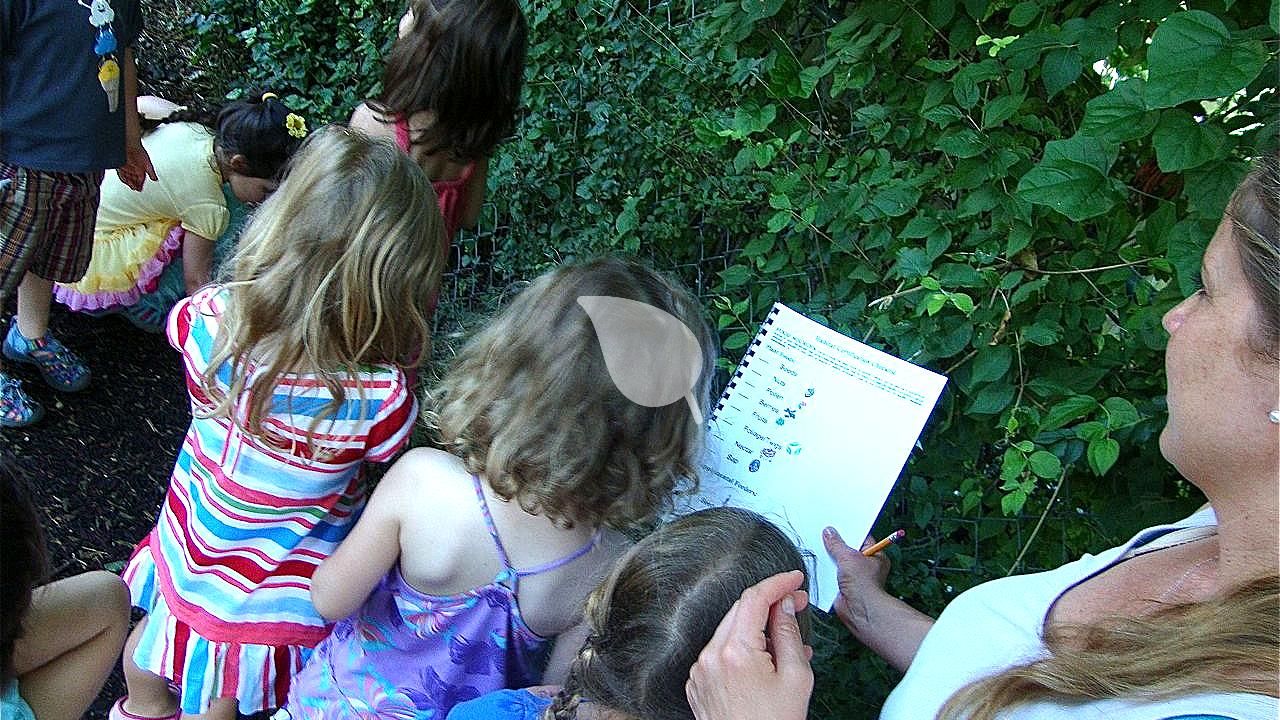
A nature scavenger hunt turns any walk into a learning adventure. Armed with a printable checklist, kids search for things like pinecones, feathers, ladybugs, and wildflowers. This sparks curiosity about local biodiversity and sharpens observation skills. It’s quick to organize, free, and encourages kids to see “ordinary” outdoor spaces in a whole new way.
Garbage Walk and Community Cleanup
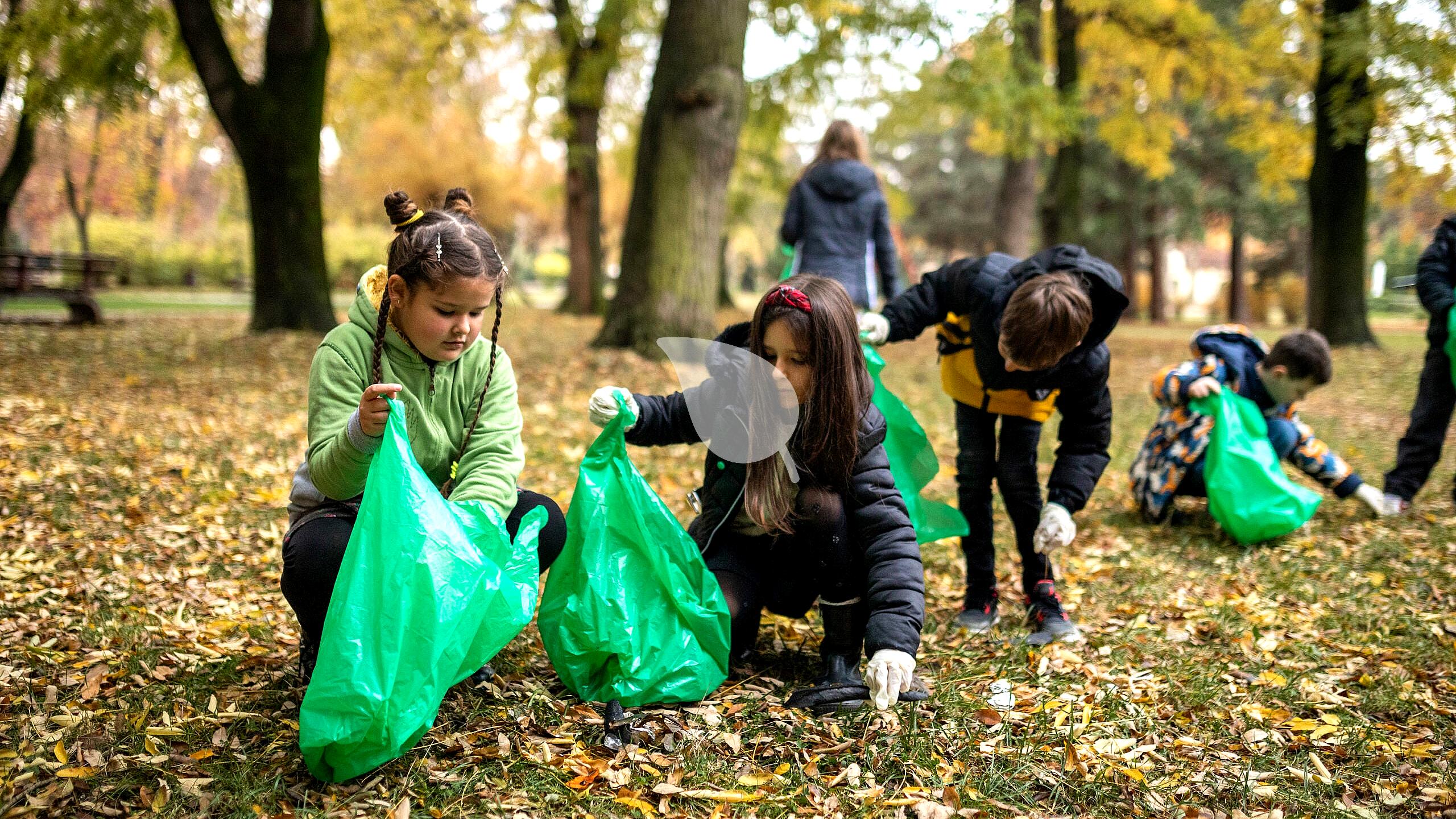
Grab gloves, a trash bag, and hit the sidewalk as a family. Kids collect litter from parks or neighborhoods, instantly seeing how their actions create cleaner spaces. Besides building responsibility and pride, this project shows that even small hands can make a big difference - especially if you snap a "before and after" photo.
Mini Pollinator Garden Project
No sprawling backyard? No problem! Plant a few native flowers in a pot or small patch. Kids learn how bees, butterflies, and even hummingbirds rely on certain plants. They’ll love watching new visitors arrive, and it builds a sense of stewardship for living things.
Recycling and Upcycling Crafts
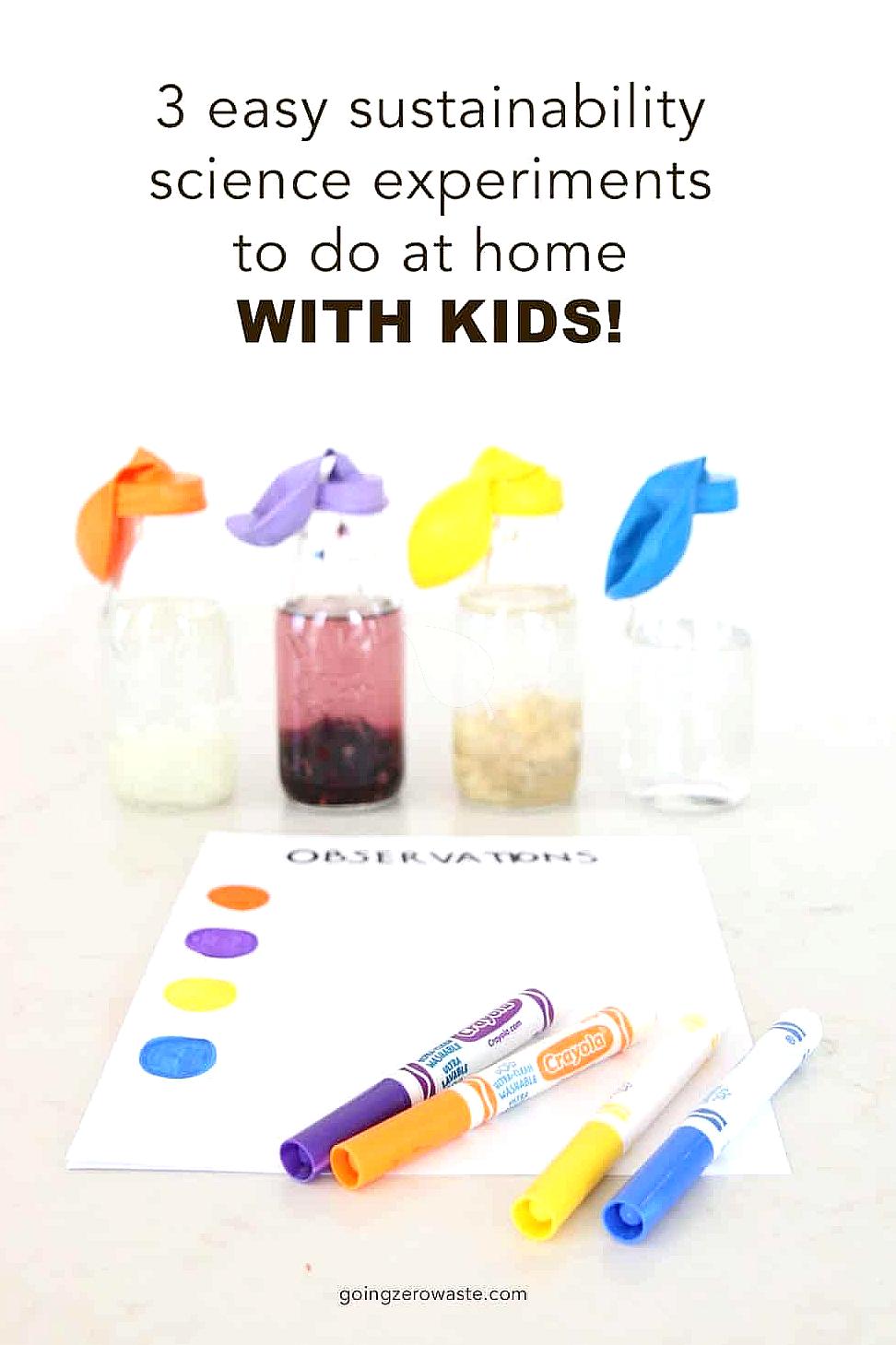
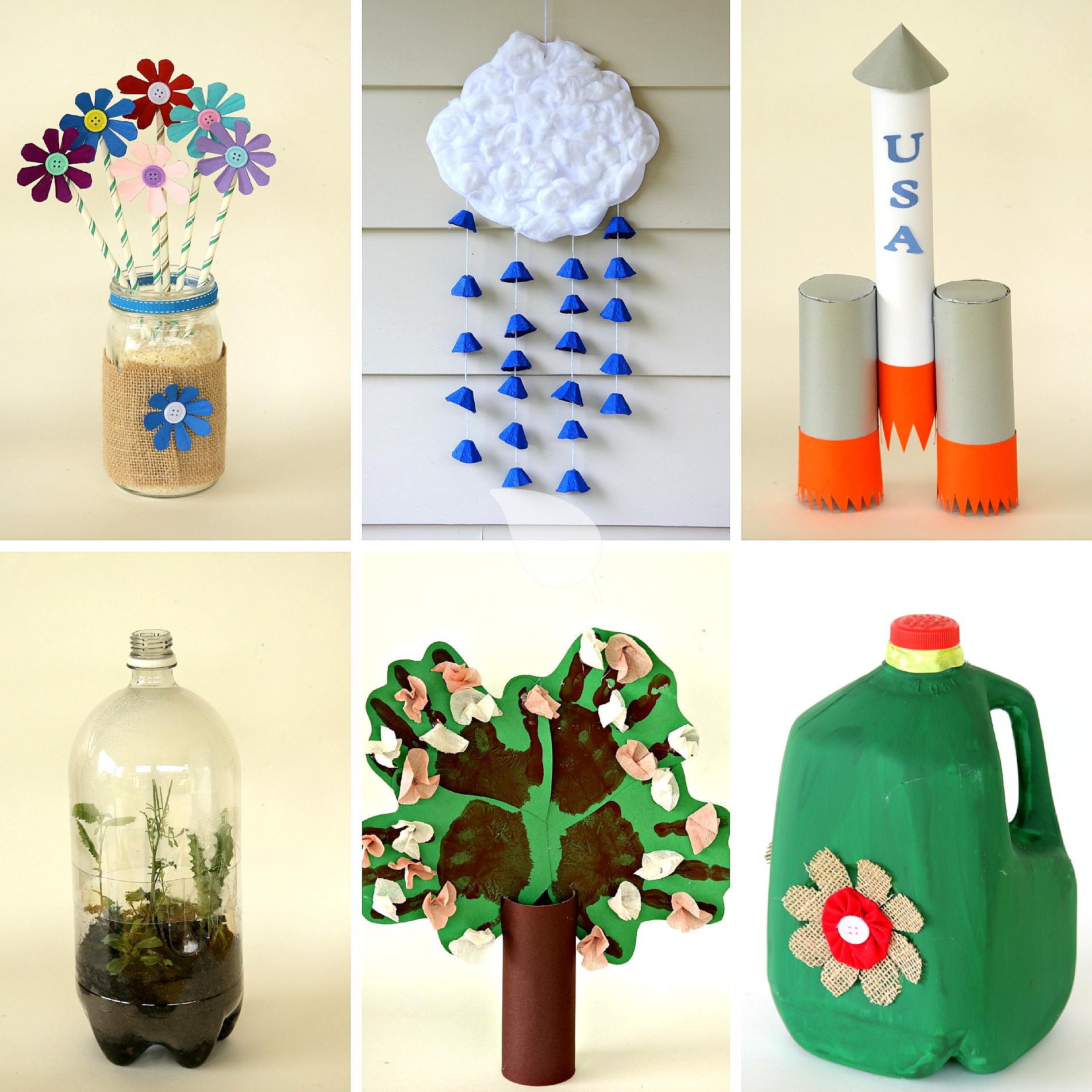
Don’t toss that milk carton or tin can - turn it into a bird feeder, flower planter, or even a homemade instrument. With clear project lists, kids see how reusing materials cuts down waste and sparks creativity. You can adapt projects for every age: simple bird feeders for Mini Heroes (ages 4-6), and more complex upcycled instruments for Planet Pros (ages 10-12).
Water-Saving Challenge
Challenge your kids to track every time they turn off a dripping faucet, take a shorter shower, or reuse water for plants. Use a simple chart to record daily wins. After a week, tally up the water saved and celebrate! It’s a concrete way to show why water conservation matters - in fact, outdoor water use in the US accounts for nearly 30% of total household water consumption .
Green Lunch Makeover
Ditch disposable bags and single-use plastic. Instead, empower kids to pack a lunch with reusable containers, cloth napkins, and a refillable water bottle. Ask them to brainstorm swaps (like fruit instead of packaged snacks). It’s a practical lesson in waste reduction, and the routine soon becomes second nature.
DIY Bird Feeder or Wildlife Habitat
Building a simple bird feeder or bug hotel from household scraps provides food and shelter for neighborhood creatures. Not only is it a satisfying craft, but it’s a powerful lesson in supporting local ecosystems. Want more ideas? Dive into our backyard wildlife sanctuary for kids guide for step-by-step habitat projects.
Mini Compost Experiment
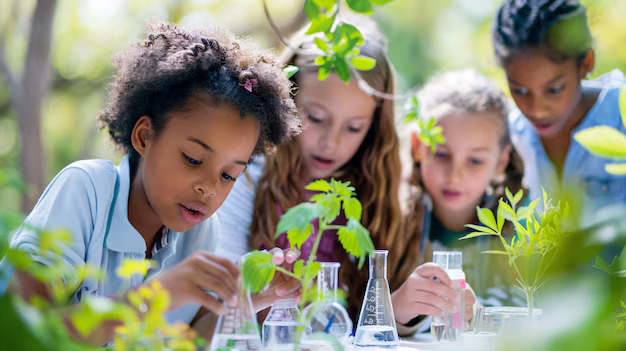
Got banana peels and apple cores? Set up a mini compost bin in a clear container and watch as kitchen scraps transform into rich soil. Kids love observing the decomposition process - it’s gross, fascinating, and a STEM lesson rolled into one. Track changes over weeks, discussing the science behind every stage.
Solar Oven or Energy-Saving Mission
With a pizza box, some foil, and plastic wrap, you can create a simple solar oven and harness the power of the sun to toast marshmallows or melt cheese on crackers. Alternatively, challenge kids to find ways to save electricity at home - turning off lights, unplugging chargers, or opening curtains for natural light. Both projects teach renewable energy and conservation in a way that sticks.
Eco Hero Promise Tree or Family Eco Pledge
Create a family promise board or "Eco Hero Tree" where each leaf represents a new habit: recycling, biking to school, planting seeds, or picking up litter. As kids complete missions, add new leaves and celebrate. Visualizing progress builds pride and keeps motivation high.
Tip: Label projects by age group - Mini Heroes (4-6), Junior Heroes (7-9), Planet Pros (10-12) - so every child finds the perfect challenge. For instance, Kids for Saving Earth reports home recycling improves dramatically after families try simple craft projects together.
Expert Insight: "Planet Protectors help other people learn to reduce, reuse, and recycle." - US Environmental Protection Agency
These projects are designed for real-life families and educators pressed for time. Most use only common household items, need minimal prep, and clean up in a snap. For example, making a bird feeder from a milk carton just requires scissors, string, and a touch of creativity. The US EPA confirms that effective recycling and upcycling at home directly reduces the volume of packaging waste - a leading source of municipal trash.
To multiply your impact, try adapting these projects for group settings like classrooms or clubs. When kids work together, the effect grows exponentially.
How to Launch Your Kid-Led Eco Hero Mission: 5 Easy Steps
Ready to get started? Here’s the ultimate five-step formula for launching eco hero missions at home or school:
-
Choose Age-Appropriate Projects
- Match activities to your child’s age and interests for maximum engagement and safety. Younger kids might love scavenger hunts, while older ones can handle compost experiments. Avoid picking projects that are too complex or too simple, or you’ll risk losing their attention.
- Example: Start Mini Heroes (4-6) with a nature scavenger hunt; let Planet Pros (10-12) build a solar oven or try composting.
-
Prepare Materials in Advance
- Gather all supplies - think recycled bottles, cardboard, markers, gloves - ahead of time. This removes stress and makes it easier to jump into the mission.
- Example: Before craft day, collect clean recyclables like egg cartons and jars. Store them in a “mission box” so kids can grab and go.
-
Set Clear Goals and Impact Metrics
- Explain how each project makes a real difference. Track numbers - how many liters of water saved, items recycled, or wildlife spotted. Visual metrics motivate kids and make the impact tangible.
- Example: Use a water-saving chart during your challenge. Each time a family member turns off the faucet, draw a droplet. Celebrate hitting your weekly savings goal!
-
Involve Adults as Sidekicks
- Adults offer safety, supplies, and gentle guidance - but let kids lead the way. Provide encouragement and help troubleshoot, but avoid taking over.
- Example: When writing letters to local officials about recycling, adults can help with addresses and mailing, but let kids choose their words and decorate the envelope.
-
Celebrate and Reflect on Achievements
- Mark progress - add leaves to the Promise Tree, award eco hero badges, or hold a family "green" day. Recognition cements positive habits and keeps the excitement alive.
- Example: At the end of the month, host a mini-award ceremony or pizza night to honor completed missions.
Pro Tip: Keep printed Eco Hero Mission Cards handy so kids can choose and track their projects - fridge magnets work wonders!
Common Mistakes to Avoid When Engaging Kids in Eco Projects
Let’s be real: not every eco project goes off without a hitch. Avoid these common pitfalls to keep motivation (and learning) sky-high:
-
Choosing projects that require special or expensive materials.
- This can lead to frustration and dampen enthusiasm - especially if you can’t find materials on short notice. Stick to projects using household items, with a clear list upfront.
-
Overloading kids with too much complex information.
- Diving deep into climate science or pollution stats may overwhelm or even scare children. Instead, use simple, hopeful explanations paired with hands-on fun. For instance, explain composting as "turning food scraps into magic soil for plants."
-
Forgetting adult supervision during outdoor or cleanup activities.
- Even the most responsible eco hero needs backup. Skipping adult support can lead to safety hazards or missed learning moments. Make sure an adult is always present as a supportive sidekick, especially for cleanups and tool use.
Analogy: Think of eco hero projects like a treasure hunt - kids lead the way, but adults hold the map and flashlight.
Tools and Resources to Support Your Eco Hero Journey
Arming your child with the right tools ensures their journey as a planet saver is smooth and inspiring. Here are essential resources to get started:
-
Printable Eco Hero Mission Cards
- Each card is a one-page guide outlining materials needed, steps, age suitability, and how to measure the impact. Pin them on the fridge or classroom wall for quick reference and motivation.
-
30-Day Kids Save the Planet Challenge Calendar
- Download a calendar packed with daily eco missions - everything from unplugging electronics to wildlife spotting. Kids track their progress, helping to build lasting habits through structure and celebration.
-
Promise Tree Template
- This visual pledge board allows kids and families to commit to specific eco actions (like recycling or biking to school) and track achievements with new leaves or badges. Hang it somewhere visible and update often to keep motivation high.
Expert Quote: “Hands-on, outdoor learning experiences can increase students’ environmental knowledge and foster positive attitudes and behaviors toward the environment.” - Environmental education research
Success Stories: Kids Making a Difference
Nothing inspires like seeing real kids lead positive change. Here are a couple of standout examples:
Planet Protectors Club Activities
At a local elementary school, students launched a recycling drive using the EPA’s printable missions. They took charge - decorating bins, making posters, and tracking classroom waste. Within weeks, recycling rates soared, and students were even teaching their parents about proper sorting. Peer education proved powerful, and the school saw a measurable drop in landfill waste.
Kids for Saving Earth Classroom Projects
In another instance, teachers brought garbage walks and promise trees into the weekly curriculum. Kids collected litter around campus, tracked how much trash they gathered, and pledged not to use single-use plastics for a month. Enthusiasm ran high: students began organizing park cleanups with friends on weekends, and many families adopted new recycling habits at home. The ripple effect was undeniable - one simple project led to an empowered community of eco heroes.
FAQ: Teaching Kids to Save the Planet
What are some fun environmental activities for kids?
Fun eco activities include nature scavenger hunts, recycling crafts, and neighborhood cleanups. These projects blend play with learning about nature and conservation. Start with quick wins to build kids’ interest and confidence in saving the planet.
How can kids help save the planet at home?
Kids save the planet at home by reducing waste, using reusables, and recycling properly. They can conserve water with habits like turning off taps and watering plants with leftover drinking water. Green lunch swaps and energy-saving missions give daily opportunities for impact. Every small habit, repeated over time, adds up to big change.
What eco-friendly activities are suitable for school children?
School-age kids thrive with group challenges like Walk-to-School Day or creating a class Promise Tree. Civic engagement activities - such as writing letters to encourage recycling - foster teamwork and leadership. Printable missions and tracking calendars help teachers structure sustainable projects for kids and keep motivation high.
How do I explain climate change and pollution to kids without scaring them?
Focus on hopeful, action-oriented messages. Explain that everyone can help by caring for animals, plants, and the planet, using age-appropriate language. Pair each explanation with a hands-on project so kids see solutions in action, not just problems.
Conclusion: Empower Your Kids with Simple Environmental Projects
Simple environmental projects for kids aren’t just weekend crafts - they’re the foundation for curiosity, empathy, and lifelong green habits. Every scavenger hunt, upcycled craft, and promise tree adds up, transforming ordinary kids into confident eco heroes making tangible change.
As your children complete these activities, they’ll develop responsibility, STEM skills, and a genuine love for the natural world. Even the smallest actions - a reused jar, a planted seed, a shorter shower - send ripples through homes, schools, and communities.
Tags
Join Our Mission
Support our conservation efforts and make a difference today.