Ever glance around your living room and wonder if the sea of plastic toys is taking over? Or maybe you’re out of fresh, screen-free ideas, and you just want your wild little one to have fun while learning to love the planet. If this sounds familiar, you’re not alone - many parents are searching for eco-friendly activities for toddlers that are actually doable, not just “Pinterest pretty.”
But here’s a secret: it doesn’t have to be complicated. You can nurture your toddler and the environment with simple, eco-friendly activities right at home, even if outdoor space is tight. Ready to discover 10 easy ways to turn your toddler into a little Eco Hero? Let’s do this!
Why Eco-Friendly Play Matters for Toddlers
If you’re juggling nap schedules, meal disasters, and the endless hunt for activities that don’t involve screens or single-use plastics, you’re exactly who this guide is for. Many parents hit that wall: how do you keep toddlers engaged, learning, and happy without resorting to mountains of new toys or endless cartoons? Especially if you’ve only got a balcony or a small patch of yard.
Here’s the good news (with science to back it up): toddlers thrive with nature-based, eco-friendly activities. According to Brookes Publishing’s 2023 summary on childhood nature engagement, children who spend time in nature show better attention spans and lower stress levels than peers who are mostly indoors (Brookes Publishing, 2023). It’s not just about getting fresh air - eco-friendly play helps toddlers build critical skills like motor coordination, language, and empathy.
When you frame play as eco-friendly, you’re not just ticking a “green” box. You’re supporting your toddler’s developmental milestones and planting seeds of environmental awareness early. That’s huge, especially when you consider how small daily moments can add up to lifelong habits.
In this post, you’ll find 10 fun, low-prep, green activities designed for toddlers aged 1–3. Each comes with safety tips and simple eco teaching phrases - because let’s face it, explaining environmentalism to a two-year-old requires some creative messaging. Want to dive deeper into the science?
10 Fun Eco-Friendly Activities for Toddlers
Here’s a handpicked list of 10 eco-friendly activities for toddlers that blend fun, learning, and easy prep. Each one offers developmental perks and a simple phrase you can say to weave in eco lessons - no preaching required.
Tip: Use quick labels to stay organized: Prep: 2 mins | Mess: Low | Eco Win: Reuses materials.
1. Nature Color Hunt
- Prep: 2 mins | Mess: Low | Eco Win: Uses natural objects
Toddlers have an uncanny knack for spotting the tiniest crumb on your floor - but put them outside and suddenly, everything is new and magical. For the Nature Color Hunt, grab an old egg carton or muffin tin and color in each section with a crayon. Head outdoors or to a sunny windowsill and let your toddler search for leaves, petals, or stones matching each color.
This activity turbo-charges sensory and language development. You’ll practice colors, textures, and even counting as you go. Plus, you’re swapping out plastic toys for nature’s own wonders.
Try saying: “Look at all these beautiful colors from nature!”
Example: Last week, Maya (age 2) found four different shades of green in her tiny urban yard - one leaf, a blade of grass, a little moss, and even a green pebble. Her mom says she now points out colors everywhere they walk.
2. Toddler Garden Helper
- Prep: 3 mins | Mess: Medium | Eco Win: Grows plants, supports pollinators
Even if you only have a balcony or a few pots, toddlers love helping in the garden. Hand them a toddler-sized watering can or a safe, dull trowel. Show them how to gently water flowers, dig small holes, or sprinkle soil.
This isn’t just busy work - it boosts motor skills and teaches care for living things. Gardening also gives your child a front-row seat to the magic of growth. Encourage curiosity: What does soil smell like? How do roots feel?
Try saying: “We help plants grow so bees and butterflies have friends.”
Example: On her balcony, Callum’s mom lets him water the marigolds every morning. After a few weeks, he started calling the flowers “my bee friends” and checks for visiting insects each day.
3. Recycled-Art Collage
- Prep: 4 mins | Mess: Medium | Eco Win: Upcycles scrap materials
Time for some creative chaos - with a green twist! Gather paper scraps, old magazines, leaves, twigs, and safe recyclables. Provide a glue stick and large piece of cardboard. Let your toddler arrange and glue materials however they like.
Recycled-art collages foster creativity, fine motor skills, and an understanding of reusing instead of tossing. It’s a great way to use what you already have.
Try saying: “We turn old things into beautiful new art!”
Example: At the kitchen table, Ellie and her dad glued bits of cereal box, autumn leaves, and torn wrapping paper into a giant sun. The finished collage is now proudly displayed above the recycling bin.
Pro Tip: For more ideas, see our guide to easy recycled crafts for toddlers.
4. Listening Walk
- Prep: 1 min | Mess: None | Eco Win: Zero-waste, fosters empathy
Put on your “owl ears” and go for a slow walk - around the block, your building, or a nearby park. Pause and encourage your toddler to close their eyes (if they can) and listen: birds chirping, wind rustling, dogs barking. Ask what they hear.
Listening walks boost auditory awareness and mindfulness. They also build appreciation for the natural soundscape so often drowned out by city noise or screens.
Try saying: “Can you hear the birds singing? We protect their home.”
Example: One mom shared that after two listening walks, her son started shushing the playground so he could “hear the wind.” Now, he points out sounds she never noticed.
5. Bug Hunt
- Prep: 3 mins | Mess: Low | Eco Win: Builds empathy for wildlife
Tiny hands, meet tiny creatures - safely, of course! Grab a magnifying glass and search for ladybugs, ants, or pill bugs in leaf piles, under stones, or around potted plants. Remind your toddler to observe gently, then release the bugs back to their home.
This fosters curiosity and teaches respect for even the smallest living things. Plus, who needs plastic bug toys when you have the real thing?
Try saying: “Bugs are our tiny friends; we watch gently so they’re safe.”
Example: During a bug hunt, Milo (age 3) found a ladybug on his windowsill. Instead of grabbing, he whispered, “Hi, little friend,” and watched as it crawled away. Now, he asks to do “gentle bug looking” every weekend.
6. Mud Play
- Prep: 2 mins | Mess: High | Eco Win: Outdoor sensory play, zero-waste
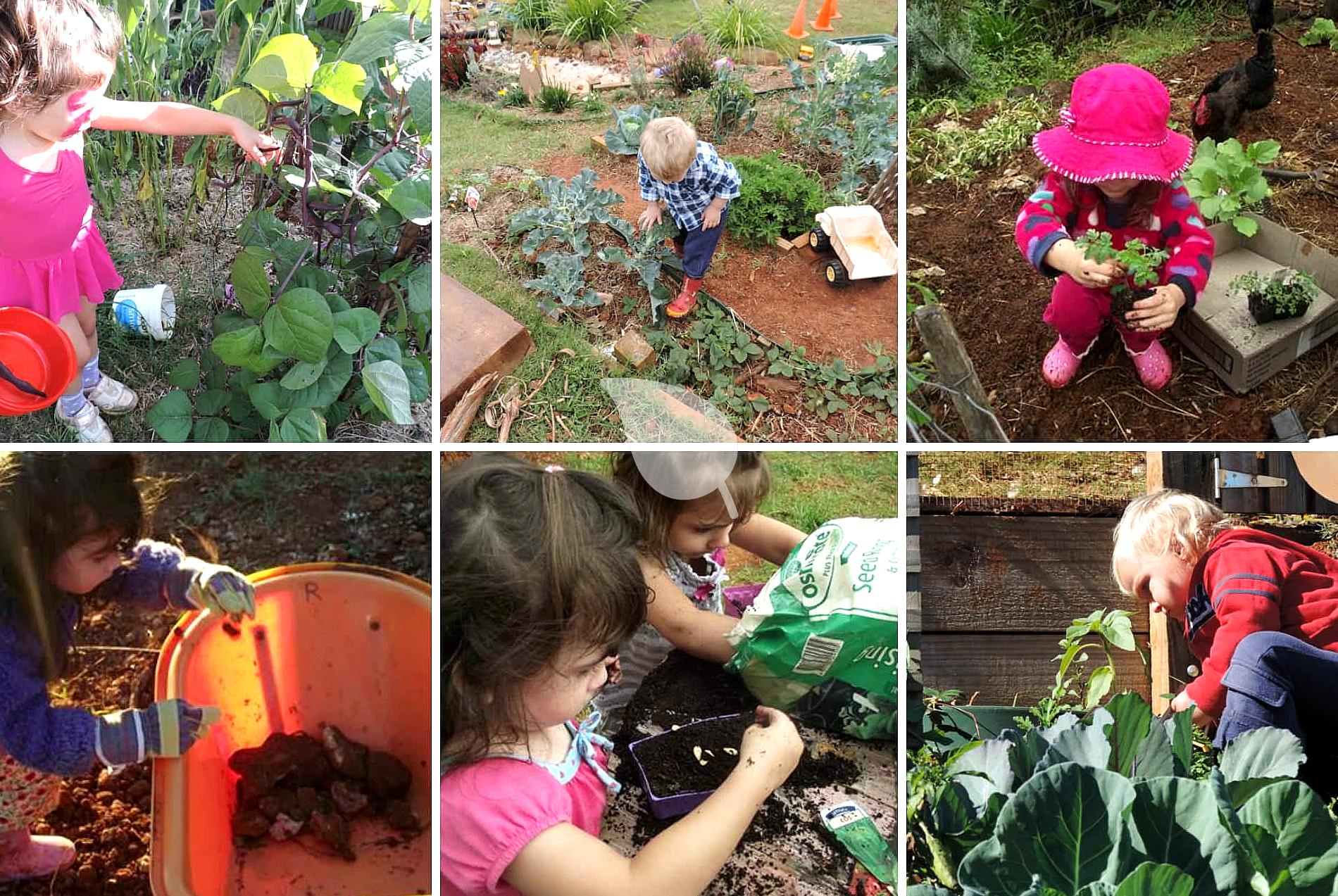
Yes, it’s messy. Yes, it’s worth it! Fill a small container with soil and water to make mud. Let your toddler squish, scoop, and shape mud pies or pretend food. Old kitchen spoons and muffin tins make perfect accessories.
Mud play ignites tactile learning and helps toddlers connect to the earth. Just slip on washable clothes and let the fun unfold.
Try saying: “Mud is messy but fun! It helps plants grow too.”
Example: On a rainy day, Krista lined her patio with an old shower curtain and let her son go wild making mud muffins. Cleanup took 10 minutes - worth every second for the giggles and learning moments.
7. Rainwater Watering
- Prep: 1 min (plus rain!) | Mess: Low | Eco Win: Teaches water conservation
When it rains, set out a clean bowl or bucket to collect water. Later, show your toddler how to use that rainwater for watering houseplants or balcony gardens. Explain how this saves tap water and helps plants drink up naturally.
Water conservation is a core eco-friendly concept, and this is a simple, practical way to introduce it.
Try saying: “Rainwater helps thirsty plants drink without wasting.”
Example: After a summer storm, Jasmine’s family collected three cups of rainwater and let their daughter water the tomato plants. She now asks if the “cloud water” is ready after every rain.
8. Nature Sound Map
- Prep: 5 mins | Mess: Low | Eco Win: Zero-waste, builds awareness
Bring a notebook and crayons outside. As you and your toddler listen for different sounds (birds, water, wind, people), draw or mark them on a simple “map” of your yard, park, or street. Use doodles or color patches for each sound.
This activity boosts listening skills and symbolic thinking, while reinforcing how nature is alive with music and movement.
Try saying: “We make a map of all the sounds that make nature happy.”
Example: Theo and his mom drew a map with squiggly blue for water, green dots for birds, and brown lines for tree branches. He loves retelling the “sound story” later.
9. Balcony/Container Gardening
- Prep: 4 mins | Mess: Medium | Eco Win: Grows food/flowers in small spaces
No yard? No problem. Use pots or recycled containers to plant herbs, flowers, or strawberries on your balcony or windowsill. Let your toddler help scoop soil, drop seeds, and water. Track progress daily together.
Watching seeds sprout and grow teaches responsibility, patience, and the idea that even small gardens help pollinators.
Try saying: “Even a little garden helps butterflies and bees.”
Example: On her apartment balcony, Zoe’s family grew basil and flowers in reused yogurt cups. Zoe loves checking for new leaves and presses her nose to the glass to spot bees visiting the blooms.
Check out our guide to start a tiny toddler garden.
10. Mini Clean-Up Mission
- Prep: 2 mins | Mess: Low | Eco Win: Environmental stewardship
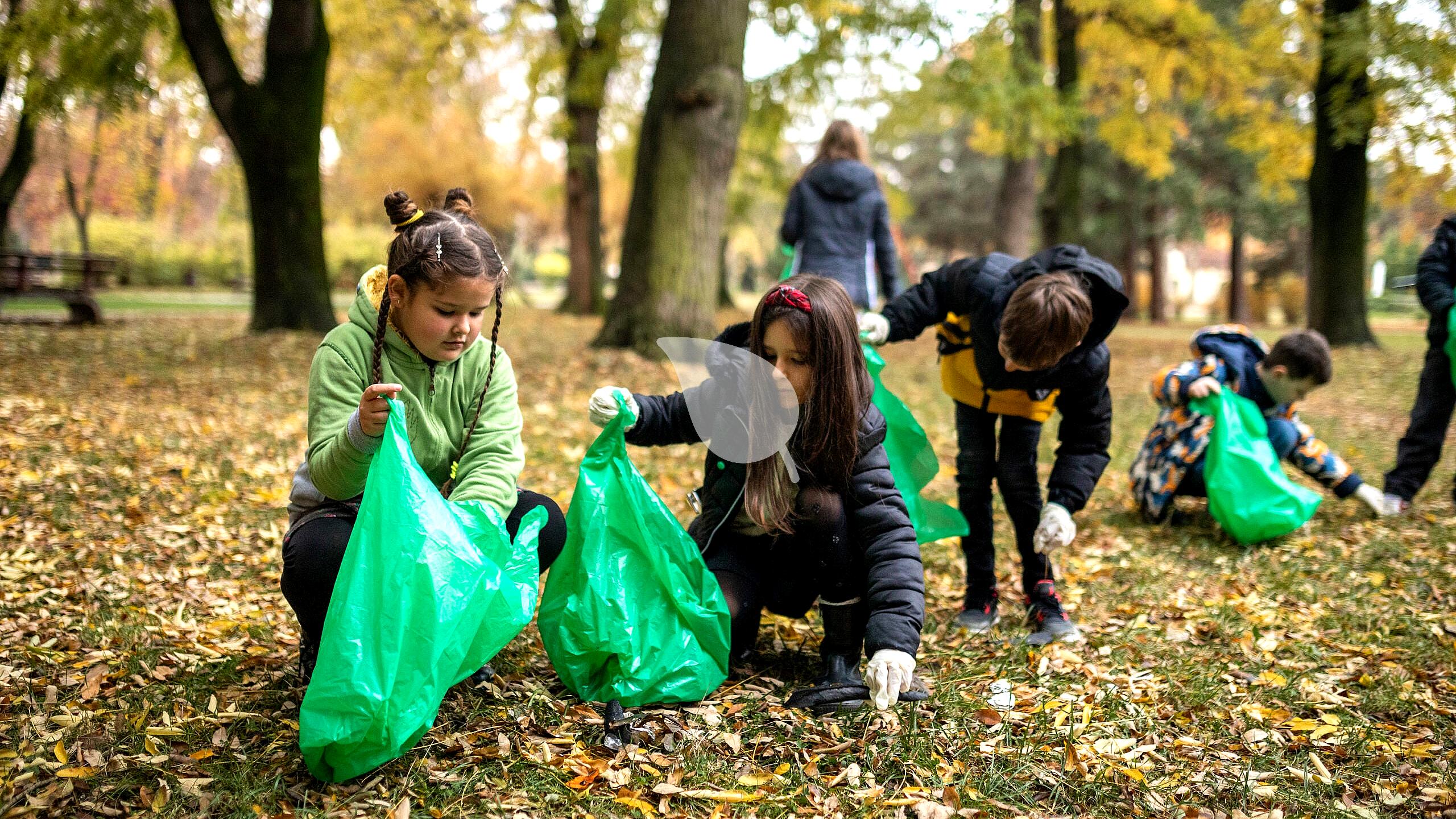
Grab child-sized gloves and a small bag. On your next walk, invite your toddler to spot and safely pick up litter (avoid anything sharp or yucky - stick to paper or leaves). Dispose together and talk about why keeping nature clean matters.
This builds care for the environment and a sense of responsibility. Toddlers love feeling like helpers!
Try saying: “We keep nature clean so animals are safe and happy.”
Example: After just one mini clean-up, Leo proudly announced, “I helped the squirrels!” Now, his family does a “litter lookout” walk every Saturday.
Expert Insight: “Outdoor experiences give young children daily opportunities to explore, ask questions, and build a sense of wonder about the natural world.” - Brookes Publishing Early Childhood Team
Pro Tip: Don’t get stuck on perfection. Some days, your toddler might last 3 minutes on a Listening Walk before needing a snack. That’s real life! Even small moments add up.
Want proof? A mom from our community shared that her daughter, after a week of Nature Color Hunts, began noticing and naming birds and flowers on their daily commute. That’s a win in our book.
Data Point: Children in nature-based programs show greater empathy and willingness to help others - even at toddler age (The Environmental Blog, 2025).
Let’s talk about how you can weave these activities into daily life with tiny, sustainable habits.
Tiny Eco Habits Toddlers Can Help With Every Day
Eco-friendly activities for toddlers aren’t just for special days or weekends. You can build simple, planet-friendly habits into your daily routine - no cape or superhero mask required.
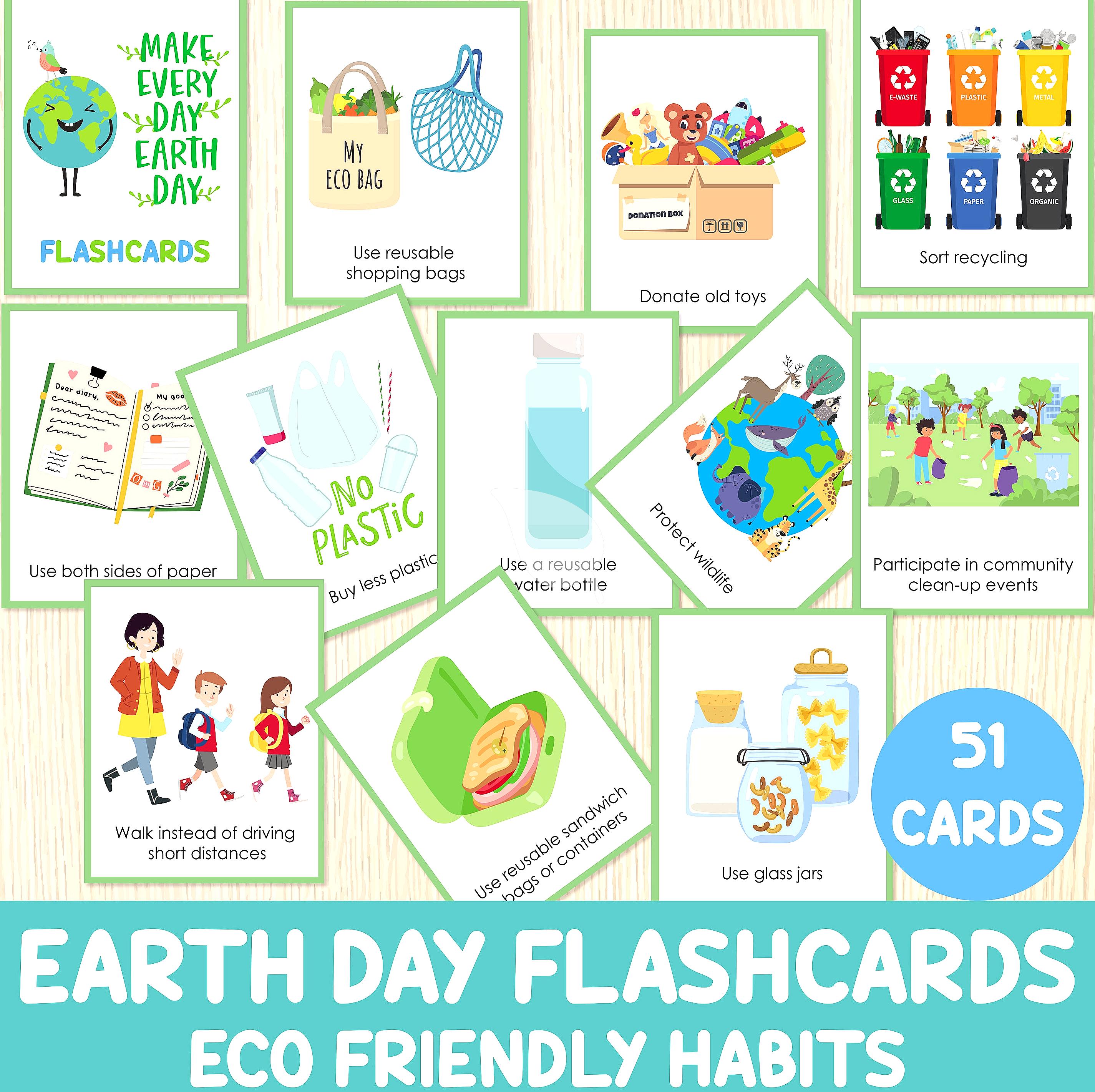
Here are three tiny habits toddlers can master with your help:
-
Water Plants Together
- Show your toddler how to gently water houseplants, balcony pots, or a garden bed. Explain why plants need water to grow strong and healthy.
- This builds responsibility and helps them care for living things.
- A quick caution: avoid overwatering - you don’t want a puddle on the floor or sad, droopy plants.
- Example: Sam uses a small cup to water the basil on the windowsill each morning, saying “drink up!”
-
Turn Off Lights
- Make turning off lights a fun game. Every time you leave a room, sing a silly “lights off” song or let your toddler push the switch.
- This introduces energy conservation in a way that feels like play - no scolding required.
- Avoid nagging. Instead, use playful praise when they remember.
- Example: Every night before story time, Jenny races to turn off the bedroom light and shouts, “Night-night, energy!”
-
Sort Recycling
- With close supervision, invite your toddler to help sort paper, plastic, and cans. Use big, safe items - no tiny bottle caps or glass.
- This plants the idea that “some things go in the recycling, not the trash.”
- Always keep choking hazards away from little hands.
- Example: Max loves dropping empty paper towel rolls in the recycling bin with a proud “All done!”
Mistakes to Avoid When Eco-Playing with Toddlers
While eco-friendly activities for toddlers are fun and rewarding, there are a few classic pitfalls. Here’s how to sidestep them with confidence:
-
Using Complex Crafts Needing Lots of Prep
- It’s tempting to try elaborate Pinterest crafts, but they often require tons of materials, setup, and (let’s be honest) parent patience. When things get complicated, they get skipped.
- Fix: Stick to low-prep, quick-setup ideas - nature walks, garden tasks, or simple collages always win.
-
Forgetting Safety Around Small Parts and Plants
- Curious toddlers put everything in their mouths. Some plants and objects can be hazardous.
- Fix: Always supervise, avoid tiny parts, and check that any plants used are non-toxic.
-
Being Too Preachy About Eco Lessons
- Toddlers tune out lectures. They learn best by watching and doing, not listening to big speeches about “saving the planet.”
- Fix: Model green habits, use playful language, and keep eco messages simple and upbeat.
Analogy: Think of eco-play like eating veggies - you want small bites, lots of variety, and a sprinkle of fun, not a giant plate of lectures.
Helpful Tools and Resources
A few inexpensive, practical tools can make eco-friendly activities for toddlers smoother and more engaging.
-
Printable Eco Hero Missions Checklist
- A fridge-friendly checklist lets you track which activities you’ve tried. Toddlers love seeing their progress!
- Value: Keeps you organized and motivates kids with visual rewards.
-
Magnifying Glass for Bug Hunts
- A simple, child-safe magnifying glass unlocks a whole new world. Toddlers feel like real explorers on backyard adventures.
- Value: Encourages curiosity and gentle observation.
-
Small Watering Can
- Look for one sized for tiny hands - metal or sturdy recycled plastic are best. Letting your toddler “own” their garden tool builds pride and responsibility.
- Value: Makes garden tasks accessible and fun.
You don’t need fancy gear. Most activities are best with what you already have or a quick DIY.
FAQ
What are eco-friendly activities for toddlers?
Eco-friendly activities for toddlers use natural, recycled, or everyday household items to engage toddlers in play while caring for the environment. These activities encourage screen-free, sustainable habits from a young age. Examples include nature walks, gardening, recycled crafts, and sorting recyclables.
How do I teach my toddler to love nature?
Spend regular time outdoors exploring safely together. Use simple language to talk about the plants, animals, and ways we care for the earth. Model green behaviors - like picking up litter or watering plants - and read nature-themed books. Most importantly, make it playful and let your child follow their curiosity.
What outdoor activities are safe for toddlers?
Choose activities that are age-appropriate and always supervise. Avoid small objects that could be choking hazards and stay away from unknown or toxic plants. Protect sensitive skin from sun and be cautious with water play. Simple ideas like nature walks, bug hunts, and mud play are usually safe with these precautions.
Conclusion: Start Your Toddler’s Eco Hero Journey Today
You don’t need a sprawling backyard, a Pinterest-perfect craft room, or endless free time to raise an Eco Hero. With these 10 fun, simple eco-friendly activities for toddlers, you’ve got everything you need to make playtime greener - and more meaningful.
Each activity supports your toddler’s development, sparks a love of nature, and gently introduces sustainable habits. Over time, these tiny moments - watering a plant, spotting a bird, picking up a candy wrapper - become the roots of lifelong environmental care.
Remember, the magic isn’t in doing everything perfectly. It’s in showing up, trying new things, and celebrating small wins together.
Tags
Join Our Mission
Support our conservation efforts and make a difference today.