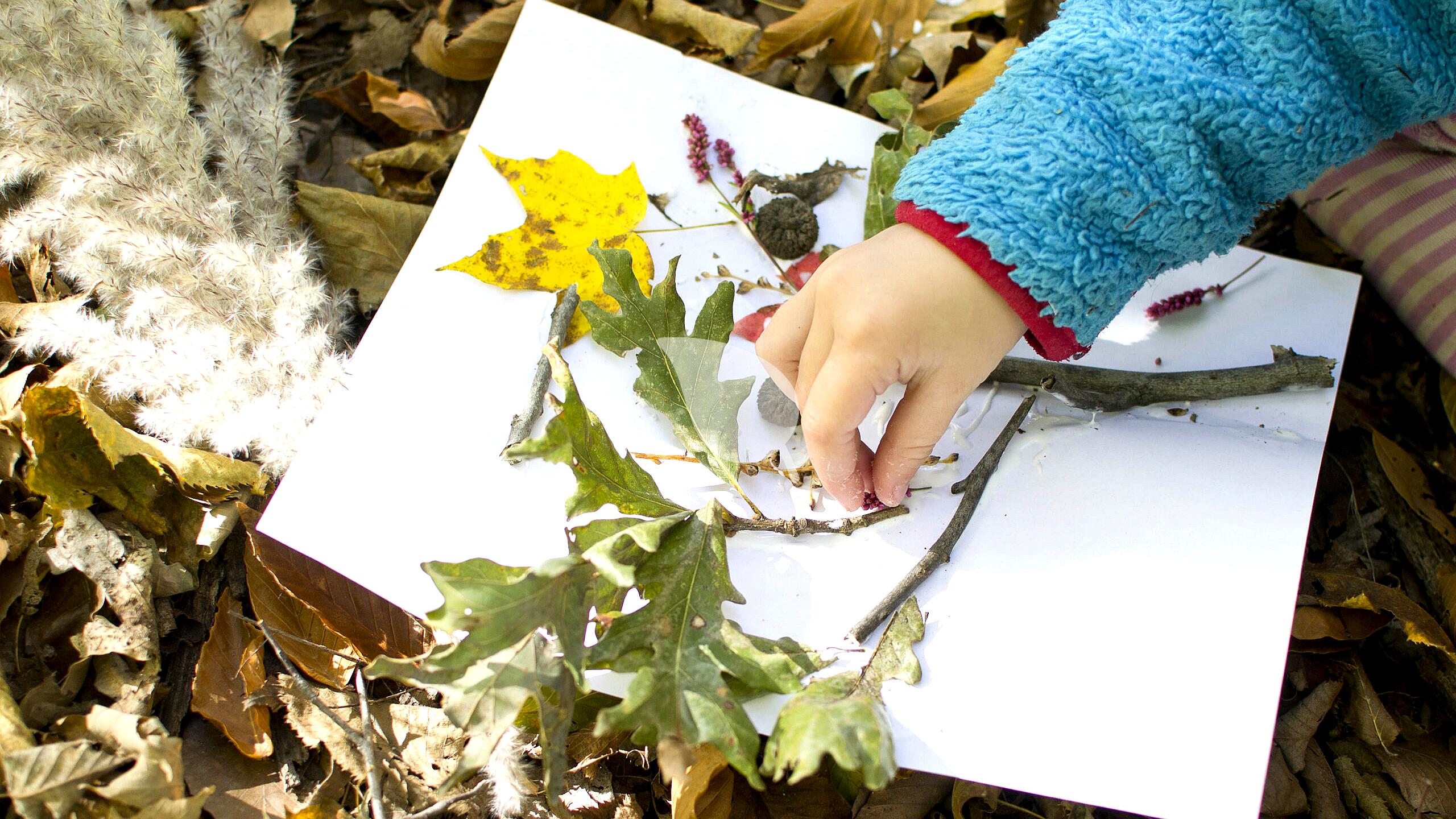
Tired of screen time battles with your toddler? You’re not alone - those requests for “just five more minutes” can wear you down. But what if you could swap that digital tug-of-war for bright eyes, busy hands, and a little laughter echoing through your home? If you’re searching for fun, eco-friendly activities that nurture creativity and don’t leave you with a mountain of mess, you’re in the right place.
Instead of another plastic toy or a pile of sticky craft foam, why not tap into the natural treasures waiting outside your door? Sticks, rocks, leaves - nature’s art supplies are free, sustainable, and endlessly inspiring. Ready to break up the monotony and introduce your little one to colorful, hands-on discovery? Let’s jump in: here are 7 easy, mess-free, and sustainable nature crafts for toddlers that will boost creativity and bring a little magic into your days.
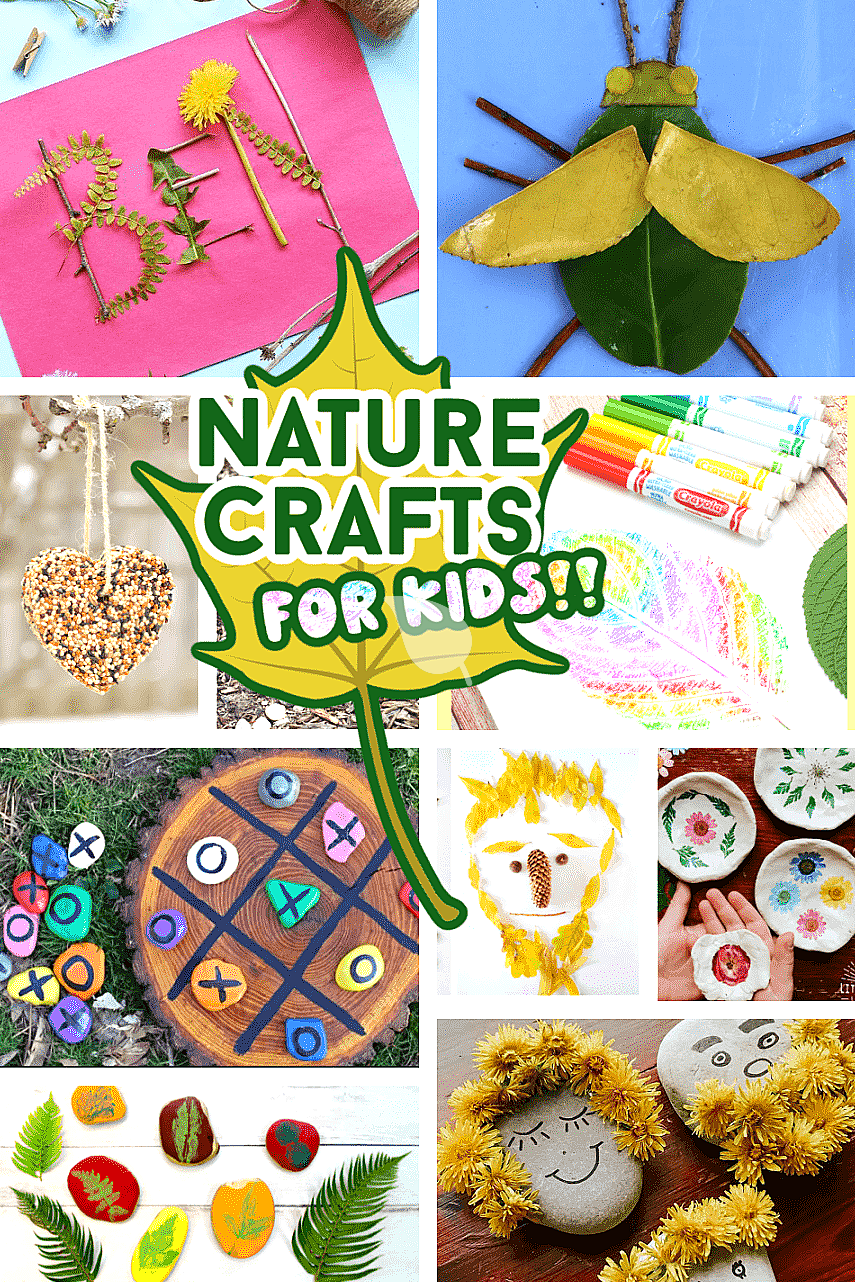
Why Nature Crafts Ignite Toddler Creativity
Picture this: your toddler, kneeling in dewy grass, fingers running over a crinkly leaf, eyes wide as they spot a shiny pebble. Right there, in that tiny moment, their brain lights up - nature crafts for toddlers aren’t just about art; they’re about unlocking curiosity, hands-on learning, and emotional connection.
Here’s the kicker - nature-based activities improve fine motor skills by an impressive 25% in preschoolers (Nature Play WA, 2025). That means every time your child pinches a twig or presses a petal onto paper, their little muscles, coordination, and brain connections are firing up.
These toddler creativity crafts don’t just keep kids busy - they spark sensory play with nature. Your child explores new textures, colors, and shapes, developing observation skills and a sense of wonder about the world. Plus, gathering and crafting with natural materials teaches respect for the environment and introduces sustainability in the gentlest way.
Our approach focuses on eco-friendly DIY toddler activities: simple, safe crafts using free, natural materials you probably already have access to. No complicated instructions. No stressful cleanups. Just pure, creative fun.
Wondering about the real science behind all this? Check out the benefits of nature play for toddlers for a deep dive into why outdoor exploration is essential for little learners.
We’ll look at seven easy crafts, must-know safety tips, and how everyday nature art projects foster your toddler’s creativity, dexterity, and love for the planet.
7 Easy Nature-Inspired Crafts to Boost Toddler Creativity
Let’s get to the good stuff: seven toddler-tested, parent-approved nature crafts for toddlers. These activities are simple, safe, and eco-friendly - perfect for busy families and curious little explorers.
Leaf Rubbing Art
- Gather a few colorful leaves (smooth ones are best). Place a leaf under a sheet of plain paper.
- Let your toddler use crayons to gently rub over the paper. The shape and texture of the leaf magically appear!
- Why it works: This classic project builds texture and color recognition, enhancing sensory play with nature. Toddlers love seeing the leaf’s veins and edges come to life in bright colors.
- Pro Tip: Choose only soft, safe leaves - avoid any with jagged or sharp edges. Supervise closely to keep little mouths away from leaves.
Twig Frame Craft
- Collect straight, sturdy twigs. Pre-cut them to similar lengths for little hands.
- Help your child lay them out to form a frame shape. Use toddler-safe glue dots to stick them together - no hot glue needed!
- Why it works: Building a twig frame encourages fine motor skills and creativity. Toddlers love picking out the “best” sticks and arranging their creations.
- Pro Tip: Guide assembly but let your child pick placement. Imperfection is charming in these nature crafts for toddlers.
Rock Painting
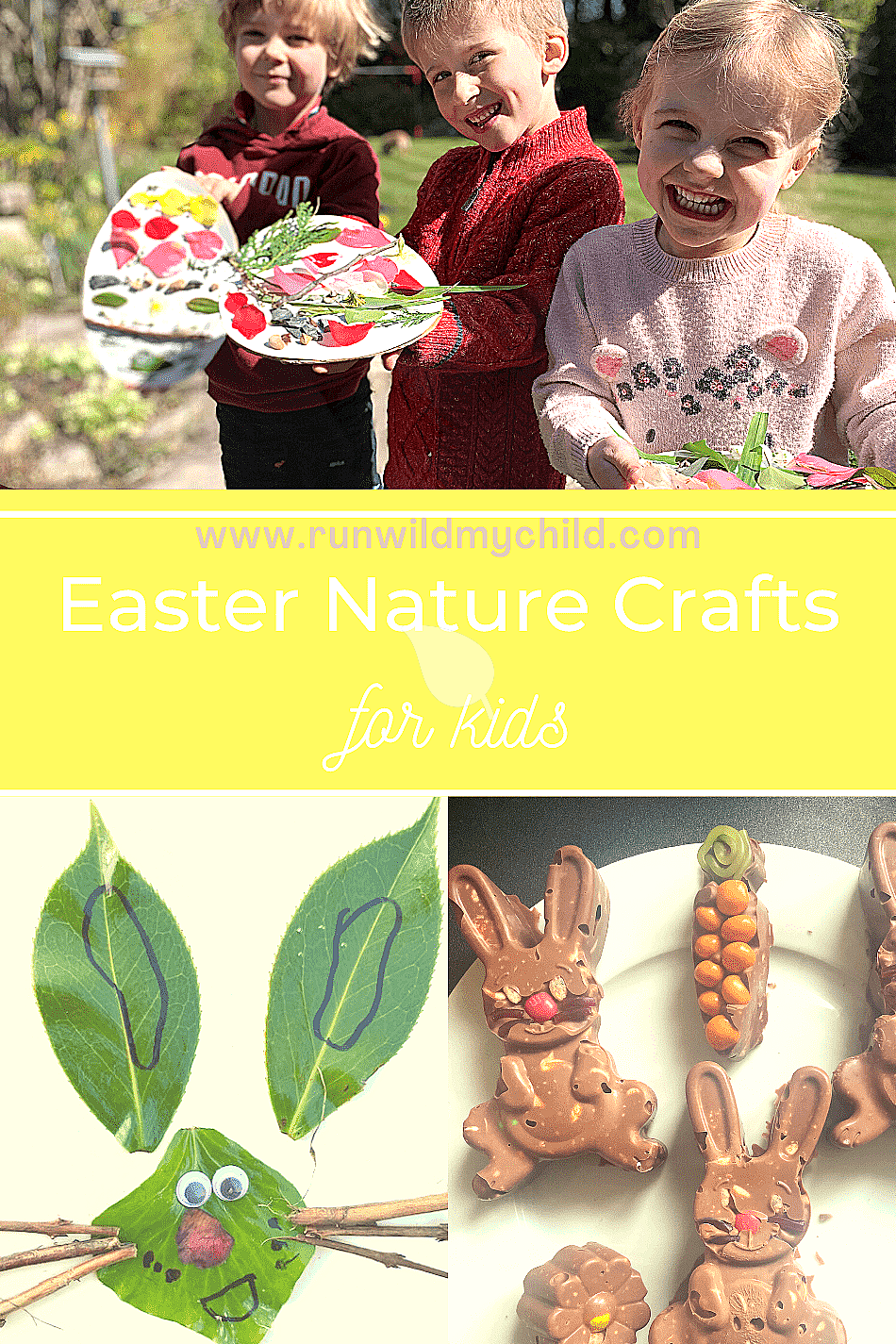
- Find a few smooth, round rocks. Wash and dry them thoroughly.
- Provide non-toxic, washable paints and chunky brushes. Let your toddler create spots, stripes, or anything their heart desires!
- Why it works: Rock painting supports imaginative expression and color learning. Plus, it’s nearly impossible for a painted rock to look anything but adorable.
- Pro Tip: Stick to large rocks to avoid choking hazards, and always use washable paint for easy cleanup.
Nature Collage
- Go on a mini scavenger hunt for leaves, petals, and seeds.
- Give your toddler a sheet of paper and a glue stick. Encourage them to stick their treasures wherever they like.
- Why it works: Creating a collage promotes sensory exploration and pattern recognition. The variety of colors and textures keeps toddlers engaged.
- Pro Tip: Use glue sticks rather than liquid glue. It makes for less mess and more sticking fun.
Stick Critters
- Gather sticks, acorns, and other found materials.
- Help your child arrange pieces into simple animal shapes - think a butterfly or a caterpillar. Use glue dots or modeling clay for easy assembly.
- Why it works: Assembling stick critters fosters storytelling, outdoor exploration, and fine motor skills. Toddlers love inventing backstories for their woodland creatures.
- Pro Tip: Always supervise closely to prevent small parts from ending up in mouths. Keep critter parts large and easy to handle.
Flower Crown
- Pick soft, fresh flowers or dandelions. Cut a length of soft yarn.
- Thread flowers onto the yarn, tying gentle knots in between. Help your toddler place the finished crown on their head for a woodland royalty look.
- Why it works: Stringing flowers enhances hand-eye coordination and appreciation for nature’s beauty. It’s perfect for spring or summer afternoons.
- Pro Tip: Stick to non-irritating blooms (like daisies) and avoid anything prickly or with sap.
Pinecone Creatures
- Collect clean, open pinecones. Remove dirt and check for bugs.
- Let your child decorate with leaves, flower petals, and small twigs. Create wings, tails, or silly faces with natural bits and pieces.
- Why it works: Decorating pinecones encourages tactile learning, creativity, and sensory play with nature.
- Pro Tip: Always pre-clean pinecones to remove dirt or insects before crafting.
Expert Insight:
"Crafting stimulates creativity, problem-solving, and fine motor skills in children." - Somer Pickel, Parenting Photographer, Run Wild My Child
Why These Crafts Work Wonders
Leaf Rubbing Art sparks sensory discovery - toddlers love exploring leaf textures and colors using simple rubbing techniques. I watched my own child’s eyes light up as she revealed bright orange and red maple shapes on her paper. Meanwhile, Twig Frames develop fine motor skills; handling twigs and piecing together a frame or shape helps toddlers practice coordination while letting their imaginations run wild. I’ve seen parents and kids giggling over crooked, lopsided, but utterly charming twig masterpieces.
Statistic: Nature-based activities improve fine motor skills by 25% in preschoolers, according to Nature Play WA. That’s a game-changer for development and creativity.
Case Study: The “Nature Critters Family Project” brought parents and toddlers together to craft woodland animals from sticks and leaves. The result? More family outdoor time, laughter, and an entire menagerie of stick-and-leaf creatures displayed proudly on the fridge.
Family Example: One family shared their colorful leaf-rubbing art on social media - each child’s unique color combinations told a story, and even grandparents got in on the fun during a weekend visit.
Callout:
Always supervise toddlers during craft activities to ensure safety. Safe, mess-free fun is just a little preparation away.
For more inspiration, check out these eco-friendly toddler activities and Nature and the Arts: A Wonderful Combination for even more ideas on natural creativity.
Ready for more? Next, we’ll share essential safety and eco-friendly tips to help you maximize these crafts’ benefits.
How to Get Started: Easy Steps for Nature Crafting with Toddlers
Ready to transform your afternoon? Here’s your step-by-step guide to making nature crafts for toddlers a breeze.
-
Gather Safe Natural Materials
- Collect leaves, twigs, rocks, and flowers from your yard, park, or nearby green space. Check each item for sharp edges or thorns, and always avoid plants you can’t identify (some can irritate skin).
- Example: A parent shakes out leaves to check for bugs, then plops them in a basket for crafting time.
-
Set Up a Mess-Free Craft Space
- Use trays, washable mats, or an old sheet to catch stray glue and paint. Keep supplies like glue sticks, crayons, and paints within easy reach - but out of little mouths.
- Example: A kitchen table lined with plastic trays, glue sticks, and a few easy-wipe cloths, ready for action.
-
Choose Simple, Age-Appropriate Projects
- Start with easy crafts like leaf rubbings or rock painting. These activities build confidence and keep toddlers engaged without frustration.
- Example: A toddler, beaming, shows off their first painted rock (it’s mostly purple squiggles, but it’s a masterpiece!).
-
Incorporate Learning and Bonding
- Talk with your child about each material - what color is this leaf? Is the rock smooth or rough? Name, describe, and laugh together. Don’t rush; let your toddler explore at their own speed.
- Example: Parent and child giggle as they glue leaves, naming each color and guessing which tree it came from.
Pro Tip:
Preparation is everything. Ten minutes spent gathering materials and setting up your craft zone leads to hours of relaxed, creative play.
Mistakes to Avoid When Crafting with Toddlers
Even the most enthusiastic parent can stumble into sticky situations. Here are common mistakes (and how to dodge them):
-
Using small parts without supervision: Toddlers love to put everything in their mouths. Loose beads, tiny acorns, or even small stones can be choking hazards.
- Fix: Choose large, safe materials and supervise closely. If something looks remotely swallowable, skip it.
-
Skipping prep on natural materials: Nature is wonderful but sometimes comes with hidden surprises - bugs, sap, or allergens.
- Fix: Always clean and inspect leaves, pinecones, and sticks before use. Give everything a quick rinse and air dry.
-
Choosing messy crafts without preparation: Toddlers + glue = chaos (unless you’re ready).
- Fix: Opt for mess-free adhesives like glue sticks and use trays or mats to keep cleaning simple.
Helpful Tools and Resources for Nature Crafts
A few handy supplies can make crafting with your toddler easier:
- Washable Crayons: These are safe, easy for little hands to grip, and wipe off surfaces with just a damp cloth. No stress when someone colors outside the lines - literally.
- Glue Sticks: Mess-free and toddler-friendly, glue sticks let kids stick leaves and flowers without the sticky aftermath.
- Nature Craft Checklist: Print a checklist of common materials (leaves, twigs, rocks, etc.) so you’re always ready for spontaneous crafty moments. Hang it on the fridge and check off as you gather.
Expert Insight:
“Working with natural elements inspires true creativity and sensory development.” - Nature Play WA Team, Child Development Experts
Real-Life Success Stories
Nature Critters Family Project
One sunny Saturday, the Johnson family decided to ditch screens and head outdoors. Armed with a basket, they collected twigs, leaves, and acorns from their backyard. Back at the kitchen table, they created a zoo of whimsical stick animals - frogs, hedgehogs, even a dragonfly. Their toddler, Emma, couldn’t stop beaming as she paraded her ladybug critter around the living room.
The real magic? The family spent hours together, laughing and learning, and by the end of the day they’d not only crafted woodland creatures - they’d also built stronger bonds and a new weekend tradition. As Emma’s mom put it, “We never realized how much you could do with a handful of sticks and a glue stick!”
Frequently Asked Questions
What are easy nature crafts for toddlers?
Simple crafts like leaf rubbings, rock painting, and stick animals are perfect for toddlers. These nature crafts for toddlers need just a few materials and minimal supervision. Focus on mess-free activities to keep them engaged without stress.
How do nature crafts boost toddler creativity?
Nature crafts stimulate sensory exploration and imagination. Using natural materials teaches toddlers problem-solving and fine motor skills. These activities encourage curiosity and environmental awareness right from the start.
Are natural materials safe for young kids?
Yes, when properly selected and prepared. Always clean leaves, rocks, and sticks, and avoid any unknown or toxic plants. Supervision is key to ensure crafting stays safe and fun.
Wrapping Up: Embrace Nature Crafts for Toddler Creativity
We’ve uncovered seven fun, easy nature crafts for toddlers - projects that transform ordinary leaves, sticks, and rocks into extraordinary art. These crafts nurture creativity, fine motor skills, and eco-awareness, all while keeping mess to a minimum and smiles at a maximum.
Nature crafts for toddlers don’t require fancy supplies or hours of prep. With a little imagination and a few natural materials, you can turn any afternoon into a sensory adventure. Plus, every twig critter or painted rock is a step toward a more sustainable, creative childhood.
Remember, safety and simplicity are essential for enjoyable crafting. Start with what you have - nature’s art supplies are everywhere! - and let your toddler’s curiosity lead the way. Who knows? Your next family masterpiece could be waiting right outside your door.
Ready for more eco-friendly, sustainable nature art projects kids will love? Start crafting today and watch your toddler’s creativity blossom.
Tags
Join Our Mission
Support our conservation efforts and make a difference today.