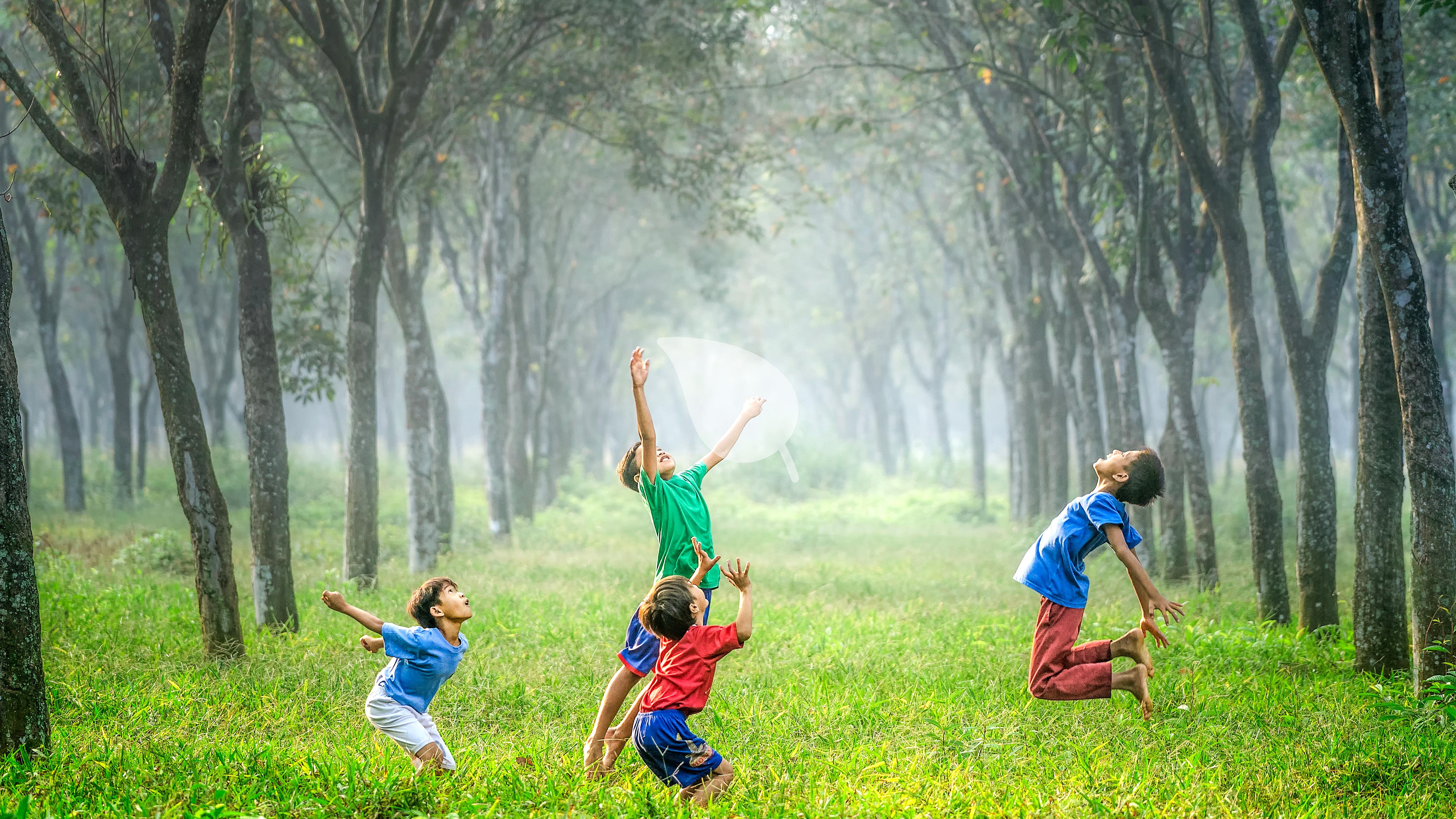
Are your toddler’s meltdowns more frequent when you’re stuck inside? Do you worry those hours with screens are affecting your toddler’s growth? You’re not alone. Many parents crave answers (and real solutions) for supporting their child’s development and sanity - yours included.
But what if the ultimate, science-backed remedy is right outside your door?
It’s true: nature offers a proven, natural boost for toddler development and calmer moods. This isn’t old-fashioned folk wisdom - there’s robust science behind it. In this ultimate guide, you’ll discover exactly why toddlers need nature and how even busy families can nurture their child’s brain, body, and spirit with simple outdoor routines.
Understanding the Crucial Role of Nature in Toddler Development
Picture two toddler days: one spent indoors with cartoons and tablets, the other outside poking sticks at puddles and collecting rocks. Which child do you imagine sleeps better, learns faster, and throws fewer tantrums?
Research is clear: across more than 60 studies, children who interact regularly with nature show improvements in cognitive skills, physical activity, social behavior, emotional regulation, and even environmental attitudes. The benefits aren’t generic - they’re especially pronounced during the toddler years (ages 1–3), when little brains and bodies are exploding with growth.
What sets this article apart? Instead of vague advice, you’ll get science-meets-real-life strategies tailored for toddlers. We’ll break down key developmental windows and show how simple nature moments - no matter where you live - can supercharge speech, movement, emotional resilience, and eco-awareness.
You’ll also get hands-on, actionable routines you can squeeze into your week - plus backup plans for rainy days or city living. Ready to see calmer moods, more curiosity, and stronger bodies? Let’s dive into the research on why toddlers need nature, starting with the science of development.
Curious about hands-on nature ideas? Check out our age-appropriate outdoor play ideas for more inspiration.
The Science of Toddler Development in Nature
Nature isn’t just a backdrop - it’s a dynamic classroom for toddler development. The outdoors offers a mix of sensory surprises, uneven surfaces, and living things that stimulate areas of growth you just can’t replicate indoors.
Cognitive Growth through Nature Exploration
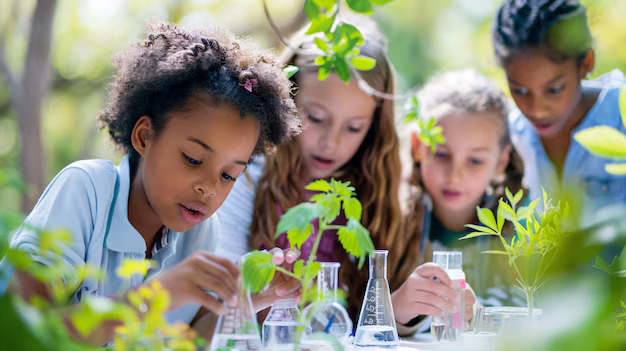
The moment you set foot outside, your toddler is bombarded with new sights, sounds, and textures. That’s not random chaos - it’s the ultimate brain gym. Touching tree bark, watching clouds, or turning over stones stimulates curiosity and boosts problem-solving skills. Naming objects - "That’s a pinecone! Listen, that’s a robin singing!" - grows vocabulary and sparks language leaps. When you ask your child to describe the color of a leaf or the feel of the grass, you’re strengthening memory and expressive skills. Every discovery is a mini science lesson.
Motor Skills and Balance in Outdoor Play
Let’s talk physical growth. Navigating uneven ground, balancing on tree roots, or stepping from rock to rock builds gross motor strength. Unlike smooth floors inside, nature’s varied terrain helps toddlers practice balance, spatial awareness, and agility. Think of it as a fun obstacle course, custom-built by nature. Safe natural play spaces - like grassy lawns, pocket parks, or even your own balcony with planters - challenge little muscles and coordination in ways soft carpets never will.
Tip: Incorporate different outdoor surfaces - grass, sand, mulch - to support motor skills. Even a walk to the mailbox can be a mini-adventure for growing legs.
Social-Emotional Development Among Green Spaces
Nature is a natural emotional buffer. When toddlers explore green spaces, they practice independence and build confidence - "I did it myself!" Those moments of shared discovery ("Look, a ladybug!") foster cooperation, empathy, and social interaction. Group nature walks or outdoor playdates offer safe opportunities to learn sharing, patience, and kindness. Plus, research shows toddlers calm down faster and regulate emotions better in natural environments.
Real-World Example:
Sarah, a single mom in a city apartment, noticed her 2-year-old’s words and confidence blossomed after daily bug hunts in their community garden. She watched tantrums shrink and curiosity grow - without any fancy toys.
Science Backs It Up
- Natural environments offer diverse stimuli that enhance brain connections - naming bird songs or describing bugs literally grows your child’s neural networks.
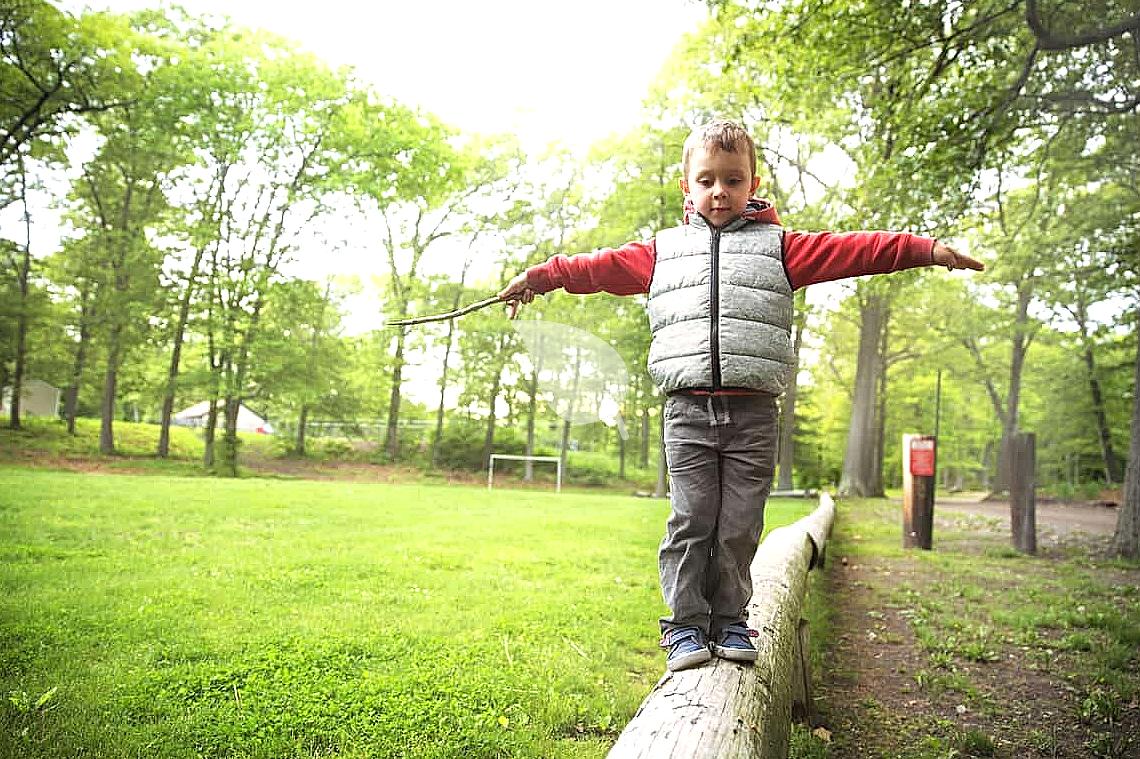
- Walking on grass, balancing on logs, or climbing playground rocks strengthens muscles and improves balance - a pediatrician’s dream.
- Outdoor environments reduce stress and help toddlers manage big feelings. One study found young children in green spaces had significantly fewer anxiety symptoms (pmc.ncbi.nlm.nih.gov).
Expert Insight:
“Just as good sleep and nutrition are essential, children may also require regular interactions with nature for healthy development.” - Comprehensive review, child development researchers
Case Study
A low-income family moved closer to a park-filled neighborhood. Within months, their toddler showed better attention and cognitive skills - and the benefits stuck even after returning to their original home.
Transition: Now, let’s explore how nature time is a powerful ally for toddler mental health.
Nature and Toddler Mental Health
Nature isn’t just fun and games - it’s essential for your child’s emotional health. Spending time outside, even in small doses, is proven to reduce stress, buffer anxiety, and help toddlers manage big feelings.
Reducing Stress and Anxiety in Toddlers
Ever noticed your toddler melts down less after a park visit? That’s no accident. Nature exposure lowers cortisol (the stress hormone) in young children. Studies show that just 60 minutes in green space daily can cut mental health difficulties by half - especially powerful for families facing extra stress or fewer resources (healthpolicyohio.org). Even ten minutes in a garden can calm a child after a tough daycare day.
Real-World Example
Maya, age 2, struggled with transitions after daycare. Her parents started a 10-minute post-pickup walk in a local park. Over weeks, tantrums faded, and bedtime battles eased. The secret wasn’t discipline - it was trees and birdsong.
Improving Emotional Regulation
Outdoor time is nature’s reset button. Sights and sounds - wind in leaves, birds chirping - soothe frazzled emotions. Nature rituals (like sitting on the porch to watch rain) help toddlers recover from overstimulation, teaching resilience. Regular “green time” routines correlate with fewer meltdowns and better attention spans according to psychology researchers.
Reminder: Even short, daily nature routines matter. Five minutes watching clouds or picking flowers does more than you think.
Expert Quote:
“Nature exposure improves mood and focus for children, making it an easy tool to buffer stress and encourage calm.” - Psychology experts, American Psychological Association
Case Study
A 2024 study found children who spent an hour a day in natural environments had substantially fewer anxiety and behavior problems - especially in lower-income groups. That’s a free, accessible mental health intervention for every family.
Transition: Beyond calming nerves, nature time plants the seeds for future eco-heroes - kids who care about the planet because they bonded with it young.
Building Eco Heroes: Early Eco-Education in the Toddler Years
Early nature experiences do more than spark joy - they shape lifelong attitudes toward the environment. Toddlers who bond with nature become tomorrow’s eco-conscious citizens.
Forming Lifelong Environmental Attitudes
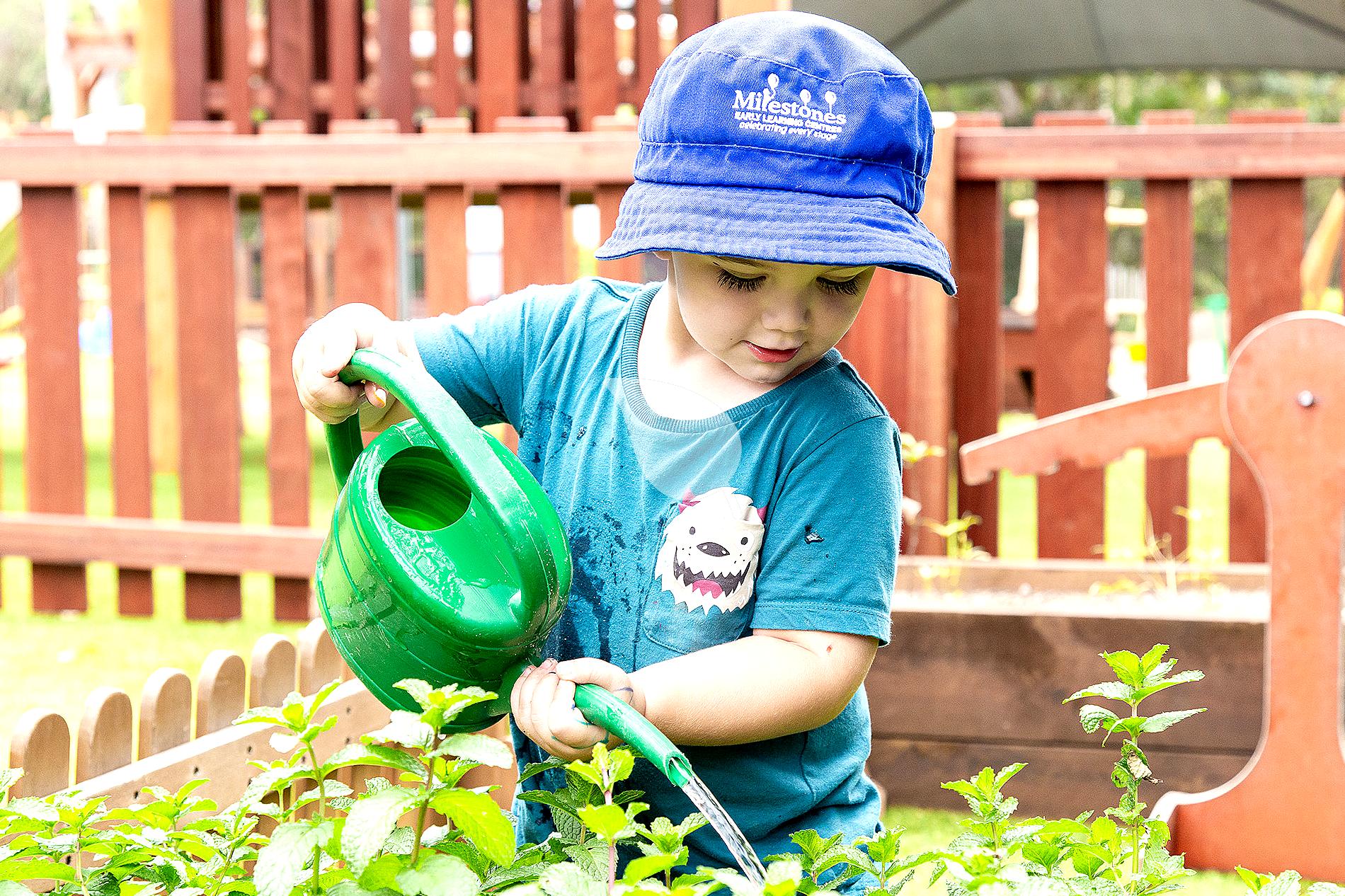
Research shows that early positive experiences with nature predict future stewardship. A toddler who gently waters plants feels pride and responsibility. These micro-moments teach care, empathy, and the basics of citizenship. Simple tasks - helping pick up litter, watching bugs, or filling bird feeders - are powerful building blocks for environmental awareness.
Easy Eco Hero Missions for Toddlers
You don’t need a forest to raise an eco hero. Toddlers thrive on simple, tactile missions:
- Watering plants: Builds nurturing instincts. Give your child a small watering can and let them care for a potted plant.
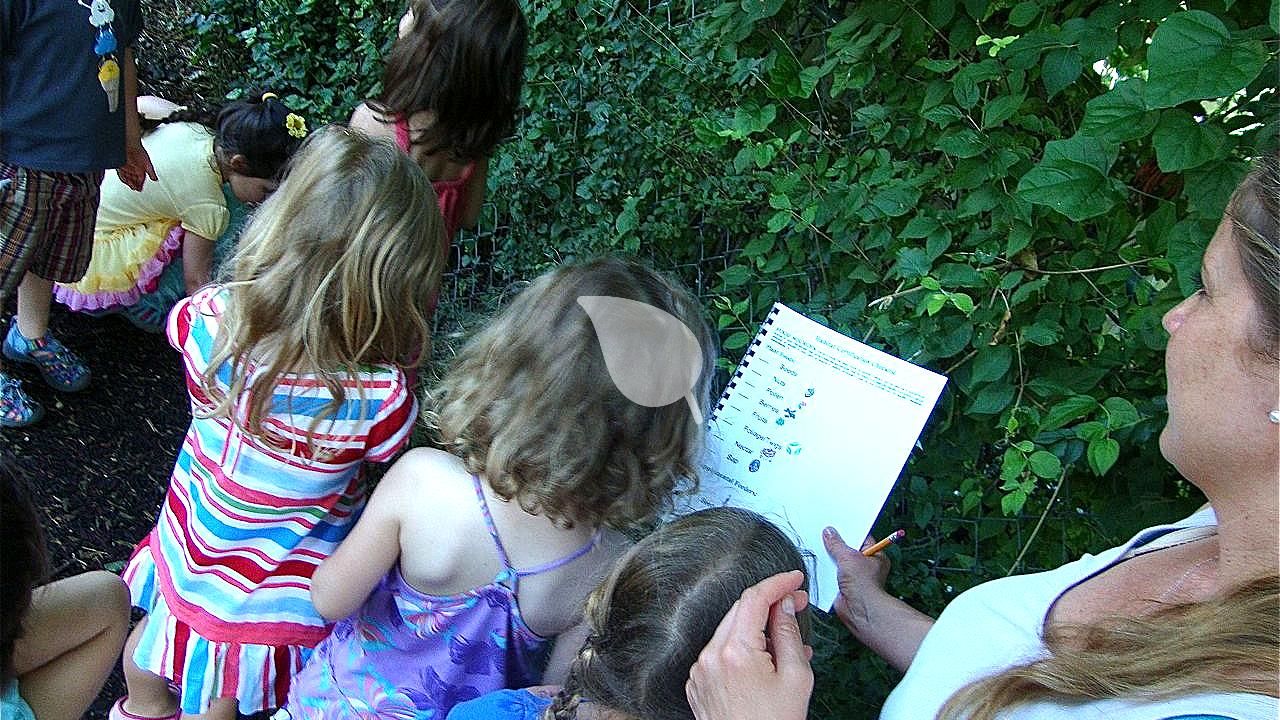
- Bug watching: Fosters curiosity and gentle respect for living things. Use a magnifying glass or just squat in the yard together.
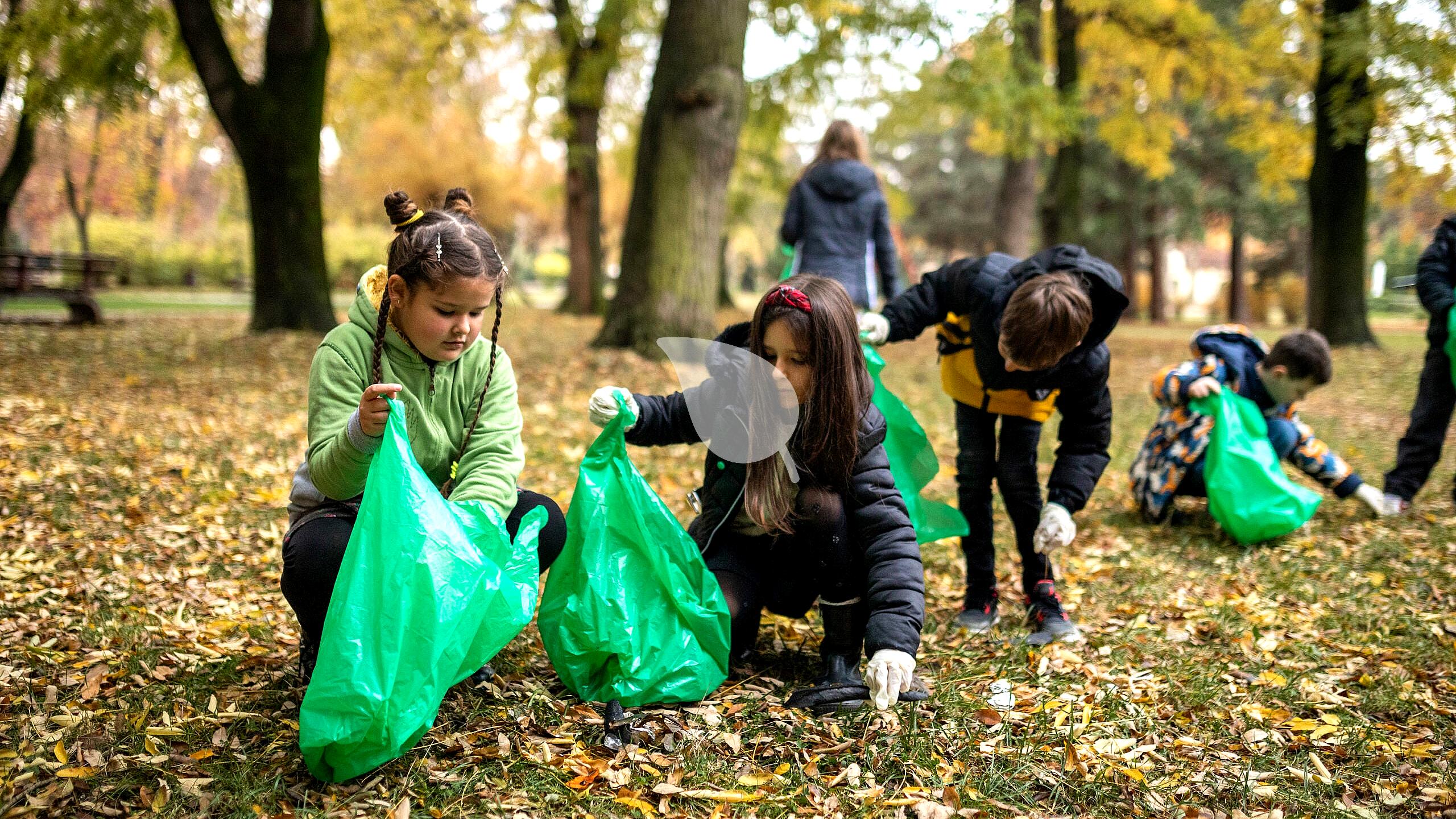
- Litter pick-ups: Teaches stewardship. Equip your toddler with a safe glove and a bucket for a short, supervised clean-up.
Real-World Example
Leo, age 3, loved showing his parents the marigold he watered daily on their apartment balcony. That pride kicked off a love for plants - and a natural sense of responsibility that extended to sharing and cleaning up after himself.
Stat: Outdoor curricula boost environmental knowledge and positive attitudes in young children - proven in multiple studies.
Pro Tip: Encourage curiosity with simple nature journals or observation walks. Let your toddler draw the bugs, leaves, or flowers they discover.
Family Story
In a suburban backyard, a family involved their toddler in tending a wildlife sanctuary - filling bird feeders, watching butterflies, and checking the compost. That early exposure made "caring for the earth" part of daily life, not just a lesson at school.
Want more ideas? Build a backyard wildlife sanctuary for kids and start your child’s eco hero journey!
Transition: How do you fit all this in when your calendar is packed and your green space is limited? The next section is for you.
Practical Nature Routines for Busy Families
You don’t need hours, fancy parks, or even a yard to give your toddler those essential nature benefits. The secret? Frequent, bite-sized routines that fit your real life.
Short Daily Outdoor Habits
- 10-Minute Tree Walks: After daycare, take a short stroll under the nearest trees. Let your child collect leaves or touch the bark.
- Balcony Breaks: Even in an apartment, tending to plants or watching ants on a balcony counts. Place a few pots and look for visiting pollinators.
- Nature Errands: Integrate nature into your routine: park stops on the way to groceries, flower-spotting walks to the bus.
Real-World Example
Javier, a city parent, added a “leaf hunt” on his toddler’s walk to preschool. They found three types of leaves each day - and soon his daughter could name every tree on their block.
Stat: Even five minutes in nature can boost toddler mood and focus. Small moments matter.
Adapting to Urban and Low-Green Spaces
- Planter Boxes and Window Gardens: Grow herbs, tomatoes, or wildflowers in pots - on windowsills, balconies, or stoops.
- Neighborhood Greenery: Explore tree-lined streets, parks, or community gardens. Even a patch of grass by the post office is an adventure.
- Micro-Adventures: Look for pocket parks or safe sidewalks for bug hunts, cloud watching, or nature art with fallen petals.
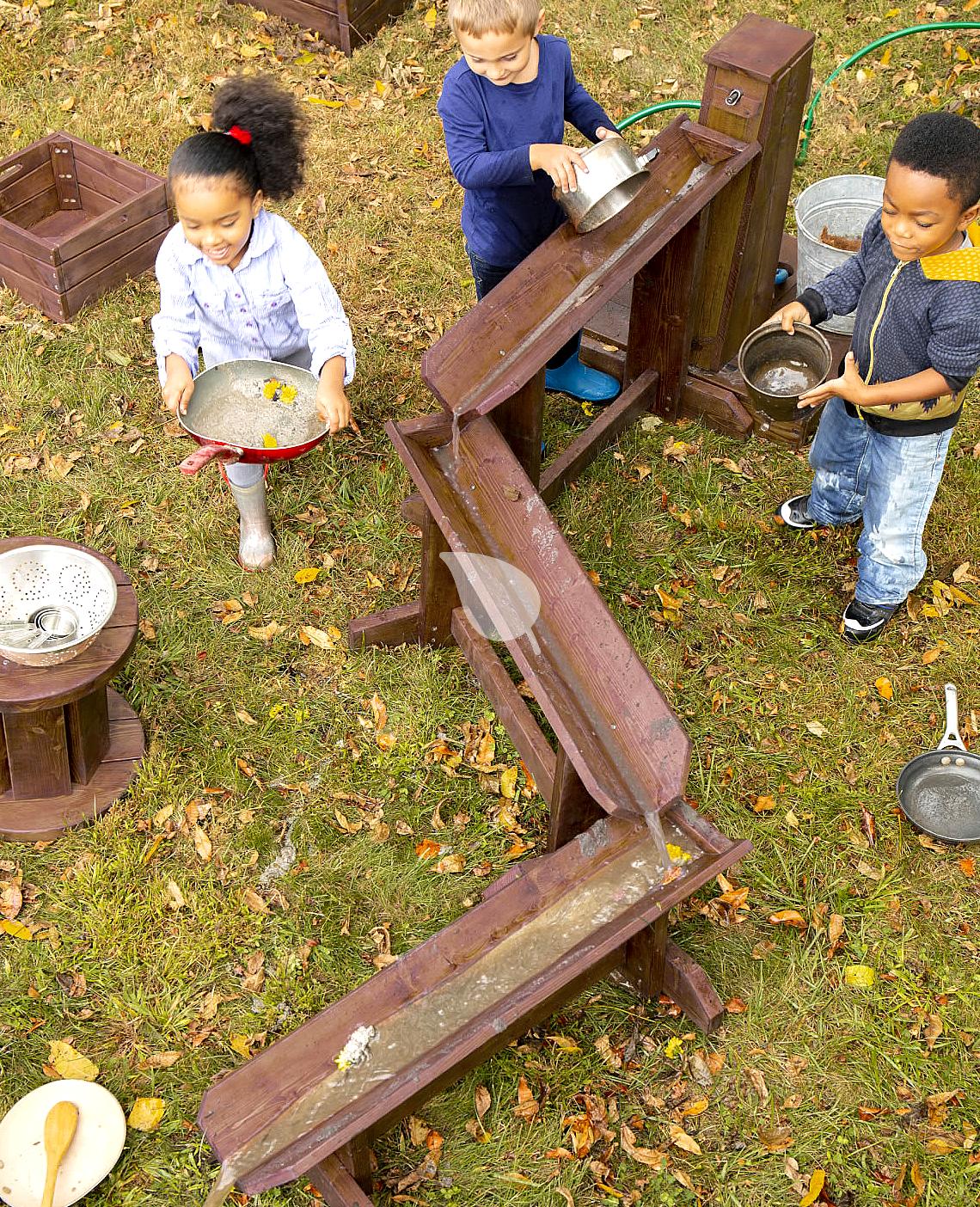
Tip: Create a simple nature kit - a small bag with a magnifying glass, notebook, and easy snack. It makes spontaneous adventures possible anytime.
Family Adaptation
During a rainy season, one family set up an indoor “nature table” with pinecones, rocks, and pressed leaves. Their toddler stayed connected to nature through touch and play, even without leaving the apartment.
Looking for more? Explore these outdoor play for toddlers ideas, perfect for city or small-space living.
Transition: Of course, nature time isn’t always easy. Let’s tackle real-world barriers: safety, weather, and access.
Overcoming Barriers: Safety, Weather, and Access
Worried about safety, bad weather, or living far from parks? You’re not alone. Fortunately, a few practical strategies make nature time doable for every family - no matter the challenge.
Ensuring Toddler Safety Outdoors
- Supervision Matters: Always keep an eye on your child, especially around water, animals, or unfamiliar plants.
- Age-Appropriate Risk: Let toddlers test balance or gentle climbing - with you close by. Small risks build confidence and skills.
- Protective Gear: Use hats, sunscreen, sturdy shoes, and bug repellent as needed. Dress for comfort and safety.
Managing Weather and Seasonal Challenges
- Dress Smart: Layers, waterproof boots, and raincoats make year-round nature play possible.
- Indoor Nature Days: On stormy days, bring nature inside: window bird feeders, sensory bins with rocks or sand, and plant care all count.
- Embrace Winter: Snowy parks still offer green space benefits. Bundle up and look for animal tracks or icicles together.
Access Solutions for Limited Green Space
- Neighborhood Walks: Even short strolls offer fresh air and new discoveries - look for weeds, bugs, or street trees.
- Community Gardens: Many cities have shared plots for families. Join in, or visit during open hours.
- Indoor Nature Play: Grow sprouts, care for houseplants, or make sensory bins with acorns and pebbles.

Always check weather and environment safety before heading out. Use your intuition - if it feels risky, adapt the plan!
Family Adaptation
The Nguyens, living in a rainy northern city, started a tradition of window bird-watching on stormy days. Their toddler learned bird calls and rhythms of the seasons - without ever leaving the apartment.
Transition: Ready to jump in? Start with this simple, science-backed 7-day nature challenge for toddlers.
Getting Started: A 7-Day Toddler Nature Challenge
Day 1: Leaf Hunt
- Collect different types of leaves during a short walk.
- Boosts observation skills and vocabulary. Keep it short and fun.
- Example: Spot three different leaf shapes and name their colors together.
Day 2: Cloud Shapes
- Lie outside and watch clouds drift by.
- Sparks imagination and relaxation. Use playful language.
- Example: Find a cloud that looks like an animal - can your toddler roar like a lion cloud?
Day 3: Listen for Birds
- Pause and identify nearby bird sounds.
- Sharpens listening and focus. Try mimicking calls.
- Example: Point out the chirping sparrow and whistle back.
Day 4: Water Plants
- Help water garden or balcony plants.
- Builds responsibility and nurturing habits. Use child-sized watering cans.
- Example: Water the balcony flowers together and celebrate their growth.
Day 5: Bug Watch
- Observe bugs in their natural spots (sidewalk, garden, balcony).
- Cultivates curiosity and respect for life. Don’t touch if unsure.
- Example: Follow a trail of ants and count how many you see.
Day 6: Nature Art
- Collect natural items for simple crafts.
- Grows creativity and fine motor skills. Use non-toxic glue.
- Example: Make a collage with fallen leaves and petals on cardstock.
Day 7: Night Sky Watch
- Look at the moon or stars (even from a window).
- Inspires awe and wonder. Keep it short for little attention spans.
- Example: Spot the crescent moon and talk about its shape.
Want more structure? Download our free Toddler Nature Habit Tracker and Eco Hero Mission Cards to keep the momentum going!
Mistakes to Avoid When Introducing Nature to Toddlers
- Expecting long outdoor sessions immediately: Toddlers have short attention spans. Start with brief, enjoyable moments and build up time week by week.
- Ignoring safety and supervision: Nature is full of exciting (and sometimes risky) surprises. Always provide close supervision, hats, sunscreen, and sturdy shoes.
- Assuming you need a big green space: Micro-nature works! Balconies, window gardens, and pocket parks offer real benefits. Don’t let location stop you.
Tools and Resources for Parents
- Toddler Nature Habit Tracker: Printable checklist with daily prompts - perfect for building consistent routines (download link coming soon!).
- Eco Hero Mission Cards: Fun activity cards for watering plants, watching bugs, and picking up litter - helps instill eco-values early.
- Local Pocket Parks App: Find tiny green spaces in your neighborhood, making nature accessible even in dense urban areas.
Examples and Case Studies
Improved Toddler Cognition After Greener Housing Relocation
A low-income family moved to a neighborhood with more parks. Within months, their toddler showed sharper attention and stronger cognitive skills - proving access to green space is a game changer, not a luxury.
Daily Nature Time and Reduced Toddler Anxiety
A national study followed kids who spent 60 minutes a day in green spaces. Results? Dramatic reductions in anxiety and tantrums, especially for those with fewer resources. Nature time is a natural mental health buffer for every child.
FAQ: Your Top Questions about Toddlers and Nature
Q: Why is nature so important for toddler brain development? A: Nature offers a flood of sights, sounds, and textures that spark neural growth. Outdoor play strengthens language, motor skills, and curiosity. When you encourage toddlers to touch, name, and explore what they find outside, their brains build new pathways. It’s hands-on learning that screens can’t provide.
Q: How much time should my toddler spend outside each day? A: Aim for 30–60 minutes daily, even split into short bursts. Consistency matters more than the length of one session. Quick walks, balcony plant care, or cloud-watching breaks all add up to real benefits.
Q: What are simple nature activities I can do with a toddler in the city? A: Urban nature counts! Try balcony gardening, window bird-watching, exploring tree-lined blocks, or collecting leaves for art. Even micro-nature - like watching ants on the sidewalk - supports development.
Q: Does time in nature really help with toddler tantrums and anxiety? A: Absolutely. Research shows that outdoor time reduces cortisol and soothes anxious or overstimulated kids. Nature’s calm - wind, birdsong, green leaves - helps toddlers reset, making meltdowns less frequent and easier to handle.
Q: How does early nature exposure influence kids’ attitudes toward the environment later on? A: Early bonding with nature builds empathy and care for the planet. When toddlers help water plants or gently watch bugs, they start seeing themselves as caretakers. That early eco-education leads to stewardship habits that last - kids who love nature are more likely to protect it as they grow.
Conclusion: Why Toddlers Need Nature Every Day
Let’s cut to the chase: toddlers need nature like they need sleep and food. It’s the ultimate developmental multivitamin. Every day spent outdoors supports explosive brain growth, stronger bodies, emotional balance, and lifelong eco-awareness.
Don’t stress about perfection. Short, consistent moments in nature - five minutes on a balcony, a stroll around the block, a bug hunt on the way home - work wonders. These rituals fit into any family’s busy life, no matter your address or the season.
Nature isn’t a luxury. It’s essential. It regulates stress, powers learning, builds confidence, and sparks wonder. The science is clear; the benefits are lifelong.
So, put down the device, grab your child’s hand, and step into the world outside - however small that patch of green may be. Nature is waiting to nurture your toddler’s mind, body, and heart.
Tags
Join Our Mission
Support our conservation efforts and make a difference today.