Imagine your child sprinting through the backyard, a clipboard in hand, searching for a fluttering butterfly or the perfect pinecone. With every find, their eyes light up. By the end of the week, they're leading the charge to shut off unused electronics, picking up litter at the park, and even rallying the family for a water-saving contest. What if you could help your child earn their Eco Hero badge in just seven fun missions that truly protect the planet?
Many parents and teachers want engaging eco activities - real actions, not just crafts with recycled bottles. But honestly, the options can feel overwhelming. Where should you start? What really makes a difference?
That’s why this post offers a simple, story-driven 7-step Eco Hero Journey. It’s a clear path that builds awareness, habits, and even leadership in kids. Each challenge is easy, age-flexible, and designed to turn your child into a confident nature protector. Expect more than tips - discover actual missions that help your child become an eco champion, one adventure at a time.
Meet the Eco Heroes: What Are Eco Challenges for Kids?
Picture your child embarking on a fun, real-world eco adventure - right at home, at school, or out in the neighborhood. These eco challenges for kids aren’t just crafts to pass the afternoon. They’re hands-on missions designed to build lifelong eco habits, spark curiosity, and even develop leadership skills.
Here’s the thing: pollinator populations have dropped about 30% in the last few decades, threatening plants, food supply, and the whole web of life (The Environmental Blog). That’s a wake-up call. It means our kids need more than slogans - they need to feel like they can make a real difference.
Unlike one-off projects, these 7 eco challenges for kids are a connected journey. Each one builds awareness, grows confidence, and lets children see their real-world impact. Whether it’s a backyard scavenger hunt, a family energy patrol, or launching a mini club, every challenge has:
- A clear purpose linked to a real environmental issue
- Simple, actionable steps
- Options for all ages
From scavenger hunts to community projects, your child becomes an Eco Hero - learning, leading, and caring for the planet. Want more ways to teach your child to be an everyday Eco Hero? Check out our complete guide.
Challenge 1: Nature Explorer Scavenger Hunt – Fun Nature Activities for Kids
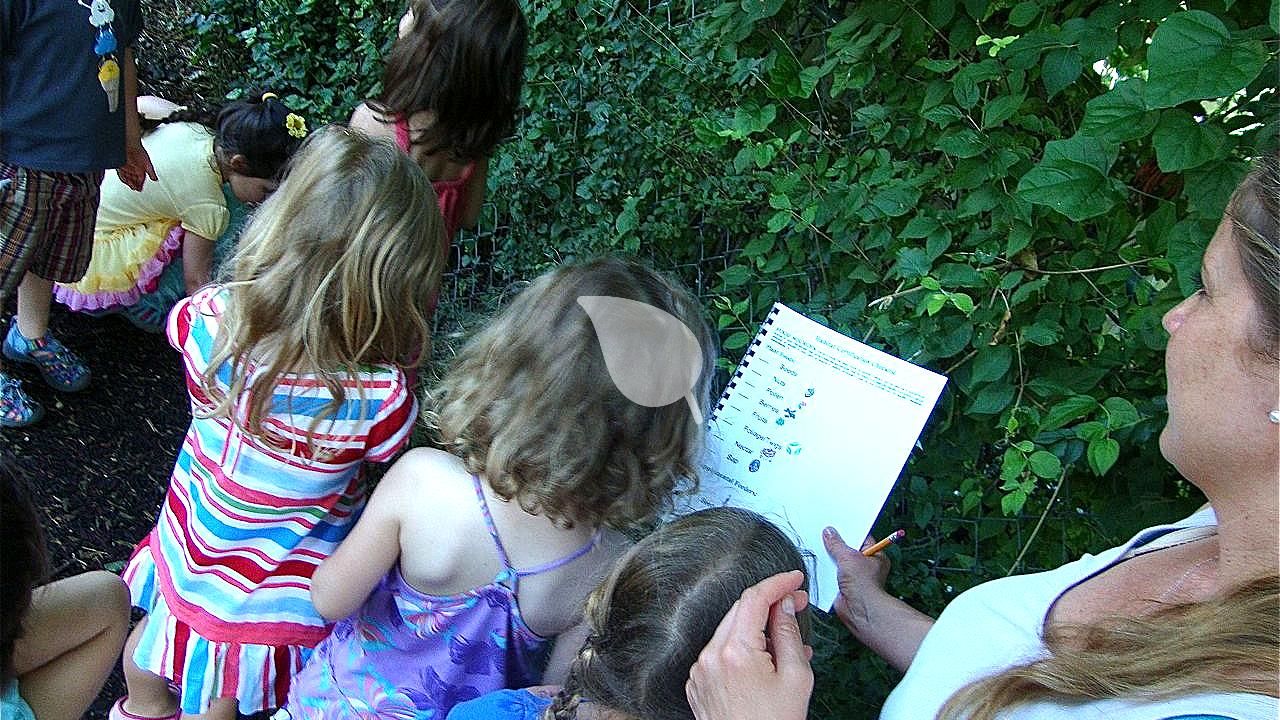
Kick off your child’s Eco Hero Quest with an outdoor adventure that’s pure fun - plus a little science thrown in. Nothing’s more magical than discovering the wild world just outside your door.
Getting Started
- Choose your space: Pick a backyard, schoolyard, park, or any safe outdoor area - no fancy supplies needed.
- Make a scavenger list: Write or draw things to find, like a red leaf, a smooth stone, a bird, a worm, or a feather. Want to mix it up? Add bonus points for hearing a bird call or spotting a bee.
- Set your timer: 20–30 minutes keeps it lively. Kids can hunt solo or in teams.
Why This Matters
Observing biodiversity in action helps kids realize the world is full of life - each creature, plant, or fungus playing a role. Focusing on details sharpens curiosity and builds empathy for nature. Plus, outdoor play is a proven booster for physical and mental health!
Example: On a neighborhood walk, a child finds a shiny beetle, a pinecone, and a feather. Later, the family chats about which tree the pinecone came from and why beetles love the garden.
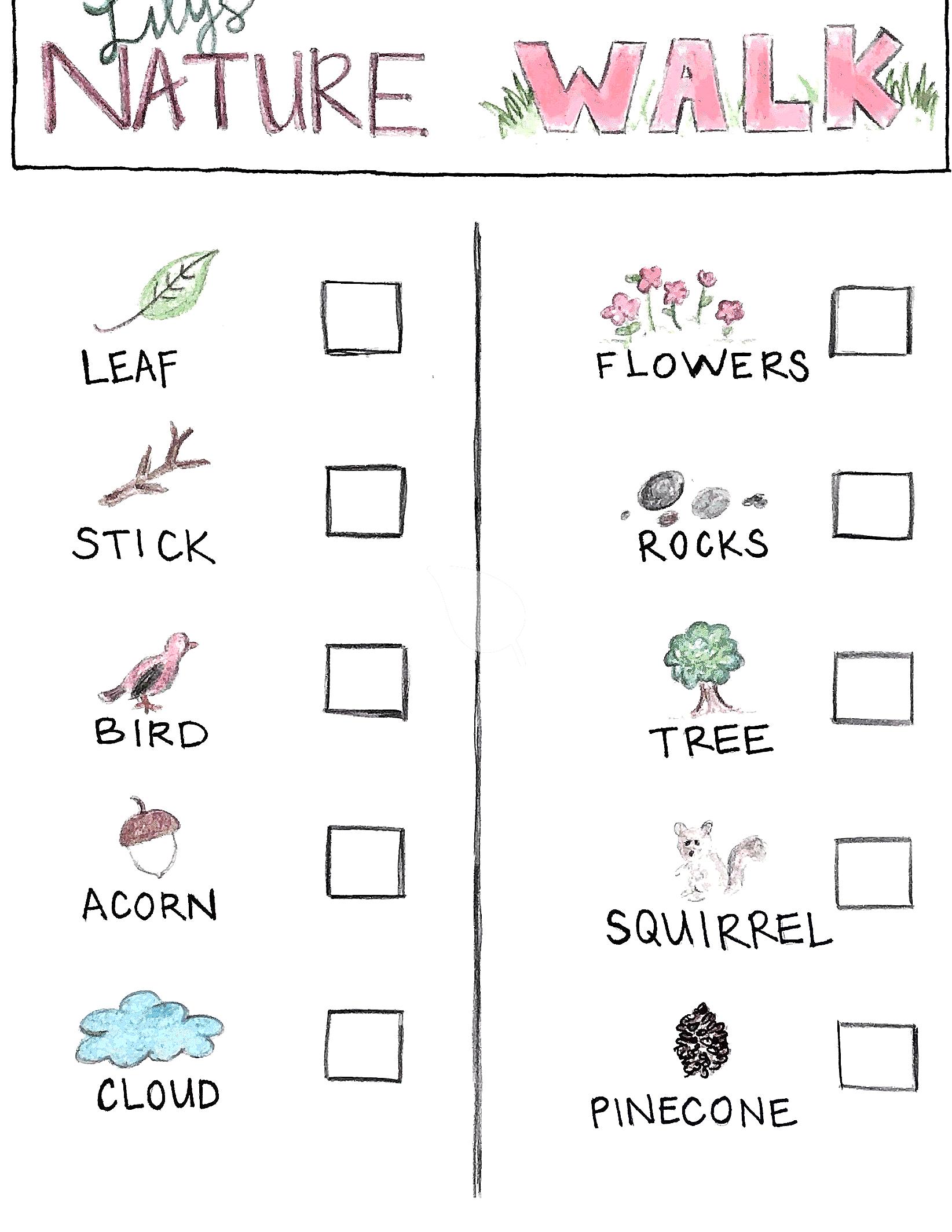
Tip: Adjust the scavenger list for different ages - little ones can look for colors, older kids can hunt for specific birds, bugs, or textures.
Real Story: One family turned their scavenger hunt into a daily ritual, sparking conversations about which wild creatures visited their yard and why certain plants showed up after it rained.
Want more ideas? Dive into our favorite nature scavenger hunt ideas.
Next up: Ready to become an energy detective right at home? Let’s investigate!
Challenge 2: Home Energy Detective – Simple Sustainability Activities for Kids
Let’s crank up the detective hats. This challenge puts your child in charge of tracking down electricity wasters and teaching the family how to stop them - mission style.
How to Play the Detective
- Checklist time: Write down energy leaks to look for, like lights left on, chargers plugged in without devices, or computers running overnight.
- Room-by-room scan: Kids (with an adult) hunt for these energy vampires in every room. Make it a game - who can spot the most?
- Action: Turn off or unplug anything not in use. Record the results in a notebook or on your challenge tracker.
Why It Matters
Every bit of household electricity comes from somewhere - often from fossil fuels that contribute to climate change. Spotting waste teaches real responsibility and shows kids that small actions matter. Those little changes add up, saving energy and money while protecting the planet.
Example: A child notices the family’s gaming console has been charging all night. They not only unplug it but put a sign next to it as a reminder. Soon, the whole family starts checking for energy leaks each night.
QUOTE: “By giving your children a greater appreciation for nature, you encourage them to do more to protect it.” – Recycle by City
Safety first: Always supervise young children around outlets or heavy appliances.
Real Story: One family loved this game so much, they made it a weekly Sunday habit - saving money and reducing their carbon footprint together.
Next, let’s step outside and turn your child into a Zero-Litter Hero!
Challenge 3: Zero-Litter Hero Walk – Kids Eco Activities for Community Care
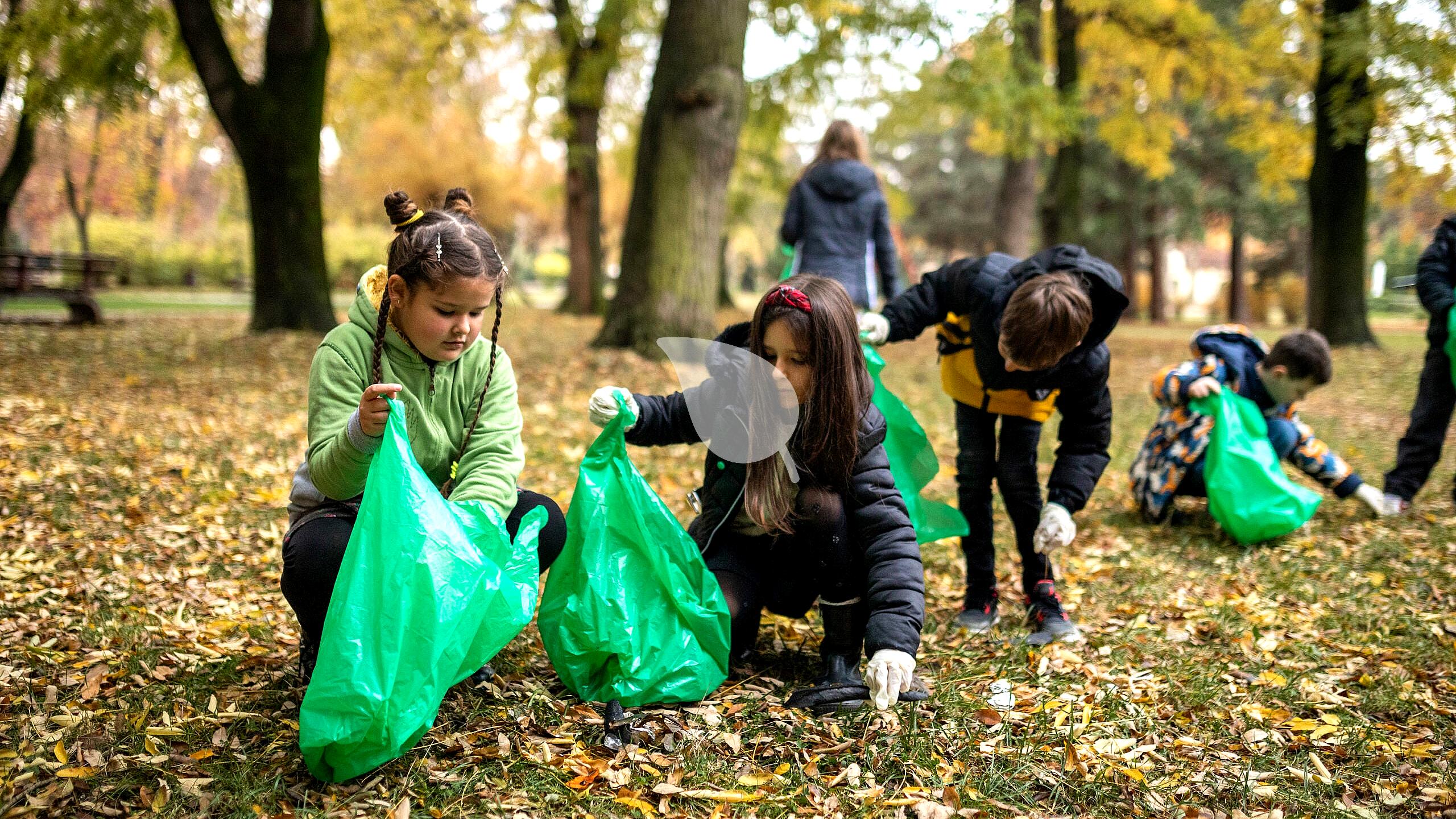
This challenge is all about taking action where it counts - your own neighborhood. Litter might seem small, but every piece you pick up makes the world better for wildlife and people alike.
Organizing Your Walk
- Pick your spot: Choose a local park, path, or even your street for a litter pick-up walk.
- Gear up: Grab gloves (gardening gloves work), bags for trash, and an adult for safety.
- Set a goal: Challenge kids to safely collect 5–10 pieces each. Make it a race or see who finds the weirdest item!
Why It’s Important
Litter harms animals who might eat or get tangled in trash. It pollutes water and ruins the beauty of your community. When kids pick up litter, they see the difference instantly - and often want to keep going.
Example: Three siblings organized a Saturday trash walk. By the end, they’d filled three bags and gotten thanks from a neighbor. The next month, more kids joined in.
[CASE STUDY] Community cleanups help kids develop environmental stewardship and pride (Green Paper Products).
Callout: Always wear gloves and avoid sharp objects. Wash hands thoroughly afterwards.
Real Story: A local youth club kicked off monthly litter pick days after one family shared photos of their walk - and the park stayed cleaner than ever.
Next, let’s see how trash can become treasure with a little upcycling magic!
Challenge 4: Upcycling Lab – From Trash to Treasure Kids Eco Projects
Now it’s time to get creative. Instead of tossing out egg cartons or cardboard boxes, let’s use them to make something amazing. Upcycling turns would-be waste into useful or beautiful creations - teaching kids to see possibility in every scrap.
Upcycling Ideas
- Bird feeders: Roll pine cones in peanut butter and seeds or turn a milk carton into a seed station.
- Recycled robots: Stack and attach cardboard, cans, and bottle caps to make funky sculptures or robots.
- Eco posters or costumes: Use magazines, old fabric, or packaging to design environmental art with a message - "Save the Bees!" or "Plastic-Free Oceans!"
Why Upcycling Matters
Every item you upcycle is one less thing in the landfill. More importantly, it encourages creative thinking: how can we use what we already have? Sharing these crafts at home, school, or even the library spreads eco awareness further.
Example: After building a robot from cans, a child displayed it at school with a sign about recycling. Their classmates wanted to try upcycling too, sparking a school-wide eco art show.
QUOTE: “Connecting with nature is a great way to encourage environmental awareness in kids.” – Mommy Poppins
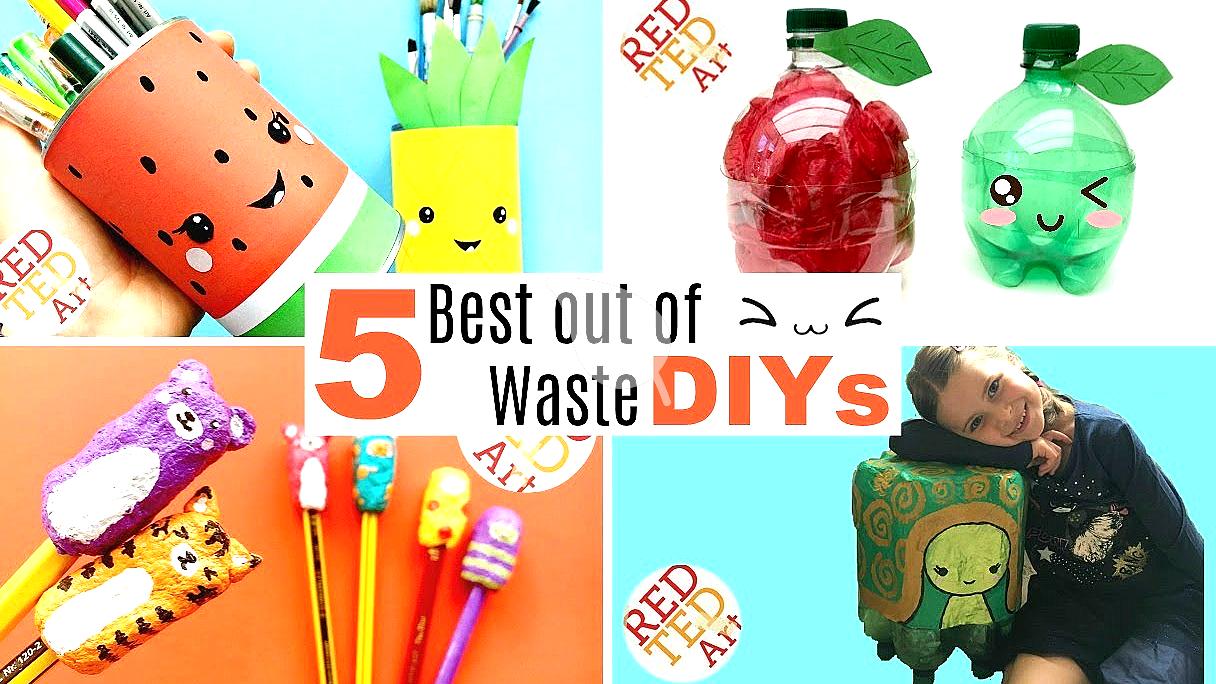
Pro Tip: Use non-toxic glue or tape, and supervise cutting or hot glue for younger kids.
Real Story: One family made a series of upcycled bird feeders and donated them to the local senior center, turning a rainy weekend into a mini community project.
Next, get ready for water-saving fun with games and experiments!
Challenge 5: Water-Saving Champions – Teach Kids About Water Conservation
Every drop counts. This challenge helps kids understand why water is precious - and how everyone can help conserve it with simple, playful steps.
Water-Saving Games
- Speed Showers: Time your showers to see who can get clean in under 5 minutes without racing dangerously. Challenge the whole family!
- Catch & Reuse: Place a bowl under the faucet while washing veggies, then use that water for plants.
- Turn-off Taps: Make a chart to track when kids remember to turn off taps while brushing teeth or soaping hands.
Why Water Conservation Matters
Freshwater is limited, and every living thing depends on it. Kids who save water learn how their choices ripple out to protect rivers, lakes, and wildlife. Plus, these small actions teach responsibility and reveal how the water cycle connects us all.
Example: A child uses a timer during showers, gradually reducing from 12 minutes to 5. At week’s end, the family calculates gallons saved and plans a reward night.
[STAT] After eco activities, over 44% of kids said they wanted to help others, and many families adopted new habits .
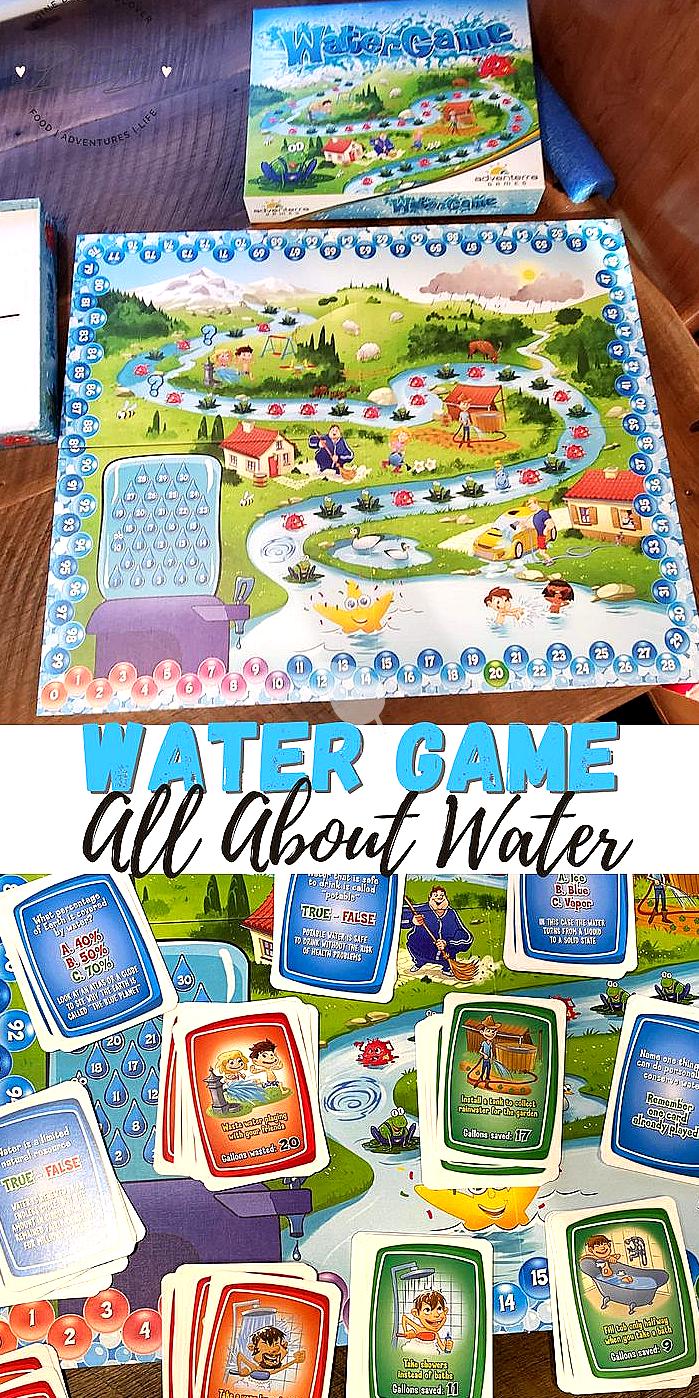
Callout: Make it a playful competition. Praise effort just as much as results to keep the habits positive.
Real Story: Parents report kids became the "water police" - reminding siblings about shorter showers and saving water for plants. Suddenly, everyone’s aware of their daily impact.
Ready to protect wildlife next? Let’s build a habitat for pollinators!
Challenge 6: Pollinator Protector Project – Backyard Wildlife Sanctuary for Kids
Time for hands-on conservation. Pollinators like bees and butterflies are declining fast, but kids can help by creating safe spaces right in their own yards or balconies.
Habitat Projects
- Plant native flowers: Choose local blooms that attract bees, butterflies, or hummingbirds. Even a window box works!
- Build a bug hotel or bird feeder: Use sticks, pinecones, or recycled materials to make a cozy shelter for insects or birds.
- Observe and record: Keep a nature journal and count which pollinators visit over a week. Draw or photograph your discoveries.
Why Protect Pollinators
Pollinators are vital for healthy gardens, farms, and wild spaces. Without them, many plants - and our food - would disappear. Sadly, their populations have dropped by 30% in recent decades. Helping pollinators boosts biodiversity and gives kids a direct role in protecting wildlife.
Example: A child plants milkweed and black-eyed Susans in a backyard pot. By midsummer, butterflies start visiting daily. The child documents each one, shares photos with classmates, and inspires the school to start a small pollinator garden.
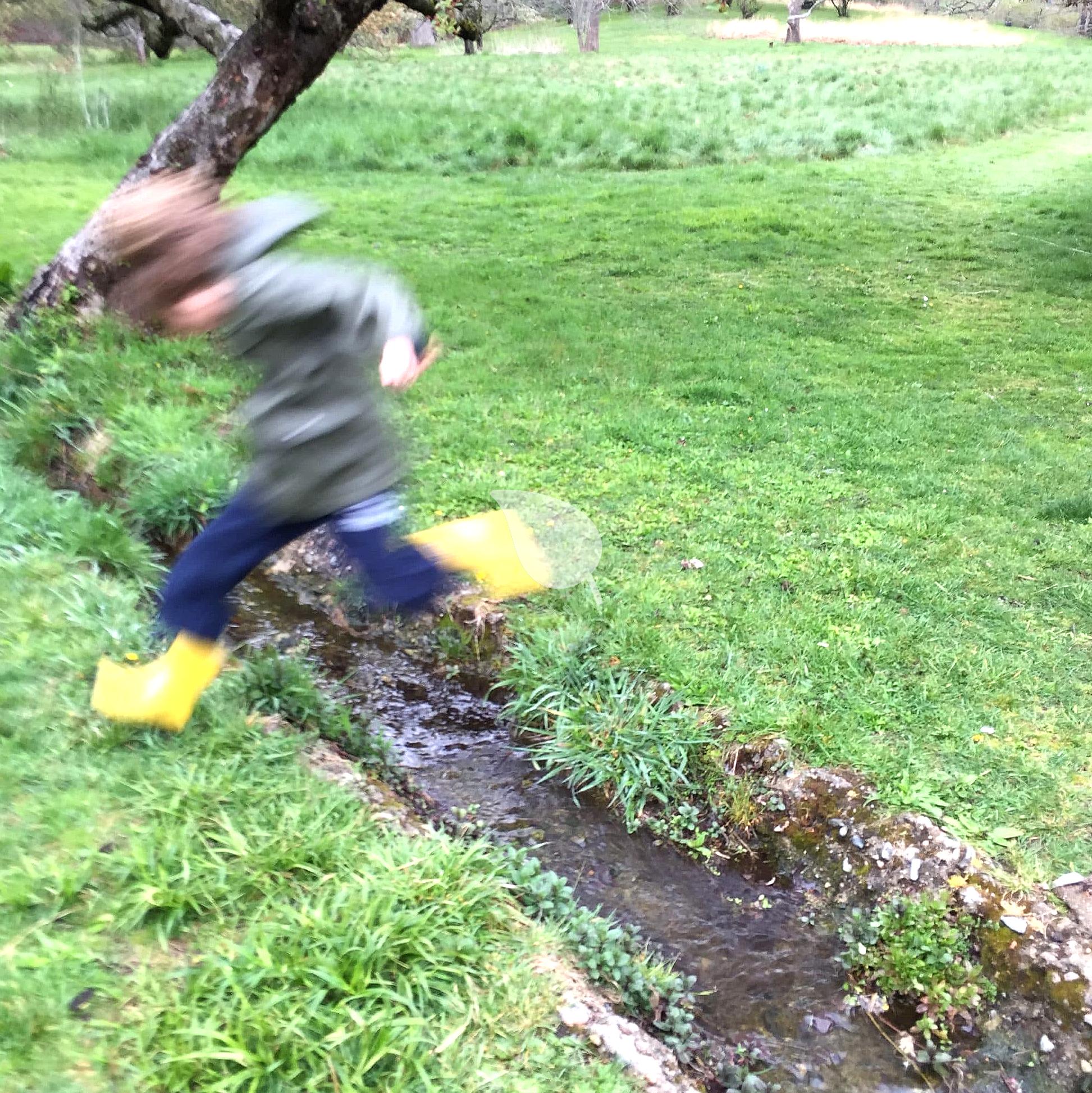
Pro Tip: Use only native plants, skip pesticides, and provide water dishes for best results. Even in small spaces, every flower helps.
Real Story: Local schools transformed bland patches of dirt into buzzing mini-meadows, using student-made bug hotels and feeders. Outdoor science classes became the new favorite period!
Ready for the big finale? Let’s see your child lead their own eco mission!
Challenge 7: Kid-Led Eco Action – Kids Leading Change and Community Projects
Here’s where your child’s Eco Hero journey comes full circle. It’s time for them to step up as a leader - planning and launching a project that inspires others.
Taking Leadership
- Choose a project: Plan a recycling campaign, organize a “No-Waste Week” at school, set up an eco pledge board at home, or start a Green Team in the neighborhood.
- Prep and organize: Use scripts, checklists, and a simple plan. Help with logistics, but let your child make decisions and rally friends or family.
- Celebrate success: Earn badges, certificates, or just a family pizza night to recognize effort and results.
Why Leadership Matters
When kids lead, they discover their voice matters. They build confidence, learn teamwork, and see the ripple effect of their actions. Plus, projects that start at home can grow into school-wide or neighborhood movements - real environmental projects for kids with genuine impact.
Example: One student organized a classroom “No-Waste Week.” They made posters, tracked lunch waste, and shared results in the school newsletter. Soon, waste dropped by 40%, and more classes joined the challenge.
[CASE STUDY] Youth community projects grow environmental stewardship and pride
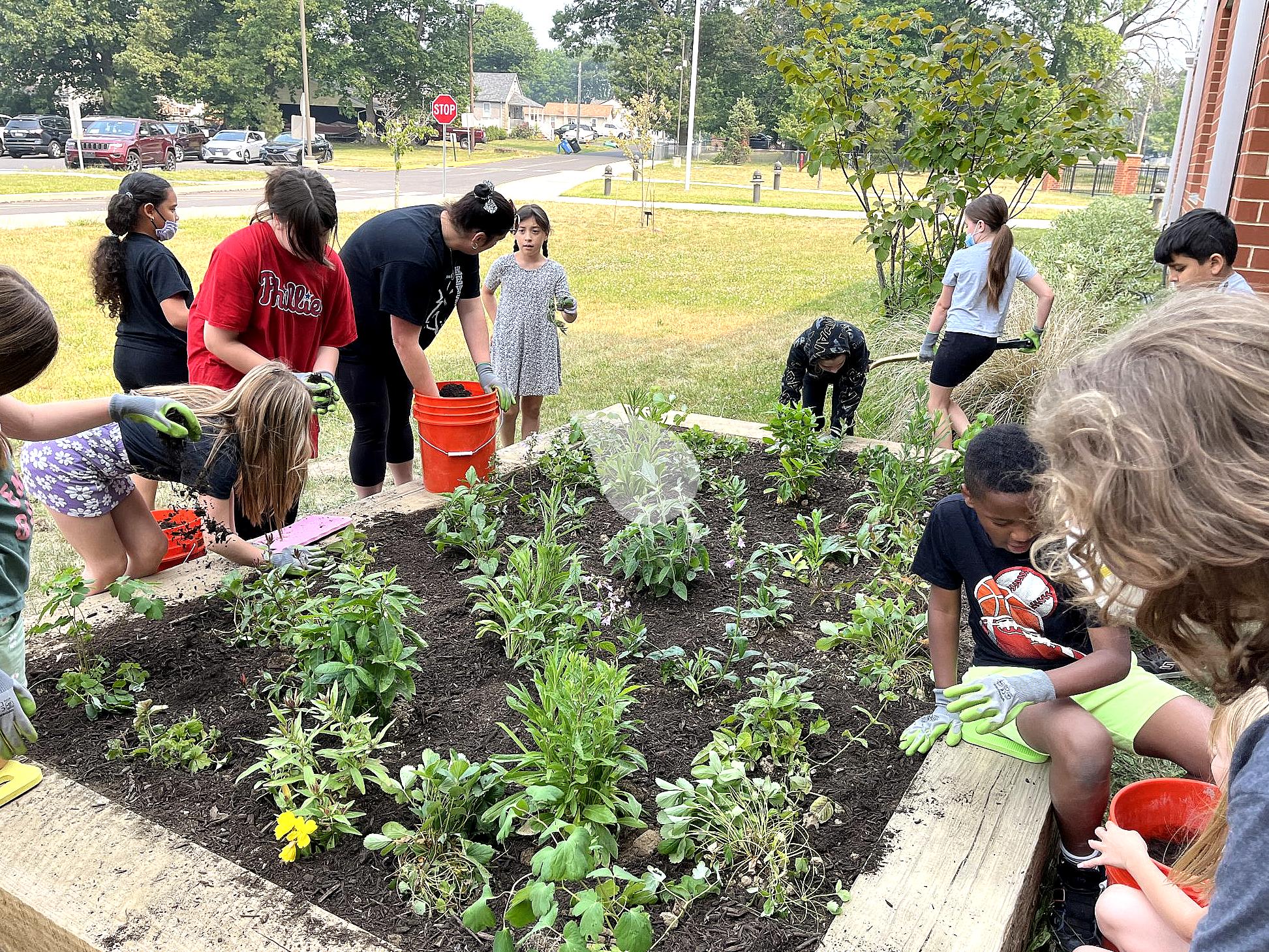
Callout: Support from adults is key - but let kids take charge of decisions and presentation.
Real Story: Inspired by a challenge, neighborhood kids formed a Green Team, running monthly cleanups and a recycling contest. Their impact led to city recognition.
Want more about eco clubs? Here’s how to build kids eco club leadership into your community.
Keep reading for tips to make these habits stick for good!
Make It Stick: How to Turn Eco Challenges into Lasting Habits
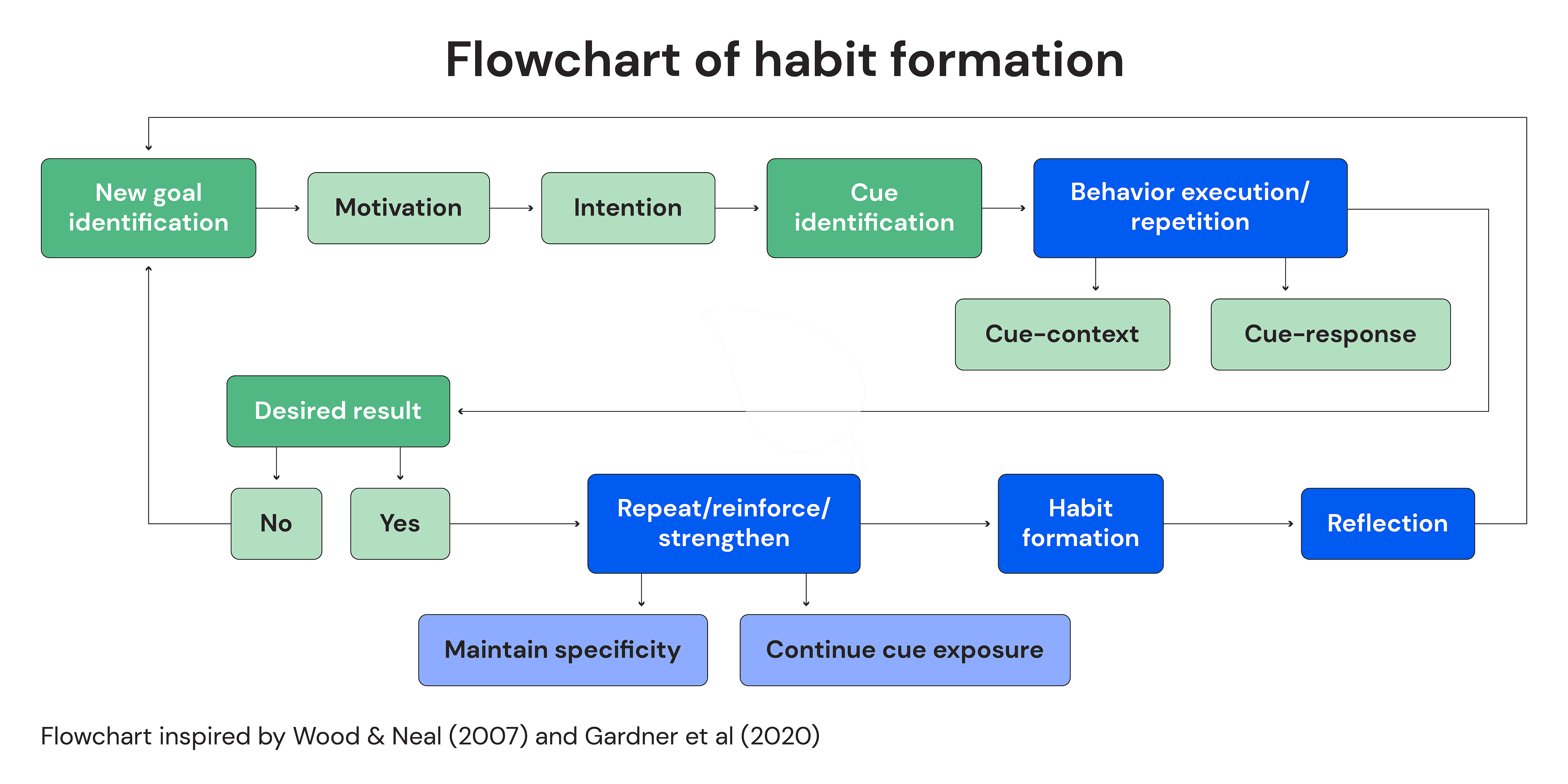
Turning eco challenges for kids into lifelong habits takes intention - but it’s easier (and way more fun) than you’d think. Here’s how to nurture your child’s Eco Hero journey long after the first seven missions:
-
Choose Your Favorite Habit
- Pick one small action from each challenge to focus on regularly. Don’t try to keep every new habit all at once, or kids (and grownups) might feel overwhelmed.
- Building confidence through one simple daily habit ensures success - and kids love reminding others to turn off the lights or save water!
- Example: Keep a family tradition to shut off unused electronics every evening.
-
Repeat the Challenge Series Seasonally
- Every season brings new opportunities and challenges. Revisit the 7 missions in spring, summer, or even over winter break.
- Changing up the activities keeps things fresh and encourages deeper learning.
- Example: Focus on water-saving in summer and pollinator gardening in spring.
-
Join or Form an Eco Club
- Teaming up with friends, classmates, or neighbors helps kids stay motivated. Youth environmental clubs build a sense of belonging and collective impact.
- Regular meetings, group projects, and sharing success stories keep everyone inspired.
- Example: Start a neighborhood Green Team and assign fun monthly eco missions together.
Mistakes to Avoid When Doing Eco Challenges
Even superheroes hit a few bumps on their journey. Here are the most common mistakes (and how to fix them):
- Trying too many activities at once: It’s tempting to do every challenge right away, but this often leads to burnout. Focus on one small habit per challenge and celebrate progress.
- Not adapting challenges for age or space: If a task feels too hard or the setting isn’t right, kids may get frustrated. Always tweak activities to fit your child’s age and home.
- Skipping reflection and celebration: Without time to reflect or a badge to earn, kids can miss the pride of accomplishment. Use journal prompts or printable certificates after each mission.
Tools and Resources to Support Your Eco Hero Journey
You don’t need fancy gear - just a few simple tools to make the journey memorable:
- Printable Eco Hero Challenge Tracker: Print a progress chart with spots for stickers, stamps, or checkmarks. Kids love seeing their achievements add up.
- Eco Hero Certificate Download: Let kids color and sign their own certificate after completing the 7 challenges. It’s a proud moment!
- Parent/Teacher Quick Guide: Keep prep lists, age adaptations, and safety tips for each challenge handy. Less stress, more fun.
Download these resources below to get started on the right foot.
Inspiring Examples of Kids Making a Difference
Neighborhood Clean-up Leaders: When three siblings started monthly trash pick-ups inspired by the zero-litter challenge, the neighborhood became cleaner and more welcoming. The kids felt empowered, and soon others joined in. Their efforts even caught the attention of a local news crew!
Backyard Pollinator Garden Success: One child planted native flowers and built a bug hotel in the backyard. Within weeks, butterflies and bees flocked to the new garden. The school took notice, using the project as an outdoor lesson for the whole class - and inspiring more students to start their own wildlife sanctuaries.
Start Your Child’s Eco Hero Journey Today
You’ve just discovered seven proven eco challenges for kids designed to build awareness, shape powerful habits, and spark leadership - one fun mission at a time. From nature scavenger hunts that boost curiosity to kid-led recycling campaigns that ripple through the community, each challenge transforms young environmentalists into real-life Eco Heroes.
These activities don’t just inspire - they deliver real results. Your child sees their impact, earns badges (and confidence), and maybe even leads friends or family to join in. Imagine a world where every kid feels empowered to care for the Earth, starting with your own backyard.
Ready to keep the momentum going? Grab the free Eco Hero Challenge Tracker and Certificate. Let your kids check off each mission, earn their badge, and celebrate every win - big or small.
Share your child’s story, connect with fellow families, and watch as your Eco Hero community grows. It’s more than a checklist. It’s a journey - one your child will never forget.
Tags
Join Our Mission
Support our conservation efforts and make a difference today.