Ever watched the aftermath of a typical kids' birthday party? Mountains of gift wrap, single-use plates, half-eaten cupcakes, and decorations destined for landfill. It's no wonder parents feel torn - wanting to celebrate with their children but hating the environmental guilt and the swelling costs. But what if I told you that hosting a memorable, waste-free bash can be easy, affordable, and a whole lot of fun (without your trash can overflowing)?
This isn't just about skipping balloons or using compostable forks. Hosting a zero waste kids event in 2026 means blending the latest green trends, hands-on kid activities, and smart planning so the fun never stops - and the planet doesn't pay the price. Ready to discover the step-by-step roadmap, innovative tools, and playful ideas you need? Let's dive in and turn your child's celebration into a model of joy and sustainability.
Why Zero Waste Kids Events Matter in 2026
Can you picture a birthday party where laughter fills the air, but the only thing left behind is happy memories - not bags of trash? In 2026, that vision is more achievable (and more important) than ever. Typical kids' parties generate piles of disposable waste, with most of it ending up in landfill. According to Punchbowl's 2025 event data, a standard party can create dozens of pounds of paper, plastic, and food waste in just a few hours.
But it doesn't have to be this way. Families increasingly want sustainable event planning - not just for the planet, but to save money and teach their kids about responsibility. This guide uniquely combines the freshest 2026 green trends and proven zero waste strategies with fun, hands-on activities kids love.
We'll walk through every phase: from clever digital invitations and upcycled decor, to sourcing planet-friendly food, designing composting and recycling stations, creating nature-inspired games, and giving meaningful favors. You'll even learn how to track your impact with cutting-edge green tech. Whether you're a parent, teacher, or caring community member, these steps will empower you to host not just an event, but a celebration of sustainability.
Want more on sustainable event planning? Check out our Ultimate Guide to Eco-Friendly Events: Planning Tips for even more inspiration.
Planning Timeline for Sustainable Event Success
Solid event planning is like building a sandcastle - skip the foundation, and the whole thing collapses. The key to a truly zero waste kids event? Start with a detailed roadmap, and give yourself enough time to source the right materials, vendors, and eco-friendly alternatives.
Step-by-Step Roadmap
-
Start Early with a 6-Month Prep Checklist Creating a timeline six months out isn't overkill - it's a lifesaver. This allows you to research zero waste suppliers, identify local vendors with sustainability credentials, and avoid the stress (and waste) that comes with last-minute shopping. For example, start crafting your plan in January for a summer party, reaching out to partners, and gathering upcyclable materials.
-
Source Eco-Friendly Vendors and Materials Researching and booking suppliers early means you have more options for compostable dishware, reusable decorations, and plant-based treats. Did you know some bakeries now offer edible decorations and packaging-free cakes? Booking early lets you secure these novel options.
-
Create a Budget With Zero Waste Savings Building your budget is more than just cutting costs - it's about investing in sustainability. Families who plan ahead typically save up to 30% by reusing supplies and avoiding impulse buys. For example, a family in Toronto saved $120 by borrowing decorations from a local eco-library and skipping single-use items.
Expert Insight: “Zero-waste movement influences birthday planning, resulting in creative celebrations via packaging-free buying.” - 1Invites Team, Sustainable Event Planners
A clear schedule also keeps everyone on the same page. Begin digital invites 3 months in advance to give guests time to RSVP and adjust to eco-friendly expectations. List every major milestone from securing the venue to the final cleanup. A printable zero waste checklist (download below) is a must-have companion.
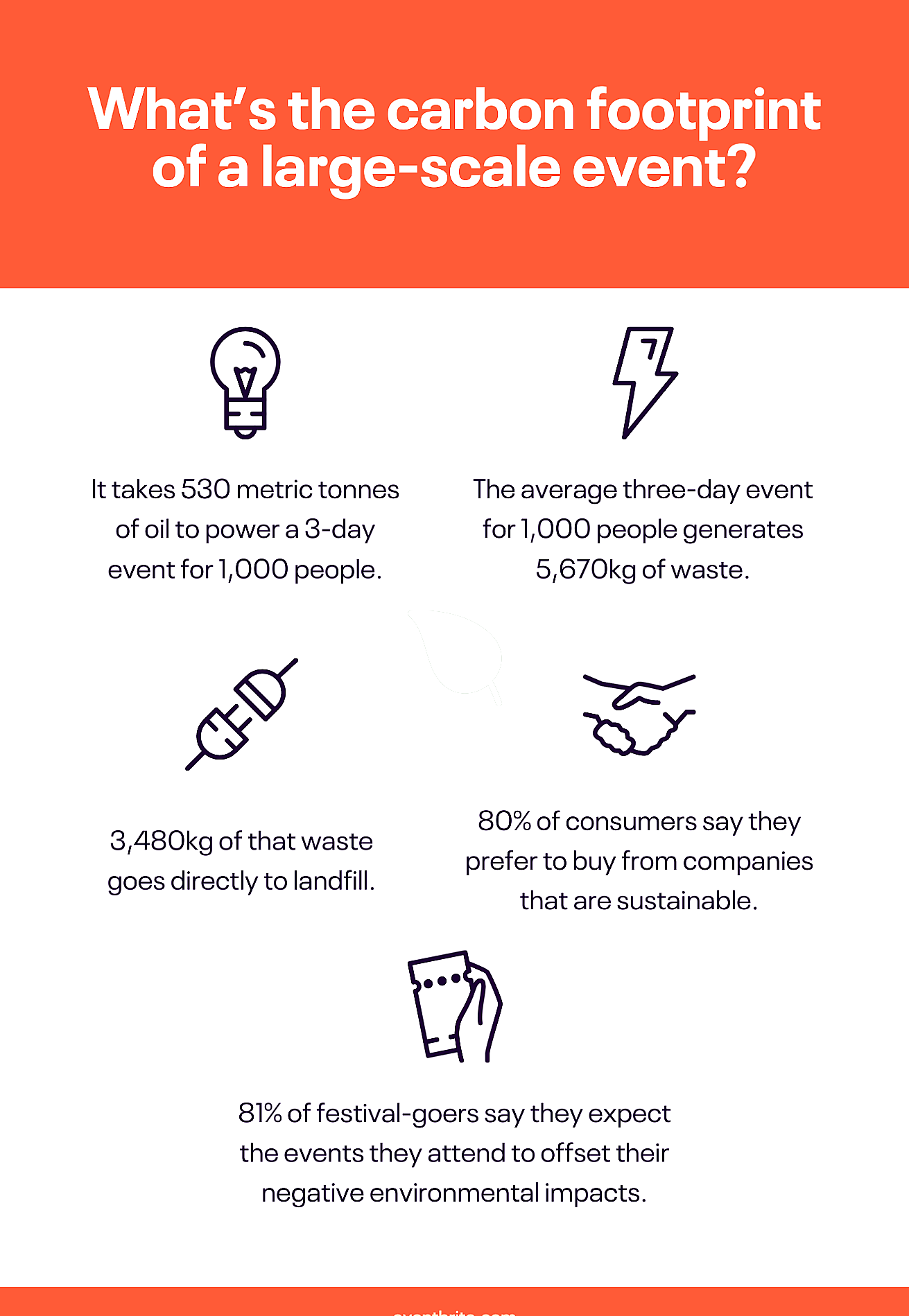
Tip: Use our downloadable zero-waste checklists to stay organized. One family who followed this approach for a 2025 birthday party reported saving 30% in overall costs and dramatically reduced stress by breaking tasks down week-by-week.
Now that the backbone is in place, let's tackle invites and decor - the first impression of your eco-friendly party.
Invites and Decor: Waste-Free Starters
Invitations and decorations set the mood for your child's celebration, and they're often the first place waste sneaks in. But waste-free doesn't mean boring - it's the perfect opportunity for creativity, cost savings, and hands-on fun.
Digital Invitations and Upcycled Decorations
-
Send Reusable or Digital Invites for Waste Reduction Forget stacks of envelopes and glittery paper destined for recycling (or worse, the trash). Switching to digital invitations slashes paper use instantly. According to Punchbowl, paper production is a leading cause of deforestation and greenhouse emissions. Instead, try fun, kid-designed e-invites - let your child doodle a drawing or record a voice greeting. Free platforms like Paperless Post or Greenvelope make this process a breeze.
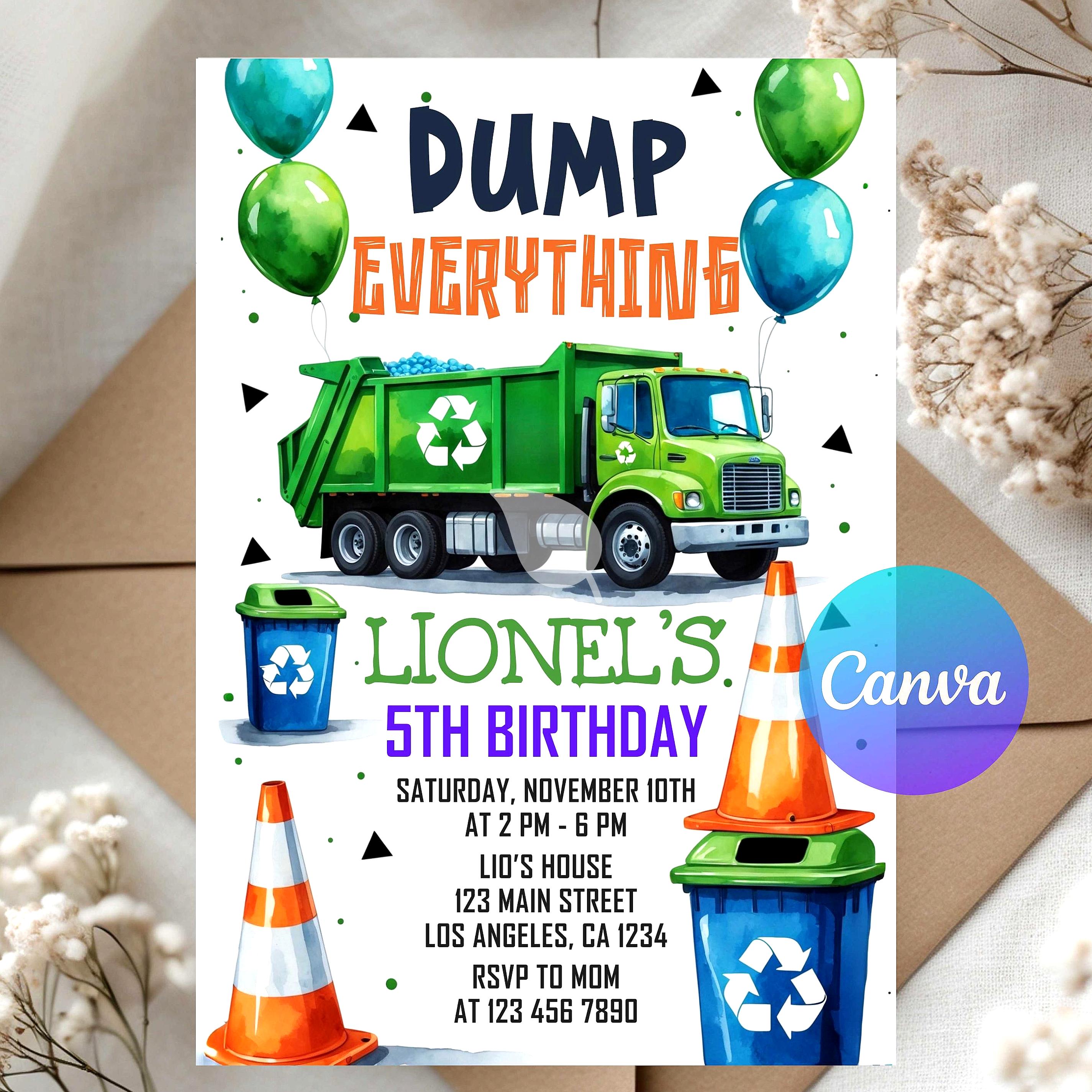
Custom e-invites created by children add personality and reduce waste at your 2026 party. -
DIY Upcycled Household Items for Decorations Use what you have: jars, fabric strips, cardboard, or even old toys. Host a pre-party crafting afternoon with your kids, upcycling these items into banners, table centerpieces, or garlands. Upcycling transforms trash into treasures and gets your little ones invested in the event.
-
Involve Kids in Creating Reusable Banners Instead of buying a new “Happy Birthday” banner every year, make one from sturdy fabric or felt, and decorate it together. Pack it away after each party and watch it become a family tradition.
Warning: Avoid single-use paper invites or foil balloons. They create waste and are rarely recycled.
One parent used only digital invites and upcycled decor for their 2025 party, saving over $50 and receiving rave reviews from guests impressed by their creativity.
Next, let's tackle the challenge of food and waste stations - the epicenter of party waste.
Food and Waste Stations: Minimizing Party Waste
Food is the heart of any kids' event, but it's also the single largest source of waste. Half-eaten slices, excess packaging, and disposable serveware often end up in the trash. The good news? With a few smart strategies, you can make food both delicious and planet-friendly.
Bulk Sourcing and Composting Setup
-
Buy Bulk/Local Food to Reduce Packaging Sourcing snacks and treats from local farmers' markets or bulk stores cuts down on packaging and supports nearby businesses. Offer whole fruits, veggie platters, and homemade treats in large batches, reducing individual wrappers. For drinks, skip the juice boxes in favor of pitchers and reusable cups.
-
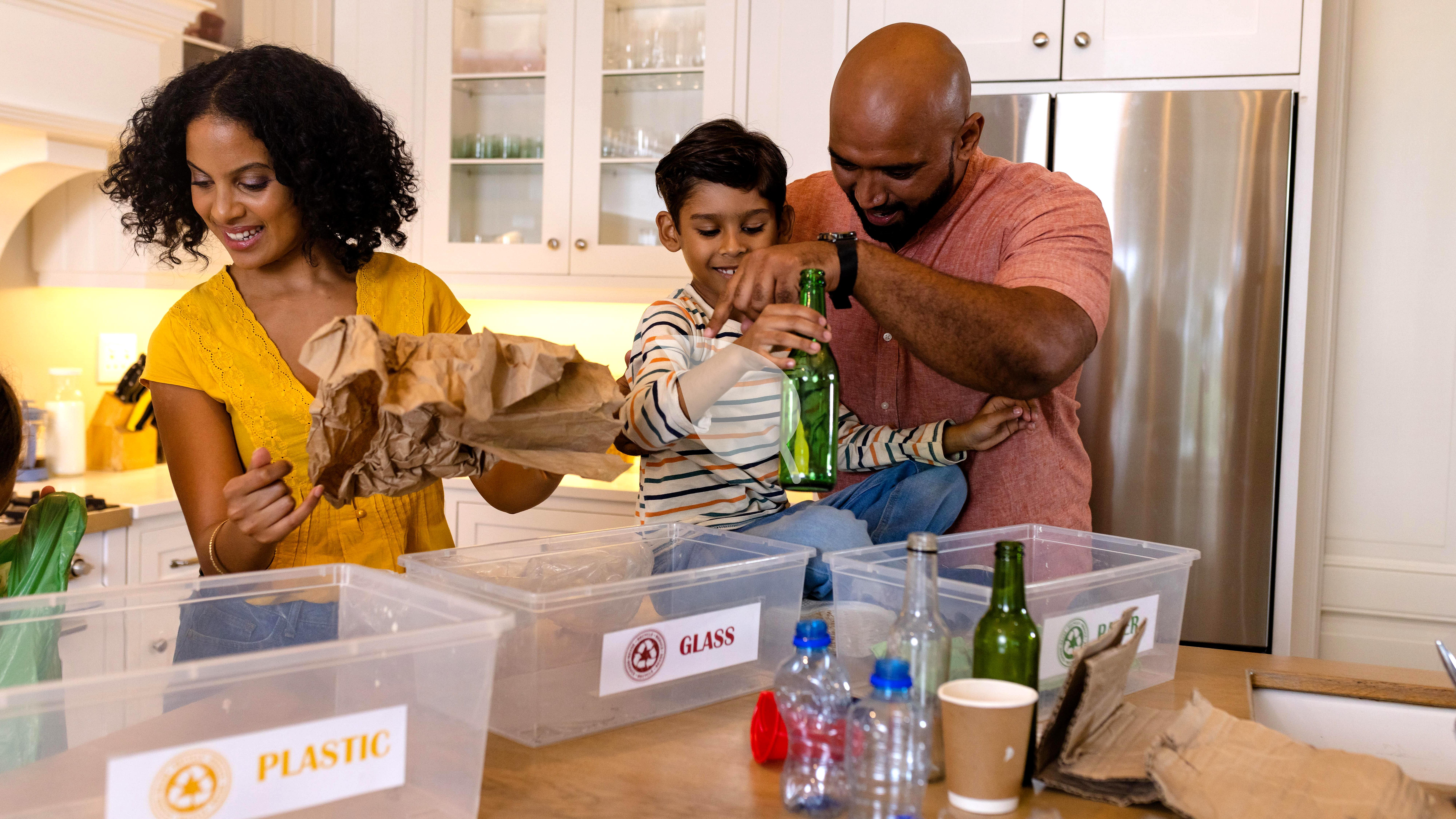
Set Up Composting Demos for Education Composting isn’t just for adults - it can be a highlight for kids. Create a waste station with three bins: compost, recycling, landfill. Use color-coded signs and simple illustrations to guide sorting. Make it interactive by having a “sorting game” where kids learn to toss apple cores in compost or juice cartons in recycling. Park People, a leader in community zero waste events, found that involving children in waste sorting makes the process educational and fun.
-
Use a Dish Library for Reusable Plates and Cutlery Forget paper plates. Many cities now have dish libraries - community programs where you can borrow sets of reusable dishes for events. If that's unavailable, ask friends to bring their own or rent a set. After each meal, designate a “dish drop-off” bin for easy cleanup.
Pro Tip: Partner with a local dish library or eco-catering service. At a 2025 event, dishware reuse helped divert 80% of party waste from landfill, while saving time on post-party trash runs.
A real-life example: At Park People's End-of-Season Potluck, families participated in live sorting workshops. Kids competed in teams to see who could sort items correctly, and the event achieved near-zero landfill waste. The combination of hands-on learning and friendly competition kept everyone smiling.
Activities and Favors: Engaging Kids Sustainably
Let's be honest: the games and goody bags are what kids remember most. But you can deliver maximum fun without single-use plastics or landfill-bound favors. In fact, nature-based activities and thoughtful take-homes often become the highlight.
Nature-Based Games and Zero-Waste Favors
-
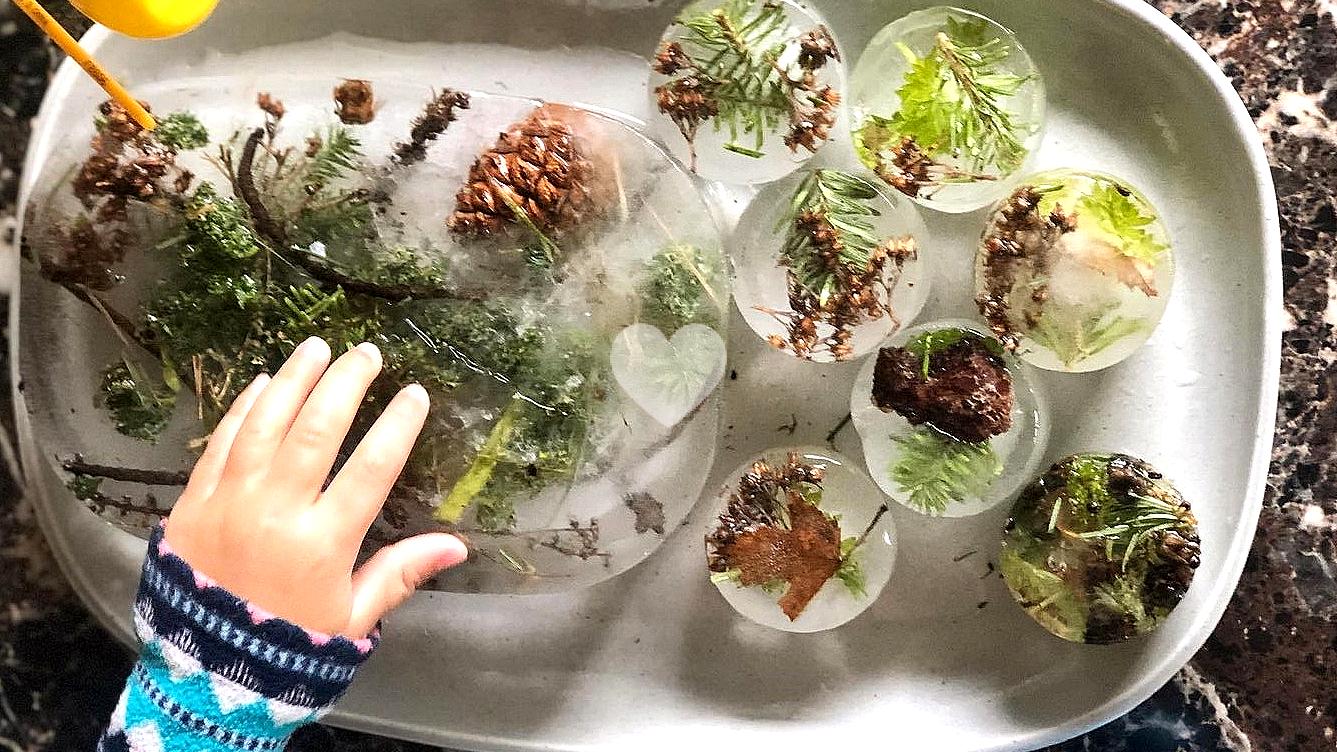
Organize Scavenger Hunts and Plant-Based Crafts Tap into kids' natural curiosity. Host a scavenger hunt in a garden or park, searching for leaves, seeds, or colorful rocks. Or try a craft station using recycled materials - egg cartons turn into caterpillars, bottle caps become game pieces.
-
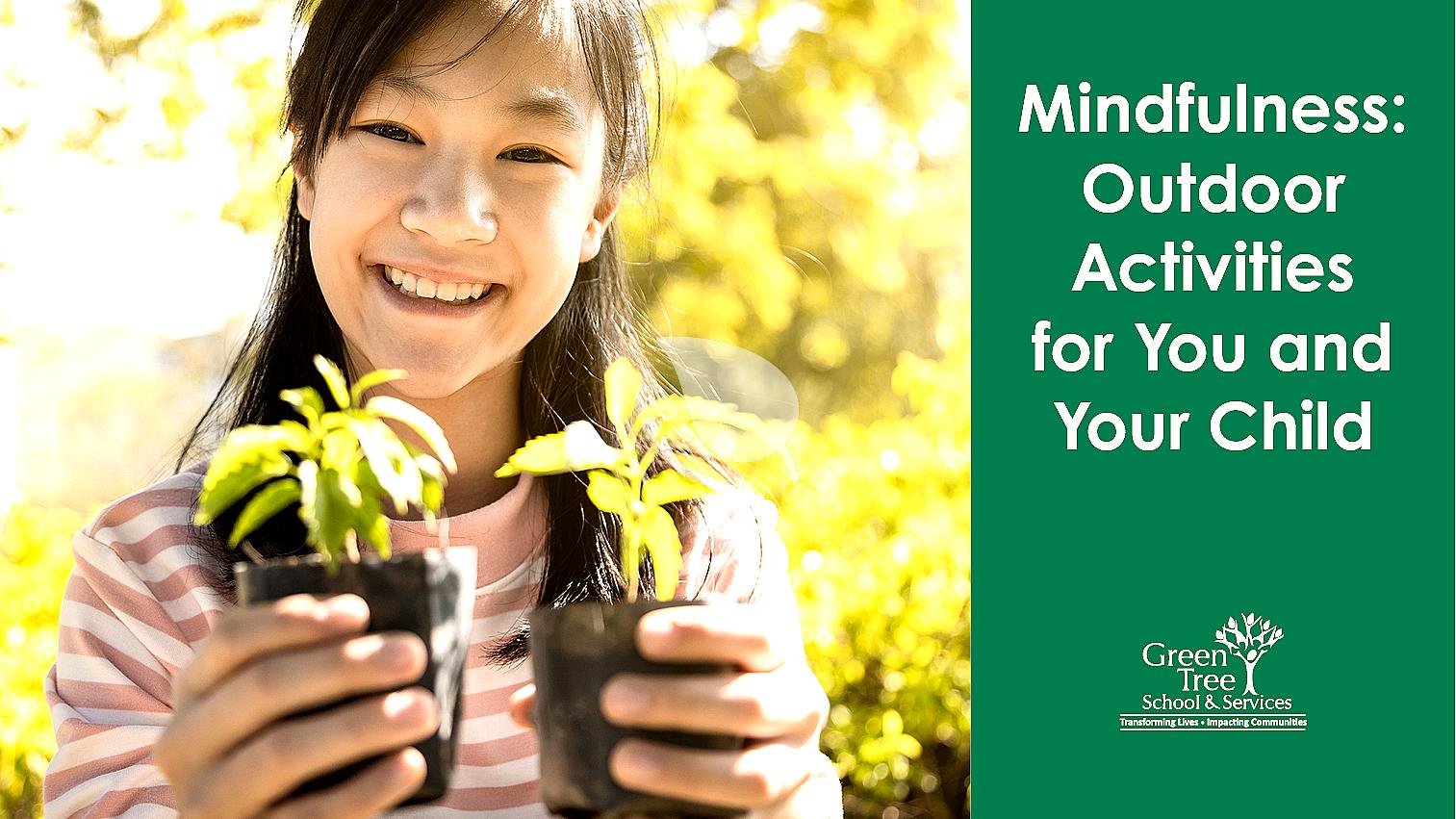
Replace Goody Bags with Take-Home Plants Instead of a plastic bag of trinkets, send each guest home with a small potted herb, flower, or succulent. Kids love nurturing something they made or planted themselves. This swap is both meaningful and zero waste.
-
Use Kid-Tested Templates for Craft Stations Set up a craft table with easy-to-follow instructions and templates. For example, make bee hotels out of bamboo or design bookmarks from upcycled cereal boxes. Provide non-toxic, plant-based paints and compostable glue sticks.
Tip: Use plant take-homes as memorable, waste-free party favors. One party replaced candy bags with potted mint and basil - guests loved watching them grow long after the party.
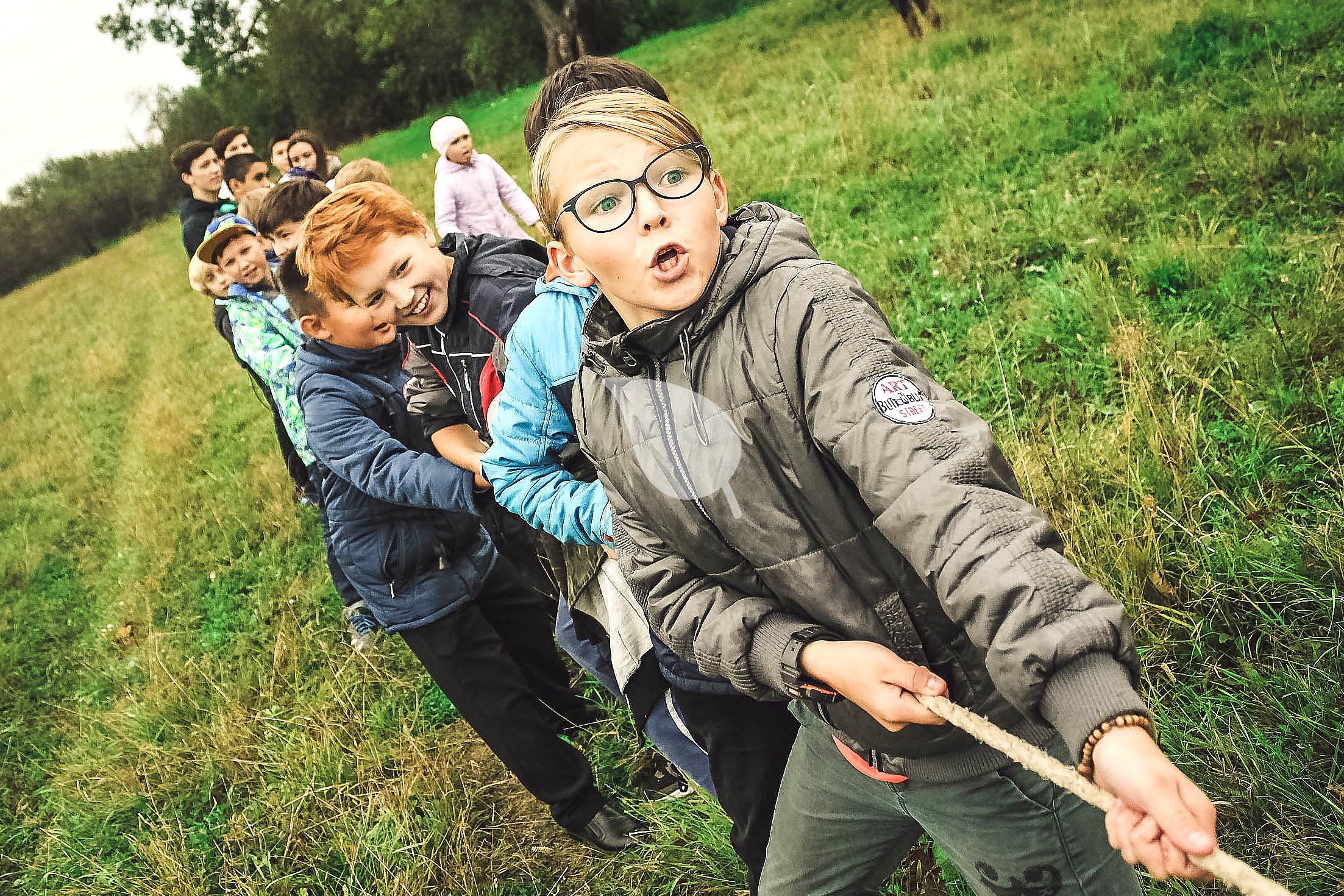
Here's a real-world case: At a Maker Party in 2025, kids created superhero masks out of recycled cardboard and decorated reusable tote bags. Not a single item ended up in landfill, and parents reported their children cherished the crafts for months.
Expert Insight: “Combine zero-waste events with waste education activities like sorting games.” - Park People, Park Event Organizers
Now, let's look at the newest tools and trends shaping zero waste parties in 2026 and how you can measure your event's real impact.
2026 Green Trends and Measuring Impact
Staying ahead in the sustainability game means embracing the latest tools and techniques. In 2026, technology makes it easier than ever to monitor waste, report your success, and inspire others to follow your example.
Emerging Tools and Waste Audits
-
Incorporate Apps for Waste Tracking and Reporting New waste tracking apps allow you to log the amount of trash, compost, and recycling your party generates. Input data as you clean up, and the app will show you how much waste you've diverted from landfill - instant motivation!
-
Conduct Waste Audits to Measure Improvements After the party, gather your team and sort through the collected waste. Weigh what went into each bin, then compare to your previous events. This waste audit not only gives you bragging rights but also identifies what to tweak next time. Early adopters of these audits have seen up to a 25% reduction in waste year-over-year.
-
Leverage Green Tech for Event Sustainability Tech doesn't stop at waste tracking. In 2026, advanced composting bins can send reminders to your phone, and digital checklists keep everyone accountable. Share your results with guests to encourage community buy-in and spark friendly competition.
Tip: Download our zero waste checklist to easily monitor your event’s waste streams and improvements. Organizers report higher guest satisfaction and a deeper sense of accomplishment when they track their progress.
Action Steps to Host Your Zero Waste Kids Event
Ready to turn these ideas into action? Here’s your essential, step-by-step checklist for planning and executing an unforgettable zero waste kids event in 2026:

-
Plan Early and Create a Timeline
- Begin preparations at least six months out.
- Breaking tasks down prevents last-minute, wasteful decisions.
- Prioritize eco-credentialed vendors.
- Example: Use our downloadable event planner PDF to keep all details organized.
-
Send Digital Invitations
- Choose e-invites or reusable digital platforms.
- Drastically reduces paper waste and costs.
- Avoid physical invites that end up in the trash.
- Example: Personalize with your child's artwork for instant engagement.
-
Use Upcycled and Reusable Decor
- Raid your recycling bin for creative projects.
- Encourages kids to participate and get crafty.
- Skip plastic streamers and balloons.
- Example: Make a bright, reusable birthday banner that becomes a family heirloom.
-
Source Food Locally and Offer Composting
- Buy in bulk from farmers' markets or co-ops.
- Set up a composting station, with clear directions for all ages.
- Never mix landfill and compostable items to maintain stream purity.
- Example: Borrow plates from a dish library or local eco-group.
-
Engage Kids with Nature-Based Activities
- Design scavenger hunts and craft corners with recycled materials.
- Keeps kids entertained and teaches sustainability.
- Skip the plastic “goody bag” routine.
- Example: Send kids home with a mini potted plant to nurture.
-
Monitor Waste and Use Green Tech
- Download a waste tracking app for real-time data.
- Identify improvement areas with your team or family.
- Don’t ignore tricky waste streams (like mixed material packaging).
- Example: Host a post-party waste audit, with volunteers tallying results.
Mistakes to Avoid When Planning Zero Waste Kids Events
It’s easy to fall into old habits - even with the best intentions. Here are the top mistakes to watch out for, why they matter, and how to fix them:
-
Using Disposable Paper Invites
- Why it’s a mistake: Consumes resources, creates unnecessary paper waste, and adds cost.
- How to fix it: Switch to digital invitations or reusable cards made from recycled materials.
-
Ignoring Waste Sorting at the Event
- Why it’s a mistake: Increases landfill waste, misses the chance to educate guests and compost food scraps.
- How to fix it: Set up separate, clearly labeled bins for recycling, compost, and landfill. Include illustrations for clarity.
-
Providing Single-Use Party Favors
- Why it’s a mistake: Leads to more waste as guests often discard cheap toys and packaging.
- How to fix it: Offer potted plants, seed packets, or DIY craft kits that kids can use and enjoy long after the party ends.
Tools and Resources for Sustainable Event Planning
Make your journey easier - leverage these essential tools:
-
Zero-Waste Checklist PDF
- A printable guide that walks you through every planning step, from invitations to impact measurement. Keeps your goals clear and reachable.
-
Digital Invitation Platforms
- Platforms like Greenvelope or Paperless Post offer customizable, kid-friendly e-invites that are both eco-friendly and engaging.
-
Waste Tracking Apps
- Mobile apps let you measure, visualize, and share your event’s waste reduction progress. This data helps you improve next year and inspire others in your community.
Real-World Examples of Zero Waste Kids Events
-
Park People’s End-of-Season Potluck
- Setup: The event featured interactive sorting workshops and educational games tailored for kids, making waste reduction hands-on and fun.
- Result: Achieved near-zero landfill waste, with children actively participating in sorting and learning about composting.
-
Maker Party Themes
- Setup: Guests crafted party hats, masks, and tote bags from recycled materials instead of store-bought decor.
- Result: No landfill waste produced, and every child left with a proud, homemade creation.
Frequently Asked Questions
How can I make eco-friendly parties appealing to children?
Focusing on interactive, nature-based games and craft activities makes the concept of eco-friendly parties fun for kids. Involve your child in preparations - like designing invitations or helping to upcycle decorations - to give them a sense of ownership. Colorful, plant-based favors like potted herbs or seed bombs are both exciting and sustainable, making green parties a hit.
What are good zero-waste party activities?
Some of the best zero-waste party activities include nature scavenger hunts (where kids explore and collect natural treasures), plant potting or seed bomb crafts, and recycling sorting games. These activities are both entertaining and educational, encouraging kids to think about sustainability while having fun.
How to set up recycling and composting at events?
Begin by providing clearly labeled bins for recycling and compost, using visuals so even young children can participate. Position bins near food stations and activity areas for easy access. Use engaging, kid-friendly signage, and turn sorting into a game or challenge. For collection and proper processing, partner with local waste management or composting services to ensure everything is handled responsibly.
Conclusion: Celebrate Sustainability with Your Zero Waste Kids Event
So, what have we uncovered on this journey? Planning ahead, sending creative digital invitations, upcycling household items for decor, prioritizing local food, designing composting stations, and crafting nature-inspired activities - each step brings you closer to an epic zero waste kids event. With 2026's green trends, you can monitor your impact, inspire others, and create a legacy of joy and sustainability.
The benefits go far beyond less trash. You’ll save money by reusing and borrowing. Your child and their friends will learn environmental responsibility in the most hands-on way. And, most importantly, your celebrations become meaningful memories that resonate long after the party.
Ready to transform your next children’s gathering? Download our zero waste checklist and take the first step toward a truly sustainable celebration. Let’s make every party a blueprint for a greener future.
Tags
Join Our Mission
Support our conservation efforts and make a difference today.