10 Clothing Recycling Myths Debunked
Think all your old shirts are recyclable? Think again! If you’ve ever tossed a neon polyester workout tank into the blue bin thinking you’ve just saved the planet, you’re not alone - but you are, unfortunately, mistaken. Clothing recycling myths are everywhere. Many folks believe that every garment - no matter how glittery, stretchy, or sequined - can be recycled, but that’s pure fantasy. We’re here to bust the top 10 clothing recycling myths with a generous side of humor and a heap of solid, proven facts. By the end, you’ll know exactly what to believe, what to question, and how to act like a textile waste-busting superhuman.
Why Clothing Recycling Myths Persist and Why They Matter
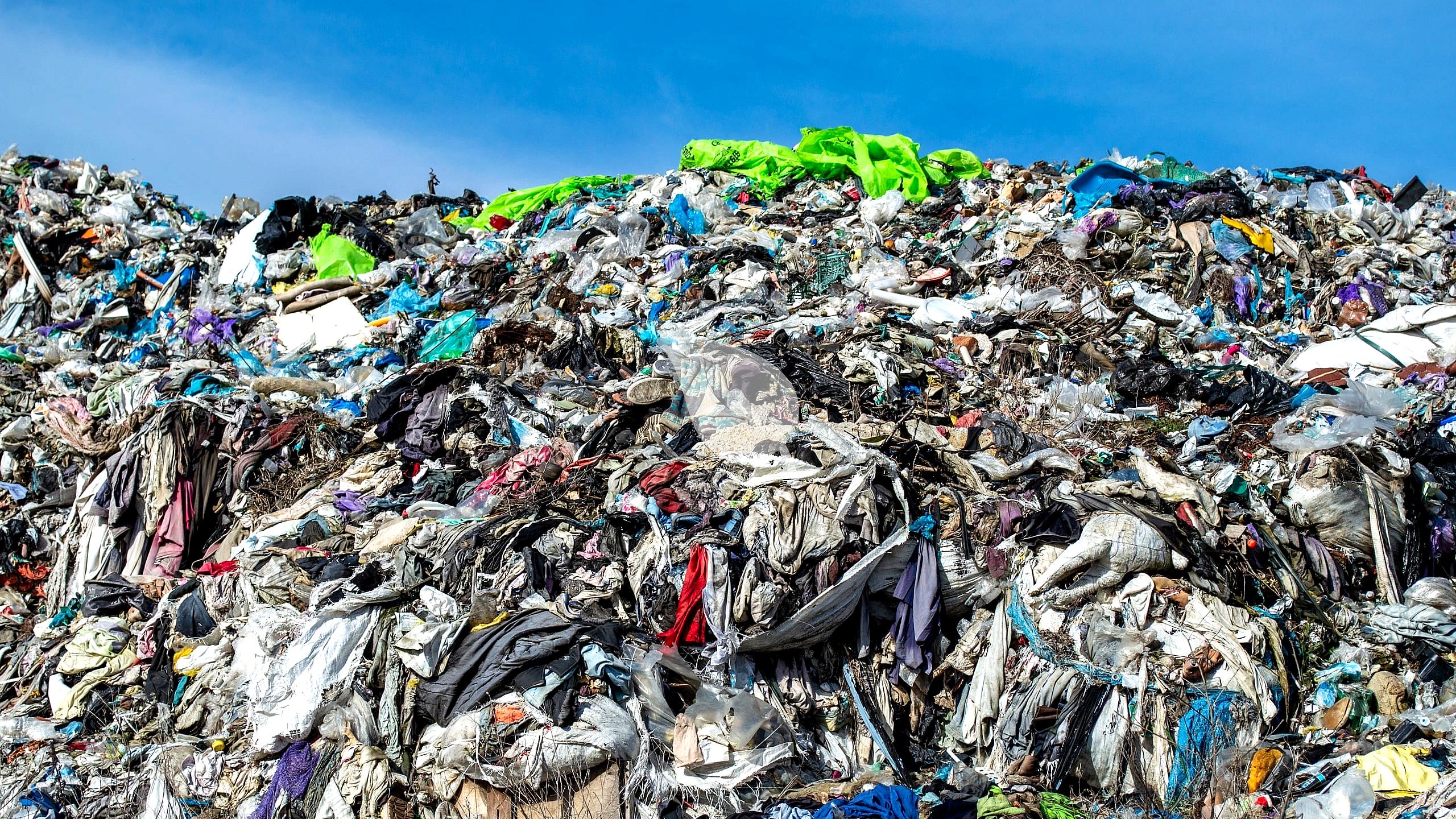
Ever tried tossing an old polyester shirt in a recycling bin and wondered if it actually works? If so, congratulations - you’re in good company. The truth about recycling clothes is a lot more complicated (and weirder) than many people realize. Here’s the kicker: over 70% of global textile production is polyester, which is notoriously hard to recycle. That’s right, most of what’s clogging up our closets is destined for landfill limbo unless you know the secrets.
These myths persist because of confusing labels, overzealous green marketing, and the sneaky psychology of wishcycling (the noble art of tossing everything in the recycling bin and crossing your fingers). Add in a dash of greenwashing and you’ve got a perfect recipe for misconception soup.
Throughout this article, we’ll tackle common misconceptions, expose the eco-friendly truth behind textile recycling, and help you spot greenwashing in the wild. Prepare to discover which myths are totally busted, why synthetic fibers are such a headache, and how to spot actual recycling truths. If you thought sorting bottle caps was confusing, just wait - if you want more juicy facts, check out our post on recycling truths.
Myth #1: All Clothes Can Be Recycled
Let’s start big: the idea that any old shirt can be recycled just by chucking it in a bin is pure fantasy. The truth about recycling clothes is a tangled mess of fiber types, contamination, and what your local recycling plant can actually handle.
Reality Check on Clothing Recycling
Not every garment is recyclable. Many clothing items - especially those made with fiber blends, stains, or chemical treatments - end up incinerated or landfilled despite your good intentions. The reason? Recycling facilities are picky. They can only process certain materials, mainly 100% cotton or wool. Those snazzy polyester-spandex blend leggings? Sorry, those will likely never see a second life.
A lot of folks don’t realize that a polyester-cotton blend shirt is basically a recycling puzzle with missing pieces. Since most clothing today is made with multiple fibers, recycling plants simply can’t separate them efficiently. In fact, most blended garments are landfilled or incinerated instead of recycled (Fibershed).
Pro Tip: Always check your local recycling guidelines before tossing clothes in the bin. Some cities have textile-specific programs, but most curbside recycling systems can’t handle mixed-fiber fabrics.
Callout:
Always separate natural fibers from synthetics when donating or recycling. Case study: Mechanical recycling works best with 100% cotton garments.
Transition: Now that we know not all clothes can be recycled, let’s (uncomfortably) examine why synthetic fibers are such a pain in the eco-pants.
Myth #2: Synthetic Fibers Are Easy to Recycle
Ah, polyester - the plastic of the fashion world. It’s everywhere, but recycling it is about as easy as untangling last year’s holiday lights.
The Polyester Problem
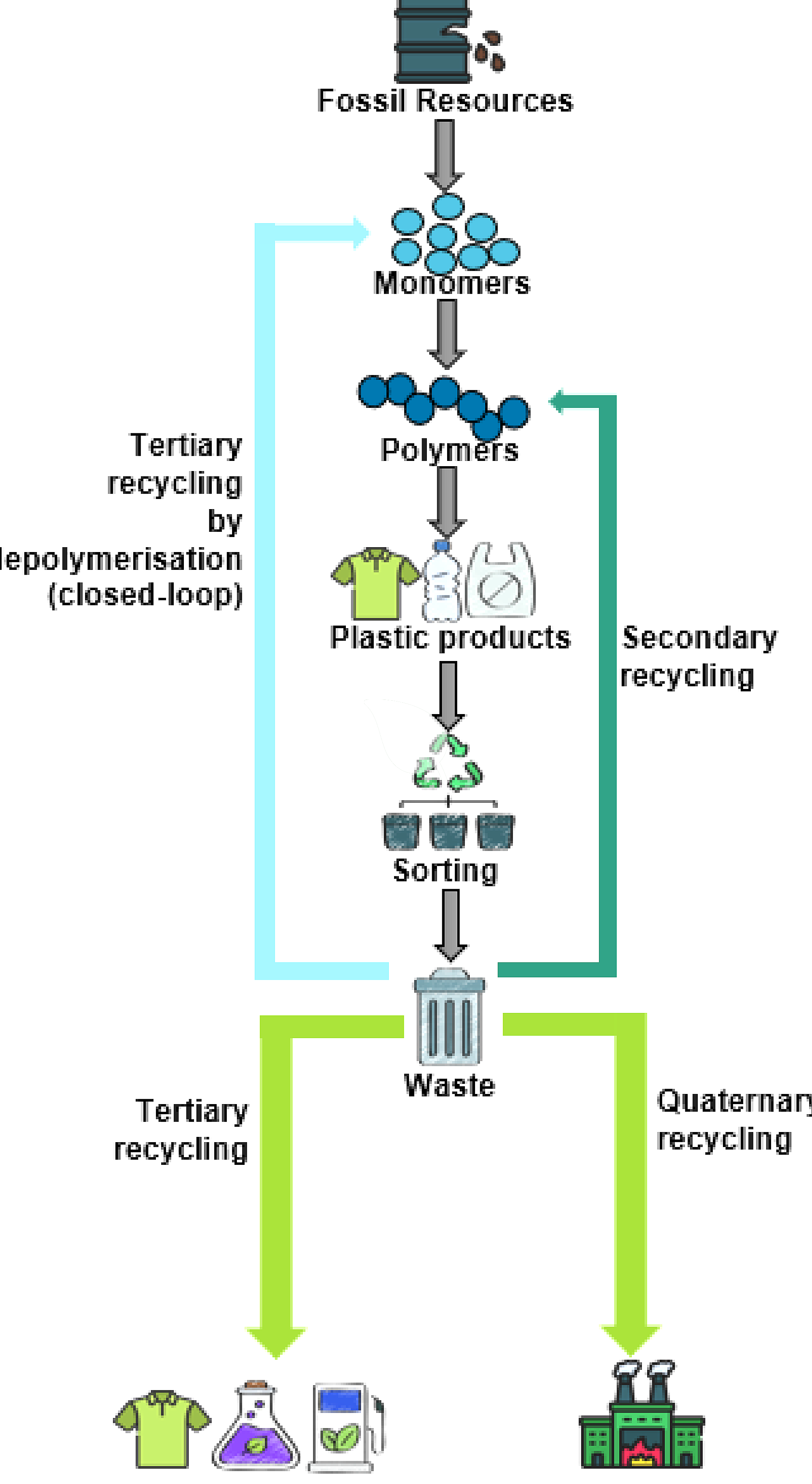
Polyester dominates global textile production, but it’s one of the hardest materials to recycle effectively. Over 70% of all textiles are polyester, yet mechanical recycling just doesn’t cut it. Blends make things worse, and chemical recycling (the process of breaking polyester down at the molecular level) is complex, expensive, and not widely available.
Expert Insight: According to the sustainability nonprofit Fibershed, “Recycling alone ≠ circularity! The definition of circularity is debated, but most current textile recycling practices have harmful byproducts.” Simply put, recycling polyester is more dream than reality for now (Fibershed).
For example, recycling centers struggle to separate polyester from spandex or cotton blends. The result? Most synthetic-heavy garments end up in landfills or are downcycled into products with limited use, like insulation.
Callout:
Avoid clothes with high synthetic blends for easier recycling. Mechanical recycling of 100% cotton is far more feasible.
Transition: Since synthetic fibers are tough, what about those trendy blended fabrics you love? Buckle up - here comes the real pain.
Myth #3: Blended Fabrics Are Recyclable
Blended fabrics are like smoothie bowls - fun to look at, nearly impossible to separate once they’re mixed.
Why Mixed Materials Confuse Recycling
The truth about recycling clothes is this: blends of cotton, polyester, nylon, and spandex are recycling kryptonite. Separating these fibers is both technologically challenging and economically unappealing for most recyclers. Most blend-rich clothes end up in a landfill, even if you donated them with the best of intentions.
A classic example: a cotton-polyester T-shirt that feels soft but acts tough in the recycling process. Current systems just can’t untangle these fiber marriages without crazy expensive (and rarely available) technology. As a result, most blends are incinerated or buried, not reborn. In fact, most blended garments are landfilled or incinerated instead of recycled
Callout:
Opt for single-fiber clothes (like 100% cotton) to improve recycling odds. Mechanical recycling of pure cotton is a proven success.
Transition: With blends being so stubborn, let’s sidestep into laundry territory and see how washing your clothes can foil your best eco intentions.
Myth #4: Washing Clothes Is Always Eco-Friendly
Get ready for a shock: your laundry routine isn’t as clean as you think. Even if you wash on cold, line-dry, and use eco-friendly detergent, there’s a sneaky culprit hiding in your rinse cycle.
The Microplastic Menace
Washing synthetic clothes releases millions of tiny microfibers - little plastic threads invisible to the naked eye - into the water system. These microplastics slip through water treatment plants and make their way to rivers, lakes, and oceans, where they harm marine life and, eventually, us.
How bad is it? According to the University of Colorado Boulder, up to 13 million microfibers can be released from just one wash of a single polyester shirt (2024). That’s like inviting a horde of invisible polluters to every laundry day.
Callout:
Use microfiber filters or wash less frequently to reduce pollution. Research from University of Colorado Boulder confirms the microplastic menace is real.
Transition: If washing isn’t always green, what about donating that shirt instead? Prepare for some donation drama…
Myth #5: Donating Clothes Always Helps
Let’s be honest - donating clothes feels virtuous. But it’s not always the win-win you hope for.
The Donation Dilemma
The uncomfortable truth: over-donation actually overwhelms charities and, paradoxically, can cause more textile waste. Not all donated clothes find new homes. Many are shipped overseas, flooding secondhand markets or ending up in foreign landfills. Some get dumped locally after donation drives - especially the stained, torn, or truly hideous items (you know the ones).
According to Republic Services, charities have limited capacity and can only resell a fraction of what’s donated. The rest? It’s sorted out and often landfilled or incinerated.

Callout:
Donate responsibly - give quality clothes in good, wearable condition. Successful reuse programs focus on quality and demand, not sheer volume.
Transition: Let’s pivot to some good news: natural fibers give us a bit more hope in the clothing recycling game.
Myth #6: Natural Fibers Are Truly Recyclable
Some hope for the eco-warriors: natural fibers like cotton and wool are far more likely to be recycled successfully than their synthetic cousins.
Cotton and Wool’s Recycling Potential
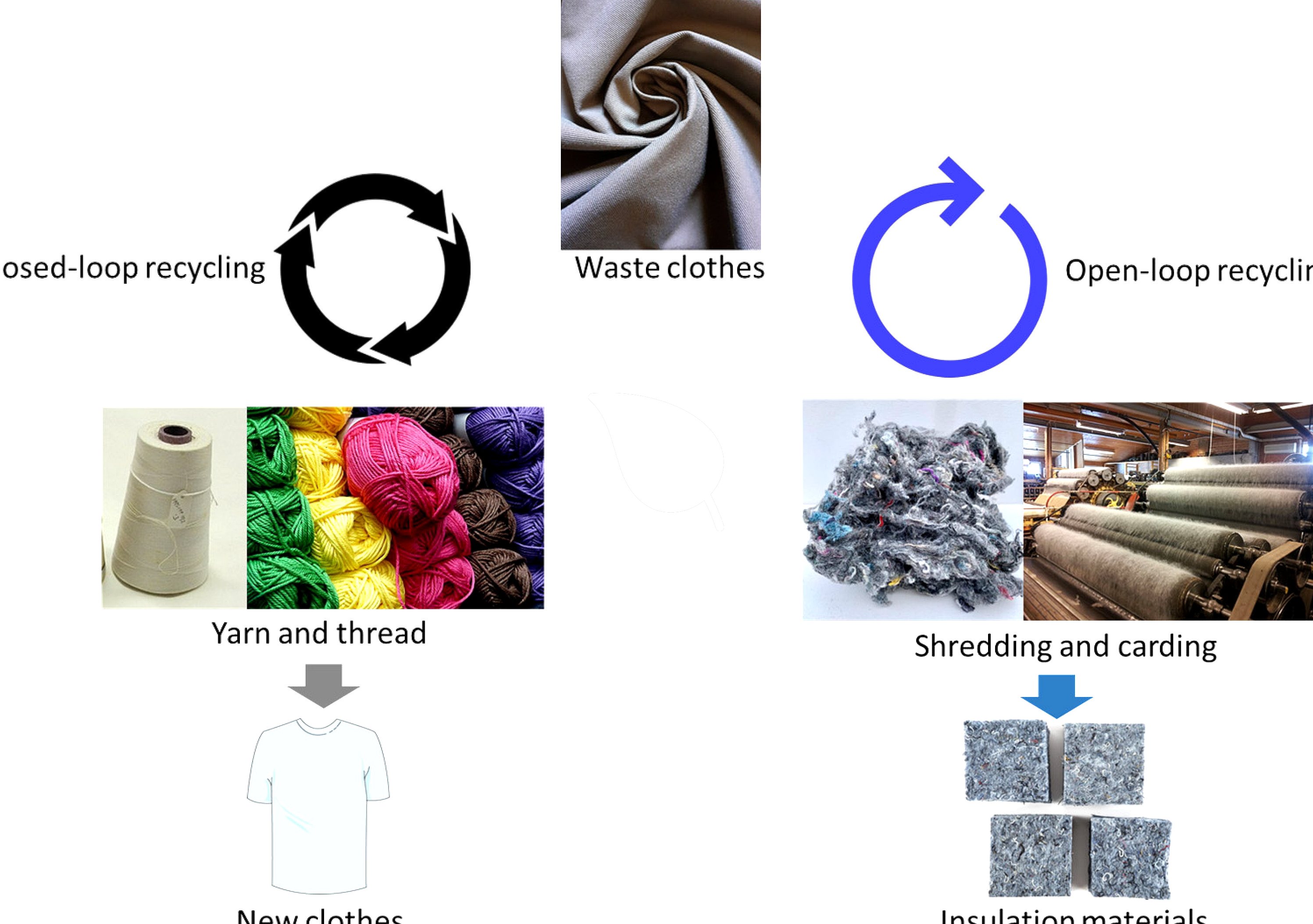
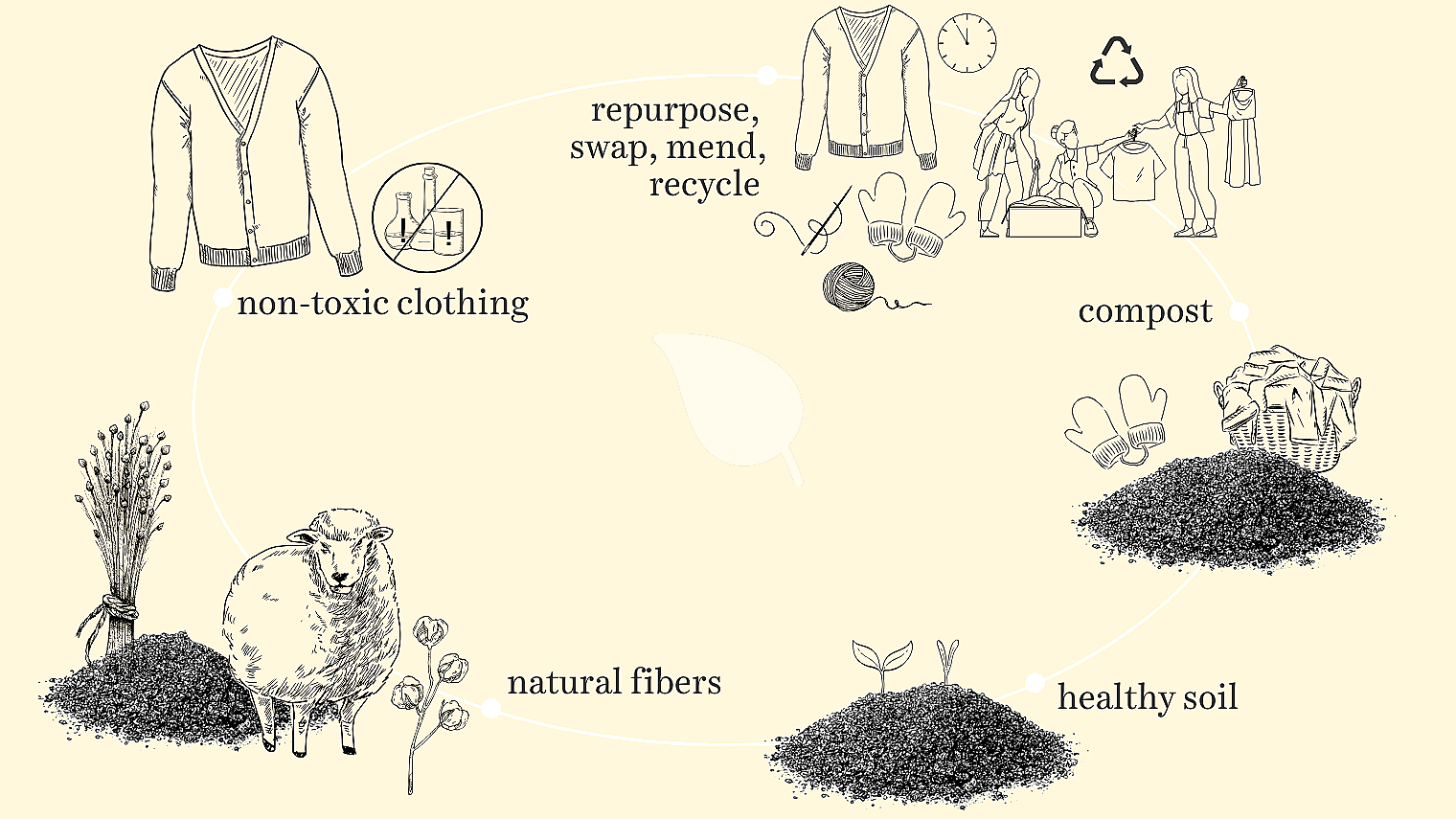
Cotton garments can be mechanically recycled - shredded, respun, and reknit into new textiles without harsh chemicals. This process requires far less energy and produces fewer emissions than manufacturing new fibers. For example, Cao et al. (2022) demonstrated successful, sustainable recycling of 100% cotton garments.
Callout:
Choose natural fibers for better recycling odds. Cotton recycling reduces chemical usage, water consumption, and textile waste.
Transition: But before you go buying anything labeled “eco-friendly,” beware the sneaky villain: greenwashing.
Myth #7: Greenwashing Means Eco-Friendly
Just because a label screams “green,” doesn’t mean it’s the eco-friendly truth. Greenwashing is rampant in the fashion industry, and it’s time to pull back the curtain.
Spotting Fake Eco Claims
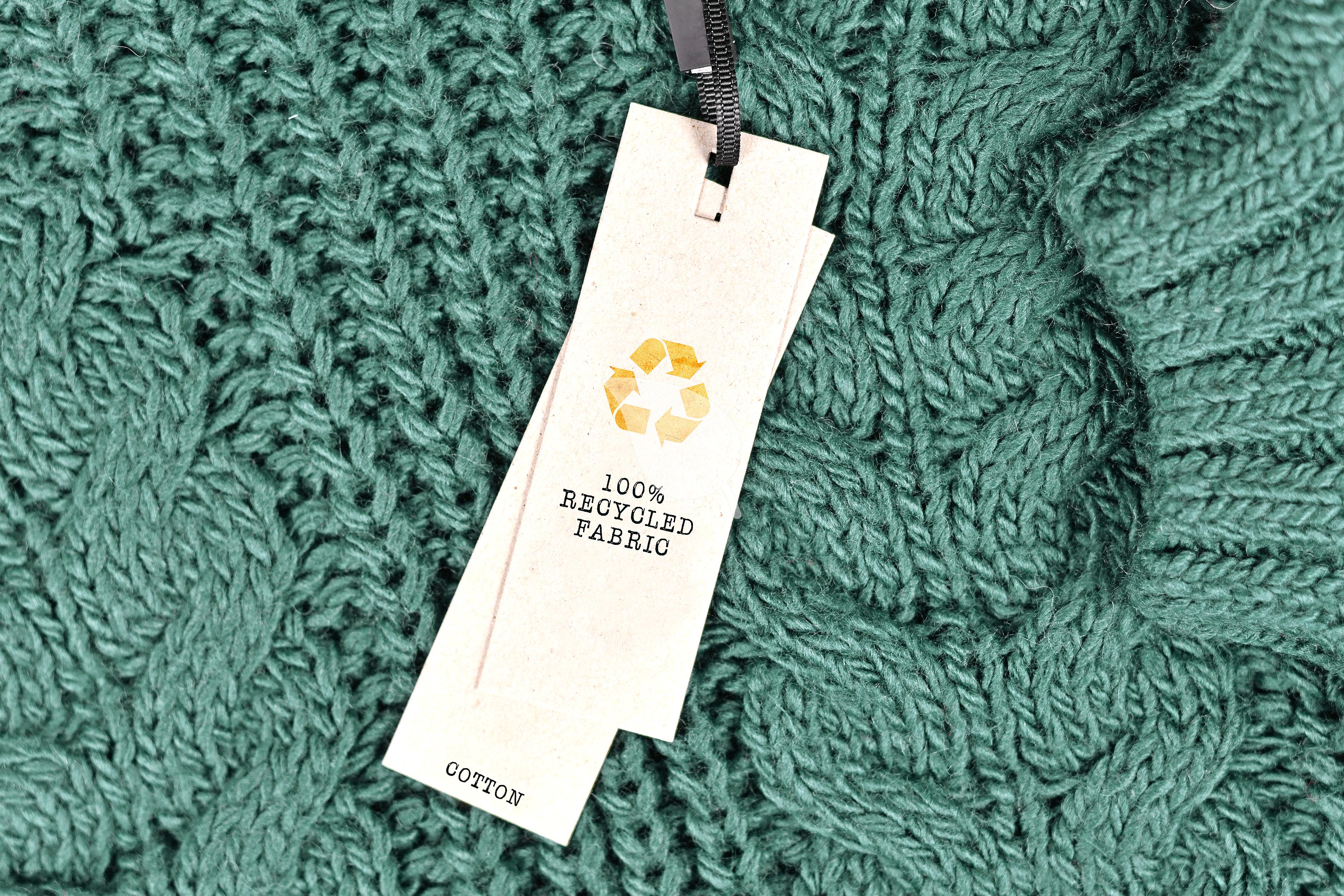
Brands often exaggerate or fabricate sustainability efforts. Many slap on buzzwords like “responsible,” “recycled,” or “green” with little proof. Some will claim a shirt is made from “recycled polyester” but neglect to mention it’s actually mostly virgin polyester with a dash of recycled content.
Definition: Greenwashing is when companies mislead consumers about the environmental impact of their products. The aim? To sell more stuff, of course. Your best defense is vigilance: look for certifications (like GOTS for organic textiles or OEKO-TEX for safety), demand transparency, and get familiar with how to spot greenwashing.
Callout:
Verify sustainability claims before you buy. Transparency and certifications matter - don’t trust labels alone.
Transition: Next, let’s bust the myth that recycling always saves energy for every kind of textile.
Myth #8: Recycling Saves Energy for All Textiles
Here’s the kicker: not all textile recycling is created equal, especially when it comes to energy use.
Energy Realities of Textile Recycling
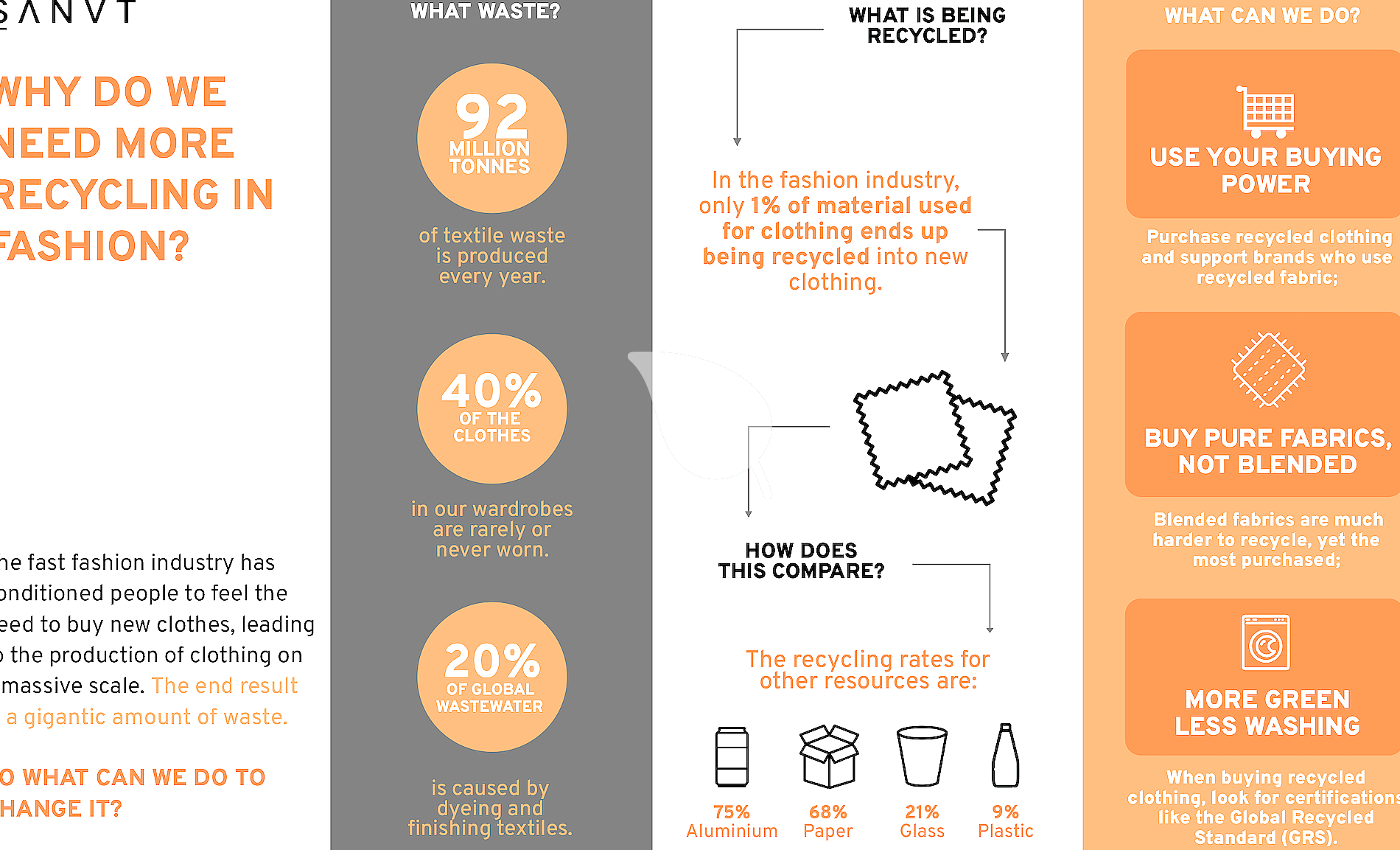
Recycling natural fibers like cotton or wool usually saves energy compared to making new fibers. However, recycling synthetic textiles such as polyester can be shockingly energy-intensive and even more polluting. Chemical recycling of synthetics uses harsh processes that can negate any environmental benefits if you squint at the numbers.
Energy savings vary greatly between fiber types and recycling methods. Natural fiber recycling is generally more energy-efficient, while chemical recycling of synthetics can use so much energy you might wonder if it’s worth it at all.
Callout:
Consider the full environmental impact before recycling textiles. Sometimes, reusing or reducing offers bigger ecological benefits.
Transition: Don’t be fooled by compostable claims - compostable clothes and recyclable clothes are not created equal.
Myth #9: Compostable Clothes Are Recyclable
If you think “compostable” equals “recyclable,” it’s time for a quick science lesson.
Compost vs Recycling Explained
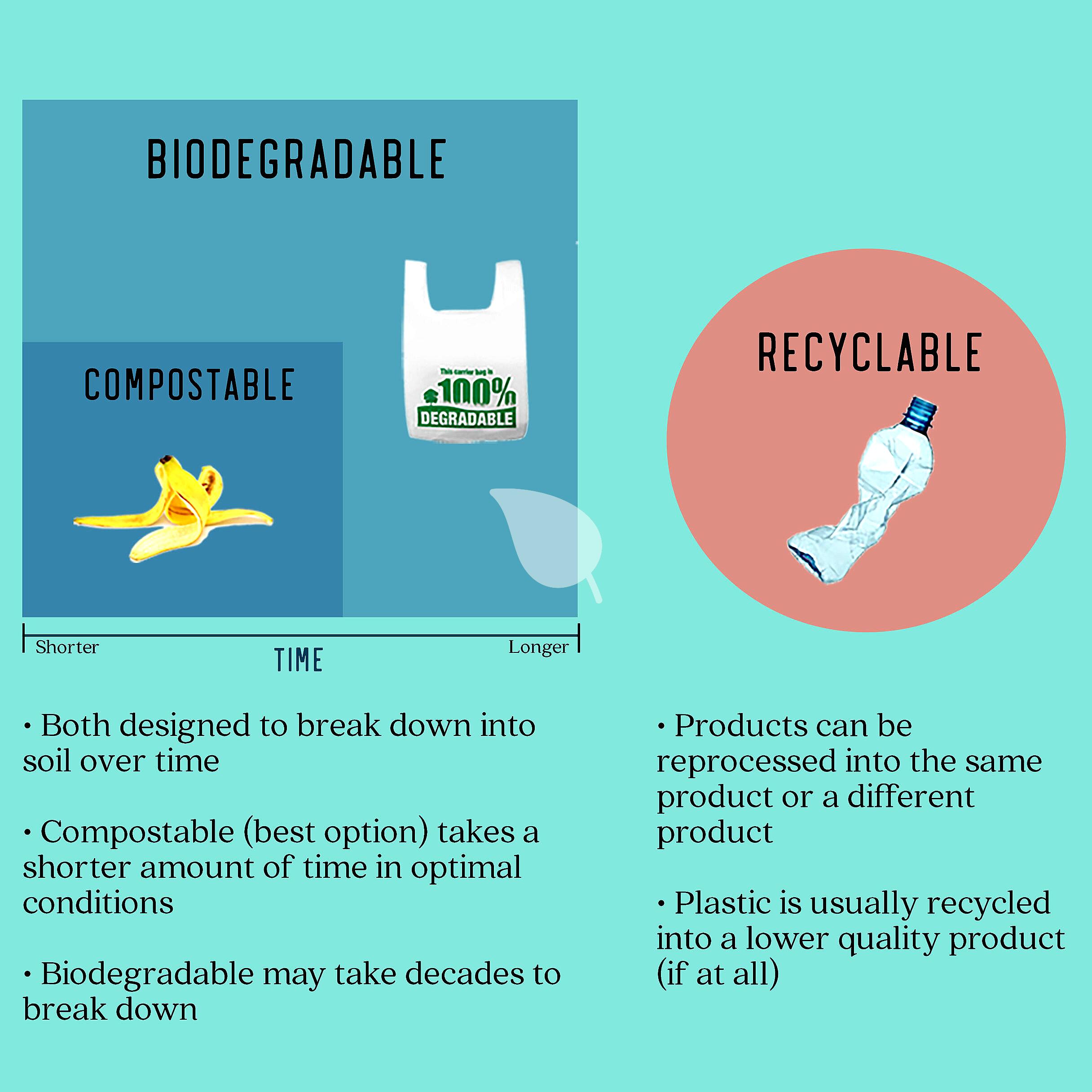
Compostable clothes break down biologically, often requiring specific industrial composting conditions. They’re made to degrade naturally, not to be processed into new fibers. Recycling, on the other hand, involves turning used textiles back into new materials - an entirely different process.
For example, PLA-based garments (a plant-based bioplastic) are technically compostable but only in industrial facilities. Don’t toss them in your backyard compost heap or the recycling bin - they’ll just sit there, judging you for years.
Callout:
Check labels for compostable or recyclable claims - and use the proper disposal method to avoid contamination.
Transition: Recycling isn’t the only answer - sustainable fashion is all about rethinking the entire clothing cycle.
Myth #10: Recycling is the Only Solution
Recycling is important, but it’s just one piece of the sustainable fashion puzzle. If you really want to make an impact, you have to look at the bigger picture.
Reduce, Reuse, Recycle - and Beyond
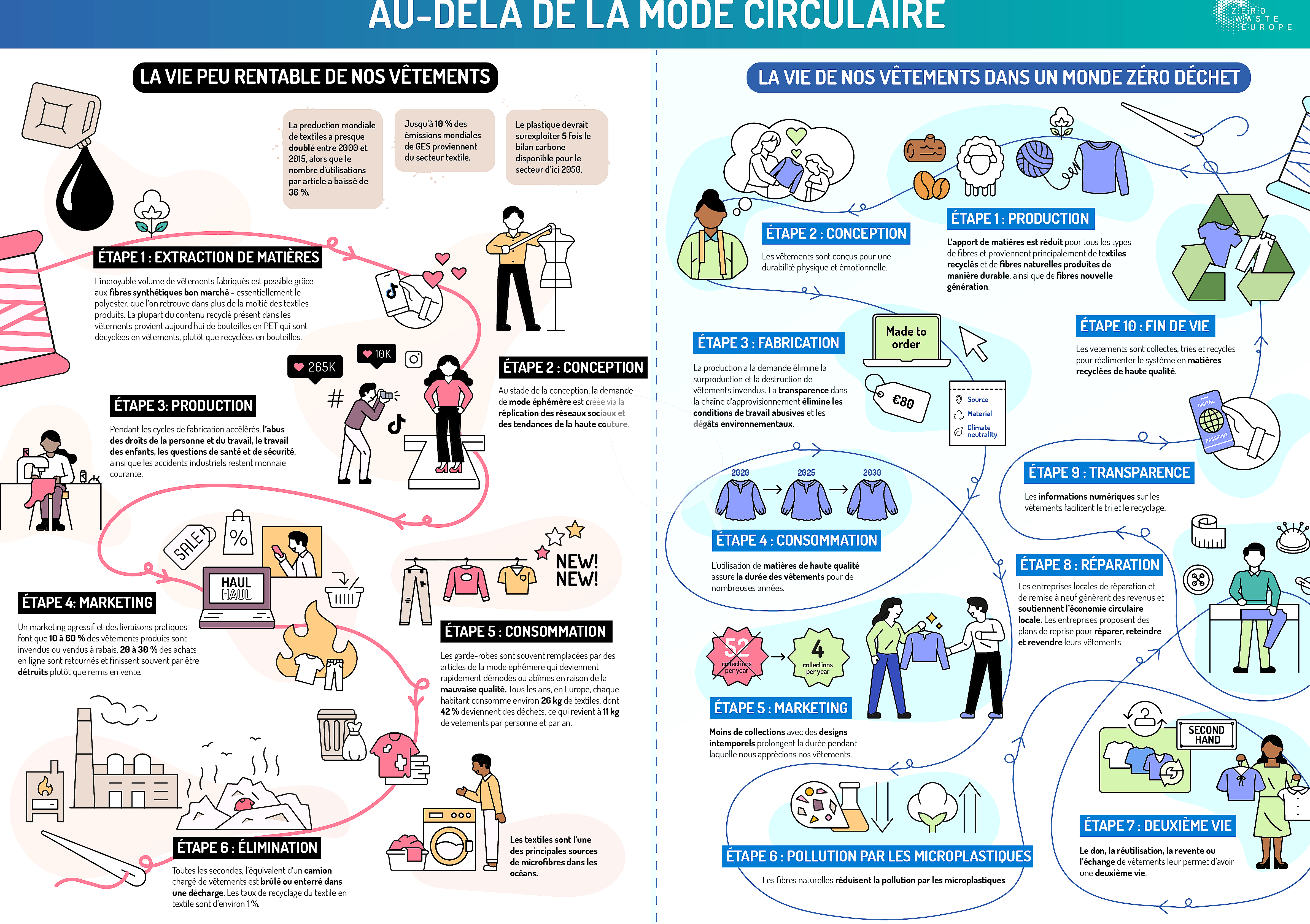
Recycling alone won’t save the planet. The most effective way to cut textile waste is to reduce your purchases and reuse what you already have. Repair, upcycle, resale - these are the real heroes of circular fashion. Clothing swaps, community repair events, and buying secondhand all do more to lower textile waste than recycling ever could.
Expert Tip: Focus on reducing consumption first. According to Fibershed, “Recycling alone ≠ circularity!” True circular fashion means extending garment life through reuse, repair, and responsible disposal.
Callout:
Practice reduction and reuse alongside recycling for a truly sustainable wardrobe. Community repair events and secondhand shopping make a bigger difference than you think.
Transition: Now, let’s get you equipped with the ultimate step-by-step guide to recycling clothes the right way.
Action Steps: How to Recycle Clothes the Right Way
Ready to become a recycling ninja? Follow these five essential steps:
-
Know Your Fiber Types
- Check garment labels for fiber content - look for 100% natural fibers like cotton or wool.
- Prioritize recycling pure fibers; blended or synthetic fabrics usually aren’t accepted.
- Never mix synthetics with natural fibers in your recycling bin.
- Example: Before donating, check tags for “100% cotton” or “100% wool.”
-
Avoid Greenwashing Traps
- Research brand sustainability claims - transparency matters.
- Look for trusted certifications (GOTS, OEKO-TEX, B Corp, etc.).
- Be skeptical of vague, generic “eco-friendly” marketing.
- Example: Only buy from brands certified by recognized organizations, not just those with green logos.
-
Consider Microplastic Pollution
- Wash synthetic clothes less frequently to limit microfiber release.
- Install microfiber filters (like a Cora Ball) in your washing machine.
- Support brands and innovations that actively reduce microfiber pollution.
- Example: Use a Cora Ball or similar filter every time you do laundry.
-
Donate Responsibly
- Only donate quality clothes in good, wearable condition.
- Check local charity needs and donation guidelines before dropping off.
- Never dump unusable items - these just become someone else’s problem.
- Example: Call your local organization to ask what items they really need.
-
Embrace Reduce and Reuse
- Buy fewer, higher-quality garments for a longer-lasting wardrobe.
- Repair, upcycle, or repurpose your existing clothes to extend their life.
- Join clothing swaps or resell clothes instead of tossing them.
- Example: Host a clothing swap party with friends to give clothes new life.
Mistakes to Avoid When Recycling Clothes
Let’s keep you from being “that person” who accidentally sabotages recycling efforts:
- Tossing all clothes in recycling bins: Most facilities can’t process blends or synthetics. Fix: Sort garments and always follow local guidelines.
- Trusting all eco-labels blindly: Greenwashing is sneaky. Fix: Verify certifications and demand brand transparency.
- Ignoring microfiber pollution from laundry: Those microfibers harm oceans and wildlife. Fix: Install filters and wash less often.
Tools and Resources to Help You Recycle Smarter
- Cora Ball: Filters microfibers from laundry water, reducing plastic pollution in wastewater.
- Good On You App: Rates fashion brands on sustainability so you can avoid greenwashing and shop responsibly.
- Local Recycling Centers: Provide textile recycling guidelines for your area. Always check what’s accepted before you recycle.
Examples and Case Studies
Mechanical Recycling of 100% Cotton
- Setup: Old cotton garments are shredded and respun into new yarn without using harsh chemicals.
- Result: New, sustainable textiles are created from old clothes, dramatically reducing textile waste and environmental impact.
Greenwashing Exposed in Fashion
- Setup: A well-known brand advertises “recycled” polyester clothing, but most of the fibers are actually virgin polyester.
- Result: Consumers become more educated, demanding transparency and fact-checking eco-labels before buying.
FAQ: Common Questions About Clothing Recycling
Q: Can you recycle old clothes?
Absolutely, but not all clothes are curbside recyclable. Natural fibers like cotton are more likely to be recycled. Always check your local recycling rules for what’s accepted.
Q: Why is textile recycling so hard?
Fiber blends complicate recycling because separating them is technologically tough. Synthetic fibers resist mechanical recycling, and chemical methods are costly and limited. The industry is working on better solutions, but it’s still a challenge.
Q: What happens to clothes that can’t be recycled?
Unfortunately, most end up in landfills or incinerators, adding to pollution. Some get donated, but that can overwhelm charities. Reducing and reusing are often better routes than relying on recycling alone.
Conclusion: Embrace the Truth About Clothing Recycling Myths
We’ve busted the 10 most common clothing recycling myths you’ll encounter - armed with laughter, facts, and a dash of real-world sarcasm. It turns out, the road to sustainable wardrobes is paved with good intentions and a surprising number of detours, especially when synthetic blends, greenwashing, or microplastics are involved.
Clothing recycling myths can make you feel like you’re saving the world with every tossed T-shirt, but the eco-friendly truth is more nuanced. Being informed - about fiber types, donation realities, and the limits of current technology - transforms you from a wishful recycler into a sustainability superhero.
Remember, recycling helps, but it’s not a magic wand. Choosing reduction and reuse, supporting transparent brands, and staying skeptical of “eco” buzzwords is how you create real change. Ready to do it right? Download our proven checklist below to recycle clothes the right way. Let’s put the myths to bed and kick textile waste to the curb - literally.
Tags
Join Our Mission
Support our conservation efforts and make a difference today.