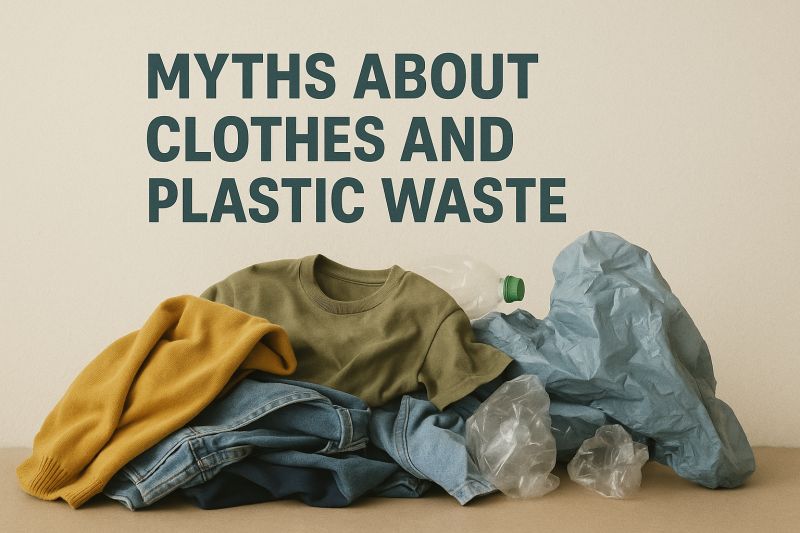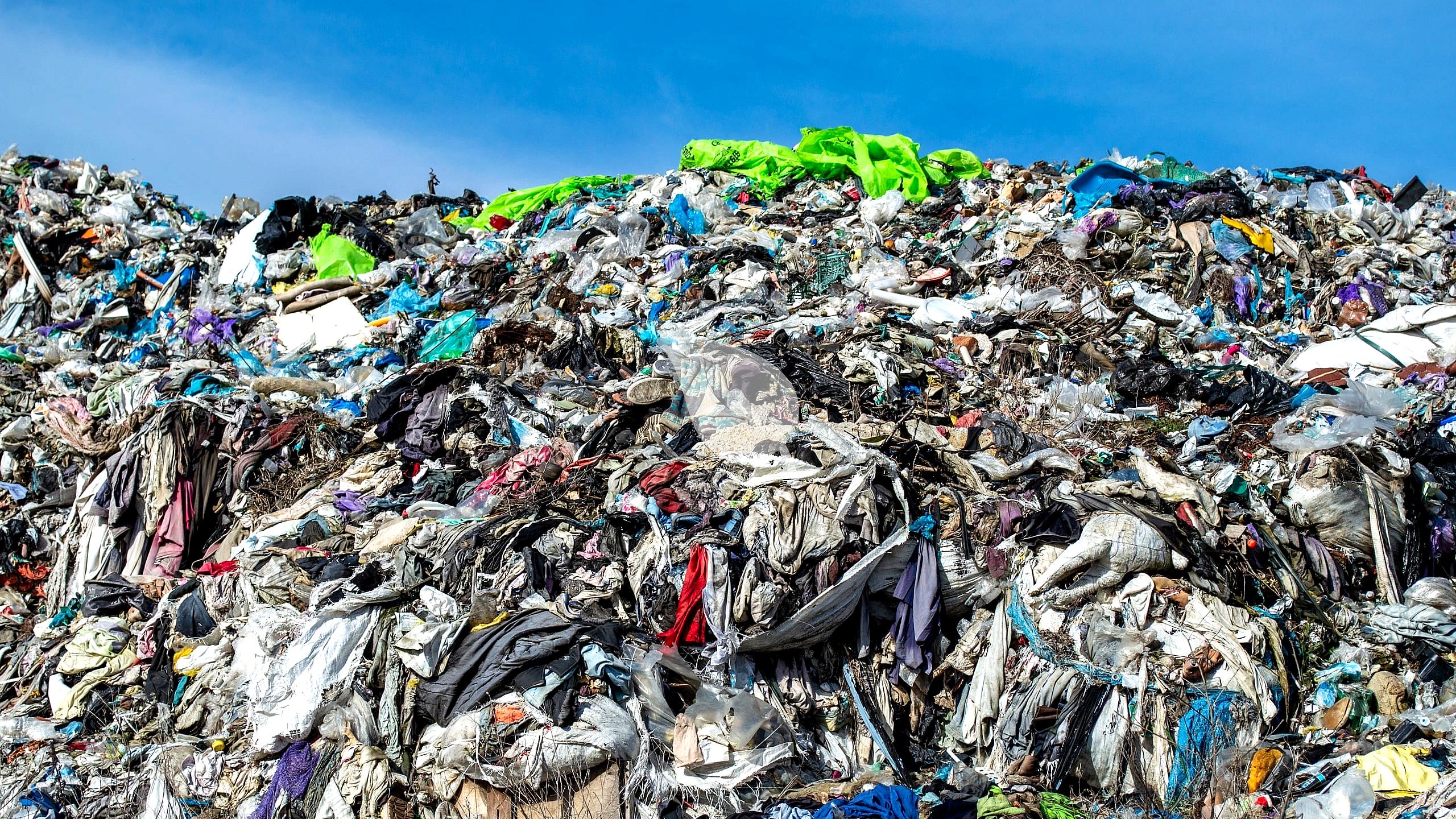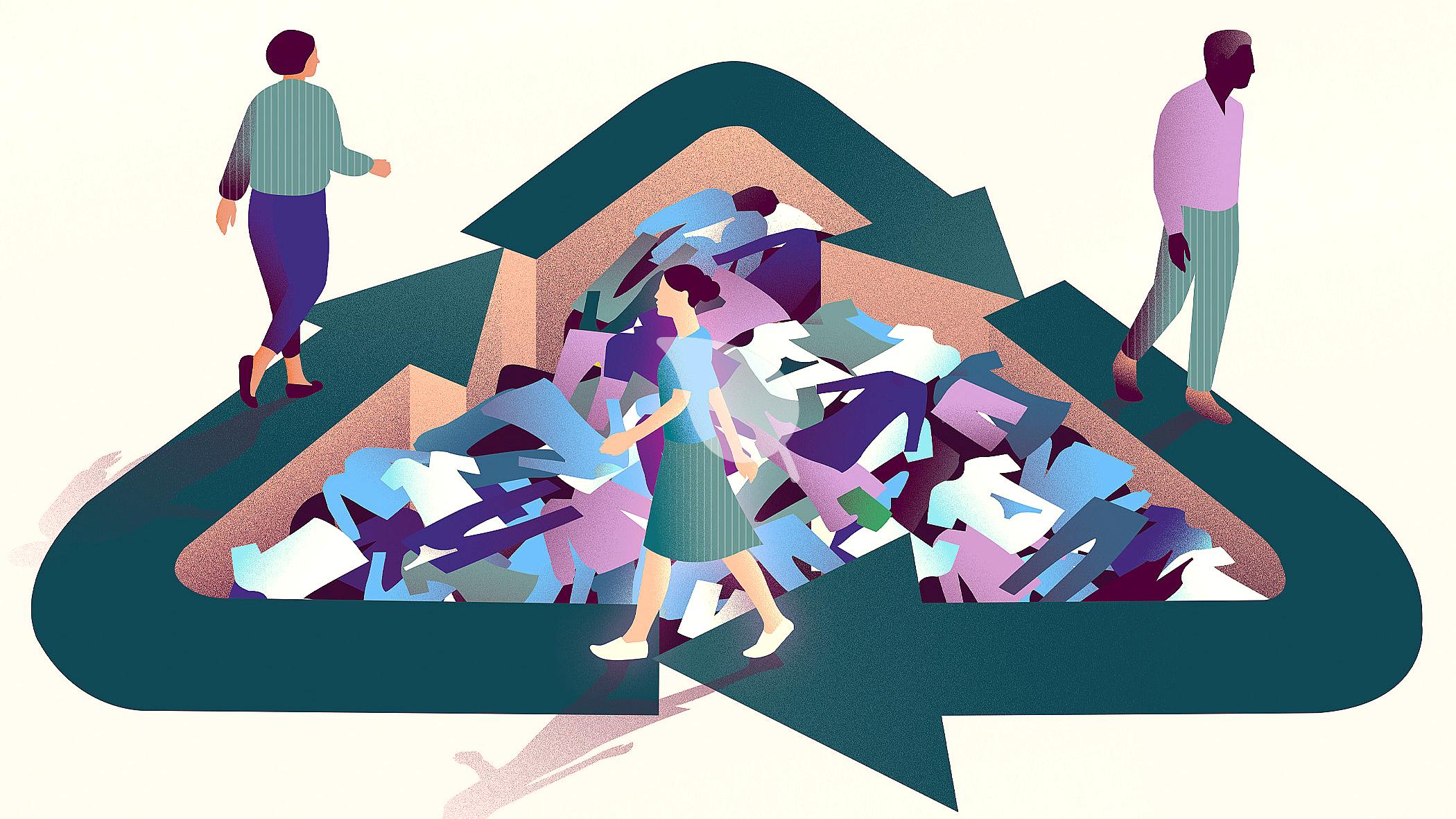
Ever stuff a bag with old shirts and jeans, drop it in a donation bin, and think, "Where do these clothes actually go?" You’re not alone - most people have no clue whether their recycled clothes get a second life or just end up in some anonymous landfill. The truth? The journey your recycled clothes take is way more complex - and more significant for the planet - than you might expect.
This guide unpacks exactly what happens to recycled clothes. You'll travel through bustling sorting centers and cutting-edge recycling plants, see how fiber becomes fashion (again), and learn how your choices directly impact the environment. Ready for the real inside story? Let’s start your recycled clothes journey.
Understanding the Lifecycle of Recycled Clothing
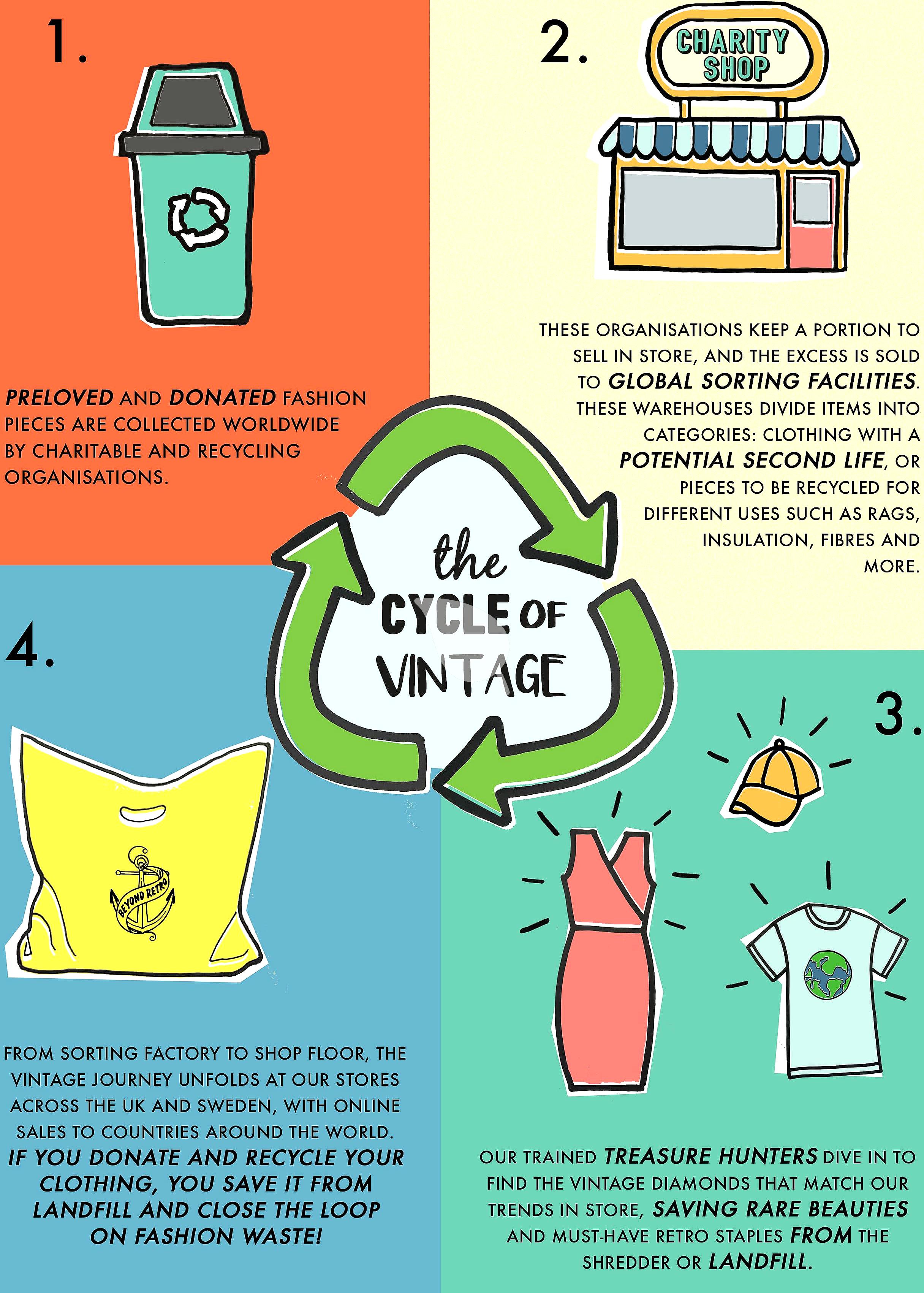
Picture this: You lug a duffel bag of worn-out tees to a drop-off point, feeling pretty virtuous. But, what happens to recycled clothes after you walk away? The path isn’t as straightforward as you might hope - it involves rigorous sorting, advanced processing, and countless critical decisions along the way.
Here’s a practical stat: Many recycling facilities sort textiles by color to avoid re-dyeing, slashing pollution and energy use (Thomasnet, 2024). That’s just one example of behind-the-scenes innovation you probably never see.
This article will break down the textile recycling process from start to finish. We’ll cover:
- How clothes are collected from homes, retailers, and factories
- What happens during intensive sorting and grading
- Why mechanical vs chemical recycling matters
- The types of products your old clothes might become
- How you can participate in authentic, sustainable recycling
Curious about the actionable side? Check out our How to Recycle Clothes: 10 Simple Steps for practical guidance.
The Collection Phase: Post vs Pre-Consumer Waste
The journey of recycled clothes always starts with collection - but not all textile waste is created equal. How it’s gathered makes a huge difference in what’s possible next.
Types of Textile Waste Collection
- Post-consumer donations: These are the clothes you donate - through community bins, curbside pickups, or retail drop-offs. Retailers like H&M or Levi’s partner with global networks to gather consumer cast-offs.
- Pre-consumer scraps: Think factory offcuts, unsold inventory, or design samples - never worn by a consumer. These are often more uniform and easier to process.
- Brand take-back programs: More brands now offer take-back or mail-in recycling, giving you a direct route for your worn-out garments.
For instance, I:CO (short for I:Collect) operates a vast global program, collecting both consumer donations and unsold stock from brands. Their collaboration with retailers helps transform a constant flow of discarded textiles into new materials, not trash
Myths About Donated Clothes
Let’s bust the illusion: Not every donated garment gets recycled. In fact, only a fraction does. Depending on quality and demand, many clothes are resold locally, exported to developing nations, or - unfortunately - landfilled. Transparent journey mapping is crucial if you want your old sweater to make a true comeback.
Brand partnerships have improved recycling rates by ensuring clothes actually re-enter the textile stream, not the landfill. Patagonia and similar leaders now close the loop by reusing factory scraps and take-back garments in their new lines. In fact, pre-consumer waste - because it’s cleaner and more uniform - often gets recycled more efficiently (Evergreen).
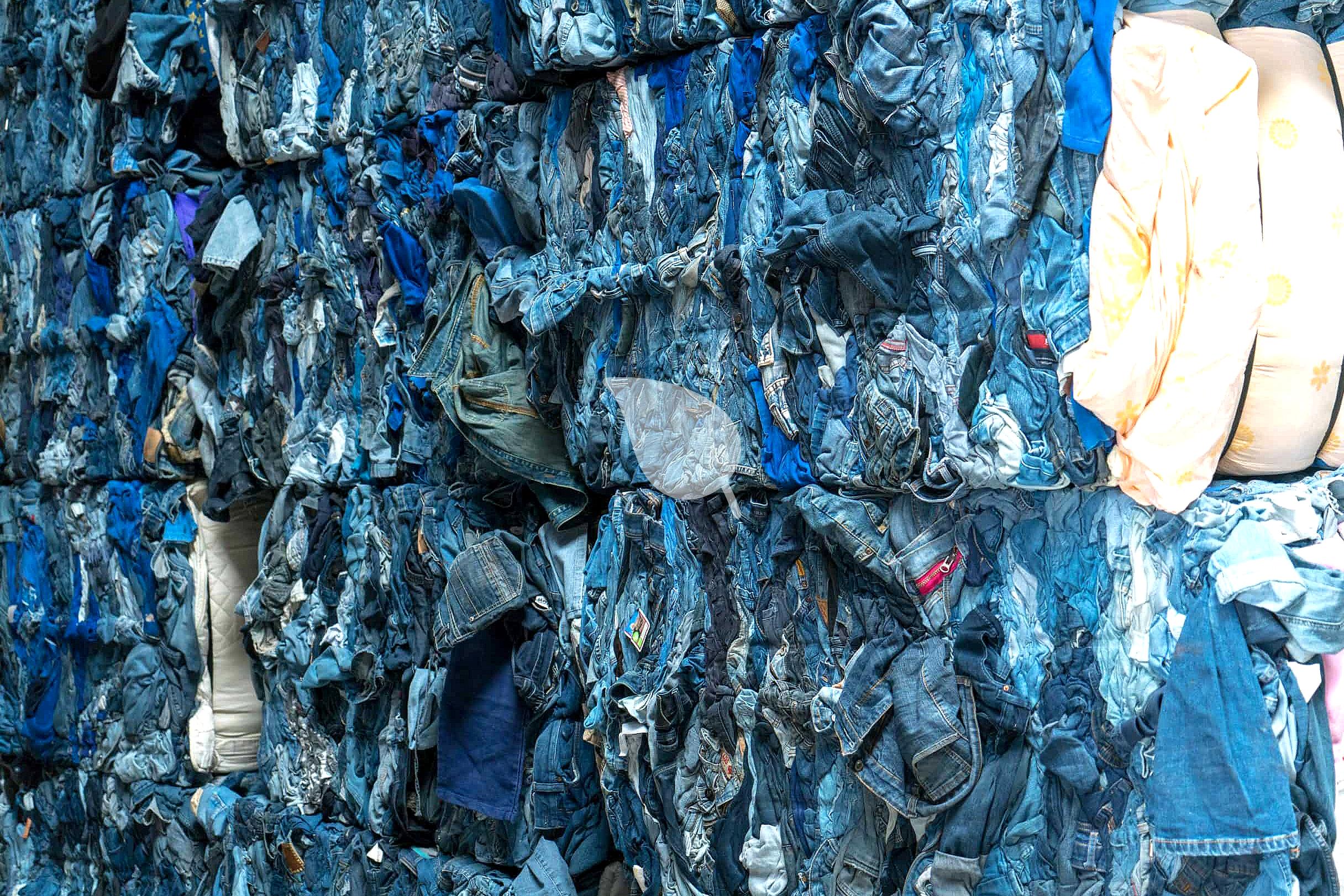
Tip: Know your local collection options. Not all bins are created equal - some feed proven recycling pipelines, others don’t. Check before you donate.
Example: I:CO’s global network connects major brands and consumers, significantly boosting circularity by keeping textiles out of landfill.
Curious about more misconceptions? Explore our clothing recycling myths.
Now, what happens once your clothes are collected? The real make-or-break moment: sorting and grading.
Sorting and Grading: The Decision Point
The textile recycling process stands or falls on sorting. This is where your shirt’s fate - secondhand shop, rag pile, or new fiber - gets decided.
Color and Material Sorting
First, clothes are sorted by color. Why? Because re-dyeing is resource-intensive and polluting. Sorting by color means recycled fibers can skip the dye bath, reducing pollution and energy use (Thomasnet, 2024). Imagine rows of workers or machines separating piles of navy, white, and red cottons - each destined for a different afterlife.
Then comes fiber sorting. Separating cotton from polyester (or wool, nylon, etc.) isn’t just nitpicking - it’s essential for recycling quality. Pure materials can be recycled more easily; blends add layers of complexity.
Blended fabrics are the tough nut. Cotton-poly blends, for example, can’t be mechanically recycled without losing significant quality. Chemical recycling methods are required, but they remain expensive and less widespread.
Resell vs Recycling Determination
Here's the part nobody likes to admit: only the highest quality garments get sorted out for resale. These might end up in a thrift shop near you - or halfway across the globe. Lower quality, damaged, or outdated textiles are separated for recycling. But even then, not all make the cut due to contamination or unsuitable blends.
Blended fabrics often get tossed aside because mechanical recycling shortens fibers. As expert Sabrina Mauter puts it, “After being recycled two or three times, the fibers are so short that they can no longer be reused for textiles.” (Reasons to Be Cheerful, 2023).
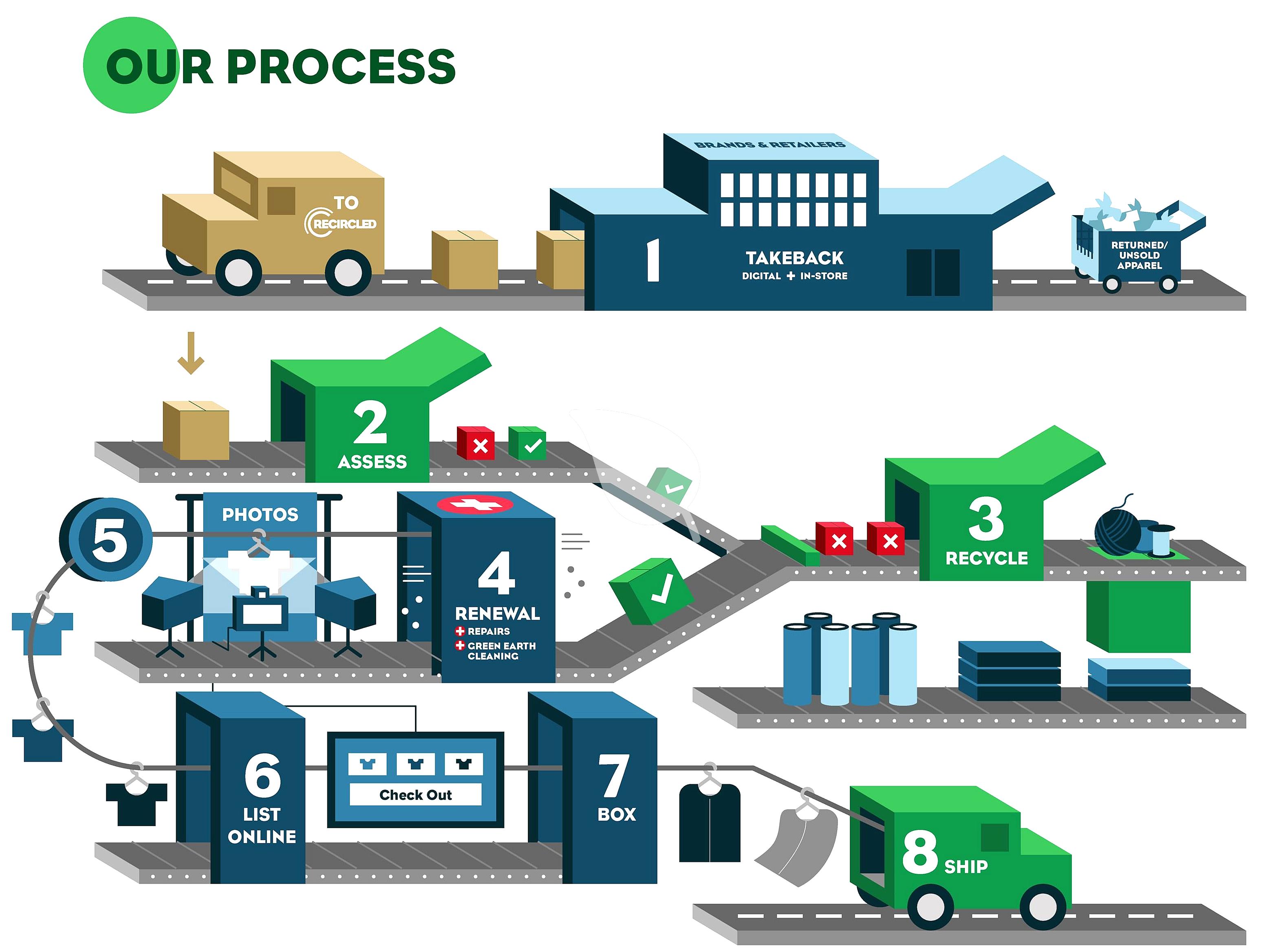
Warning: Incorrect sorting can contaminate whole batches, sending otherwise recyclable clothes to the landfill.
Example: Facilities that implement rigorous sorting protocols consistently achieve higher recycling rates and provide cleaner, higher-quality recycled fibers.
Want to dig deeper into the challenges? See our guide on misconceptions about textile recycling.
With everything sorted, the clothes are ready for their biggest transformation yet: recycling into new materials.
Processing Deep Dive: Mechanical vs Chemical Recycling
Sorting is just the beginning. The real magic (and limits) of what happens to recycled clothes comes alive during processing. Two main methods dominate: mechanical and chemical recycling.
Mechanical Recycling Explained
Mechanical recycling is old-school but proven. Textiles - mostly natural fibers like cotton and wool - are shredded, carded, and spun into new yarn. This is where “shoddy yarn” comes from - a term for fibers blended from various old textiles.
But there’s a catch: every time fibers are ground and respun, they get shorter and weaker. After two or three mechanical cycles, those fibers become too short to use for clothing. Instead, they might end up as insulation, stuffing, or industrial rags. It’s effective, but definitely not infinite.
For example, your favorite cotton T-shirt might be shredded and carded, then reborn as home insulation. That’s still better than landfill, but not exactly a circular fashion fantasy.
Statistic: Mechanical recycling shortens fibers after 2-3 cycles, severely limiting reusable lifespan (Reasons to Be Cheerful, 2023).
Chemical Recycling Explained
Now for the cutting-edge: chemical recycling. This process breaks down synthetic fibers - like polyester - into their basic monomers, which can then be re-polymerized into brand-new fibers. It works for pure polyester and, with new tech, even for some blends.
Why care? Because chemical recycling enables fiber-to-fiber recycling, allowing old clothes to become new clothes - over and over. It’s a paradigm shift for sustainable fashion.
Dr. Ernel Simpson, VP of Research at TerraCycle, explains: “If you have polyester, you can shred the fabric and run it through an extruder because it’s a plastic and it will melt like any other plastic.”
For instance, Circulose is turning blended cotton into high-quality cellulose pulp, fueling a new generation of sustainable garments.
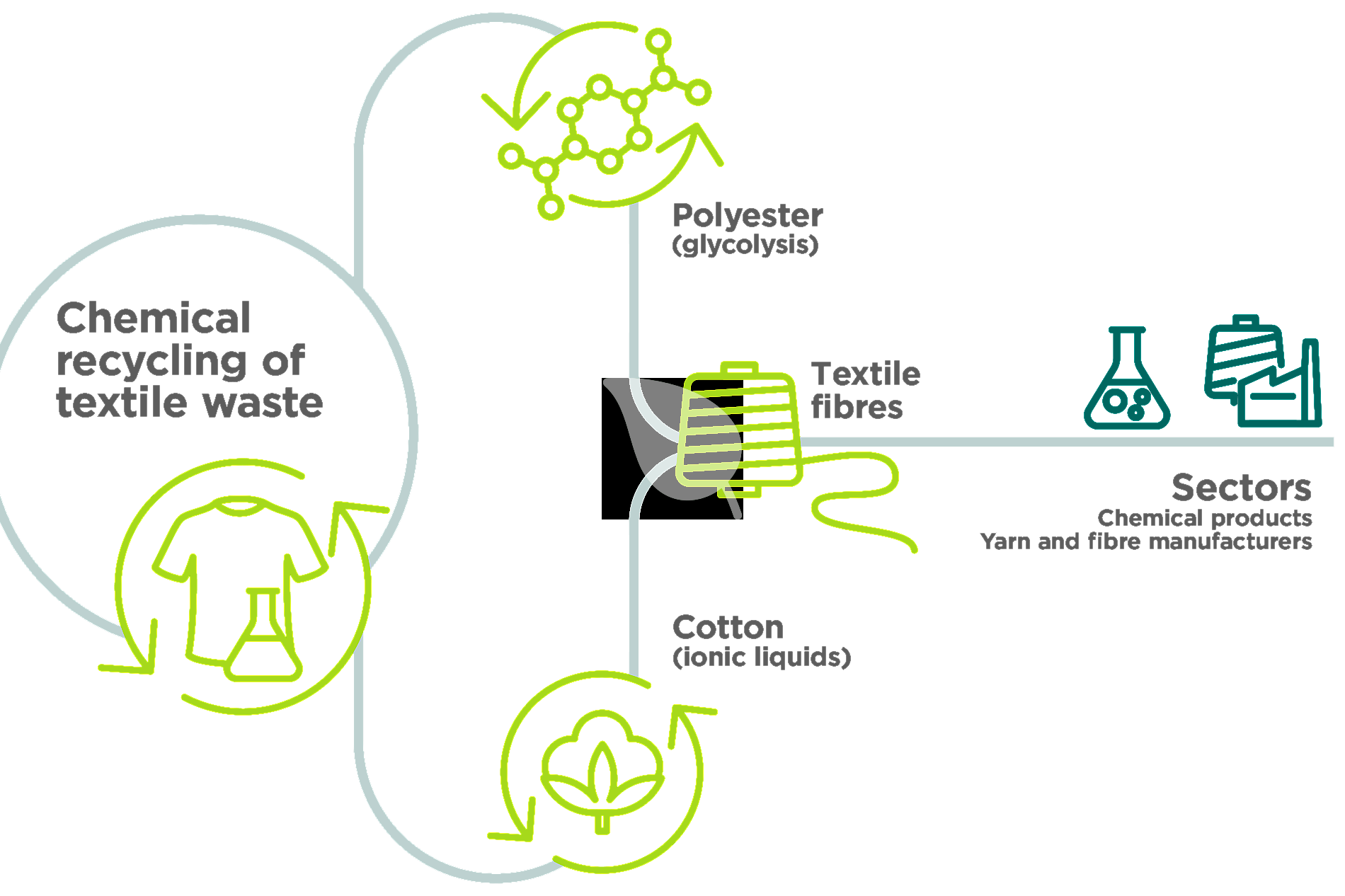
Tip: Look for brands using chemical recycling for blends and synthetics. It’s the best shot at true circularity.
Example: The Circulose process dissolves non-fiber bits and turns cotton-polyester blends into clean, reusable pulp.
Want to know more about how this fits into the circular fashion revolution? We break it down in detail.
So, after processing, what comes next? Let’s follow recycled fibers to their new homes - and see what this all means for the planet.
End Products and Environmental Impact
What do recycled clothes become? The answers are as varied as the collection bins themselves - and the impact can be profound.
Range of Recycled Products
- Yarn for new clothes: The highest-quality recycled fibers are spun into yarn, fueling new t-shirts, jeans, and even luxury wear. Brands like Nudie Jeans and Stella McCartney have incorporated Circulose or recycled polyester into their collections.
- Insulation and upholstery: Shorter, weaker fibers - no good for clothing - find new life in building insulation, automobile upholstery, or furniture stuffing. This diverts tons of textile waste from landfill.
- Industrial rags and stuffing: The last stop for the shortest fibers, still better than landfill. These products help clean up messes, literally and figuratively.
For example, Circulose has proven that blended cotton can be processed into high-quality pulp for fresh textiles
Environmental Benefits and Limitations
Recycling textiles slashes both CO2 emissions and water use compared to making virgin fibers. However, mechanical recycling’s limited cycles mean not all fibers can be infinitely reused. Chemical recycling, while promising, is still being scaled up and is not available everywhere.
For context: Recycling 1 ton of cotton saves up to 20,000 liters of water and cuts significant greenhouse gases versus virgin cotton farming. Meanwhile, global disparities in textile recycling infrastructure mean some regions still landfill most textile waste, while others have established robust circular systems.
Tip: Support brands committed to circular fashion. Each purchase is a vote for sustainable innovation.
Example: Top circular fashion brands like Patagonia, Stella McCartney, and Nudie Jeans are driving eco-friendly innovation by closing the loop with recycled and upcycled fibers.
Want more on sustainable practices? Don’t miss our sustainable practices guide for actionable steps.
How You Can Participate Effectively
Let's bring it home - what can you actually do to transform the recycled clothes journey? Turns out, quite a lot. It all starts with how you prep and where you send your clothes.
Preparation Tips Before Recycling
- Sort by fabric and condition: Separate natural fibers (like cotton, wool) from synthetics (like polyester). Remove heavily blended fabrics if possible.
- Avoid mixing non-recyclables: Items with heavy embellishments, lots of hardware, or non-textile components can gum up recycling equipment. Trim off buttons and zippers when you can.
- Check brand take-back programs: Many brands now offer recycling drop-offs or free mail-in programs with verified recycling streams.
Pro Tip: Use a simple checklist before recycling - organize, remove contaminants, and label bags based on fiber type. This small step can dramatically increase recycling success rates.
Choosing the Right Programs and Future Trends
- Participate in verified initiatives: Look for brands or municipal programs that openly share their recycling process. Transparency is key.
- Support circular fashion brands: Every purchase from a circular brand (ones using recycled fibers and offering take-back) helps grow the market.
- Stay informed: Keep tabs on emerging innovations like Circulose or blockchain-based traceability to ensure your efforts truly move the needle.
Example: Joining a take-back program (like Levi’s or The North Face) does more than clear your closet - it actually drives demand for recycled textile solutions across the industry.
Tip: Download our free Textile Recycling Checklist to get started - the right prep improves outcomes for everyone involved.
How to Recycle Clothes: Action Steps
Ready to put knowledge into action? Follow this proven checklist for an effective, eco-friendly recycled clothes journey.
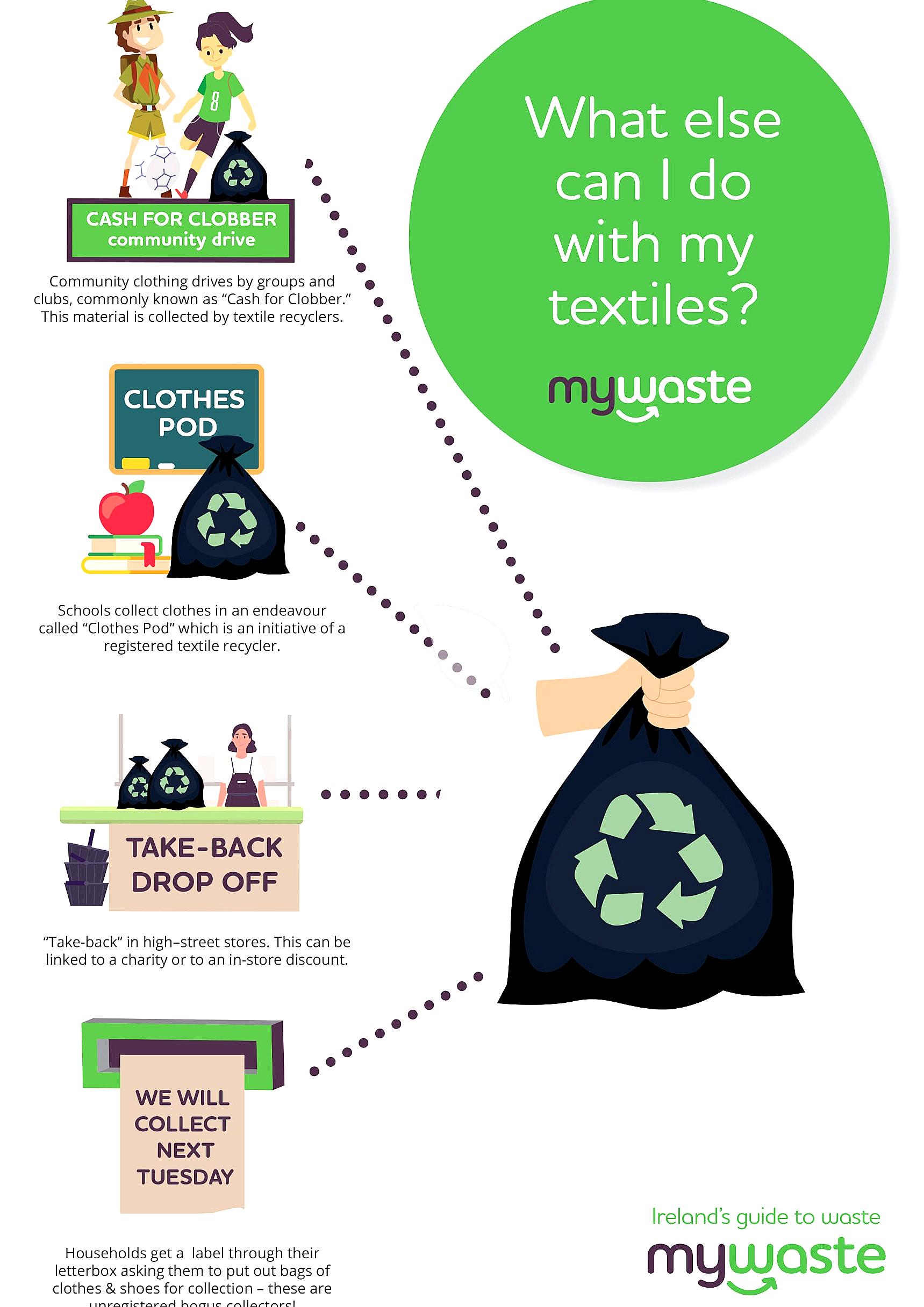
-
Sort Your Clothes at Home
- Separate natural and synthetic fibers for efficient processing.
- Remove non-textile elements (buttons, zippers, decorative hardware) to avoid contamination.
- Avoid mixing heavily blended fabrics as they’re harder to recycle.
- Example: Sort whites, colors, and blends separately to aid downstream processing and improve recycling rates.
-
Use Certified Collection Programs
- Find collection bins or participate in retailer take-back programs in your area.
- Take advantage of brand-specific recycling campaigns with clear transparency reports.
- Always verify the program’s recycling process - avoid opaque or generic drop-offs.
- Example: I:CO’s brand program allows you to recycle clothing and shoes at thousands of global retail partners.
-
Support Brands Embracing Circular Fashion
- Choose clothing made from recycled fibers and reward companies leading on sustainability.
- Stay up to date on innovations like Circulose and other fiber-to-fiber technologies.
- Advocate for sustainable practices by sharing your choices with friends and family.
- Example: Purchase from brands with transparent recycling commitments - Patagonia, Stella McCartney, and Nudie Jeans are standouts.
Common Mistakes to Avoid When Recycling Clothes
-
Donating dirty or damaged clothes: Soiled or heavily damaged textiles contaminate recycling streams, often leading to entire batches being rejected. Always clean and repair clothes before donating or recycle damaged items through programs that accept them separately.
-
Mixing blended fabrics without sorting: Blends complicate the recycling process and lower the recovery rate of usable fibers. Where possible, separate synthetics from naturals before donating.
-
Assuming all donations are recycled: Many donations are resold or landfilled due to quality or market demand. Always use verified recycling programs that provide transparency about what happens to recycled clothes.
Tools and Resources for Effective Textile Recycling
-
Clothing Recycling Checklist: Download and print our comprehensive guide to prepare your clothes for recycling. Better sorting means higher-quality recycled fibers and less waste overall.
-
Brand Take-Back Locator: Use our online locator to find nearby retailer recycling programs, making it easy to participate in sustainable initiatives. Verified partners improve the odds your clothes are actually recycled.
-
Textile Lifecycle Visualizer: Try our interactive tool to see each step of the recycled clothes journey, from donation to finished products. It’s both educational and motivating - watch your impact in real time.
Real-World Examples of Textile Recycling Success
Circulose Chemical Recycling
Circulose is an innovative process that recycles blended cotton into dissolving pulp. This pulp is transformed into new fibers for high-quality garments, dramatically reducing waste and chemical pollution. Circulose is proving that even challenging blends can have a valuable second (or third) life.
I:CO Brand Partnership
I:CO collaborates with major clothing brands and retailers to collect both pre- and post-consumer textiles worldwide. By connecting global supply chains, I:CO increases the adoption of circular fashion and boosts textile recycling rates - giving your old clothes a real shot at a new life.
FAQ About Textile Recycling
Q: What percentage of donated clothes actually get recycled?
Approximately 15-20% of donated clothes are recycled. The rest are typically resold in secondhand markets or, regrettably, landfilled. Rates vary significantly by region and the transparency of the collection program. Choosing verified recycling initiatives can increase your personal impact.
Q: Can polyester be recycled into new clothes?
Yes! Polyester can be recycled through chemical depolymerization, a process that breaks it down into basic monomers. These are then re-polymerized to create new polyester fibers. This form of fiber-to-fiber recycling helps reduce plastic waste and supports closed-loop textile production.
Q: What's the most sustainable way to dispose of old clothes?
Donate to verified textile recycling or reuse programs that provide transparency. If possible, repair or upcycle your clothes to extend their life. Supporting circular fashion brands further amplifies your positive impact.
Wrapping Up: Understanding What Happens to Recycled Clothes
We’ve traveled the full recycled clothes journey - from the moment you drop off a bag, to the intricate sorting and processing phases, all the way to the creation of new products. Understanding what happens to recycled clothes gives you the power to make more sustainable, meaningful choices.
Sorting and grading are essential forks in the road, determining whether your donation gets a fashionable encore or becomes tomorrow’s insulation. Mechanical recycling works well for natural fibers, but chemical recycling is the future of circular fashion - especially for polyester and blends.
You can make a tangible difference by prepping your clothes properly, choosing verified recycling programs, and supporting brands with circular ambitions. Each conscious choice - no matter how small - ripples through the textile recycling process, reducing waste and helping to preserve our planet’s resources.
Download our free Textile Recycling Checklist to supercharge your next donation and avoid common pitfalls.
Remember, what happens to recycled clothes isn’t just an industry secret - it’s a story you write every time you clean out your closet.
Join our newsletter for weekly sustainability tips and real-world guides to making your impact count!
Tags
Join Our Mission
Support our conservation efforts and make a difference today.