Did you know that plastic bottle caps are one of the top five most common litter items found on beaches worldwide? That’s right - these tiny tops are responsible for huge problems. Their small size may make them seem harmless, but they’re a leading cause of marine pollution, threatening ocean life and ecosystems everywhere. Here’s a mind-bender: understanding the right way to recycle bottle caps can dramatically shrink their environmental impact.
In this ultimate guide, you’ll uncover shocking bottle cap facts, proven recycling tips, and essential habits to protect our planet. Read on and transform the way you recycle - starting with the humble cap.
Why Bottle Caps Matter in Recycling
Picture this: you finish your favorite soda, twist the cap back on, and toss the bottle into your recycling bin. Then, like so many others, you pause - Should the cap stay on or come off? You’re not alone in your confusion. Plastic bottle caps are among the top five most commonly found litter items on beaches worldwide, according to the North Sea Foundation. It’s a global issue with local roots: most people simply aren’t sure how to recycle their bottle caps correctly.
What you may not realize is that those caps - if handled improperly - can end up polluting waterways, harming wildlife, or spoiling big batches of recyclable plastics. Yet, by understanding a few lesser-known truths about bottle caps and recycling processes, you can make a massive difference. In this dive into bottle cap facts, we’ll reveal how caps influence recycling, the right way to process them, and sustainable habits that make your efforts count.
Ready to become a recycling ninja and reduce plastic waste effectively? Let’s unlock the secrets behind the cap.
Recycling Truths: How Bottle Caps Are Processed
Ever wondered what happens to your bottle - and its cap - after you toss it in the blue bin? Turns out, it’s a more complex journey than you’d expect.
Types of Plastics Involved
First, let’s break down the materials. Most plastic bottles are made from PET (polyethylene terephthalate), while the caps are typically made from polypropylene (PP). These plastics may look similar, but they’re as different as apples and oranges in the recycling world. Because PP and PET melt at different temperatures and have different densities, they need distinct handling.
This difference used to mean you had to remove the cap before recycling. Machines couldn’t sort them efficiently, and mixed plastics spelled contamination. But technology advances quickly - now, modern facilities are equipped to handle this diversity, provided we do our part.
Advanced Sorting and Separation
So how do recycling centers crack the code? Here’s where it gets cool: facilities use float-sink separation technology. Imagine a giant water tank: bottles and caps go in together. PET bottles are heavier and sink, while lighter PP caps bob to the surface. Sorting machines then collect the separated plastics for the next step in their recycling journey.
This technology means that, in most cases, you can leave the cap on the bottle. Doing so actually helps prevent the cap from being lost or littered during transport.
Expert Insight:
"Keeping caps on bottles facilitates proper sorting and prevents residue waste." - Eureka Recycling
For instance, when you toss a capped bottle in your bin, it’s less likely the cap will fall out or slip through conveyor belts. Facilities retrieve both parts with minimal waste.
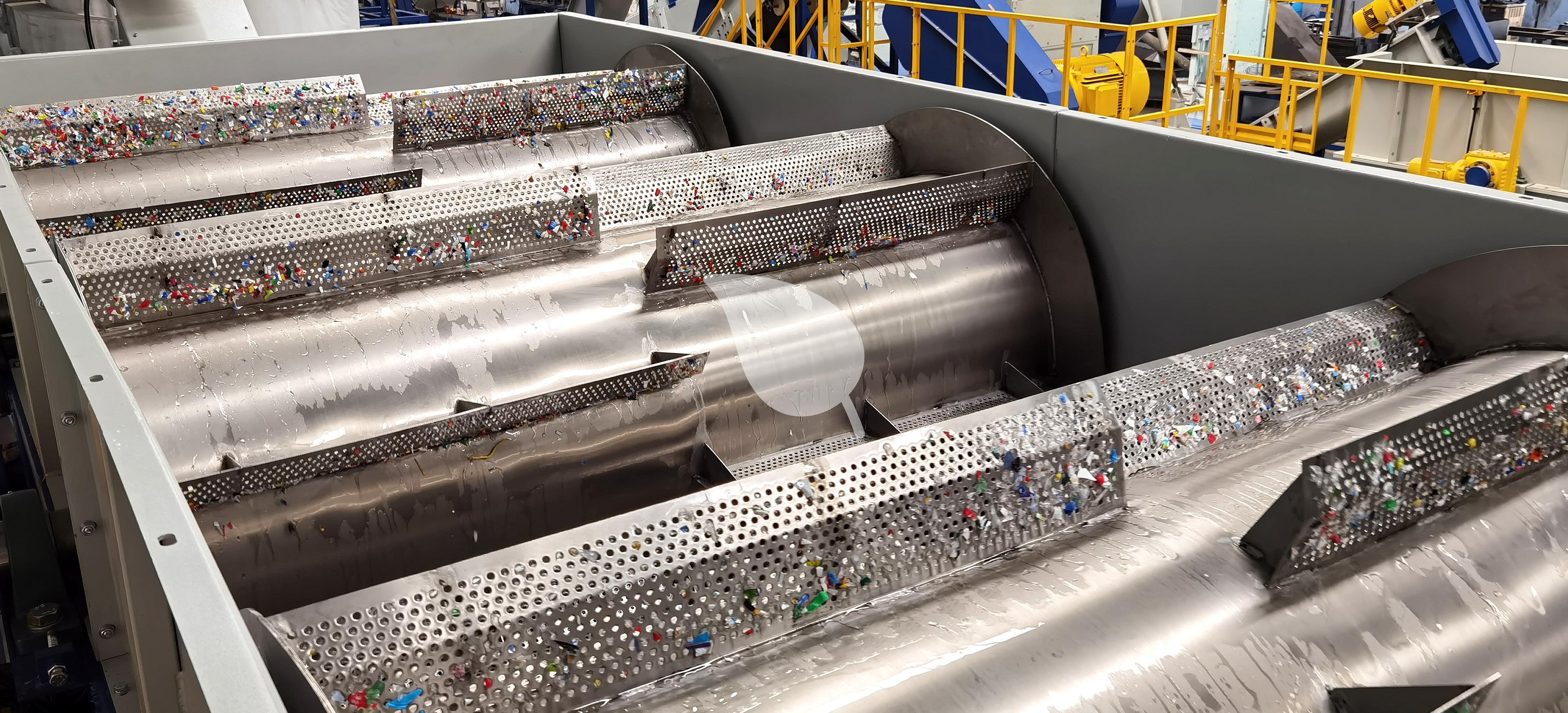
Pro Tip: Leaving caps on your bottles supports modern sorting equipment and increases the chances that both components get recycled. According to RecycleCoach, caps-on recycling actually improves material recovery and reduces contamination.
Next up: discover why keeping caps attached is the new gold standard.
Why You Should Leave Bottle Caps On
You might have heard conflicting advice about caps - remove them! Leave them on! - so what’s the real scoop?
Facility Guidelines
Across North America and much of Europe, the current guideline is simple: leave your plastic bottle caps on. Modern recycling facilities are designed to handle bottles and caps together, making the process smoother and more effective.
Why? Detached caps are tiny escape artists. During transport and sorting, loose caps often slip through the cracks - literally. They fall off conveyor belts, become residue waste, and frequently end up as litter in landfills or, worse, the ocean. When you leave the cap on, it stays with its bottle until sorting, vastly reducing litter and waste.
Material Handling Innovations
Thanks to improvements in recycling machinery, facilities now process bottles with caps intact. The machines separate bottle from cap using specialized methods (like float-sink separation), then send each to the right recycling stream. This innovation means more plastics are recycled, less ends up in landfill, and contamination is minimized.
Pull Quote:
"Caps-on recycling improves both recovery rates and efficiency in modern facilities."
For example, Eureka Recycling confirms that keeping caps on helps prevent residue waste from tiny caps slipping away. In a real city initiative, Minneapolis saw a notable drop in recycling contamination when they promoted the caps-on policy. On the flip side, metal caps are a completely different story, and they need special attention - more on that soon.
Warning: Always remove metal caps! Metal can jam machinery or contaminate plastic recycling batches.
Pro Tip: If you’re unsure, check your local recycling guidelines. But for most plastic bottles, caps-on is the way to go.
Curious about those pesky metal caps? Let’s tackle them next.
What To Do About Metal Caps
Plastic and metal caps may look similar on your average beverage bottle, but their recycling destinies couldn’t be more different.
Difference Between Plastic and Metal Caps
Metal caps aren’t just a minor nuisance - they’re a recycling villain if misplaced. Unlike plastic caps, metal ones (think soda or beer bottle caps) can’t be processed with plastic bottles. If you throw a metal cap in with your plastics, you risk contaminating the whole batch and possibly damaging the recycling machinery.
It’s like tossing a wrench in the works - literally. Recycling machines are built for specific materials, and unexpected metals can grind the process to a halt or ruin a batch of otherwise recyclable goods.
Proper Disposal Recommendations
The good news? Metal caps themselves are often recyclable, but only through designated metal recycling streams. Remove all metal caps before recycling bottles. Some local programs accept metal caps if placed in a separate metal container or a steel food can; others request you toss them in the trash to prevent contamination.
Expert Insight:
Separating metal caps from plastic bottles prevents machinery damage and keeps recycling streams clean.
For example, in Toronto, city recycling guidelines suggest saving metal caps in a steel can. Once full, crimp the can shut and recycle the whole thing - ingenious and effective.
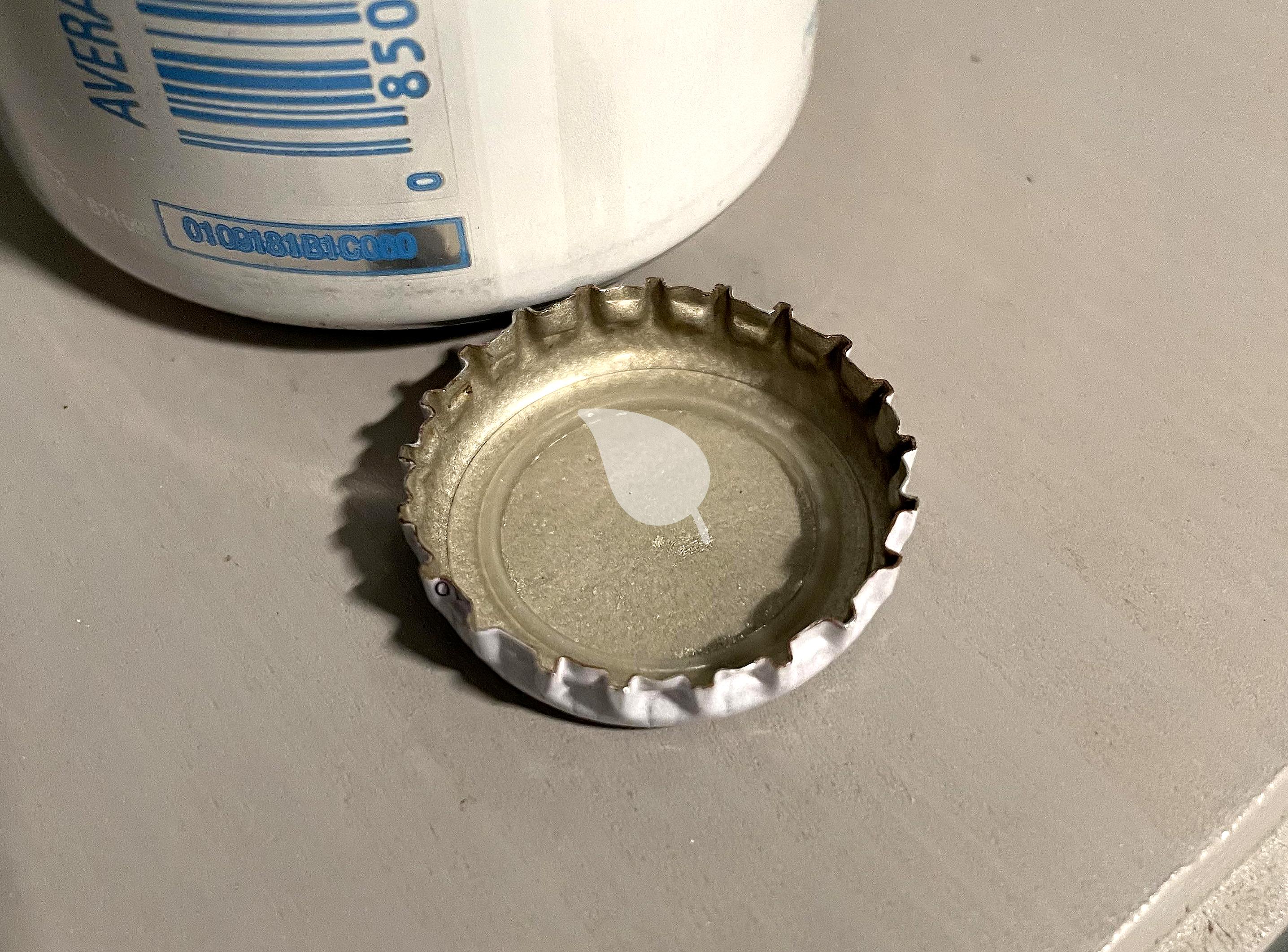
Tip: Always check your local rules for metal cap recycling. Some recycling centers provide dedicated bins or drop-off points for these items.
Now that you know how to sort your bottle caps, let’s reveal why all this effort matters for our oceans and wildlife.
Environmental Impact of Bottle Caps
What’s the real harm in a little cap tossed on the ground? Turns out, plenty. Bottle caps, though small, are a massive force in ocean pollution.
Pollution Statistics
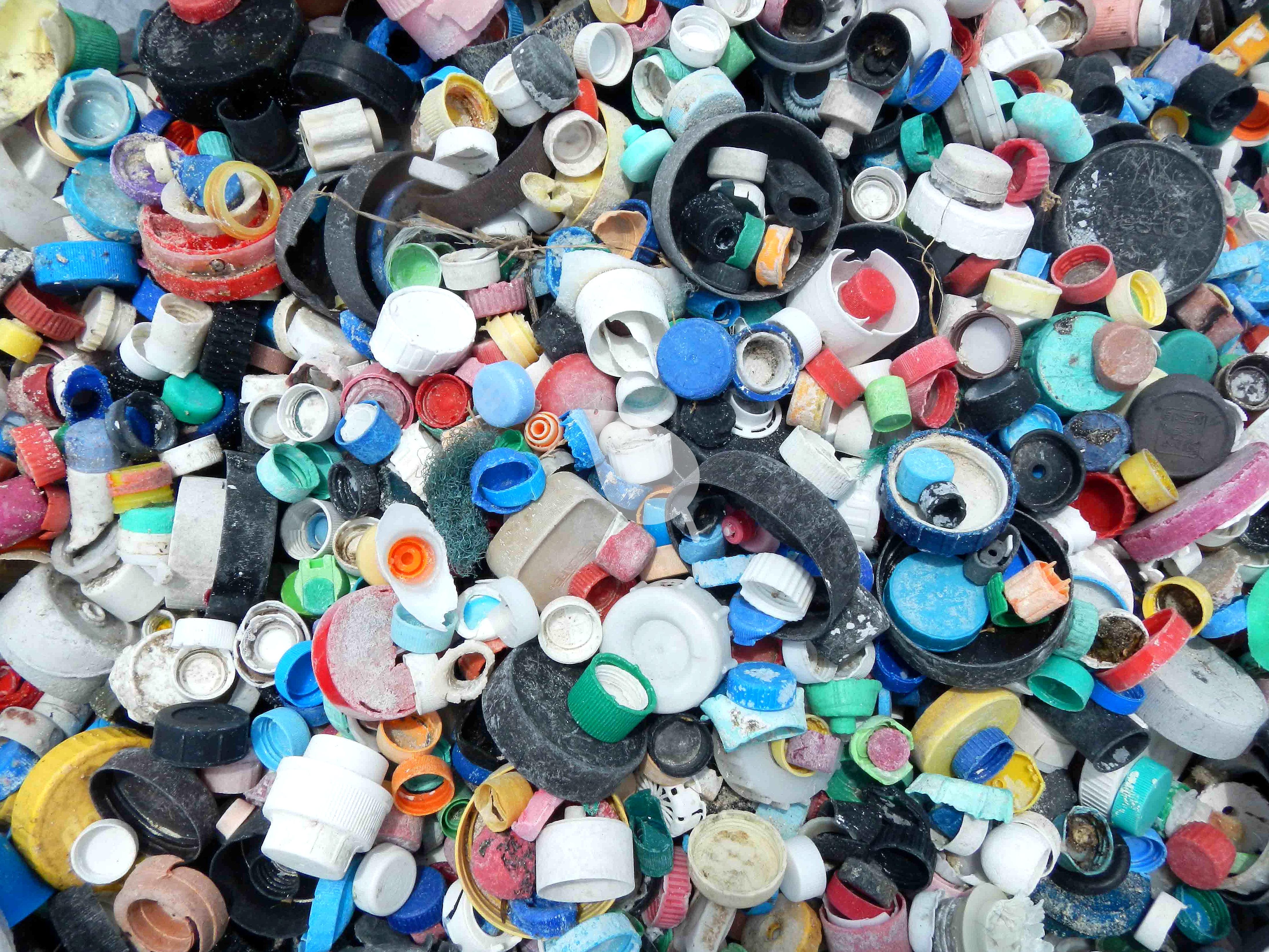
Globally, bottle caps are one of the top five most common litter items on beaches. Their compact size means they’re easily overlooked during cleanups but endlessly abundant. According to the North Sea Foundation, beach surveys consistently find thousands of caps every year - a clear sign of a persistent problem.
Caps can travel long distances, riding currents and winds until they wash ashore or settle in the ocean. Their lightweight nature makes them especially hard to contain or recover.
Effects on Marine Life
Here’s where things get heartbreaking: marine animals often mistake colorful caps for food. Birds, fish, and turtles ingest these plastics, facing blockages, starvation, or even death. Caps also contribute to microplastic pollution - tiny fragments break down over time and enter the food chain, impacting creatures big and small (including us humans, eventually).
Pull Quote:
"Plastic caps and lids are among the top five most commonly found items of litter on beaches worldwide. We hope this report encourages everyone to help reduce plastic cap pollution." - Floris van Hest, North Sea Foundation
For instance, community beach cleanups routinely collect thousands of caps in a single day. In 2022, volunteers from the Ocean Conservancy picked up over 1.8 million caps from beaches around the globe. That’s not just a number; it’s a wake-up call.
Remember: Proper recycling habits help protect our oceans and precious wildlife. Next, let’s get practical - here are sustainable recycling tips you can start today.
Tips for Sustainable Recycling Practices
Sometimes, small changes lead to big transformations. If you want to boost your eco-impact, these proven tips for recycling bottle caps will set you on the right path.
Check Local Rules
First, not all recycling programs are created equal. Your city may have unique guidelines about caps. Some areas want caps left on, others still request they be removed. Checking your local municipality’s website or calling your waste management provider is the only surefire way to know.
For example, Los Angeles and Toronto say “caps on.” But in some rural areas, caps-off is still enforced due to older sorting systems. Don’t guess - verify!
Prepare Bottles Properly
Prepping your bottles is key. Always rinse bottles to remove sugary residue and odors, which can attract pests and cause contamination. Leave plastic caps on unless your local rules say otherwise. And don’t crush bottles if your recycling center uses sorting systems that rely on bottle shape.
A quick rinse and intact bottle mean higher recycling rates and less material wasted. Avoid contaminating recycling streams - one dirty bottle can ruin a batch.
Reduce Plastic Waste Overall
Here’s the ultimate move: reduce your plastic use from the start. Opt for reusable water bottles with durable caps. Support brands that use eco-friendly packaging - look for recycled materials or minimalistic designs.
Each time you refill a reusable bottle, you prevent another cap and bottle from entering the waste stream. Imagine the ripple effect if everyone in your neighborhood switched!

Implement these tips and you’ll be a sustainability trendsetter in your community. Now, let’s make it even easier with actionable steps.
Action Steps to Recycle Bottle Caps Properly
Follow these steps to recycle your bottle caps like a pro:
-
Know Your Local Guidelines
- Visit your local recycling website to check the latest advice - some areas want caps on, others off.
- Understanding the rules keeps non-recyclable waste out of the system and prevents contamination.
- Don’t assume; double-check to avoid slip-ups.
- Example: Look up “city recycling FAQ” or call your local waste management hotline for clarification.
-
Leave Plastic Caps On Bottles
- If your area allows, keep plastic caps attached to bottles for recycling.
- This step ensures better sorting and increases recycling success.
- Only remove caps if your city’s program specifically tells you to.
- Example: Place water bottles with caps securely screwed on straight into your bin.
-
Remove and Recycle Metal Caps Separately
- Always take off metal caps from bottles and jars.
- Recycle metal caps in dedicated containers if your city provides them, or collect them for scrap metal drop-off.
- Proper separation prevents contamination and machinery damage.
- Example: Gather metal caps in a steel can, seal it, and place it in your recycling once full.
-
Rinse and Prepare Bottles
- Give bottles a quick rinse to clear out residue and odors.
- Don’t crush bottles if doing so confuses sorting machinery at your facility.
- Clean, intact bottles with their caps on (when allowed) keep the recycling stream healthy.
- Example: Swish water in each bottle, recap it, and toss it in - done!
-
Support Sustainable Practices
- Use reusable bottles and minimize single-use plastics whenever you can.
- Teach friends and family about the right way to recycle caps.
- Join community cleanup events to tackle cap litter at its source.
- Example: Carry a refillable water bottle and encourage your workplace to provide filtered water stations.
Mistakes to Avoid When Recycling Bottle Caps
Nobody’s perfect, but a few common errors can have a big impact on recycling quality. Here are three to steer clear of:
-
Removing plastic caps when not required
Many folks instinctively twist off the cap, thinking it's the right thing to do. Unfortunately, this often leads to caps being lost or ending up as residue waste. If your local guidelines say "caps on," stick with it. -
Putting metal caps in plastic recycling
Mixing metal with plastics can ruin whole batches and jam up sorting machinery. Always remove metal caps and recycle them in the proper stream. -
Not rinsing bottles before recycling
A sticky, unwashed bottle is a fast track to contamination and unpleasant odors. Take a moment to rinse before recycling - your efforts make a huge difference.
Tools and Resources for Effective Recycling
Give yourself an edge in the recycling game with these handy tools:
-
Local Recycling App
Download your city or county’s recycling app to get updates, collection schedules, and specific guidelines about caps and containers. This helps ensure you never miss a pickup or make a recycling mistake. -
Recycling Facility Tours (Online)
Many recycling centers now offer virtual tours. Watch videos that show how sorting lines separate bottles and caps. Seeing the process firsthand can demystify recycling and clarify best practices. -
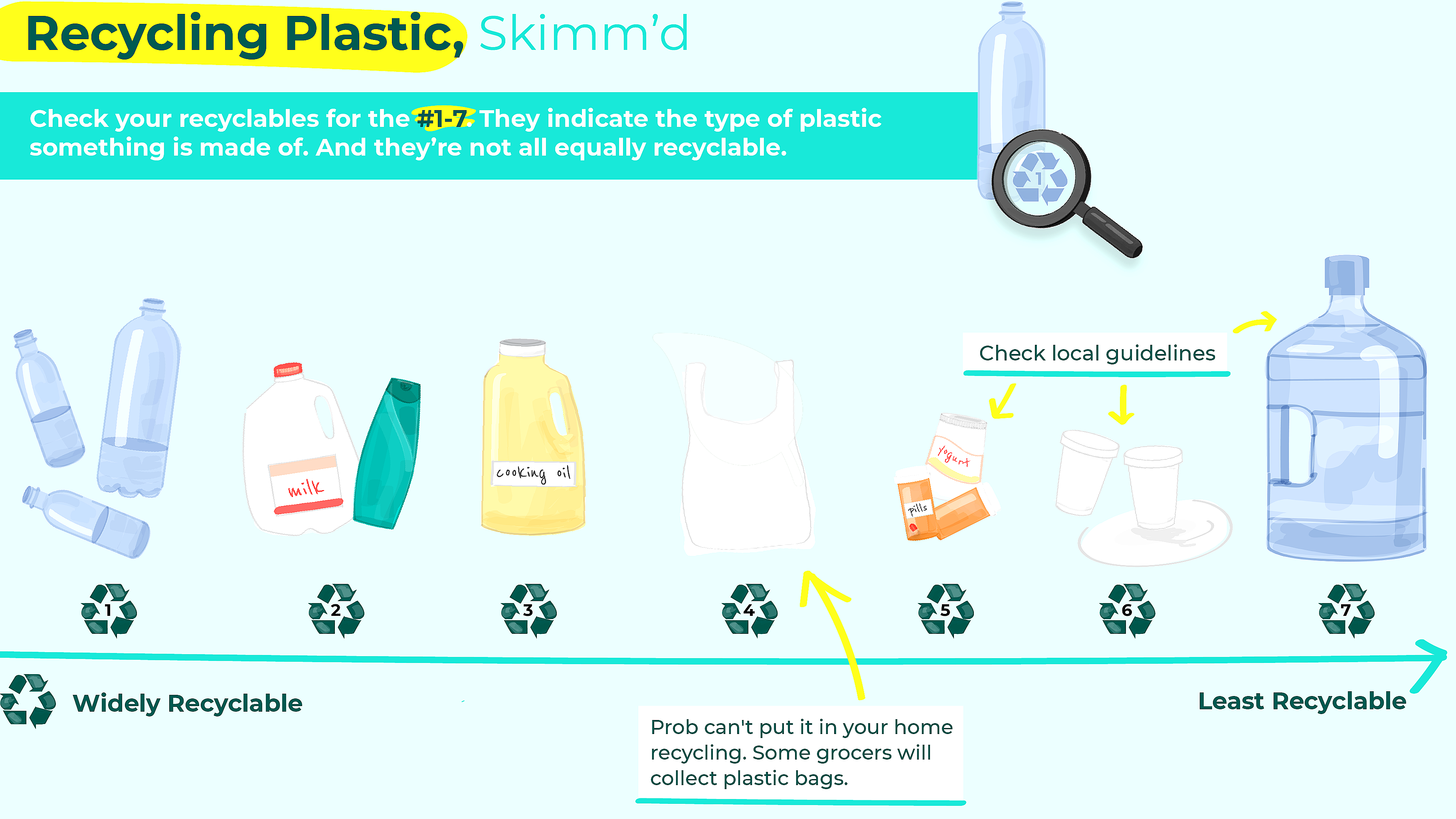
Infographic Download
Print out a visual guide on bottle cap recycling dos and don’ts. Keep it by your recycling bin or share it with neighbors - a little education goes a long way.
Examples of Successful Bottle Cap Recycling Initiatives
Real-world success stories show these bottle cap facts aren’t just theory - they spark real change:
-
Community Beach Cleanup
In 2023, volunteers in Cape Cod collected over 5,000 plastic caps during a one-day cleanup event. Not only did this remove litter from local beaches, but it also raised awareness on why proper bottle cap recycling is crucial for marine life. -
Municipal Caps-On Campaign
The city of Minneapolis launched a "Caps-On" initiative in 2021. Armed with flyers, social media, and school programs, the campaign educated residents about the new standard. As a result, recycling rates rose and contamination levels dropped - proof that small changes can have a big impact.
Frequently Asked Questions About Bottle Caps Recycling
Should I keep the bottle cap on when recycling?
Yes, in most modern recycling programs you should keep plastic caps on bottles. It helps sorting facilities process materials efficiently. Always check local rules as some areas differ.
Are bottle caps recyclable?
Plastic bottle caps made from polypropylene are recyclable. They require special sorting technology to separate them from bottles. Keep caps on bottles unless your local guidelines say otherwise. Metal caps are generally not recyclable with plastics and should be removed.
Why should bottle caps be left on bottles?
Leaving caps on prevents loss and litter during collection and sorting. Caps and bottles can be processed together using float-sink separation. This practice improves recycling efficiency and reduces contamination. Removing caps can cause caps to fall through sorting equipment and become waste.
Conclusion: Embrace These Bottle Cap Facts for Better Recycling
So, what have we uncovered? Bottle caps are a hidden force in plastic pollution, but also a powerful point of action. By applying the bottle cap facts you’ve learned here, you can recycle more effectively, protect marine life, and shrink your environmental footprint.
Leaving plastic caps attached, separating metal caps, and following your local guidelines optimizes recycling outcomes. These sustainable practices aren’t just for eco-warriors - they’re for everyone who wants cleaner oceans, healthier communities, and a brighter future.
Start today: Check your local rules, prep your bottles right, and spread the word. Every cap kept out of the ocean is a small victory. Let’s make every twist, pop, and snap count.
Tags
Join Our Mission
Support our conservation efforts and make a difference today.