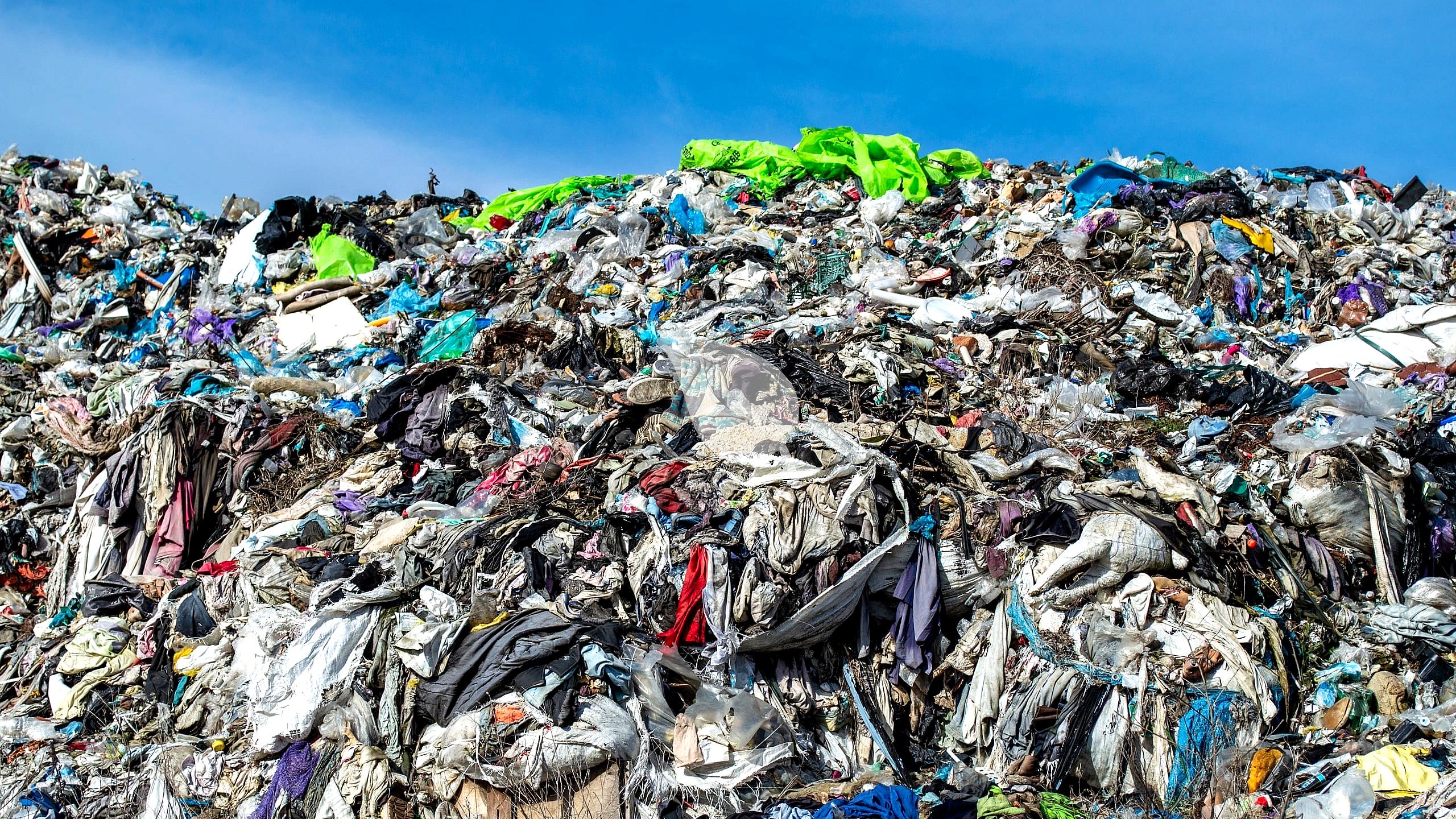
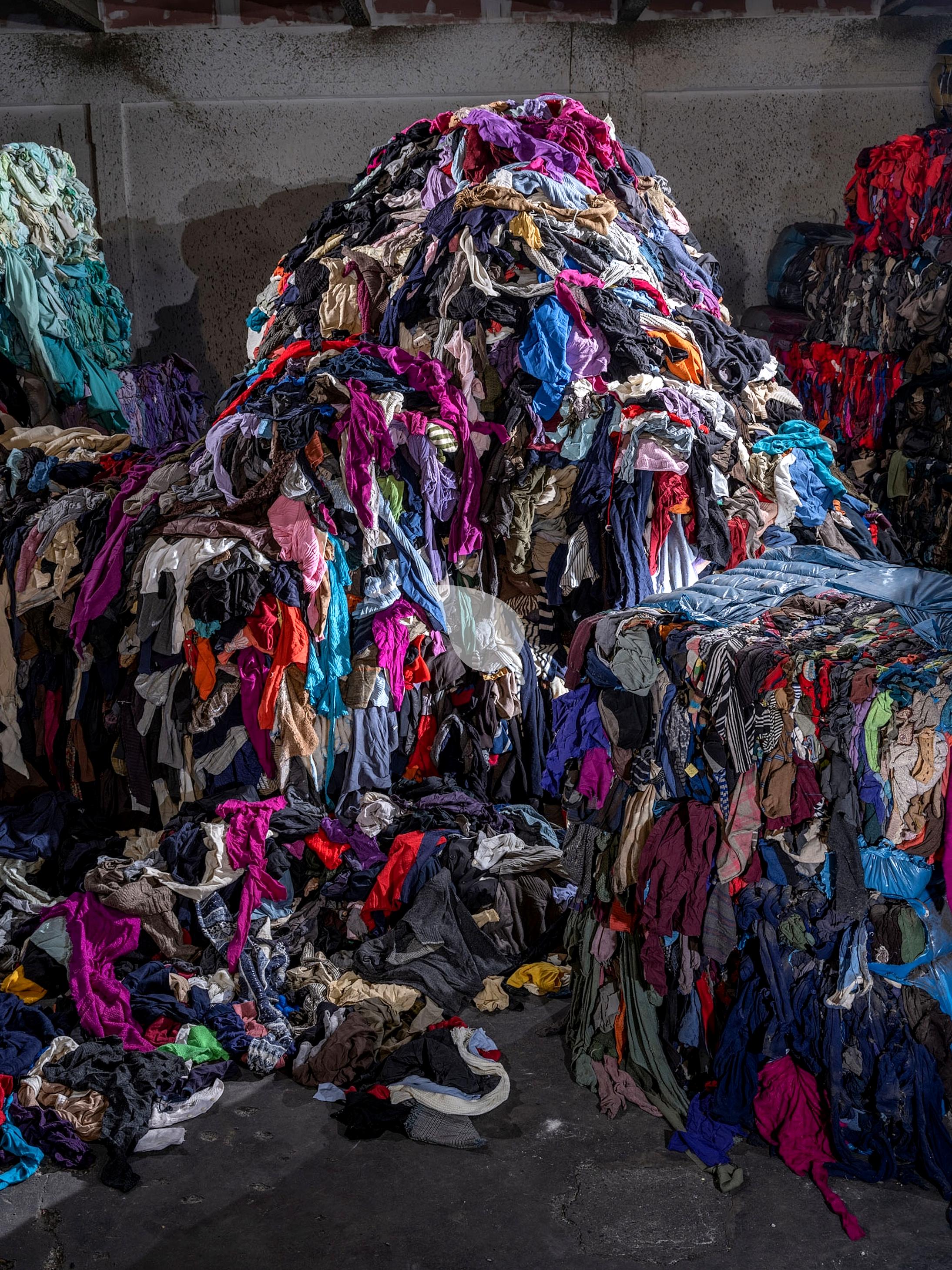
Did you know that textiles make up a whopping 5–10% of landfill waste? Every year, millions of shirts, jeans, and socks are tossed out, piling up in landfills and choking our environment. That’s not just a statistic - it’s a rapidly growing problem that squanders valuable resources and harms our planet.
But here’s some good news: changing that is way easier than you think. Learning how to recycle clothes isn’t just eco-friendly - it can be rewarding, creative, and even a little fun! Whether you want to trim your closet, help your community, or score some perks along the way, this guide gives you 10 simple, proven steps. Let’s break the cycle of waste, one garment at a time.
Why Recycling Clothes Matters More Than Ever
Picture your overflowing closet. Clothes you haven’t worn in years. Maybe a pile of worn-out tees gathering dust in a drawer. It seems harmless, but when multiplied by millions of households, the result is staggering: textiles make up 5–10% of landfill waste . That mountain of unwanted clothing doesn’t just take up space - it leaches dyes, chemicals, and microplastics into the earth, polluting soil and water supplies for decades.
So, why recycle your clothes? Because every shirt, sock, and scarf you divert from the trash saves precious resources. Textile recycling cuts down on water and energy use, curbs pollution, and even puts money or rewards in your pocket. Plus, it’s surprisingly easy when you have a step-by-step system.
This friendly guide lays out 10 beginner-friendly steps - everything from sorting and repairing to upcycling and tapping into special textile recycling programs. You'll discover how to donate, reuse, and even earn rewards for your eco-friendly actions. You’ll also learn how to sidestep common misconceptions about clothing recycling so your efforts really count.
Ready to transform your old clothes into something good? Let’s start with the basics.
Step 1-3: Clothing Recycling Methods – Sort, Repair, and Reuse
Building a strong foundation is essential for any recycling habit, and that begins with sorting, repairing, and reusing your old clothes. Each step in this trio helps reduce waste and sets you up for recycling success.
Sorting Clothes Effectively
Sorting is the backbone of all clothing recycling methods. Start by separating your clothes by material - keep 100% cotton away from synthetics like polyester or spandex. Sorting by color adds another layer of protection, preventing accidental dye transfer during recycling.
Why does this matter? Experts from Rubicon say: "Sorting by material and color eliminates re-dying pollution in recycling" (Rubicon). When you sort, you’re not just tidying - you’re actively reducing the risk of contamination and ensuring recycling centers can process your textiles efficiently. Use labeled bins or simple piles to keep things organized. Even a couple of minutes here makes a massive difference later on.
Repair to Extend Life
Before tossing anything, examine for small rips, loose buttons, or broken zippers. Mending tiny flaws can add months (sometimes years!) to a garment’s life. You don’t need fancy sewing skills - a basic repair kit, some fabric glue, or even iron-on patches work wonders.
Sewing up a ripped seam or fixing a button is a small act with big impact. Every jacket patched or pair of jeans repaired is one less item headed for the landfill. Did you know that extending a garment’s life by just nine months can reduce its carbon footprint by 20-30%?
Reuse and Repurpose
What about clothes that aren’t donation-worthy but aren’t quite trash? Turn them into useful household items - like cleaning rags, pet bedding, or craft supplies. Old t-shirts are perfect for dusting or washing your car. Even single socks can become dusters or fun puppets for the kids.
If your clothes are still in good shape, don’t hesitate to donate or give them away. Local shelters, thrift shops, and community groups gratefully accept clean garments. The goal is simple: keep as much fabric as possible in use and out of the dump.
Example: Maria, a Brooklyn teacher, hosts "Mend & Swap" nights where neighbors fix their own clothes and trade anything they no longer need. It’s social, eco-friendly, and keeps textiles out of the landfill.
Expert Insight: "Sorting by color and material eliminates re-dying pollution in recycling." - Rubicon Experts, Waste Management Authority
Next up: let’s take your sorted, repaired pile and find them a new purpose - through donation, resale, swaps, or specialized bins.
Step 4-7: Donate, Sell, Swap, and Locate Textile Recycling Bins
You’ve sorted, repaired, and repurposed - now what? The next steps take your clothing recycling methods to the community, with options to donate, sell, swap, or find specialized collection bins.
Donate and Sell Your Clothes
Donating gently used clothes helps those in need and reduces landfill waste. Local charities, shelters, and thrift stores are always looking for clean, wearable items. Always check their current guidelines - some places only accept seasonal clothing or specific items.
Selling clothes is another great option, especially for trendy or high-quality pieces. Platforms like eBay, Depop, Poshmark, and Facebook Marketplace make it easy to connect with buyers. You can also try local consignment shops. Not only do you earn a little extra cash, but you’re ensuring your items get another life.
Example: After cleaning out her closet, Jess listed a stylish jacket on Poshmark. It sold in two days, and the new owner left a glowing review - proving that resale is both sustainable and rewarding.
Participate in Clothing Swaps
Clothing swaps are like treasure hunts - for free! Gather some friends, neighbors, or coworkers, and exchange garments. Not only do you refresh your wardrobe for zero cost, but you also build community and keep clothes circulating locally.
Neighborhood swap parties, office exchange racks, and even organized community events are becoming more popular. It’s a fantastic way to meet like-minded folks, reduce waste, and find your next favorite sweater. For more tips, you can find local swaps in your area.
Case in Point: Last year, a Chicago community center hosted a swap event that diverted over 500 pounds of clothing from landfill - just in one afternoon.
Find Local Textile Recycling Bins
Can’t donate or swap? Textile recycling bins are your next best bet. Municipal councils often list textile bin locations on their websites, or you can use apps like Earth911 to find the nearest drop-off point. These bins accept worn, ripped, or otherwise unwearable clothes, provided they are clean and dry.
Pay attention to posted guidelines - some bins only take certain fabrics or exclude shoes, for instance. Using the correct drop-off point keeps recycling streams uncontaminated and efficient.

Warning: Never put synthetic fabrics in compost bins - they won’t break down and can pollute your garden.
Example: The North Face’s Clothes the Loop program accepts any brand’s clothing for recycling and rewards you with store discounts. It’s a win-win for your closet and the planet.
Statistic: Earth911’s textile bin locator increased recycling rates by 18% in participating cities .
Next, let’s go beyond the basics with advanced options: reward programs, creative upcycling, and even composting.
Step 8-10: Textile Recycling Programs, Upcycling DIY, and Composting Natural Fabrics
Time to level up your clothing recycling methods. These advanced options can earn you rewards, spark your creativity, and even nourish your garden.
Join Reward-Based Recycling Programs
Many brands now pay you to recycle! Companies like North Face, Levi’s, and H&M offer take-back programs where you drop off old clothes - sometimes of any brand - and receive store discounts or loyalty points in return.
The North Face’s Clothes the Loop program is a standout example. Customers can bring in any brand of clothing or footwear, and North Face turns them into insulation or carpet padding. As a thank you, you get a discount on your next purchase. This not only motivates customers but also keeps valuable textiles in circulation longer.
Case Study: After launching Clothes the Loop, North Face reported a 25% uptick in recycled clothing collections and increased customer loyalty ( .
Upcycle Old Clothes Creatively
Upcycling isn’t just a buzzword - it’s downright fun. With a little creativity, you can transform worn-out or outdated clothes into new, useful items. Old t-shirts become reusable shopping bags, jeans turn into rugged aprons, and sweaters morph into cozy mittens.
You don’t need to be a master crafter. There are thousands of easy, step-by-step tutorials online, from no-sew projects to advanced sewing hacks. Upcycling saves money, keeps textiles out of landfills, and lets you add a personal touch to your home.
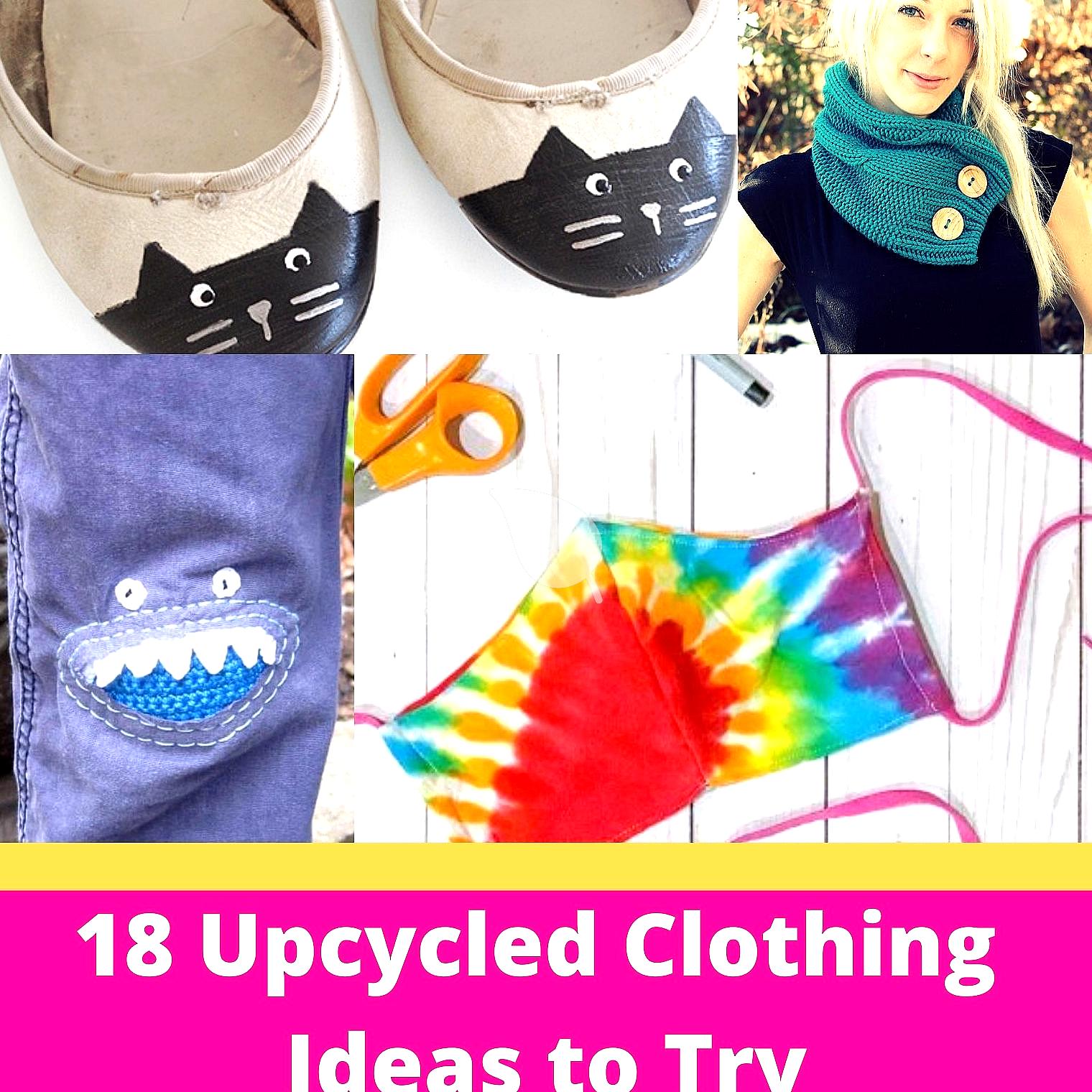
Pro Tip: Always use non-toxic dyes and glues to keep your DIY projects safe and eco-friendly.
Example: Sam, a college student, turned his pile of concert tees into a one-of-a-kind quilt. Now, his memories are stitched into a blanket - no landfill required.
Compost Natural Fiber Clothes
Yes, you really can compost some clothes! If you have 100% cotton, wool, linen, or silk garments (check the label for blends), shred them up and add to your compost pile. Natural fibers break down just like kitchen scraps and leaves, nourishing your soil and closing the recycling loop.
But heed this warning: synthetics like polyester or nylon never break down and will pollute your compost. Always avoid putting blends or treated fabrics in the pile. When in doubt, recycle through a textile program instead.
Example: After decluttering, Priya shredded her old cotton t-shirts and worked them into her garden compost bin. Come spring, her tomatoes thrived! Pure, natural fibers became rich garden soil.
Expert Insight: “Can I compost synthetic clothes? No, avoid contamination.”
Bonus: Services like Retold Recycle Subscription send you prepaid bags for at-home textile recycling and partner with brands to deliver rewards.
Now that you’ve mastered the basics and advanced steps, let’s bring it all together into one actionable checklist!
10 Simple Steps to Recycle Clothes Effectively
Recycling clothes doesn’t need to be overwhelming. Here are the proven steps you can follow every time - plus real-world examples for each:
-
Sort Clothes by Material and Condition
Separate natural and synthetic fabrics to avoid contamination. Check for wear and decide whether to reuse or recycle. Never mix materials in recycling bins.
Example: Create labeled clothing piles at home for easy sorting. -
Repair Small Damages
Mend tears, sew on buttons, and use simple repair kits to extend garment life. Try community repair cafés for help. This reduces textile waste and saves you money.
Example: Patch a hole in jeans before donating to keep them wearable. -
Reuse Textiles at Home
Repurpose old clothes as cleaning rags, crafts, or pet bedding. Donate wearable items to local charities. Every reuse step lowers your landfill contribution.
Example: Cut old t-shirts into dust cloths for cleaning day. -
Donate Clothes in Good Condition
Find local shelters or thrift stores that accept clothes. Make sure items are clean and suitable for use. This supports your community and reduces waste.
Example: Drop off clean shirts at a nearby charity shop. -
Sell or Trade Clothes Online or Locally
Use platforms like eBay, Poshmark, or local Facebook groups. Earn money or refresh your wardrobe in a sustainable way. This encourages circular fashion.
Example: List a barely worn jacket online for resale and give it a second life. -
Host or Join a Clothing Swap
Organize or participate in community swap events. Swaps promote zero-cost, sustainable fashion and create social connections.
Example: Attend a neighborhood swap party with friends. -
Locate and Use Textile Recycling Bins
Use council websites or apps like Earth911 to find bins. Deposit only accepted clothes to prevent contamination. This keeps recycling streams efficient.
Example: Use the Earth911 locator to find your nearest bin. -
Join Reward-Based Recycling Programs
Sign up for retailer take-back initiatives. Earn discounts and support brands that value sustainability. This motivates real recycling action.
Example: Use North Face’s Clothes the Loop take-back program. -
Upcycle Old Clothes with DIY Projects
Follow online tutorials to transform textiles into bags, rugs, or decor items. This reduces waste and lets your creativity shine.
Example: Make reusable shopping bags from old shirts for plastic-free grocery trips. -
Compost Natural Fiber Clothes
Shred 100% natural-fiber clothes for your compost pile. Never compost synthetics - they pollute the soil. This enriches your garden naturally.
Example: Shred and compost old cotton t-shirts at home.
Mistakes to Avoid When Recycling Clothes
Even with the best intentions, it’s easy to trip up when learning how to recycle clothes. Here are the most common mistakes and how to avoid them:
-
Mixing synthetic and natural fabrics in recycling bins: Mixing fibers leads to contamination, which can send your whole batch to landfill. Fix: Always sort carefully before recycling - look for clear labels and separate into "natural" and "synthetic" piles.
-
Donating worn-out clothes that can’t be reused: Charities pay to dispose of unsellable items, creating more waste and costs. Fix: If a garment is too far gone, upcycle or recycle it instead of donating.
-
Composting synthetic fabrics: Polyester, nylon, and other synthetics never break down in compost and can pollute your garden. Fix: Only compost items with "100% cotton," "wool," or similar labels. When in doubt, recycle via a textile program.
Useful Tools and Resources for Clothing Recycling
The right tools make it ten times easier to succeed with sustainable fashion:
-
Earth911 Recycling Locator:
This powerful app helps you find local textile recycling bins and centers in seconds. It’s the simplest way to ensure your old clothes get properly recycled and don’t end up in the wrong place. -
Retailer Take-Back Programs:
Brands like North Face, H&M, Levi’s, and Madewell offer in-store drop-offs with rewards - think discounts, loyalty points, and more. These programs motivate sustainable action by making recycling rewarding. -
DIY Upcycling Tutorials:
From YouTube to Pinterest, step-by-step guides show you how to transform shirts into bags, jeans into planters, and more. Upcycling extends the life of garments and keeps your creativity flowing.
Real-Life Examples of Successful Clothing Recycling
Want proof that these steps work? Check out these inspiring real-world stories:
North Face Clothes the Loop
- Setup: Accepts any brand’s clothing and footwear for recycling into insulation and carpet padding.
- Result: Customers receive discounts on new purchases, dramatically increasing recycling rates and strengthening loyalty.
Retold Recycle Subscription
- Setup: Offers prepaid bags for convenient at-home textile recycling. Users fill the bags and mail them back for processing.
- Result: Retold partners with popular brands to provide rewards, making it easier and more appealing to keep textiles out of the landfill.
FAQ About Recycling Clothes
Q: What clothes can I recycle?
Most natural fiber garments (like cotton, linen, and wool) and some synthetics are accepted, depending on the program. Always check the guidelines for each recycling bin or program. Avoid recycling contaminated or wet clothes - they can spoil entire recycling batches.
Q: How do I upcycle old t-shirts?
Cut and sew old tees into tote bags, quilts, or cleaning rags. No-sew methods - like tying the ends or using fabric glue - work well too. Online tutorials offer step-by-step guides for creative projects, from headbands to pillows and beyond.
Q: Can I compost synthetic clothes?
No - synthetic fabrics like polyester and nylon don’t biodegrade and will pollute your compost. Only compost 100% natural fiber garments (check labels for cotton, wool, linen, or silk). When in doubt, recycle synthetics through proper textile recycling programs.
Conclusion
Recycling clothes is one of the simplest, most impactful changes you can make for the planet - and your community. By following these 10 proven steps, you reduce landfill waste, conserve resources, and keep valuable textiles circulating. Remember, every small habit - sorting, repairing, donating - adds up to big results over time.
Don’t forget to explore reward-based recycling and unleash your creativity with upcycling projects. Want to make things even easier? Download your free checklist below and start your sustainable fashion journey today.
Changing how to recycle clothes doesn’t just benefit you - it helps everyone. The earth, your neighbors, and the generations that follow.
Tags
Join Our Mission
Support our conservation efforts and make a difference today.