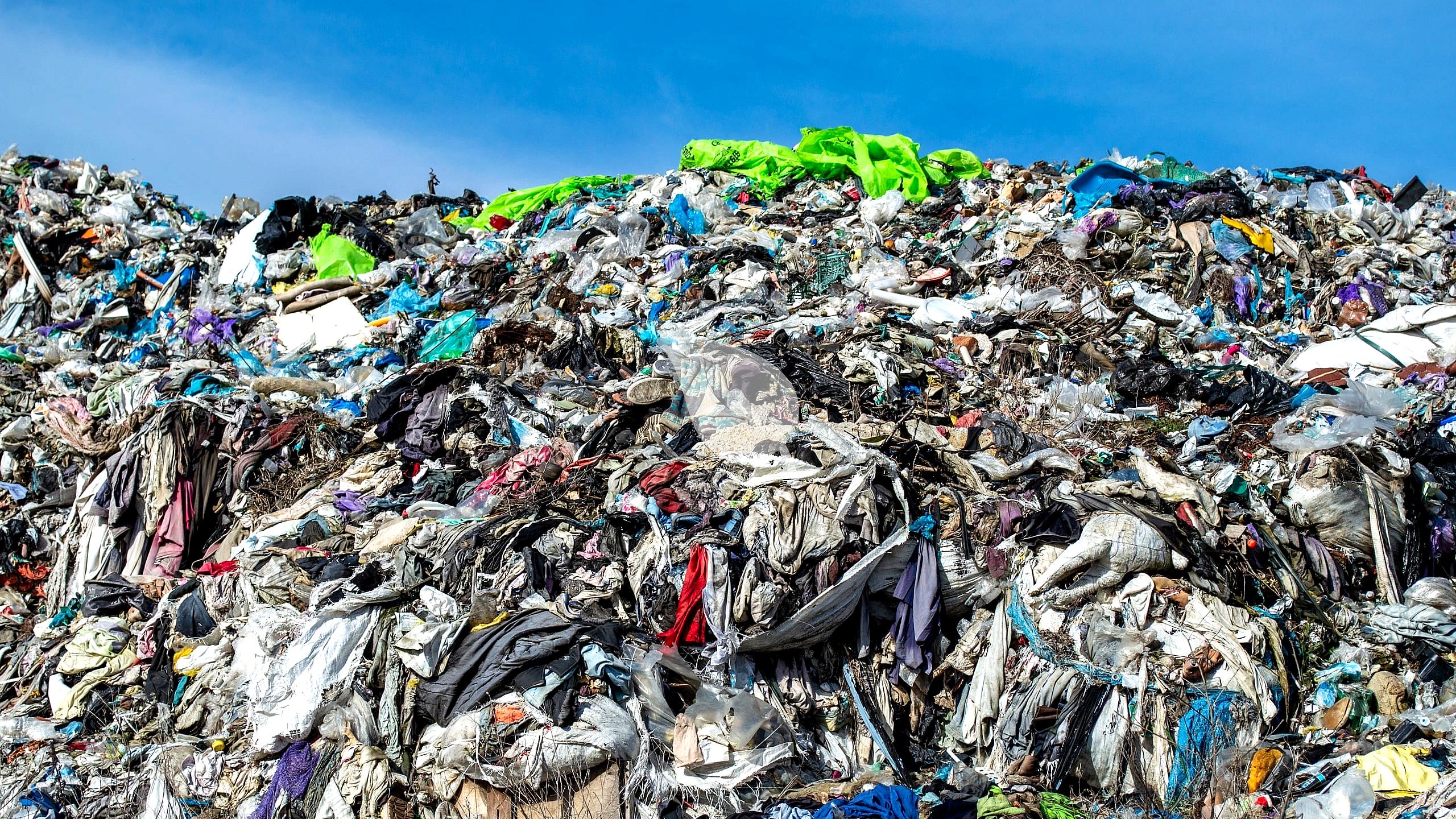
Did you know that a staggering 80% of children’s toys end up in landfills? Every year, mountains of forgotten dolls, action figures, and building blocks become part of a growing environmental crisis. This isn't just about clutter - it's a serious problem. Plastics from toys linger for hundreds of years, leaching harmful chemicals and adding to the global issue of plastic pollution.
The truth? This waste doesn’t just disappear. It pollutes our soil and water, releasing toxins that threaten children's health and well-being for decades to come. But here's the good news: recycling toys is a practical, proven way to slash waste and build a brighter, safer future for your kids. This ultimate guide reveals why the importance of recycling toys is greater than ever - and the specific steps you can take to make a real difference, starting today.
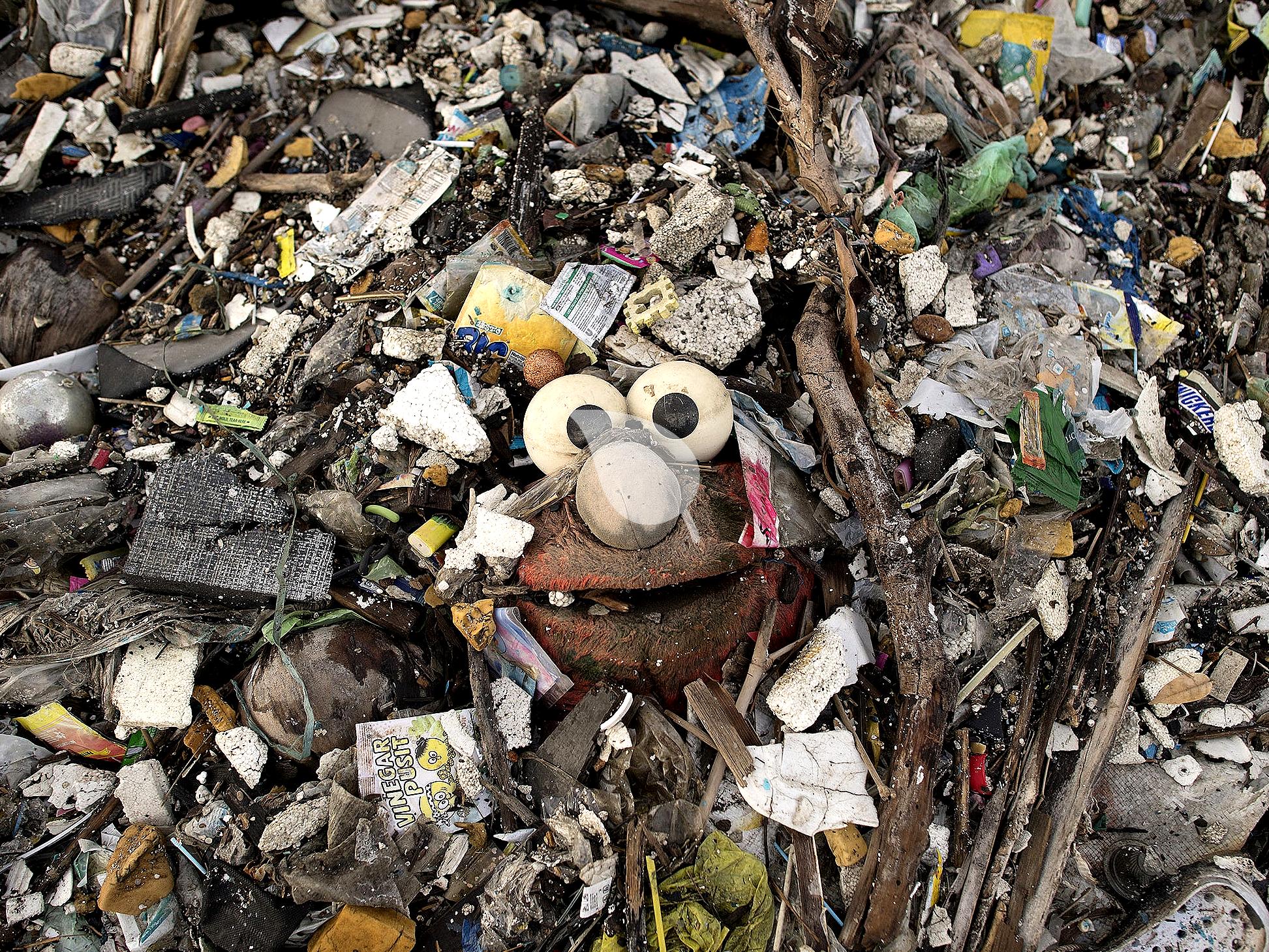
Understanding the Impact of Toy Waste
Imagine the toys scattered across your living room - the ones your child has outgrown, broken, or simply lost interest in. Now, picture all those once-beloved playthings piled high in a landfill. Multiply that by millions of households worldwide, and you’ve got a mountain - no, a mountain range - of plastic waste.
In fact, toys account for an estimated 6% of all landfill plastics globally (Yale Environment Review, 2024). That’s a mind-boggling statistic, especially when you realize most toys are made from plastics that don’t break down easily. The importance of recycling toys goes far beyond tidying your home - it’s about protecting the planet your children will inherit.
When you explore the toy lifecycle, it’s evident that every step - from production to disposal - has an impact: greenhouse gas emissions, plastic pollution, even potential health hazards from toxic materials. But understanding these issues is the first step toward change. In this comprehensive guide, you’ll discover:
- The true environmental costs of toy waste
- Health risks from recycled plastics (yes, not all recycling is safe!)
- Step-by-step methods for recycling and upcycling toys
- Smart, eco-conscious buying habits
- Creative recycling for kids that turns trash into treasure
Because every action counts, and the habits you teach today shape the world your kids will live in tomorrow.
Recycling Toys for Kids: Understanding Environmental Costs
The Toy Lifecycle and Its Impact
Toys might seem harmless, but behind every plastic truck or action figure is a hidden environmental price tag. Most toys are made of plastic - a material notorious for resource-hungry production and high greenhouse gas emissions.
Consider this: manufacturing a set of plastic building blocks like LEGO produces significantly more carbon emissions than crafting a wooden Jenga tower. Researchers at DePaul University found that plastic toys have a far greater environmental impact throughout their lifecycle - from fossil fuel extraction and energy-intensive plastic molding to the landfill where they’ll sit, leaching toxins, for centuries
And the problem is growing. Discarded toys accumulate at a shocking rate, with an estimated 80% ending up in landfills instead of being recycled or reused. These toys don’t just disappear: they become a permanent part of our waste problem, polluting ecosystems and contributing to toxic runoff.
Expert Insight: “If we can resist the urge to purchase new products and perhaps switch to products that can be reused or recycled, we can collectively have a much larger impact.”
- Sarah Levesque, Environmental Studies Researcher, DePaul University
Plastic vs. Wooden Toys: Which Is Better?
Let’s get real: not all toys are created equal. Wooden toys typically have a much lower environmental footprint than their plastic counterparts. Why? Two reasons:
- Sustainable Sourcing: Many wooden toys are made from responsibly harvested wood, a renewable resource with a smaller carbon footprint.
- Biodegradability: Unlike plastic, wood naturally breaks down over time, reducing landfill waste.
In contrast, plastic toys often hide a cocktail of harmful chemicals. Once discarded, they persist in the environment for centuries, posing ongoing risks to soil, waterways, and even the air we breathe. Choosing sustainably made or second-hand wooden toys isn’t just a nostalgic nod to the past - it’s a conscious step toward reducing long-term waste and emissions.
Pro Tip: Prioritize toys made from sustainable materials like certified wood, natural rubber, or recycled metals to minimize environmental impact.
Real-World Example: Hasbro’s Recycling Revolution
Hasbro, one of the world’s largest toy companies, launched a dedicated recycling program that has already saved over 20 tonnes of plastic waste. Old toys are repurposed into useful community products like playground benches, demonstrating the massive potential when companies and parents work together.

Did you know?
Toys make up 6% of all landfill plastics worldwide (Yale Environment Review, 2024).
Transition: Wondering how recycling toys can secure a healthier future for your kids? Let’s dive in.
Benefits of Recycling Toys for Your Kids' Future
Building Sustainable Habits in Children
Recycling isn’t just for environmentalists - it’s an essential life skill, especially for kids growing up in an uncertain world. When you model eco-friendly behaviors like recycling toys, your children learn to value resources, reduce waste, and take responsibility for their surroundings.
Kids develop habits through mimicry. If the family makes recycling a regular event - sorting outgrown toys, discussing why waste matters, and seeking creative ways to upcycle - children internalize these values. Early exposure to environmental stewardship leads to lifelong eco-conscious behaviors, turning sustainability from an abstract idea into a daily practice.
Pro Tip: Involve kids every step of the way - let them help sort, clean, and even deliver toys to recycling centers. Explain the "why" behind every action to nurture curiosity and responsibility.
Health and Environmental Legacy
Reducing plastic waste through toy recycling isn’t just about keeping the planet pretty. It’s about lowering the risk of toxic exposure for your kids and their peers. Many plastic toys contain harmful chemicals that, over time, can leach into the environment or even make their way back into new products - posing threats to children's health.
By making sustainable choices - whether that’s recycling, upcycling, or consciously purchasing toys made from safe materials - you’re helping combat climate change impacts and supporting cleaner, safer play environments. Cleaner communities mean safer spaces for your children to grow, play, and thrive.
Real-World Example: Family Recycling in Action
Families who adopt toy recycling report a dramatic increase in their awareness and commitment to sustainability. For instance, the Walker family from Seattle implemented a “toy rotation and recycling day” every month. The result? Less clutter, more meaningful play, and kids who now insist on checking labels for eco-friendly certifications. Little steps spark big change.
Expert Quote: “If we can resist the urge to purchase new products and perhaps switch to products that can be reused or recycled, we can collectively have a much larger impact.”
- Sarah Levesque, DePaul University
Cleaner Communities, Safer Play
As plastic waste is reduced through recycling and conscious purchasing, community spaces become cleaner and greener. Parks, playgrounds, and local streams benefit from less pollution - directly impacting the spaces where your child learns, explores, and builds memories.
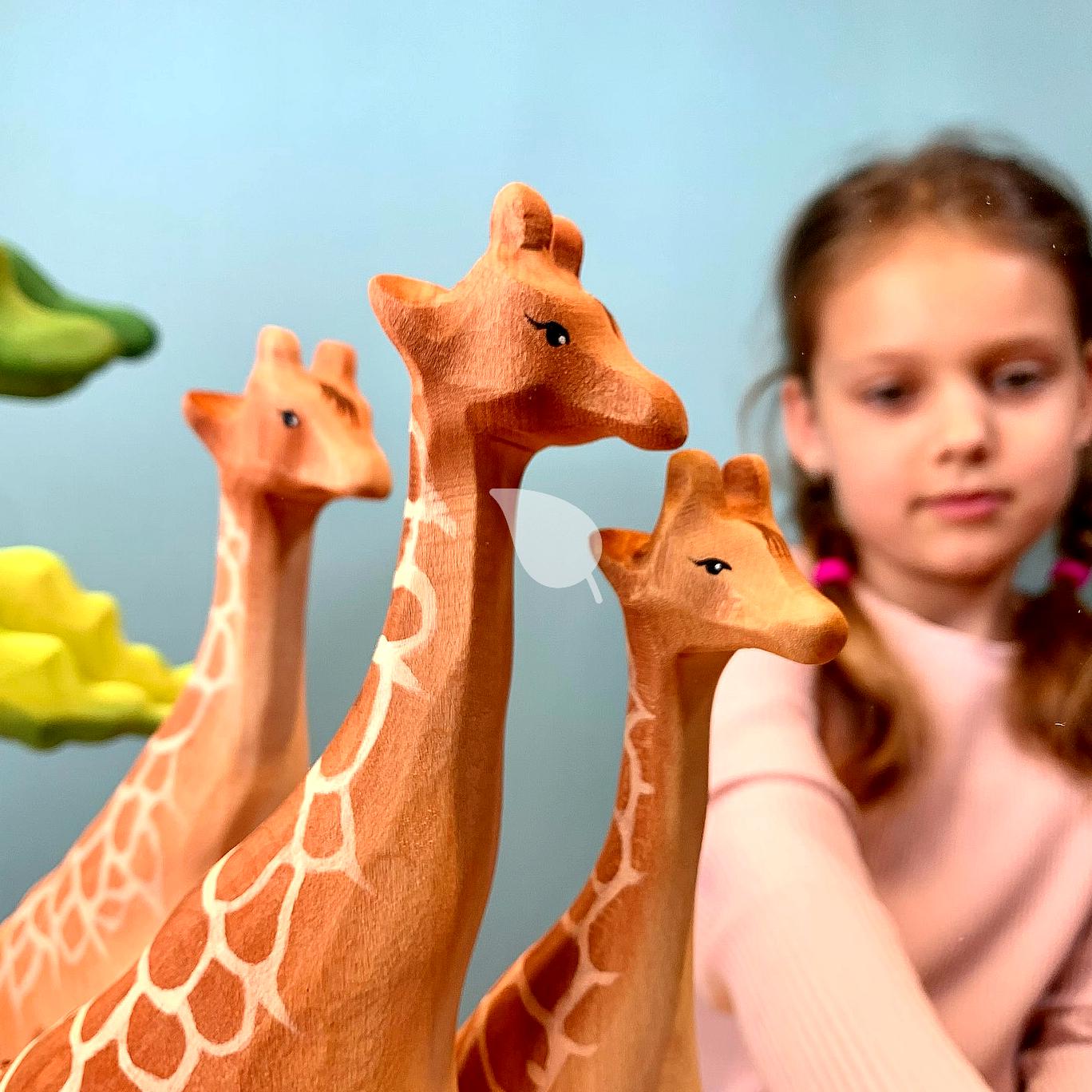
Tip: Community workshops on toy reuse and recycling boost family engagement in sustainability - consider joining or starting one in your town!
Transition: Understanding the environmental and health risks of recycled toys is the next step in safe eco-parenting.
Risks of Recycled Plastic Toys and Safe Alternatives
Health Concerns from Toxic Chemicals
It might sound surprising - even a bit unsettling - but not all recycled plastic toys are safe. Some contain dioxins and toxic chemicals at levels that exceed EU safety standards. These substances, which accumulate during repeated recycling processes, can threaten your children’s health if they’re exposed through touch or mouthing behaviors.
Expert Warning: “We were shocked to find that children could be exposed to significant amounts of highly toxic chemicals from recycled plastic toys.”
- Dr. Peter Behnisch, Lead Researcher, BioDetection Systems (IPEN Study, 2024)
This news is understandably alarming for any parent who thought all recycling was safe by default. Transparency about materials and production processes is crucial. Always look for brands and programs that certify their products as toxin-free and disclose their sourcing.
Safe Toy Recycling and Alternatives
So, what can you do? Choose toys made from certified toxin-free or natural materials like wood, cotton, or recycled metals. Second-hand wooden toys are a safer bet - they’re durable, less likely to harbor dangerous chemicals, and often come with a classic charm kids love.
Additionally, seek out recycling programs and brands that are open about their processes. Look for third-party safety certifications and eco-labels (like FSC for wood or OEKO-TEX for fabrics). These guarantee that toys meet strict safety and sustainability standards.
Warning: Avoid toys with unknown recycled plastic content - especially those lacking transparency or clear certifications.
Safe Brand Examples
- Green Toys: Uses food-safe, post-consumer recycled plastics, rigorously tested for toxins.
- PlanToys: Crafts toys from sustainably harvested wood with organic, water-based dyes.
Pro Tip: Check for eco-certifications and safety labels before purchasing or recycling toys. When in doubt, reach out to the brand for detailed information.
Transition: Ready to take action? Here’s your practical guide to recycling and upcycling toys safely.
How to Recycle Toys Effectively: A Practical Guide
Join Major Toy Recycling Programs
Some of the world’s leading toy manufacturers now offer robust recycling initiatives. Programs like Hasbro’s Toy Recycling let you drop off or mail in old toys, which are then broken down and transformed into useful community products - from playground equipment to park benches. Participating in these programs not only helps reduce landfill waste but also sends a strong message to your children about responsible consumption.
- Locate Local Drop-off Points: Visit the brand’s website or call your local recycling center for drop-off locations.
- Mail-In Options: Many programs provide pre-paid labels for easy shipping - no excuses for letting those toys gather dust!
- Community Drives: Some neighborhoods organize group collections, making recycling a social, impactful event.
Real-World Example: Hasbro’s Program in Practice
In 2024 alone, Hasbro’s recycling program collected 20 tonnes of plastic toys, repurposing them into playgrounds and benches that now benefit thousands of children.
DIY Upcycling and Repurposing
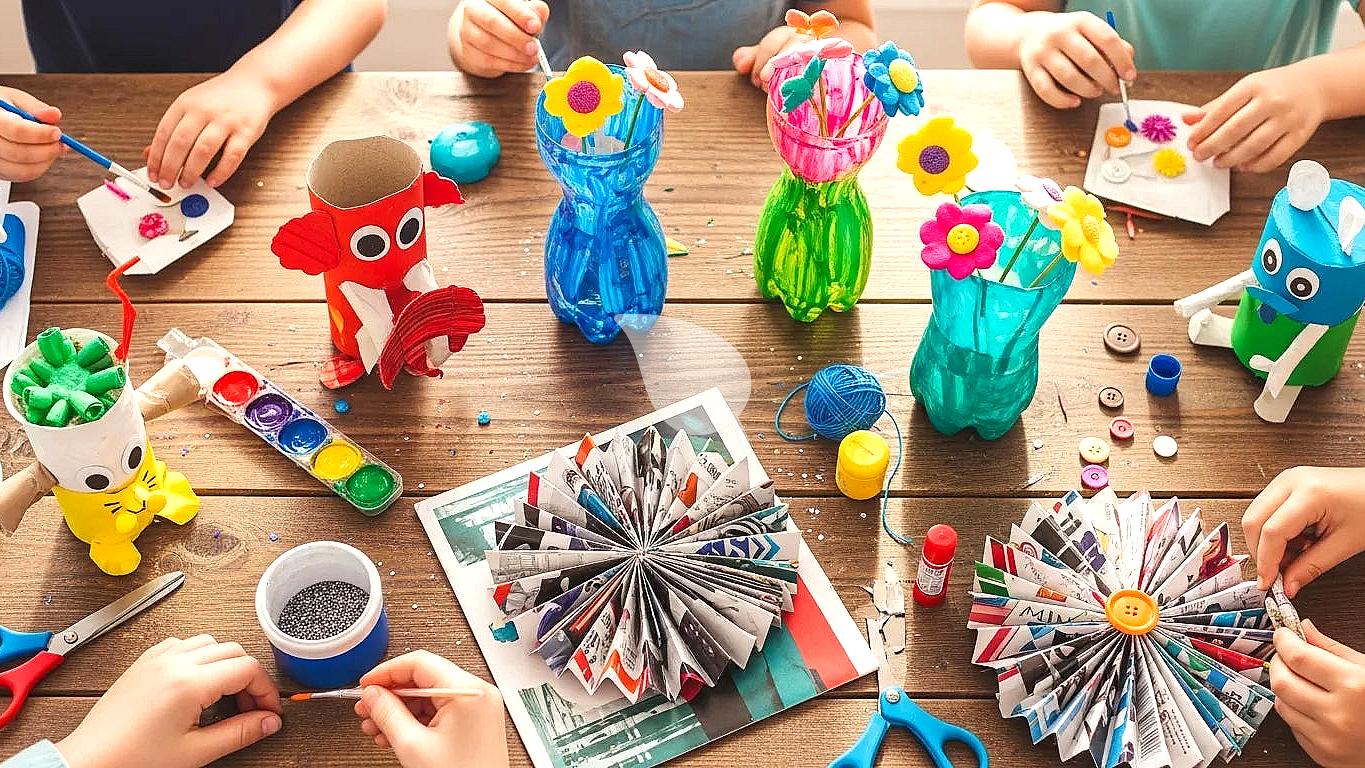
Not every toy needs to be shipped off to a facility. DIY upcycling projects transform old toys into new treasures - planters, bookends, keychains, or even quirky wall art. Involving your children in these projects sparks creativity, strengthens family bonds, and extends the life of objects that might otherwise be tossed.
- Simple Crafts: Turn broken toy cars into succulent planters.
- Creative Art: Use puzzle pieces to decorate picture frames.
- Functional Upcycling: Repurpose blocks into personalized coat hooks.
Tip: Download a Toy Recycling Checklist to get started - hang it on your fridge for easy family reference!
Community Engagement Example
Community centers in cities like Austin, Texas, have hosted toy upcycling workshops where families work together to repurpose old toys. The result? Less waste, more fun, and families walking away with unique, handmade mementos.
Transition: Choosing eco-conscious toys is the next step in a truly sustainable parenting journey.
Eco-Conscious Toy Choices for Parents
Spotlight on Sustainable Toy Brands
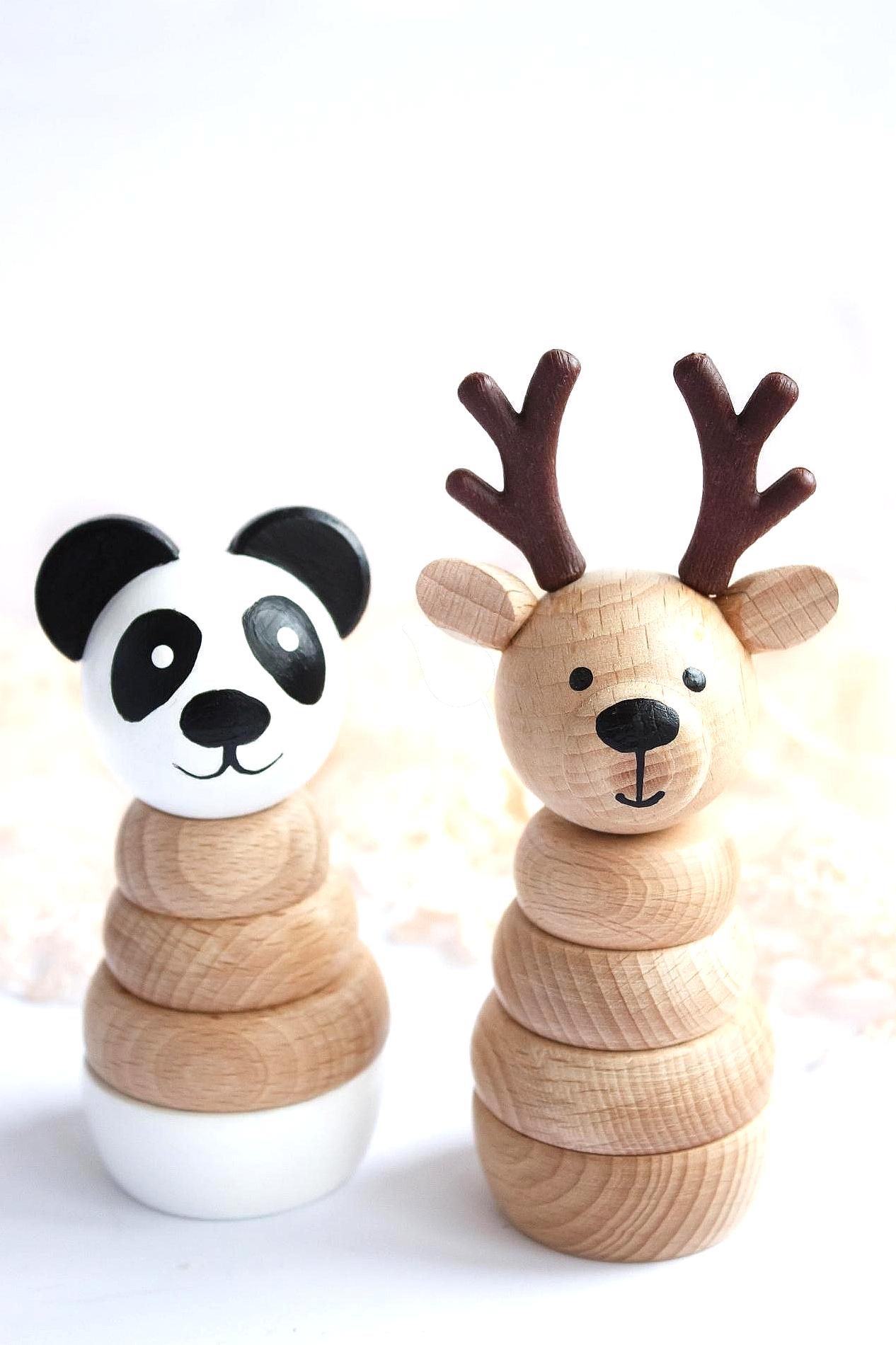
With growing awareness of the importance of recycling toys, more brands are taking sustainability seriously. Seek out companies that use wooden, biodegradable, or certified recycled-safe materials. Reputable brands will show off their certifications - like FSC for wood, or OEKO-TEX for fabrics - proving their commitment to environmental standards.
- Green Toys: Uses 100% post-consumer recycled plastic, tested for safety.
- PlanToys: Focuses on chemical-free, sustainably harvested wood.
- Hape: Known for biodegradable, water-based paints and glues.
Before buying, dig into the brand’s website. Look for transparent supply chains, published sustainability reports, and third-party validation. If a company is vague about materials or sourcing, that’s a red flag - move on!
Checklist for Buying Eco-Friendly Toys
Not sure where to start? Use this buying checklist:
- Materials: Prioritize wood, fabric, or recycled-safe plastics with certifications.
- Transparency: Choose brands openly sharing their sustainability efforts and material sourcing.
- Second-Hand Options: Gently used toys from trusted sources reduce demand for new plastic.
- Durability: Select toys designed to last, not just for a season.
- Eco-Labels: Look for recognized certifications indicating environmental compliance.
Tip: Combine smart purchasing with active recycling to maximize your family’s environmental impact.
Parent Testimonial
After switching to eco-certified brands, the Martinez family noticed their toy bin shrank - but their kids’ creativity soared. “We spend less, waste less, and feel proud knowing we’re helping the planet,” says mom Alicia.
Transition: Still have questions? Let’s clear up the most common concerns parents have about recycling toys.
Action Steps: How to Start Recycling Toys Today
Here’s your step-by-step plan to transform your family’s approach to toy waste:
-
Identify Toys to Recycle or Upcycle
- Gather unused or broken toys from around your home - make it a family activity.
- Sort them by material (plastic, wood, fabric) and condition. Some toys will be perfect for donation, others for recycling or upcycling.
- Avoid toys with unknown or questionable recycled plastic content to minimize toxin risks.
- Example: Create a clearly labeled “Recycle/Upcycle” box where family members can deposit toys throughout the month.
-
Participate in Local or Brand Recycling Programs
- Research recycling programs (like Hasbro’s) online - many offer convenient drop-off or mail-in options.
- Check with your local community for collection drives or recycling events.
- Example: Set a reminder to visit a recycling center or participate in a monthly drop-off event.
-
Engage Kids in DIY Upcycling Projects
- Pick fun, age-appropriate crafts that repurpose old toys.
- Use online guides or community workshops for inspiration. Teach kids why upcycling matters.
- Example: Turn broken toy parts into custom keychains, plant pots, or fridge magnets.
-
Choose Sustainable Toys When Buying New
- Refer to eco-friendly toy checklists before shopping.
- Select wooden or certified recycled-safe brands. Consider durability and long-term use.
- Example: For your child’s next birthday, opt for a classic wooden puzzle over a flashy plastic one.
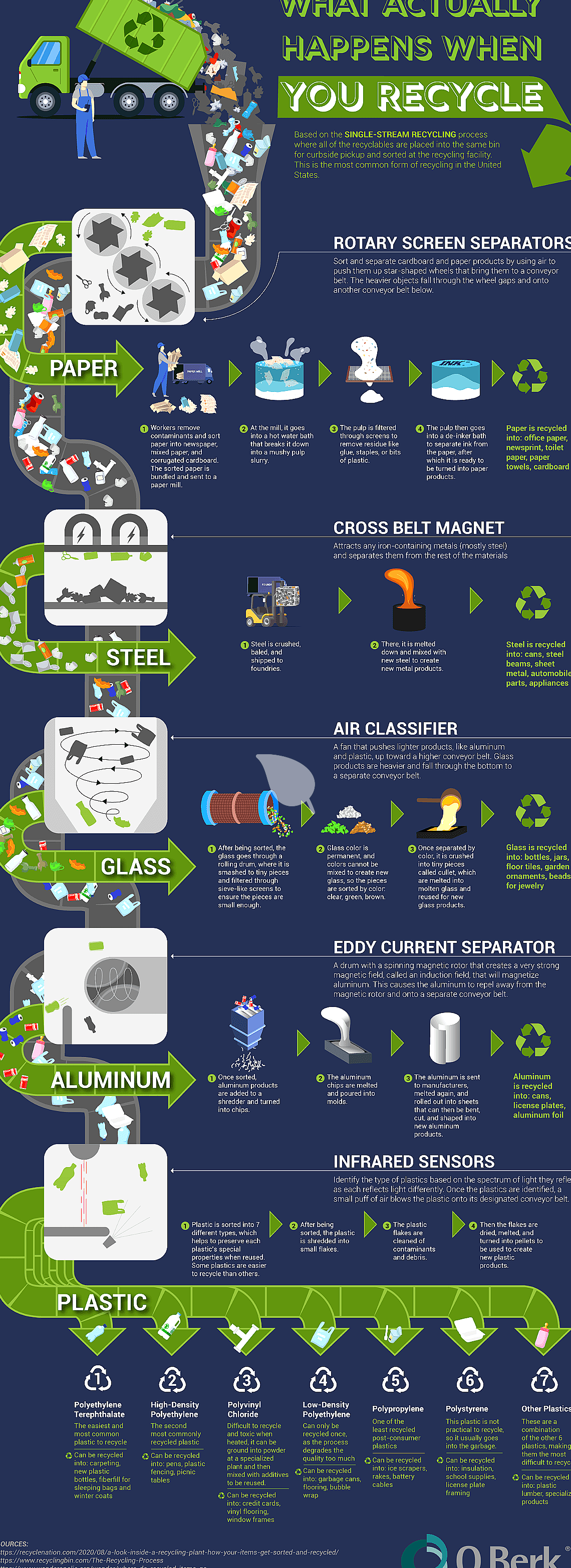
Mistakes to Avoid When Recycling Toys
-
Recycling All Toys Without Checking Materials: Not every toy is recyclable or safe. Some plastics contain toxins or mixed materials that can’t be processed. Fix: Always check toy composition and local recycling rules before dropping them off.
-
Ignoring Safety Risks of Recycled Plastics: Assuming all recycled toys are safe can put your child at risk of toxic exposure. Fix: Choose certified safe toys and vetted recycling programs. Look for transparency and clear labeling.
-
Not Involving Children in Recycling Habits: Skipping kid participation is a missed teaching opportunity. Fix: Make recycling a regular family activity with clear explanations about why it matters.
Tools and Resources for Toy Recycling
-
Hasbro Toy Recycling Program: Corporate-led initiative collecting unwanted plastic toys and repurposing them into community products like benches and playground equipment. Allows parents to dispose of toys responsibly while supporting a circular economy.
-
Toy Recycling Checklist PDF: Downloadable, step-by-step guide for identifying recyclable toys and ensuring safe practices. Simplifies decision-making for busy parents.
-
DIY Upcycling Guides: Hands-on, stepwise projects for repurposing old toys with your children. Engages families in meaningful, sustainable activities that reduce waste and inspire creativity.
Real-World Examples of Toy Recycling Success
-
Hasbro Toy Recycling Program: In 2024, Hasbro collected over 20 tonnes of unwanted plastic toys. The materials were recycled and transformed into playgrounds and park benches, directly benefiting local communities while keeping plastic out of landfills.
-
DePaul University Study: Life cycle analysis compared emissions from popular plastic and wooden toys. The study found LEGO’s plastic blocks had significantly higher greenhouse gas emissions than wooden Jenga sets, providing parents with data to make sustainable choices.
-
Family DIY Upcycling Projects: Parents and children across the country are getting creative with upcycling. In Portland, the Lee family repurposed dozens of old figurines into garden markers and decorative planters, reducing toy waste and building environmental awareness together.
Conclusion: Embrace the Importance of Recycling Toys
The importance of recycling toys is impossible to ignore. Every toy you recycle helps fight environmental waste, keeps harmful chemicals out of the ecosystem, and directly protects your child’s health. Beyond the physical benefits, recycling and upcycling toys foster sustainable habits that last a lifetime - empowering your family to leave a positive imprint on the planet.
By participating in recycling programs, engaging in creative DIY projects, and making eco-conscious choices when shopping for new toys, you equip your children with essential values and practical skills. The world they inherit will be shaped by the choices you make today.
Imagine a future where playgrounds are built from recycled toys, children play free from toxic plastic, and families unite around a cause that truly matters. That’s the legacy of smart, sustainable parenting.
Ready to take the next step? Join 5,000+ eco-parents and get weekly sustainability tips straight to your inbox. Together, we can transform toy waste into a brighter, cleaner future for every child.
Tags
Join Our Mission
Support our conservation efforts and make a difference today.