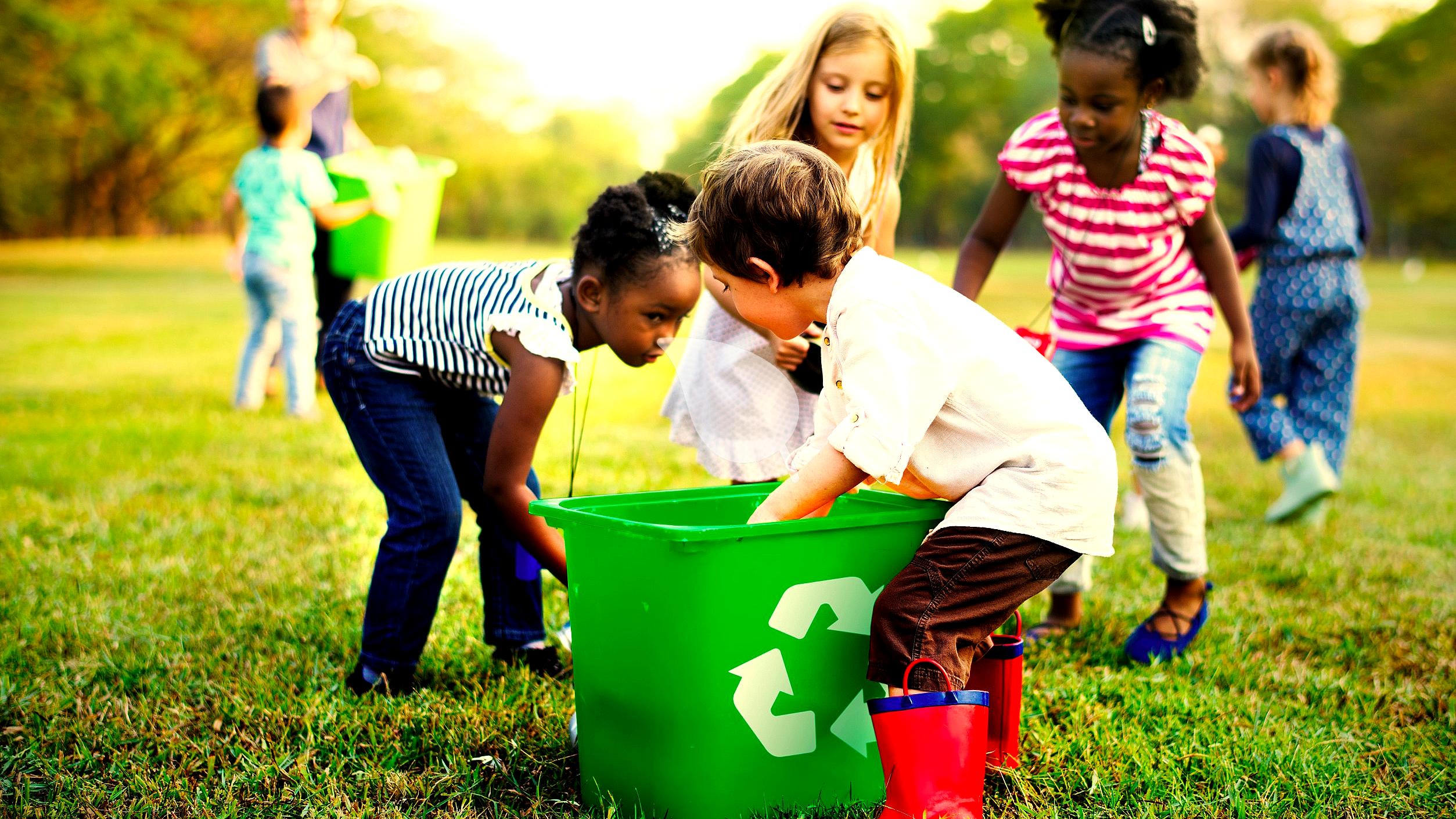
Can your kid be a planet superhero? Absolutely. But here’s the problem: a lot of children (let’s be honest, plenty of grown-ups too) think eco-topics are dull, even overwhelming. That means they miss out on real, hands-on chances to make a difference. If you’re searching for fun ways kids can help save the planet that actually get them excited, you’re in the right place.
This guide skips boring lectures and dives into easy, practical steps - think exciting crafts, family-friendly tips, and simple eco-adventures (no lectures, all action). Expect recycling activities, creative upcycling projects, and proven ways to ignite your child’s inner eco-hero. Ready to get your family involved? Let’s jump in!
Why Kids Are Planet Heroes
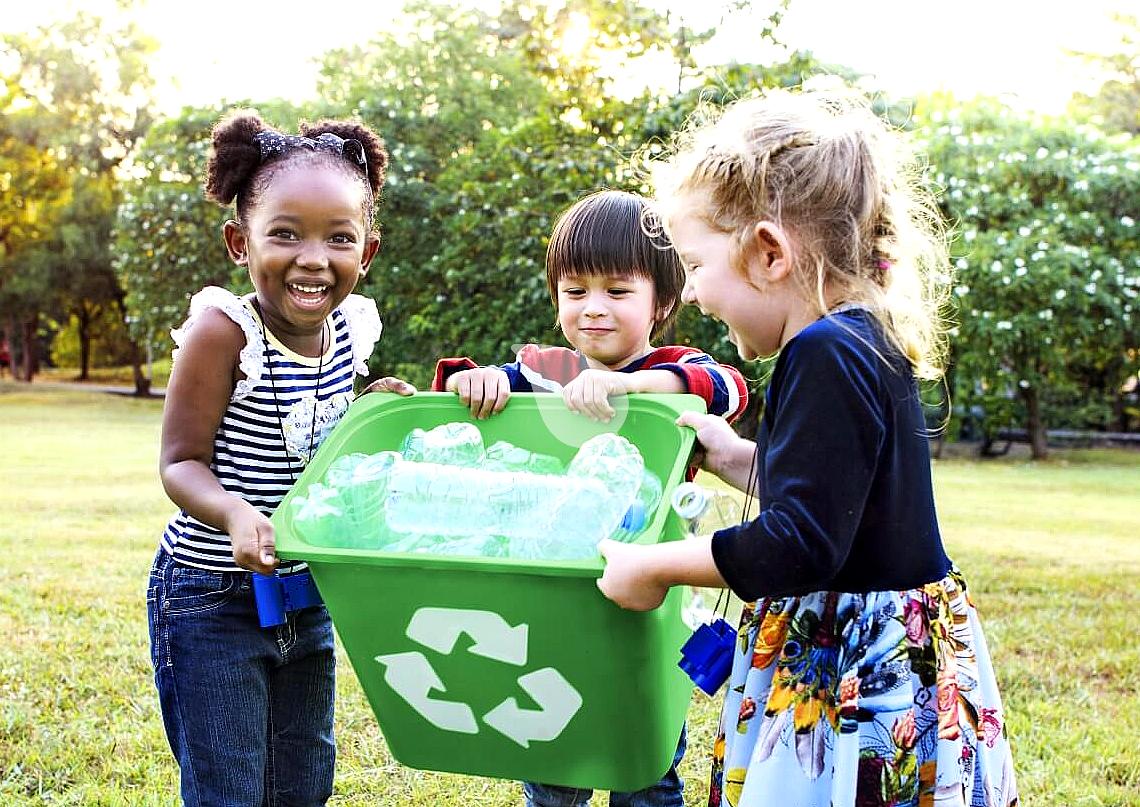
Picture a family kitchen, lively with chatter and laughter. Instead of tossing everything in the trash, everyone races to sort cans and bottles into colorful bins. Maybe they’re even competing for “Recycling Champion of the Day.” What starts as a chore becomes a daily game - one that sparks learning and brings families closer together. This is how ordinary days transform into planet-saving missions.
Did you know recycling just one ton of paper saves 17 trees and 7,000 gallons of water? (EPA) Kids who learn these facts aren’t just memorizing numbers - they’re building a sense of pride and ownership. When eco-activities are framed as playful crafts and games, not only do children help the planet, but they also develop lifelong responsibility.
But here’s the magic: the right activities make helping the earth as fun as a birthday party - and just as memorable. Whether you’re crafting a bird feeder from a milk carton or mapping out a backyard compost, every action counts.
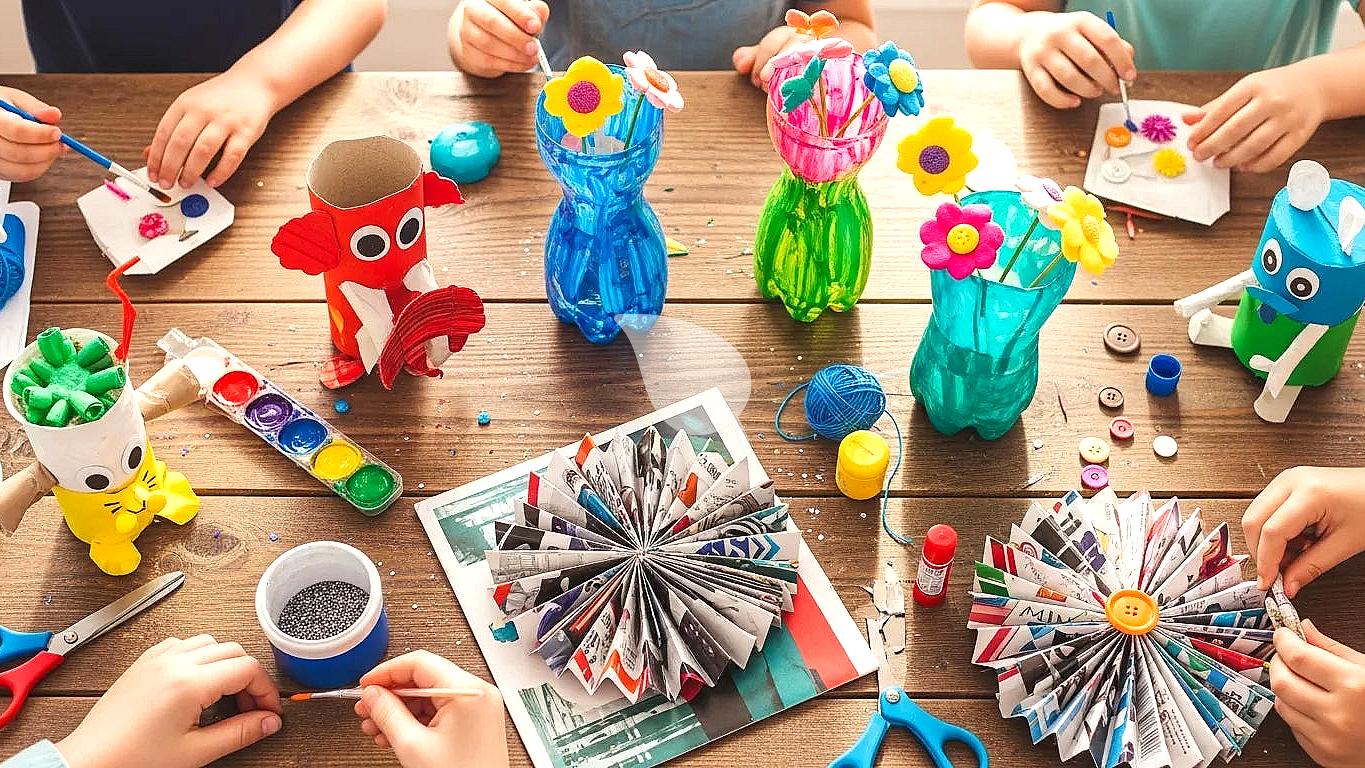
In this post, you’ll discover 10 easy and creative ways kids can save the planet (and love every minute of it), plus a free printable eco-challenge kit to track your progress together. Want even more inspiration? Don’t forget to try these crafts made from recyclables - kids can create and help the planet at the same time.
10 Fun Recycling Activities for Kids
Finding genuinely fun ways kids can help save the planet doesn’t mean hours of lectures or expensive supplies. With a pinch of creativity and a dash of enthusiasm, eco-friendly habits can become your child’s favorite part of the week.
Crafts from Household Recyclables
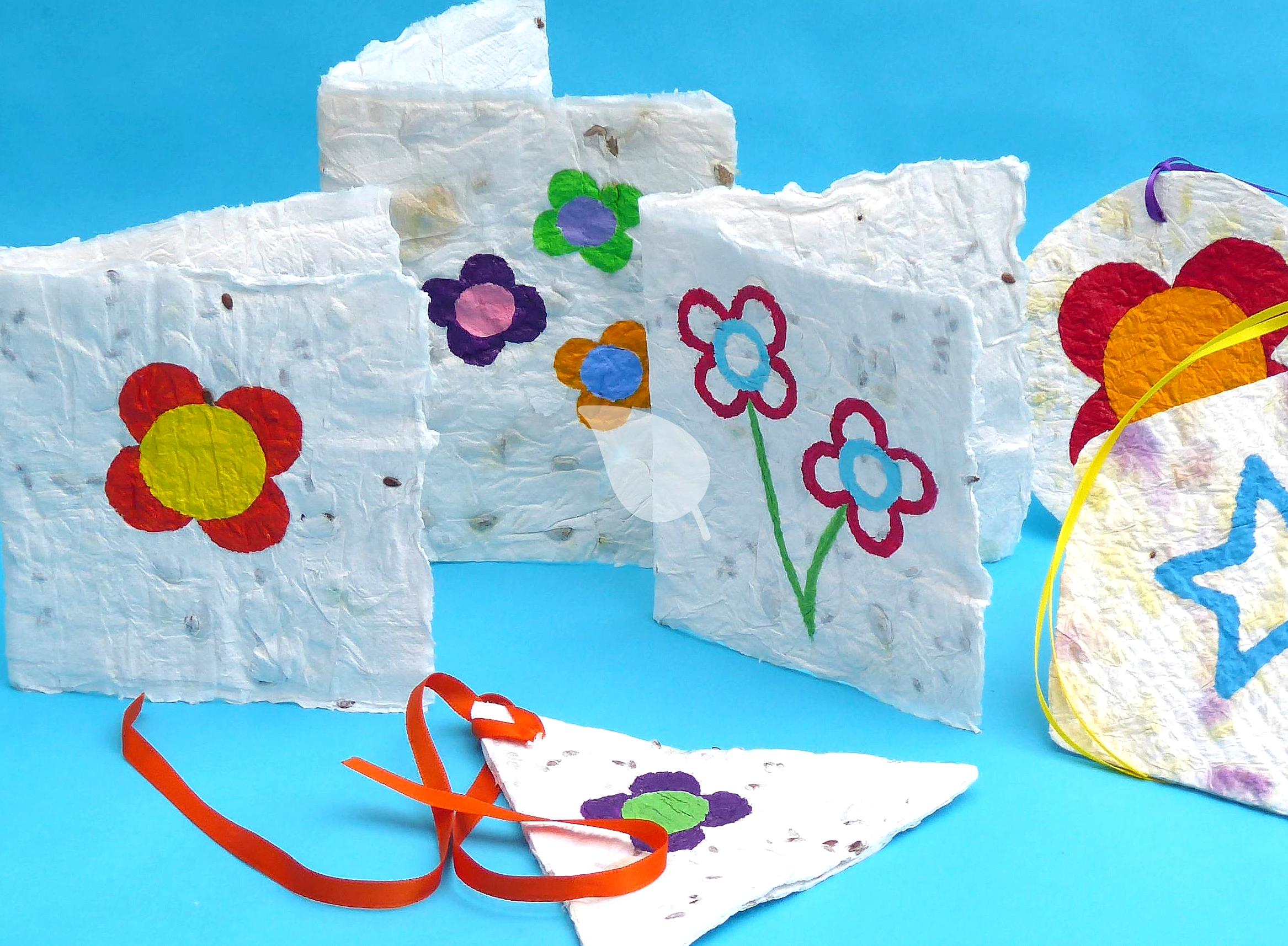
Why not turn old paper rolls, boxes, and milk cartons into superhero gadgets, wild animal masks, or colorful robots? These DIY upcycled crafts do more than curb waste - they spark creativity and teach invaluable sustainability habits. When children use their hands to create art from recyclables, they’re not just making something pretty; they’re learning that trash can have a second life.
Explain to your child, “Recycling is a real-life superpower. Every time you reuse something, you’re saving energy, water, and natural resources. That’s exactly what superheroes do - they help the world!” Make it relatable and you’ll see their eyes light up.
Want to keep the momentum going? Encourage kids to display their eco-crafts in your home or classroom. When their projects take center stage, children take ownership and pride in their planet-protecting efforts.
Expert Pull Quote: “Hands-on activities like crafts from recyclables spark lifelong eco-habits in children.”
- Dr. Jane Goodall, janegoodall.org
Example: Bird Feeder from a Milk Carton
Grab an empty milk carton, clean it, and cut out a window on the front. Let your child paint it with non-toxic colors, attach a string for hanging, and fill it with birdseed. Every morning, watch birds flock to your eco-friendly feeder - a small action, a big lesson in stewardship.
Pro Tip: Always use non-toxic, child-safe materials for crafts. Local schools that ran recycling crafts programs saw up to 40% less waste in just a year!
Next up: let’s turn food scraps into gold (well, black gold) with composting.
Curious about more creative recycling for kids? Check out our guide to creative recycling for kids.
Make Composting Fun and Educational
Composting isn’t just for gardeners. It’s a brilliant, hands-on way for kids to see how nature recycles and transforms waste into something new - rich, dark soil that helps plants grow.
Simple Home Composting for Beginners
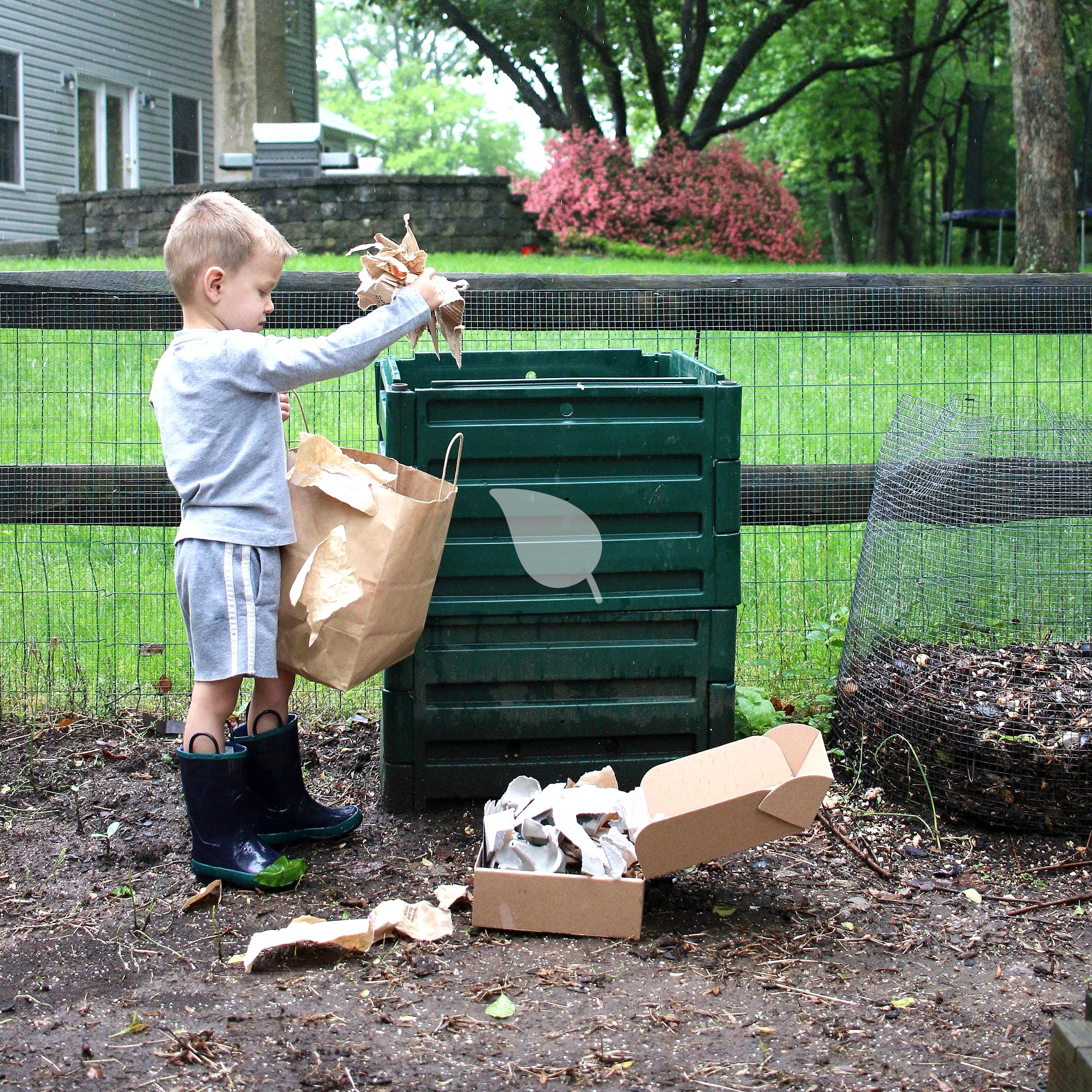
Start easy. Place a small compost bin in your kitchen or backyard. Every banana peel, apple core, and carrot top becomes a ticket to a science experiment. Show kids how these scraps will, in a few weeks, turn into nutrients for your garden. Use simple analogies, like, “Compost is nature’s way of recycling - like magic for the earth.”
Involve your kids in every step. Let them drop in scraps, help with turning the pile, and watch as the bin transforms. Hands-on experience is the best teacher: research shows that kids involved in composting can help reduce household waste by almost 30%!
Example: Family Composting Routine
One family set up a child-friendly compost bin on their apartment balcony. Each night, their kids eagerly checked what new scraps they could add and took turns mixing the pile. Within two months, they produced enough compost to start a small herb garden - reinforcing the full cycle from waste to growth.
Did You Know? Composting not only cuts waste but connects children to nature’s cycles. Kids learn that their apple cores and veggie peels can bring new life to their backyard or window box.
Tip: Avoid composting meat or dairy scraps. Stick to fruit, veggies, eggshells, and coffee grounds for the safest, stink-free mix.
National Geographic highlights how family composting reduces landfill waste and sparks curiosity in young learners. Want to start composting today? Here’s our beginner guide to family composting.
Ready to get outside? Let’s see how your family can make a visible impact with neighborhood cleanups.
Organize Family Nature Cleanups
Getting outside and cleaning up your local park, playground, or beach is one of the most visible, high-impact fun ways kids can help save the planet. Not only does it clean up your community, but it also teaches children that their actions matter - immediately.
Fun Outdoor Eco-Adventures
Make it an adventure. Plan a monthly (or even weekly) litter pickup day. Hand out gloves, secure bags, and maybe even create a “litter leaderboard” for a healthy competition.
Turn the cleanup into a game: who can find the weirdest piece of trash? Who fills up their bag fastest? Offer small prizes (a homemade eco-star badge or the right to choose dinner) to keep motivation high. According to Keep America Beautiful, family cleanups can remove 10-20 pounds of litter per hour - imagine the impact over a month!
Discuss the bigger picture as you work. Explain how plastic wrappers or stray cans can harm wildlife, pollute waterways, and make public spaces unsafe. When kids see the direct effect of their efforts, pride in stewardship grows naturally.
Example: Local Park Cleanups
A neighborhood group began hosting monthly family-friendly park cleanups. Kids as young as five got involved, excited to spot and collect litter. After just three events, the park was noticeably cleaner, and families bonded over hot chocolate picnics afterward.
Pro Tip: Always provide child-sized gloves and sturdy bags. Make it safe, make it fun, and don’t forget a group photo for your family eco-scrapbook!
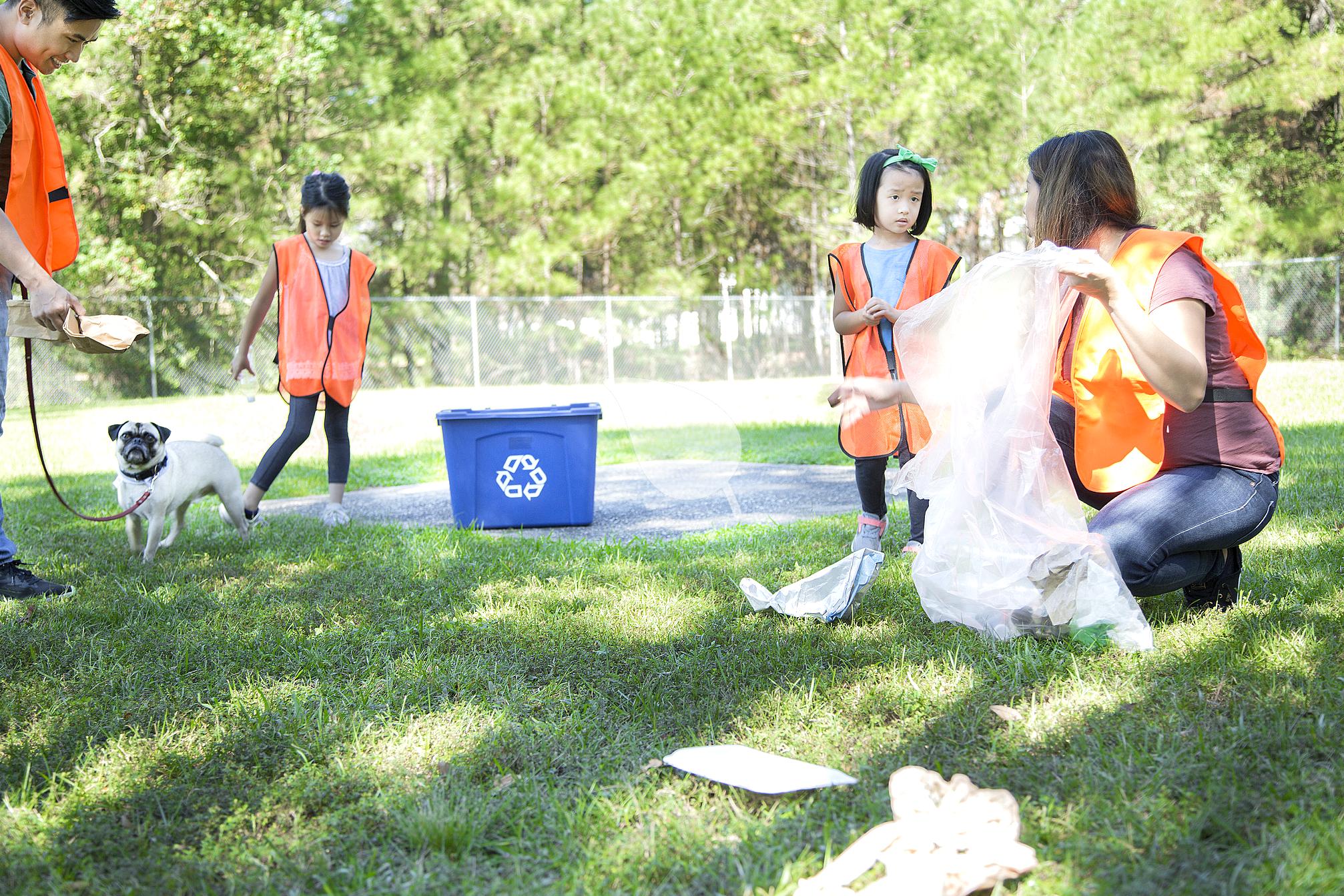
And if your child loves a scavenger hunt, try a nature-themed cleanup - challenge them to find “hidden” litter or specific items. Looking for more Earth Day fun? Discover more Earth Day fun with activity ideas for the whole family.
Track Your Eco-Hero Progress
Transforming small efforts into big habits is easier when you can see your accomplishments. Children thrive on encouragement and love visual progress trackers, so why not make your eco journey a real adventure with a printable challenge?
1. Download Our Printable 10-Day Eco Challenge
Turn eco-friendly activities into an engaging 10-day adventure. Download our free printable calendar packed with daily, easy-to-complete challenges. Each activity - like making a recycled craft, adding to the compost, or picking up litter - takes less than 10 minutes, ensuring the process stays fun instead of overwhelming.
Example: Each day, your child completes a new recycling or nature task, then places a sticker or draws a star on their calendar. Kids look forward to the next challenge, and you build positive, planet-saving routines together.
2. Use a Reward System to Motivate
Set small, meaningful prizes for challenges completed: perhaps an “eco-star” badge, extra bedtime stories, or the right to pick the next family activity. Just remember, the real goal is fun and pride in making a difference - not simply racking up rewards.
Example: After earning five eco-stars, your child gets to choose a special family outing. You’ll see their excitement and responsibility soar.
3. Celebrate Family Success Together
Share photos, stories, and even the occasional mishap on your fridge, online, or in a family scrapbook. Make a big deal out of every effort. Praise the process, not just the outcome. Building eco-habits together creates stronger family bonds and lasting memories.
Example: One family created an “eco-hero” scrapbook with snapshots of every project, cleanup, and compost pile. Years later, those pages still spark smiles and pride.
Mistakes to Avoid When Teaching Kids Eco Habits
Getting kids excited about helping the planet can be tricky. Here are three common missteps - and proven fixes - to keep things positive and effective:
-
Making Activities Too Long or Complex
- Kids, especially younger ones, have short attention spans. Drag out a recycling craft for an hour and you’ll lose them. Instead, keep tasks under 10 minutes and use straightforward materials everyone has on hand.
-
Lack of Parental Involvement
- Kids need to see you care before they’ll get on board. If you’re only watching from the sidelines, don’t expect buy-in. Jump in, get messy, and show them you’re just as excited to help the planet.
-
Focusing Only on Facts, Not Fun
- Flooding kids with statistics or expecting them to “just get it” is a recipe for boredom. Instead, frame lessons as games, crafts, and friendly competitions. Add rewards and praise for effort to make sustainability stick.
Helpful Tools and Resources for Families
Empower your eco-hero journey with these handy resources:
-
Printable Kid Eco-Hero Checklist
- This daily tracker offers bite-sized, actionable eco-challenges. Kids love sticking on badges and seeing their progress.
-
Eco-Hero Apps for Kids
- Several free or low-cost apps turn recycling and sustainable habits into fun games. Look for ones with interactive challenges, colorful graphics, and rewards for participation. Perfect for tech-savvy kids.
-
Local Community Cleanup Groups
- Many towns and cities host family-friendly environmental cleanups. These events are safe, social, and a great way to meet like-minded families while making a visible impact.
Success Stories from Families and Schools
School Recycling Program Success
A local elementary school launched a student-led recycling crafts and composting initiative. Kids took charge, designing bins, scheduling collection days, and leading craft workshops. Within a year, waste from classrooms dropped by 40%. More importantly, student enthusiasm for planet-friendly habits soared - and younger siblings begged to join in at home.
Family Earth Day Challenges
During April, dozens of families downloaded eco-challenge trackers and committed to 10 days of recycling, composting, and nature cleanups. Participation increased by 25% over the previous year, thanks to small prizes and friendly neighborhood competitions. Parents reported more meaningful conversations about the planet, and children felt proud to be “eco-heroes” in their own right.
FAQ: Fun Ways Kids Can Help Save the Planet
What are easy ways for kids to recycle?
Kids can help sort recyclables at home by separating paper, plastics, and glass into clearly labeled bins. Use colorful stickers and pictures on bins to help younger children remember what goes where. Make a game out of recycling by setting a timer - who can sort the most items correctly in one minute? Involving the whole family turns recycling activities for kids into a daily, fun routine. For more detailed tips, see our section on how to teach kids about recycling.
How to make composting fun for children?
Choose a small, easy-to-handle compost bin and place it where kids can reach. Explain composting as nature’s recycling system - a banana peel today becomes garden soil tomorrow. Let children add scraps themselves and, every week, check the soil’s progress together. Use stories or analogies (like “compost critters are tiny helpers”) to make the process exciting. For more tips, explore our kids composting at home section above.
Best books for kids on saving the planet?
Choose books with colorful illustrations, relatable stories, and simple eco-facts. Popular titles include The Lorax by Dr. Seuss, Compost Stew by Mary McKenna Siddals, and What a Waste by Jess French. Reading these together opens up engaging conversations about how every child can help save the planet.
Conclusion: Empower Kids to Be Planet Heroes
Every child, with the right encouragement and a splash of creativity, can discover fun ways kids can help save the planet. Whether you’re crafting upcycled treasures, composting scraps, or leading nature cleanups, these habits don’t just help the earth - they build confidence, curiosity, and pride in your young eco-hero.
The best part? These eco-friendly activities create lasting family traditions and lifelong stewardship. You’ll bond over silly crafts, backyard science, and outdoor adventures, while quietly building the next generation of planet protectors.
Tags
Join Our Mission
Support our conservation efforts and make a difference today.