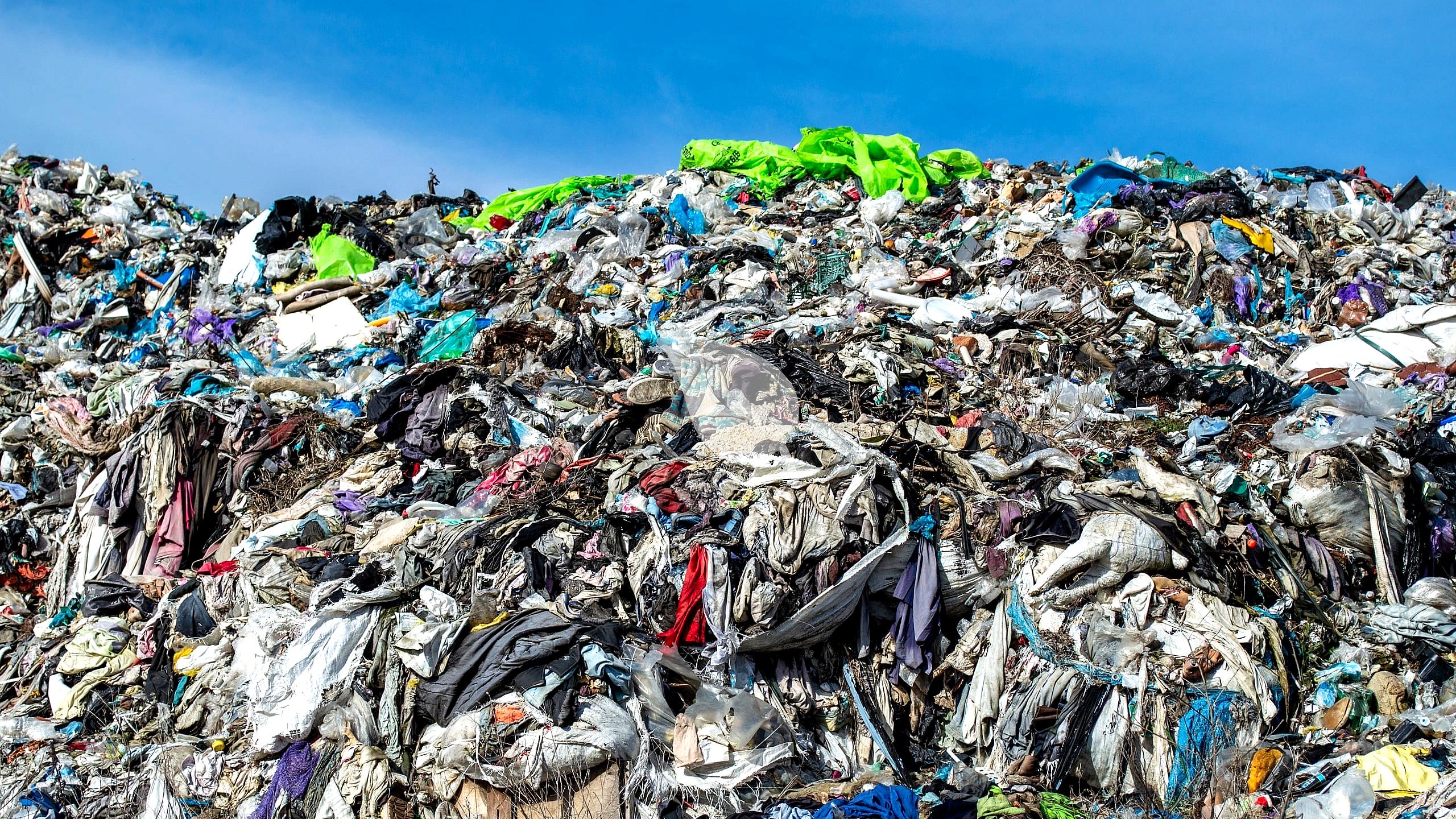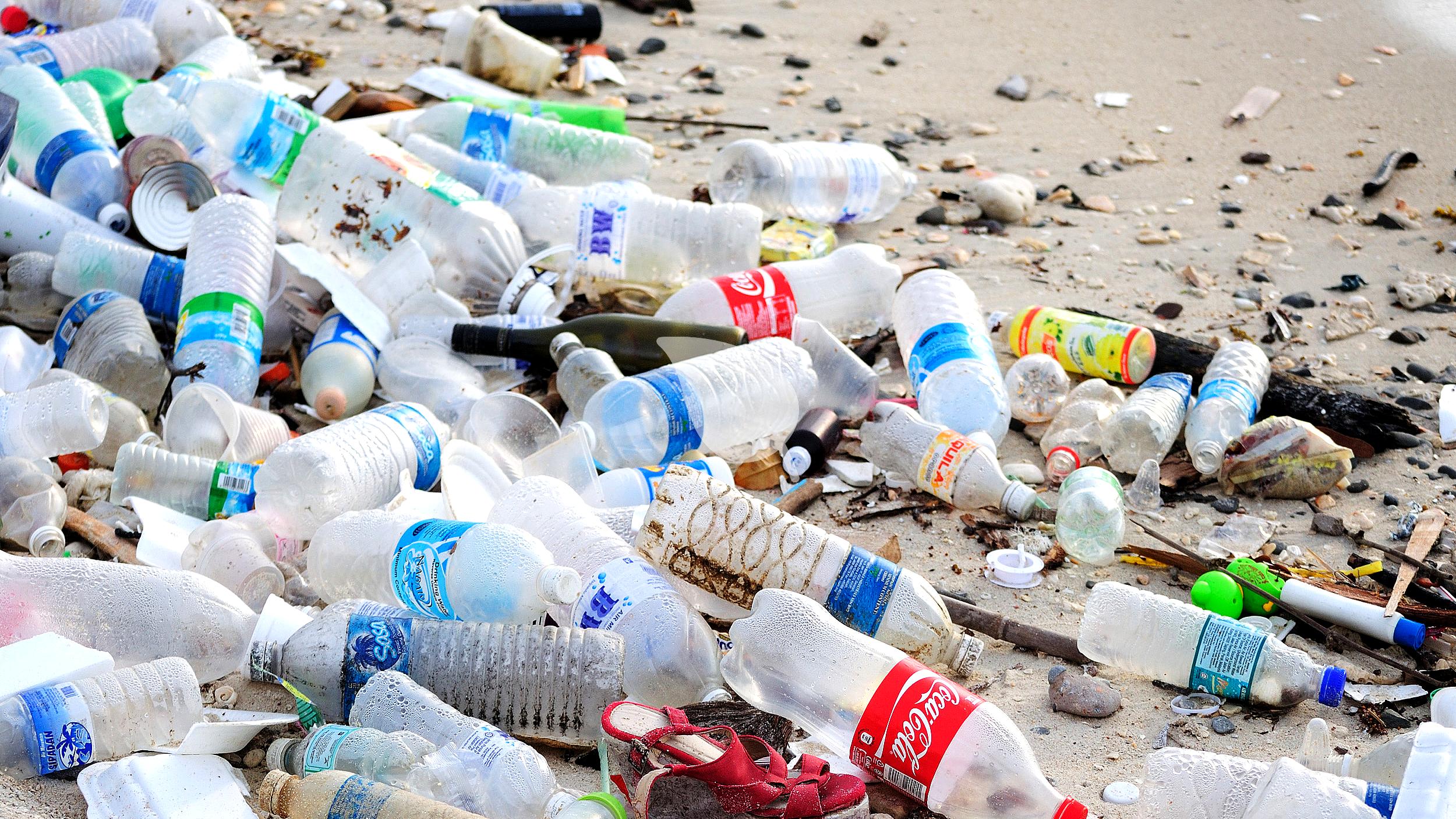
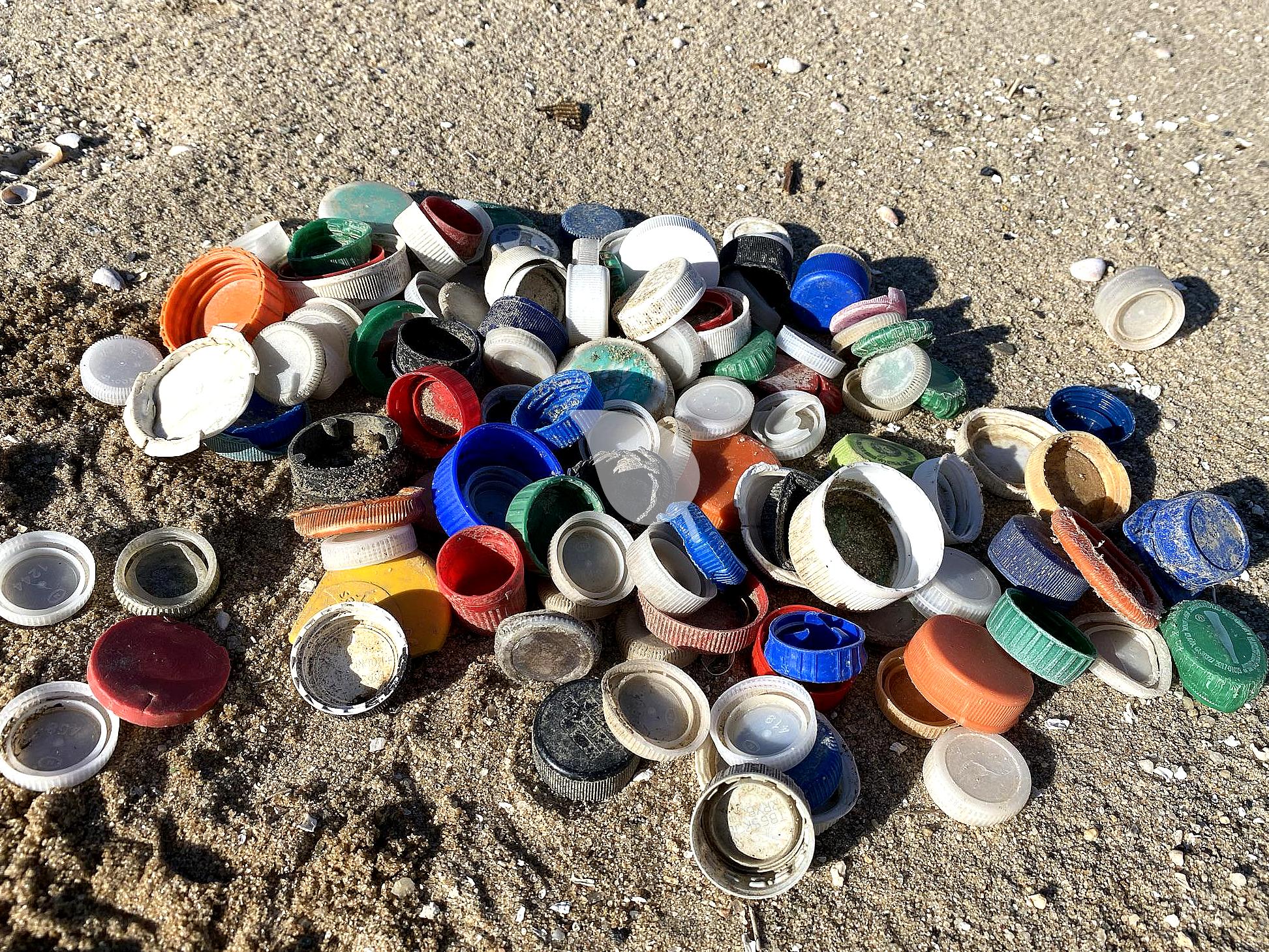
Did you know that on average, 19 discarded bottle caps are found for every 100 yards of beach shoreline during cleanups? It's jarring - these tiny bits of plastic are everywhere, scattered across sand and swept into the ocean. What looks like a few misplaced caps quickly adds up to a global pollution crisis. Bottle caps - innocuous as they seem - are proven to be a top five item in beach litter, silently fueling the microplastic buildup choking our seas.
Loose bottle caps slip through the cracks, literally and figuratively. They escape waste streams, end up in the stomachs of birds, fish, even whales. The good news? Simple changes - like recycling bottle caps properly and policies such as tethered caps - can drastically cut this waste. This ultimate guide lays out the environmental impact, debunks recycling myths, explains proven recycling methods, and highlights global success stories. Ready to discover how your little choices stack up to big change? Let’s get started.
Understanding the Environmental Impact of Bottle Cap Recycling
Picture this: you're strolling along your favorite stretch of beach. Sea breeze, crashing waves... and wait, what’s that crunch underfoot? Bottle caps - red, blue, green - dot the sand like confetti at a party no one wanted. It’s not just an eyesore. These caps are deadly for marine life, and they're everywhere.
In fact, bottle caps rank among the top 5 most common items found in beach litter worldwide, averaging 19 caps per 100 yards of shoreline (Beyond Plastics, 2024). That’s not a fluke. With billions of beverages consumed every week, caps are lost in transit, tossed on the ground, or swept away by rain long before reaching recycling bins.
As recycling rates climb, confusion lingers: should you leave the cap on or take it off? This simple question stumps even eco-conscious folks. The wrong answer can sabotage recycling systems and sustainability efforts, causing caps to end up in landfills - or worse, the ocean. In this guide, you’ll learn exactly why recycling bottle caps matters, how to do it right, the environmental benefits, and the myths that need busting.
The Hidden Dangers of Loose Bottle Caps and Pollution
Why Bottle Caps are a Major Pollution Problem
Despite their small size, bottle caps are a massive headache for the environment. Their lightweight design means they’re easily lost during transport or blown out of recycling bins. Once loose, they travel far - down storm drains, into rivers, and finally into the ocean. Picture a cap riding the wind like a feather, slipping through society’s fingers.
Just because they’re small doesn’t mean they decompose quickly. In fact, plastic bottle caps are non-biodegradable. They linger for centuries, breaking down into microplastics so tiny you’d need a microscope to spot them. Marine animals - birds, fish, turtles - often mistake these bits for food. The consequences? Sometimes fatal. Ingested caps block digestive tracts or leach toxic chemicals, leading to malnutrition or poisoning.
For instance, a recent beach cleanup study revealed an average of 19 bottle caps per 100 yards of shoreline (Beyond Plastics, 2024). Multiply that by the thousands of beaches worldwide, and you’ve got a staggering amount of pollution. Worse, these numbers are just the caps we see - countless more have already broken apart, disappearing into the sand and surf as microplastics.
And the problem only deepens with microplastics. As bottle caps fragment, they create microplastics that infiltrate every layer of ocean ecosystems. Fish ingest these particles, often with disastrous health effects - impaired growth, organ damage, even death. Birds feed microplastic-laden fish to their chicks. The toxic trail doesn’t end there. Microplastics travel up the food chain, right onto our plates and into our bodies.
Pro Tip: Use tethered caps. Keeping caps attached to their bottles drastically reduces the odds they’ll escape into the environment.
A shining example: The European Union mandated tethered bottle caps on single-use plastic beverage containers. Result? Measurable reductions in cap litter across participating countries, proving policy changes work at scale.
Why Recycling Bottle Caps Saves Energy and Resources
Environmental Benefits of Proper Cap Recycling
Think recycling is just about tidiness? Think again. When you recycle bottle caps, you’re actually saving energy - big time. The EPA estimates that recycling just one ton of plastic saves about 130 million kilojoules of energy (CLYNK, 2023). That’s enough juice to power your laptop for 25 hours per every 10 bottles you recycle.
Recycling plastic caps isn’t only about energy. It’s about what you keep out of landfills, too. Every cap that makes it into a recycling stream is one less chunk of plastic leaching chemicals into the environment or clogging landfills for centuries. Landfills don’t just store waste - they create methane, a greenhouse gas far more potent than CO2. Cut waste, and you cut emissions.
Here’s a real-world win: the CLYNK program recycled 2.6 billion plastic containers, saving emissions equivalent to driving 602 million car miles That’s a lot of carbon kept out of the sky by simply returning bottles and their caps.
When you recycle correctly, you also help build a circular economy - a system where materials are reused and repurposed, not simply tossed after a single use. That’s sustainability in action. Proper recycling supports new jobs, cleaner cities, and a future where resources aren’t endlessly extracted
A standout example: Oregon’s Bottle Drop system achieves a jaw-dropping 90% redemption rate. How? By encouraging people to return bottles with caps attached, ensuring more plastic gets a second life.
How to Recycle Bottle Caps Correctly
Step-by-Step Guidelines to Avoid Confusion
Let’s get honest - most people are baffled about what to do with bottle caps. Do you leave them on? Take them off? The answer can literally make or break the recycling process.
Here’s the lowdown:
- Keep caps attached to bottles unless your local recycling program says otherwise. Why? Loose caps are too small for many recycling machines and often fall through, ending up as landfill or litter.
- Caps left on bottles are more likely to be sorted and recycled. The bottle and cap are ground up together, and then the plastic types are separated for proper processing.
- Check your local MRF rules - some places have their own quirks. For example, some facilities still prefer caps removed, while others insist they stay on. When in doubt, ask or visit your city’s recycling website.
Europe’s leading beverage companies, like Coca-Cola EU, have embraced attached caps. Why? As Coca-Cola EU’s Corporate Sustainability Lead says, “Attached caps boost collection and recycling, and help to prevent litter” (Beyond Plastics, 2024).
Let’s look at Oregon’s Bottle Drop program: by making it standard to recycle bottles with caps on, they’ve reached a 90% return rate - highest in the US. That’s no accident. It’s proof that clear guidelines, plus smart deposit systems, add up to massive environmental wins.
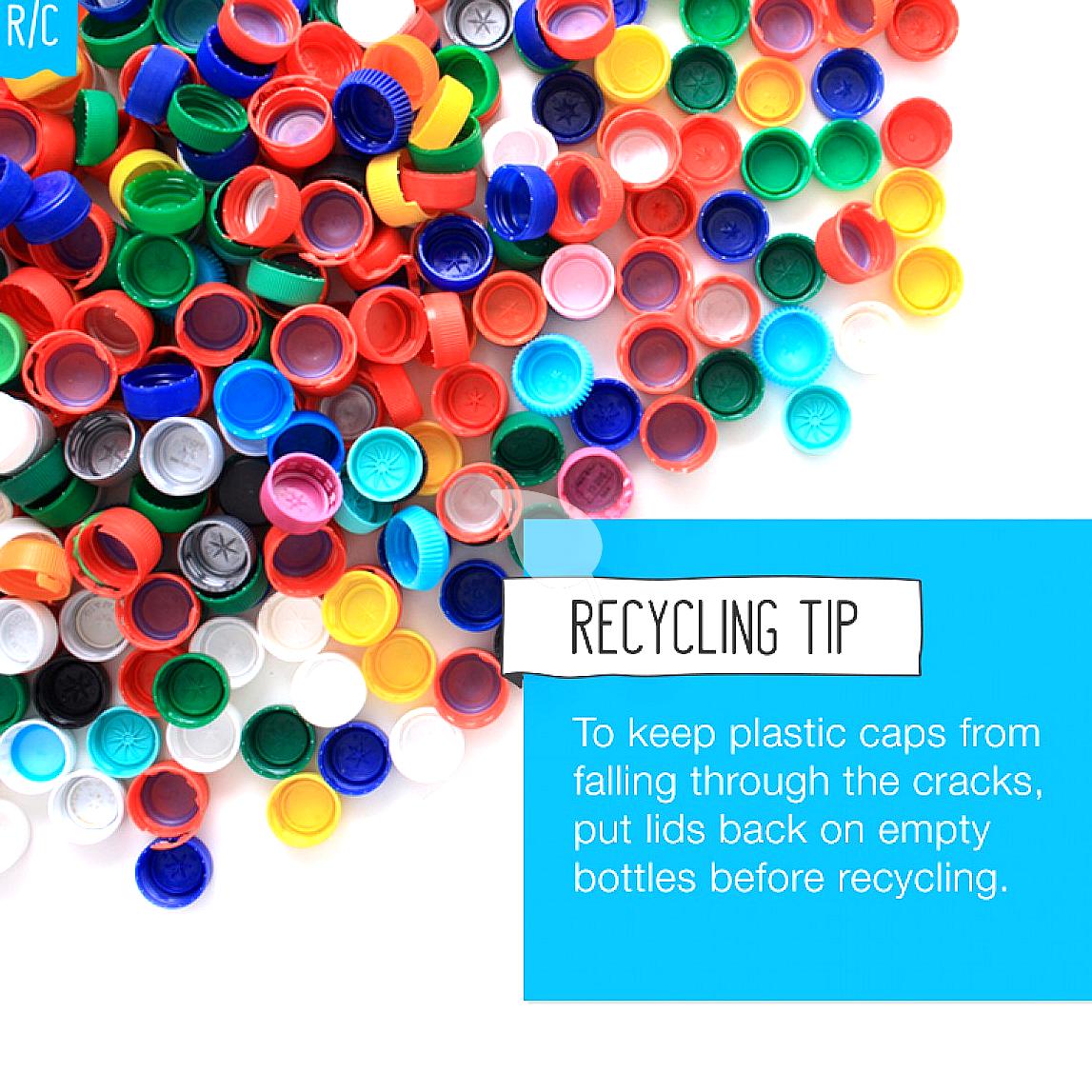
Avoid: Removing caps and tossing them separately unless your MRF says so. Many loose caps slip through machinery, contaminating recycling streams and causing more harm than help.
When you recycle correctly, you close the loop - helping ensure that bottles and caps alike get a new lease on life, instead of languishing in a landfill or polluting a waterway.
Success Stories and Future Solutions
Deposit Systems and Corporate Action
Policy and corporate responsibility aren’t just buzzwords - they’re proven tools for transforming waste into resources. Take Oregon’s Bottle Drop Redemption system. By attaching a small deposit to every bottle (and requiring both bottle and cap for return), Oregon motivates residents to recycle. The result? A 90% return rate, the highest in the country. It’s the gold standard for recycling success.
The European Union takes a slightly different tack. Their Single-Use Plastics Directive mandates that, by 2024, all plastic beverage bottles must have tethered caps. This shifts responsibility onto producers, ensuring caps stay with bottles until their final recycling journey. Major corporations, including Coca-Cola and PepsiCo, have already adapted their packaging, slashing loose cap litter and improving recyclability across millions of products.
Corporate leadership matters. When global giants build sustainability into their products, the effects ripple worldwide. Coca-Cola EU’s sustainability team puts it simply: “Attached caps boost collection and recycling and help prevent litter.” That’s environmental and business sense, perfectly aligned.
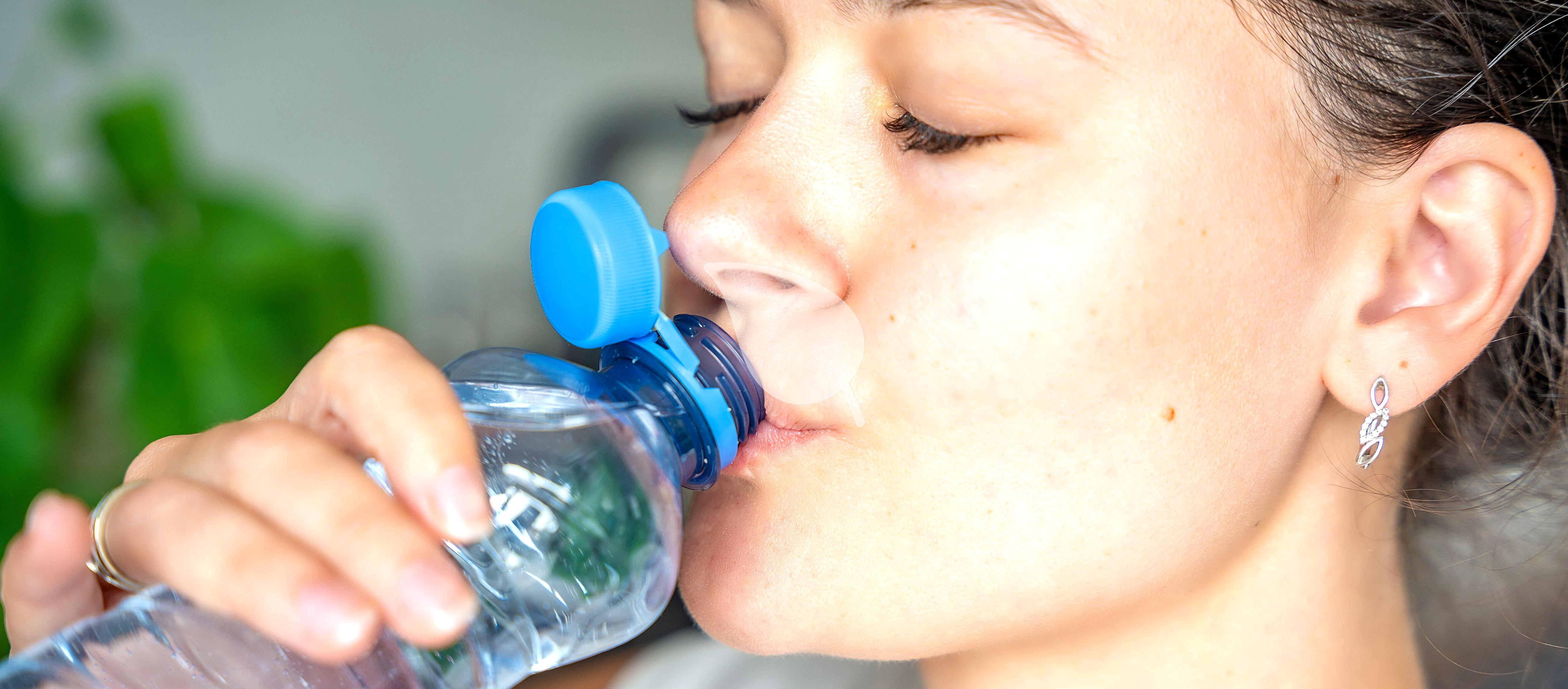
Pro Tip: Advocate in your community for policies that require tethered caps. Not only does this reduce litter, but it also nudges companies to design smarter, greener products.
Take Action: How You Can Make a Difference Today
You don’t need a cape to be an environmental hero. Here’s how anyone - yes, you! - can make a real dent in bottle cap pollution:
-
Learn Your Local Recycling Rules
- Research your local MRF’s guidelines for bottle caps. Practices differ widely, and a quick call or website search can clear up confusion.
- Avoid guessing - contamination hurts recycling programs more than you’d think.
- Example: Visit your municipal recycling website or call the local recycling hotline for accurate info.
-
Keep Caps Attached When Recycling
- Unless told otherwise, always leave caps on bottles. This significantly reduces the risk of loose caps ending up as litter.
- Improves efficiency at MRFs, making sure more plastic is captured and reused.
- Example: Oregon’s and the EU’s programs both recommend keeping caps firmly on.
-
Participate in Deposit Return Programs
- Use bottle deposit systems in your area - these provide a financial incentive to return bottles and caps for recycling.
- Higher redemption rates mean less pollution and more resources recovered.
- Example: Oregon Bottle Drop’s 90% redemption rate leads the nation.
-
Advocate for Sustainable Policies
- Support legislation for tethered caps and hold manufacturers to higher standards.
- Encourage companies to shift toward eco-friendly packaging and cap designs.
- Talk to friends, family, and local officials about the importance of bottle cap recycling.
- Example: Get involved by signing petitions or joining local environmental groups campaigning for smarter plastic policies.
Mistakes to Avoid When Recycling Bottle Caps
Even the best intentions can backfire without the right information. Watch out for these common slip-ups:
-
Removing caps and tossing them separately without checking local rules.
- Why it’s a problem: Loose caps often fall through sorting equipment, becoming litter or contaminating recycling streams.
- Fix: Always keep caps attached unless your facility specifically requests otherwise.
-
Assuming all recycling facilities accept bottle caps.
- Why it’s a problem: Some MRFs don’t process certain plastics, leading caps straight to landfill.
- Fix: Double-check with your local MRF to confirm they accept caps, and follow their instructions closely.
Tools and Resources to Improve Your Recycling
Make recycling easier - and more effective - with these handy resources:
-
Bottle Cap Recycling Checklist
- A downloadable guide that walks you through the do’s and don’ts for cap recycling.
- Value: Reduces confusion and helps you recycle correctly every time.
-
Local Recycling Facility Directory
- Searchable tool to find and review your nearest MRF’s cap-recycling rules by zip code.
- Value: Ensures you comply with local requirements and prevent contamination.
-
Personal Impact Calculator
- Plug in how many bottles (and caps) you recycle to see your energy and carbon savings.
- Value: Quantifies your positive environmental impact - motivation, guaranteed.
Examples of Effective Bottle Cap Recycling Programs
Oregon Bottle Drop Redemption
- Setup: Statewide deposit system incentivizing returns of bottles with caps attached.
- Result: Consistently reaches 90% return rate - the highest in the US - showing how policy and infrastructure drive real change.
EU Single-Use Plastics Directive
- Setup: Requires all plastic beverage bottles to have tethered caps by 2024.
- Result: Major beverage brands (Coca-Cola, PepsiCo) have adopted tethered caps, slashing loose cap litter and improving recycling rates across Europe.
Frequently Asked Questions About Recycling Bottle Caps
Should I leave the cap on the bottle when recycling?
Generally, yes - you should keep the cap attached when recycling. This helps prevent loose caps from becoming litter and ensures the material is more likely to be captured and recycled. However, always check your local recycling center’s guidelines, as rules can vary. Following attached-cap policies also supports new regulations like those in the EU, which aim to reduce contamination and pollution.
Why are bottle caps harmful to the environment?
Bottle caps are small and lightweight, making them especially prone to becoming litter. Once loose, they break down into microplastics that harm marine life and the broader ecosystem. Recycling properly and using tethered caps are effective ways to cut this threat.
What percentage of plastic bottles get recycled?
In the United States, about 29.1% of PET plastic bottles are recycled according to the EPA. Unfortunately, many bottles and caps still escape collection and end up in landfills or the environment. Pushing for better recycling practices can help raise these rates.
Conclusion: The Importance of Recycling Bottle Caps
Bottle cap recycling isn’t just a nice-to-have - it’s a proven way to slash pollution, save energy, and protect marine life from the scourge of microplastics. By keeping caps attached and recycling them the right way, you make the entire system more efficient and effective. Local guidelines matter, so always double-check before recycling, but remember: the default is usually caps-on.
Deposit return programs, smart policies like the EU’s tethered cap mandate, and bold action from corporations show that solutions scale when everyone’s on board. Your choices, multiplied by millions, add up to less plastic waste, cleaner oceans, and a brighter future for all.
Every bottle, every cap - it all counts. Commit to recycling smarter, advocating for better policies, and inspiring others to do the same. The planet will thank you, and honestly, so will future generations.
Get weekly eco-tips: Join our sustainability newsletter and discover more ways to make your everyday actions count.
Sources:
Tags
Join Our Mission
Support our conservation efforts and make a difference today.