Bored kids this winter? You're not alone - when temperatures drop, kids often default to screen time and indoor boredom. But what if you could turn frosty days into fresh adventures? Keeping children active and curious outdoors in cold weather is entirely possible with the right approach.
Instead of wrestling with restless energy indoors, why not explore fun, educational winter nature lessons that blend science, creativity, and the pure joy of discovery? These activities offer a perfect antidote to cabin fever while bringing families together.
Get ready for 10 hands-on activities - proven, practical, and packed with learning - that make winter learning genuinely exciting. Each lesson is designed to spark wonder, encourage exploration, and foster family bonding, no matter the weather.
Why Winter Nature Lessons Rock
Imagine turning chilly winter days into captivating outdoor adventures right in your own backyard. Instead of groans at the mention of boots and mittens, your kids dash outside, eyes wide with curiosity. Magical? Not quite. It’s simply the power of winter nature lessons for kids - transforming everyday moments into memories and learning.
Here's the kicker: exposure to nature doesn't just entertain. According to Bright Horizons (2024), time in nature can improve children's focus by 20% and reduce stress dramatically. That’s not just a statistic - it's a sanity saver for families everywhere.
This guide isn't just another list of ideas. It's your personal 10-lesson blueprint for winter fun - each activity is science-backed, family-tested (by real, slightly wild children), and uses materials you probably already have. You’ll also find quick warm-up ideas, must-know safety tips, and clever indoor alternatives for those truly frigid days.
And if you’re raising a nature lover from the start, don’t miss our article on creating a nature-loving environment for toddlers.
Whether you’re a parent, educator, or just someone who can’t stand winter whining, these lessons are ready to spark joy, learning, and plenty of muddy boots.
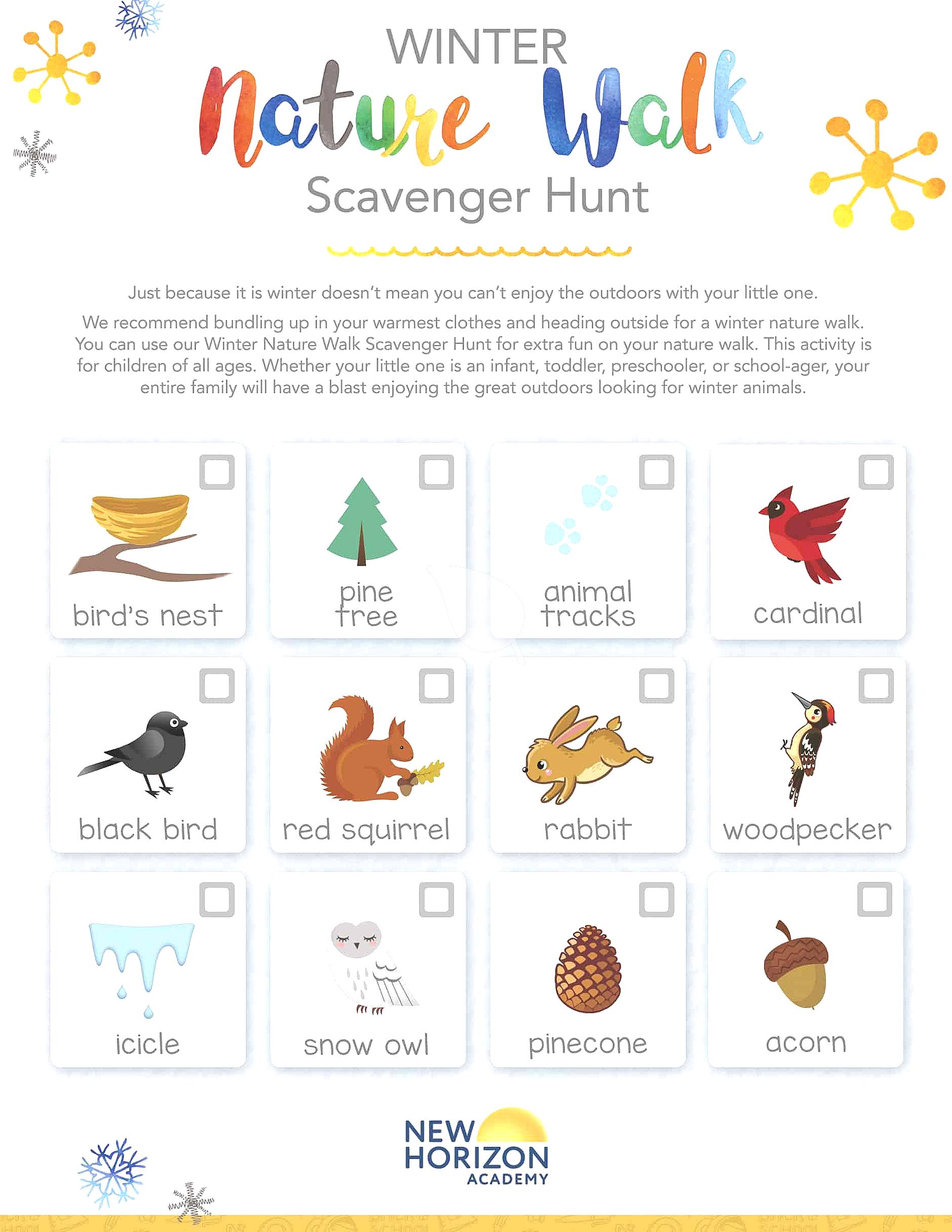
1. Winter Scavenger Hunt Kids: An Outdoor Exploration Adventure
Winter scavenger hunts are a hands-on way to get kids exploring nature even in chilly weather. The simple act of searching for treasures in the snow (or even just frosty grass) transforms an ordinary walk into an epic quest.
Getting Started with Your Scavenger Hunt
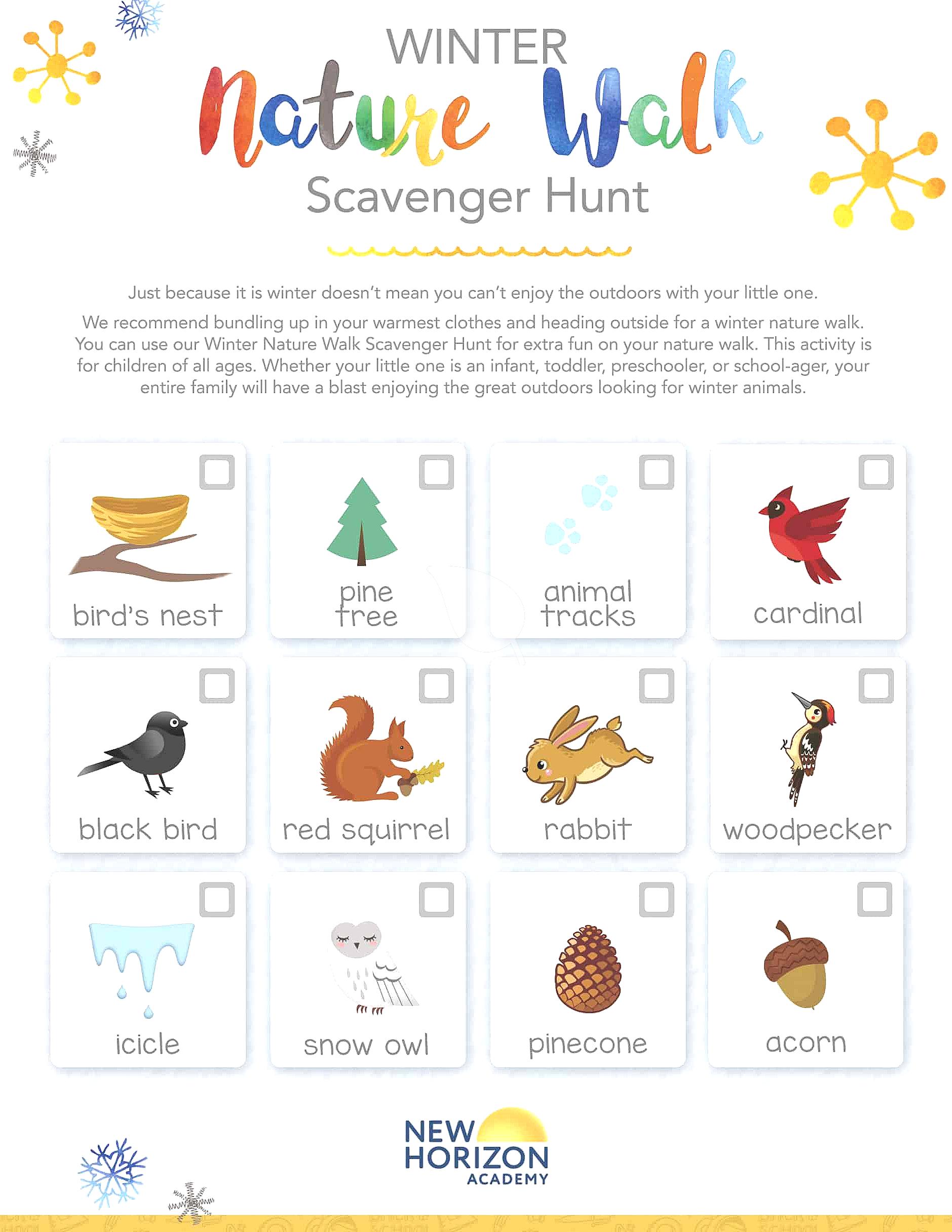
- Prepare a simple checklist of items kids can find outdoors. Think pine cones, icicles, squirrel nests, or red berries. Keep it visual for little ones - draw or print pictures, and laminate the list for reuse.
- Explain the benefits of observation and nature engagement. Scavenger hunts sharpen attention, foster patience, and turn kids into mini scientists. Every item found sparks a question or a story.
- Include warm-up indoor activities for cold days. On bitterly cold mornings, start with a scavenger “preview” indoors - find winter-themed objects around the house to set the mood before heading outside.
Real World Example: The Smith family in Michigan made a printable checklist and bundled up for a snowy scavenger hunt. Their kids beamed as they discovered deer tracks and a perfectly round ice puddle. The list made the adventure feel like a true expedition, and nobody complained about the cold!
Data Dive: Did you know that 80% of parents actively seek outdoor winter activities for kids? (WinterKids, 2025)
Now that you know how to start a scavenger hunt, let's explore crafting with foraged nature items.
Tip: Pair the hunt with a warm indoor craft using collected items to keep kids cozy.
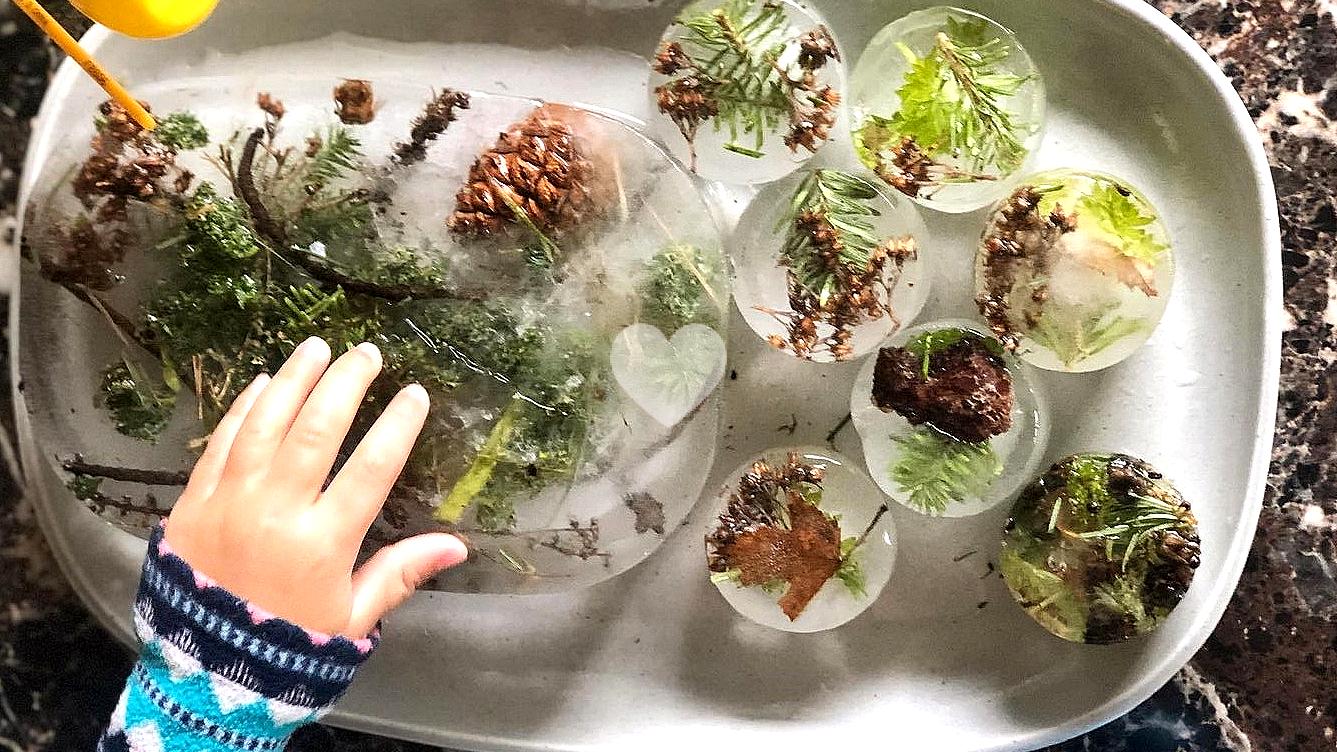
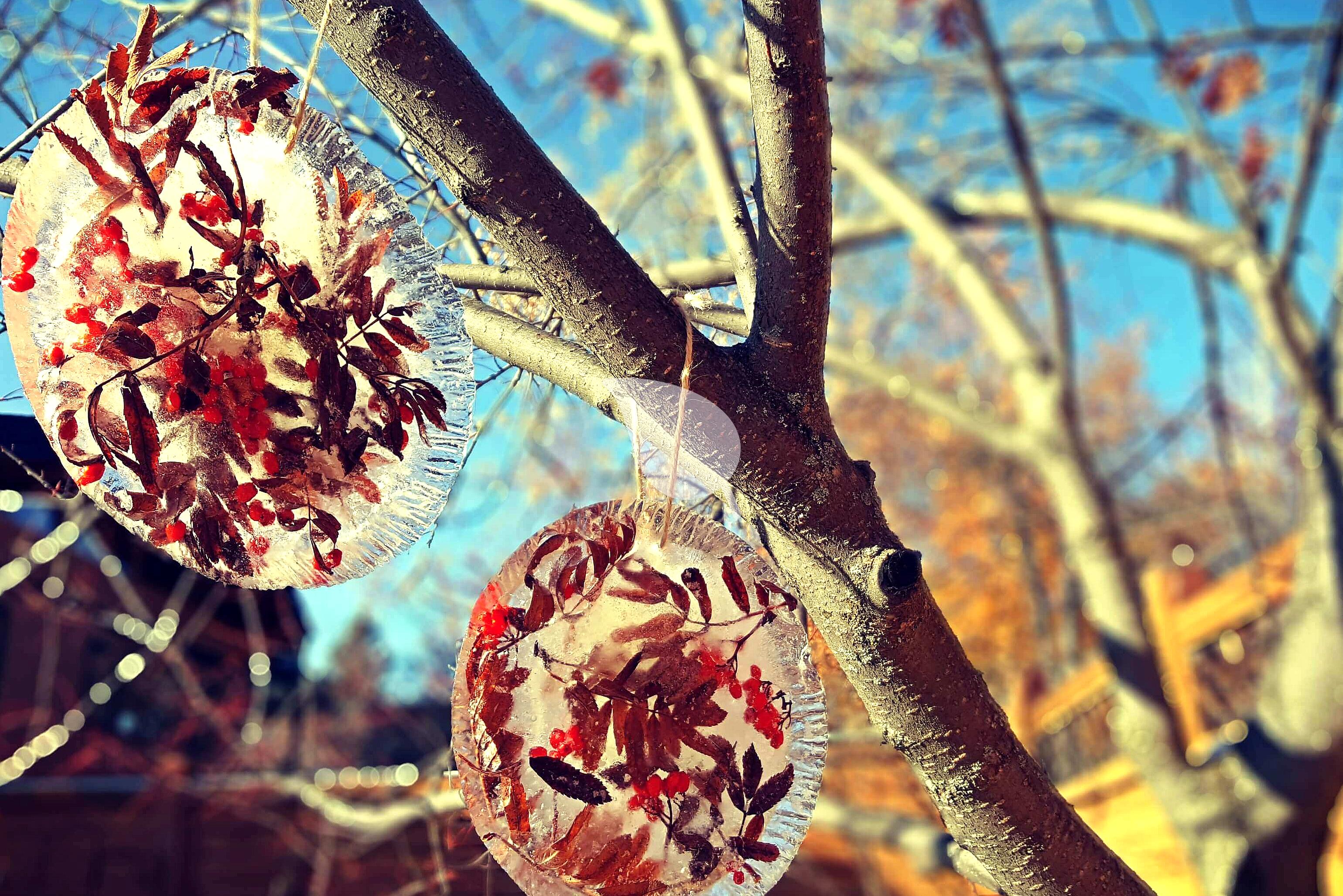
For instance, the Bernals created frozen sun catchers from found leaves and berries after their hunt - bringing a piece of the outdoors inside.
2. Nature Crafts from Foraged Items: Creativity Indoors and Outdoors
Bringing nature indoors with crafts keeps the winter magic alive and kids engaged - even after the boots come off. With a bag of pine needles, a few berries, and some creativity, winter becomes a living art studio.
Crafting Miniature Snow Scenes
- Use natural materials gathered during outdoor walks. Collect pine cones, twigs, bark, and anything that catches your child's eye. These treasures become the foundation for creative play.
- Encourage fine motor skills and creativity. As kids arrange twigs and berries to build tiny forests or snowy landscapes, they're not just making art - they're developing dexterity and spatial thinking.
- Adapt crafts for indoor settings in extreme cold climates. If it’s too cold, swap snow for cotton balls or felt and craft your winter scene at the kitchen table.
Real World Example: The Nguyen siblings crafted miniature winter forests from pine needles, twigs, and red dogwood berries found in their neighborhood park. Their parents set up a craft station by the window, turning dreary afternoons into creative celebrations.
Frozen Sun Catcher Project:
- Fill a small pie pan with water, arrange leaves, berries, and twigs inside, and leave it outside to freeze. Pop it out and hang your sun catcher where sunlight streams through - it’s instant winter sparkle, and a sneaky lesson in science!
Pull Quote: "Winter brings new opportunities for exploring the outdoors with your child."
- Alicia Hutchinson, Nature Study Educator
After crafts, let's discover how to observe winter wildlife through animal tracks and hibernation lessons.
Tip: Always use non-toxic, safe natural materials. Pine needles, acorns, and berries are perfect for little hands.
For example, the Martinez kids built a full miniature forest scene atop a tray of snow, using only what they found outside.
3. Animal Tracks and Hibernation Activities: Winter Wildlife Wonders
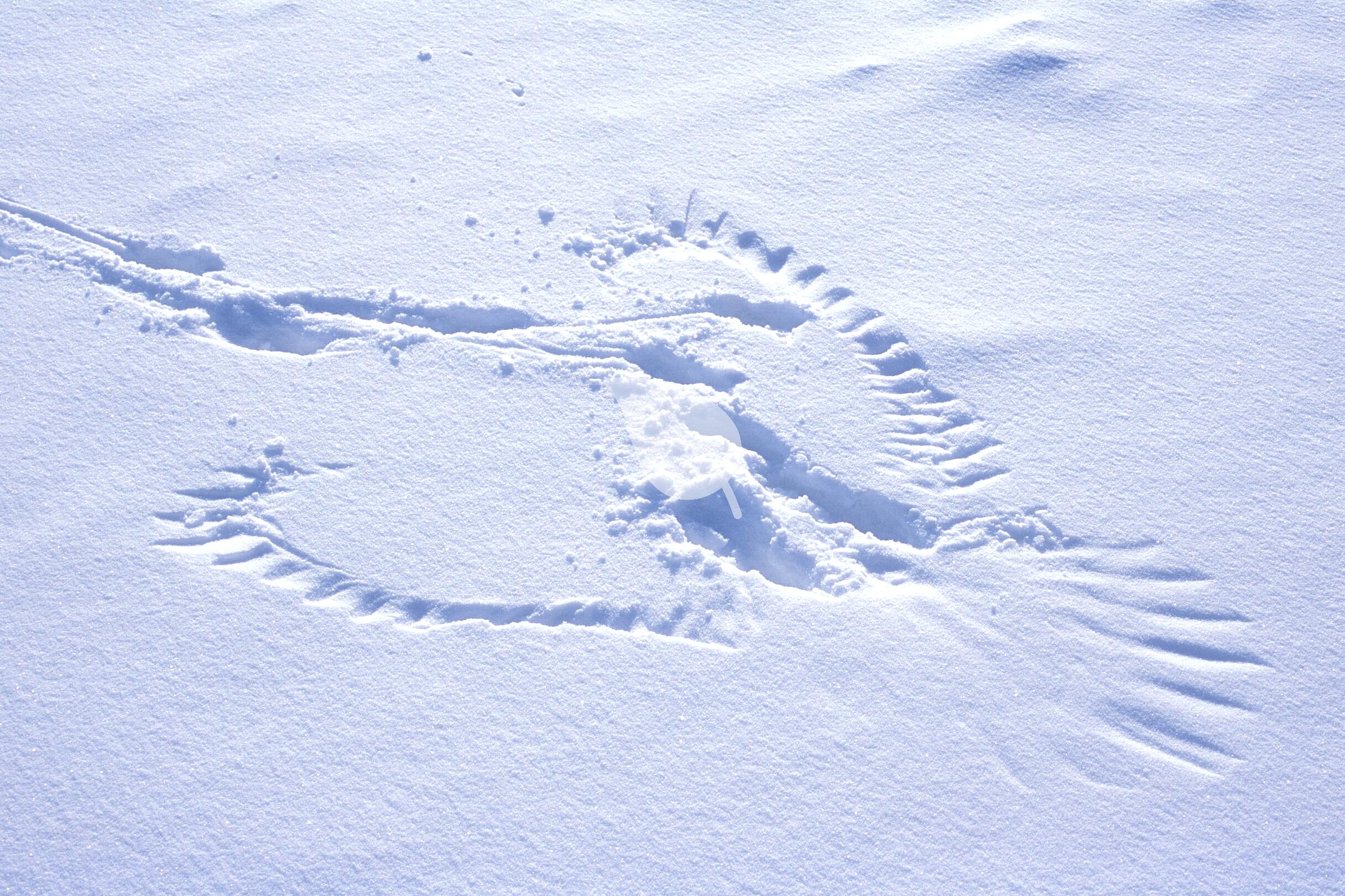
Winter is an open invitation to become a wildlife detective. With a dusting of snow or even soft mud, animal stories are etched right before your eyes. This is the season when tracks, nests, and burrows paint a vivid picture of survival.
Identifying Animal Tracks in Snow
- Teach kids to recognize common local animal tracks. Foxes, squirrels, rabbits, even neighborhood dogs - all leave clues. Guide children to notice shapes, sizes, and patterns.
- Discuss how animals survive winter through hibernation. Explore the idea that some creatures sleep away the cold months while others adapt by changing behaviors or finding shelter.
- Include adaptations for kids with mobility challenges. Use indoor track identification kits or tactile cards for hands-on learning without braving the cold.
Example: During a family walk, the Changs spotted a winding trail of squirrel prints leading to a tree hollow. They paused to wonder: Where was the squirrel now? Was it napping, eating, or just hiding from the wind?
Expert Insight:
"Experiences with nature build children’s physical and emotional well-being and support scientific learning."
- Bright Horizons Team (Bright Horizons)
Warning: Always supervise children during outdoor explorations - stay on safe paths and be alert for slippery patches.
For mobility-challenged kids, the Harris family created an indoor animal tracks game using clay imprints and track cards - everyone joined the fun.
Next up, let’s dive into snowflake science for a magical winter lesson.
4. Snowflake Observation and Weather Science for Kids
There’s something unforgettable about catching snowflakes on your mittens. Each is a masterpiece - a tiny, natural work of art. Snowflake observation isn’t just beautiful; it’s an entry point to science that feels like magic.
Studying Snowflakes Up Close
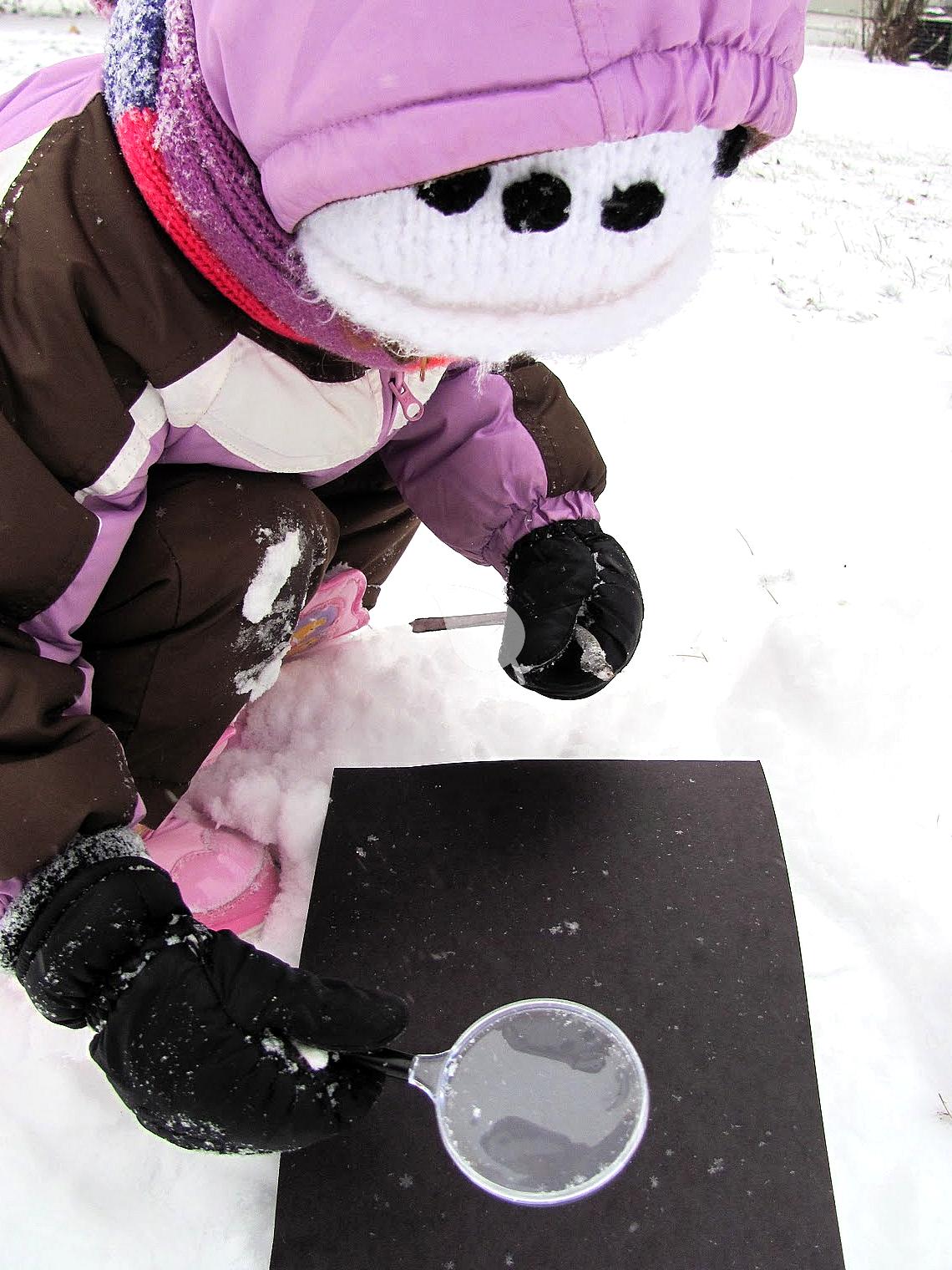
- Use magnifying glasses or microscopes to view snowflakes. Encourage kids to inspect the intricate patterns before they melt. Even a simple magnifier reveals stunning detail.
- Explain basic weather patterns and cloud formation. Discuss how snow forms from water vapor in clouds and why each flake is unique.
- Connect observations to simple science journaling. Have children draw the snowflakes they see or describe their discoveries in words.
Example: Last January, the Ramirezes spent a morning catching snowflakes on black construction paper. Their daughter, Maya, gasped as she saw a perfect six-pointed star. Later, she cut paper snowflakes, comparing her creations to the real thing.
Pull Quote: "Winter brings new opportunities for exploring the outdoors with your child."
- Alicia Hutchinson
Tip: If the weather turns nasty, move indoors and craft paper snowflakes. Use scissors and folded paper to mimic the patterns you’ve seen - no frostbite necessary!
Example: The Abedis made a whole “blizzard” of paper snowflakes after their outdoor observations were cut short by a sudden storm.
5. Nature Journaling for Kids: Winter Edition
Journaling is where everything comes together - adventures, discoveries, feelings, and moments of awe. It solidifies learning and, over time, creates a keepsake of your family’s winter explorations.
Capturing Winter Experiences on Paper
- Encourage kids to document their observations and feelings. They can draw, write, or even paste in tiny treasures (like a pressed leaf or sketch of animal tracks).
- Use prompts related to animals, weather, and crafts. Spark ideas with questions: “What did you see today?” or “How did the snow feel on your face?”
- Adapt journaling for different ages and abilities. Little ones can use stickers or dictate stories, while older kids may write poems or longer reflections.
Real World Example: The Patel family participated in the Nature Kids Winter Course. Their weekly routine: a short walk, a simple craft, and a quick journaling session. Over time, their kids became more observant, eager to fill their journals with drawings of birds, musings about snow, and funny stories from their adventures.
Case Study: Their experience echoes the results from the course - structured lessons combining walks, crafts, and journaling transformed winter walks into artful, memory-rich learning.
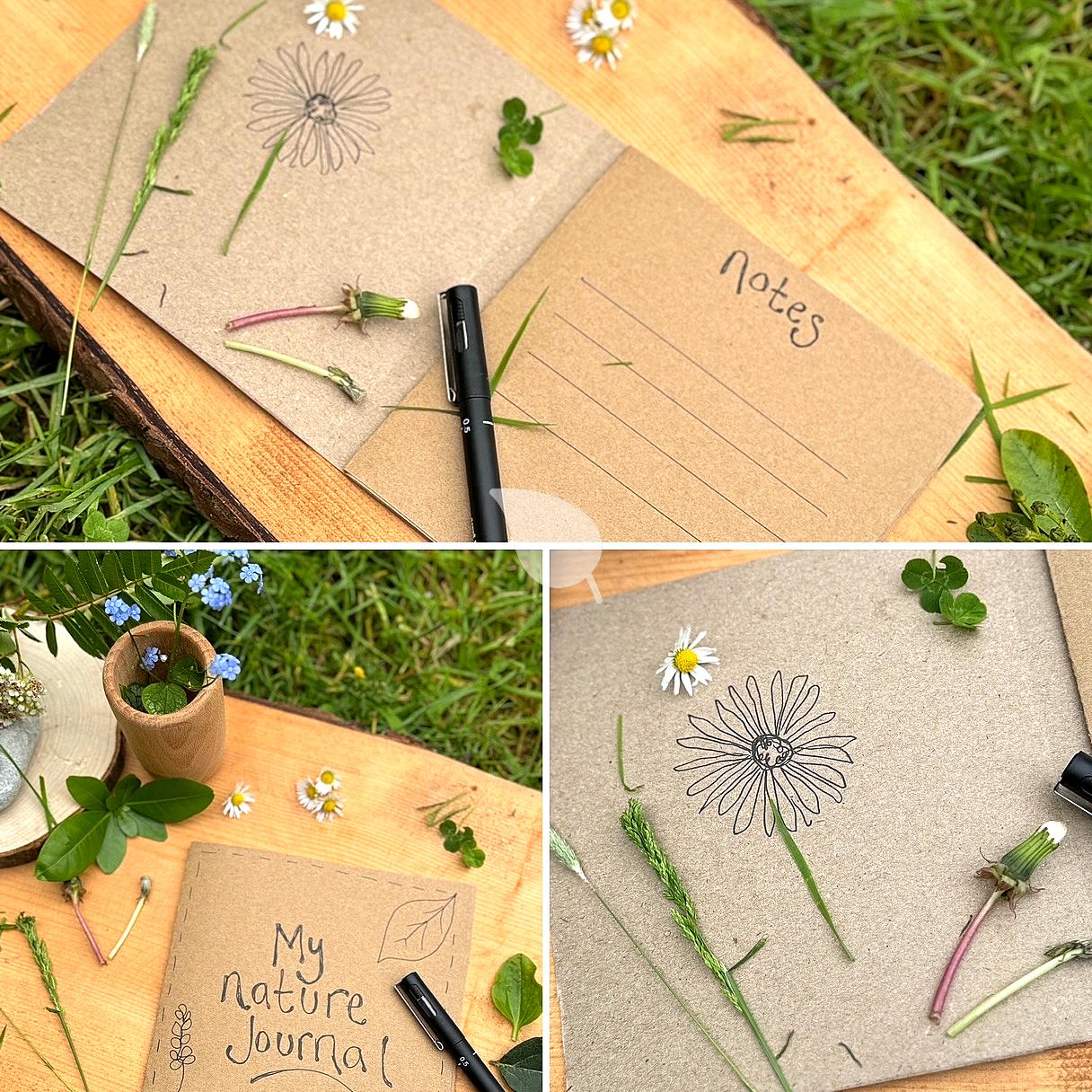
Tip: Combine journaling with group sharing - let kids proudly show off discoveries in a family “nature night.” This boosts both confidence and social skills.
For instance, the Carsons made journal-sharing a Sunday ritual, reading entries and reminiscing about their weekly adventures.
See what else kids learn in nature’s classroom.
Pro Tips for Success: Making the Most of Winter Nature Lessons
1. Prepare for Weather Variations
- Plan hybrid indoor-outdoor lessons so learning never stops, even when it's dangerously cold.
- Use indoor simulations, like observation kits or nature documentaries, when going outside is impractical.
- Always check the weather and ensure kids wear warm, waterproof layers - mittens, hats, and boots are non-negotiable!
For example, when a snowstorm hit, the Walker family shifted to indoor snowflake crafts and journaling. No tears, no boredom - just a change of scenery.
2. Adapt Activities for Different Ages and Abilities
- Modify tasks: let toddlers collect larger objects, while older children can research or photograph findings.
- Offer participation options: everyone can join, whether outside, through a window, or at the kitchen table.
- Encourage sibling teamwork; older kids can help guide or record the adventure.
Example: The Rodriguezes’ eldest led a scavenger hunt for his twin sisters, adjusting clues so everyone felt accomplished.
3. Incorporate Technology Thoughtfully
- Use educational apps for animal track identification, star gazing, or bird calls - but keep screen time balanced.
- Prioritize hands-on nature over screens. Use tech to enhance, not replace, real-world exploration.
- Choose user-friendly, ad-free apps designed for curious minds.
For instance, the Kims used a constellation app on a guided night hike. Their son, Ethan, was thrilled to spot Orion’s Belt above the snowy trees.
Mistakes to Avoid
- Forgetting to dress kids warmly for outdoor activities. Cold, uncomfortable kids will want to go inside fast. Bundle up - layers are your best friend.
- Skipping indoor alternatives for extreme weather. Don’t cancel - pivot. Activities get canceled and kids lose interest if you don’t have a backup plan. Hybrid lessons keep learning going.
- Using complicated crafts unsuitable for age group. Overly tricky projects frustrate kids and parents alike. Choose activities that match your child’s abilities for maximum engagement.
Tools and Resources
- Printable Winter Scavenger Hunt Checklists: Simplify your planning and guide outdoor exploration with ready-made lists. Kids love ticking off each discovery.
- Nature Journaling Templates: Structured pages encourage observation and creativity, supporting learning retention and reflection.
- Animal Track Identification Apps: Interactive tools that bridge technology and hands-on learning, making wildlife tracking accessible for any age.
Real Family Experiences
Nature Kids Winter Course
- Setup: Structured weekly lessons combined walks, crafts, and journaling.
- Result: Families transformed winter walks into artful nature study - kids begged for more outdoor time, even on frosty days.
WinterKids Learn Outside Guide
- Setup: Easy, adaptable lessons integrated right into school and home routines, focusing on outdoor education.
- Result: Noticeable boost in kids’ enthusiasm for winter nature - plus, teachers and parents spotted new sparks of curiosity.
FAQ
Q: What are fun winter activities for kids?
Fun winter activities for kids include scavenger hunts, creative nature crafts, wildlife observation walks, snowflake science experiments, and nature journaling. These activities encourage outdoor play and learning - even when it's cold. Start with easy, engaging tasks and adapt as needed for weather and age.
Q: How to make a snowflake lesson?
To make a snowflake lesson, start by observing real snowflakes with a magnifying glass or black paper. Discuss how snowflakes form, focusing on their symmetry and patterns. Then move indoors to craft paper snowflakes, helping kids understand the science behind their shapes. Combining real observation with creative crafting makes the lesson memorable and fun.
Q: Safe outdoor play in winter?
Safe outdoor play in winter means dressing children in warm, layered, waterproof clothing and planning activities away from hazards like icy roads. Take regular breaks to warm up indoors and supervise activities closely. Always check weather forecasts and set clear boundaries for safe exploration.
Conclusion: Embrace Winter Nature Lessons for Fun and Learning
Winter nature lessons for kids aren’t just a way to pass time - they’re a proven strategy for blending outdoor education with science, creativity, and unforgettable family moments. With this 10-lesson blueprint, you have adaptable, practical ideas for every winter mood and challenge.
From scavenger hunts and sun catchers to animal tracking and snowflake science, these activities address common hurdles like frigid weather and varied abilities. Plus, they nurture genuine connections with nature and between family members - even on the coldest days.
Imagine your child’s excitement as they spot a fox track, capture a snowflake, or proudly draw their discoveries. That’s the magic: every winter day holds the chance for learning, laughter, and a little bit of wonder.
Ready to make this your most adventurous winter yet? Download your free Winter Scavenger Hunt printable and start exploring today!
Remember: With a little planning and creativity, winter nature lessons for kids can turn even the coldest days into magical learning experiences.
Tags
Join Our Mission
Support our conservation efforts and make a difference today.